Skip to content

Posts by FeyGirl

The Florida Trail & a Gopher Tortoise Rescue

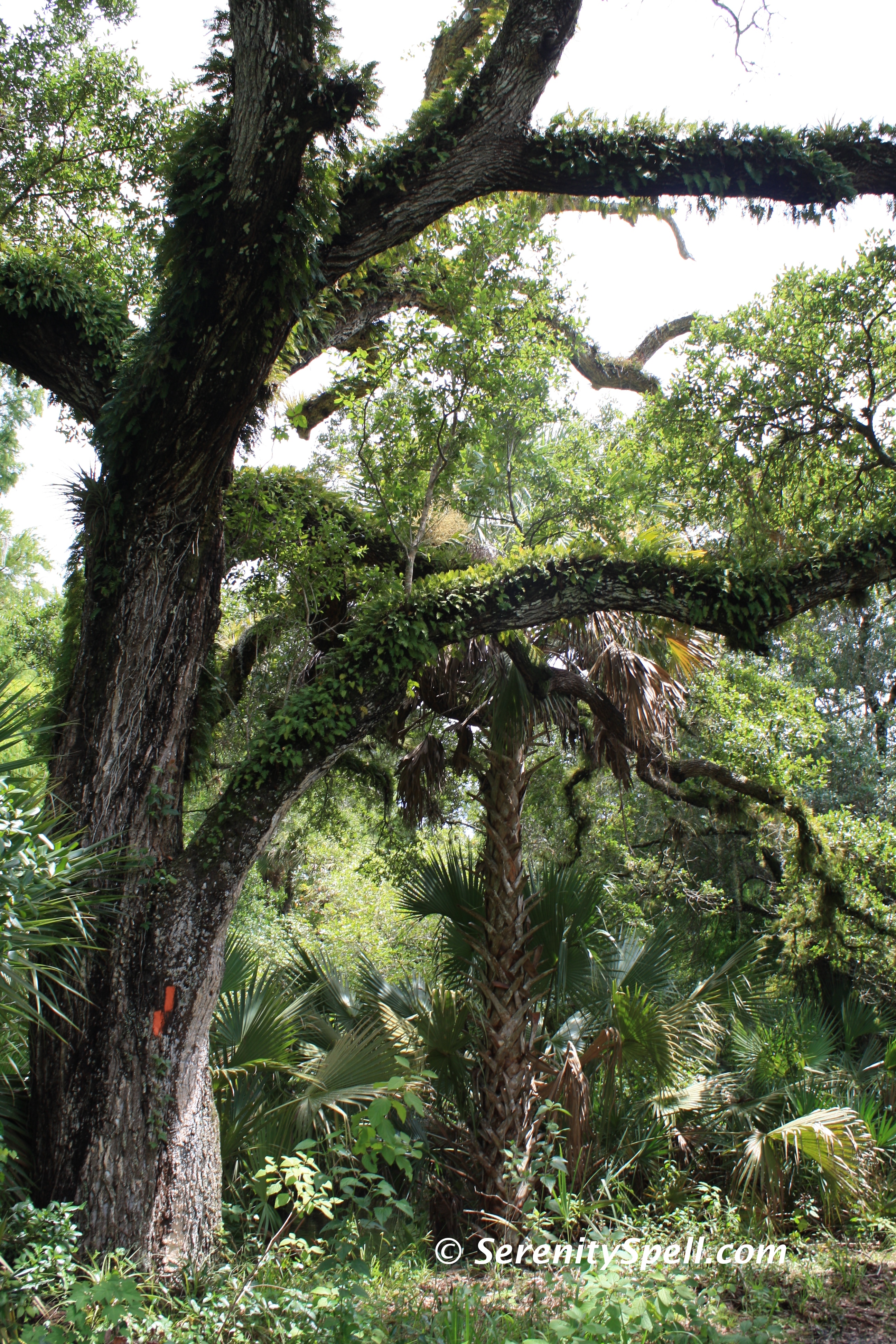
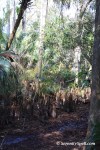
Hiking Jonathan Dickinson State Park in the Riverbend area has provided us with some amazing scenery and images. This extension of the Florida Trail is accessible through the park (under Indiantown Rd.), or attainable across the street, near the Loxahatchee River (we jump the fence across the street for quicker access to the trail). The Ocean-to-Lake portion of the Florida Trail also runs behind the park, to the south. It’s a fantastic trail, with a gorgeous watering hole, canopy trees, old growth, prairie, and miles of hiking, that leads to Jonathan Dickinson. Natural Florida at its BEST. It’s rarely traveled — we’ve never encountered another hiker/kayaker past the watering hole.

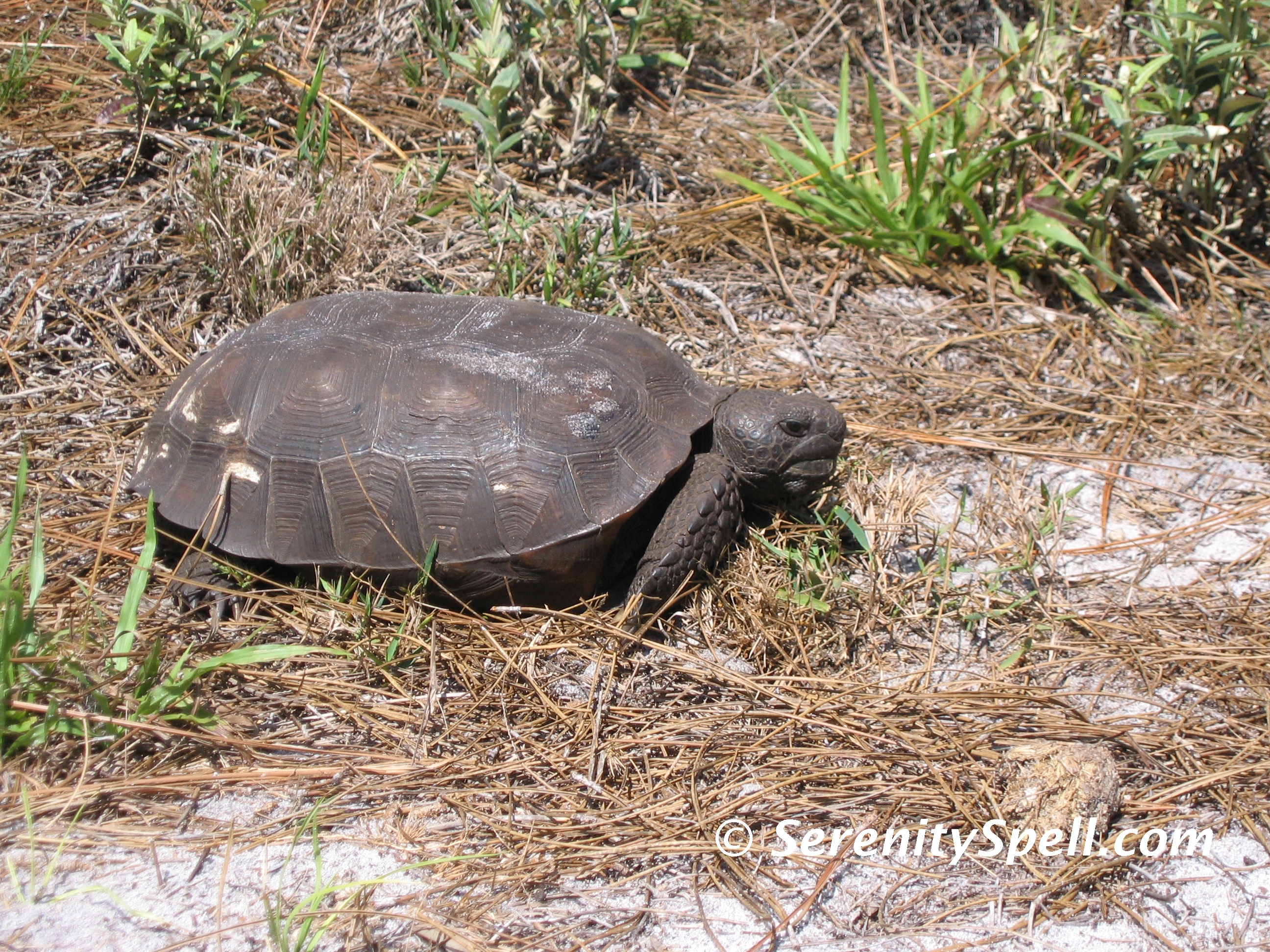
During our most recent trip, we saved a gopher tortoise. One of the oldest living species, the burrowing tortoise is found throughout Florida and southern Georgia, South Carolina, Mississippi, Alabama, and eastern Louisiana. These tortoises dig and live in long burrows in longleaf pine savannas, thus protected from summer heat, winter cold, fire, and predators. Gopher tortoises are essential to the local ecology — their burrows also provide homes for other animals, including indigo snakes, gopher frogs, mice, foxes, skunks, opossums, rabbits, quail, armadillos, burrowing owls, snakes, lizards, frogs, toads, and other invertebrates. Their burrows — abandoned or shared — may be the homes to more than 300 species of animals at one time or another. Pretty amazing; and it’s easy to see how destroying the habitat of the gopher tortoise alters the already fragile ecosystem. Federally protected as a threatened species (FINALLY in Florida, where the status was “under review” for years), the tortoise’s main threat remains: Habitat loss and destruction. For instance, it wasn’t until 2007, in Florida, that developers were forced *by law* to relocate burrowing tortoises — until then, development could shockingly occur with no thought to the safety of the animals and the destruction of their habitat.
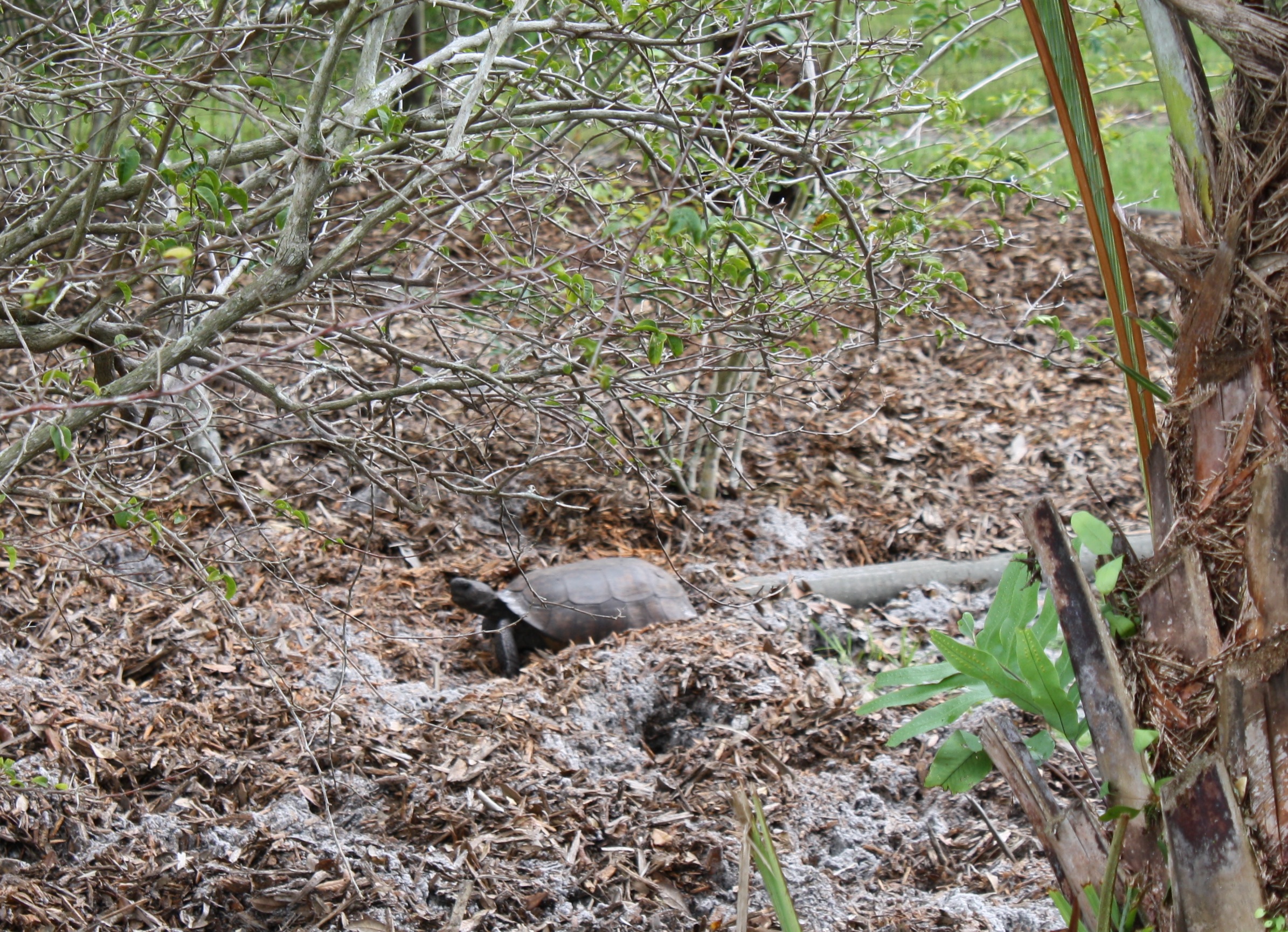
This poor guy was trapped behind acres of personal enclosure, and had been unsuccessfully attempting to burrow in the mulch — there were dozens of failed holes. We stayed awhile, seeing if he could escape on his own (or if he was choosing that location), but then saw how the fence was buried, impeding his escape. Between the buried fencing, his constant dodging, and the myriad failed burrows, we quickly relocated him to a perfect burrow-able location nearby — literally 10 feet away his natural habitat awaited him, for pete’s sake. Rule of thumb with turtles and tortoises, help them safely in the direction they’re trying to head. It would have been nice for the actual property owners to have done so, of course; it wasn’t difficult to see the poor guy’s quandary.

We’ve also seen great horned owls, red-shouldered hawks, and alligator, to date, on this section of the Florida Trail — as well as a territorial pit bull during a brief stint of occupied home/farm ownership. Note to owners, or park management: Fix the freakin’ fence to prevent his escape. I’m sure the very nice farmer down the path would be equally grateful to have his chickens lay more eggs.

For More Information:

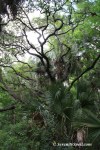
Canopy Trees and Live Oak Along the Florida Trail Extension (Jonathan Dickinson Trail)
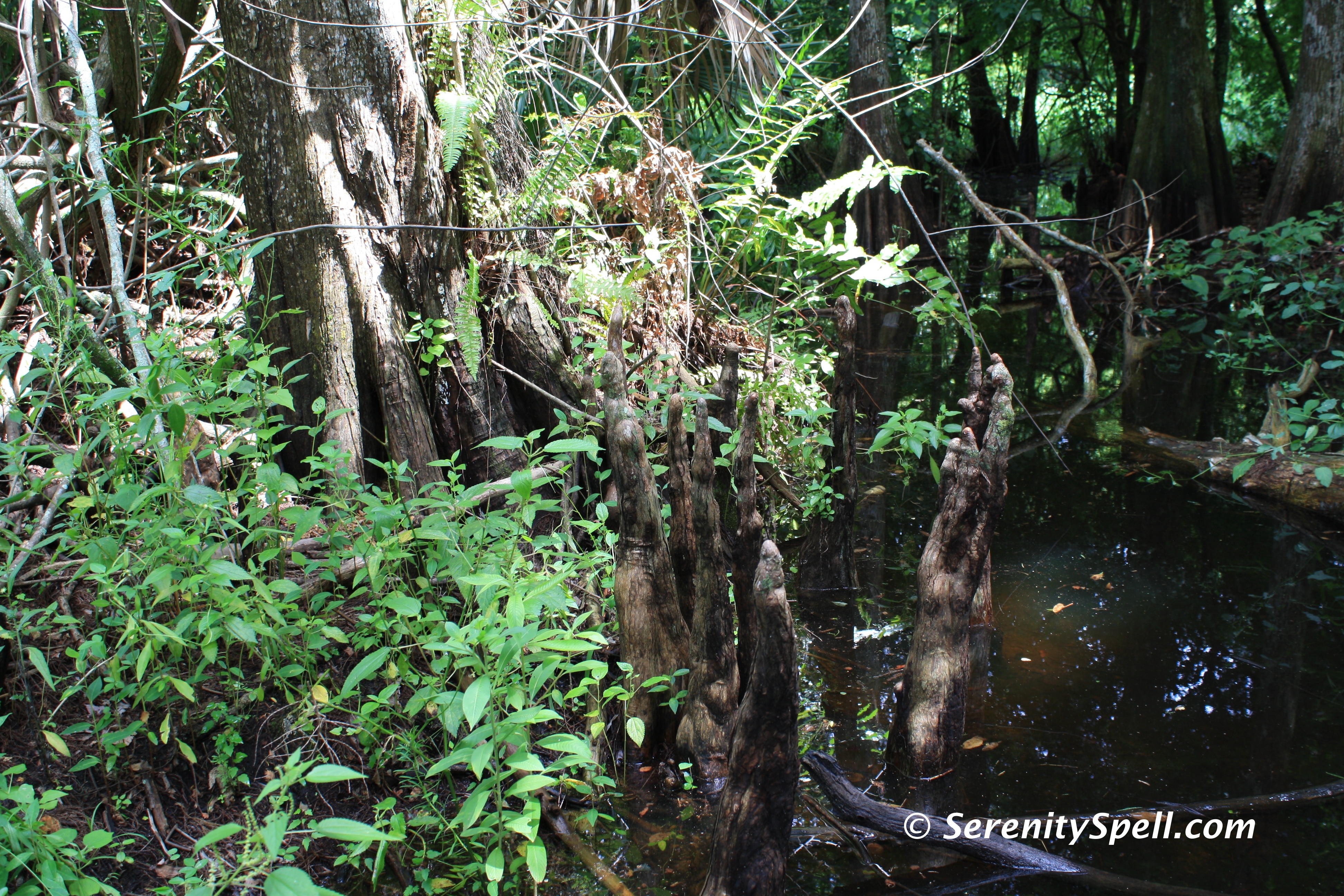
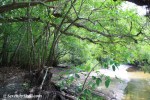
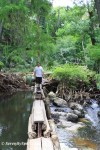
Watering Hole, Florida Trail Extension (Jonathan Dickinson Trail)
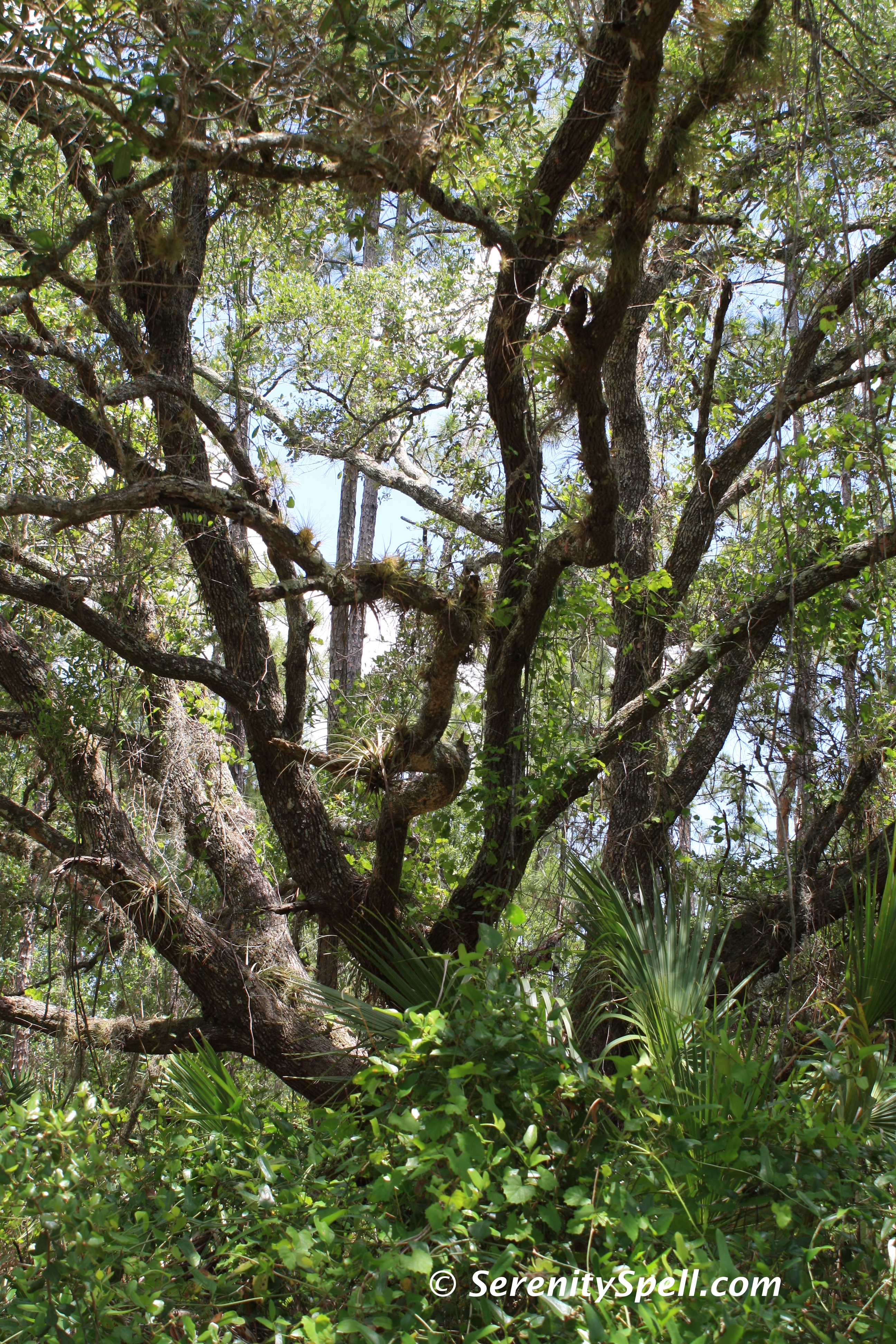
Lovely Live Oak of the Florida Trail Extension (Jonathan Dickinson Trail)
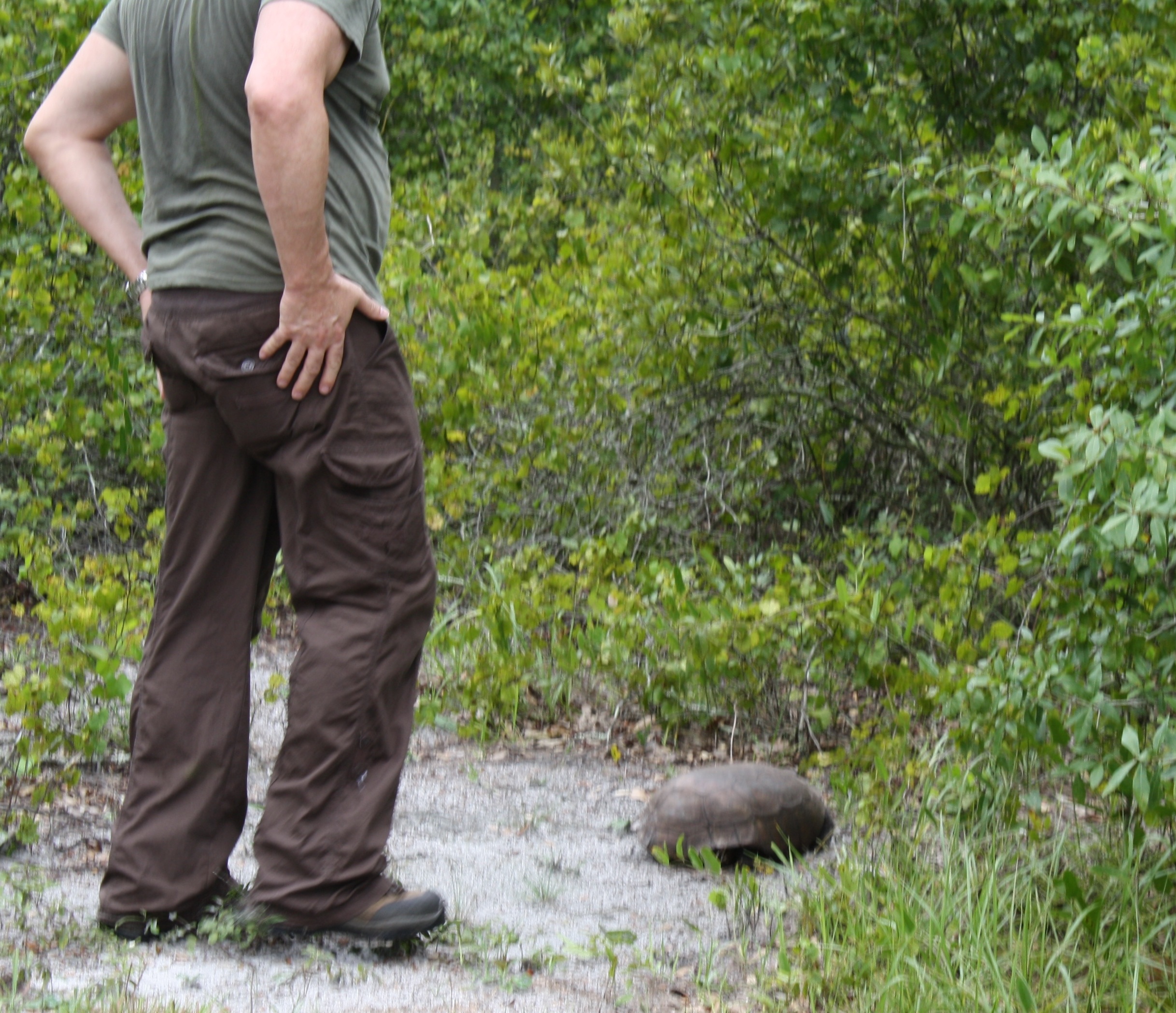
Saving the Gopher Tortoise, Florida Trail Extension (Jonathan Dickinson Trail)
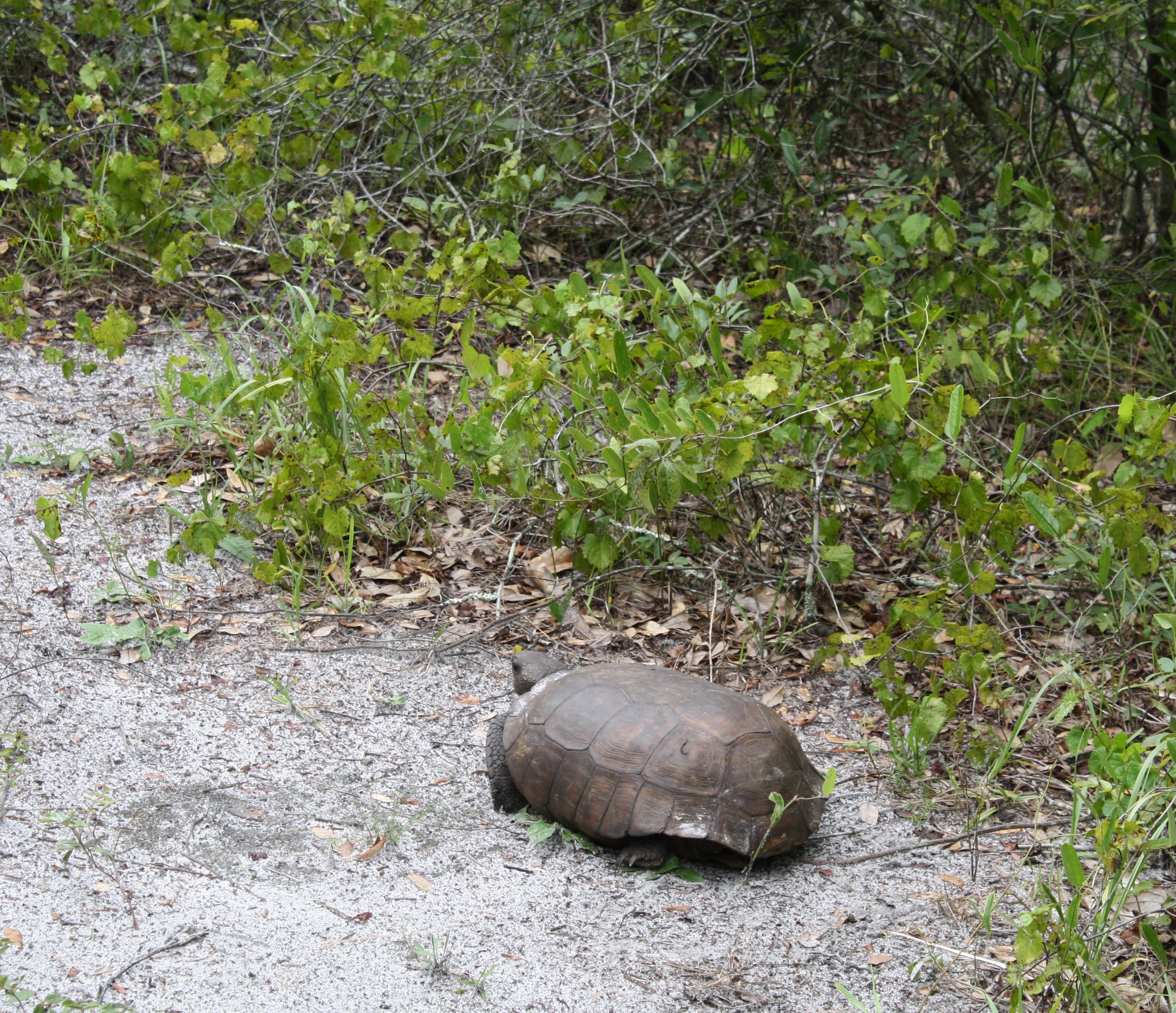
Be Free, Mr. Tortoise!
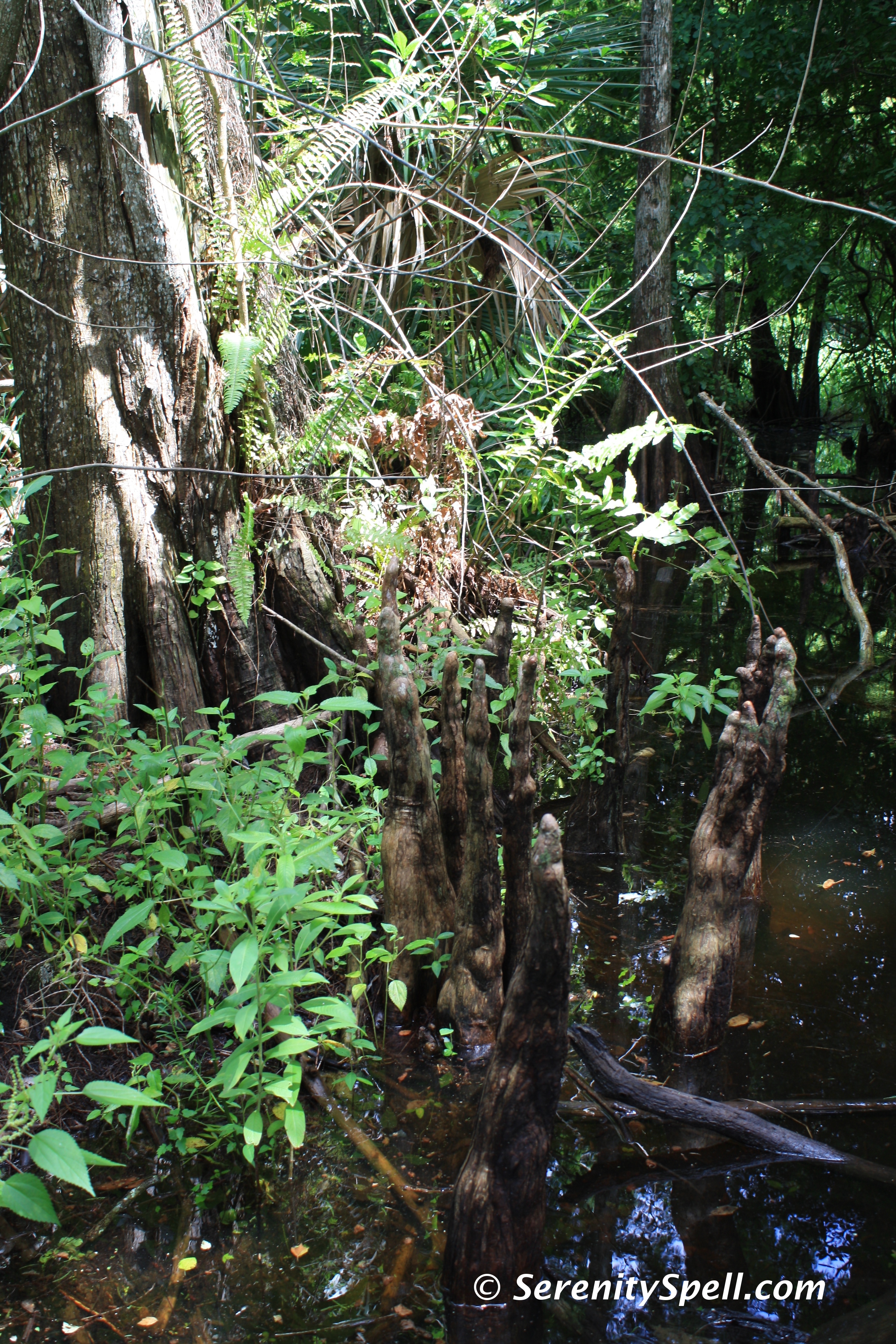
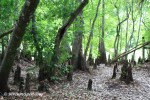
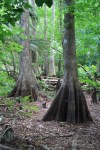
Cypress at the Watering Hole, Florida Trail Extension (Jonathan Dickinson Trail)
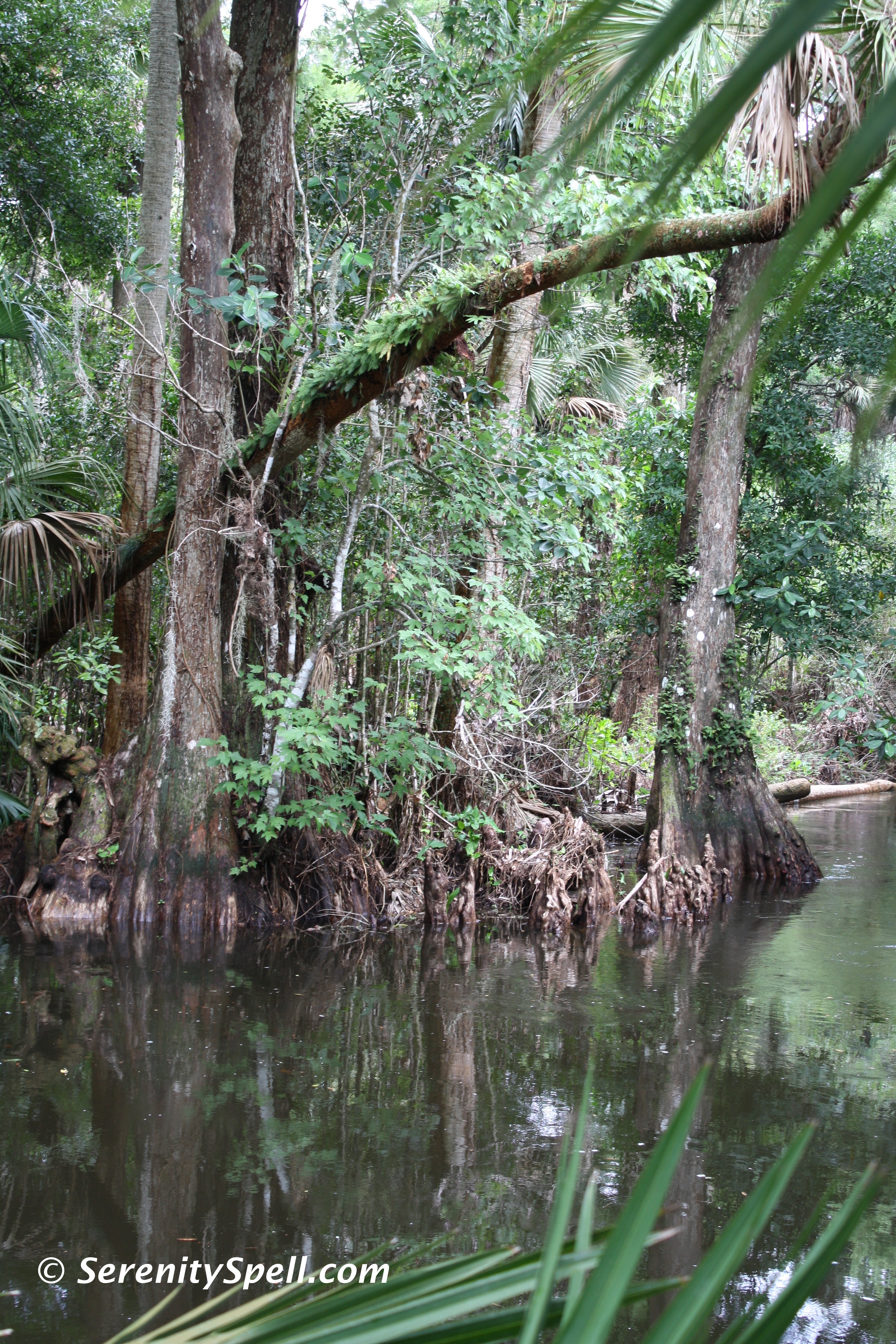
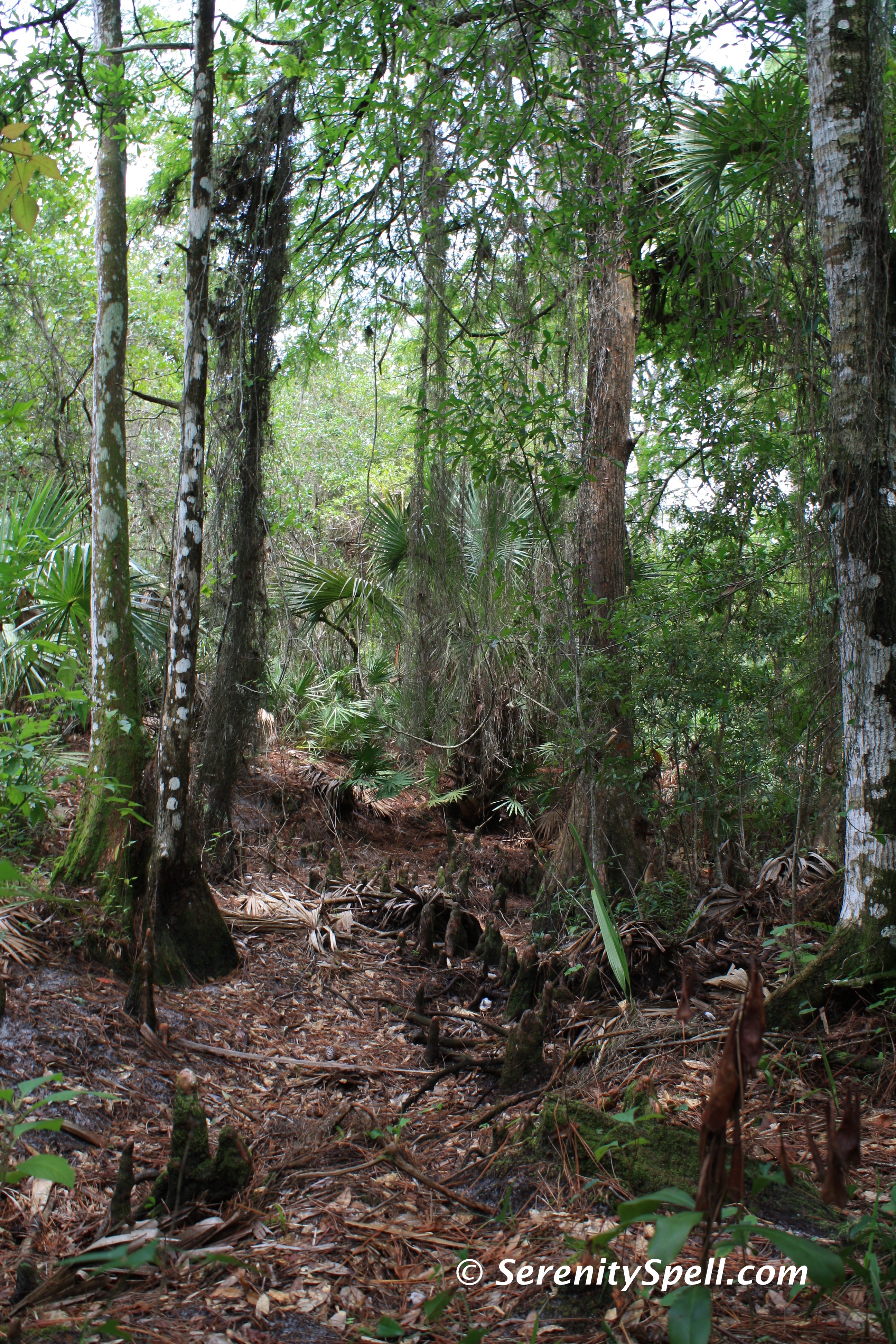
Dry Swamp Scene Along the Florida Trail Extension (Jonathan Dickinson Trail)
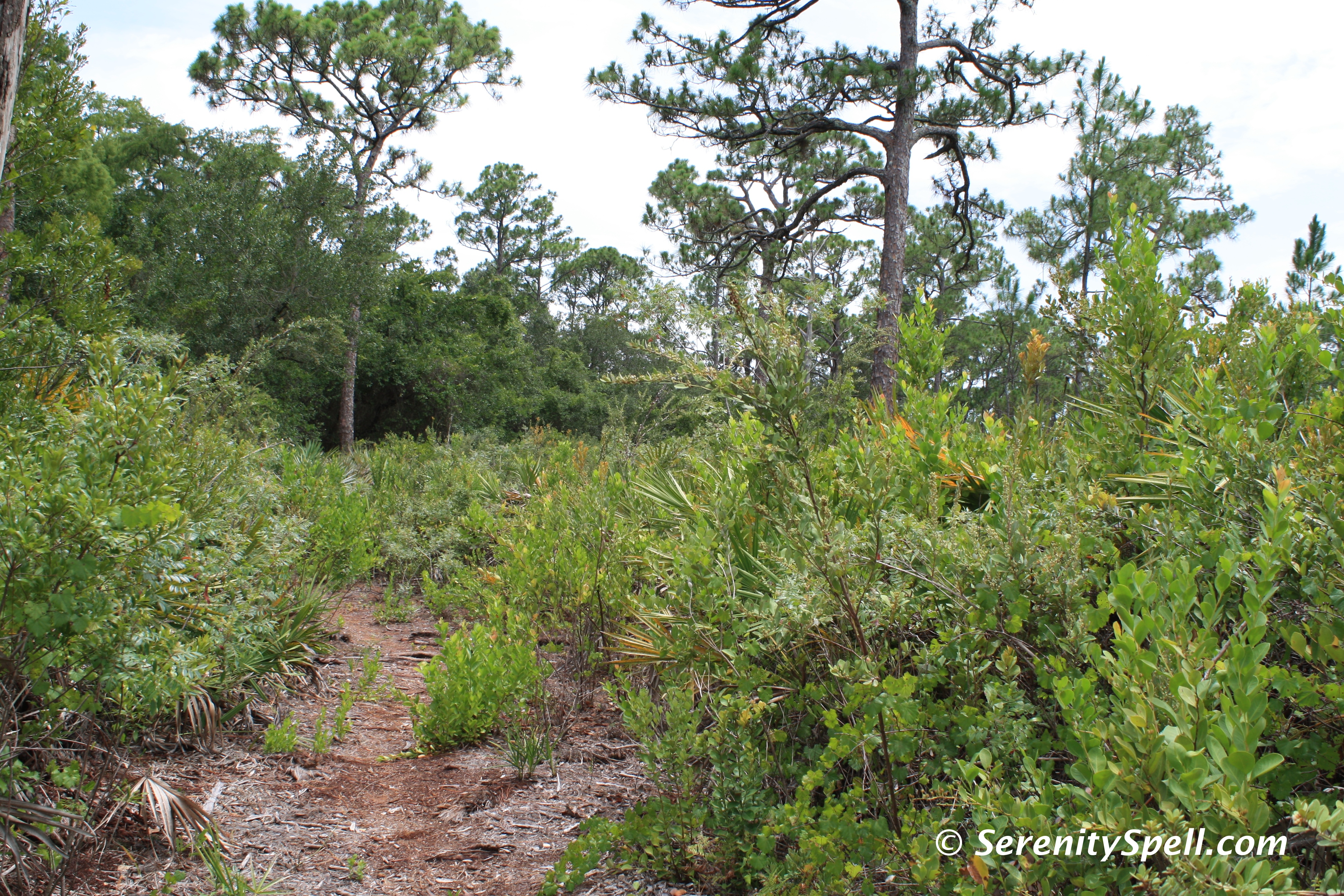
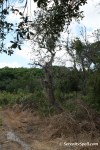
Opening to Prairie (and Sun), Florida Trail Extension (Jonathan Dickinson Trail)
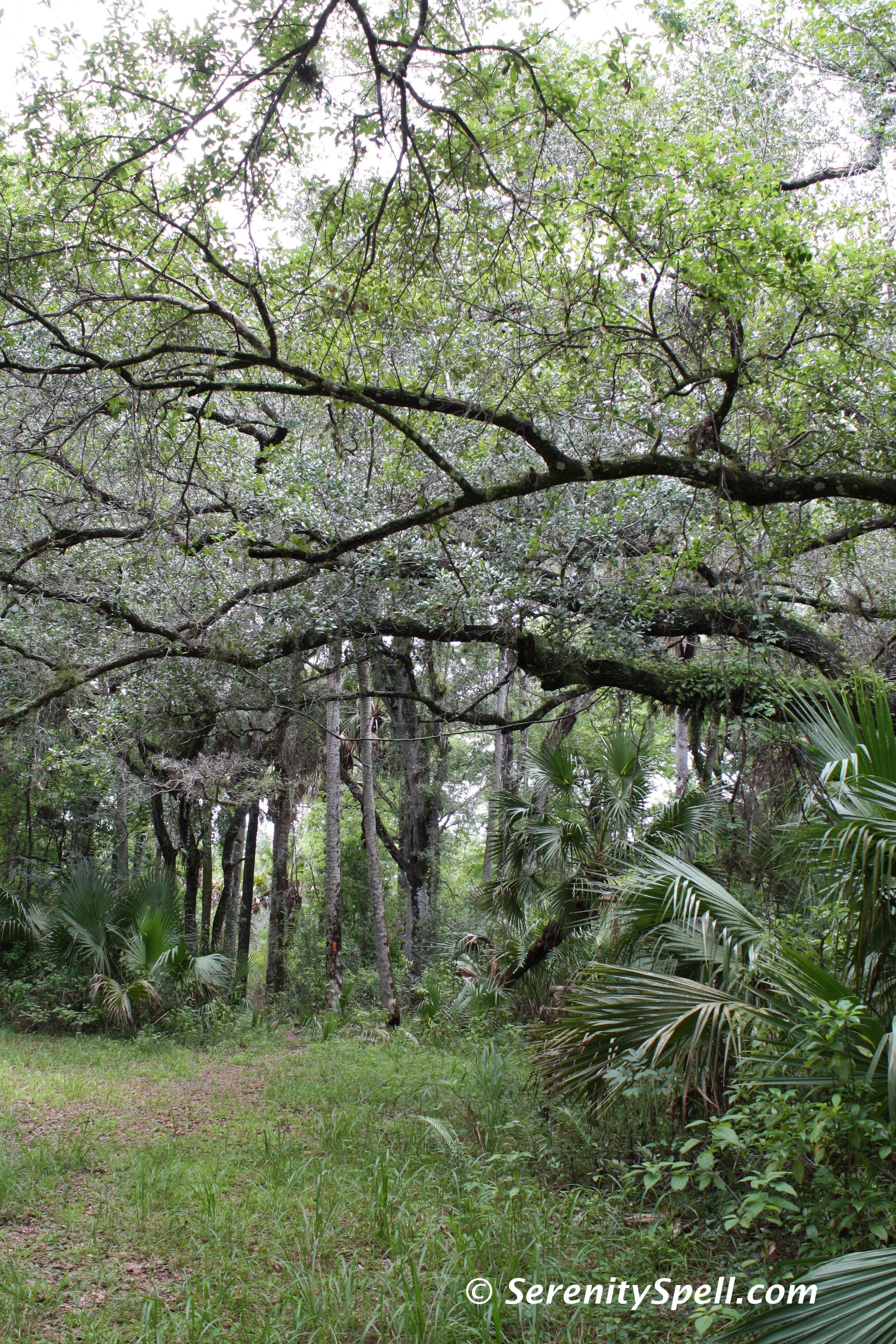
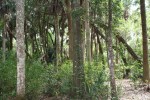
Sheltered by the Trees Along the Florida Trail Extension (Jonathan Dickinson Trail)
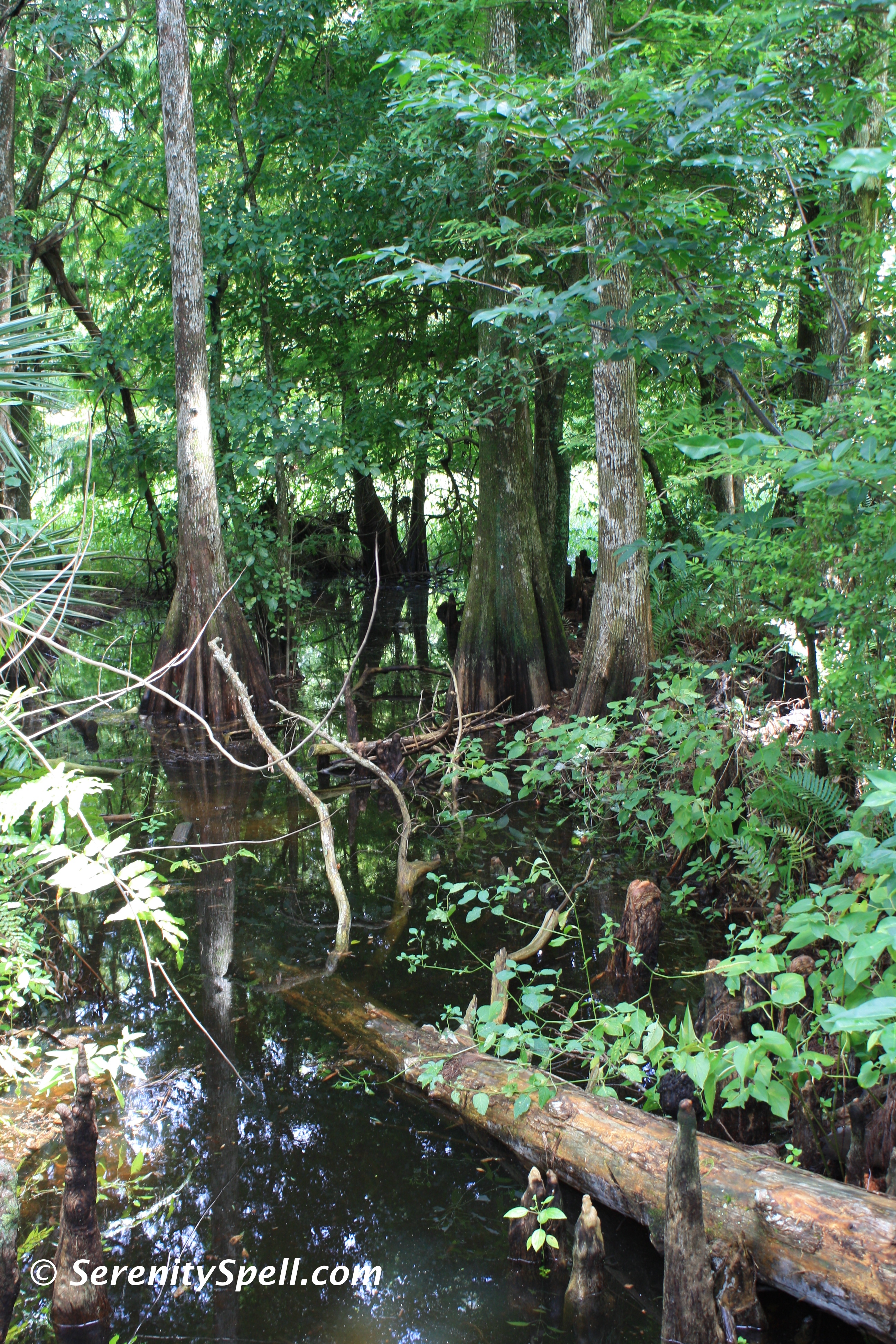
Watering Hole, Florida Trail Extension (Jonathan Dickinson Trail)
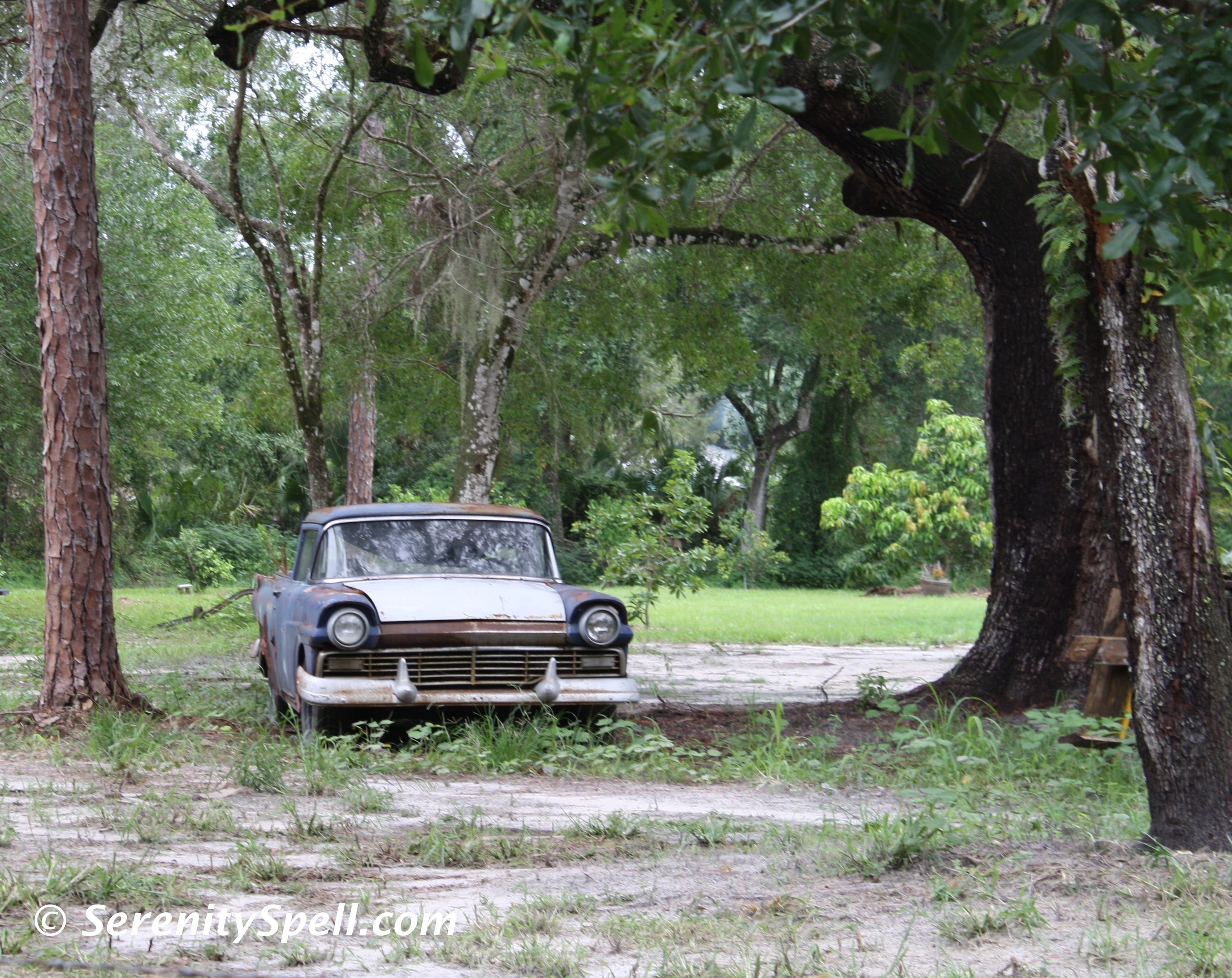
A Lovely Vintage Along the Florida Trail Extension (Jonathan Dickinson Trail)
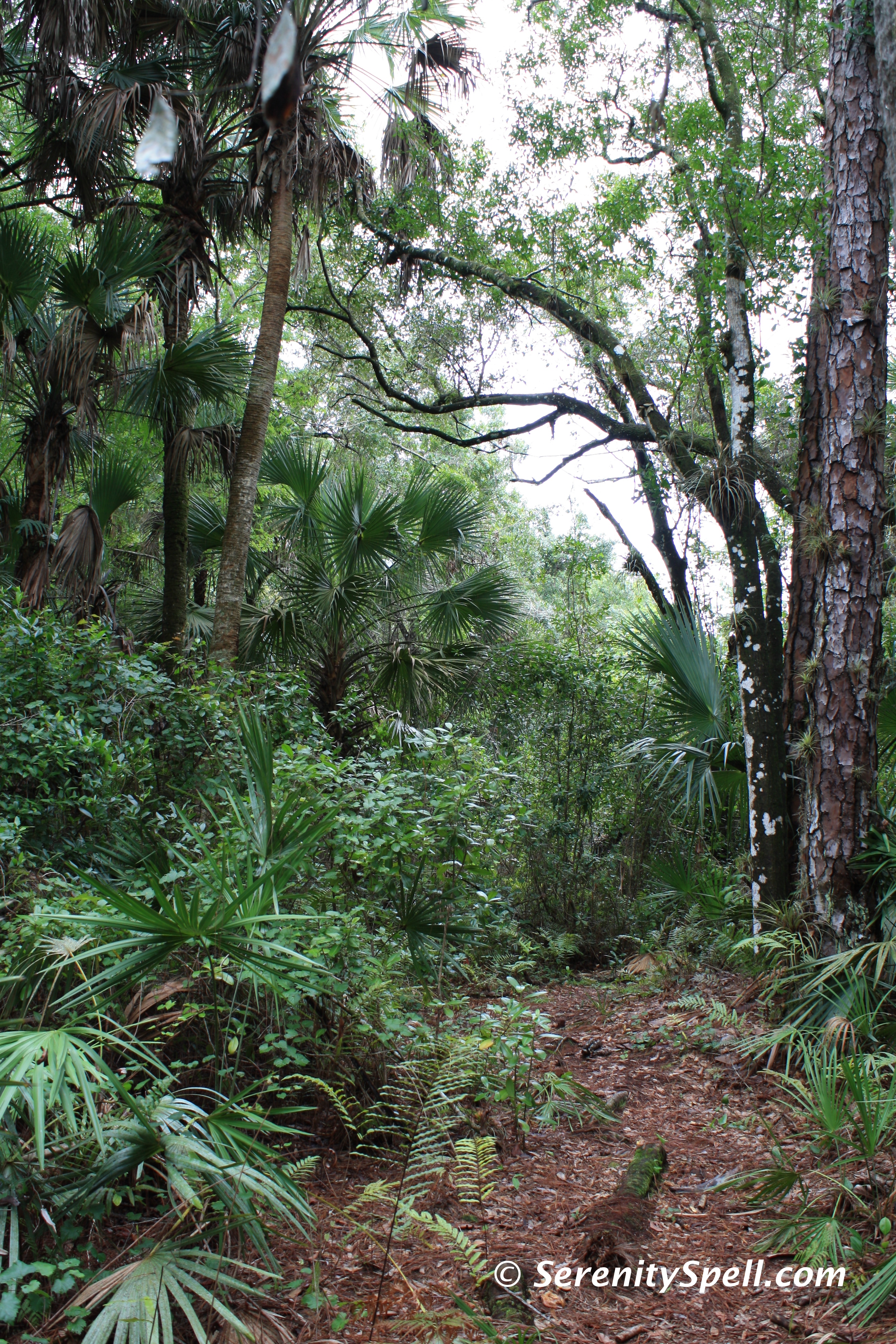
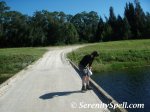
Hiking Trail, Florida Trail Extension (Jonathan Dickinson Trail)
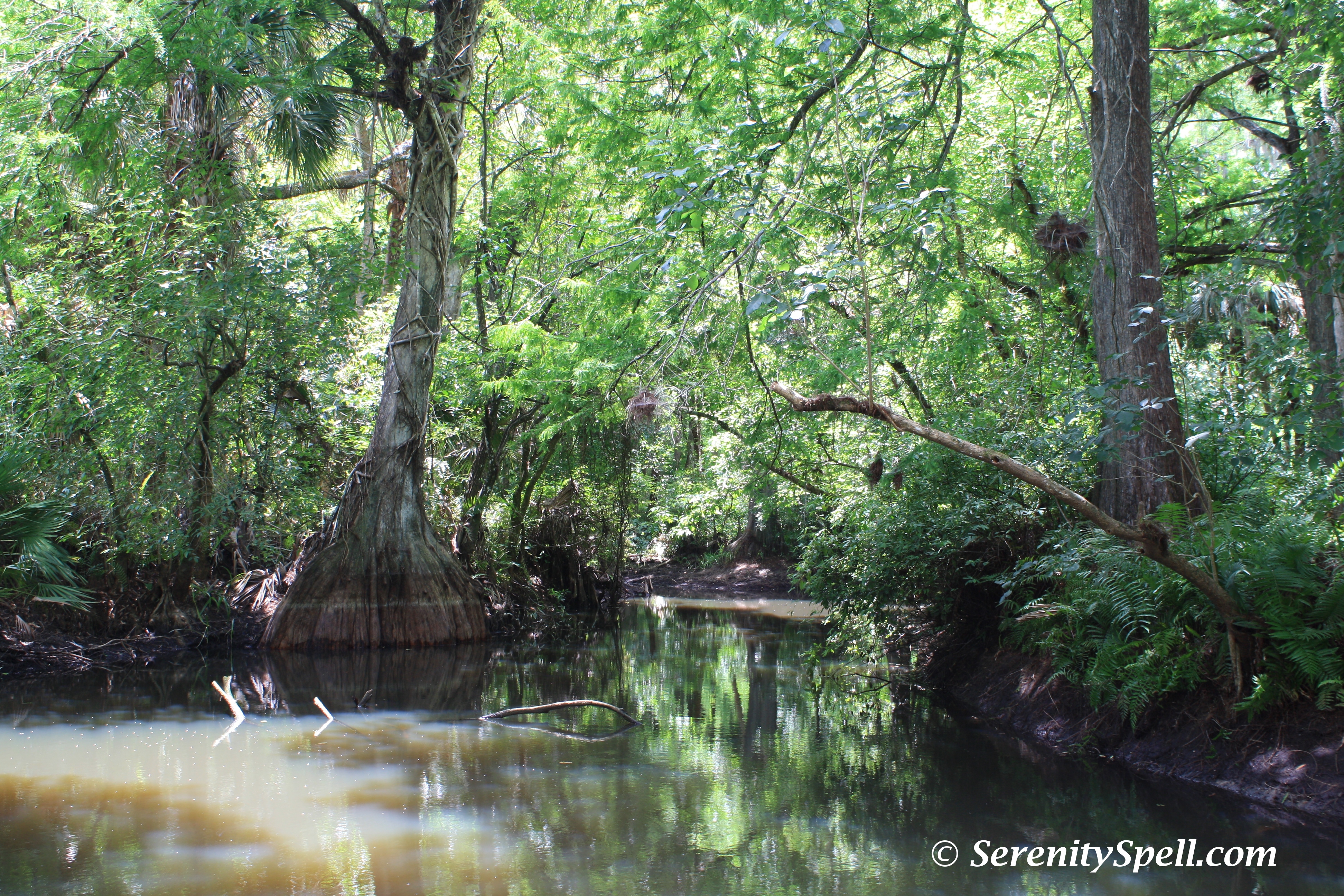
Riverbend Park

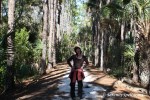
Riverbend has been by far one of our favorite places to hike, of late. There are expansive networks of trails (for the beginner as well as for the more experienced explorer), including the Ocean-to-Lake portion of the Florida Trail. A wonderful extension of the Florida Trail can also be picked up across the street from Riverbend — accessible through the park (under Indiantown Rd.), or creatively hoofing it across the street, near the river. We jump a fence for quicker and easier access, but it can be difficult to find if you don’t know what you’re looking for. It’s a fantastic trail, with a gorgeous watering hole, canopy trees, and miles of hiking, that leads to Jonathan Dickinson. (Several pics below were taken along this trail.)

Within Riverbend proper, besides the nearly 10 miles of hiking and biking trails, there are 7 miles of equestrian trails, and 5 miles of canoeing/kayaking trails — leading you through an otter preserve, and all the way to JD as mentioned. What I especially love about this park is its significant and rich history: Habitation has occurred along the Loxahatchee river dating as far back as the Archaic Period, 5,000 years ago. The first battle of the Loxahatchee, referred to as Powell’s Battle, took place on January 15, 1838. The second battle of the Loxahatchee — Jesup’s Battle — occurred nine days later on January 24, 1838. Outnumbered 1500 to 300, the Seminoles fled into the swamps. After the Battle of the Loxahatchee, Jesup petitioned Washington to allow the Seminoles to remain in the Everglades, effectively ending the war. Washington denied his request, and 600 Seminoles were captured at Fort Jupiter. From its ancient Indian middens, through the tragic Seminole War Battles, to its impressive present-day restoration efforts, tremendous respect should be given to this land and its history. Habitats include beautiful pine flatwoods, open meadows, cypress swamps, oak hammocks, and even abandoned — but still fruit-bearing — orange and grapefruit groves. It can become busy on the weekends, so if you’re able to visit on a weekday during the quieter hours, it’s much more peaceful (or, visit the less-traveled Florida Trail extensions). We’ve seen great horned owls, red-shouldered hawks, deer, alligator, wild turkey, peacocks, gopher tortoises, and otter during such off-times.

We’ll picnic here, along the river or within park in the chickee huts, before our hikes. As always, bring extra trash bags, in case there are no cans in sight until the park’s entrance. (Although here, that’s not such a problem.) We often pick up others’ trash along the way, anyways.

For More Information:

This slideshow requires JavaScript.

Panther Kitteh Released into Big Cypress

Trees Along the Florida Trail, in Big Cypress

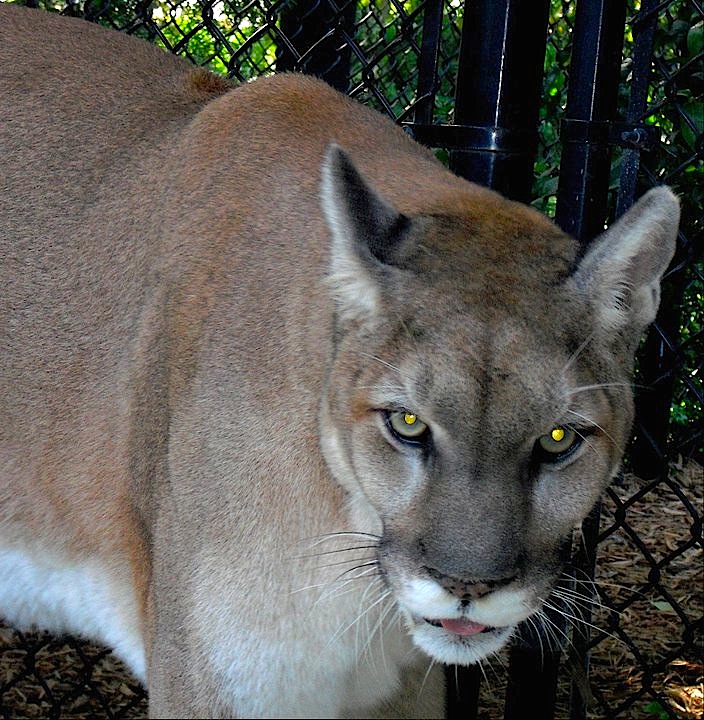
Defenders of Wildlife recently announced some great news for the Florida panther! An orphaned kitten, discovered last year (I remember the sad story — they never found his brother) has been released in Big Cypress National Preserve. Much luck to them all, and profuse thanks for the continued rescue and conservation efforts on the biologists’ behalf.

Rescued Florida Panther, Panther Ridge Conservation Center

The cats have much to contend with in Big Cypress these days — continued threats of oil-drilling expansion from Florida’s Governor Rick Scott, and the increased use, and consequently trails, of off-road vehicles (ORVs). The battle rages, with overwhelming concerns for the wildlife — mainly for the elusive Florida panther’s habitat. As of early November 2011, a lawsuit has been filed to protect Big Cypress from invasive ORV employment — seeking to overturn National Park Service’s decision to introduce extensive ORV use in the Addition Lands. According to the lawsuit, NPS authorized the ORVs in the Addition Lands, a result they achieved “by improperly excluding pristine lands from a wilderness eligibility study, which allowed NPS to bypass recommending those areas to Congress for long-term preservation as wilderness for the public’s enjoyment of these lands in their natural state. The lawsuit also raises concerns with the U.S. Fish and Wildlife Service’s Biological Opinion, which failed to address several key threats to the highly imperiled Florida panther, as well as other species. Here is a link to the press release, and here is a link to the complaint.” (WE-blog: Wildlife and Environment Blog). As one who’s encountered these mechanical beasts within the far reaches of Big Cypress, it’s indeed a sad and scary thing to witness — their sheer size, their bellowing noise, their enormous tracks — after walking for hours through the silence and beauty of Big Cypress, their force is all that more mind-blowingly evident.

From the Defenders of Wildlife article:

(Visit the Defenders of Wildlife blog for the complete article by Caitlin Leutwiler, Panther Kitten Released into the Wild.)

This week saw the happy return of an orphaned Florida panther kitten to the wild. The release of the 1.5-year-old cat took place on Tuesday evening in Florida’s Big Cypress National Preserve, near the area he’d been discovered last year.

Watch the video footage of the kitten as he takes off into the Big Cypress National Preserve (footage provided by Ralph Arwood).

Background:

On October 25, 2010, through on-going tracking activity within the preserve, the radio-collar of female panther FP102 began emitting a mortality signal. Upon reaching the site of the signal, National Park Service biologists found the remains of the cat. A subsequent necropsy confirmed that she had died from wounds received during a fight. Five months earlier the cat had given birth to two male kittens. After the death of FP102, one of the offspring, was discovered. His sibling was never found.

Rescue efforts:

The National Park Service, working closely with the Florida Fish and Wildlife Conservation Commission and the U. S. Fish and Wildlife Service, transported the kitten, now called FP194, to the White Oak Conservation Center, a wildlife facility in northeastern Florida. At the facility, the cat was cared for and housed in appropriate facilities with minimal human contact….

For More Information on the ORV Issue and Lawsuit:

For More Information on Big Cypress National Preserve:

Bluefield Ranch Natural Area

Bluefield Ranch Natural Area is located in St. Lucie county, at the southern end of Bluefield Rd., 18 miles west of Ft. Pierce off of SR 70. The conservation site rests on the Orlando Ridge, a relic sand ridge originating near Orlando and ending in Martin County. During our initial trip, we believed the park wouldn’t be far from the turnoff from the last “main” road — we were wrong. Expect another 20 minutes of slow driving on a bumpy road and (occasionally) deep sand, before reaching the trailhead. There were times when we completely expected the car to get stuck, and that’s been a first down here. If you have something other than a normal car (which we now do), no worries!

The area provides a variety of natural Florida habitats, supporting diverse wildlife and plant species, including many on the threatened and endangered species list. More than 3,000 acres (3,285 in total) of scrub, scrubby flatwoods, prairie hammock, wet flatwoods, wet prairie, dry prairie, and depression marsh are protected at Bluefield Ranch, and are home to such wildlife as bald eagle, deer, coyote, alligator, turkey, wood stork, sandhill crane, burrowing owl, quail, and several species of snakes (including rattlesnake).

A series of trails is accessible from the parking lot. Biking and horse trails are included, so share the trail where appropriate. We were all by our lonesome in the vastness of the park, so the sharing was done with the gopher tortoises. There’s also an observation tower overlooking a large wetland habitat used by such wading birds as herons, egrets, sandhill cranes, and wood storks.

The area has quite a history, mostly sad: During the Second Seminole War (1835 – 1842), a military trail crossed at this location, providing access to a series of forts constructed throughout Florida to transport troops and supplies. A Seminole Indian camp was also located in the region. The Seminoles stayed in the scrub environments in the summer months, avoiding the flooded swamps and their gargantuan mosquitoes. They moved to the Cypress Creek swamp in the winter. In the 1940s however, they were evicted from their camp (at what is now Bluefield Ranch Natural Area), accused of stealing a calf from a rancher.

During the Prohibition, illegal stills were constructed on the site by bootleggers — for personal consumption as well as for providing an income to support their families. Their remnants can still be seen at Bluefield. Logging was also an active industry — sadly, the area was completely logged of its virgin trees in the 1920s and ’30s, as was true in many regions of Florida.

There’s an abundance of trail options, should you decide to hike Bluefield. Take plenty of water and some snacks with you — we found ourselves far out in the park, after 5-6 hours of solid hiking. It’s obvious that horse trails are popular there as well, so be aware. During our first lengthy hike, we heard a coyote very close, perhaps feet away, but they’re quite shy so we never saw him/her. Above all else, enjoy the land and its beauty, after what it’s been through. We hope to visit again very soon, as it’s been some time since our last trip.

For More Information:

This slideshow requires JavaScript.

Cypress Creek Natural Area

We’re always looking for new areas to hike in South Florida, so we were VERY excited to stumble across this newly-created natural area as we were heading towards the Florida Trail in Jupiter (across from Riverbend Park). Besides which, we’re always thrilled when South Florida actively preserves its pristine lands! The Cypress Creek Natural Area protects sensitive pine forest and wetland habitats. Hoorah!

It’s located on the north and south sides of Indiantown Road, near Jupiter Farms Road, approximately one mile west of the turnpike. The main portion is situated on the north side of Indiantown Road, east and west of Gulfstream Citrus Road. A parking area is provided, as are shade pavilions, observation platforms, horse hitches, bicycle racks, and educational exhibits. (Bicycling, hiking, and horseback riding are permitted, but only on the multi-use Historic Jupiter-Indiantown Trail.)

These lands in the Cypress Creek Natural Area — more than 2,000 acres in total — were acquired by Palm Beach County from 1995 to 2010, and are part of the Northeast Everglades Natural Area (NENA), serving as a buffer for the Loxahatchee Wild and Scenic River. NENA holds approximately 165,000 acres of conservation land in northern Palm Beach Country and southern Martin County. Managed by Palm Beach County, current restoration activities in Cypress Creek include the removal of invasive non-native vegetation, filling miles of ditches (we saw the dump/sand trucks to attest to that feat), changing the elevations of shell mining pits to encourage re-vegetation of native plants, and improving the Old Indiantown Road grade — now known as the Historic Jupiter-Indiantown Trail — for use as a multi-use trail.

Work also continues on the 6-mile multi-use Jesup Trail, which will eventually lead into Jonathan Dickinson State Park — VERY exciting.

We investigated the Historic Jupiter-Indiantown Trail, a 16.5-multi-use trail. The trail is being built in phases, along a road that was used from 1900 into the late 1950s for travel between Jupiter and Indiantown. We pursued the hiking-only portion, a very nice, natural backcountry Florida hike, once you really got out there. It offers access into three conservation lands and facilities, each of which is subjected to its own rules: Riverbend Park, Cypress Creek Natural Area, and Jones Hungryland Wildlife and Environmental Area. On this trail, it was important to have snacks and water (we were out there for several hours, but you can easily make it as short a trip as you wish). Portions of the trail were flooded, due to earlier rains, but they weren’t impassable. We wandered through native Florida ecosystems including wetlands, flatwoods, marsh, swamp, and prairie.

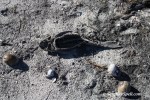
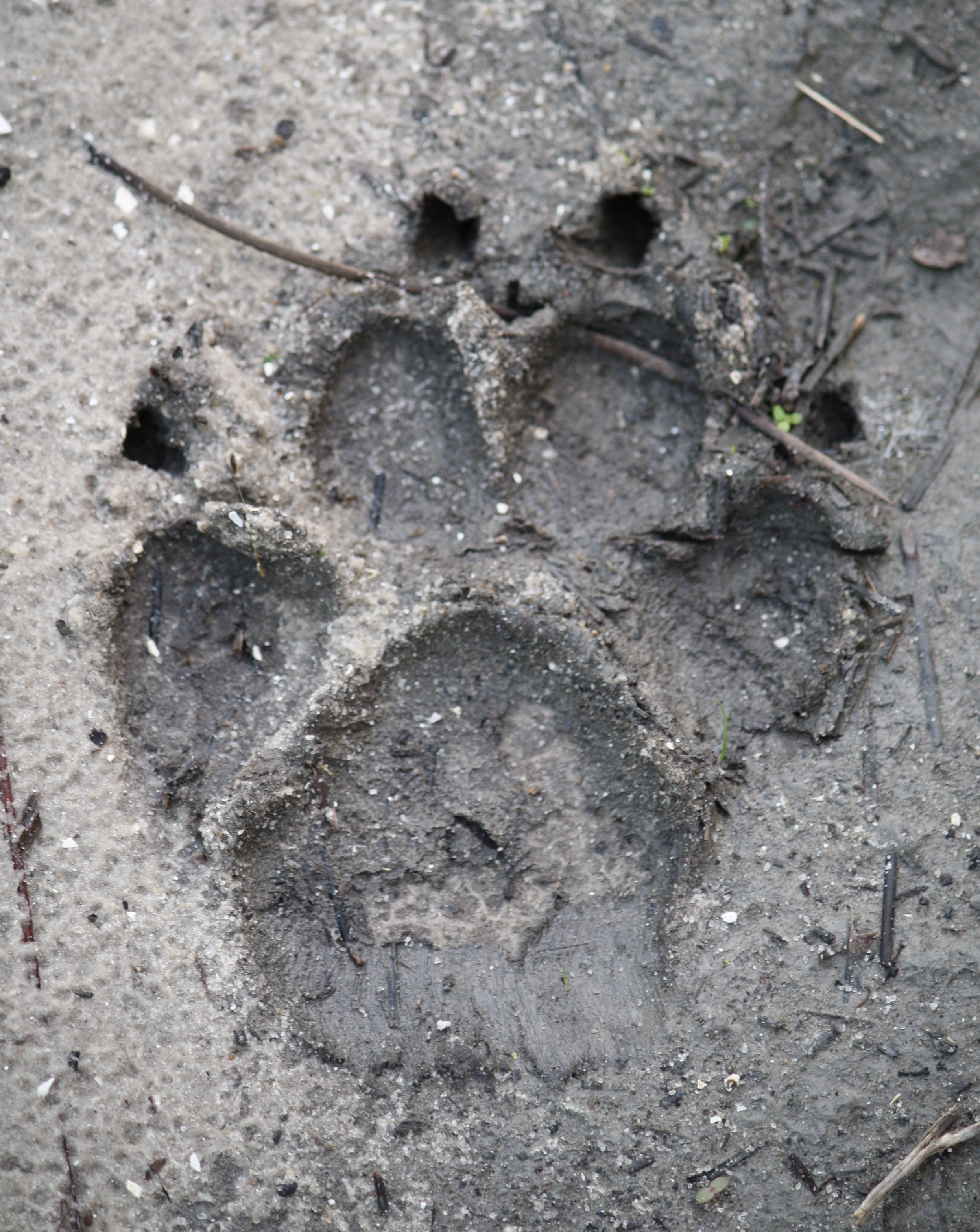
Panther Print?!?

Early in the hike, a lonely chimney stands sentinel — most likely a remnant from one of Jupiter’s founding families (documentation doesn’t explain). There weren’t many critters making themselves seen on our initial hiking expedition, despite us being the only 2-legged ones out there — but we did see many butterflies (Fritillary, Swallowtail), birds, a very startled and quick gopher tortoise, and abundant TRACKS! Very fresh tracks at that, all around us. One large grouping we spotted as bobcat … but the other? At first we thought it was coyote, but it was far too large — easily 4″. Also very fresh! PANTHER?!? Oh, how I hope they continue to watch and protect this area exceptionally *CAREFULLY* if this is indeed the case.

For More Information:

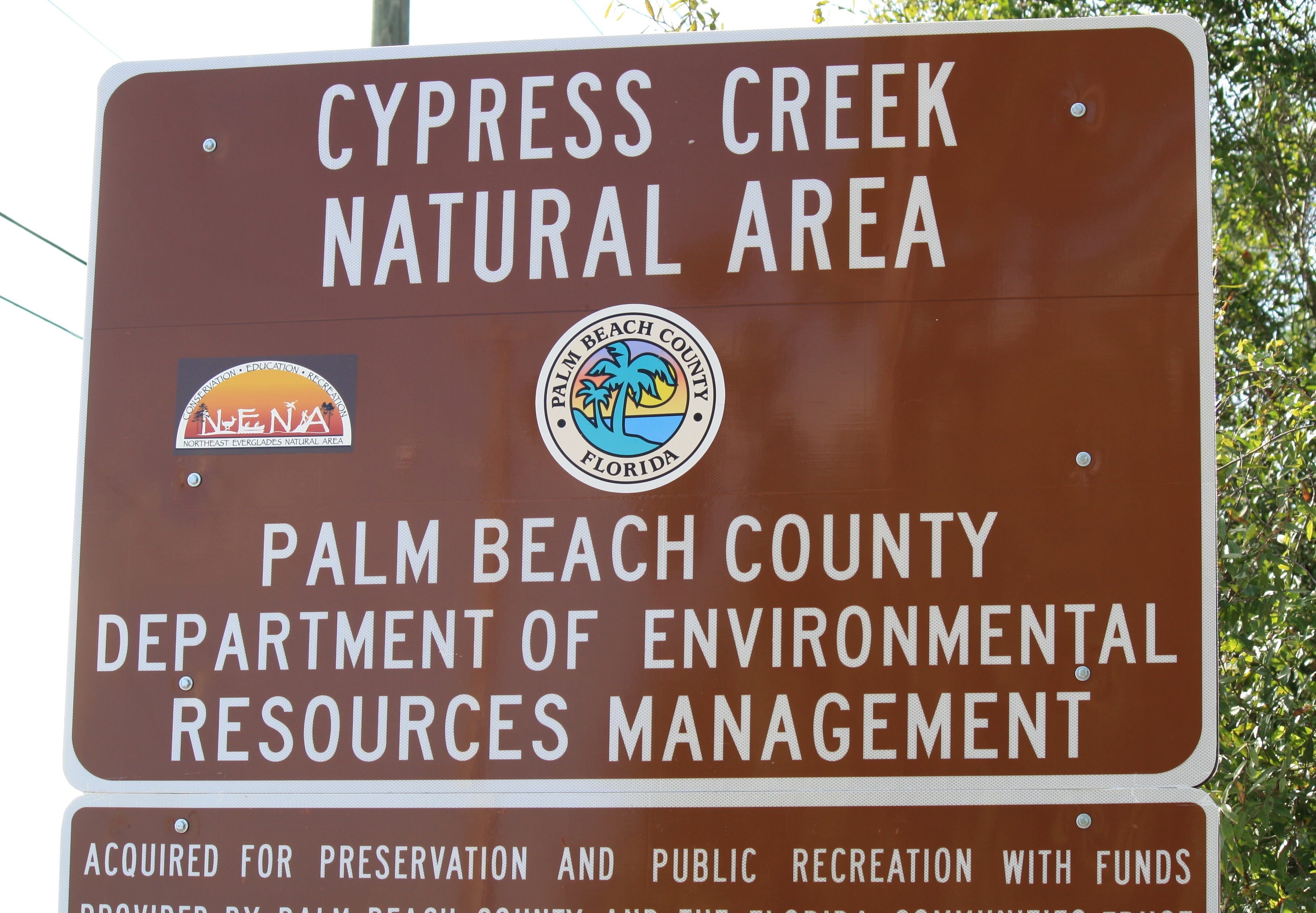
Welcome Sign to the Cypress Creek Natural Area

Flooded Historic Jupiter-Indiantown Trail, Cypress Creek Natural Area

Another Flooded Area of the Historic Jupiter-Indiantown Trail, Cypress Creek Natural Area

Wetlands, Historic Jupiter-Indiantown Trail, Cypress Creek Natural Area

Wildflowers, Historic Jupiter-Indiantown Trail, Cypress Creek Natural Area

Wildflowers, Historic Jupiter-Indiantown Trail, Cypress Creek Natural Area

Historic Jupiter-Indiantown Trail, Cypress Creek Natural Area

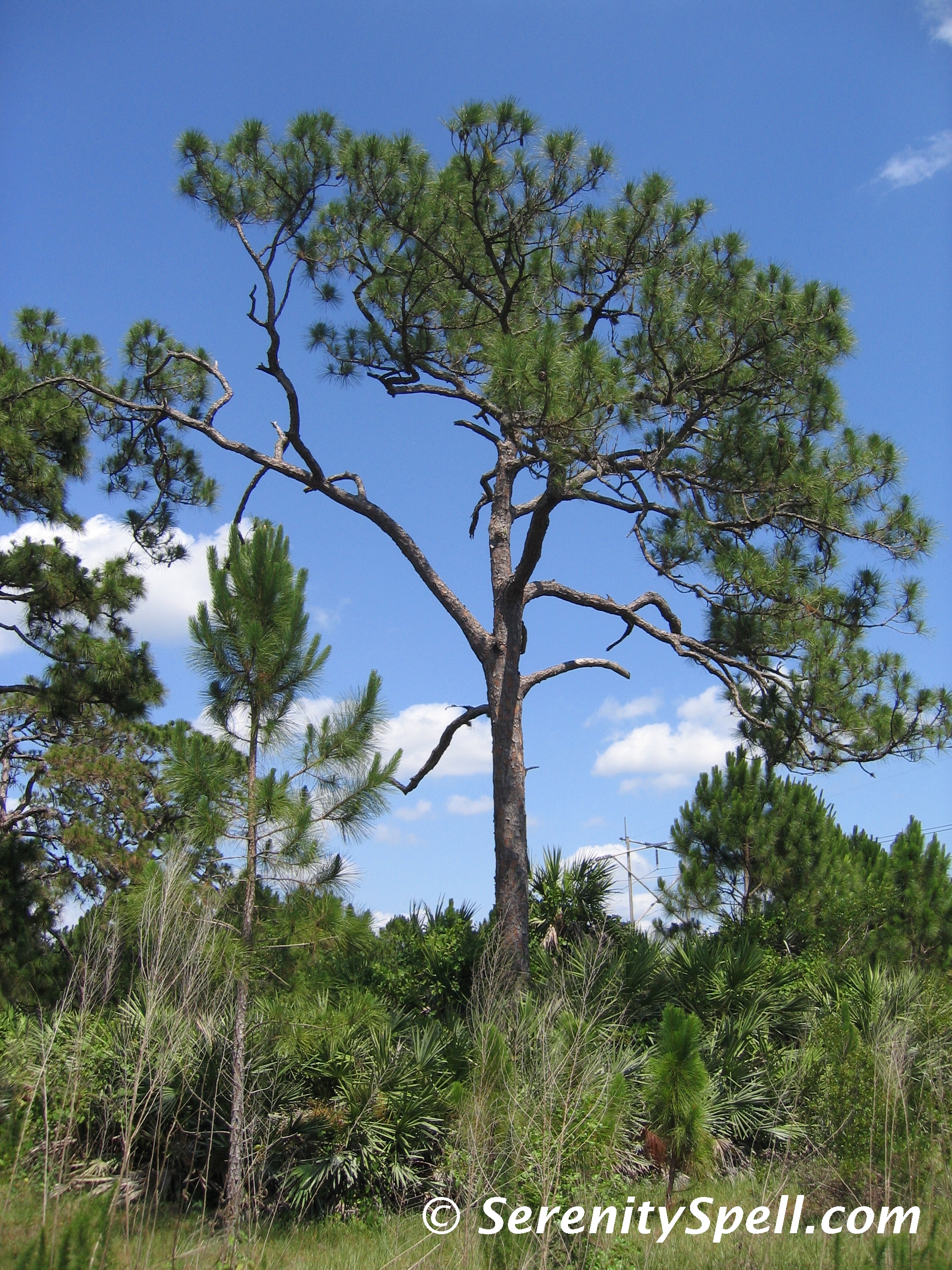
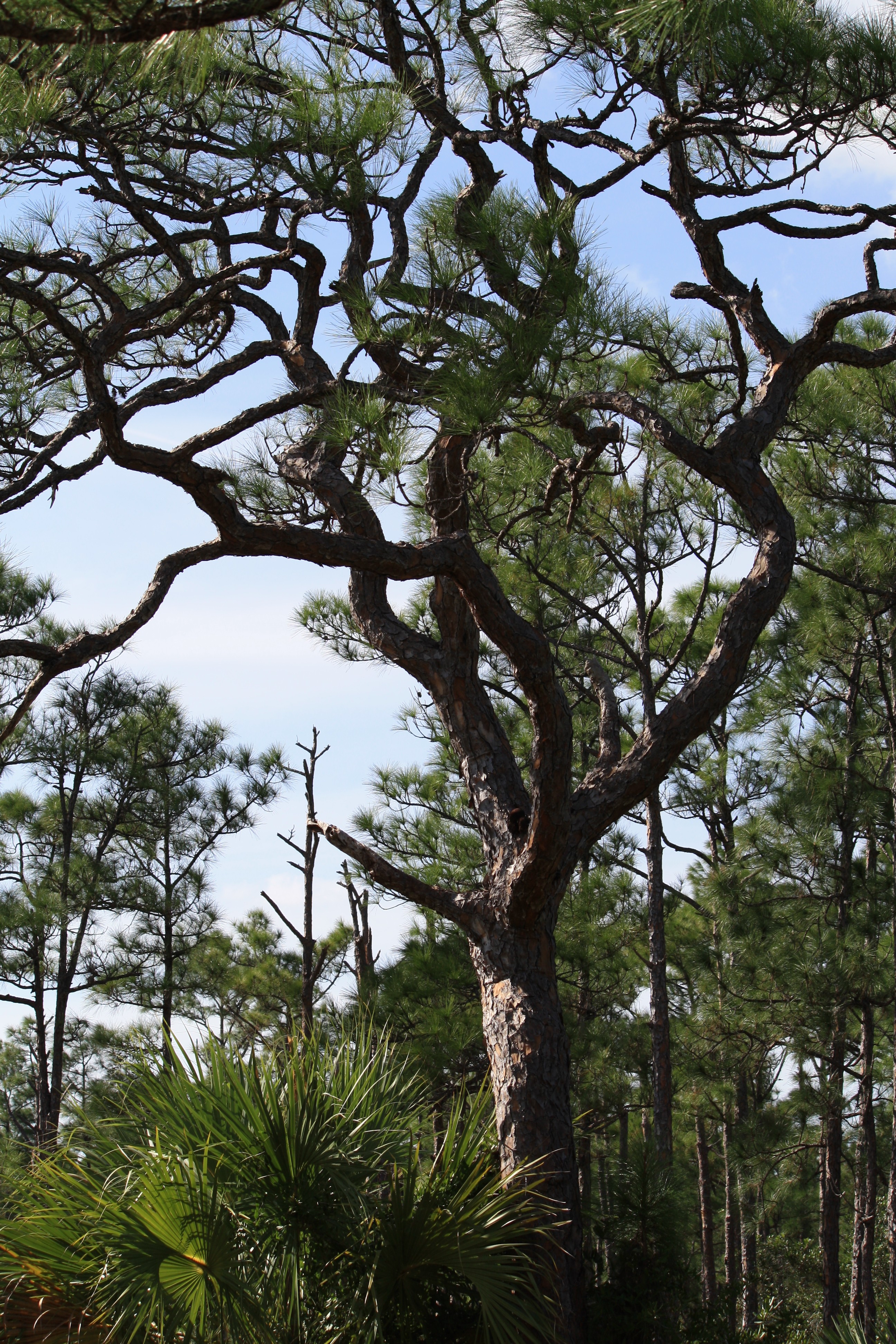
Slash Pines Along the Historic Jupiter-Indiantown Trail, Cypress Creek Natural Area

Bobcat print