Skip to content

Posts from the ‘Florida Everglades / Natural Areas’ Category

Greeted by a Gator

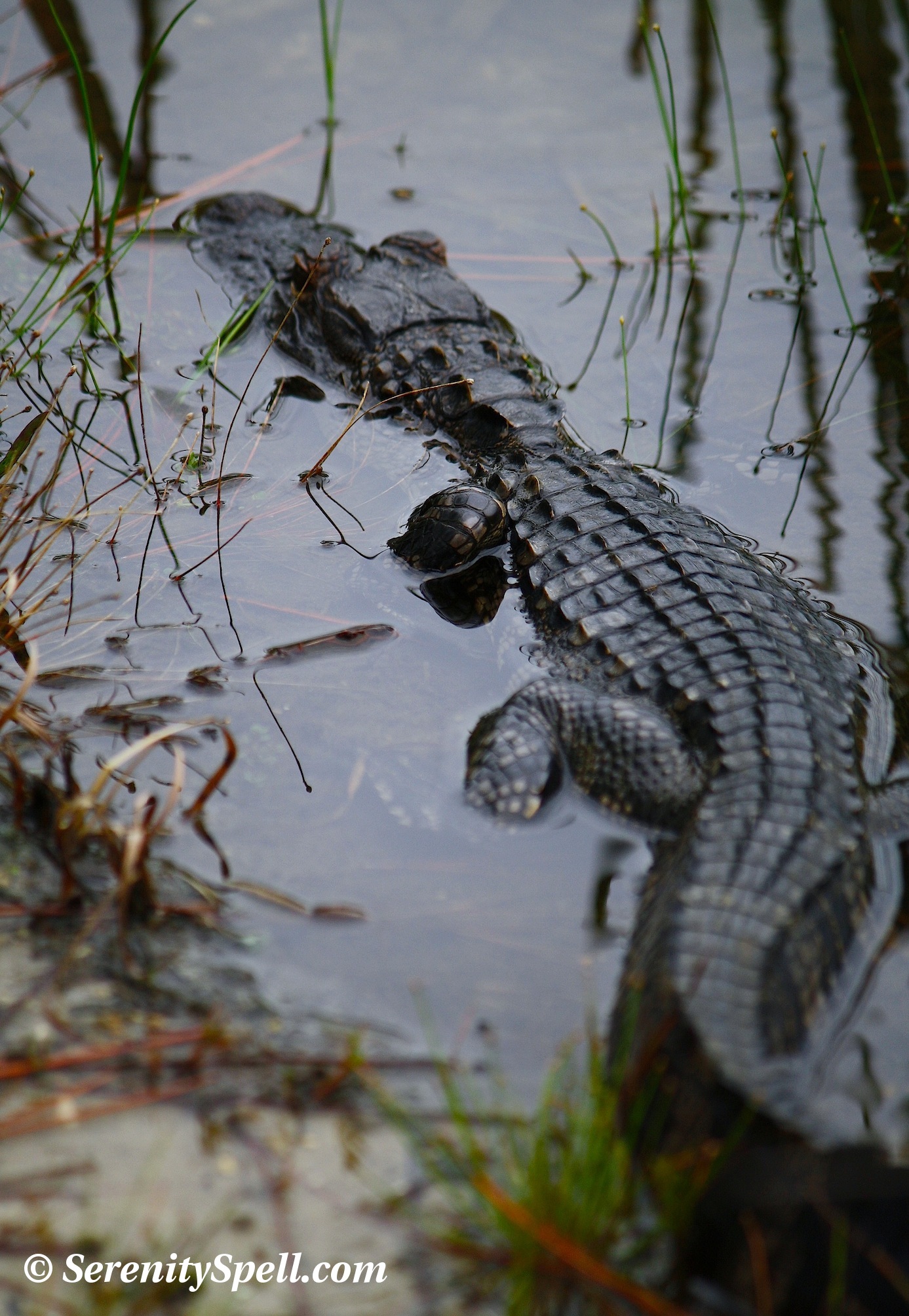
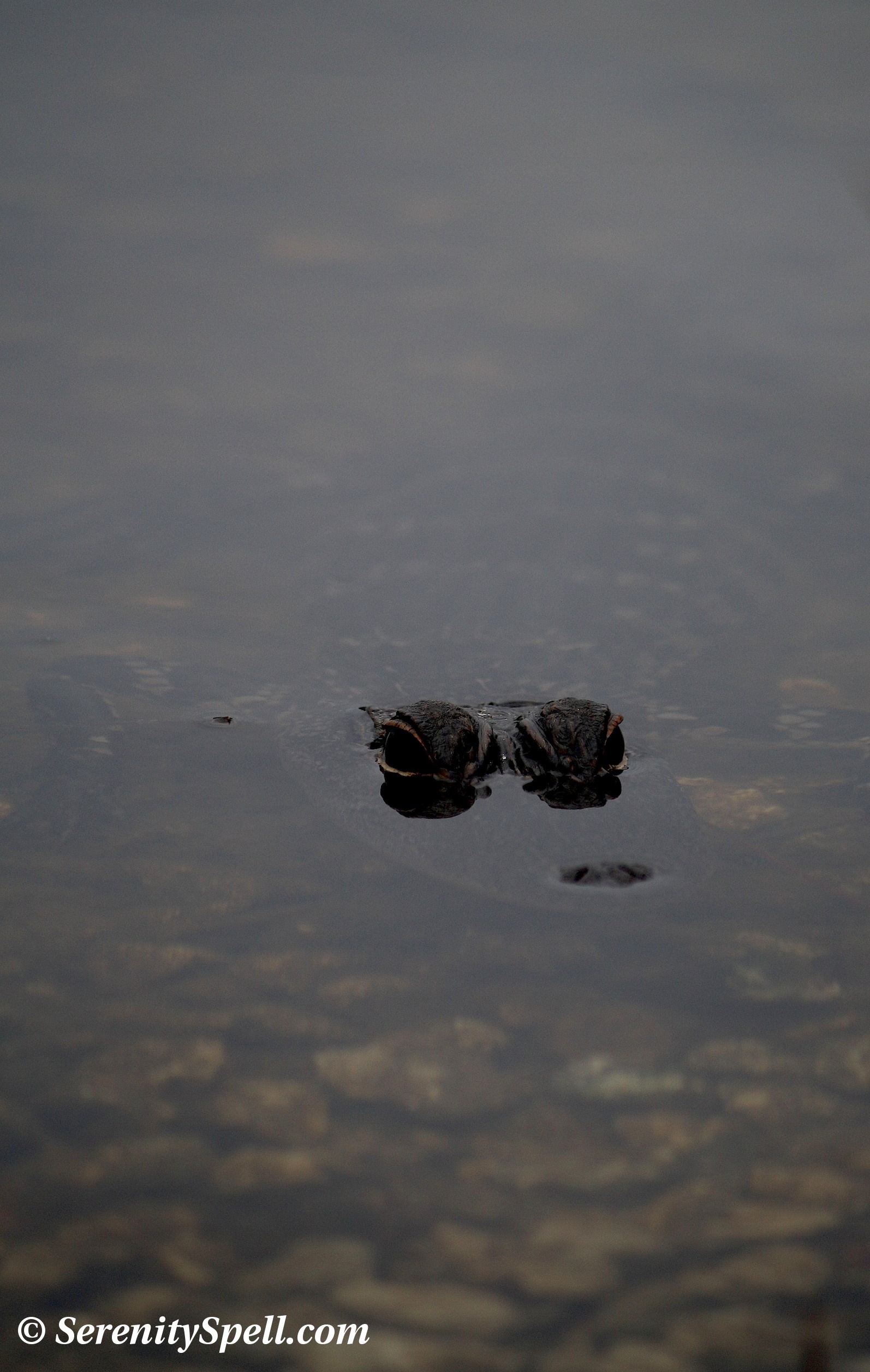
A juvenile alligator greeted us as we entered the trails of Grassy Waters Preserve. He was no more than three feet — still very small, but no longer a baby. Being very cautious and in extreme-defense mode due to his size, he was quite flighty. But I did manage a shot or two of this adorable guy….

Juvenile Alligator: Eye on You

Juvenile Alligator: Slow Movements, Sloooowww….

Vestige of the Everglades: Grassy Waters Preserve

The clearest way into the Universe is through a forest wilderness. —John Muir

Grassy Waters Preserve in West Palm Beach presents the natural history of Florida in its pristine and wild 23.5 square miles. Today, the Preserve serves as the freshwater supply for the city and its associated municipalities — but historically the area was the headwaters of the Loxahatchee River (Seminole for River of Turtles). It was also a key component of the Everglades watershed, which began north of Orlando and flowed through rivers that emptied into the vast Lake Okeechobee, where the lake’s waters flooded into the Everglades Basin and slowly flowed into the Florida Bay. Humans have since severely altered this historic water flow — although efforts have begun in earnest to resolve years of detrimental impact. The Grassy Waters Preserve (GWP) represents a remnant of the once-magnificent Everglades ecosystem.

Numerous hiking and biking trails wind throughout GWP, including the Apoxee Trail — “beyond tomorrow” in the Miccosukee language (pronounced A-po-hee). We weren’t prepared for a flooded-trail hike, so we drove north to the Hog Hammock Trail, where we were delighted to be completely alone for our 5-mile venture, save the critters. What’s wonderful about GWP is the variety of trails offered — long, short, easy, advanced — you have your pick.

Wildlife sightings include alligator, deer, armadillo, wild turkey, feral hog, bobcat, otter, osprey, great-horned owl, hawk, assorted wading birds, and snail kite. The survival of snail kite — the logo for the Preserve — is dependent on the preservation of pristine wetlands like those at Grassy Waters. Sadly, like so many other species, it’s estimated that this amazing bird of prey will most likely face extinction within the next 30 years due to habitat loss and other factors. But at Grassy Waters, snail kite sightings are common — proving that this iconic Everglades resident is allowed the quality habitat it needs for a fighting chance at survival.

These images were taken during our Hog Hammock hike, which we did in its entirety, including the mile-long dead-end trip…. As we were leaving the trail, I was yapping about something terribly important and startled a magnificent great-horned owl, which alighted immediately in front of us. Argh for the failed photo op!
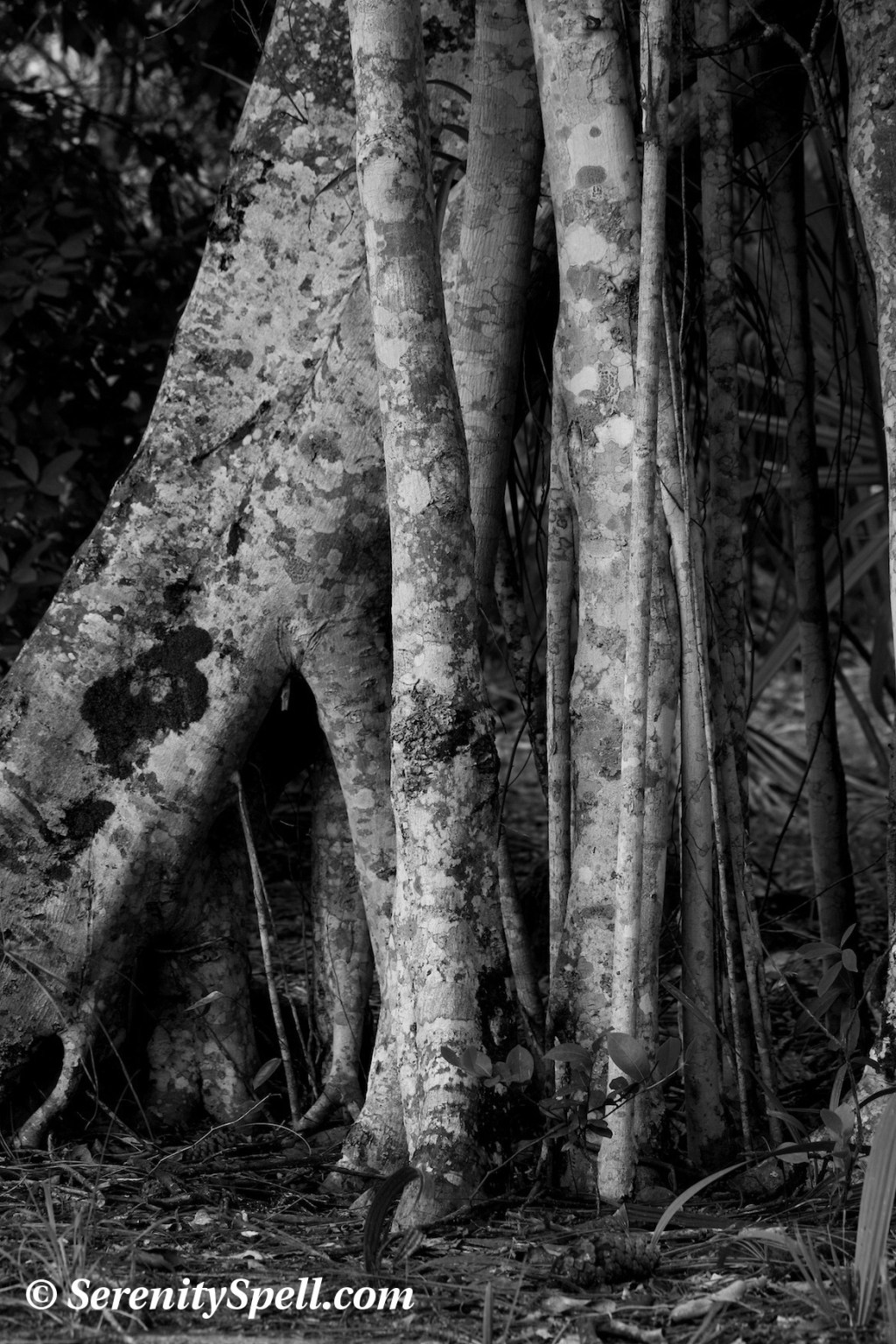
Cypress Tree
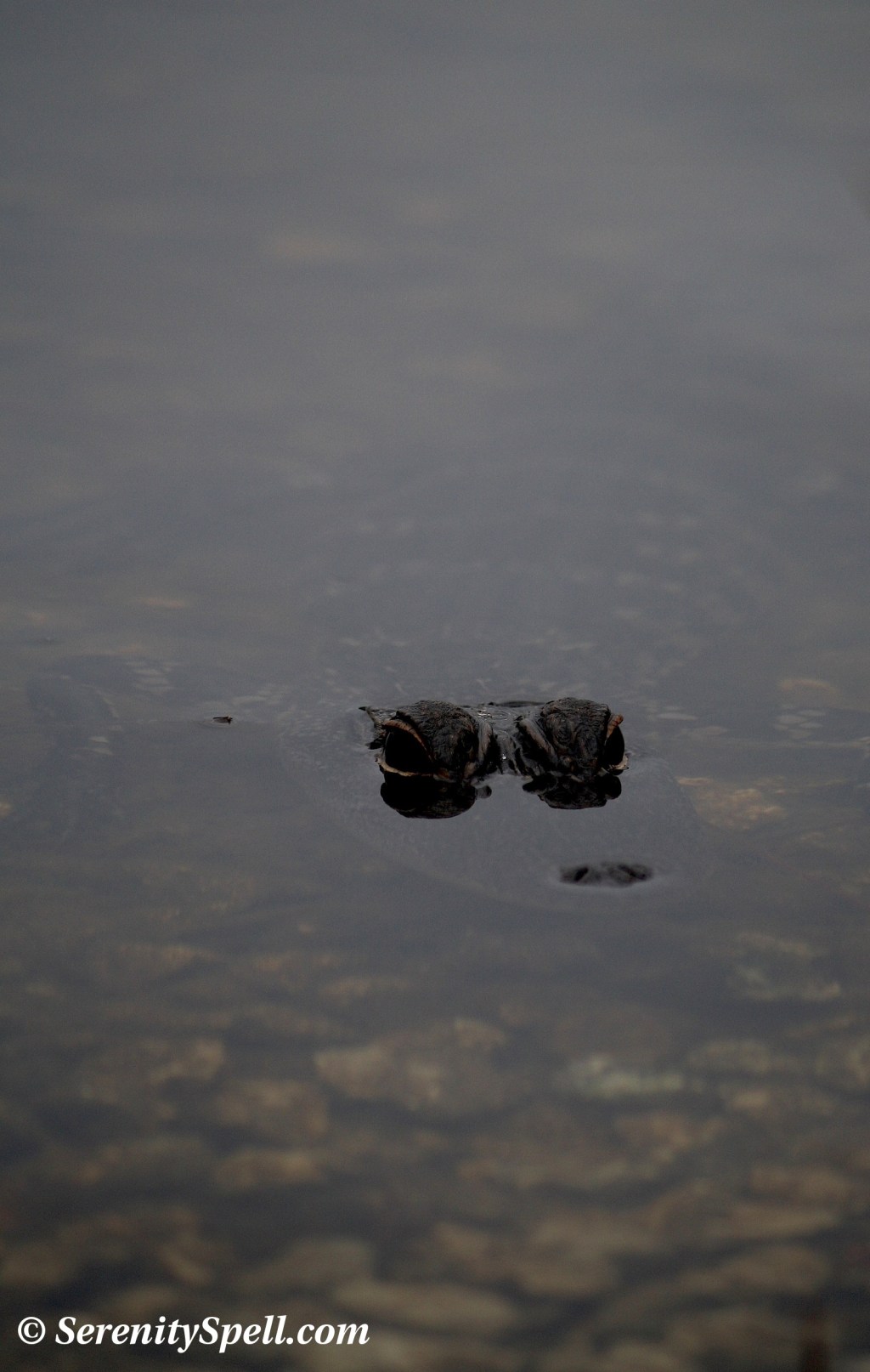
Here There be Gators: Adorable but Flighty Juvies!
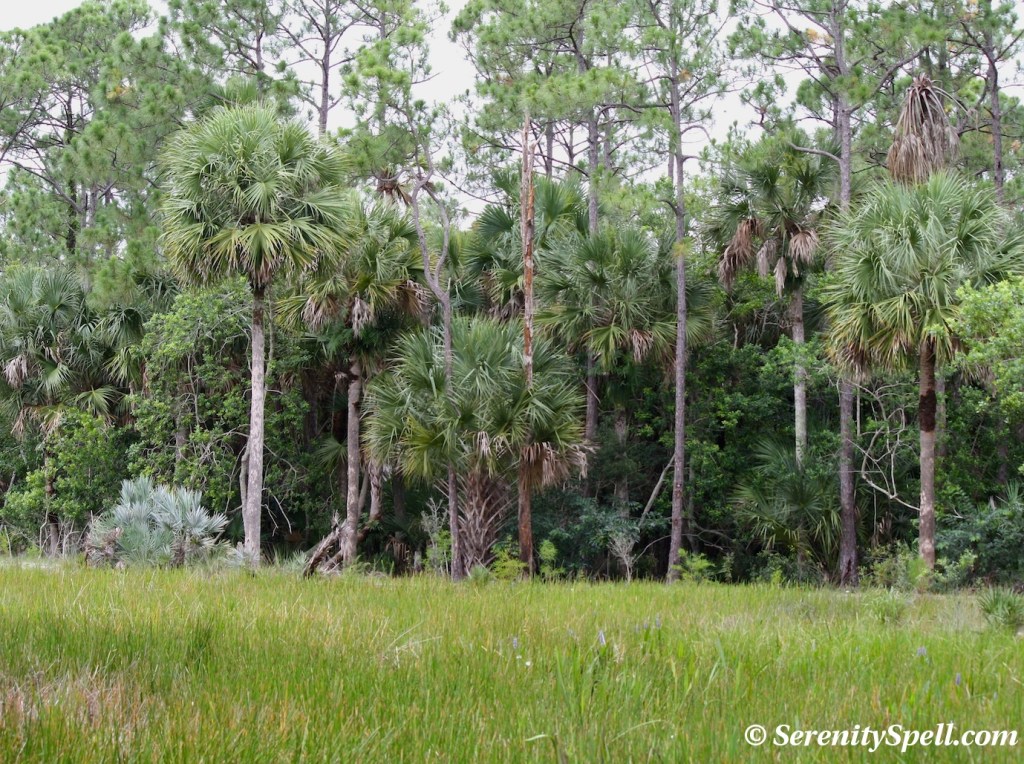
Outside of the trail…
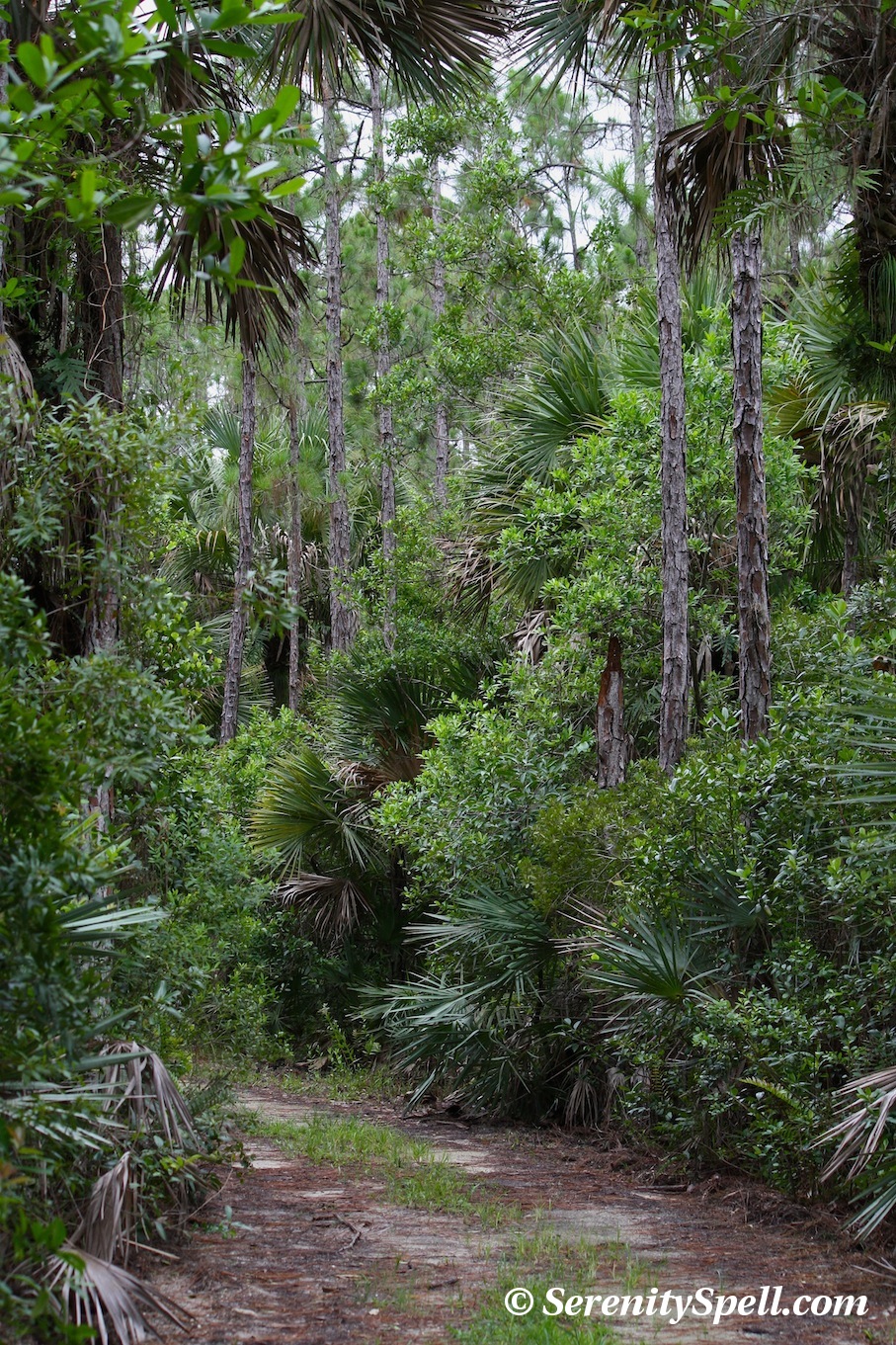
Entering the trail…
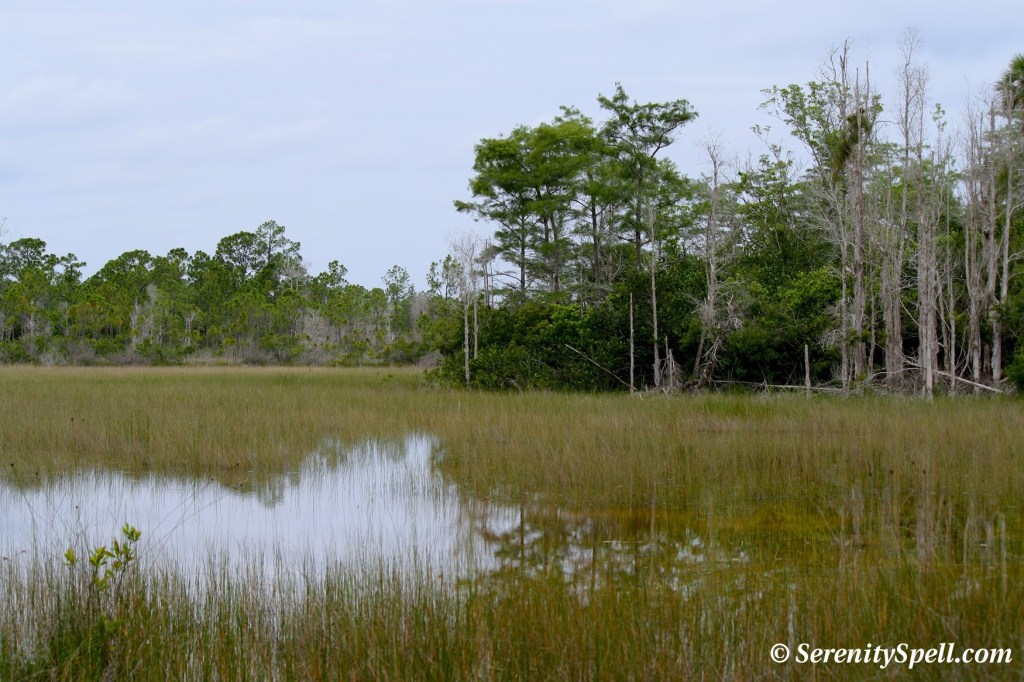
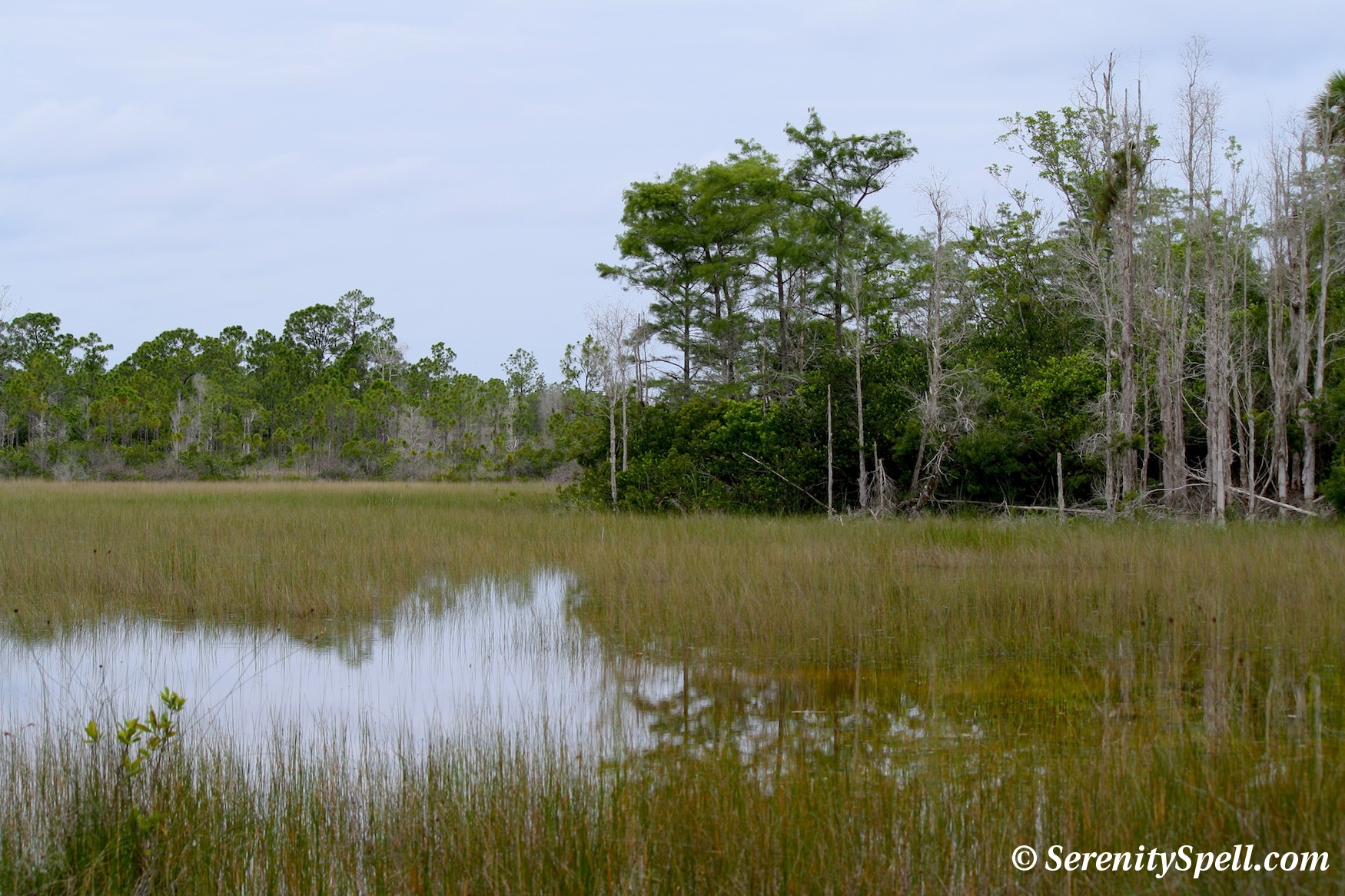
Everglades Vista
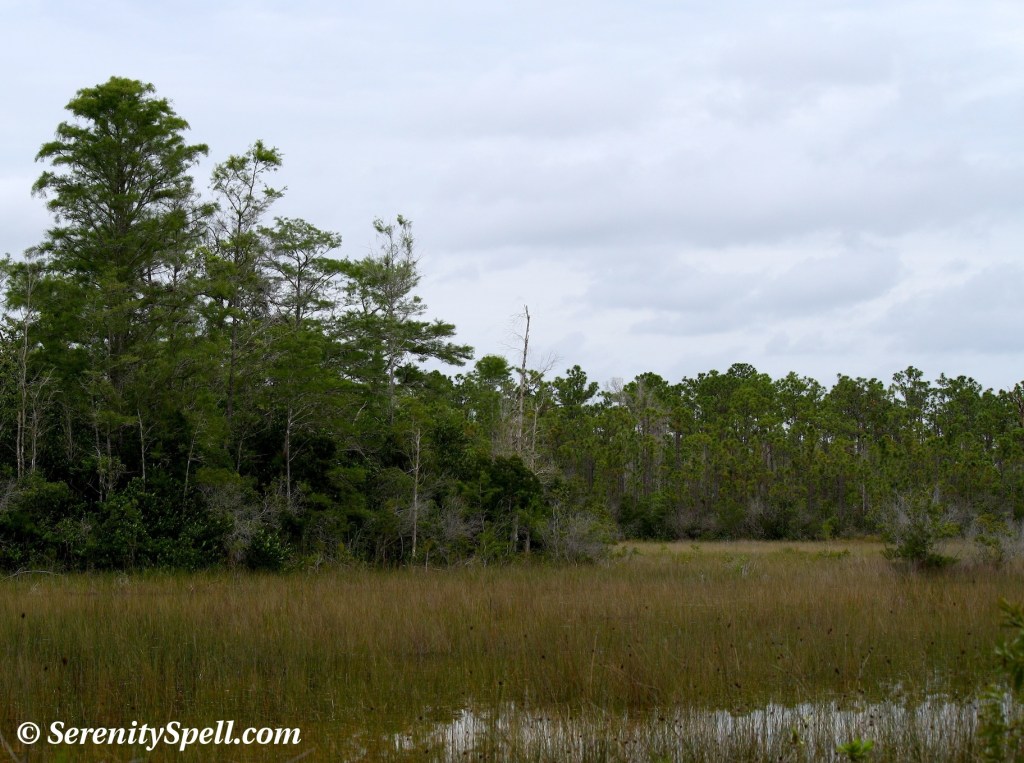
Everglades Vista
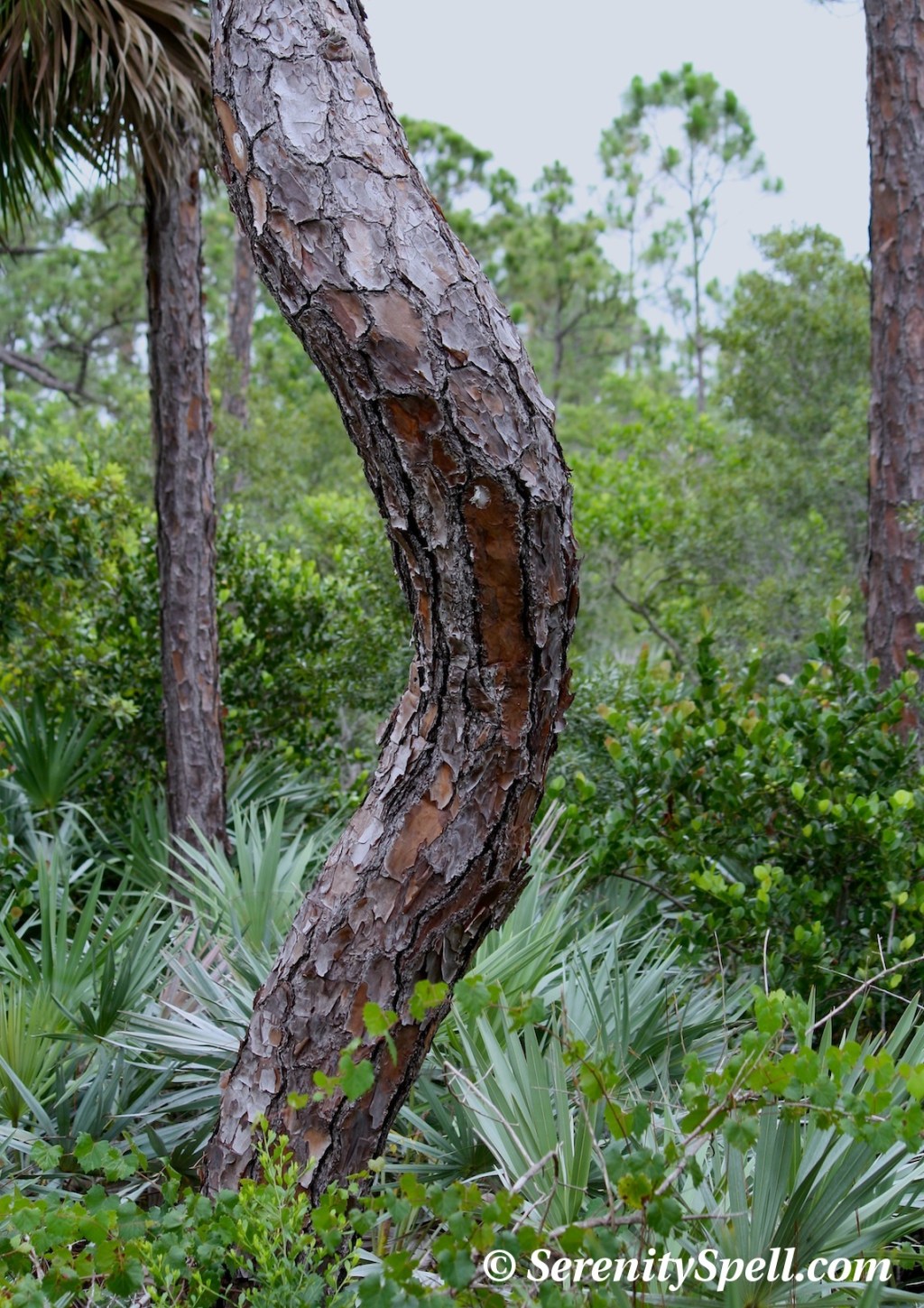
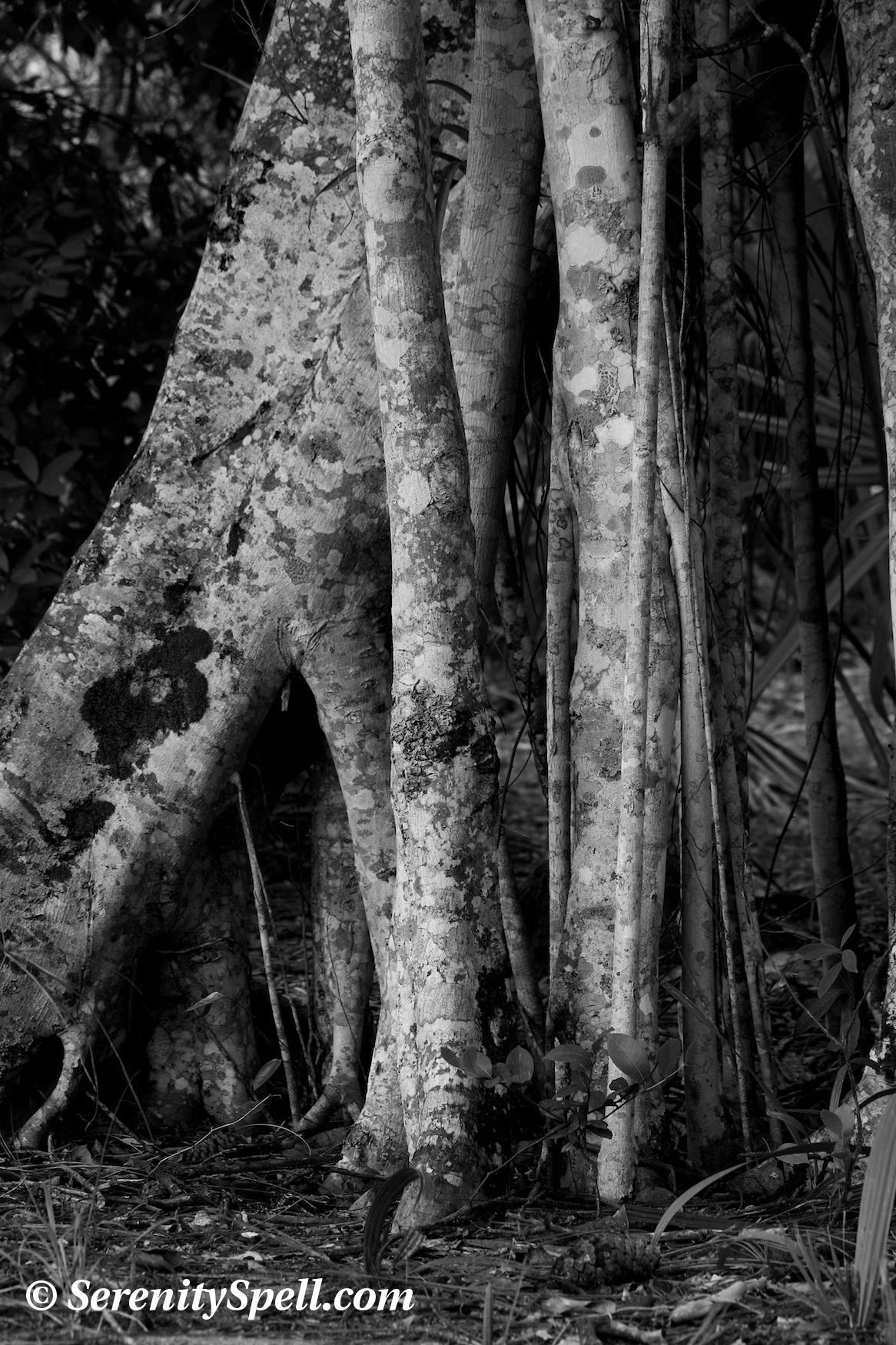
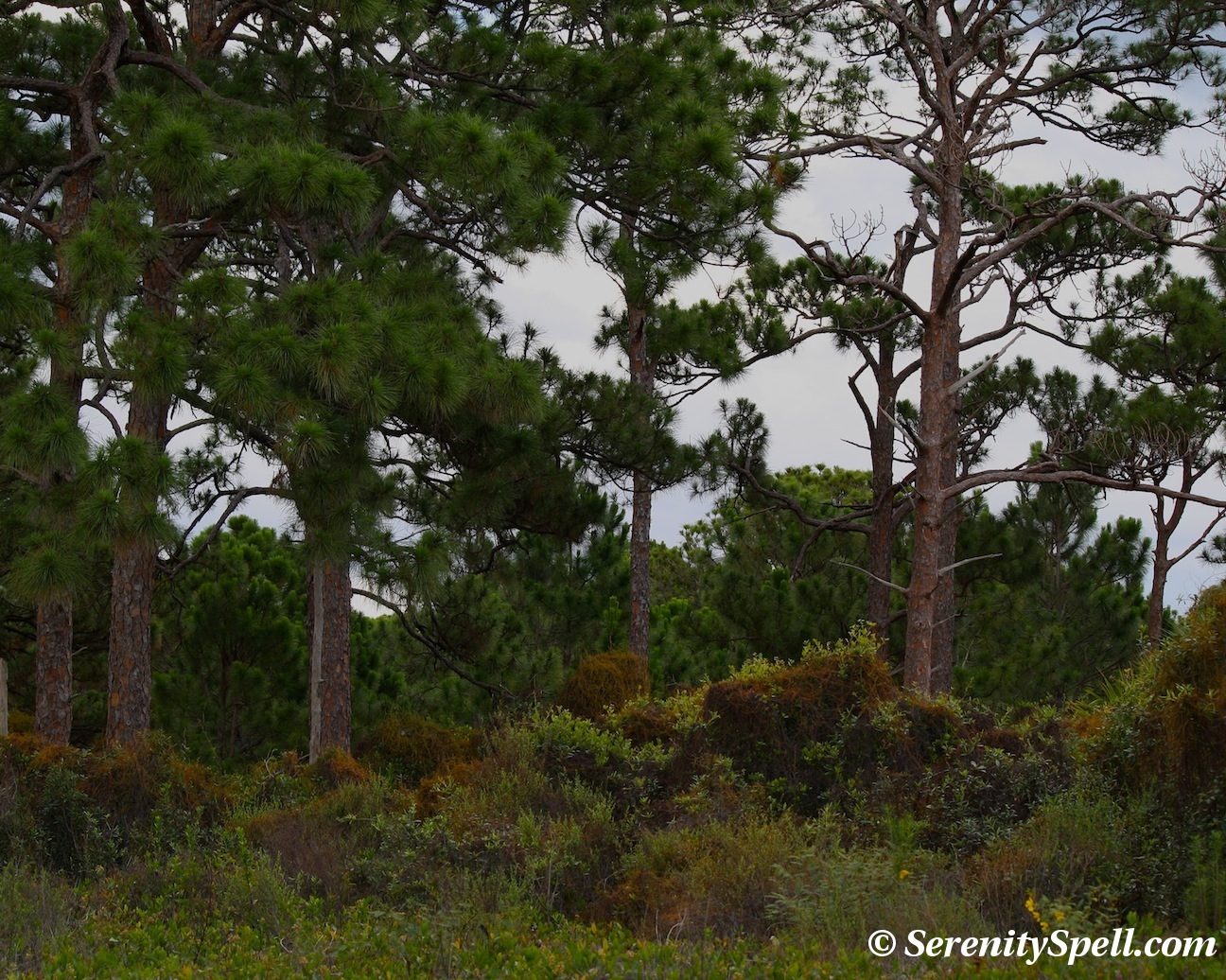
Nature’s design: Slash Pines
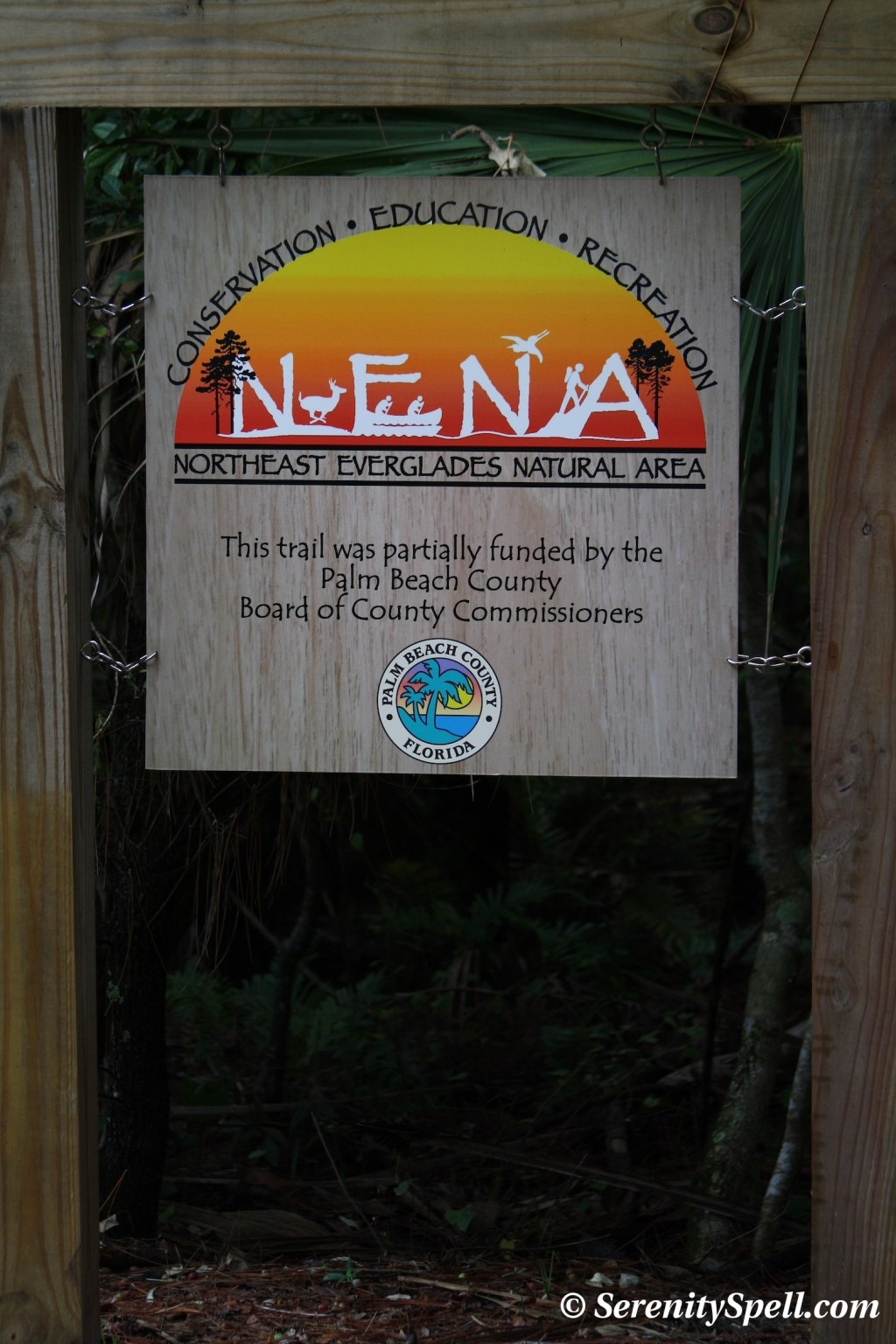
NENA Signage

Hang On

“All you need to do is hold on tight…and believe.” —Stephen King

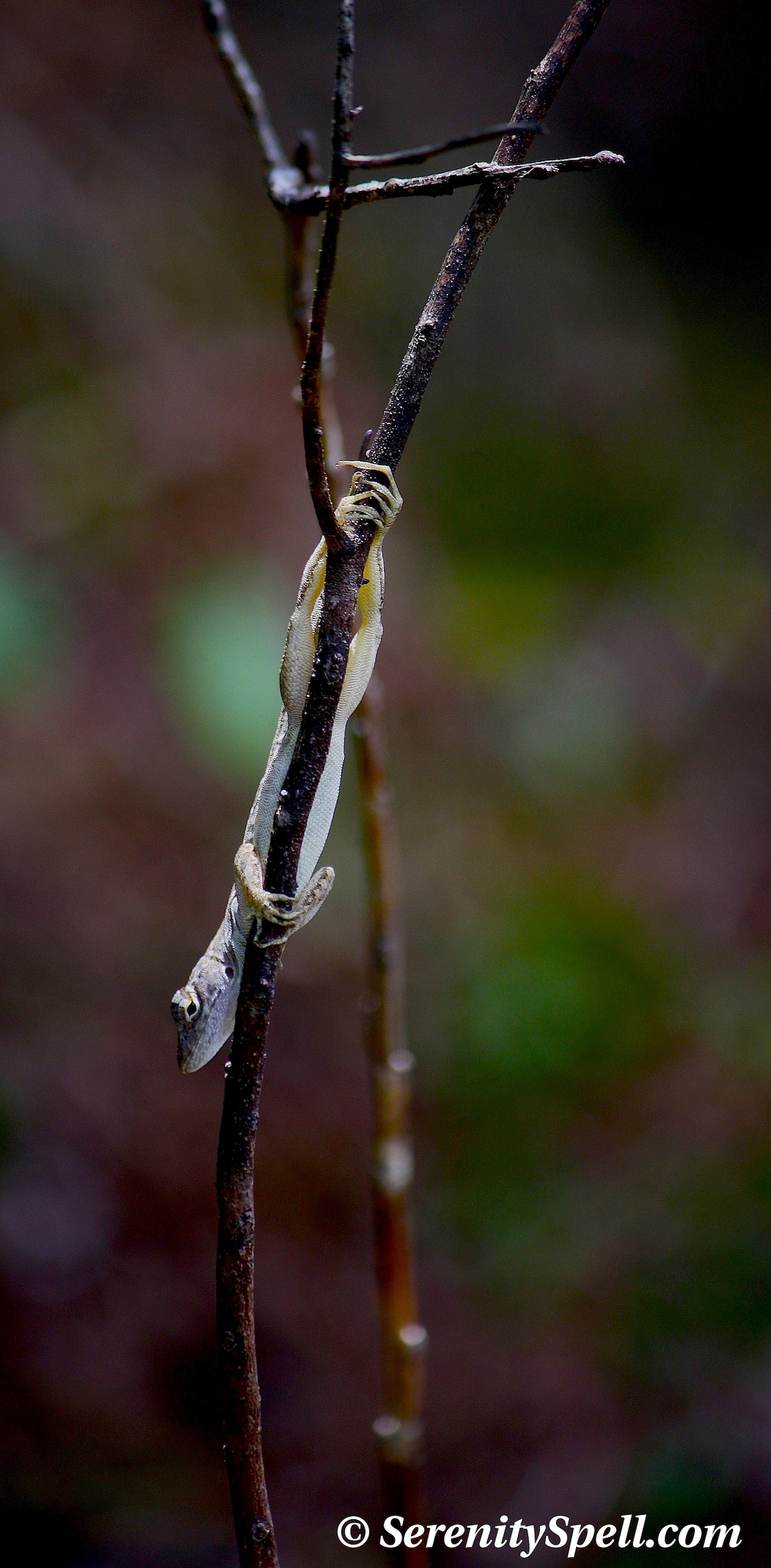
We made our second visit to a wonderful 24-mile-large Everglades preserve this weekend (more images forthcoming, it’s beautiful land) — an area new to us, so each trail is an adventure. What’s so wonderful is that we’ve been completely alone each visit, save the rustling of the critters, a magnificent great-horned owl (sadly, no picture, as we startled each other within a matter of feet), and the awe-inspiring trees, wetlands, and swamps. Entering one trail, there was a ruckus among a saw palmetto plant, and a tiny lizard popped out of its depths — it doesn’t take much to create a cacophony in their noisy fronds. He simply sat on a nearby twig, seemingly perturbed at the brief interruption. Cutie.

Brave Lizard Along the Trail at Grassy Waters Preserve

Trailhead at Grassy Waters Preserve

Everglades Vista of the Grassy Waters Preserve

A Walk Through an Endangered Scrub Community

We recently visited one of  Palm Beach County’s many preserved swaths of pristine Florida land, the Hypoluxo Scrub Natural Area. Thanks to Tropical Storm Debby and other interesting recent weather patterns, we’ve been afforded some great hiking weather — CLOUDY! TS Debby brought us massive rains and winds (and she snapped my lovely, towering Japanese Sunflower plant — GR!), but we’ve been able to accomplish longer hikes than we normally would have at this time of the year.

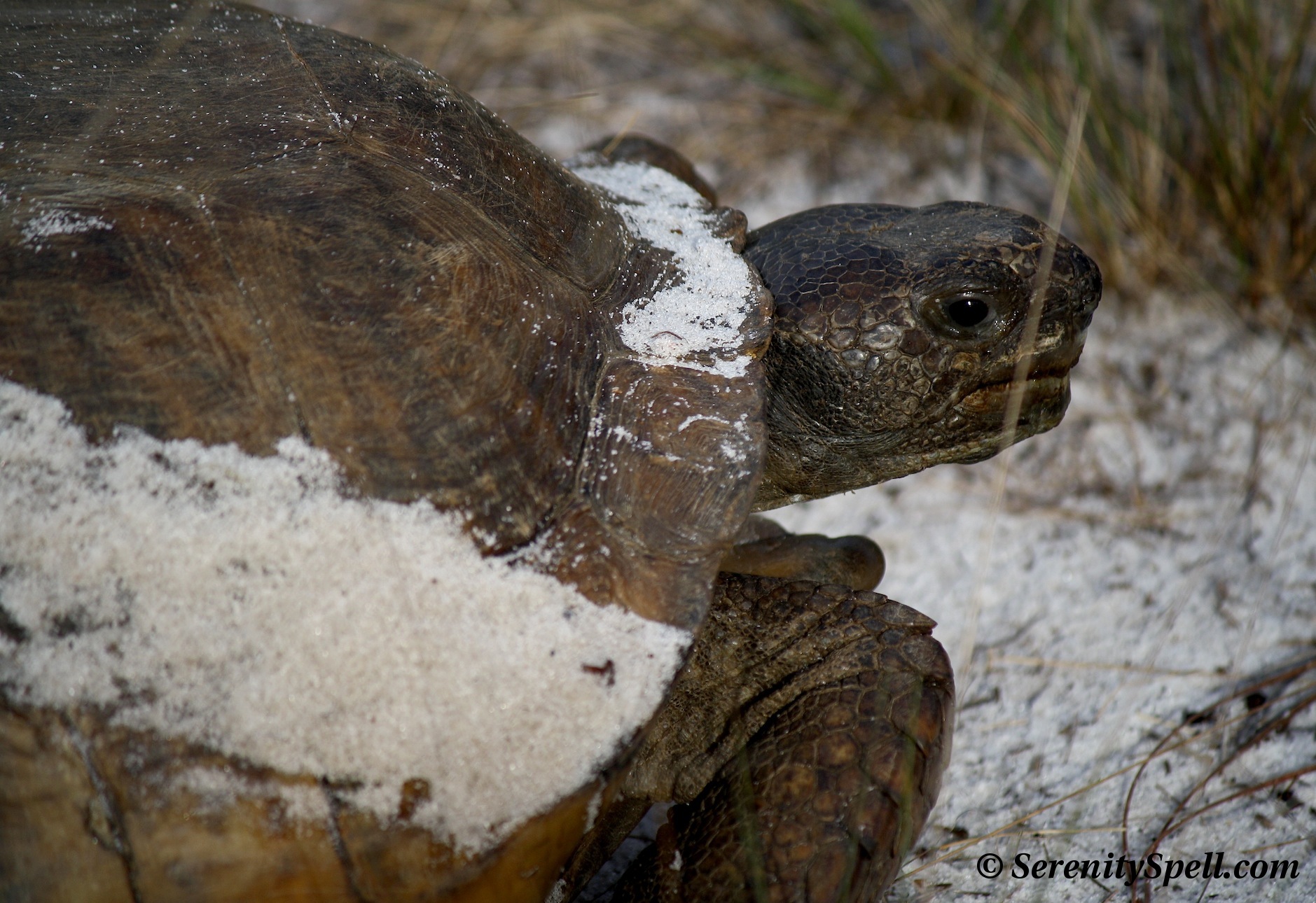
This particular area was never developed, and saw minimal agricultural use throughout the years. Purchased in 1999 in a growing effort to protect and maintain threatened and endangered biological communities in the county, we’re thankful to be afforded this glimpse of natural Florida. Located on a sand ridge that was once an ancient shoreline, 97 acres of Florida scrub and scrubby flatwoods communities have been incorporated and are now protected at the Hypoluxo Scrub Natural Area — as are the threatened Florida scrub-jay and gopher tortoise, both victims of years of over-development and lack of protection.

Scrub and scrubby flatwoods habitats are two of the rarest natural communities in Florida, with less than 2 percent remaining in Palm Beach County. Truly phenomenal, when you wrap your head around it.

The area has quite an interesting history (for more info, visit another post of mine on this natural area — Endangered Native Florida Ecosystems at the Hypoluxo Scrub Natural Area). During this dusk outing, we were alone (the sky was sputtering), and we encountered many gopher tortoises returning to their burrows, hunting hawks, and thousands of dragonflies. Altogether a wonderful early evening in a most unique and beautiful land.

Scrub and Scrubby Flatwoods

Gopher Tortoise Returning to Its Burrow

Slash Pine Profile

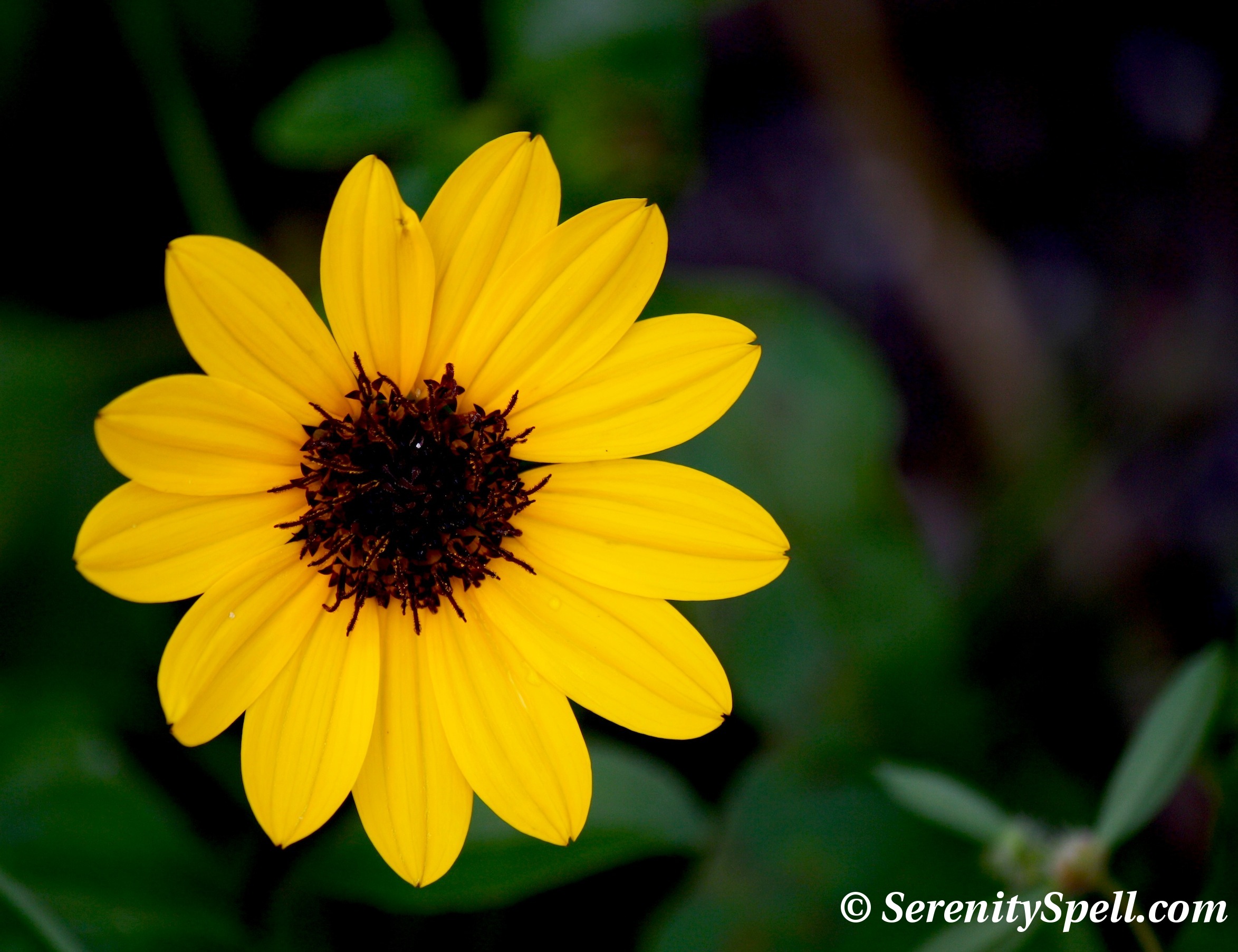
Ground Cover Blossoms

Scrub and Scrubby Flatwoods

Queen Butterfly (Danaus gilippus)

A Trail Offering

A Lovely Old Slash Pine

Someone’s Meal, So Perfectly Arranged

Riots of Yellow & Gold in a Florida Forest

Hiking in Florida affords an onslaught of lush landscape, but in the dry winter months, all shades of  brown rule. As spring dawns, the greens return and the colors alight. During our recent venture to Broward County’s Fern Forest, a magnificent 247-acre conservation site and wildlife refuge characterized as “the last remaining stronghold of ferns in southeastern Florida,” we witnessed a barrage of yellows and oranges (the colors of the day, as my mind flashed to an episode of Sesame Street). This beautiful and diverse natural area represents the last remnant of the historical Cypress Creek floodway — which today, remains a significant refuge for wildlife in a highly urbanized region, encompassing ten plant communities, including tropical hardwood hammock, open prairie, and cypress-maple swamp.

After leaving the shaded canopy of the Prairie Overlook Trail — the shade of which was already much appreciated with our rapidly rising temperatures — a riot of bright yellow Prickly-pear cactus blooms greeted us in the open prairie. And upon our departure from the Cypress Creek Trail (a wonderful boardwalk), we spied a rare yellow anole (aka yellow-phased green anole); unfortunately, anoles with this unique color mutation don’t usually live long in the wild, as the green coloring offers them valuable camouflage for hunting prey and hiding from predators.

A Ruddy Daggerwing butterfly (Marpesia petreus), a common sight in Florida, alights near the hardwood hammock…

For More Information: