Skip to content

Posts from the ‘Florida Everglades / Natural Areas’ Category

Endangered Native Florida Ecosystems at the Hypoluxo Scrub Natural Area

Aerial View

Palm Beach County has managed to preserve several swaths of pristine Florida land, and the Hypoluxo Scrub Natural Area is one such example. This land was never developed, and saw minimal agricultural use throughout the years. Purchased in 1999 in a growing effort to protect and maintain threatened and endangered biological communities in the county, we’re thankful for their efforts, and to be afforded this glimpse of native Florida. Located on a sand ridge that was once an ancient shoreline, 97 acres of Florida scrub and scrubby flatwoods communities have been incorporated and are now protected at the Hypoluxo Scrub Natural Area, as are the threatened Florida scrub-jay and gopher tortoise, both victims of over-development and lack of protection. Scrub and scrubby flatwoods habitats are two of the rarest natural communities in Florida, with less than 2 percent remaining in Palm Beach County.

History

Entering the trail area from the parking lot are two observation towers; the vantage point overlooking the natural area from the towers allows visitors to view the land as it would have appeared pre-development. Educational plaques around the towers explain the region’s history (as well as that of the Town of Hypoluxo), beginning with the early settlers in 1873 to the 1960s. Standing guard in front of the observation tower is the looming Barefoot Mailman statue, in honor of the 19th-century men who delivered mail on treacherous routes — 3-days each way, and involving nearly 100 miles of unpaved roads and alligator- and shark-infested waters. As the plaques state, the land that is now the Hypoluxo Scrub Natural Area was once owned by Andrew Garnett, James Edward Hamilton, and James Porter; Garnett and Hamilton eventually won contracts to deliver mail from Jupiter to Miami. (Remnants of Porter’s homesite are still visible at the location.) The northernmost portion of the “Sand Road,” built in 1892, signaled the end of the barefoot mailmen and is located within the park (and is the only section of the road that’s actually still sand). An additional sweet smaller sculpture greets visitors to the natural area, one by Chrisanthy Vargo depicting a scrub jay, a fox, bromeliad, and a tortoise — life of the scrub.

Trails, Flora & Fauna
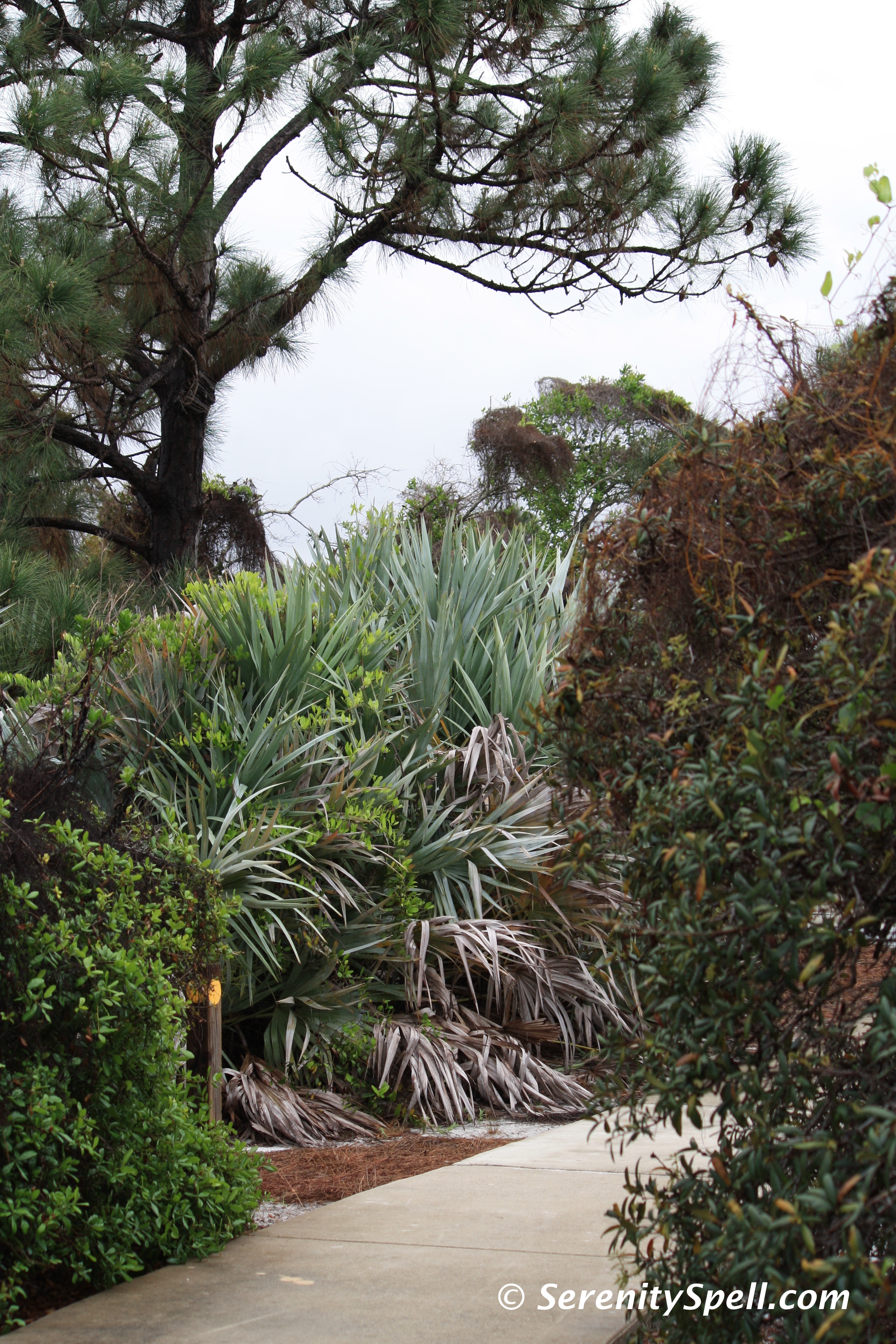
Paved Cottonweed Nature Trail

The .2-mile paved Cottonweed Nature Trail trail leads from the observation towers, and is lined with gopher tortoise burrows. While there are definitely areas within Hypoluxo Scrub that are shaded, much is exposed to the open sun — so an early morning or late afternoon/early evening hike are usually ideal, at least from our experiences. It’s a beautiful casual venture, and a great opportunity to explore this endangered ecosystem. Our preferred hike is the 1.5-mile natural Eastern Pondhawk Trail loop, which provides a lovely view of pine and scrubby flatwoods. Several other paths loop off the main trail as well, but be aware of crushing any fragile tortoise burrows and delicate and vital scrub plants.

Even on the sandy scrub trail, bright flowers spot the landscape: Cottonweed, Prickly pear, Netted pawpaw, Gopher apple, and Honeycombhead flash all shades of yellows, whites, and reds across the sand. The area is great for birdwatching, although during our last visit the impending rain seemed to quiet the wildlife. However, on a previous walk towards the back of the park, we saw a large flash of tan… Of deer? Or of leaping fox?

Hours & Location:

150 Hypoluxo Road, Lantana, FL (just west of Federal Highway)
Open sunrise to sunset, seven days a week
Admission: Free

For More Information:

Observation Tower from the scrub

Netted Pawpaw

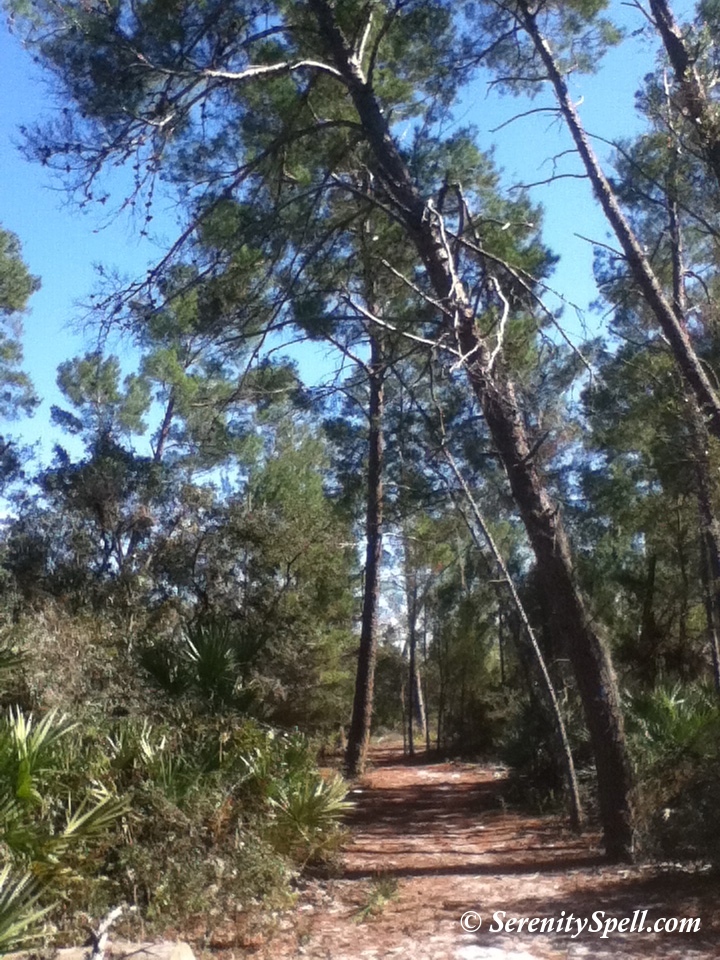
On the trail
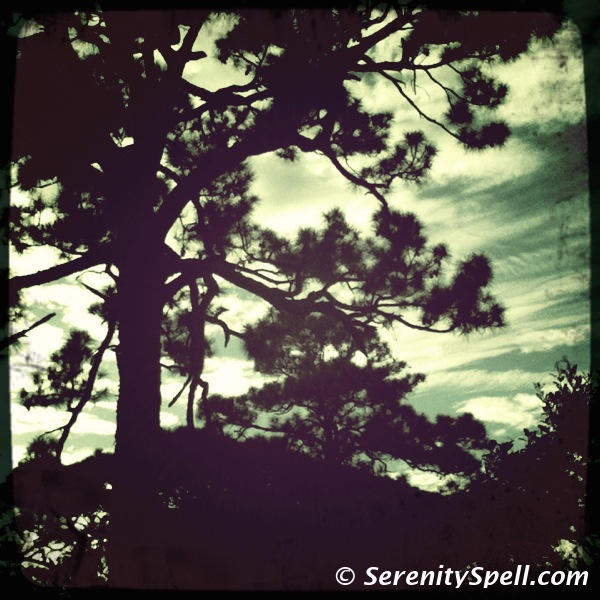
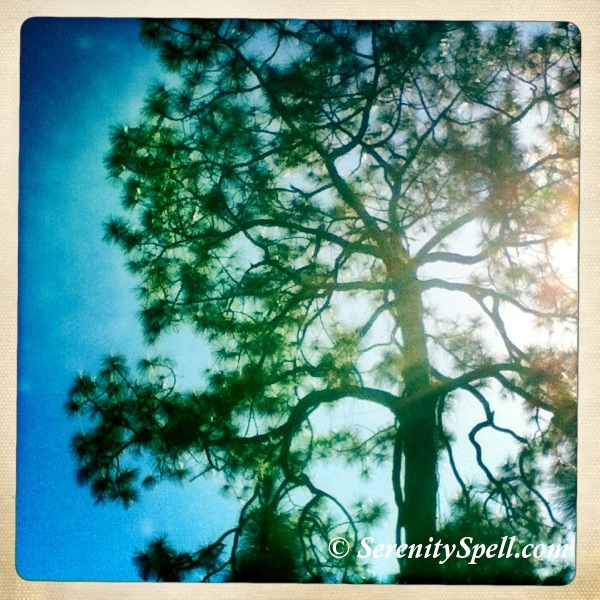
Slash pines against the sky

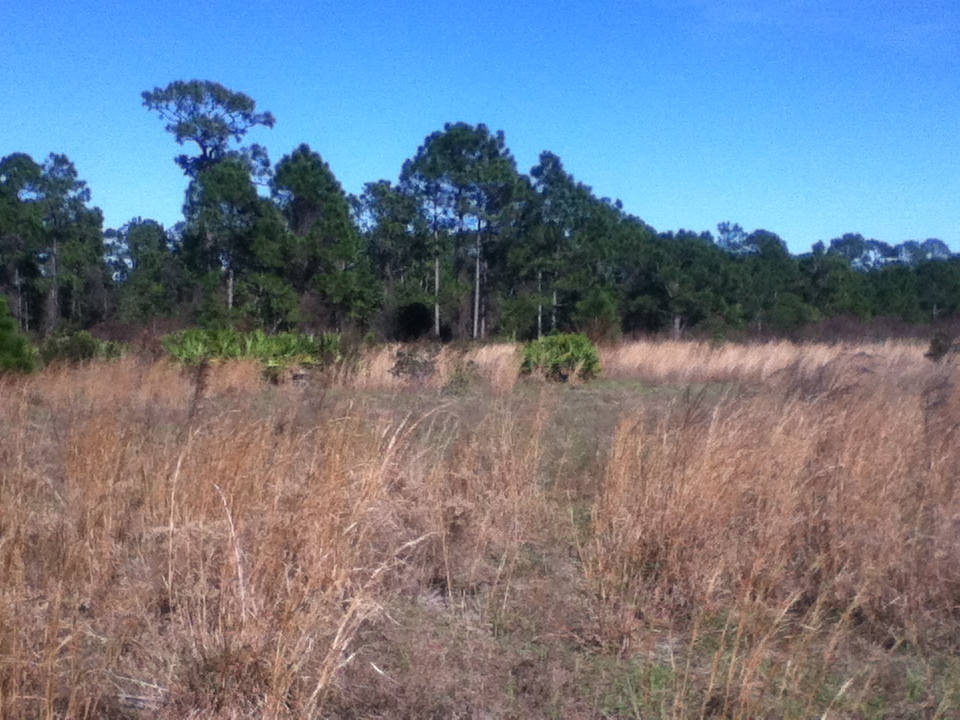
Scrub environment leading to flatwoods

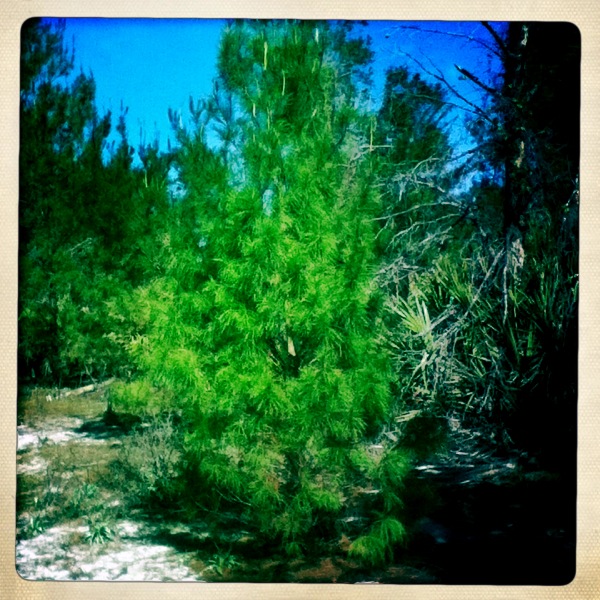
Slash pines

Scrub environment
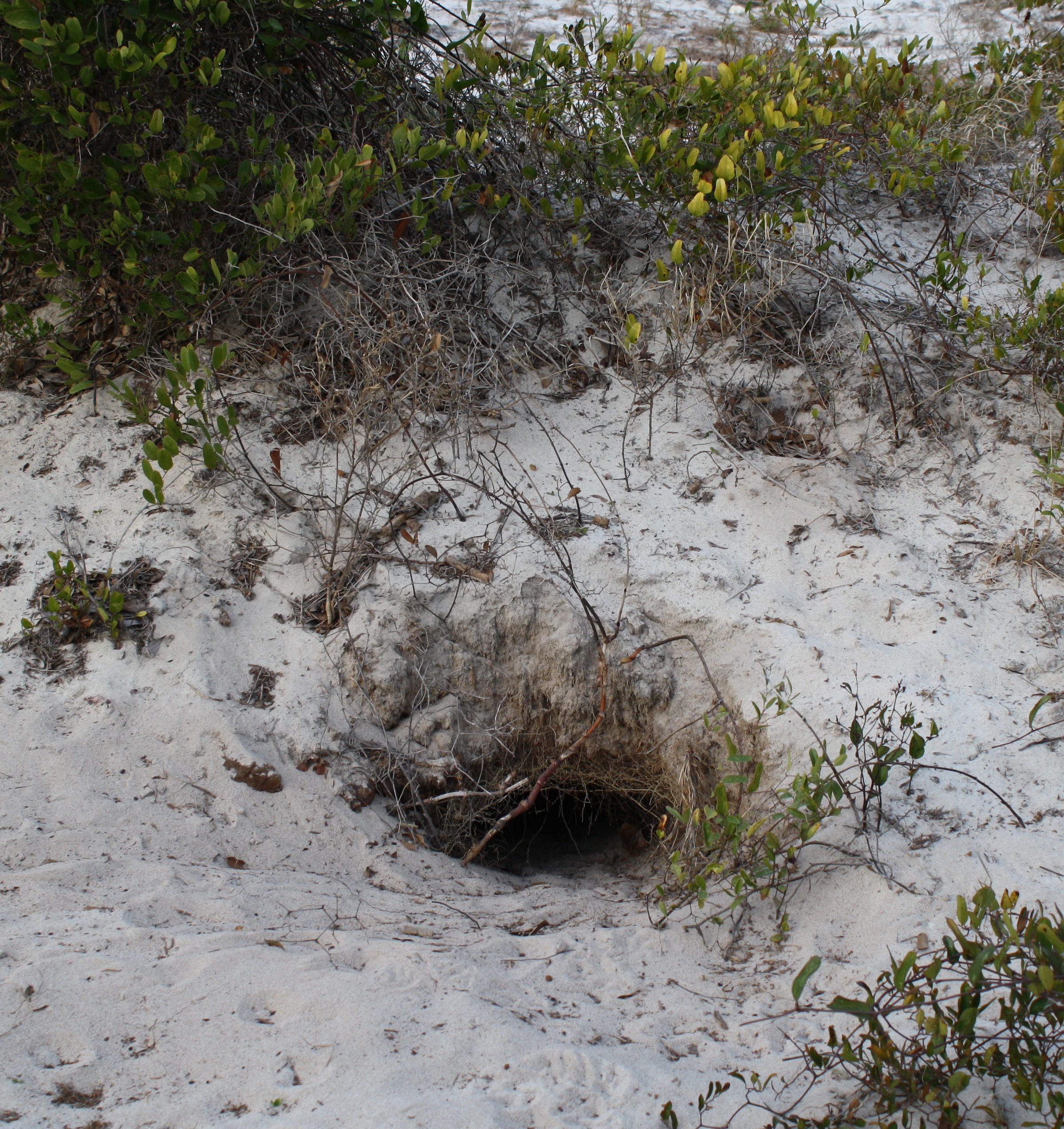
Gopher tortoise burrow

John D. MacArthur Beach State Park: Southeast Florida’s Haven of Subtropical Coastal Habitat

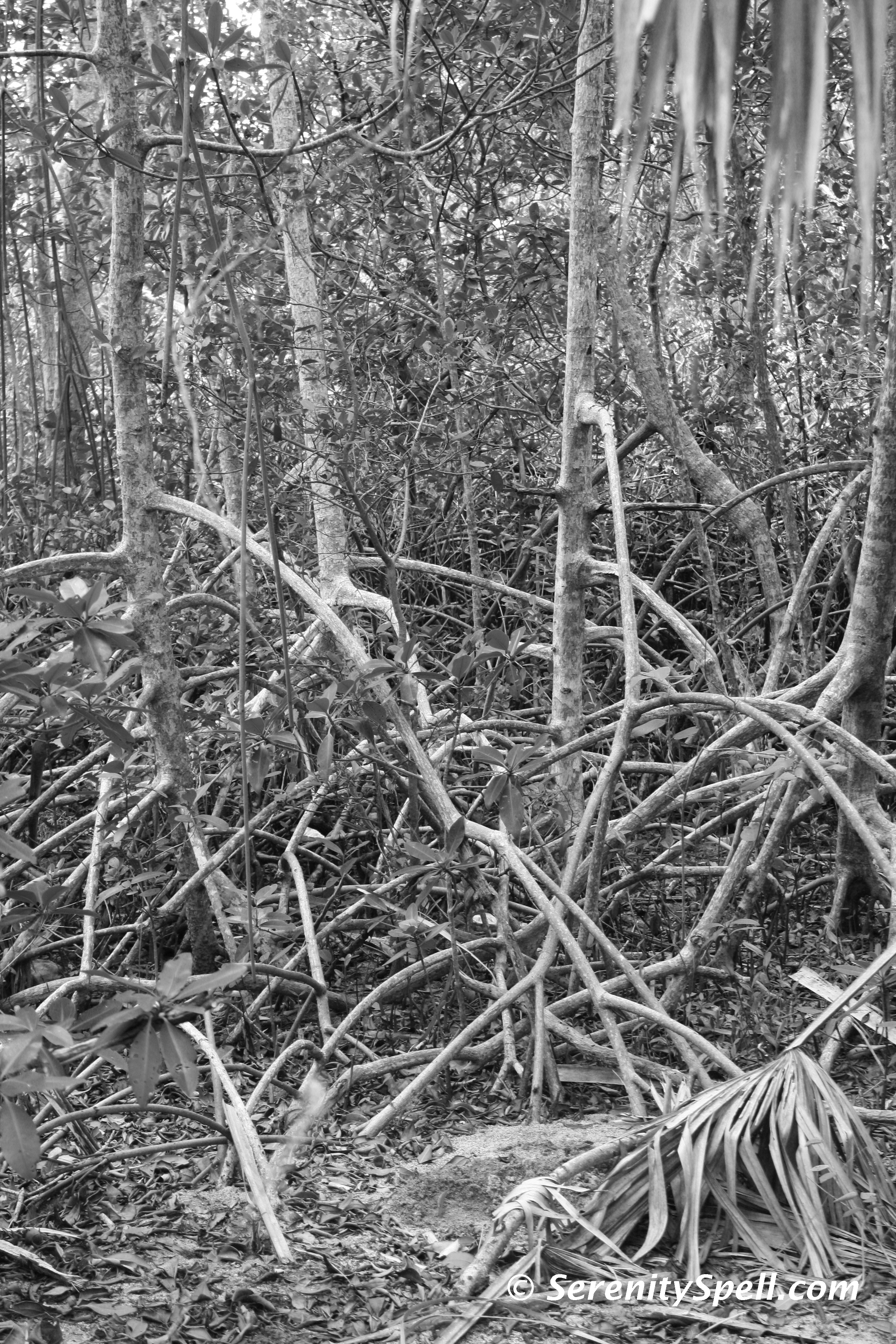
Located on a barrier island adjacent to Lake Worth Cove — on the north end of Singer Island in North Palm Beach — John D. MacArthur Beach State Park preserves some of the finest examples of subtropical coastal habitat that once covered southeast Florida. The various natural communities afford a haven for rare and endangered indigenous tropical and coastal plant species: the park encompasses 325 acres (of uplands and submerged lands), including a mangrove-lined estuary,  coastal and tropical hammock, hardwood forests, beach, and shallow reef. Lake Worth Cove itself is crossed by a 1,600-foot scenic boardwalk.

Activities

Popular activities include swimming, picnicking, and surfing along the nearly two miles of pristine beach, lined with sand dunes and native vegetation; scuba diving, snorkeling, canoeing, and kayaking are also enjoyed by visitors. Hikers can investigate tropical habitats along two nature trails (the Butterfly Trail is no longer present): the Satinleaf Trail winds through a mixed maritime and tropical hammock along the Lake Worth Lagoon, and the Dune Hammock Trail leads visitors across the estuary bridge (boardwalk) and along the west side of the dune. Each time we’ve visited, we’ve traveled both trails, but always end up on the Dune Hammock Trail — and although it’s a casual hike, it’s an absolutely lovely view of natural Florida, that leads down to the beach and the crashing waves of the Atlantic. Birdwatchers can spot osprey, peregrine falcons, wood storks, herons, egrets, brown pelicans, terns, sandpipers, and gulls. Fishing is permitted from the non-swimming areas of the beach, as well as by canoe and kayak in the lagoon.

The William T. Kirby Nature Center further explains the park’s natural communities and its role as a biological treasure to the region, offering Speaker Series and live animal exhibits. Children’s programs, guided snorkeling tours, and “Under Moonlight” concerts are among other special activities hosted by the park. MacArthur also offers guided nightly tours of its sea turtle nests — the area is a top nesting site for the endangered loggerhead, and the green and rare leatherback turtles, who nest from early May through late August. Having attended one of these tours — and speaking from one who was raised on a South Pacific island, accustomed to seeing sea turtles — it’s truly an amazing experience. Just bring your bug spray! Other park accommodations include a small amphitheater and picnic pavilions, both which are available for rental.

History

The park was named for billionaire John D. MacArthur, who once owned a large portion of Palm Beach County (including this land). Donating the land in the 1970s in an effort to preserve it for future generations, John D. MacArthur Beach State Park officially opened in 1989. Munyon Island, named for Dr. James Munyon and itself hosting a fascinating history, is accessible only by canoe or kayak. It allegedly supported one of the largest wading bird rookeries in South Florida. During the early 1900s, Munyon built the famous resort hotel on the island, “The Hygeia,” named for the Greek goddess of health and visited by wealthy (mainly northern) visitors. The hotel burned down in 1915, and the island has since remained uninhabited. But human occupation in these lands dates to 900 A.D., when Native Americans settled in the area. Evidence of their presence comes from recovered artifacts including discarded bones, shells, and pottery that were found in their refuse piles. In fact, the next Speaker Series hosted on March 10 highlights the prehistory of the park — “The Prehistory of MacArthur Beach State Park” — definitely something to investigate.

Contact Information:

10900 Rte. A1A, North Palm Beach, FL, 33408
East on PGA Blvd, across US1 to A1A. Stay South on A1A for two miles
Phone: (561) 624-6950

Hours & Pricing:

William T. Kirby Nature Center: Daily, 9 – 5
Park: Daily, 8 AM – Sundown
$5/vehicle ($4 Single-occupant vehicle or motorcycle)

For More Information:

A Return to Bluefield Ranch

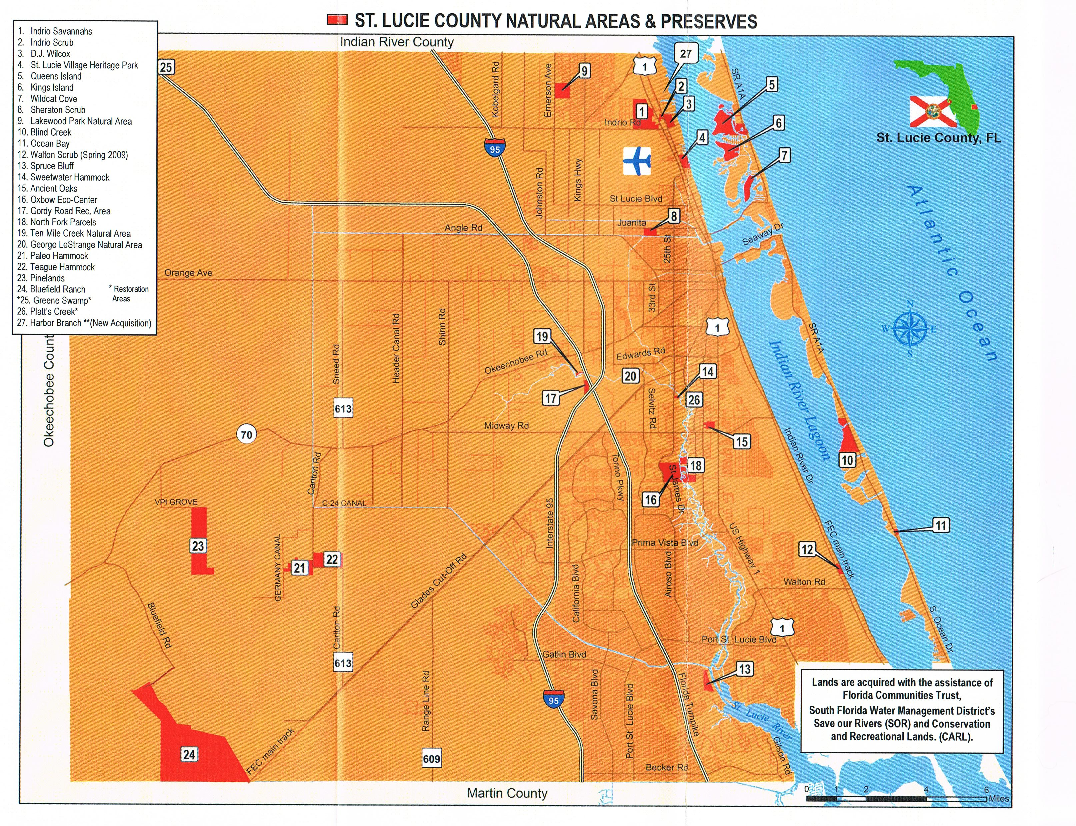
We finally made a return trip north to hike lovely Bluefield Ranch Natural Area in St. Lucie county, to investigate some of the trails we had previously missed. Sadly, my camera battery died halfway through the 5-hour hike (old battery, for shame!), but I prevailed with my iPod. The site provides a variety of natural Florida habitats, supporting diverse wildlife and plant species, including many on the threatened and endangered species list. More than 3,000 acres (3,285 in total) of scrub, scrubby flatwoods, prairie hammock, wet flatwoods, wet prairie, dry prairie, and depression marsh are protected at Bluefield Ranch, and are home to such wildlife as bald eagle, deer, coyote, alligator, turkey, wood stork, sandhill crane, burrowing owl, quail, and several species of snakes (including rattlesnake). Bluefield Ranch was purchased in the 1930s by David Iglehart, president of W.R. Grace & Company. The original ranch was comprised of more than 23,000 acres, and was used as a quail-hunting haven for America’s wealthy. In the ’60s, the land was turned into pasture for cattle — many existing structures are still visible, including a grain silo, cattle pens, and water troughs. Today hiking, biking, and equestrian trails wind throughout the area, accompanied by a few primitive campsites. (See images below, or “For More Information” for map and trail guides.)

During our initial trip, we believed Bluefield Ranch wouldn’t be far from the turnoff from the last “main” road — we were wrong. Expect some driving on a sandy and bumpy road, before reaching the trailhead. During our last trip, our poor car nearly got stuck in the deep sand — even losing its battery cables to the road’s ruts — definitely a first in our Florida hiking excursions. This time around, the road definitely seemed better, but I’m not sure if that’s because we now  have a vehicle better equipped for such terrain.

Biking and horse trails are included, so share the trail where appropriate. Unfortunately, the horses were sharing the hiking-only trails, but at ground-level the entries to some of these trails can be initially confusing. And to date, there’s only one devoted hiking-only loop trail; I’ve read of efforts of biking enthusiasts to open up more biking trails, so I wonder if they’ll do the same for hikers. There’s certainly enough beautiful land to incorporate for trails. It’s a good 1.5 miles to reach the first (and main) hiking-only trail, but it’s worth it — in the far reaches of this trail, where the former Seminole Indian camp is located, breathtaking marsh and dense flatwoods envelop you.  The Seminoles stayed in the scrub environments in the summer months, avoiding the flooded swamps and their gargantuan mosquitoes. They moved to the Cypress Creek swamp in the winter. In the 1940s however, they were evicted from their camp (at what is now Bluefield Ranch Natural Area), accused of stealing a calf from a rancher.

Another interesting bit of history: During the Prohibition, illegal stills were constructed on the site by bootleggers — for personal consumption as well as for providing an income to support their families. Their remnants can still be seen at Bluefield. Unfortunately, and despite our best efforts, we still haven’t found any bottles. Logging was also an active industry — sadly, the area was completely logged of its virgin trees in the 1920s and ’30s, as was true in many regions of Florida.

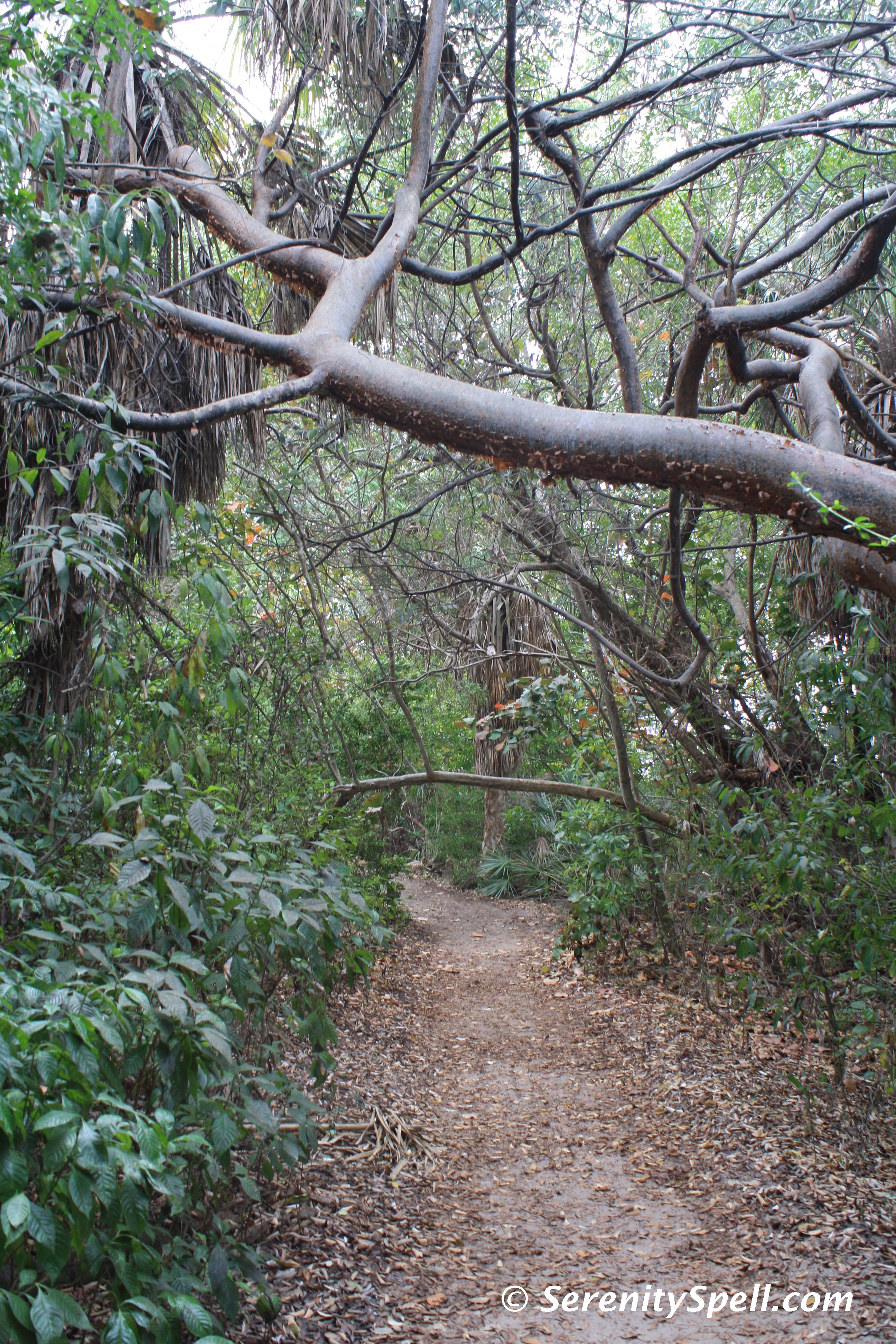
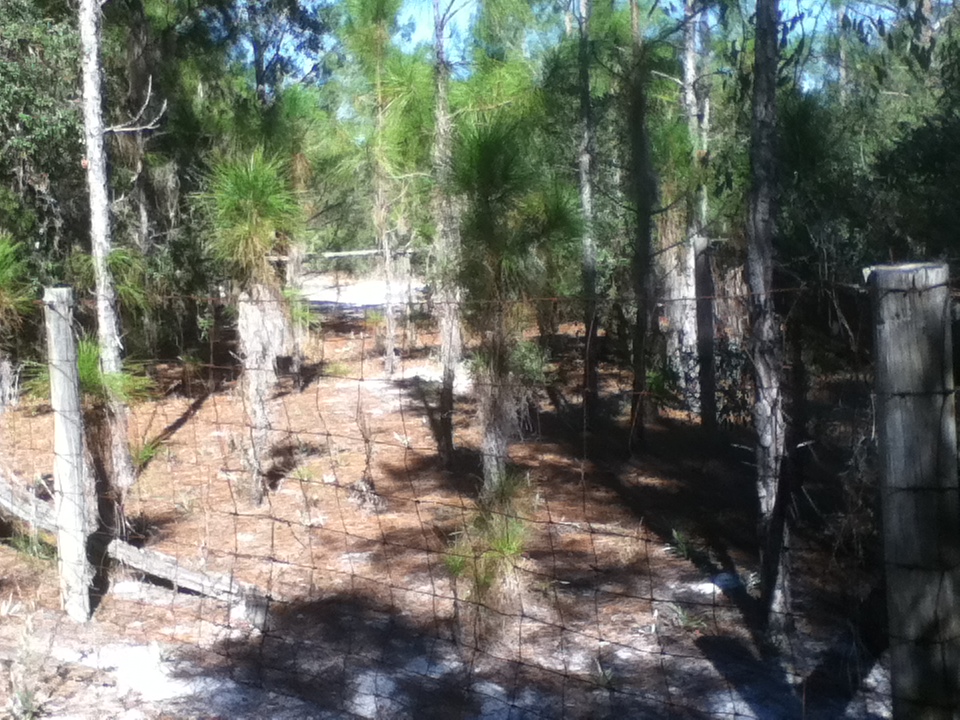
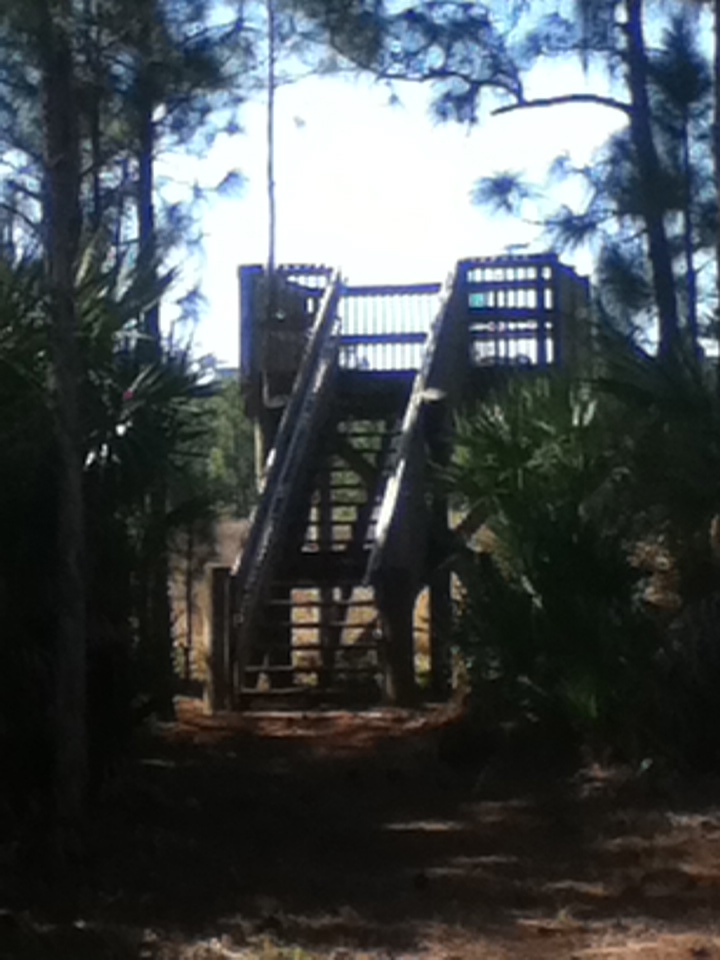
On our return from the hiking loop, we investigated some old structures off-trail, that ran parallel to the 1.5-mile entry walk…. We didn’t know if they were remnants of the ’30s Bluefield Ranch, or something else. Obviously others had done the same — dog tracks were mixed with those of deer. It looks as though the area at some time had been a camping settlement, with purposed (albeit now long-abandoned) trails and overgrown open areas. Interesting. Other sites along the hiking trail: An observation tower overlooking a large wetland habitat used by wading birds including herons, egrets, sandhill cranes, and wood storks. Magnificent vista!

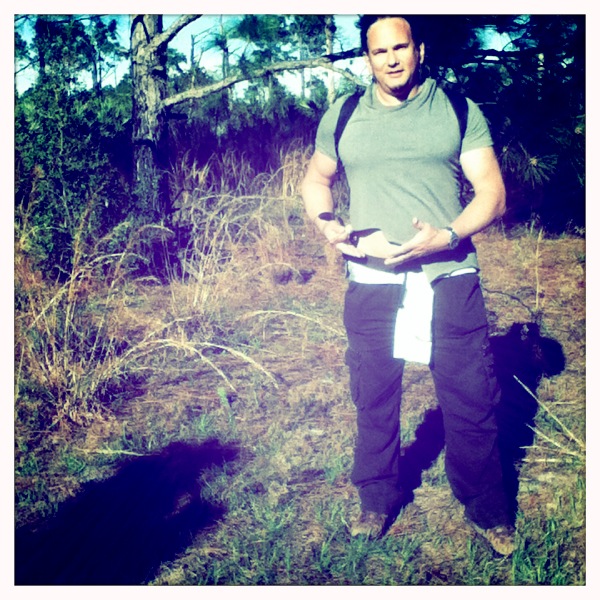
After a solid 5 hours of hiking, the water finally caught up with me (sometimes it really is easier being a boy!). Stupidly I forgot my tissues — so as I was writhing in pain and walking at a snail’s pace, Dave finally cut off a bit of his shirt, for me to bring as I dug my hole. Ahhh, the joys of long hikes! The funniest part was meeting up with the other pair of hikers (our only encounter) on the return trip, as he was sporting that super-stylish half-shirt….

For More Information:

Multi-Use Entry Trail, Bluefield Ranch

Flatwoods, Bluefield Ranch

Entry to Equestrian Loop, Bluefield Ranch

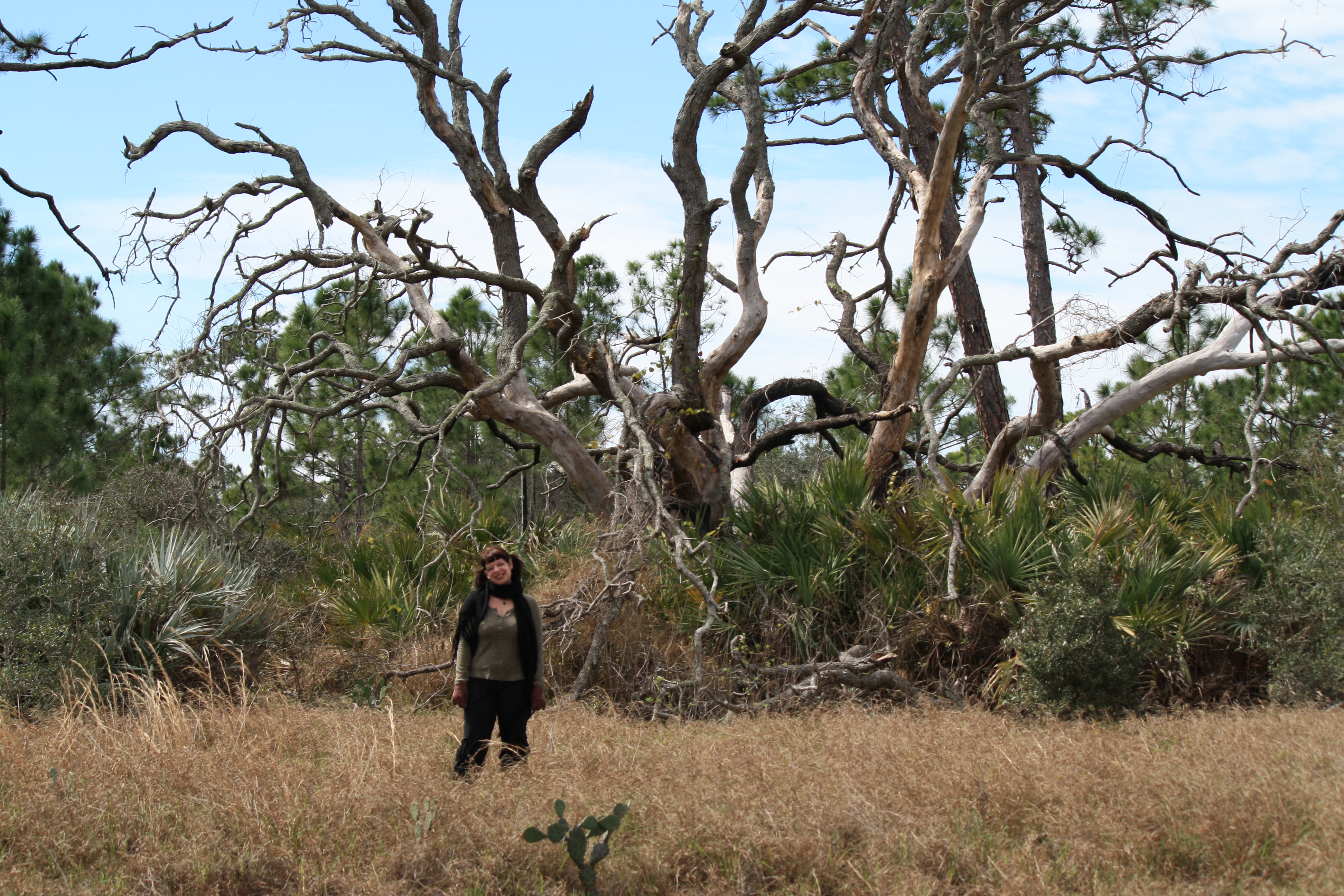
Lovely Old Tree, Bluefield Ranch

Prairie and Flatwoods, Bluefield Ranch

Burned Slash Pines, Bluefield Ranch

Slash Pine, Bluefield Ranch

Hiking Trail, Bluefield Ranch

Swamp, Bluefield Ranch

Hiking Trail Trees, Bluefield Ranch

Dense Flatwoods, Bluefield Ranch

Dense Flatwood Hiking Trail, Bluefield Ranch

Scrubby Flatwoods, Bluefield Ranch

Prairie Hammock, Bluefield Ranch

Observation Tower, Wetlands Area, Bluefield Ranch

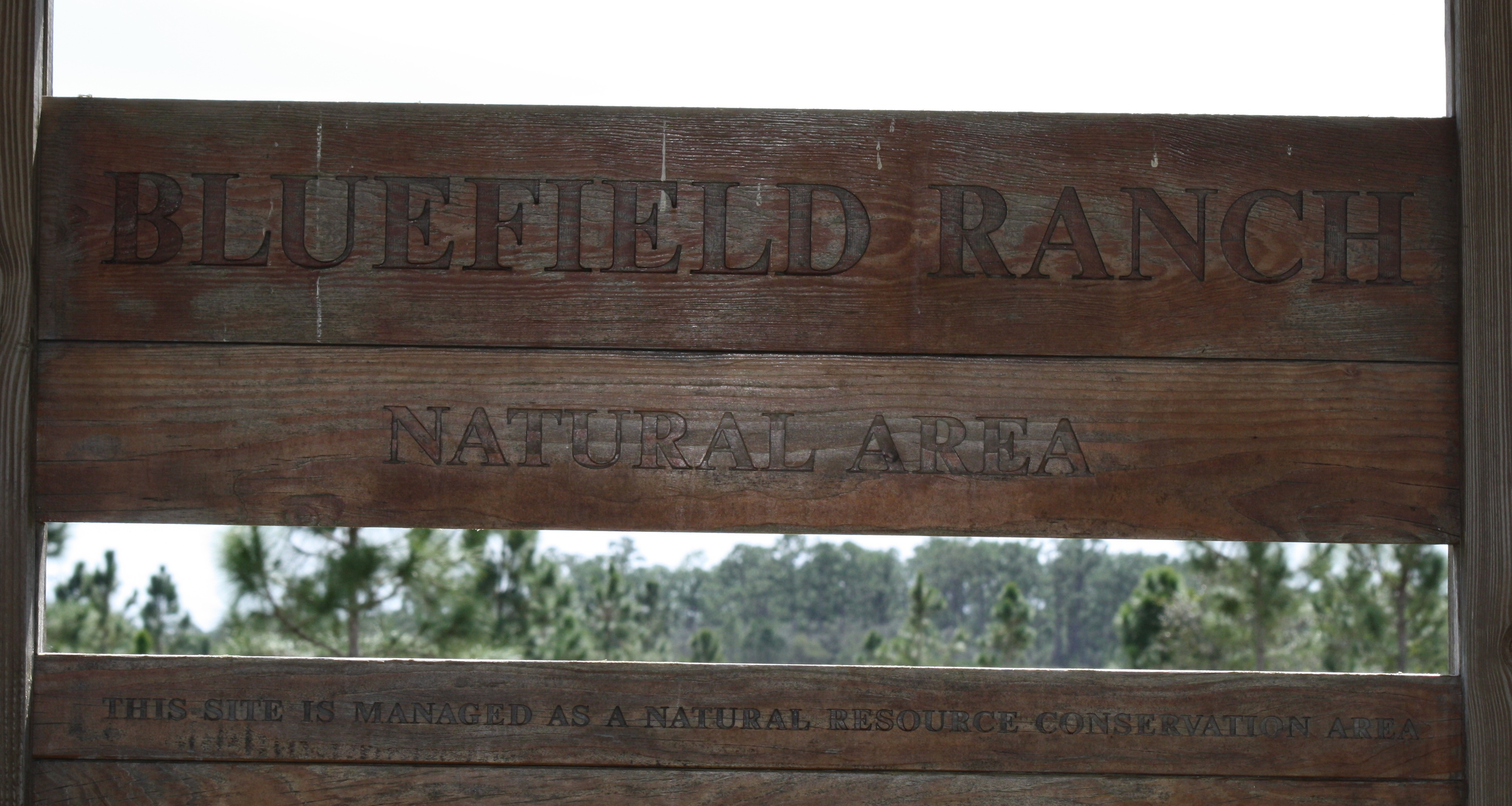
Bluefield Ranch Signage

Bluefield Ranch Sign

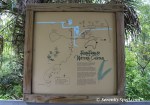
Map of St. Lucie Conservation Areas

Arthur R. Marshall Loxahatchee National Wildlife Refuge: A Winter’s Walk in South Florida

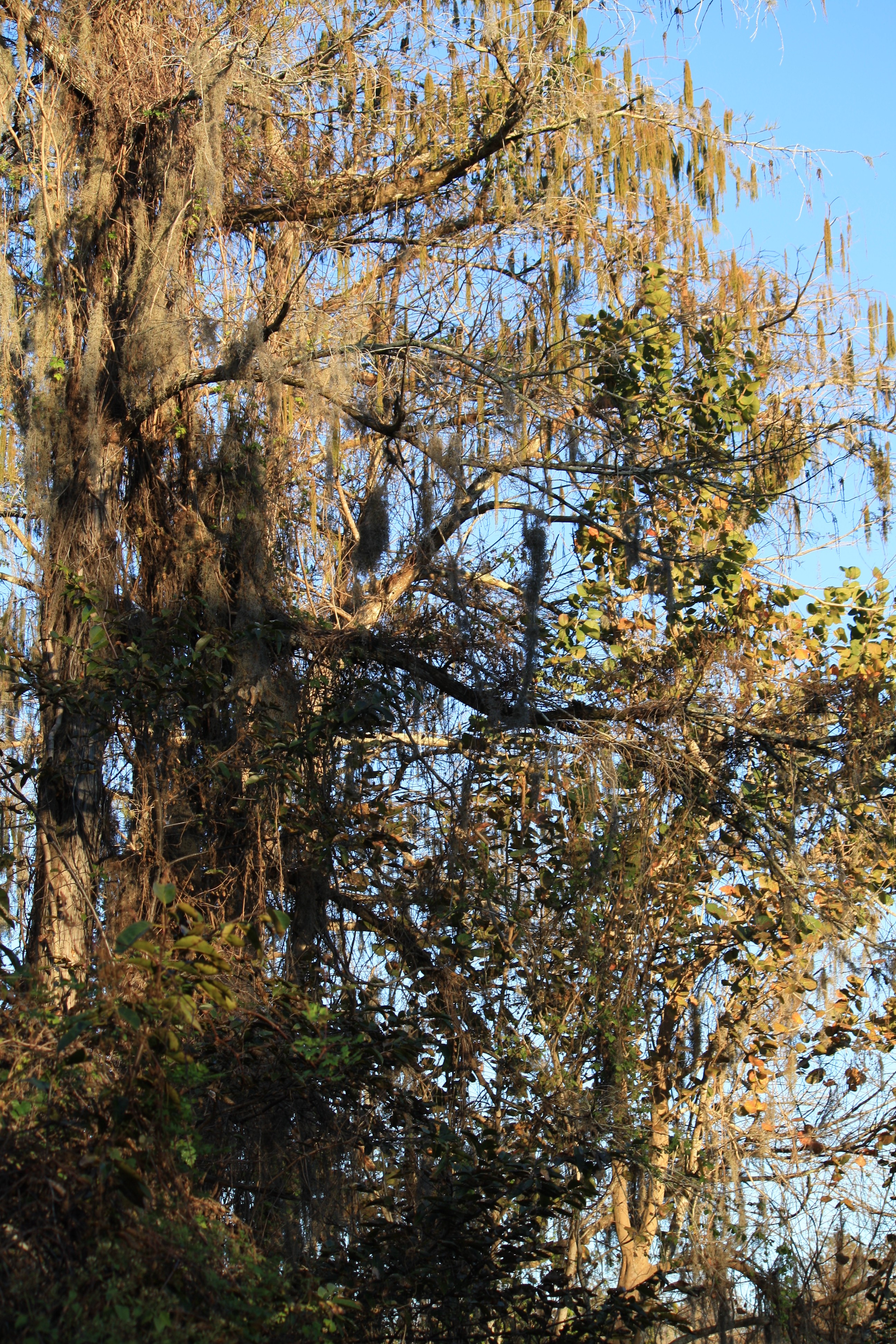
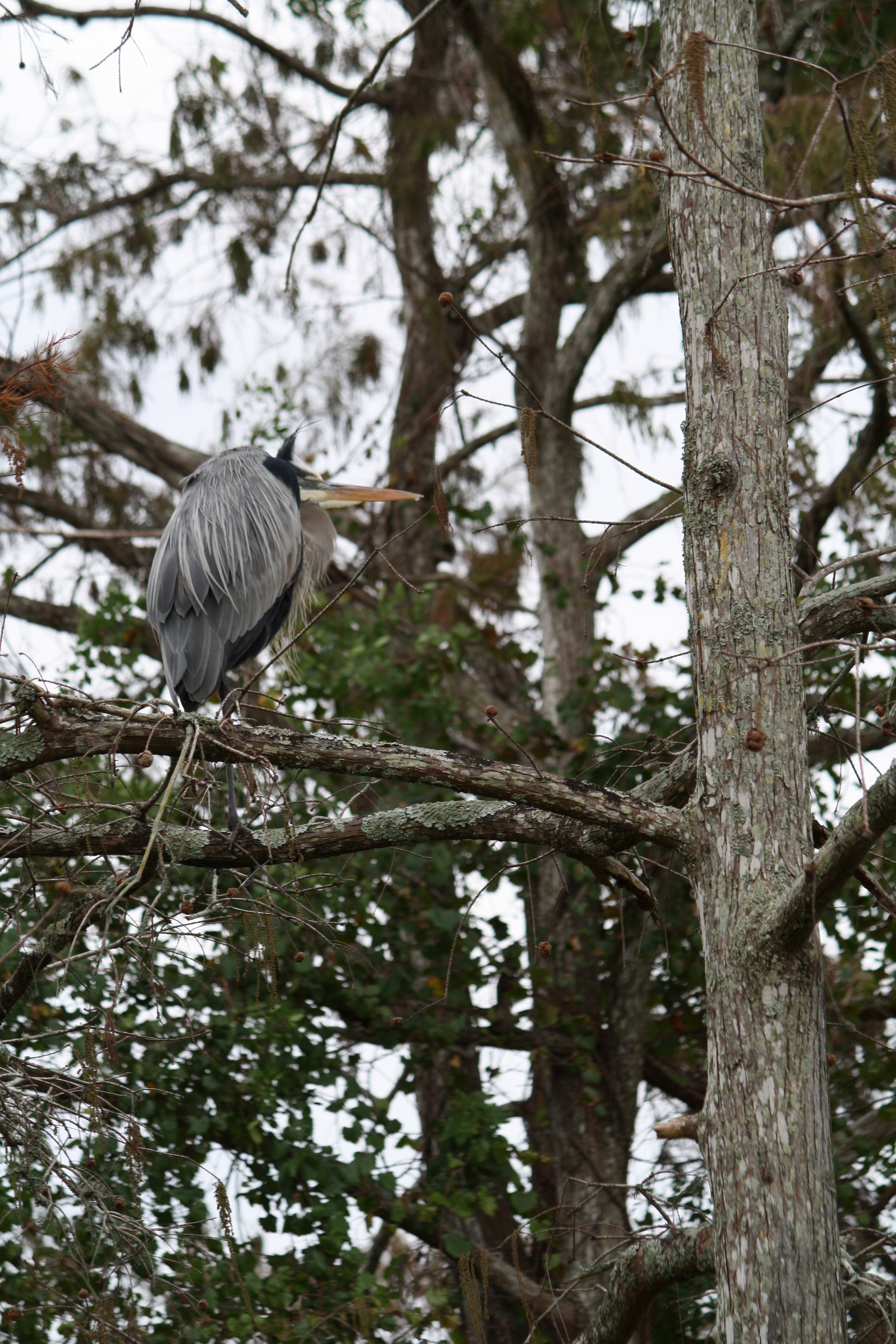
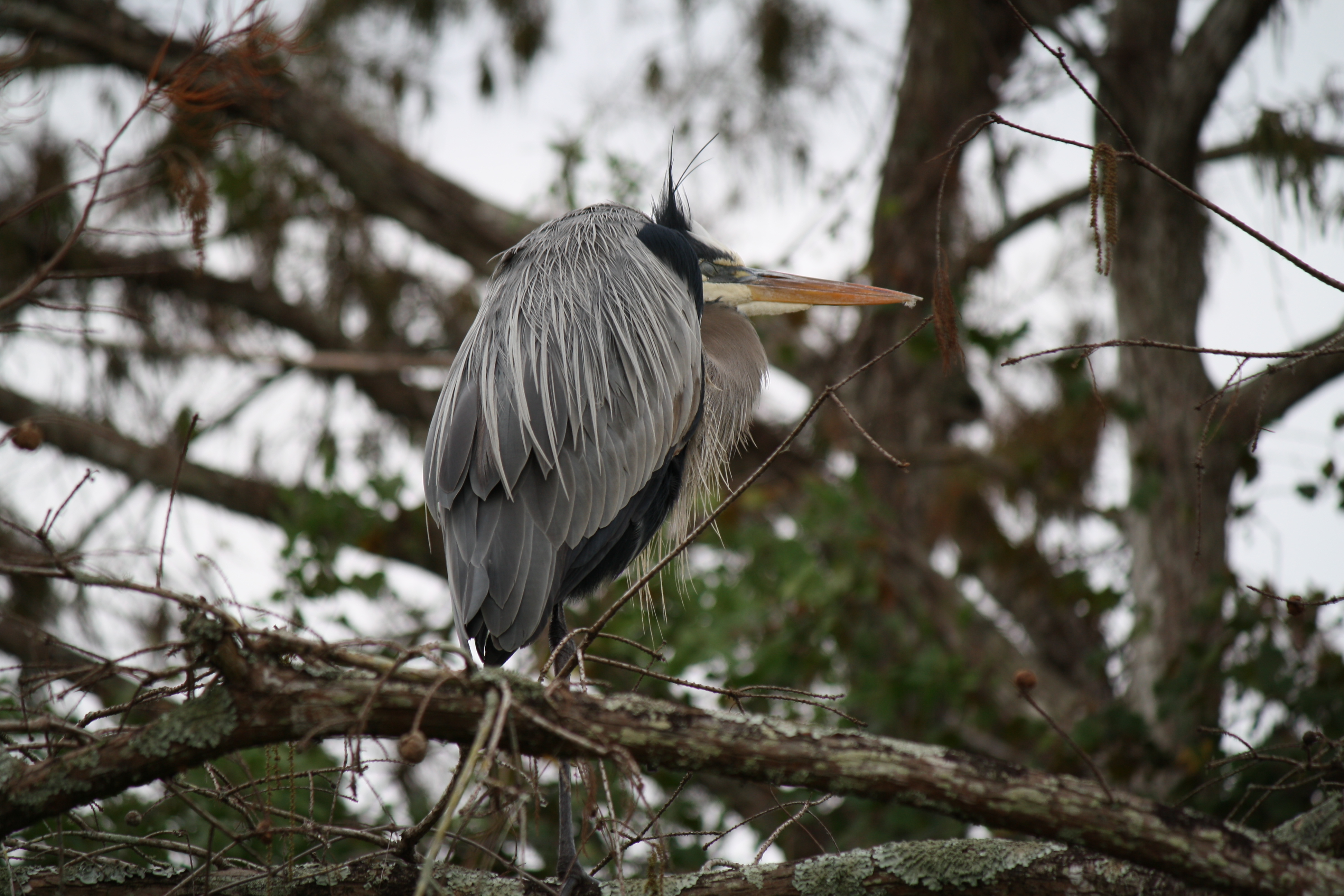
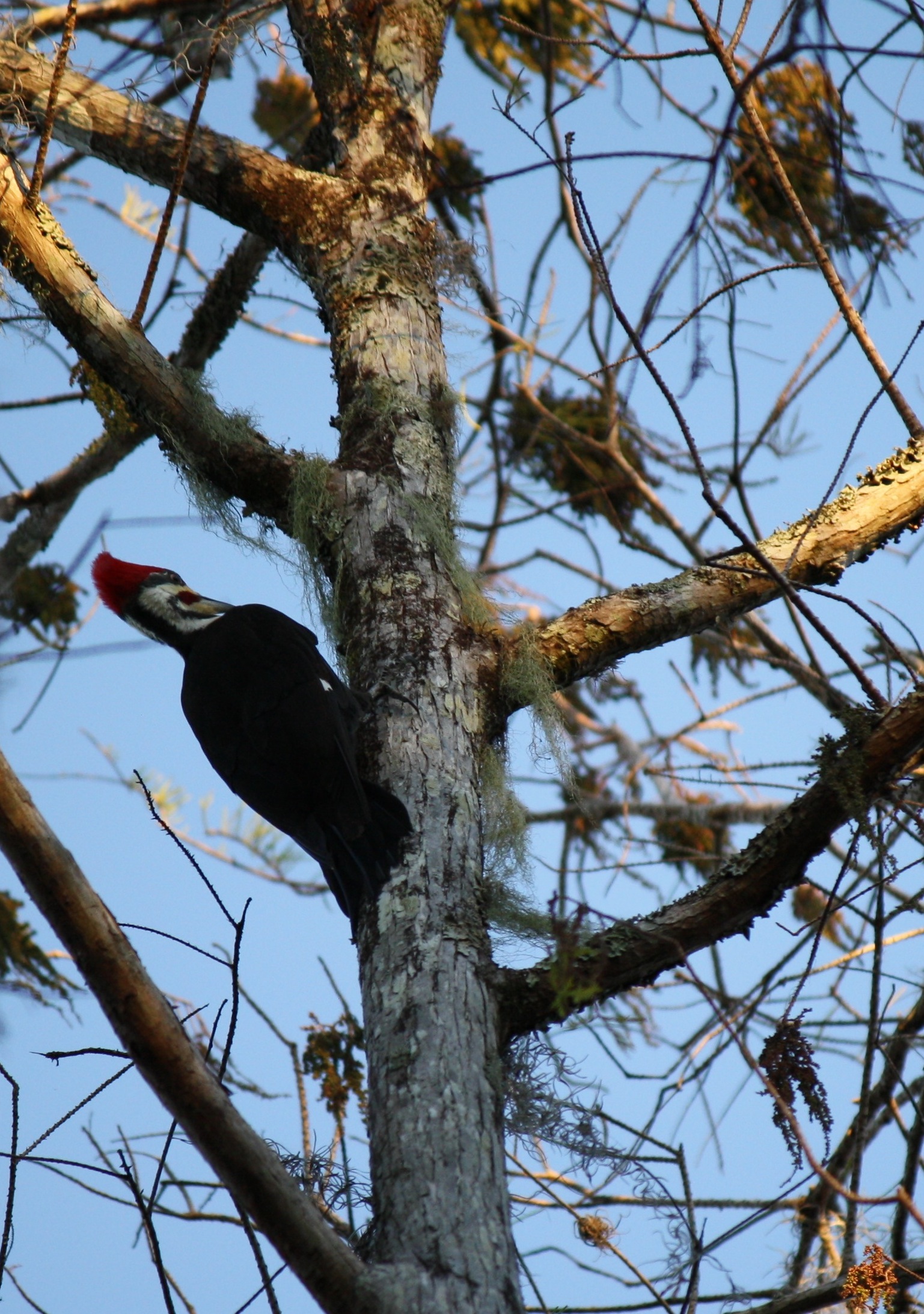
A very chilly and windy day at Arthur R. Marshall Loxahatchee National Wildlife Refuge provided an absolutely LOVELY opportunity for the native Floridians who anxiously wait year-round for such times to explore, without the constant threat of Jurassic-sized mosquitoes. With the dark skies, the birds were either hunting or doing their best to stay warm — several hawks made themselves known, but the great-horned owls were impossible to spot, despite their persistent and seemingly close cries. And high in the beautifully colored cypress trees — the moss lit on fire with the sun’s long rays — a group of pileated woodpeckers rambunctiously searched for grub.

For More Information:

Cypress Swamp Colors in the Winter, Arthur R. Marshall

Cypress Swamp in the Winter, Arthur R. Marshall

Cypress Swamp Colors in the Winter, Arthur R. Marshall

Blue Heron in the Trees, Arthur R. Marshall

Blue Heron in the Trees, Arthur R. Marshall

Winter Tree and Vines, Arthur R. Marshall

Red-shouldered Hawk, Arthur R. Marshall

Red-shouldered Hawk, Arthur R. Marshall

Pileated Woodpecker, Arthur R. Marshall

A Picnic at Fern Forest

As is our modus operandi (read: cheap activity these days), we grabbed an insanely delicious LaSpada’s subs, and headed out to Fern Forest in Broward County for a picnic and casual hike. It’s a bit of a haul for us, but we wanted to take advantage of Florida’s overcast weather with Tropical Storm Emily. Although she didn’t quite make it to land, enough of her bands reached us, and we had to make a run for it out of the trails. The flutterbys were active, and I was chasing them like a crazed lunatic with my camera to no avail. And the banana spiders, oh my. Oh my. They’ve obviously been busy, with their gigantic (but non-toxic) selves. I crashed into a few of their expansive webs, chasing butterflies. Dave’s especially enthralled with spiders, consistently offering better leverage for close-ups. Right-o.

This slideshow requires JavaScript.