Skip to content

Posts from the ‘Florida Everglades / Natural Areas’ Category

Panther Kitteh Released into Big Cypress

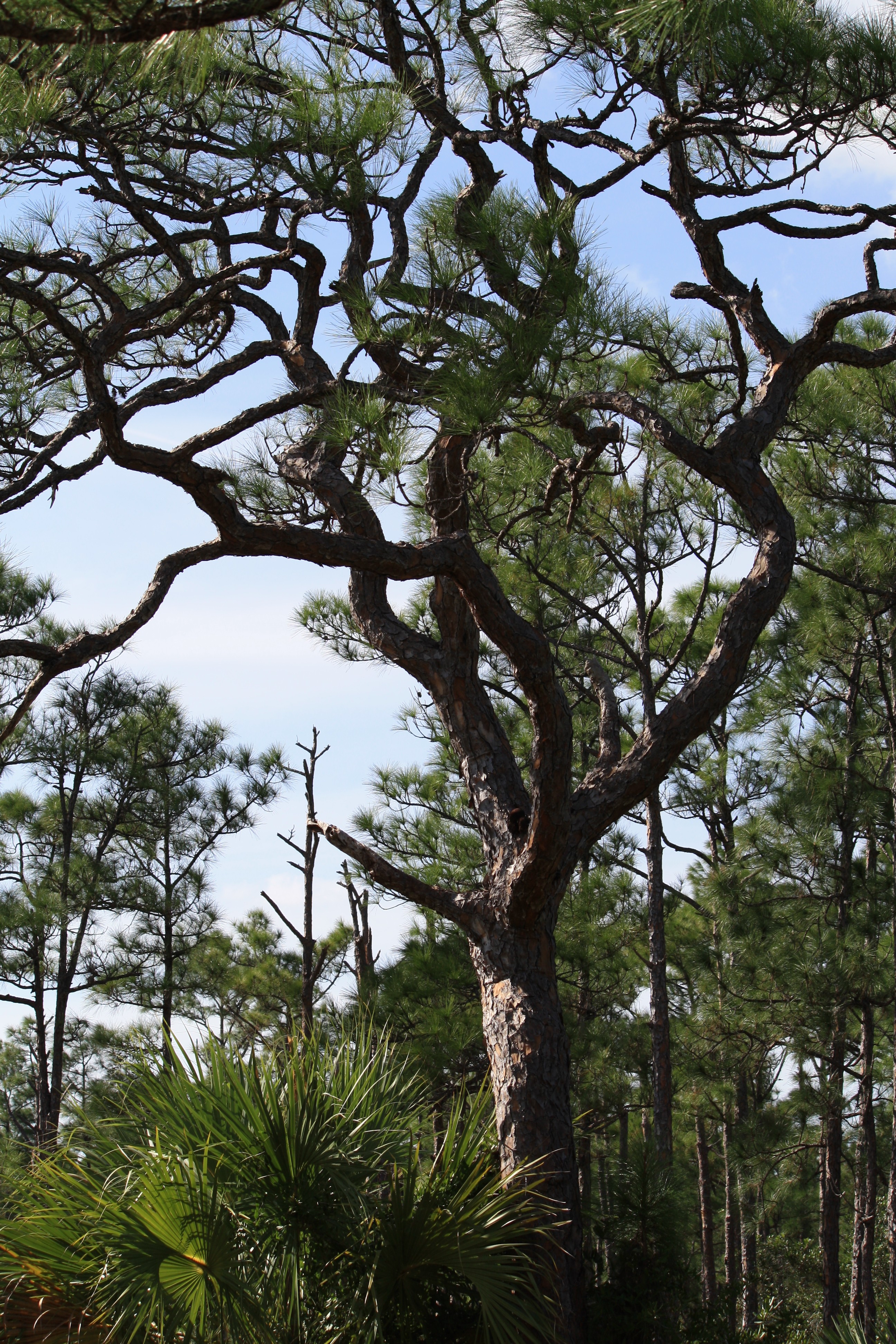
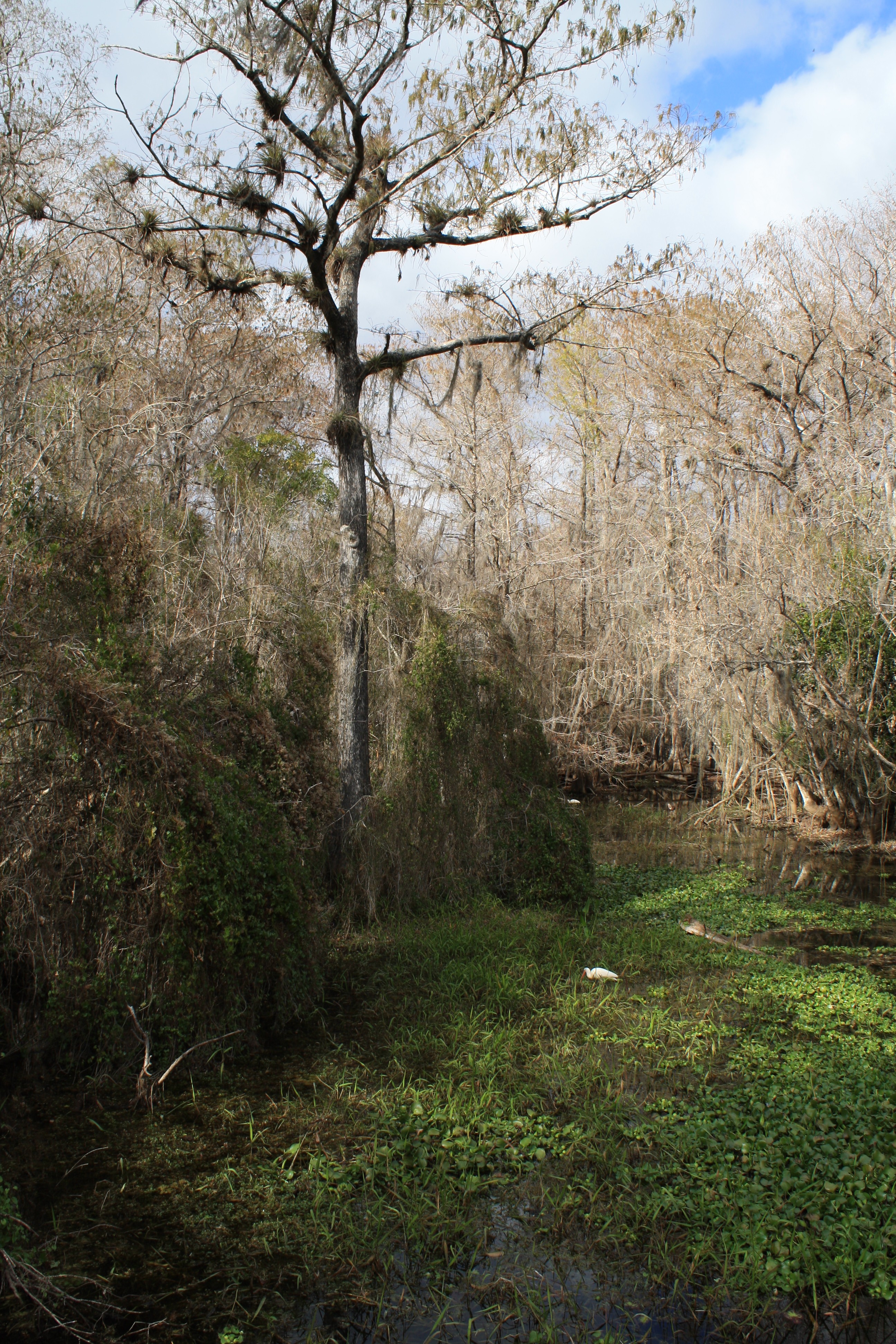
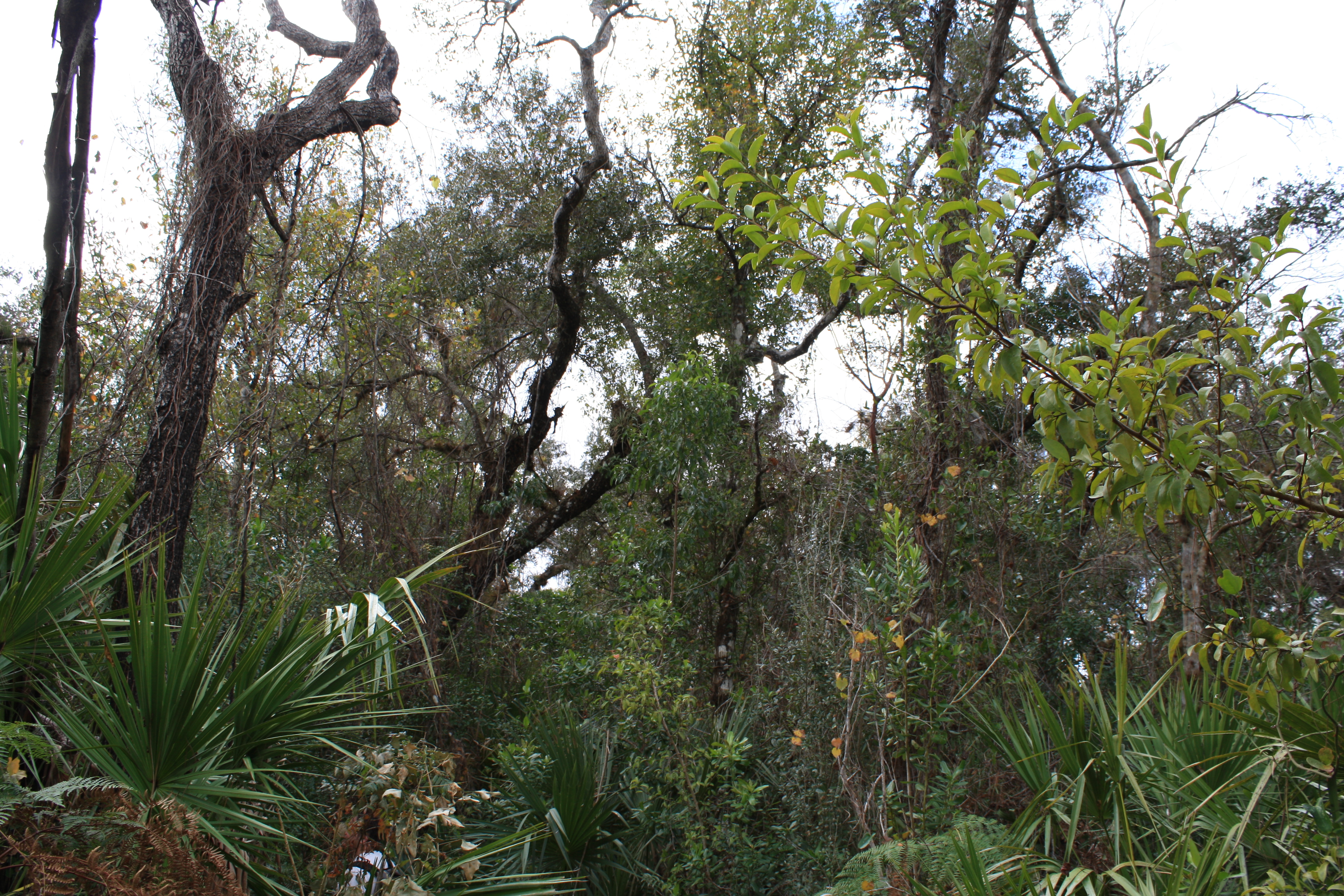
Trees Along the Florida Trail, in Big Cypress

Defenders of Wildlife recently announced some great news for the Florida panther! An orphaned kitten, discovered last year (I remember the sad story — they never found his brother) has been released in Big Cypress National Preserve. Much luck to them all, and profuse thanks for the continued rescue and conservation efforts on the biologists’ behalf.
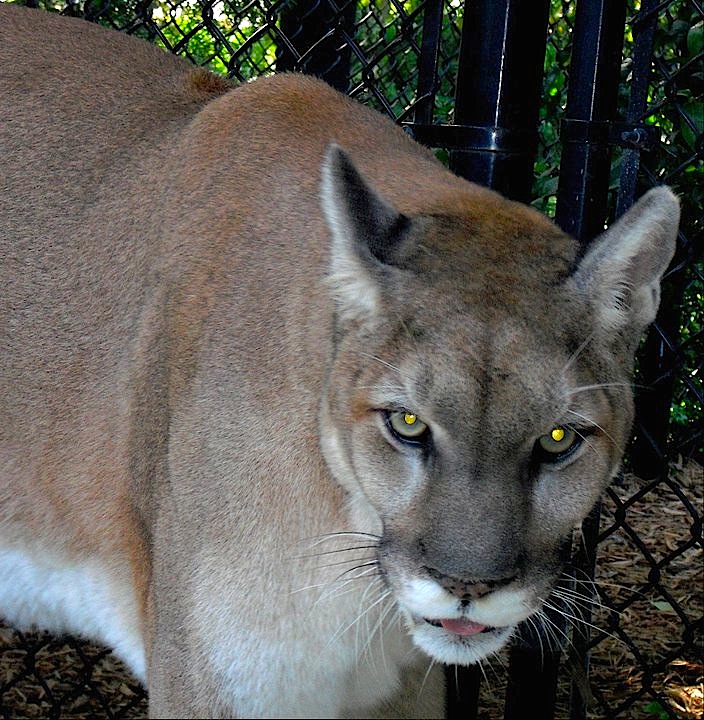
Rescued Florida Panther, Panther Ridge Conservation Center

The cats have much to contend with in Big Cypress these days — continued threats of oil-drilling expansion from Florida’s Governor Rick Scott, and the increased use, and consequently trails, of off-road vehicles (ORVs). The battle rages, with overwhelming concerns for the wildlife — mainly for the elusive Florida panther’s habitat. As of early November 2011, a lawsuit has been filed to protect Big Cypress from invasive ORV employment — seeking to overturn National Park Service’s decision to introduce extensive ORV use in the Addition Lands. According to the lawsuit, NPS authorized the ORVs in the Addition Lands, a result they achieved “by improperly excluding pristine lands from a wilderness eligibility study, which allowed NPS to bypass recommending those areas to Congress for long-term preservation as wilderness for the public’s enjoyment of these lands in their natural state. The lawsuit also raises concerns with the U.S. Fish and Wildlife Service’s Biological Opinion, which failed to address several key threats to the highly imperiled Florida panther, as well as other species. Here is a link to the press release, and here is a link to the complaint.” (WE-blog: Wildlife and Environment Blog). As one who’s encountered these mechanical beasts within the far reaches of Big Cypress, it’s indeed a sad and scary thing to witness — their sheer size, their bellowing noise, their enormous tracks — after walking for hours through the silence and beauty of Big Cypress, their force is all that more mind-blowingly evident.

From the Defenders of Wildlife article:

(Visit the Defenders of Wildlife blog for the complete article by Caitlin Leutwiler, Panther Kitten Released into the Wild.)

This week saw the happy return of an orphaned Florida panther kitten to the wild. The release of the 1.5-year-old cat took place on Tuesday evening in Florida’s Big Cypress National Preserve, near the area he’d been discovered last year.

Watch the video footage of the kitten as he takes off into the Big Cypress National Preserve (footage provided by Ralph Arwood).

Background:

On October 25, 2010, through on-going tracking activity within the preserve, the radio-collar of female panther FP102 began emitting a mortality signal. Upon reaching the site of the signal, National Park Service biologists found the remains of the cat. A subsequent necropsy confirmed that she had died from wounds received during a fight. Five months earlier the cat had given birth to two male kittens. After the death of FP102, one of the offspring, was discovered. His sibling was never found.

Rescue efforts:

The National Park Service, working closely with the Florida Fish and Wildlife Conservation Commission and the U. S. Fish and Wildlife Service, transported the kitten, now called FP194, to the White Oak Conservation Center, a wildlife facility in northeastern Florida. At the facility, the cat was cared for and housed in appropriate facilities with minimal human contact….

For More Information on the ORV Issue and Lawsuit:

For More Information on Big Cypress National Preserve:

Bluefield Ranch Natural Area

Bluefield Ranch Natural Area is located in St. Lucie county, at the southern end of Bluefield Rd., 18 miles west of Ft. Pierce off of SR 70. The conservation site rests on the Orlando Ridge, a relic sand ridge originating near Orlando and ending in Martin County. During our initial trip, we believed the park wouldn’t be far from the turnoff from the last “main” road — we were wrong. Expect another 20 minutes of slow driving on a bumpy road and (occasionally) deep sand, before reaching the trailhead. There were times when we completely expected the car to get stuck, and that’s been a first down here. If you have something other than a normal car (which we now do), no worries!

The area provides a variety of natural Florida habitats, supporting diverse wildlife and plant species, including many on the threatened and endangered species list. More than 3,000 acres (3,285 in total) of scrub, scrubby flatwoods, prairie hammock, wet flatwoods, wet prairie, dry prairie, and depression marsh are protected at Bluefield Ranch, and are home to such wildlife as bald eagle, deer, coyote, alligator, turkey, wood stork, sandhill crane, burrowing owl, quail, and several species of snakes (including rattlesnake).

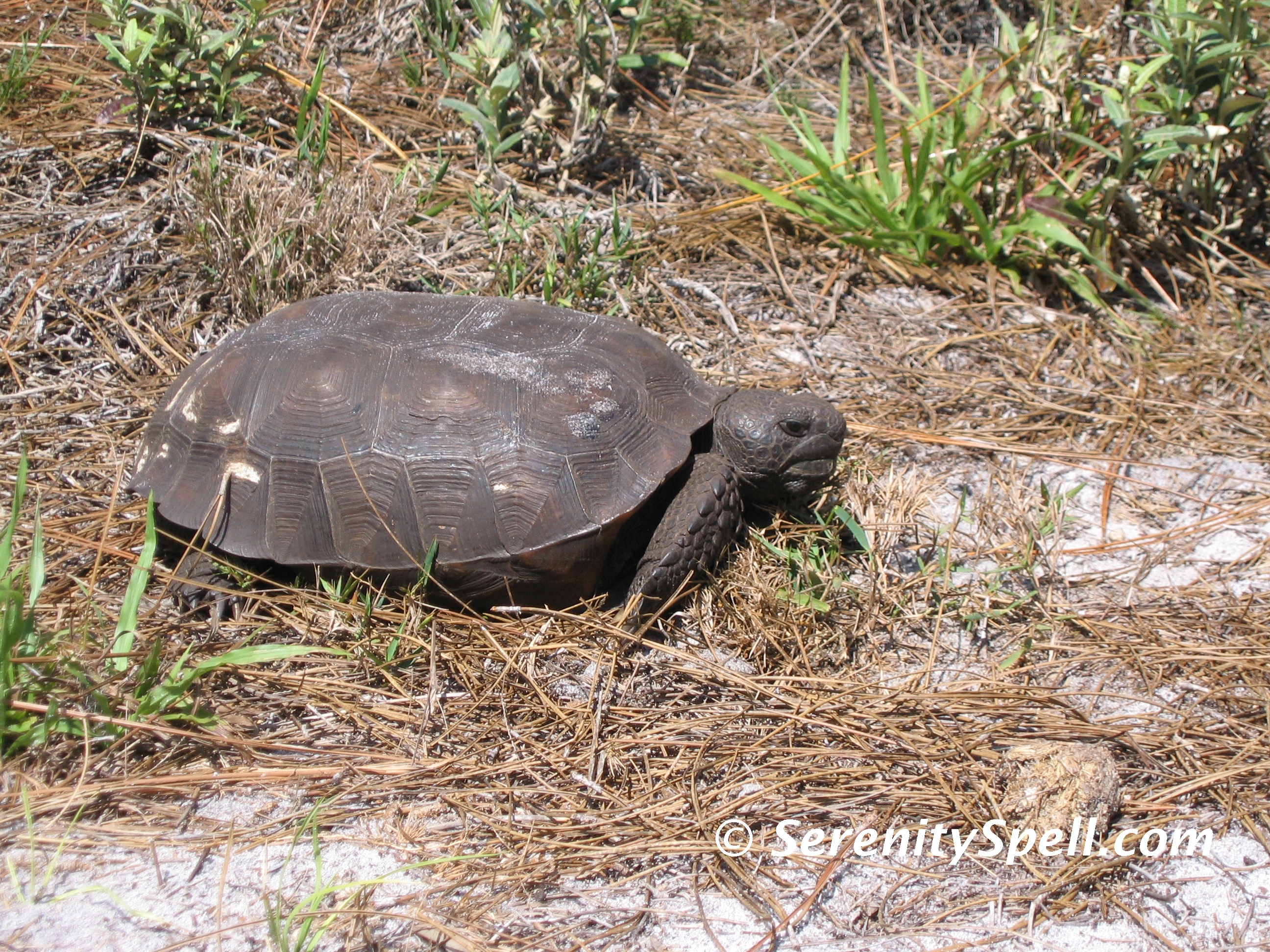
A series of trails is accessible from the parking lot. Biking and horse trails are included, so share the trail where appropriate. We were all by our lonesome in the vastness of the park, so the sharing was done with the gopher tortoises. There’s also an observation tower overlooking a large wetland habitat used by such wading birds as herons, egrets, sandhill cranes, and wood storks.

The area has quite a history, mostly sad: During the Second Seminole War (1835 – 1842), a military trail crossed at this location, providing access to a series of forts constructed throughout Florida to transport troops and supplies. A Seminole Indian camp was also located in the region. The Seminoles stayed in the scrub environments in the summer months, avoiding the flooded swamps and their gargantuan mosquitoes. They moved to the Cypress Creek swamp in the winter. In the 1940s however, they were evicted from their camp (at what is now Bluefield Ranch Natural Area), accused of stealing a calf from a rancher.

During the Prohibition, illegal stills were constructed on the site by bootleggers — for personal consumption as well as for providing an income to support their families. Their remnants can still be seen at Bluefield. Logging was also an active industry — sadly, the area was completely logged of its virgin trees in the 1920s and ’30s, as was true in many regions of Florida.

There’s an abundance of trail options, should you decide to hike Bluefield. Take plenty of water and some snacks with you — we found ourselves far out in the park, after 5-6 hours of solid hiking. It’s obvious that horse trails are popular there as well, so be aware. During our first lengthy hike, we heard a coyote very close, perhaps feet away, but they’re quite shy so we never saw him/her. Above all else, enjoy the land and its beauty, after what it’s been through. We hope to visit again very soon, as it’s been some time since our last trip.

For More Information:

This slideshow requires JavaScript.

Cypress Creek Natural Area

We’re always looking for new areas to hike in South Florida, so we were VERY excited to stumble across this newly-created natural area as we were heading towards the Florida Trail in Jupiter (across from Riverbend Park). Besides which, we’re always thrilled when South Florida actively preserves its pristine lands! The Cypress Creek Natural Area protects sensitive pine forest and wetland habitats. Hoorah!

It’s located on the north and south sides of Indiantown Road, near Jupiter Farms Road, approximately one mile west of the turnpike. The main portion is situated on the north side of Indiantown Road, east and west of Gulfstream Citrus Road. A parking area is provided, as are shade pavilions, observation platforms, horse hitches, bicycle racks, and educational exhibits. (Bicycling, hiking, and horseback riding are permitted, but only on the multi-use Historic Jupiter-Indiantown Trail.)

These lands in the Cypress Creek Natural Area — more than 2,000 acres in total — were acquired by Palm Beach County from 1995 to 2010, and are part of the Northeast Everglades Natural Area (NENA), serving as a buffer for the Loxahatchee Wild and Scenic River. NENA holds approximately 165,000 acres of conservation land in northern Palm Beach Country and southern Martin County. Managed by Palm Beach County, current restoration activities in Cypress Creek include the removal of invasive non-native vegetation, filling miles of ditches (we saw the dump/sand trucks to attest to that feat), changing the elevations of shell mining pits to encourage re-vegetation of native plants, and improving the Old Indiantown Road grade — now known as the Historic Jupiter-Indiantown Trail — for use as a multi-use trail.

Work also continues on the 6-mile multi-use Jesup Trail, which will eventually lead into Jonathan Dickinson State Park — VERY exciting.

We investigated the Historic Jupiter-Indiantown Trail, a 16.5-multi-use trail. The trail is being built in phases, along a road that was used from 1900 into the late 1950s for travel between Jupiter and Indiantown. We pursued the hiking-only portion, a very nice, natural backcountry Florida hike, once you really got out there. It offers access into three conservation lands and facilities, each of which is subjected to its own rules: Riverbend Park, Cypress Creek Natural Area, and Jones Hungryland Wildlife and Environmental Area. On this trail, it was important to have snacks and water (we were out there for several hours, but you can easily make it as short a trip as you wish). Portions of the trail were flooded, due to earlier rains, but they weren’t impassable. We wandered through native Florida ecosystems including wetlands, flatwoods, marsh, swamp, and prairie.

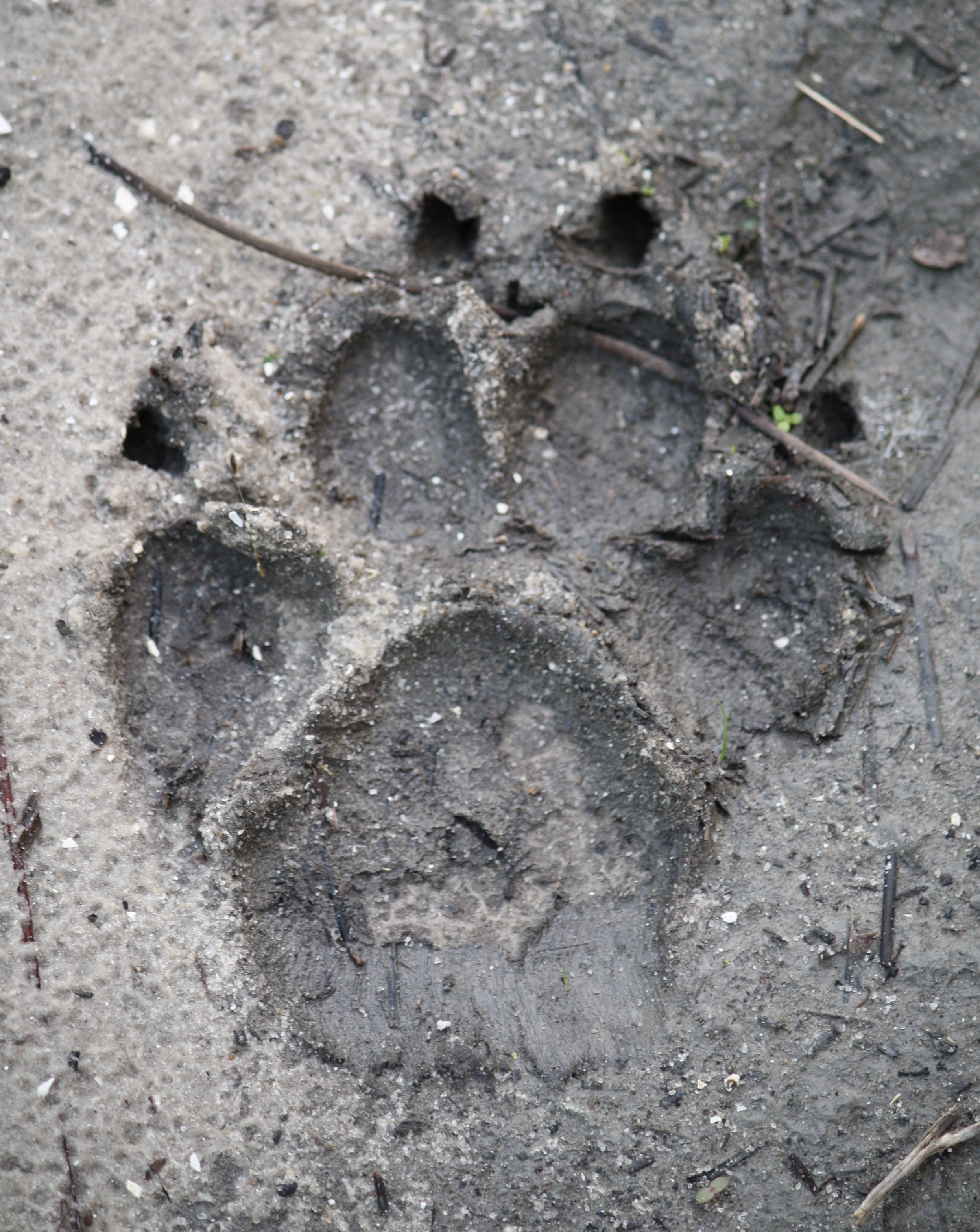
Panther Print?!?

Early in the hike, a lonely chimney stands sentinel — most likely a remnant from one of Jupiter’s founding families (documentation doesn’t explain). There weren’t many critters making themselves seen on our initial hiking expedition, despite us being the only 2-legged ones out there — but we did see many butterflies (Fritillary, Swallowtail), birds, a very startled and quick gopher tortoise, and abundant TRACKS! Very fresh tracks at that, all around us. One large grouping we spotted as bobcat … but the other? At first we thought it was coyote, but it was far too large — easily 4″. Also very fresh! PANTHER?!? Oh, how I hope they continue to watch and protect this area exceptionally *CAREFULLY* if this is indeed the case.

For More Information:

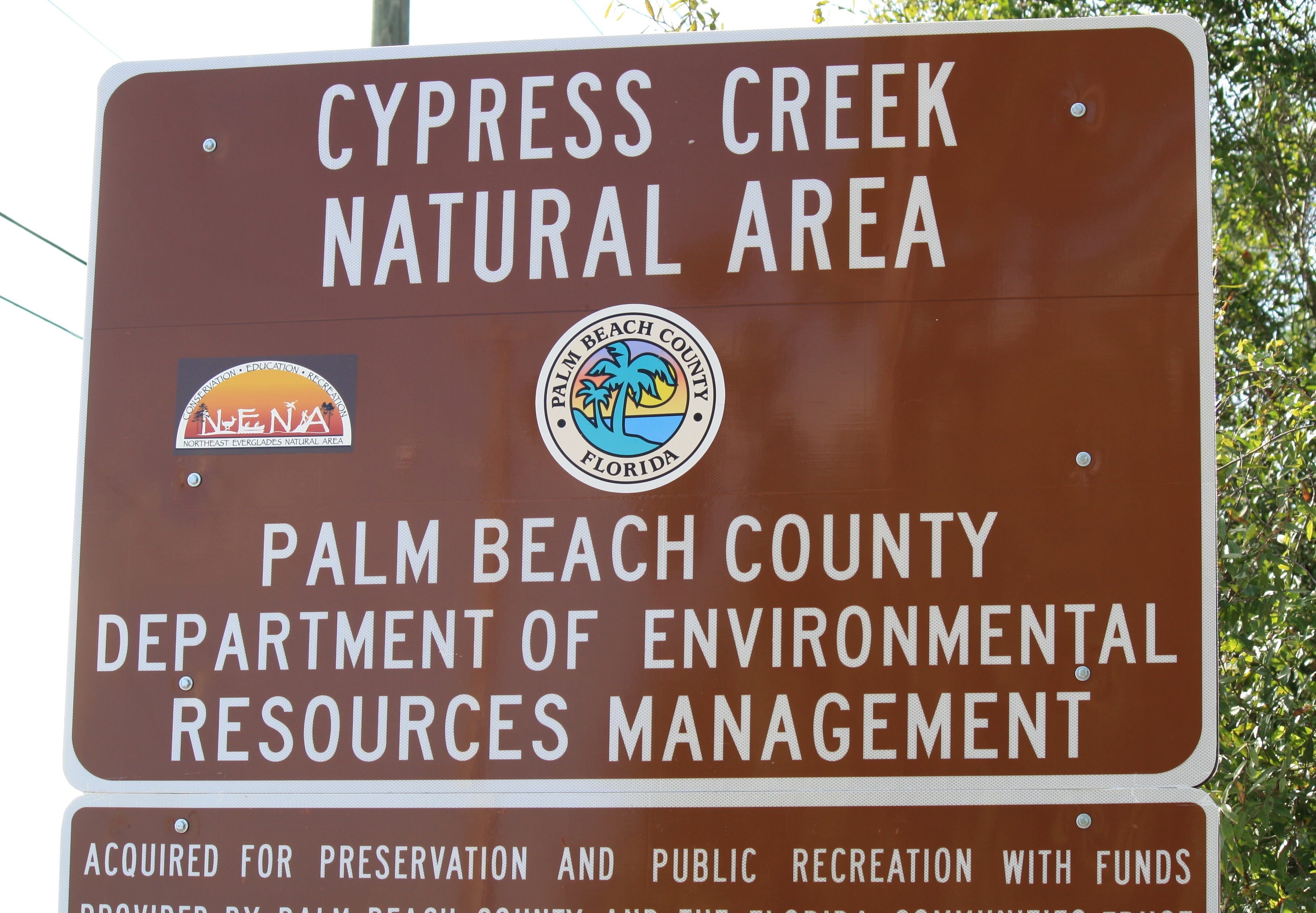
Welcome Sign to the Cypress Creek Natural Area

Flooded Historic Jupiter-Indiantown Trail, Cypress Creek Natural Area

Another Flooded Area of the Historic Jupiter-Indiantown Trail, Cypress Creek Natural Area

Wetlands, Historic Jupiter-Indiantown Trail, Cypress Creek Natural Area

Wildflowers, Historic Jupiter-Indiantown Trail, Cypress Creek Natural Area

Wildflowers, Historic Jupiter-Indiantown Trail, Cypress Creek Natural Area

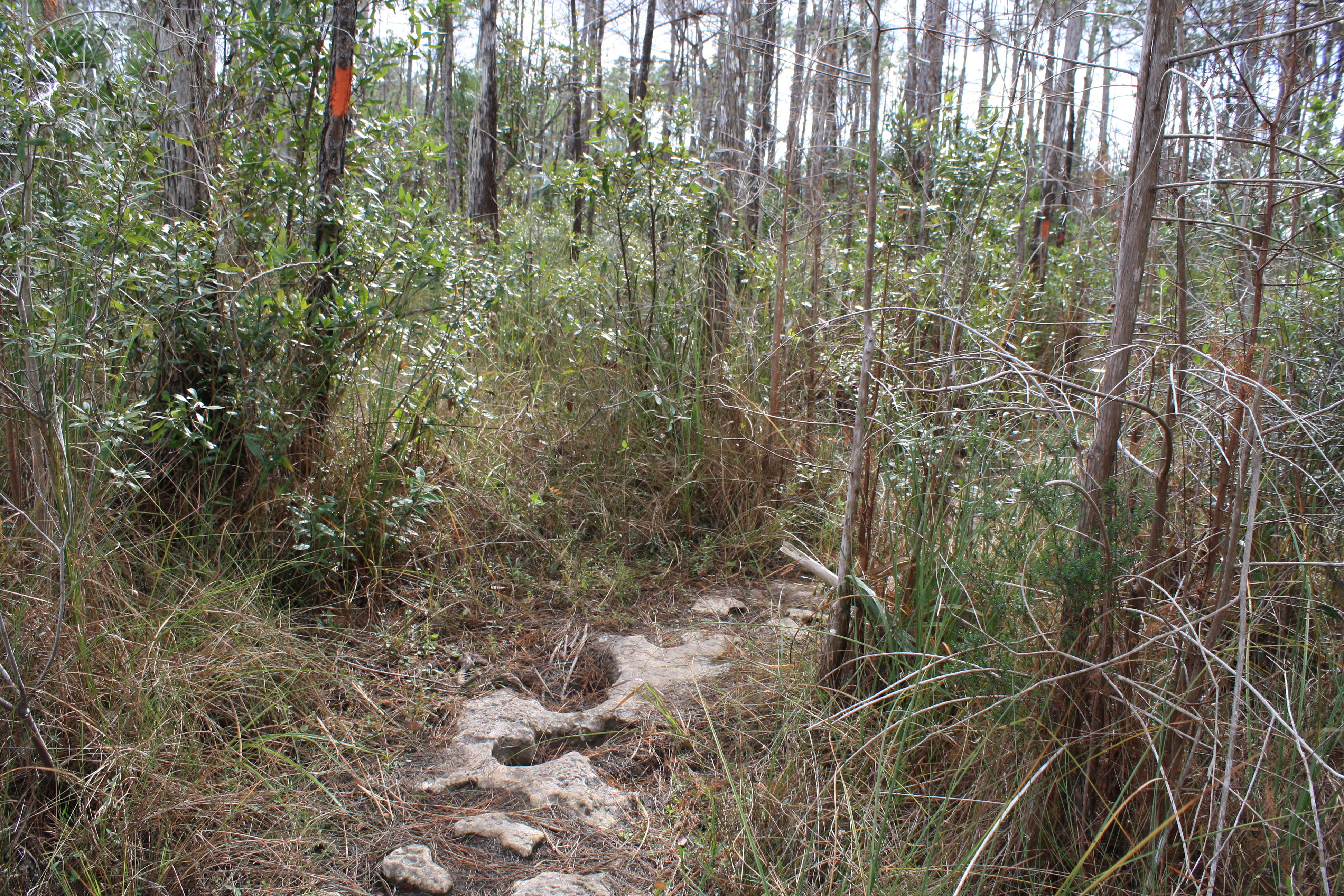
Historic Jupiter-Indiantown Trail, Cypress Creek Natural Area

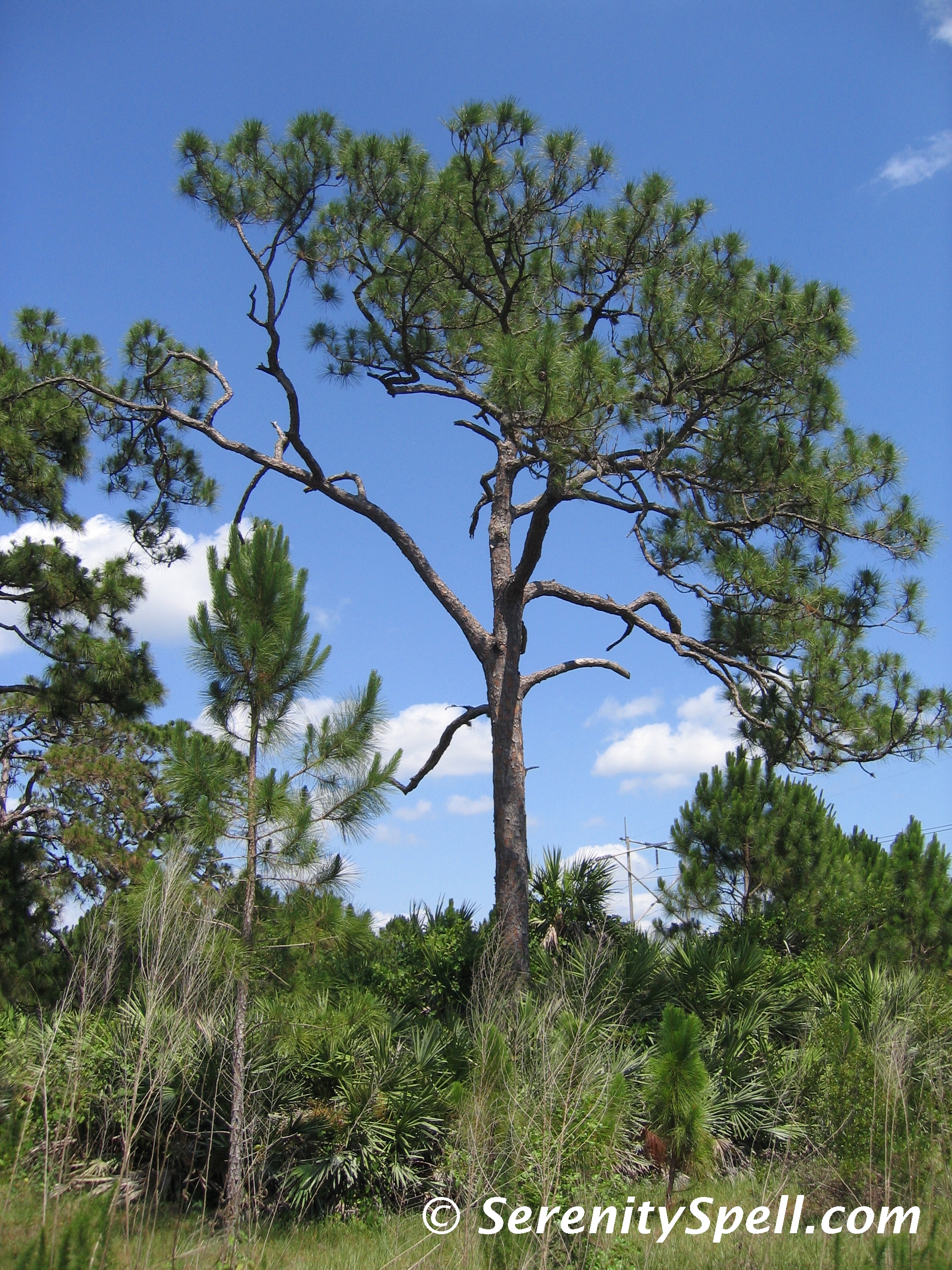
Slash Pines Along the Historic Jupiter-Indiantown Trail, Cypress Creek Natural Area

Bobcat print

Clyde Butcher, Visionary of the ‘Glades

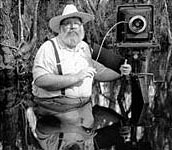
Clyde Butcher, from Clyde Butcher's Online Gallery and Website

Originally trained as an architect, landscape photographer Clyde Butcher has been exploring and capturing the far reaches of nature for more than 40 years. With his Deardorff, Wisner, and self-designed “Clyde-O-Wide,” Butcher hauls his unwieldy camera equipment (weighing 100-125 pounds) deep into the swamps of the Everglades, where he wades into the waters (and sits — for hours on end, with alligators and other critters) to catch eye-level, pure black-and-white images of such grace and beauty, that words cannot do them justice.

Butcher’s love and passion for nature — and specifically, for the chaotic beauty of the Everglades — gleams through every photograph of his swamps, rivers, bays, and oceansides. He embraces his spiritual connection to nature, and translates it through the photographic medium. Understandably, Butcher is a fierce conservationist; he yearns to protect and preserve wild Florida and its incredibly unique wetlands in the midst of ever-encroaching humanity, and in the face of voracious developers. “My goal,” he says, “is to let people see Florida and make up their own minds whether they want to keep it or not.”

“Wilderness to me, is a spiritual necessity. When my son was killed by a drunken driver, it was to the wilderness that I fled…and being close to nature helped restore my soul. My experience reinforced my sense of dedication to use my art form, photography, to let people know our land is a special place, and to inspire others to work together to save nature’s places of spiritual sanctuary for future generations.” —Clyde Butcher

I’ve been lucky to visit the Big Cypress Gallery, and stand in amazement in front of my favorite photographer’s enormous works. For years now, I’ve said that when my millions arrive … one of these pieces shall be my first purchase. C’mon, millions. Butcher will always be one of my heros — environmentally, spiritually, and artistically.

"Fisheating Creek 14," from Clyde Butcher's Online Gallery and Website

Like the work of Ansel Adams, Clyde Butcher’s remarkable photographs gives us an access to nature we rarely see or experience.  They not only reveal the intimate and majestic beauty of the Everglades — and the need to save the fragile environment — they also remind us of the abiding kinship we mortals share when we work together to preserve these magnificent places.  Butcher’s art is a national treasure.” —Ken Burns, Emmy-winning filmmaker

For More Information on Clyde Butcher:

For More Information on Big Cypress National Preserve:

Big Cypress National Preserve

Big Cypress offers myriad amazing trails, offering the opportunity to hike for an hour or a week. During our last trip, we hit the Florida Trail for the majority of the time (6 hours) — winding through hardwood hammocks, pinelands, prairies, and cypress — and finishing with a stroll through an easy but magnificent swamp boardwalk.  But your options are endless; so research carefully to make the most of it (something we don’t usually do).

Established October 11, 1974, Big Cypress National Preserve was the first national preserve in the US National Park System. The critical role of this watershed to the Everglades National Park was of foremost concern for its establishment. It encompasses 720,000 acres of the Big Cypress Watershed, bordering the Everglades National Park to the south, and other protected areas to the west. The freshwaters of the Big Cypress Swamp are essential to the health of the Everglades, and support the marine estuaries along Florida’s southwest coast.

Historically, Big Cypress has been home to Native Americans, including the Miccosukee and Seminole tribes. Early settlers in the Everglades region heavily hunted herons and egrets for their much-desired feathers, which were then shipped to hatmakers throughout America and Europe; alligators and crocodiles were also hunted to near-extinction.

Petroleum exploration was allowed within Big Cypress — as in Everglades National Park — but plans have been underway to buy out the remaining leases. However, Florida’s Governor Rick Scott has emphasized that he is open to expanding oil drilling in the Everglades.

Another invasive force at odds with conservationists is the ORV. Long established as a recreational activity, off-road vehicles (ORVs) were originally used by many who worked to protect the preserve from development, and to access remote areas for drainage. With the increase of tourism and hunting, however, came an increase in ORVs’ use. Since 2001, scientists and conservationists prompted the National Park Service (NPS) to actively manage ORV recreation, and to reduce the number of their trails within Big Cypress, due to the “impacted wildlife populations and habitats through modifications to water flow patterns (direction and velocity) and water quality, soil displacement and compaction, direct vegetation damage, disturbance to foraging individuals, and, ultimately, overall suitability of habitats for wildlife” (2001 United States Geological Survey). The battle continues, with overwhelming concerns for the wildlife — mainly for the elusive Florida Panther’s habitat. As of early November 2011, a lawsuit has been filed to protect Big Cypress from invasive ORV employment — seeking to overturn NPS’ decision to introduce extensive ORV use in the Addition Lands. According to the lawsuit, NPS authorized the ORVs in the Addition Lands, a result they achieved “by improperly excluding pristine lands from a wilderness eligibility study, which allowed NPS to bypass recommending those areas to Congress for long-term preservation as wilderness for the public’s enjoyment of these lands in their natural state. The lawsuit also raises concerns with the U.S. Fish and Wildlife Service’s Biological Opinion, which failed to address several key threats to the highly imperiled Florida panther, as well as other species. Here is a link to the press release, and here is a link to the complaint.” (WE-blog: Wildlife and Environment Blog). As one who’s encountered these mechanical beasts within the far reaches of Big Cypress, it’s indeed a sad and scary thing to witness — their sheer size, their bellowing noise, their enormous tracks — after walking for hours through the silence and beauty of Big Cypress’ flora and fauna, their force is all that more mind-blowingly evident.

For More Information on the ORV Issue and Lawsuit:

The most biologically diverse region in the Everglades, Big Cypress is home to alligators, venomous snakes, myriad birds, the Florida Black Bear, the Florida Panther, bobcat, deer, turkey, wild hogs, and the West Indian Manatee. The preserve is slightly more elevated than other areas of the Everglades, with rock outcroppings visible throughout.

Big Cypress is located off of the potentially dangerous Tamiami Trail (U.S.41), approximately half-way between Naples and Miami. The road doesn’t have to be fatal, if people gave it the respect it was due — a two-lane road in parts, it’s replete with twists and tricky bends. You can’t rush it. On our way out of the preserve during our last visit, we came upon an SUV … up a tree. It had obviously just happened, and to this day, we have no idea how a tight turn could hurl a vehicle 20 feet into a tree. Be careful on the Tamiami Trail — just go slow in the parts that make sense, watch for critters, and enjoy the scenery.

Coming up: The amazing, otherworldly Everglades vision of Clyde Butcher.

For More Information on Big Cypress National Preserve:

Trail in Big Cypress (Florida Trail)

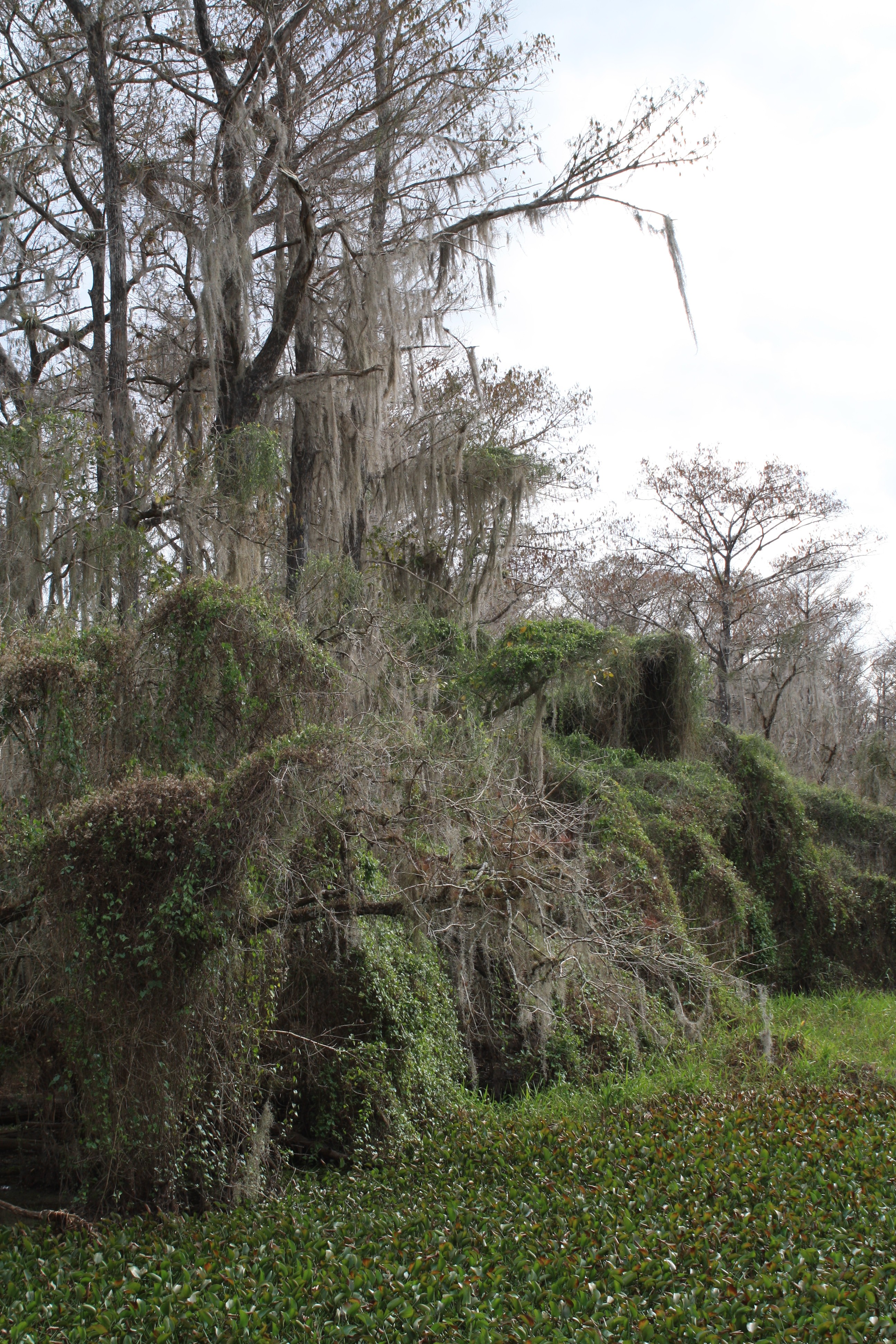
Swamp Scene in Big Cypress

Trail in Big Cypress (Florida Trail)

Trail in Big Cypress (Florida Trail)

Trees Along the Florida Trail, in Big Cypress

Prairie in Big Cypress