Skip to content

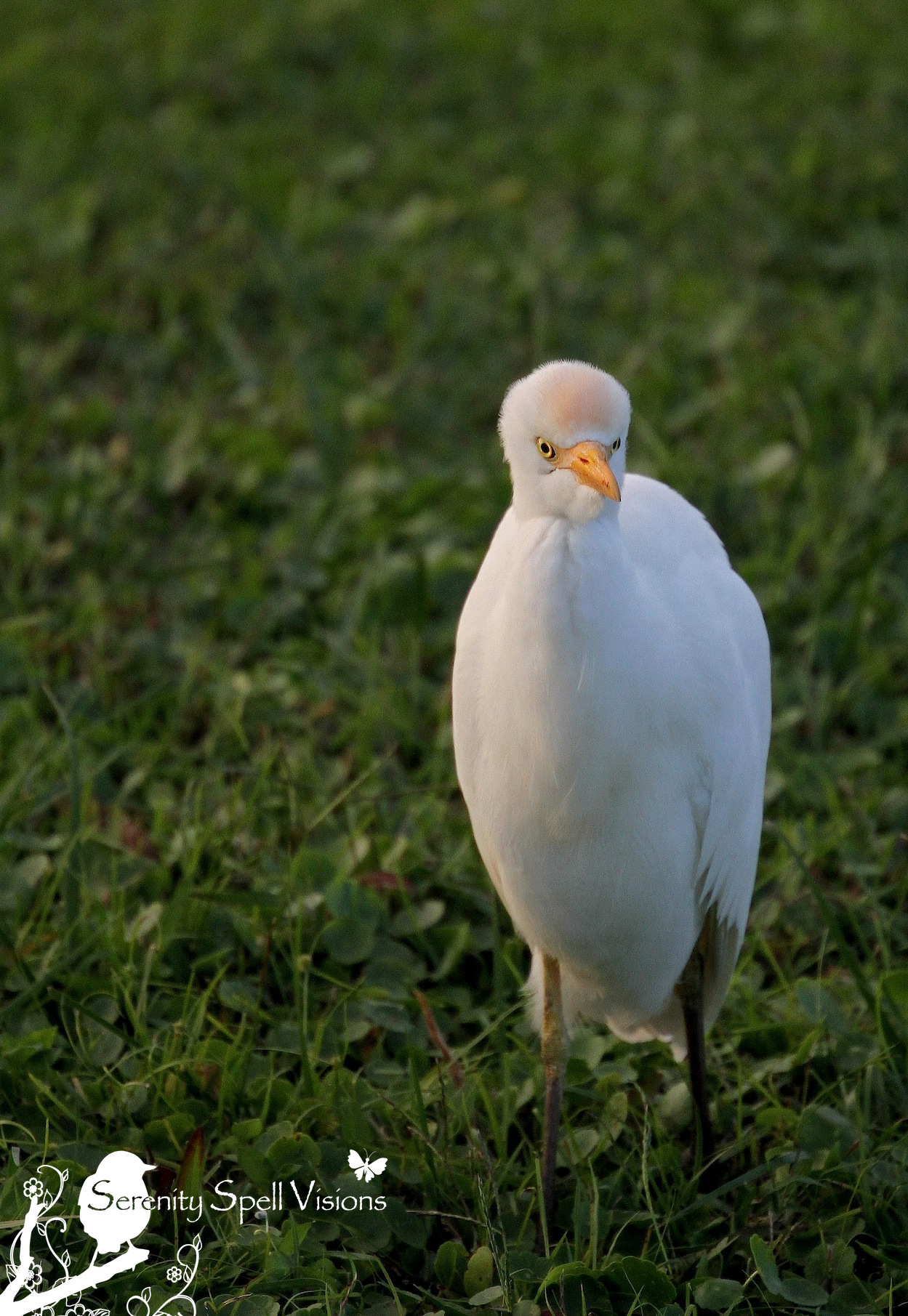
A Moment of Zen with a Cattle Egret

Some weeks are easier than others, and this wasn’t one of the easiest — but as the magnet on my fridge dictates, sometimes ya just have to pull on your big-girl panties and move on with it. During such times, I make it a point to run to Nature — it doesn’t matter if I’m visiting the wetlands, hiking up a frenzy, or simply planting in my little yard — anything to re-focus my attentions to something I thoroughly enjoy.

As the mind races, there’s no better place than a natural environment, one in which you can really ground yourself, breathe more freely, and just observe…. These walks have allowed my best walking meditations. And of course there are always the critters to remind you that life isn’t so serious, after all.

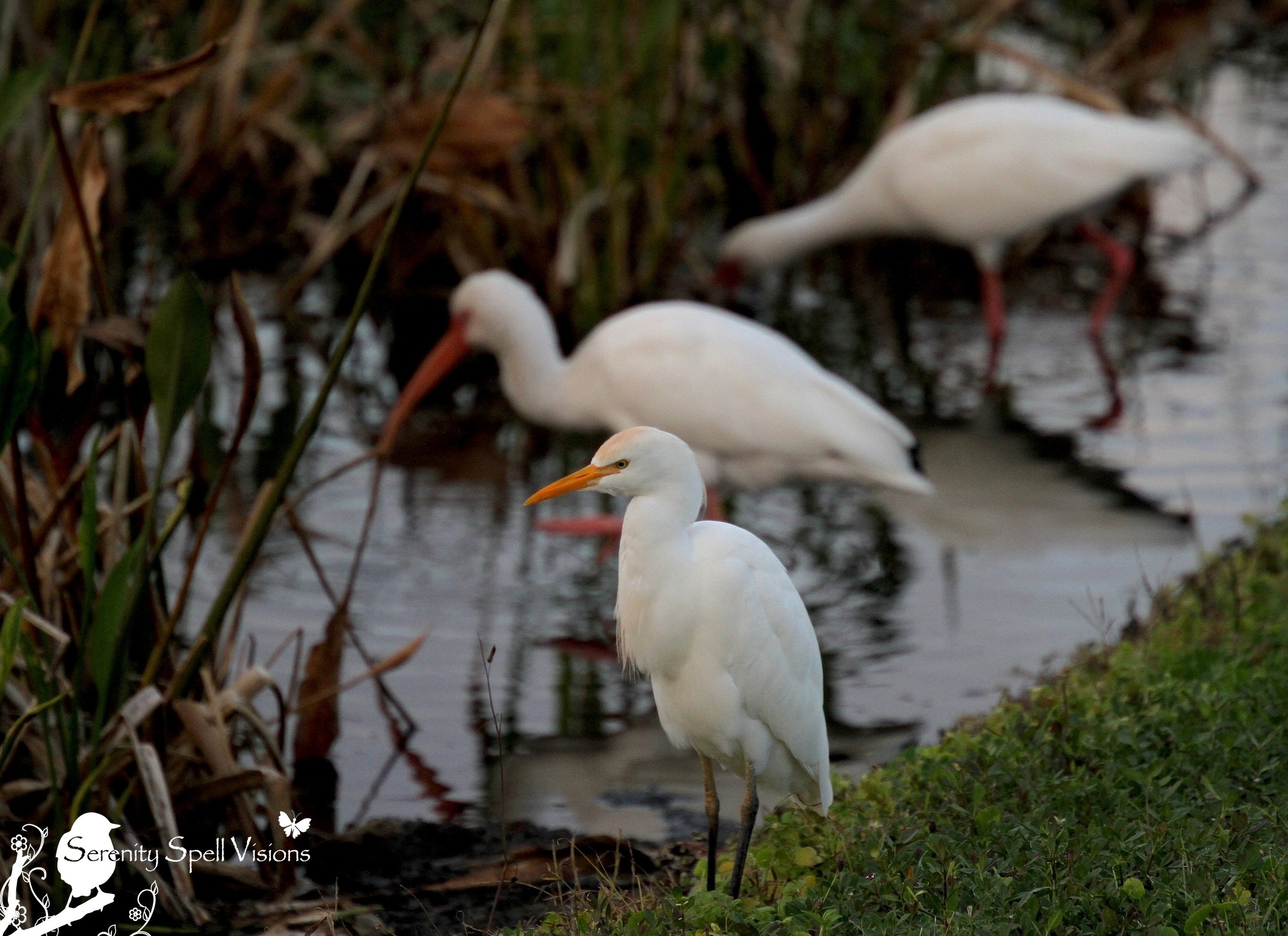
I don’t need the most elegant display to snap out of it, even if it’s temporary. This lone cattle egret was in the company of a group of ibis in our protected wetlands, who were busy grooming for the night ahead. Amid the flurry of their activity, there he sat, content in the setting sun. Thanks, little egret, for my much-needed moment of Zen….

Cattle Egret and Ibis in the Florida Wetlands

Calm amid the hubbub, with the grooming and foraging Ibis

Cattle Egret in the Florida Wetlands

Look how lovely I am, humble and peaceful little Cattle Egret…

Cattle Egret in the Florida Wetlands

….So snap out of it, girlie!

Animal Bridges and Wildlife Crossings

I recently read a statistic — nearly 70% of Florida panthers were killed by vehicles in 2012. That’s stupendous; visit Wildlife Extra to learn more. So while overall their populations are faring well, our state could definitely use some more of these most amazing animal bridges in key wildlife areas….

twistedsifter's avatarTwistedSifter


Animals bridges, which may also be known as ecoducts or wildlife crossings, are structures that allow animals to safely cross human-made barriers like highways. A wildlife crossing is the broadest term and can include: underpass tunnels, viaducts, overpasses and bridges, amphibian tunnels, fish ladders, culvets and green roofs. [Source]

Wildlife crossings are a practice in habitat conservation, allowing connections or reconnections between habitats and combating habitat fragmentation. They also assist in avoiding collisions between vehicles and animals, which in addition to killing or injuring wildlife may cause injury to humans and property damage. It has been reported that vehicle-animals collisions costs the United States a staggering $8 Billion a year.

The first wildlife crossings were constructed in France during the 1950s. European countries including the Netherlands, Switzerland, Germany, and France have been using various crossing structures to reduce the conflict between wildlife and roads for…

View original post 425 more words

Flying Zebras: Florida’s State Butterfly

With Florida’s abundant all-year blooms, flurried butterfly activity is a welcome sight on hikes. The most common encounter is the Zebra Longwing (Heliconius charitonius), designated as the official state butterfly of Florida in 1996. No wonder it’s the state butterfly; it’s found throughout Florida in hardwood hammocks, swamps, wetlands, meadows, and in the Everglades. And if you’re keen to plant native, butterfly-friendly plants in your garden, you’ll quickly be visited by these lovelies.

While Longwings can be seen throughout Florida, they’re most abundant in the southern half of the state.

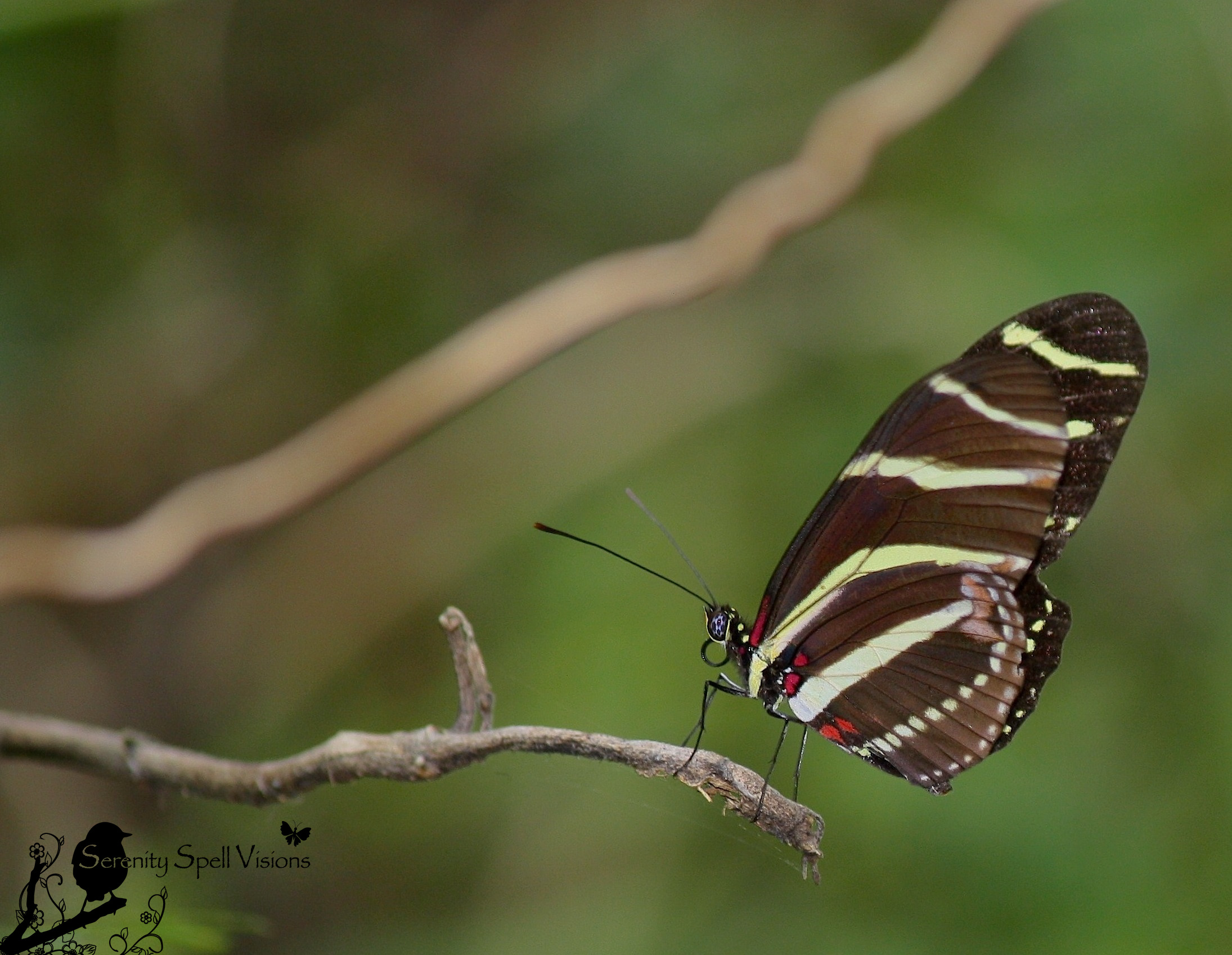
Zebra Longwing (Heliconius charitonius)

Zebra Longwing (Heliconius charitonius) in Loxahatchee National Wildlife Refuge: Cypress swamp habitat

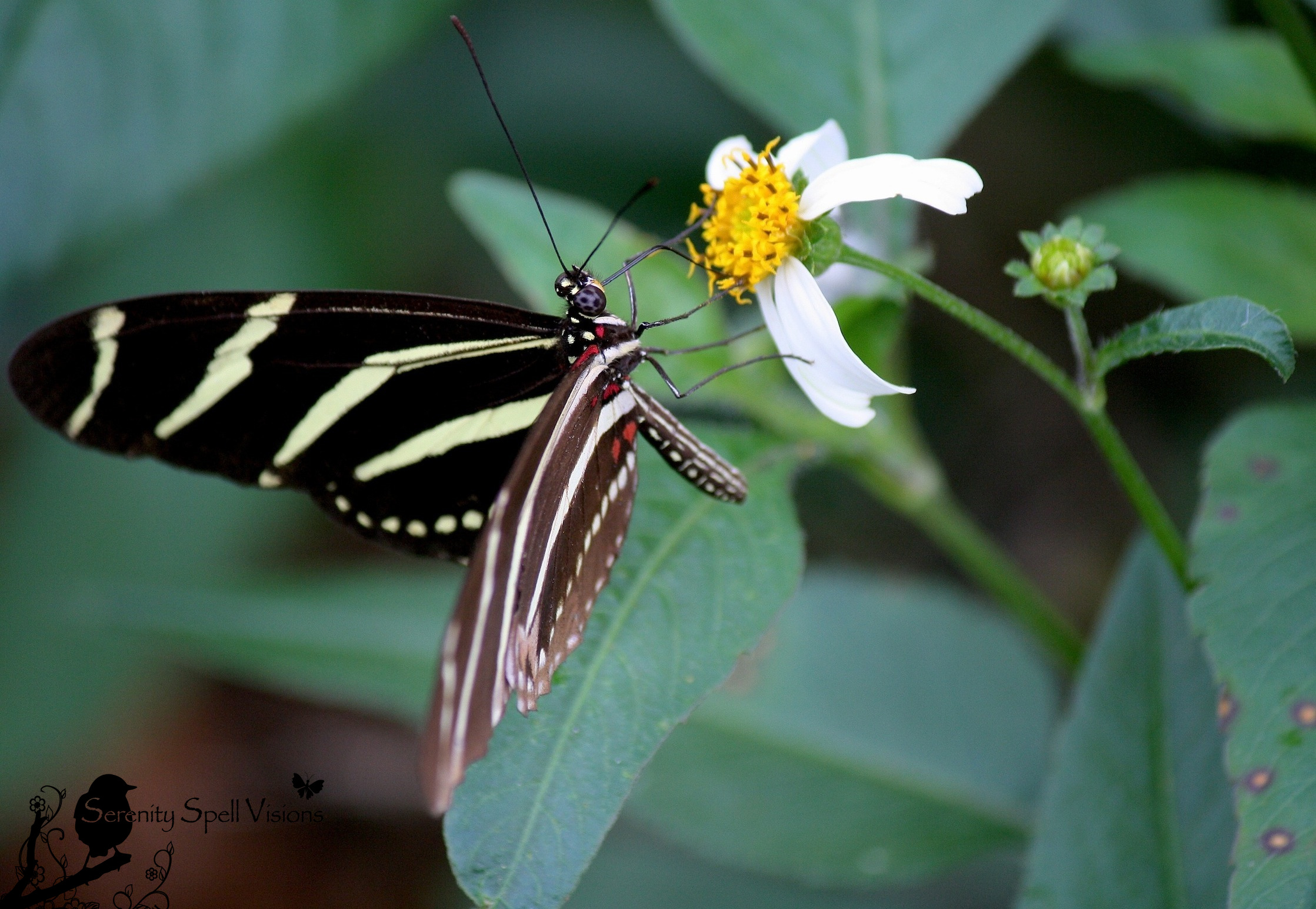
Despite its common presence, it’s always a wonderful sight — bright and bold in our swamps and marshes. As the name suggests, Zebra Longwings sport long, narrow wings, with light yellow and black stripes.
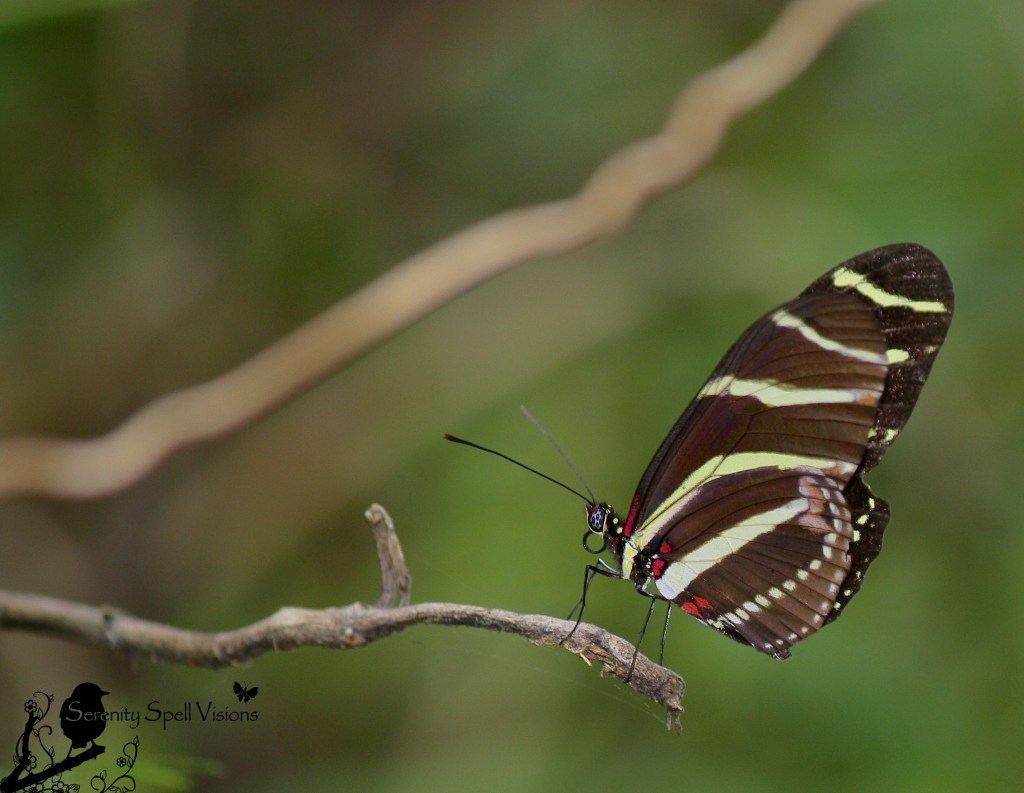
Zebra Longwing (Heliconius charitonius)

Zebra Longwing in Fern Forest Nature Center: Oak hammock environment

Adults can mate immediately upon emerging from the chrysalis — I once witnessed a few Zebra Longwings crowding a poor lone Longwing, and feared they were attacking him/her. I now understand what was happening — the female was emerging from her chrysalis, as the males had been attracted to her scent through the chrysalis wall. They battle their way to mate with her, as she emerges. Hello, world?!

Another unusual sight I’ve witnessed (but haven’t been able to capture well) is their roosting behavior — Longwings will group together as dusk approaches, to keep warm through the night. They return to the same roost night after night….

Zebra Longwing (Heliconius charitonius)

Zebra Longwing in Riverbend Park: Open meadow habitat

A tropical and subtropical species, the Zebra Longwing is unlike other butterfly species that live for only a few weeks: these guys can live for up to six months (6 months!), since they eat the pollen AND the nectar from flowers. They are the only butterfly to do this, and the energy from the pollen extends their lives. The caterpillar feeds on various varieties of the Passion Flower (Passiflora), which is another great reason to have this beautiful vine in the yard, if you live in the Southern parts of the U.S. (and South and Central America). They’re easy to grow, and oh-so-lovely — and their widespread health benefits have been respected for centuries.

Outside of passiflora tea, it’s been used  for more than two centuries by Native Americans as a sedative and relaxant — and traditional medical practitioners accept its help in alleviating pain and lowering blood pressure, among other things. Even WebMD acknowledges its use for seizures, withdrawal symptoms, asthma, fibromyalgia, burns, swelling, muscle spasms, and more. Passiflora was approved as an over-the-counter sedative and sleep aid in the U.S., only to be taken off the market in the ’70s, like so many other natural remedies.

Yet another example of the many gentle and beautiful ways in which Nature provides!
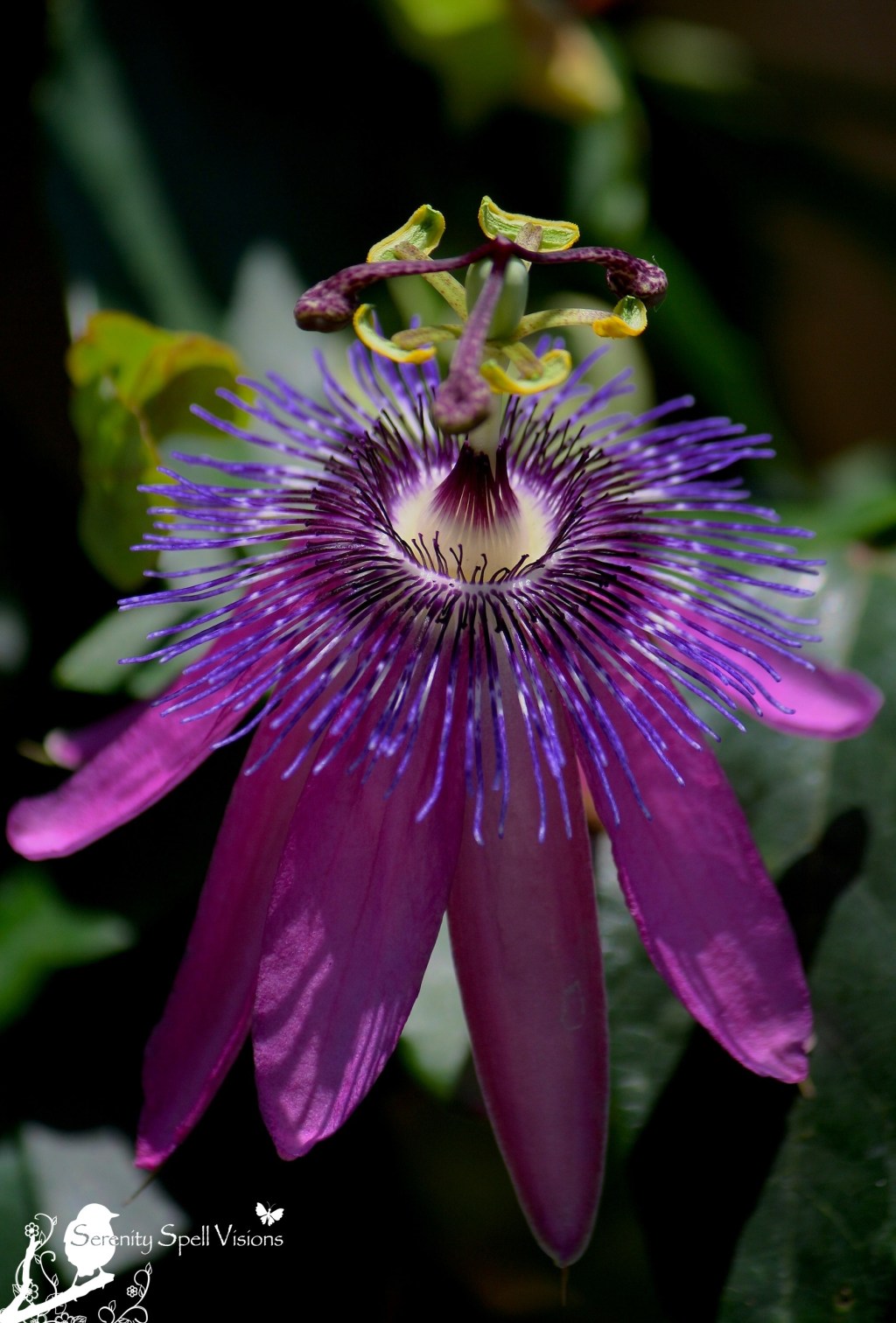
Passion Flower (Passiflora), "Lavender Lady"

Passion Flower (Passiflora): “Lavender Lady” example at Butterfly World

Passion Flower (Passiflora), "Inspiration"

Passion Flower (Passiflora): “Inspiration” example at Butterfly World

For more information on introducing butterfly-friendly plants to the garden, visit Butterfly World and its wealth of information. Butterfly World’s conservation efforts include the establishment of The Passiflora Society International, which was established at the site to encourage research on Passion Flowers, the source of food for many butterflies. A North American “Bring Back the Butterflies” campaign is also active here, with thousands of people across the country receiving free literature on butterfly gardening for their region. Check it out! Butterfly World also helped establish the Boender Endangered Species Laboratory at the University of Florida — instrumental in saving the endangered Schaus Swallowtail, and reintroducing the species to South Florida.

Great Dragons: The Alligator Totem

In honor of the New Year, and of the most wonderful and beautiful alligators, here’s a bit of history and symbolism associated with these critters.

In Ancient Egypt, alligators were identified with fury and ferocity. In medieval Europe and earlier, they were the symbol of the dragon; sometimes this association was positive, sometimes negative. The dragon could be the fierce guardian of treasure, or the keeper of great wisdom. But to encounter an alligator signified an opportunity to develop new wisdom — wisdom that must be used carefully.

[Below is a glimpse of the inhabitant alligators encountered on a hike in the Grassy Waters Preserve — specifically the SWA Trails within the Preserve, the Rookery Loop, and the outer Owahee Trail.]

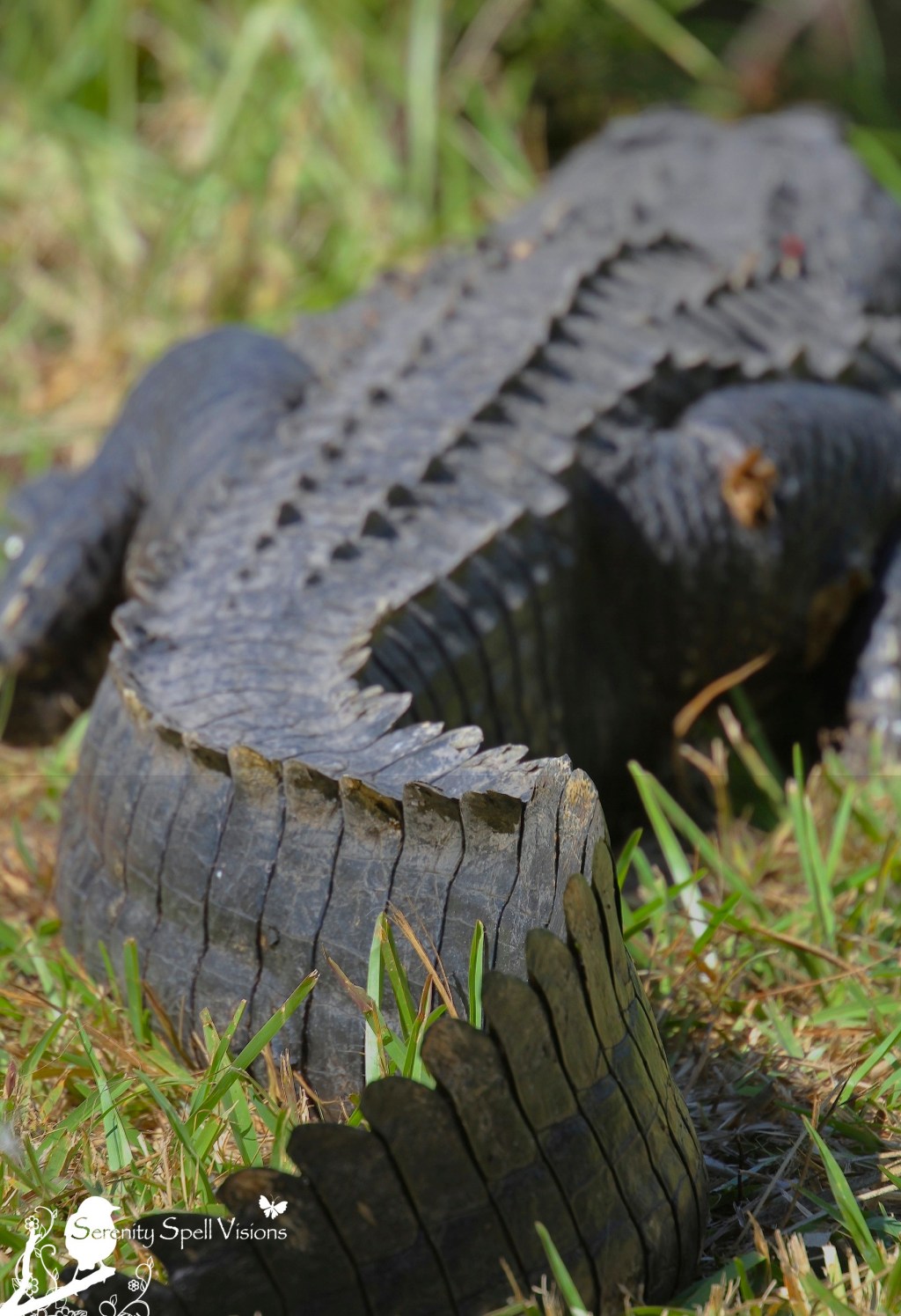
Alligator in the Everglades, Florida

Dragon Tails/Tales: Smaug is present

As I like to constantly observe in my wanderings, alligators are excellent mothers. They will fiercely defend their nests, and when the young are ready to hatch, squeaking from inside their eggs — the mother answers, helping them hatch. She then gently carries them in her mouth to the water.

Alligators’ mothering energy and symbolism is potent:

Mother Alligator and Hatchling in the Florida Wetlands

Gentle and protective momma

Finally, alligators have a rapid growth rate — much more so than crocodiles, for example. They can grow as much as a foot each year, until reaching their final length of up to 16 feet, at 1,200 pounds. For those with an alligator totem, seek an opportunity for initiation and using new knowledge — but be careful to do so in a balanced manner. An alligator digests its food very slowly, and similarly you should digest this knowledge before moving on to the new.

If these wonderful creatures appear, look for opportunities to get in touch with primal energies, and take advantage of birthing and/or initiations that will spawn new knowledge and wisdom. And while some of you may not see these great dragons in your northern climes, may 2013 bring greater wisdom, new ventures, and opportunities galore via these lovely faces… and for those of us in the swamps, may the new year bring more lovely ALLIGATORS!

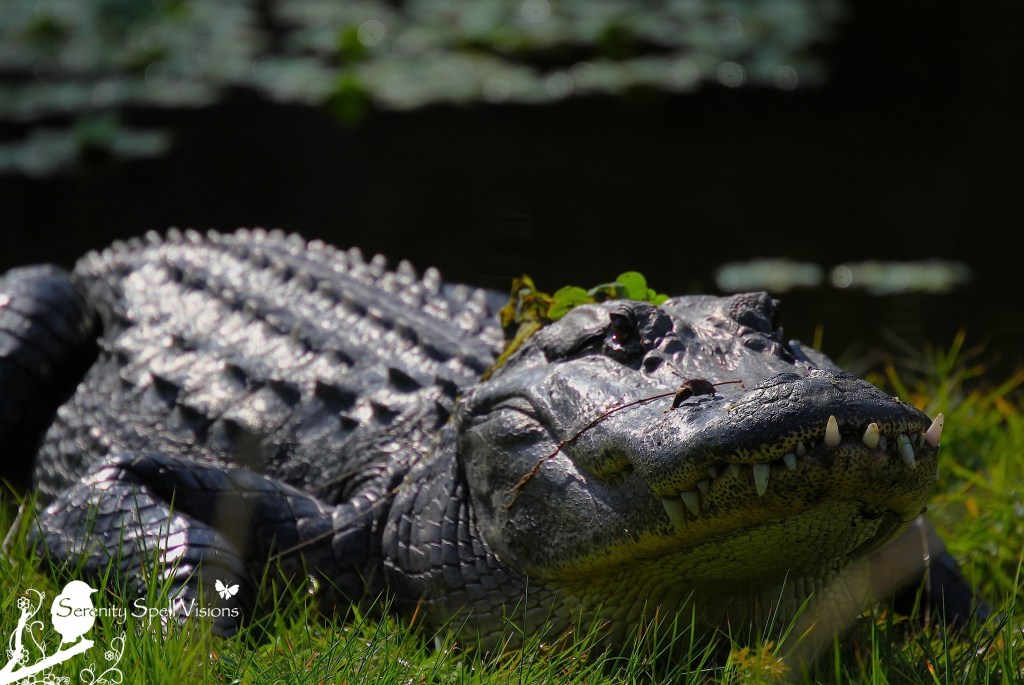
Sunning Alligator in the Everglades, Florida

Sunning with a crooked smile

For more information on alligator symbolism and totems, visit the iconic Animal Speak: The Spiritual & Magical Powers of Creatures Great & Small, by Ted Andrews.

Part of:

Sweet One

The invariable mark of wisdom is to see the miraculous in the common. —Ralph Waldo Emerson

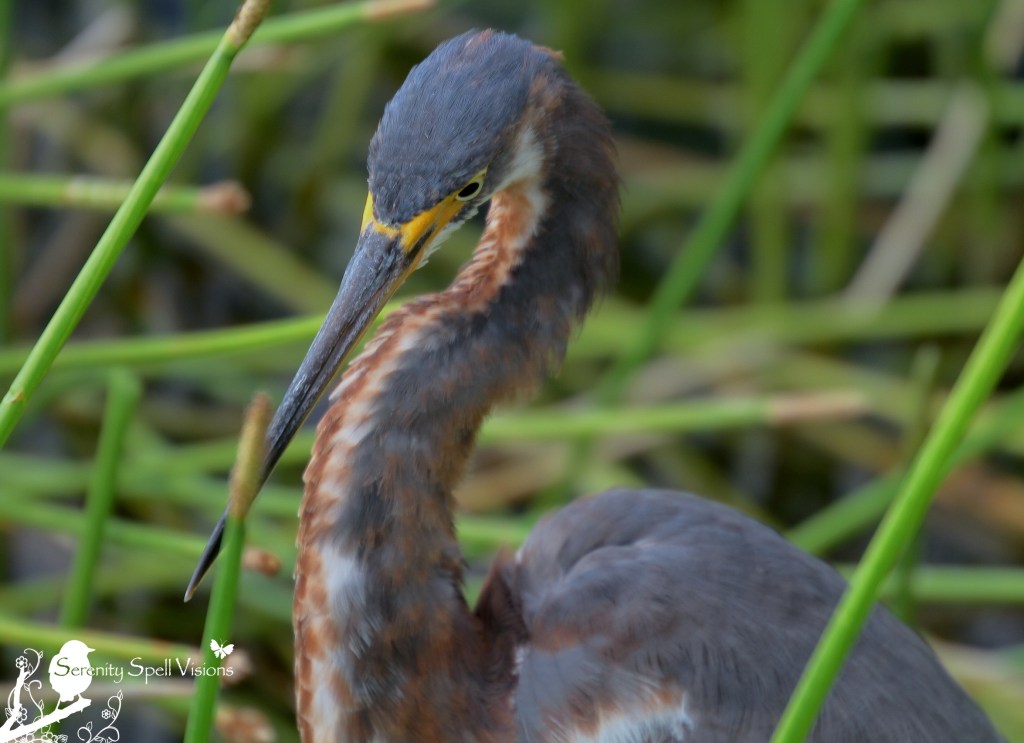
An always lovely and vibrant Tricolored Heron (Louisiana Heron) peeks out from amid the vegetation of our protected wetlands. Here’s to a new year of saving and protecting more space for these sweet and beautiful creatures!

Tricolored Heron, Florida Wetlands

Tricolored Heron