Skip to content

Tree Tuesday: Flatwoods to Swamp

Often on hikes through the South Florida pine flatwoods, you’ll stumble across other ecosytems. The flatwood environment itself is layered, with high canopies of pines, a lower shrubby layer, and an herbaceous layer — but it’s dotted with cypress domes (a cypress swamp in the shape of a dome), prairies, marshes, and other habitats. Truly a fascinating ecosystem.

Unfortunately, developers continue to find flatwoods attractive for development: the vast expanses of flat land are too tempting, as is the ease in cutting and clearing its enormous swaths. But it’s critical to remember all the life this land supports — as well as the various other habitats that are intricately woven together here.

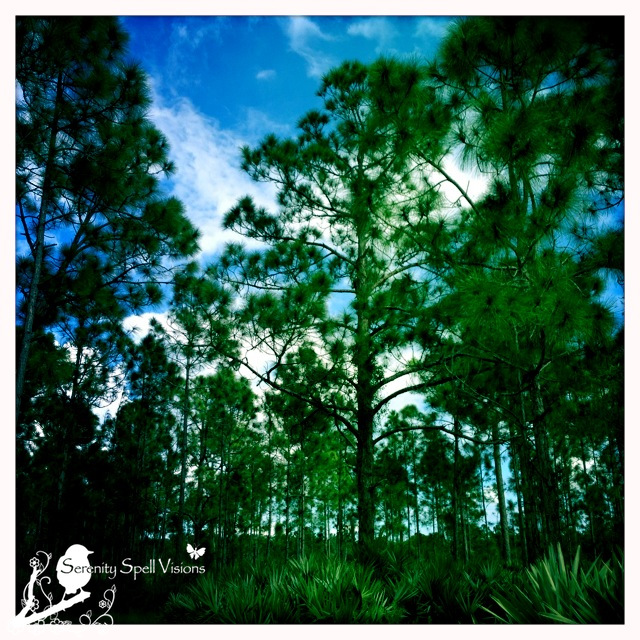
Pine Flatwoods of Jonathan Dickinson State Park, Florida

Pine flatwoods vista

Slash Pine of the Atlantic Ridge Preserve State Park, Florida

Slash Pine: Ready for my close-up

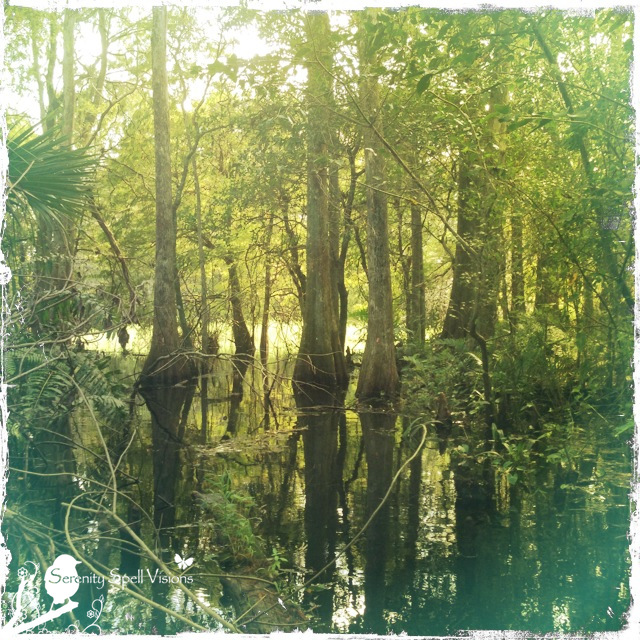
Flatwoods to Swamp Along the Florida Trail, Florida

Heading from the flatwoods into the swamp, along the Florida Trail

Cypress Trees in the Swamp, Florida Everglades

Ever-lovely cypress of the swamp

A New Trail, Seabranch Preserve State Park, Florida

From flatwood, to prairie, to….

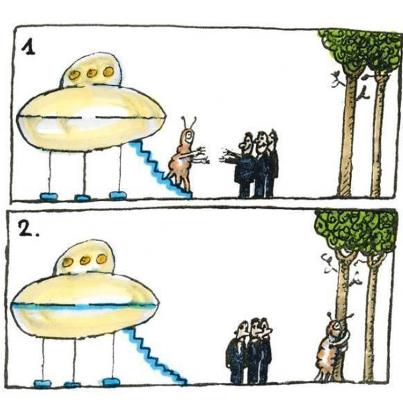
And an extra for Tree Tuesday — I can’t get enough of this cartoon….

45029_463823090344551_582905562_n

Hippity-Hoppity…

In honor of the upcoming Easter holiday, an Everglades bunny for you!

True to its name, the marsh rabbit is found in the marshes and swamps of the Eastern and Southern United States. Our marsh rabbits — not to be confused with the larger swamp rabbits of Alabama through Texas — are delicate little things. Those on the Florida peninsula, and in South Florida in particular, weigh only 2-3 pounds, reaching a total length of 17 inches. “Mainland” (non-Florida) marsh rabbits run noticeably larger.

Florida’s marsh rabbits have shorter ears, and smaller legs than the swamp rabbits and cottontails — and instead of a bushy, cottonball-tail, the tail forms a tuft. They’re also darker in coloration than eastern cottontails.

Marsh Rabbit, Florida Wetlands

Marsh rabbit on alert in the Florida wetlands

What’s so interesting about our marsh rabbits, as their name signifies, is their proclivity to water — swimming often and well, sometimes for long distances. It’s common to see them in the shallow waters of our wetlands scrounging for food (note the wet legs of the guy above). Another interesting feature of marsh rabbits is that they walk on all fours, like a cat — ensuring easy and swift negotiation of the dense marshes and the surrounding vegetation. Their preferred habitats are the brackish and freshwater marshes, mangrove swamps, and sandy islands. These rabbits must have access to water, remaining on high ground and in the thick vegetation for protection from predators including alligators, snakes, bobcats, foxes, coyotes, and birds of prey. They’re most active at dusk and at night, eating the abundant wetland and aquatic plants.

Marsh Rabbit, Florida Wetlands

There honestly couldn’t be anything more adorable than a Marsh rabbit baby. Just try.

They’re truly adorable little things…. And the baby marsh rabbits? Cuteness factor through the roof. I like to call them *all* swamp bunnies though, much to the chagrin of uptight naturalists who may be listening in on my insanity. But it’s hard not to envision fae around these critters, helping us occasionally close-minded humans love and appreciate their, and Nature’s beauty, all the more.

Marsh Rabbit, Florida Wetlands

Poor Marsh rabbit burr-face

Monday Morning Hair

A Tricolored (or Louisiana) Heron in breeding plumage shakes it all off, with the start of a new week, in undisguised fabulousness in our protected wetlands. While I say “Monday Morning Hair,” this is definitely a daily occurrence for me.

Tricolored (Louisian) Heron in Breeding Plumage, Florida Wetlands

Always fabulous

Tricolored (Louisian) Heron in Breeding Plumage, Florida Wetlands

Cat-scratch

It’s NATIONAL WILDLIFE WEEK, and: Returning the Florida Panther to the Everglades

In honor of National Wildlife Week, March 18-24, here’s a special and rare event from last week:

A Florida panther was recently released into the Picayune Strand State Foresta rare event, in a bid to help save the species. The tagged female will hopefully become a safe and successful mommy!

She and her brother were raised from the age of five months at the White Oak Conservation Center in Yulee, rescued after their mother was found dead.

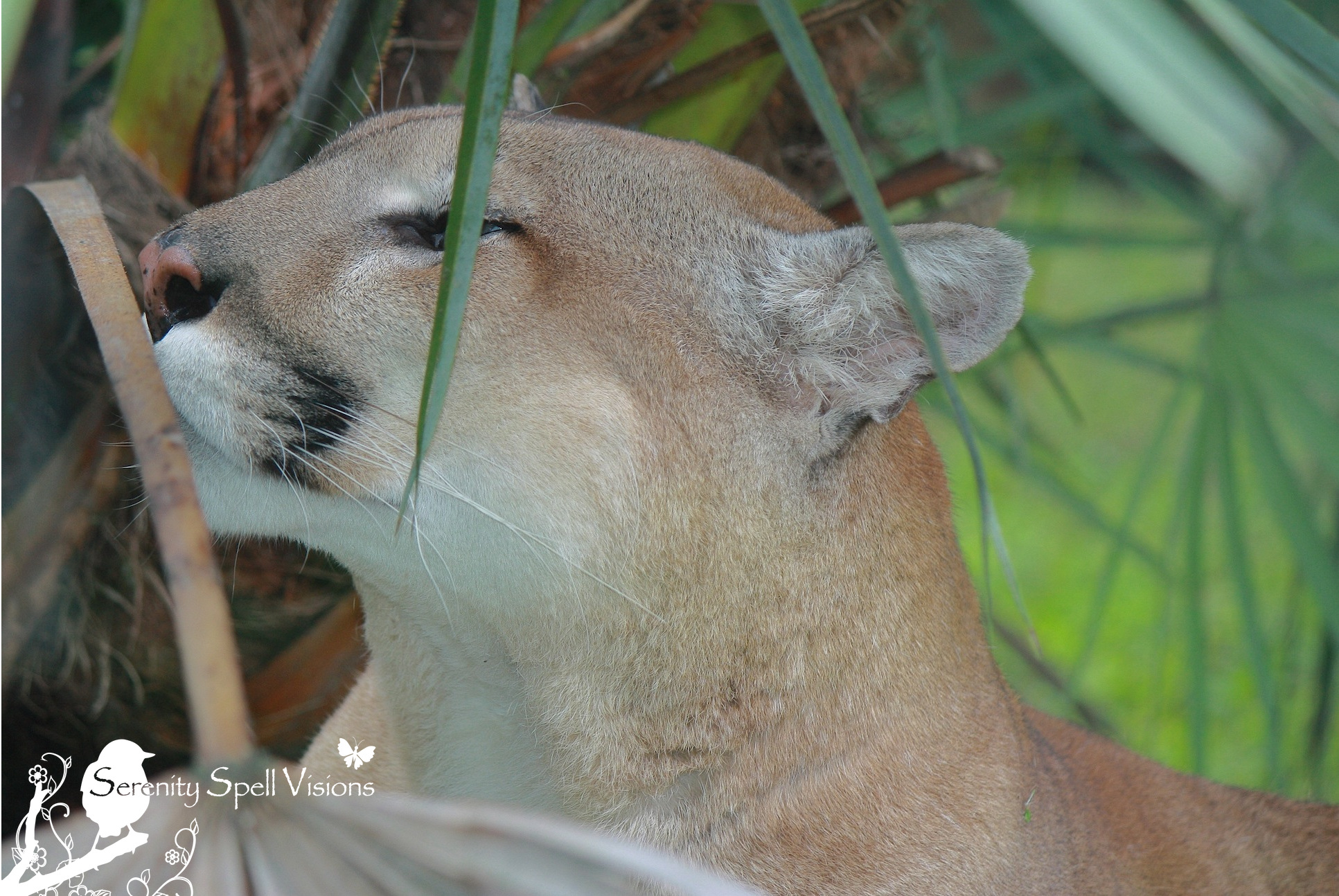
Rescued Florida Panther at Flamingo Gardens, Florida

Rescued Florida Panther at Flamingo Gardens: Sadly, this guy can’t be returned to the wild, because he underwent a painful de-clawing procedure at the hands of humans

From the article:

Florida panthers were among the first to go on the Endangered Species List back in 1973 when there were as few as 20 remaining individuals. Today they are still in great peril with as few as 100-160 in the wild, but biologists with the Florida Fish and Wildlife Conservation Commission (FWC) successfully released one female Florida panther into the Picayune Strand State Forest recently with the hope that she will become a successful mom.

Read more….

So much luck to this girl (and to her soon-to-be-released brother!) – AND so many thanks for the continued rescue and conservation efforts the world over!

Rescued Florida Panther at Flamingo Gardens, Florida

Another panther rescue: De-clawing exotic cats is still permitted, unbelievably. It causes extreme pain and lameness, and requires constant pain regulation. Horrific “legal” state minimum enclosure requirements for bears, big cats, and other wild animals (envision a tiny jail cell) are also allowed

Warbling in the Wetlands

A bird doesn’t sing because it has an answer, it sings because it has a song. —Lou Holtz

…Which is why I’m constantly running to Nature, and to these wonderful creatures. That reminder to JUST BE (or in my words, Simmer Down). And our winters provide a more varied opportunity for observing different happenstances of this simple state of being — the migrating birds make their residences in the area, even if it is temporary.

Palm Warbler, Florida Wetlands

A Wee Warbler in the Wetlands

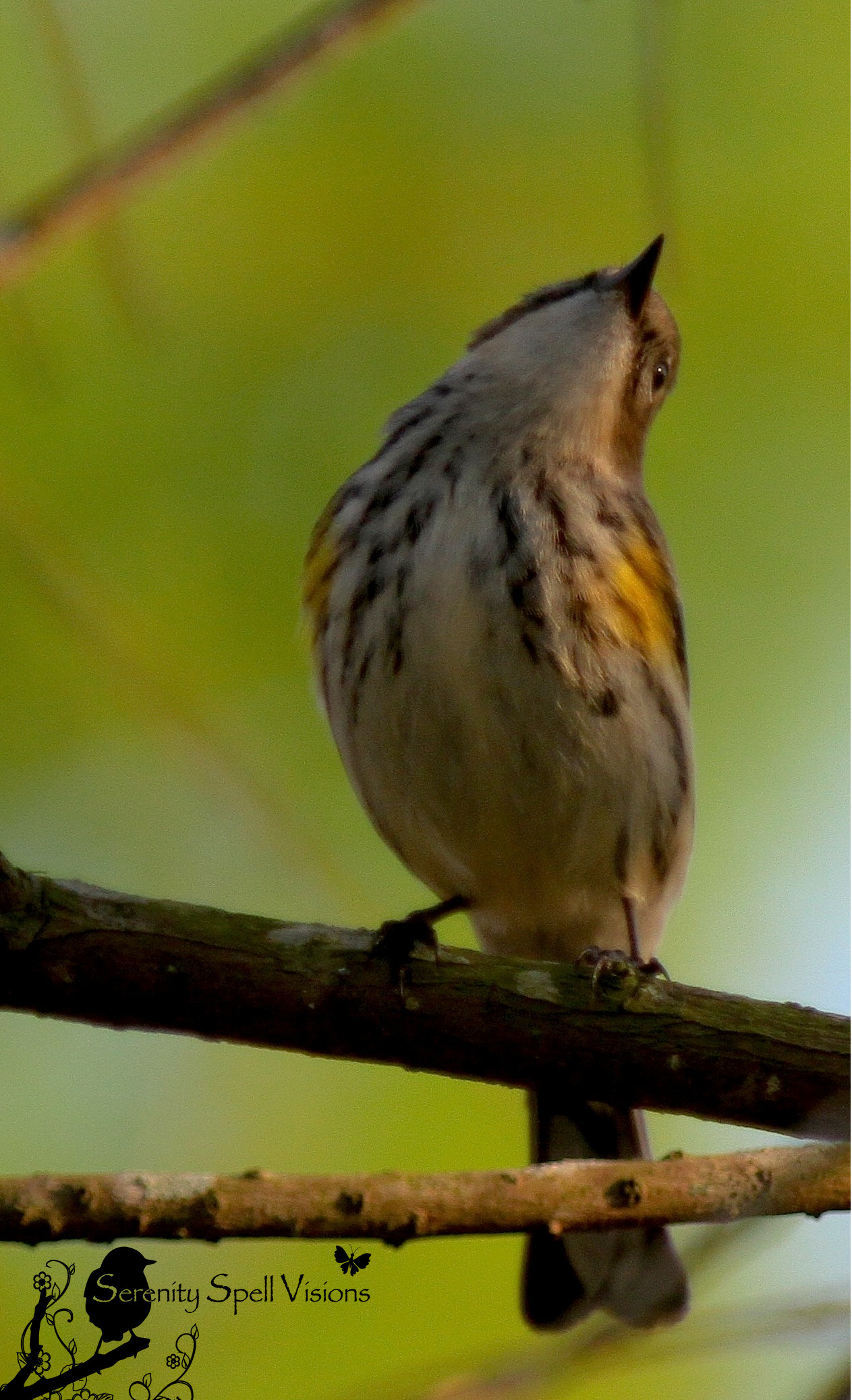
A few Palm Warblers flit amid the trees; here, among a strand of young cypress. These tiny bright gems of songbirds — adorable little shocks of yellow in our swamp and wetlands — are easily missed if you’re in a rush, or aren’t fully aware.

Palm Warbler, Florida Wetlands

Sing it!

Palm Warblers are common winter residents in our marshy natural areas, migrating in the late fall to the southeastern U.S. and the Caribbean. The species is comprised of two distinct sub-species, the Yellow Palm Warbler and the Western Palm Warbler. Those breeding in the eastern range are yellow underneath, while those inhabiting the western part of the range are duller in color, with whitish bellies. Palm Warblers primarily breed in wetland habitats — east of the Continental Divide, across Canada and the northeastern United States. A distinctive feature of Palm Warblers is tail wagging, or “pumping.” More than other warblers, this bird forages on the ground for insects and berries.

Palm Warbler, Florida Everglades

Warbling in the Everglades

Click here to listen to the delicate song of these sweet little songbirds!

Palm Warbler, Florida Everglades

Holler.