Skip to content

Posts tagged ‘animals’

Look Closely…

I was so focused on a songbird on this tree’s branch, that I barely heard my guy gasping, in a barely audible whisper…. “Ohmahgawd. You’re gonna freak.” I love frogs — well, I seem to say that about everything — but I do love them and appreciate their vital role in our ecosystems.

I couldn’t even see what he was pointing at — did I need my spectacles? I had my telephoto lens working hard, so as to not disturb the bird. I quietly crept up to the trunk, and there it was: a tiny frog — he had to be two inches, at the most — nestled comfortably in the depths of a knot within the tree’s trunk. My eyes quickly became bigger than the knot itself.

I’m continually amazed at how much life trees support — seen and unseen.

Instructions for living a life.
Pay attention.
Be astonished.
Tell about it.
—Mary Oliver

A Tree?

Tree Frog… Closer…

Tree Frog Face… Peek-a-boo!

A Young Great Blue’s Meal

I had been watching one of the Great Blue Herons at our local wetland preserves a few weeks ago; she only had one baby, which is a bit unusual for the species. I watched as she built her nest high in the cypress trees, then dutifully guarded it, alone…. There was no male in sight, which is likewise unusual. Usually both the male and female remain at the nest, and hunt for the young. There aren’t as many human visitors at these particular wetlands, due to the lack of active rookeries — which suits me just fine; the baby alligators, birds, butterflies, marsh rabbits (or swamp bunnies as I’m fond to call them), and if I’m lucky, bobcats, keep me company.

I always spied this Great Blue hunting in the same area — a swath of dry land near a small swamp frequented by the bobcats. Visitors would stroll right by her, she blended so perfectly with the landscape. This choice of hunting grounds would explain her meal below — Yummers! It’s no surprise that these birds have been known to choke to death while trying to swallow meals that are too large for them.

What has she been trying to regurgitate…?

Well, oh my.

A Walk Through an Endangered Scrub Community

We recently visited one of  Palm Beach County’s many preserved swaths of pristine Florida land, the Hypoluxo Scrub Natural Area. Thanks to Tropical Storm Debby and other interesting recent weather patterns, we’ve been afforded some great hiking weather — CLOUDY! TS Debby brought us massive rains and winds (and she snapped my lovely, towering Japanese Sunflower plant — GR!), but we’ve been able to accomplish longer hikes than we normally would have at this time of the year.

This particular area was never developed, and saw minimal agricultural use throughout the years. Purchased in 1999 in a growing effort to protect and maintain threatened and endangered biological communities in the county, we’re thankful to be afforded this glimpse of natural Florida. Located on a sand ridge that was once an ancient shoreline, 97 acres of Florida scrub and scrubby flatwoods communities have been incorporated and are now protected at the Hypoluxo Scrub Natural Area — as are the threatened Florida scrub-jay and gopher tortoise, both victims of years of over-development and lack of protection.

Scrub and scrubby flatwoods habitats are two of the rarest natural communities in Florida, with less than 2 percent remaining in Palm Beach County. Truly phenomenal, when you wrap your head around it.

The area has quite an interesting history (for more info, visit another post of mine on this natural area — Endangered Native Florida Ecosystems at the Hypoluxo Scrub Natural Area). During this dusk outing, we were alone (the sky was sputtering), and we encountered many gopher tortoises returning to their burrows, hunting hawks, and thousands of dragonflies. Altogether a wonderful early evening in a most unique and beautiful land.

Scrub and Scrubby Flatwoods

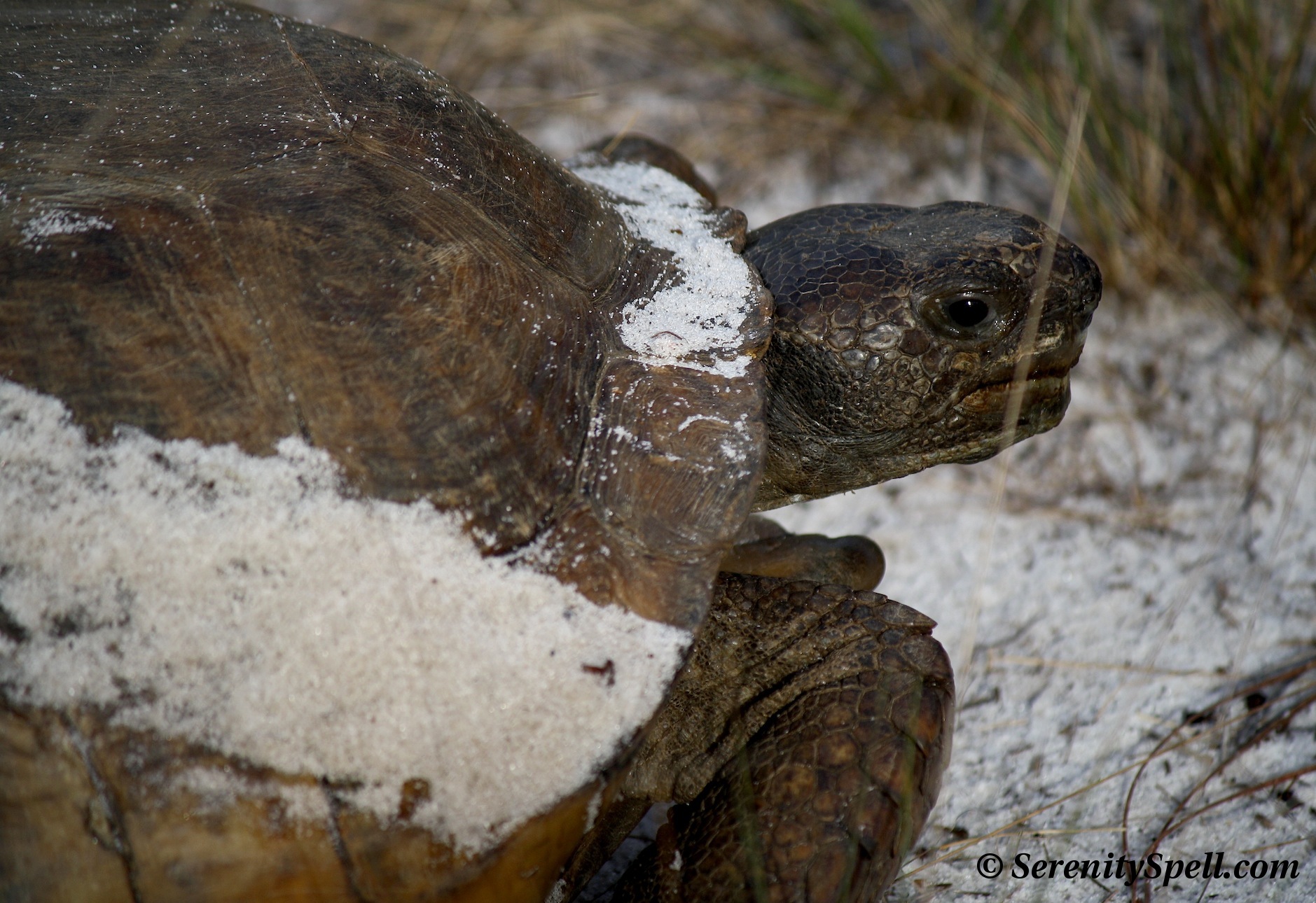
Gopher Tortoise Returning to Its Burrow

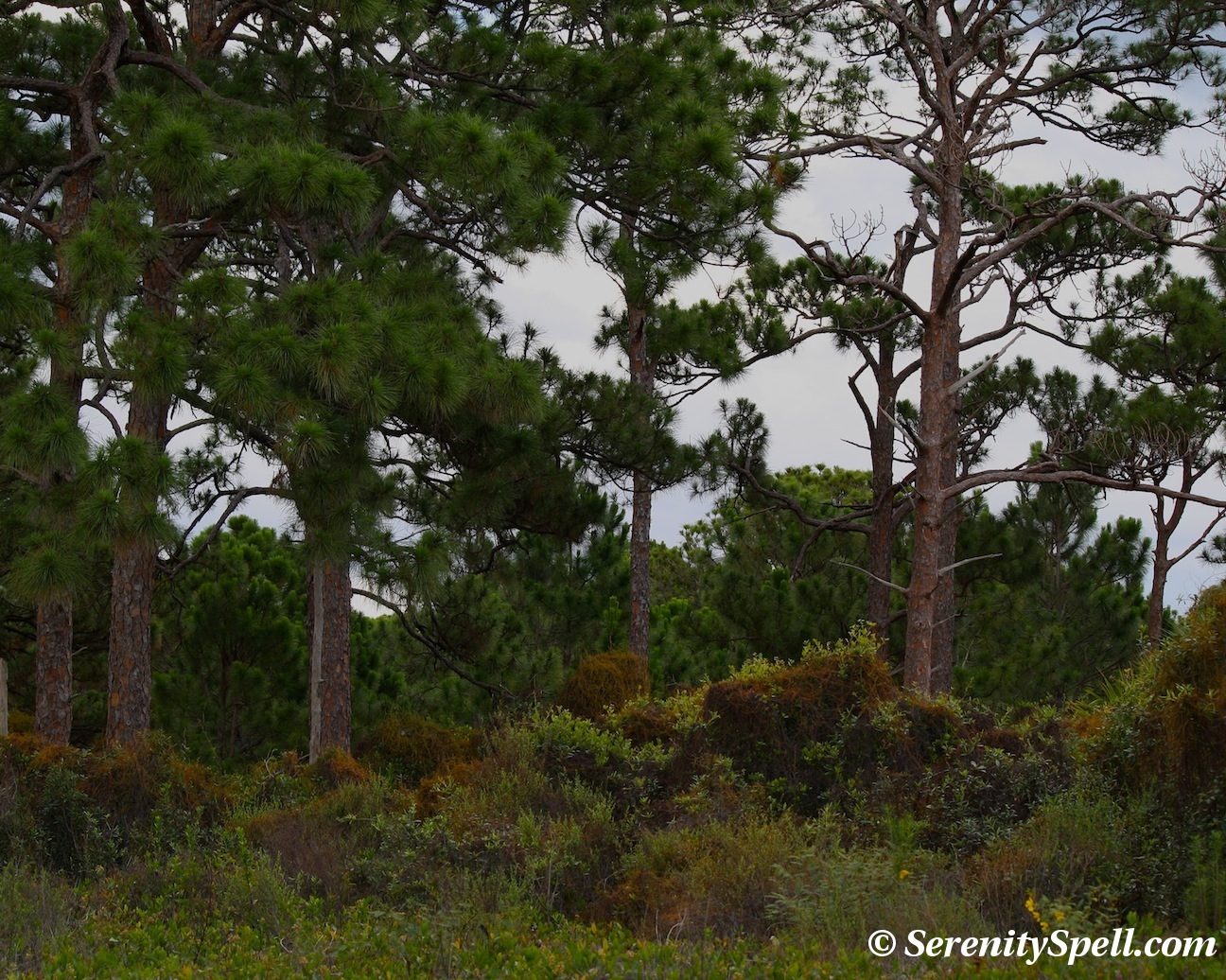
Slash Pine Profile

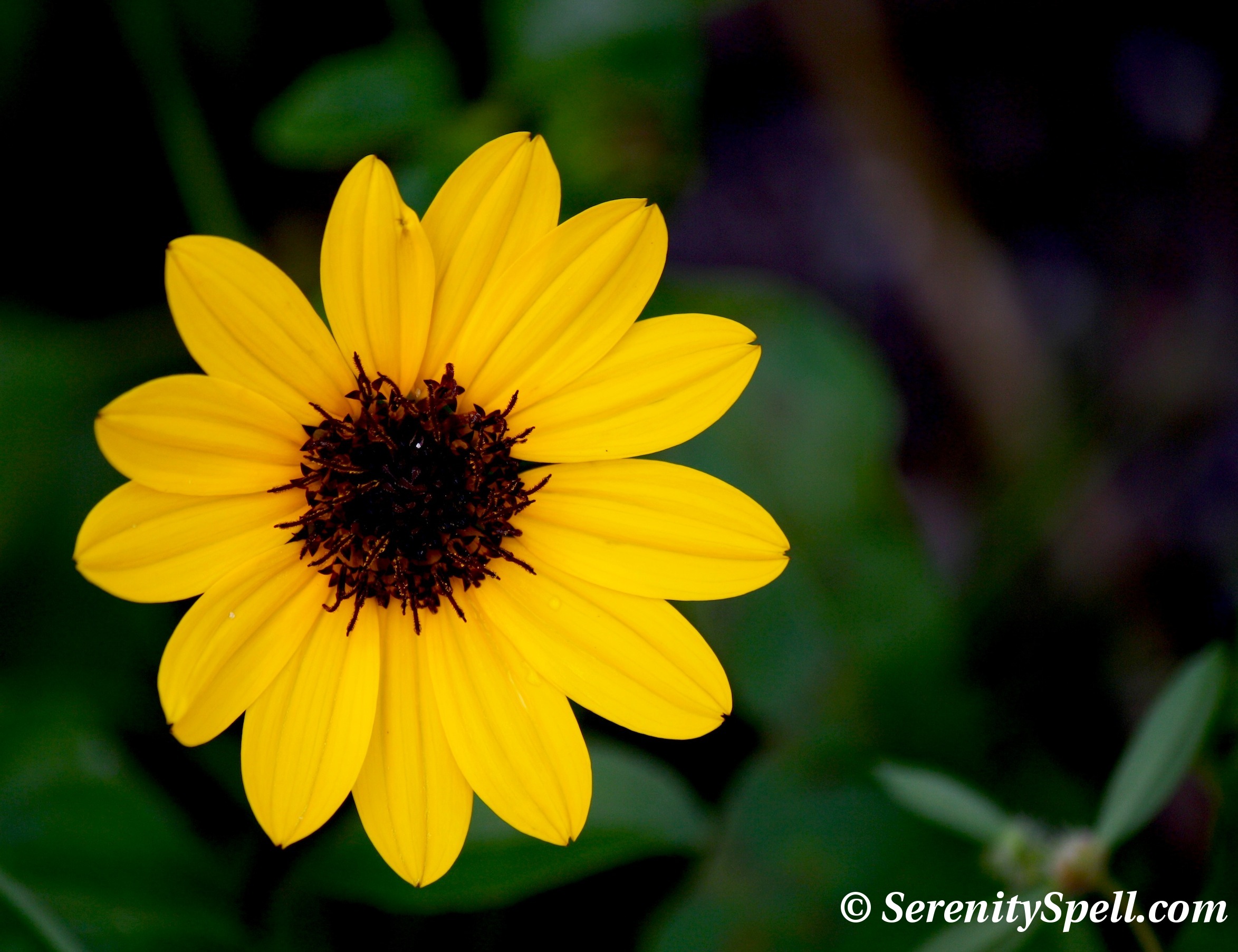
Ground Cover Blossoms

Scrub and Scrubby Flatwoods

Queen Butterfly (Danaus gilippus)

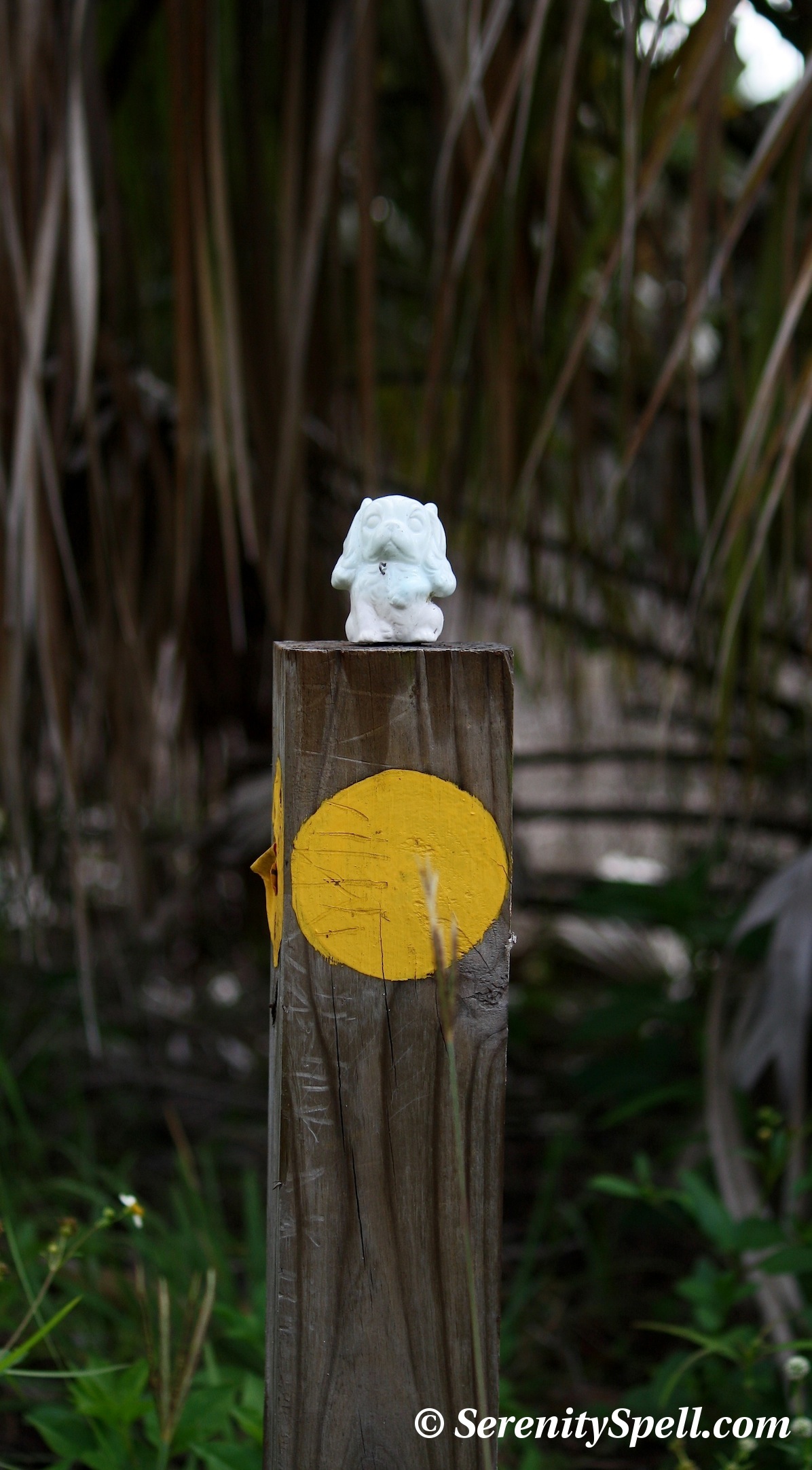
A Trail Offering

A Lovely Old Slash Pine

Someone’s Meal, So Perfectly Arranged

Rainbows in an Endangered Finch

In all things of nature there is something of the marvelous. —Aristotle

I captured this brave little fellow at Butterfly World’s Jewels of the Sky Aviary, the largest free-flight hummingbird aviary in the United States. It’s a most amazing, beautiful, and fairy-like place — a huge and lush flower-filled habitat of Hummingbirds, Honeycreepers, and Euphonias.

The Gouldian Finch (Erythrura gouldiae), also known as the Lady Gouldian Finch, Gould’s Finch, or the Rainbow Finch, was named for Elizabeth Gould, wife of British ornithological artist John Gould. This spectacularly-colored little bird is native to Australia, where their numbers have decreased dramatically throughout the 20th century due to habitat loss. They remain an endangered species in their natural habitat, with less than 2,500 remaining.

In 1992, the species was classified as endangered in the wild. That same year, Catwoman stuffed a poor Gouldian into her mouth in Batman Returns— some say, to raise awareness for their plight.

Catwoman eyes the Penguin’s Gouldian in “Batman Returns”

However, they’re popular birds in captivity and among breeders, which keeps their general populations higher. The delicate Gouldian Finches are difficult to breed outside of their native Australia — they demand a clean environment and excellent nutrition to survive and thrive, and aren’t suggested for novice breeders. (I personally have issues with caged birds, but wanted to include this tidbit.) While attempts at their reintroduction have proved unsuccessful, thankfully these lovely finches are the subject of a conservation program in Australia. There are currently plans to recover and conserve their natural habitats, with management guidelines discussed to educate landholders about land management, promoting the recovery program, and Gouldian Finch conservation.

Gouldian Finches gather in flocks in the wild, most likely to protect against predation. They’re highly sociable birds, but more often with other birds than with humans. Both sexes are brightly colored, with black, green, yellow, and red markings — but with selective breeding, there are now many color mutations. As usual, females tend to be less brightly colored (the males do the strutting). Gouldians bond and mate for life.

In honor of this beautiful, endangered, and brave little finch, may you have an equally bright weekend!

Gouldian Finch (Rainbow Finch)

On the Wings…

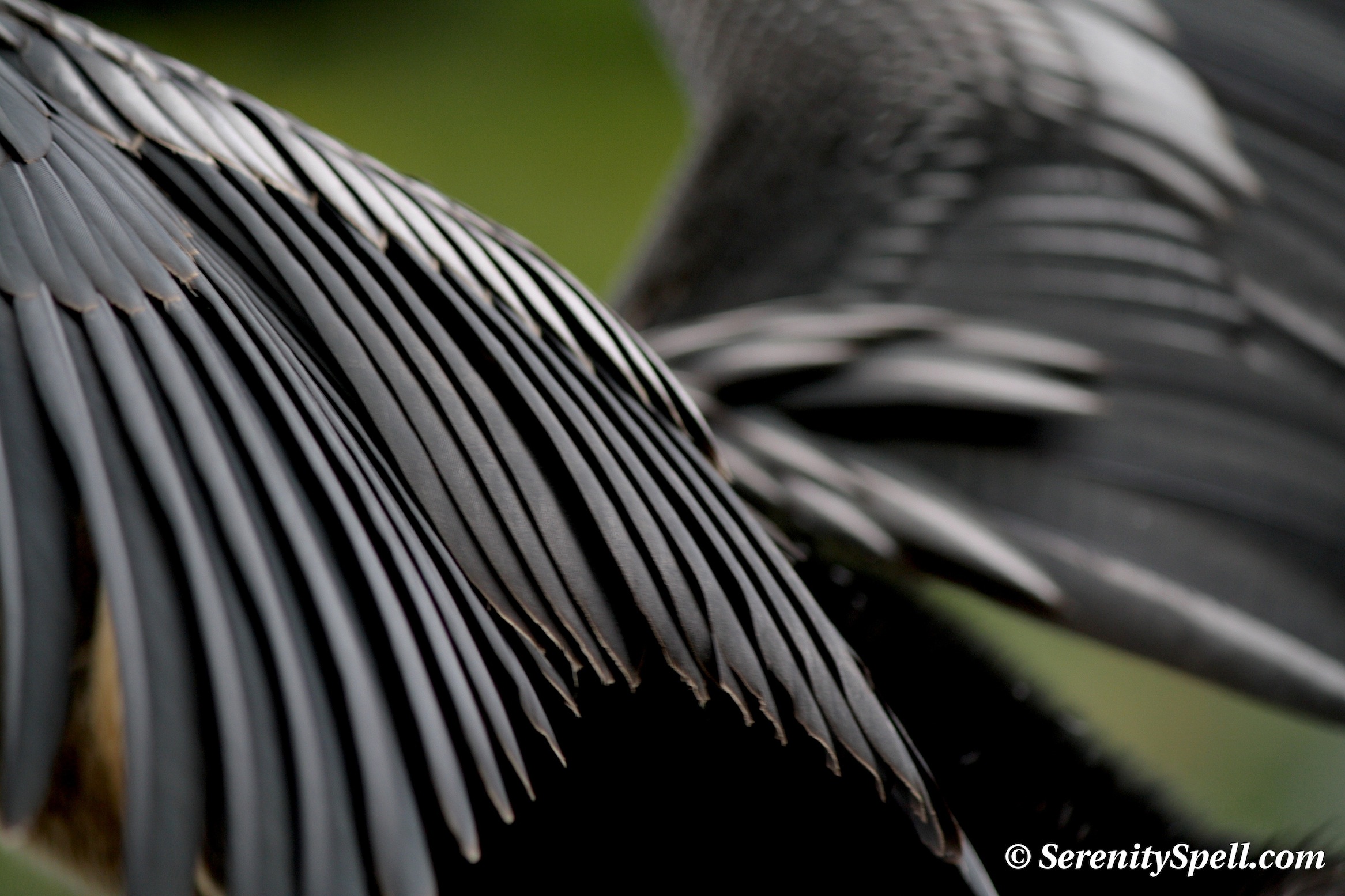
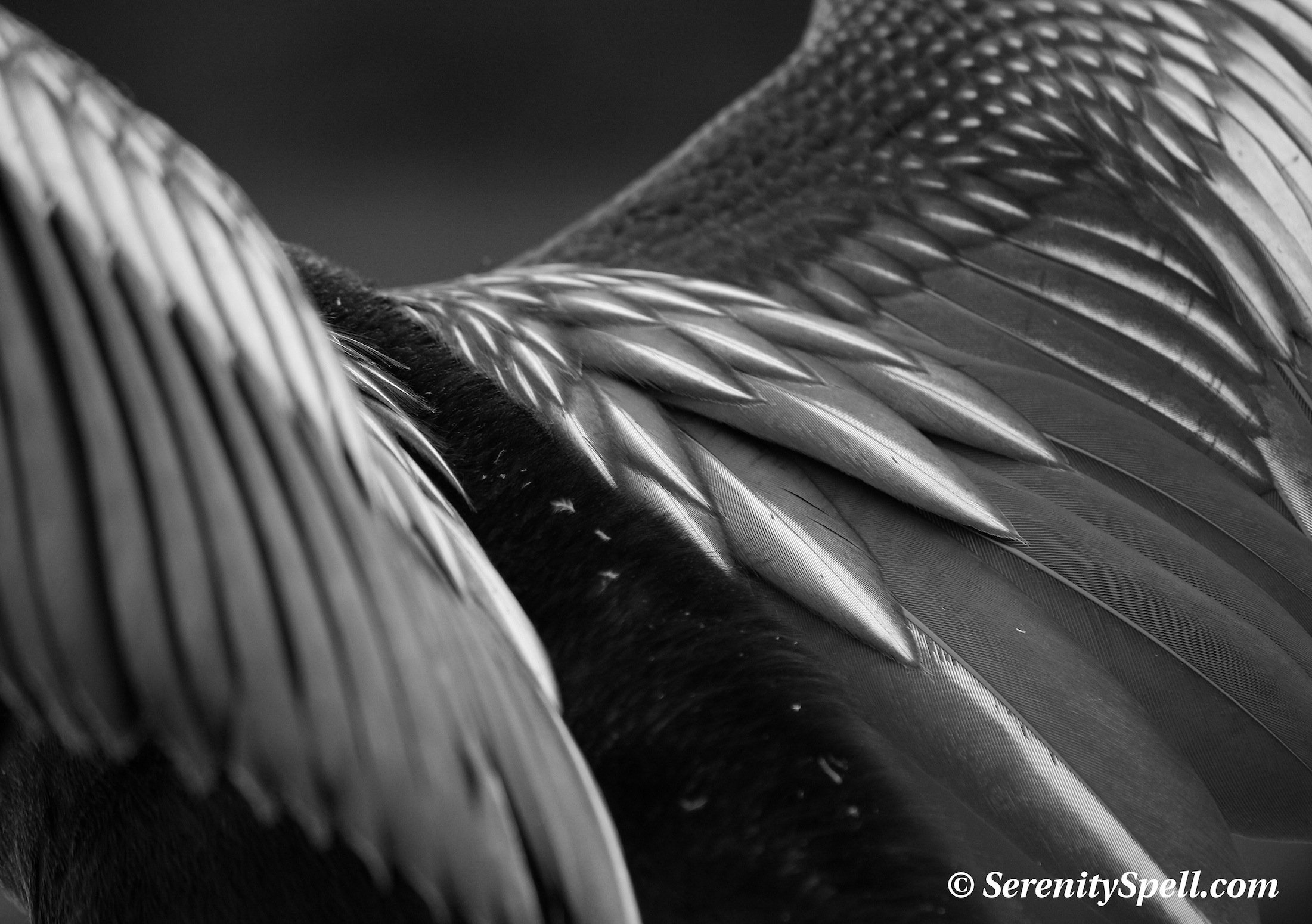
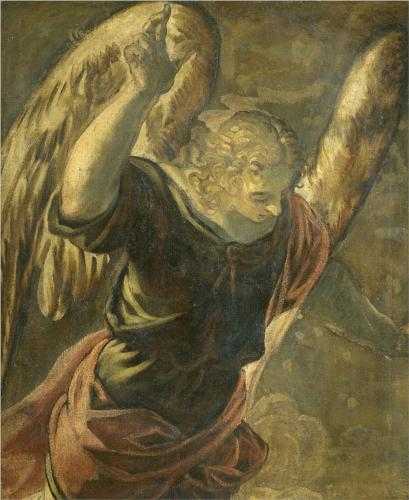
It’s easy to see why the wings of birds were appropriated for heavenly messengers in early religious art. Their combination of delicacy and strength — of grace and sinewy power — is mesmerizing. There were no wings donned by angels in the earliest Christian art, however. Beginning in the 4th Century, halos were replaced with wings to represent heavenly figures, and any creature of the divine. But it was during the Renaissance and Baroque periods when the winged angelic messenger really took root in the artistic and cultural mindset.

Here, two separate cormorants stretch their wings to dry after fishing in the South Florida wetlands bordering the Everglades. Similar to the cormorant-like anhingas, their feathers don’t possess the waterproofing oil of other seabirds, and they must dry their feathers after each fishing trip.

Cormorant Wings, Florida Wetlands

Cormorant Wings, Florida Wetlands

Tintoretto’s Annunciation Angel