Skip to content

Posts tagged ‘animals’

Tricolored Herons: The Young Ones

This guy actually brings to mind Rick from the oh-so-excellent The Young Ones….

The Tricolored Heron (Egretta tricolor) was formerly known as the Louisiana Heron, as it was one of the most abundant herons found in the Deep South. It’s a medium-sized and slender heron that lives in the southeastern United States (but as far north as coastal New Jersey), Central America, and the Caribbean. Standing approximately 22 inches tall on long yellow legs, this heron’s wingspan reaches 3 feet. Beautiful slate blue feathers cover most of its body, save a white-striped chest and belly, and a rust-colored neck. The eyes of the juveniles are a yellowish-white, turning brown with pink inner margins as they age. Males and females of the species look alike. During courtship, these already beautifully colored herons become even more vibrant: the eyes turn a lovely and striking scarlet, and their otherwise long, pointed yellow bill turns blue. Breeding plumage involves filamentous plumes on the head and neck, and buff plumes on the back.

This seemingly peeved Tricolored (such a face, sweetheart!) — despite my distance with a telephoto — is a juvenile, as is the second heron.

Their natural habitats are swamps, marshes, bayous, lagoons, and coastal ponds. It’s a common sight in our wetlands to see them nesting in colonies, in the trees and shrubs, with other herons. The male selects the nesting location, and builds the nest with the female. As with other herons, both parents care for the chicks, feeding them regurgitated food. Tricoloreds stalk their prey in the shallow waters, looking for fish, crustaceans, reptiles, and insects. They’ve been known to delve into the deeper waters however, with only their bodies visible.

These herons are the favorites of many in our area, and are a great joy to watch…. But like so many other species, despite their non-threatened status, they’re losing their natural habitats. It’s truly our duty to protect and preserve these complex ecosystems not just for the flora and fauna they are home to, but for ourselves.

Each species is a masterpiece, a creation assembled with extreme care and genius. —Edward O. Wilson (Biologist, researcher, theorist, naturalist, and author)

Tricolored, or Louisiana Heron (Juvenile) in the Florida Wetlands

Tricolored, or Louisiana Heron (Juvenile) in the Florida Wetlands

A Butterfly’s Kingdom

In light of recent events, smiles were in order… So we hiked, we walked our natural areas, and we visited the butterflies!! I’m a nut for butterflies — I often find myself plowing through beastly banana spider webs, or managing the swamp, to chase butterflies on our hikes. More than once I’ve nearly tripped over large, scaly, and silent objects at the water’s edge — quite unlike a butterfly — in my efforts to photograph these lovelies….

Butterfly World, located here in South Florida, opened in 1988. It’s the largest butterfly park in the world, and the first of its kind in the Western Hemisphere. At any given time, more than 3000 live butterflies are fluttering at the facility (and usually MORE), representing 50 different species (150 species over the course of an entire year). This is all thanks to Robert Boender, who raised butterflies and their food plants from his Florida home, post-retirement. In 1984, he was supplying farmed butterflies to zoos and universities with his own company. He met Clive Farrell — founder and owner of the London Butterfly House — in 1985, during a visit to England. Wanting to create a similar facility in Florida, Boender and Ferrell joined forces and began plans to create a combination public attraction / research facility and butterfly farm — and Butterfly World was born.

Visitors enter the spectacular Paradise Adventure Aviary, with fountains, ponds, lush vegetation, and of course thousands of butterflies — representing five continents. It’s a glorious shock to the human system, to be suddenly surrounded by thousands of fluttering brilliant colors. The Hanging Garden & Butterfly Emerging Area is next, where cases filled with pupa and emerging butterflies are displayed. Finally, the Tropical Rain Forest Aviary recreates a rain forest — complete with waterfall, thousands of tropical plants, and free-flying birds and butterflies.

Butterfly World also includes the largest free-flight hummingbird aviary in the United States — the Jewels of the Sky Aviary — as well as a Lorikeet Encounter, and an aviculture research center. At the butterfly laboratory, visitors can view — through a glass enclosure — where butterflies are raised, observing the different stages of formation including eggs, caterpillar, and pupa.

At the Museum/Insectarium, exhibits of mounted specimens of beetles, butterflies, moths, and other insects are displayed. The Bug Zoo features live insects, including spiders, walking sticks, and mantids. Not particularly my favorite part of the facility, having been raised on the Equator, on a tropical island where insects grew to gargantuan proportions — and there was little barrier between you and them.

Other features include Grace Gardens, offering examples of the world’s flowering tropical plants. The Wings of the World Secret Garden presents one of the largest collections of flowering Passion Flower vines (passiflora) in the world — beautiful beyond compare. Butterfly World’s conservation efforts include the establishment of The Passiflora Society International, which was established at the site to encourage research on passion flowers, the source of food for many butterflies. A North American “Bring Back the Butterflies” campaign is also active here, with thousands of people across the country receiving free literature on butterfly gardening for their region. Check it out! Butterfly World also helped establish the Boender Endangered Species Laboratory at the University of Florida — instrumental in saving the endangered Schaus Swallowtail, and reintroducing the species to South Florida.

Many pesticides kill butterflies (and bees, and…), so it’s important to be safe with their use — or, use ladybugs in their stead! Sadly, butterflies came up in the news recently with companies like genetically-modified foods giant Monsanto. Monsanto’s Roundup Ready Crops have been tied to the decrease in Monarch populations by killing the very plants that the butterflies rely on for habitat and food — milkweed. These plants are being destroyed by the heavy use of glyphosate-based pesticides on Roundup Ready crops. Over the past 17 years, the Monarch butterfly population in Central Mexico has declined, reaching an all-time low in 2009-2010. Obviously there’s a far bigger picture here, which many are aware — land destruction, farmers’ livelihoods, and our own health — but when the news was released that these companies and their crops were now ravaging the butterfly populations (for years, now)…. Honestly.

But thanks to the education and conservation campaigns of facilities like Butterfly World, perhaps there may be some sort of balance reached between the destruction caused by these companies, and a return to the natural order.
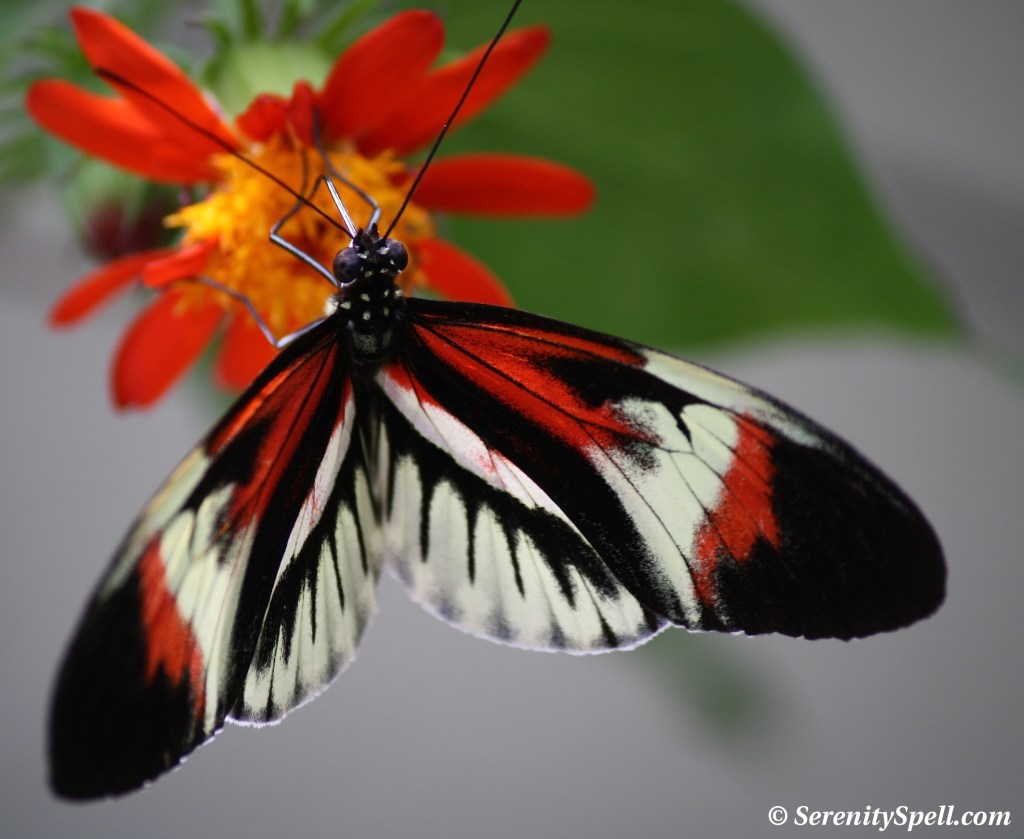
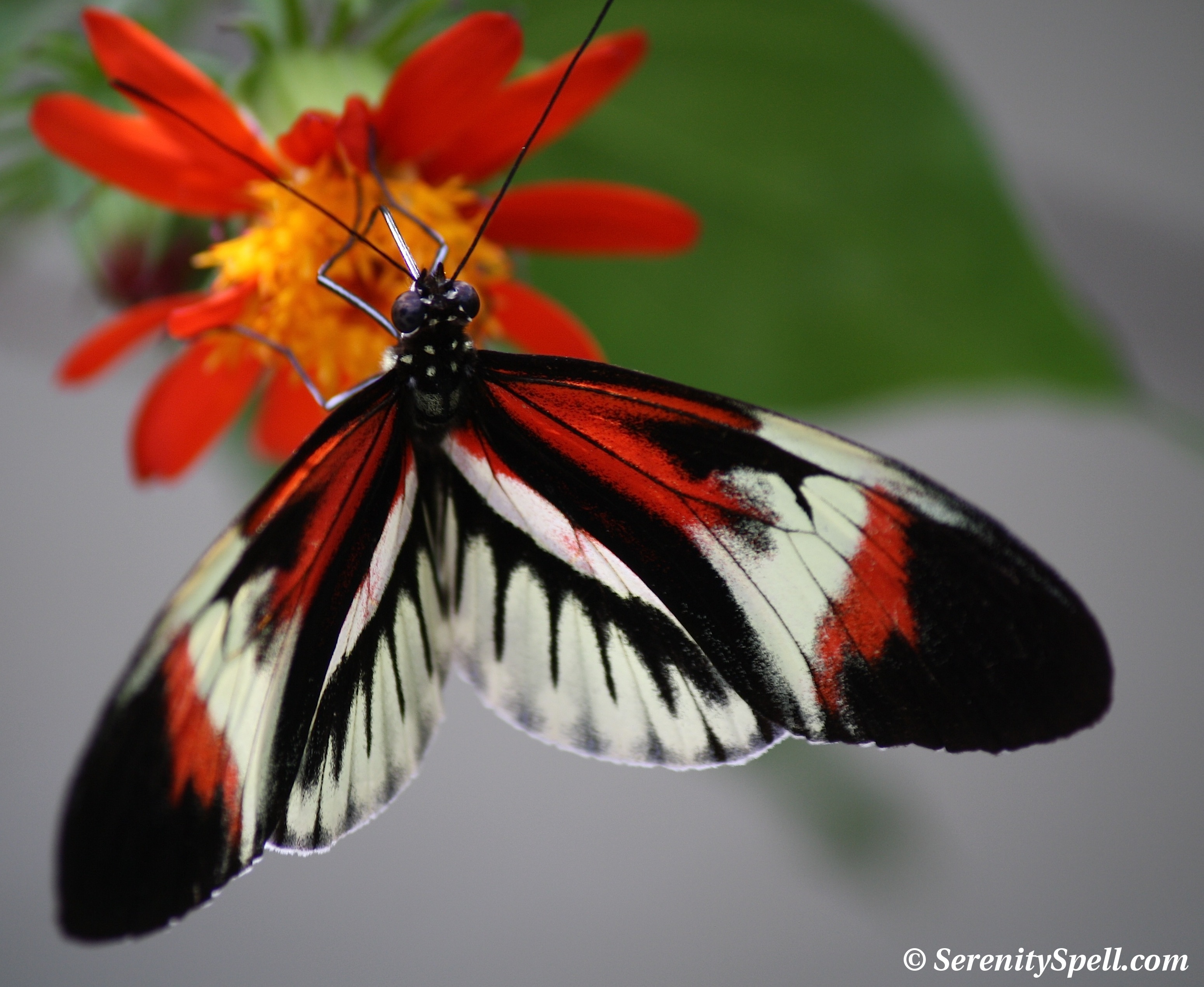
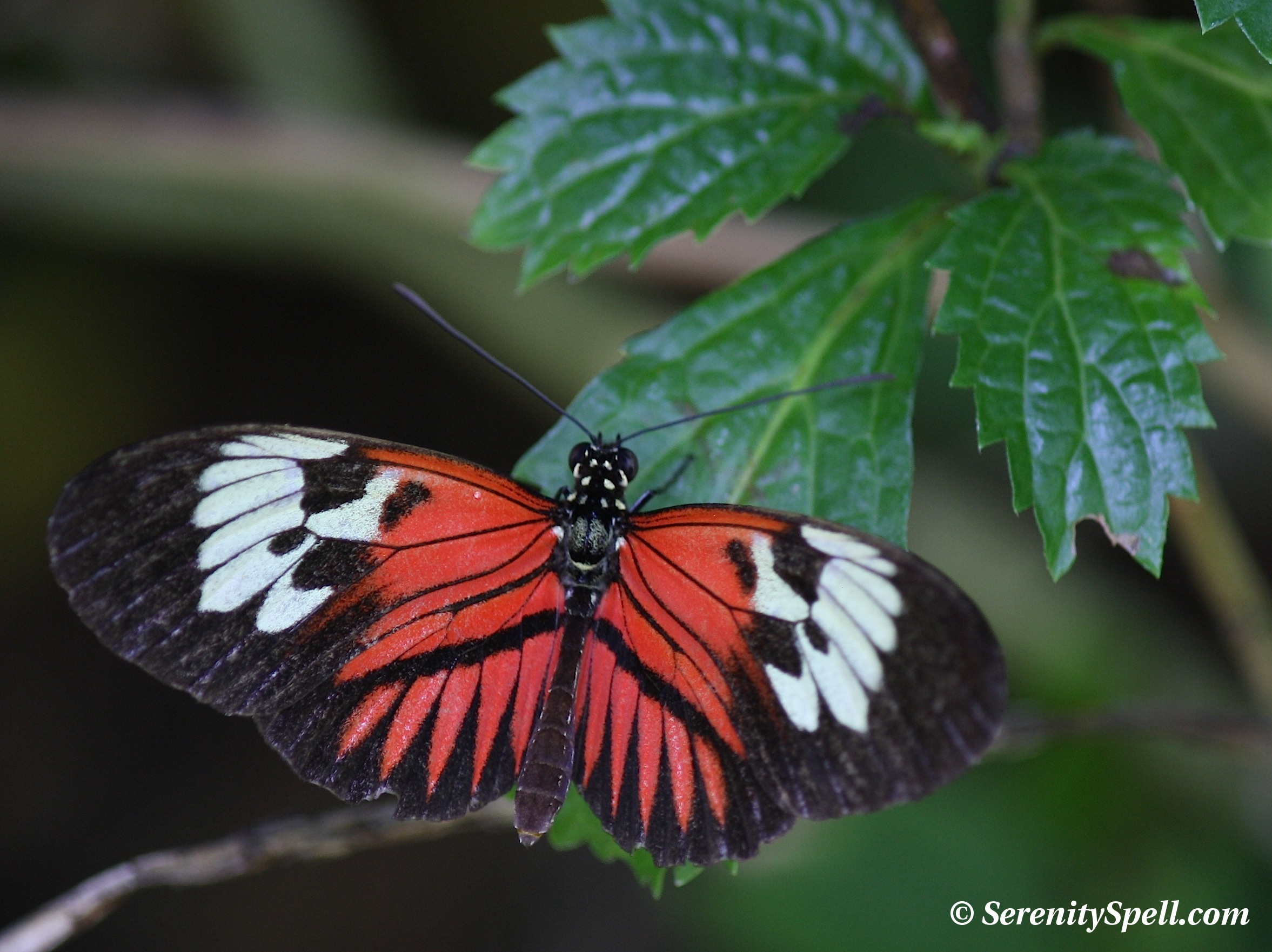
Piano Key Butterfly
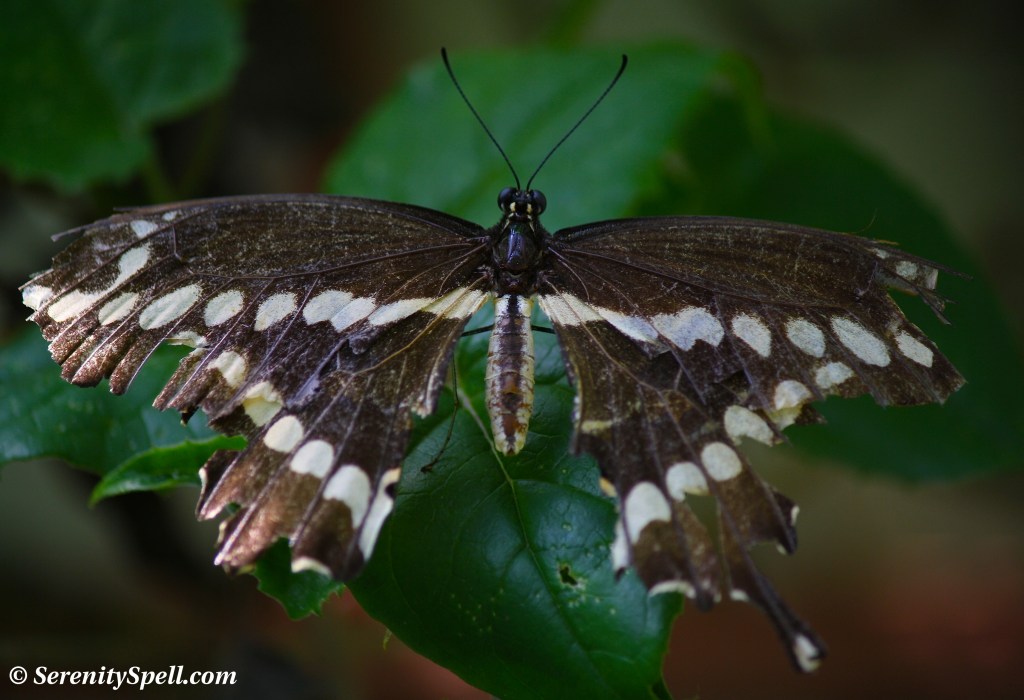
Swallowtail Butterfly (Specifically, err…)
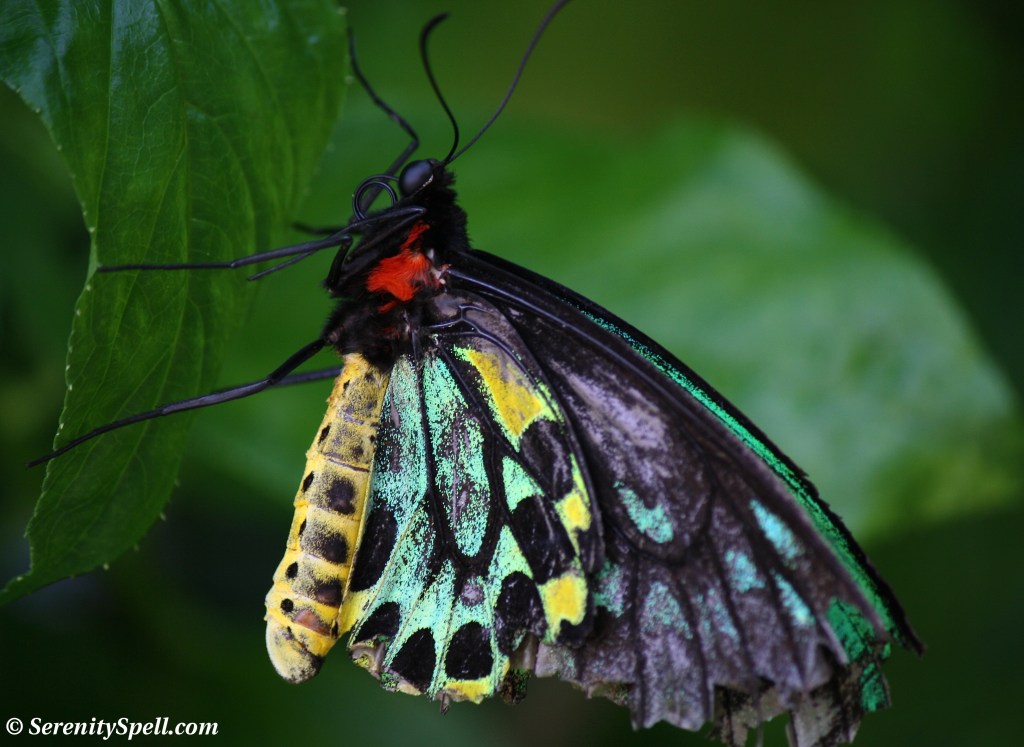
Clipper Butterfly
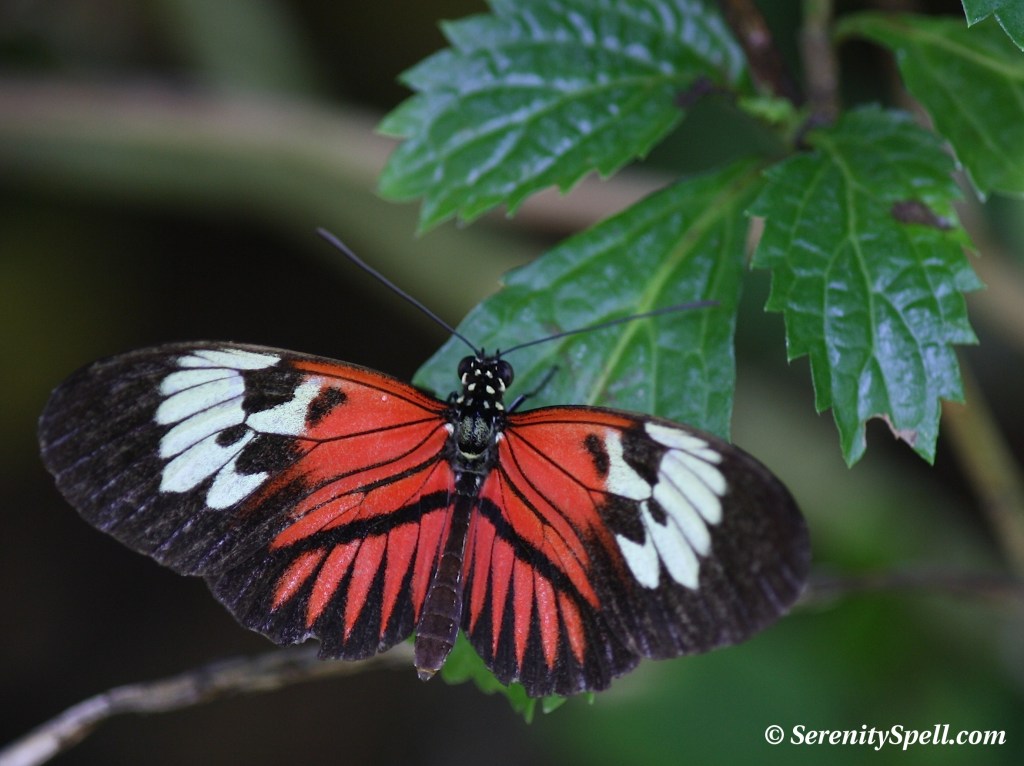
Madiera Butterfly
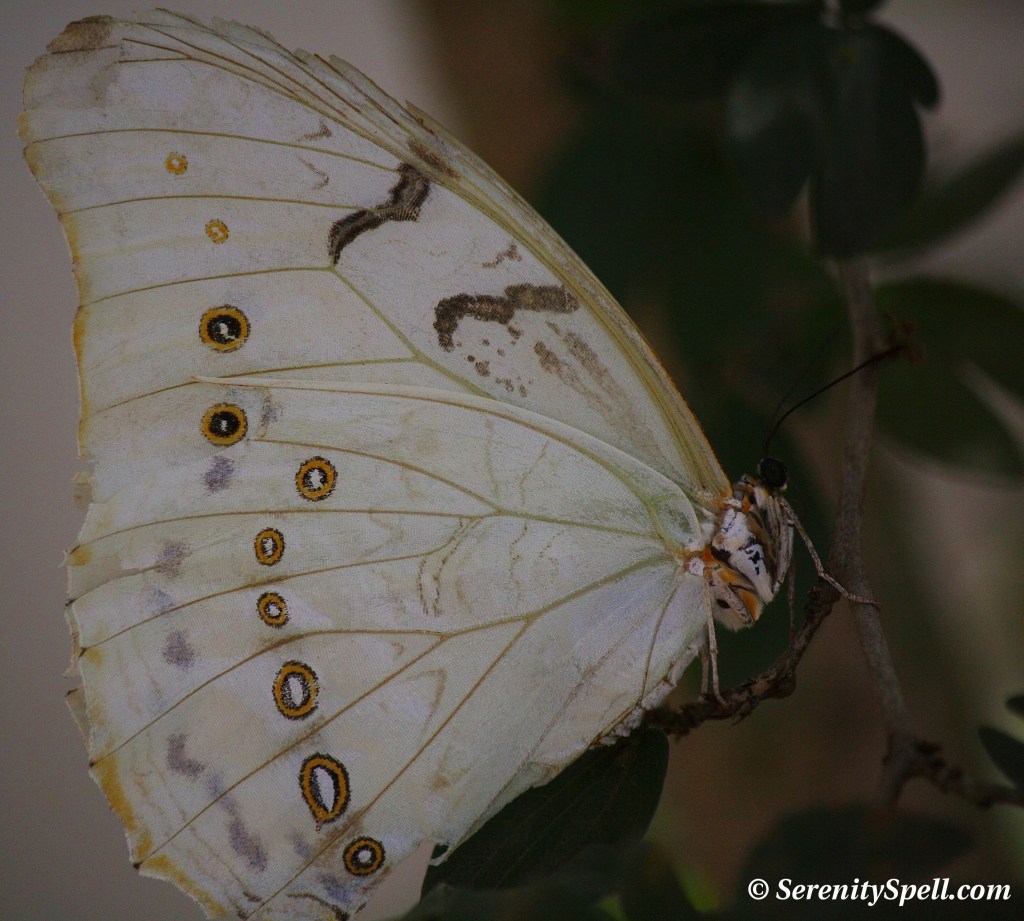
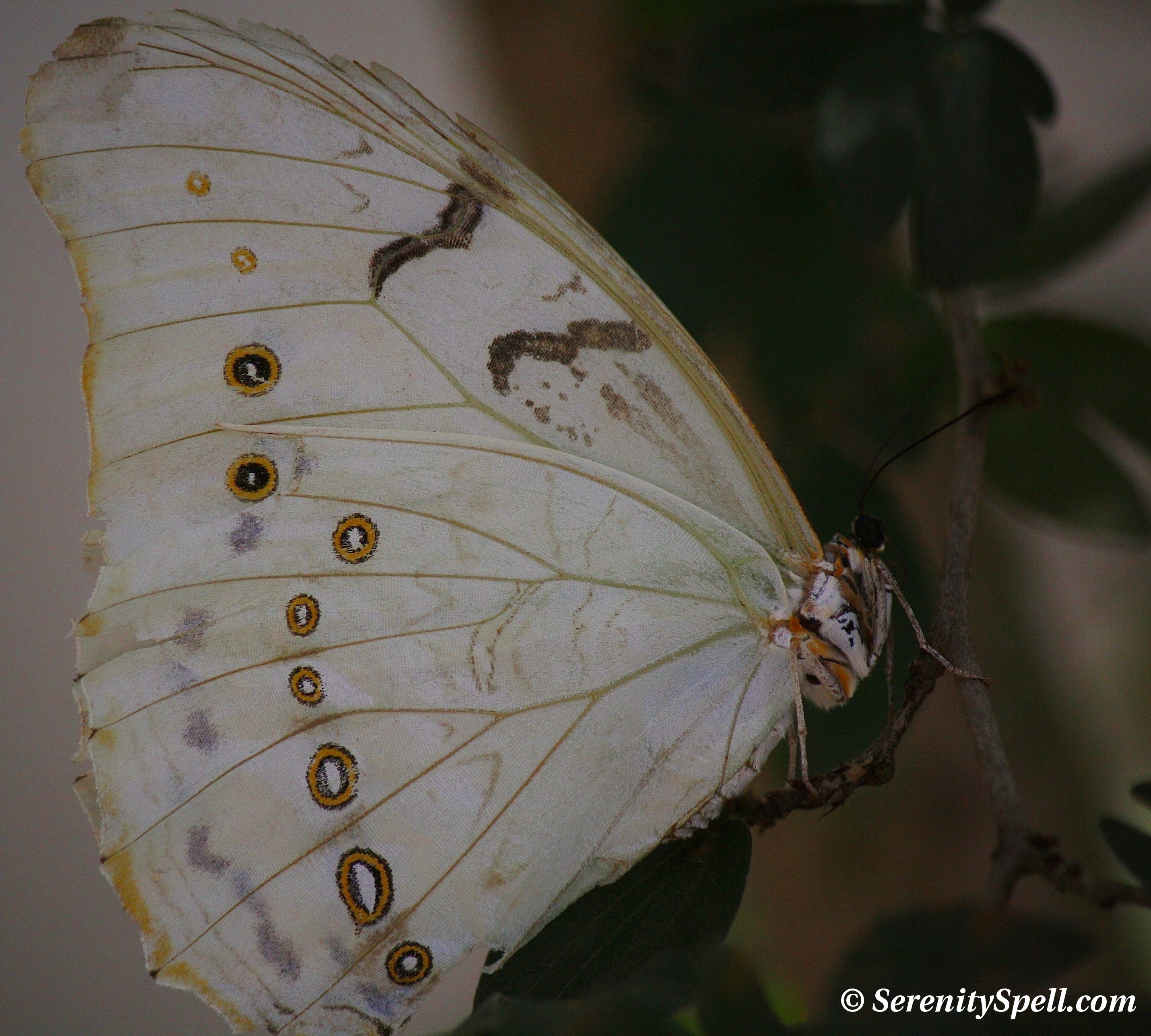
White Morpho Butterfly
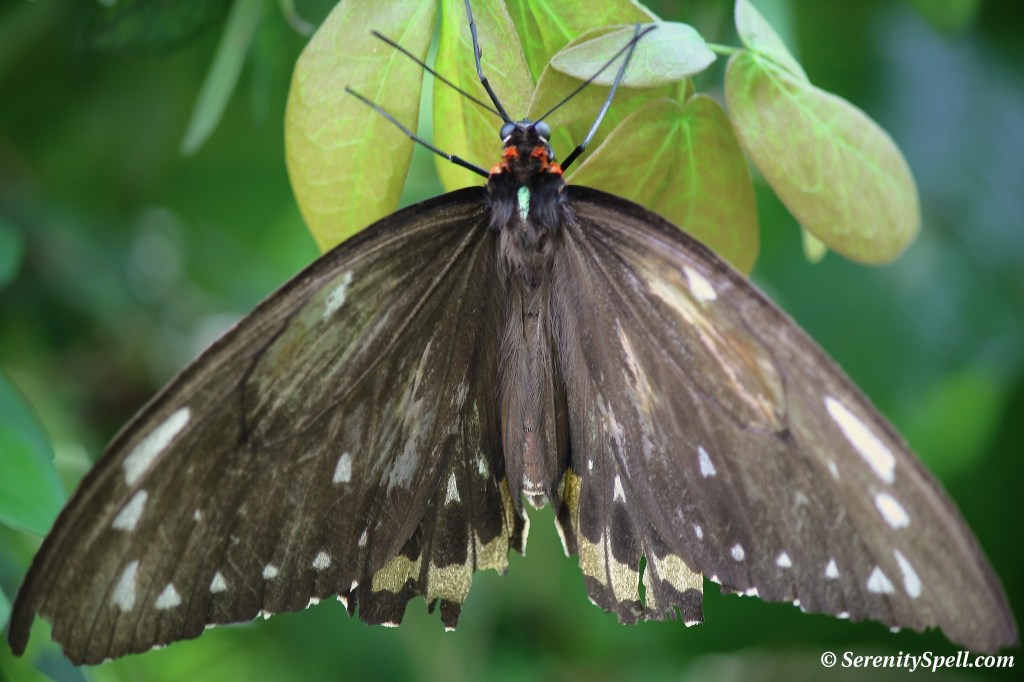
Still trying to figure this one out…

…And on to the birds!

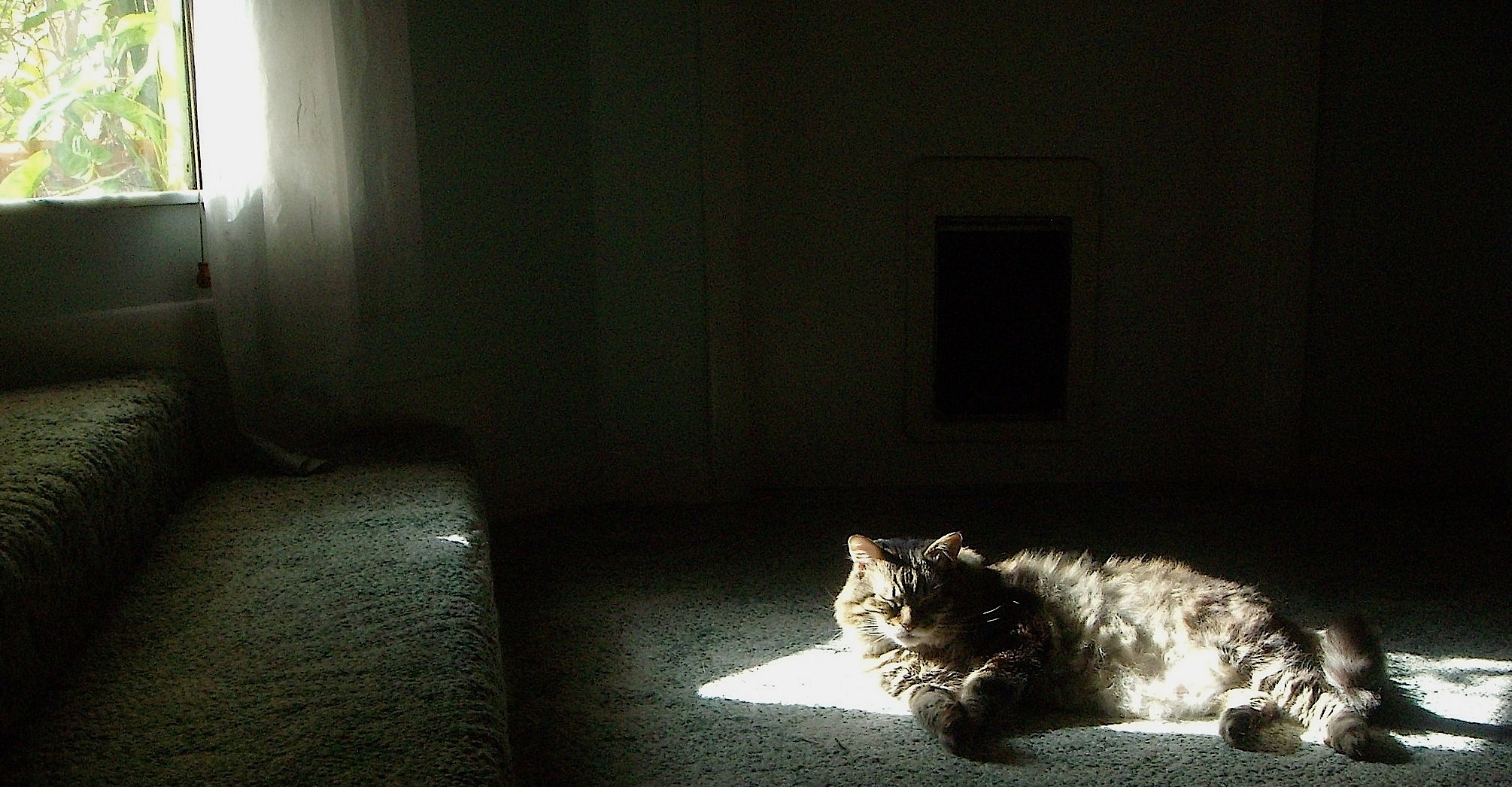
Sunbeams Forever

I don’t usually delve into personal issues, but I had to honor her. And I won’t harp on those sad, unfortunate souls who dumped her in a sparse Florida field abutting alligator-infested lakes, to fend for herself. There are many of these, and I’d rather not give them the power of my words — I’ll bestow that upon the efforts of the rescue groups and individuals doing so much for the abused and abandoned animals of the world, in countless ways. Rather, I’ll thank whoever abandoned her, for bringing us together. Confused, starved, covered in filth, and physically broken — but still desperate for human affection.

She quickly grew to thrive in the alpha role of the household, not thoroughly appreciating the new rescues, but always maintaining a calm, steady, and queenly presence…. “You know, death in the animal world isn’t seen in the same morose light as death in your world. Just let them be; they’ll make their ways fine and dandy on their own,” she seemed to say, in her haughty and gorgeous half-Maine Coon self. Of course, if they came to me, I couldn’t ignore their plights.

But on the first day of the glorious month of June, I bid farewell to my little princess after 17 years — how old she was exactly, I’ll never know. Nineteen? Twenty? She was fully grown when we pulled her out of that overgrown field; an abandoned housecat surviving major injuries during her fight for survival, including broken legs — which we thank Cosequin and Adequan for their help in easing her pain — but which would prove to be too much at the end of her long life. And after surprising everyone, in beating diabetes and stalling kidney failure (with the help of insulin and natural treatments) — the final straw would prove to be a stroke or brain tumor, creating mental confusion, a personality shift, and even more pain and weakness to her already damaged legs — quickly prompting us to make a most loving decision. It never gets easier. They’re a part of our family, and it’s our responsibility to honor them in these most precious moments, as quickly as possible. I’m ever-grateful and thankful for my vet, who makes house visits to perform this final transition, in the comfort of the animals’ surroundings.

My darling girl, Puss-puss, may you forever bask in sunbeams, pouncing freely on objects unawares. And while there may now be more space on the bed (“perpendicular” was her favorite position), I thoroughly expect your expansive and ethereal self soon enough…. As fellow bloggers Pat Bean and Whitebird so perfectly re-quoted recently:

 “Don’t cry because it’s over. Smile because it happened.” —Dr. Seuss

✿ ♥ ✿ ♥ ✿ ♥ ✿ ♥ ✿ ♥ ✿

Love is life.
All, everything that I understand,
I understand only because I love.
Everything is, everything exists, only because I love.
Everything is united by it alone.
Love is God, and to die means that I, a particle of love, shall return to the general and eternal source. —Leo Tolstoy

Princess Puss

Princess Puss

A Portrait in Patience

A Great Egret patiently stalks its meal among South Florida’s protected wetlands, with the purple stalks of the aquatic plant, pickerelweed, reflecting on the water’s surface. Both egret parents feed the chicks during the nesting period, which remains in high swing. Fortunately, they don’t have to travel far to forage for food, as there’s an abundant supply in this wonderful preserve; and within a few miles of these wetlands lies the Everglades. Observing the egret’s focus, intent, and diligence is a true lesson in patience — but a few humans have had poetic insights into this state of steadfastness:

Adopt the pace of nature: her secret is patience. -(Ralph Waldo Emerson)
Have patience. All things are difficult before they become easy. -(Saadi)
Patience is the greatest of all virtues. -(Cato the Elder)
Patience is the companion of wisdom.
-(Saint Augustine)

Endurance is patience concentrated. -(Thomas Carlyle)
He that can have patience can have what he will.
-(Benjamin Franklin)
Our patience will achieve more than our force.
-(Edmund Burke)
Patience and Diligence, like faith, remove mountains.
-(William Penn)
Patience and tenacity are worth more than twice their weight of cleverness.
-(Thomas Huxley
)
Why is patience so important? Because it makes us pay attention. (Paulo Coelho)


A Great Egret Patiently Stalks Its Meal in the Florida Wetland

A Marsh Rabbit Baby, and a Few Fae

As promised in a recent post, I was lucky to sneak up on a baby marsh rabbit during a recent walk in our wetlands — not always the easiest thing to do with wild adult rabbits, let alone the babies. (Learn more about Marsh Rabbits here.) And as promised…. Cuteness factor through the roof! In honor of their adorableness, I included vintage illustrations of rabbit romps with fairies, and fairytale rabbits — because when I see these delicate marsh rabbits (or as I call them, swamp bunnies, much to the chagrin of the more uptight naturalists), especially the babies — it’s hard not to picture them in such a setting. I like to envision fae around all critters, helping us occasionally close-minded humans love and appreciate their, and Nature’s beauty all that more.

Marsh Rabbit Baby in the South Florida Wetlands

“Fairy and Rabbits,” by Ida Rentoul Outhwaite

“A Rabbit Among the Fairies,” by John Anster Fitzgerald

The Brothers Grimm, “The Rabbit’s Bride,” by Walter Crane (court. Project Gutenberg)

“The White Rabbit,” by John Tenniel

“The Tale of Benjamin Bunny,” by Beatrix Potter

“Once you are Real you can’t become unreal again. It lasts for always.” So, with the help of the fairy who cares for all playthings, and makes them Real…

“The Velveteen Rabbit,” by Margery Williams (Ill. by William Nicholson)