Skip to content

Posts tagged ‘birds’

The Nesting Great Blues

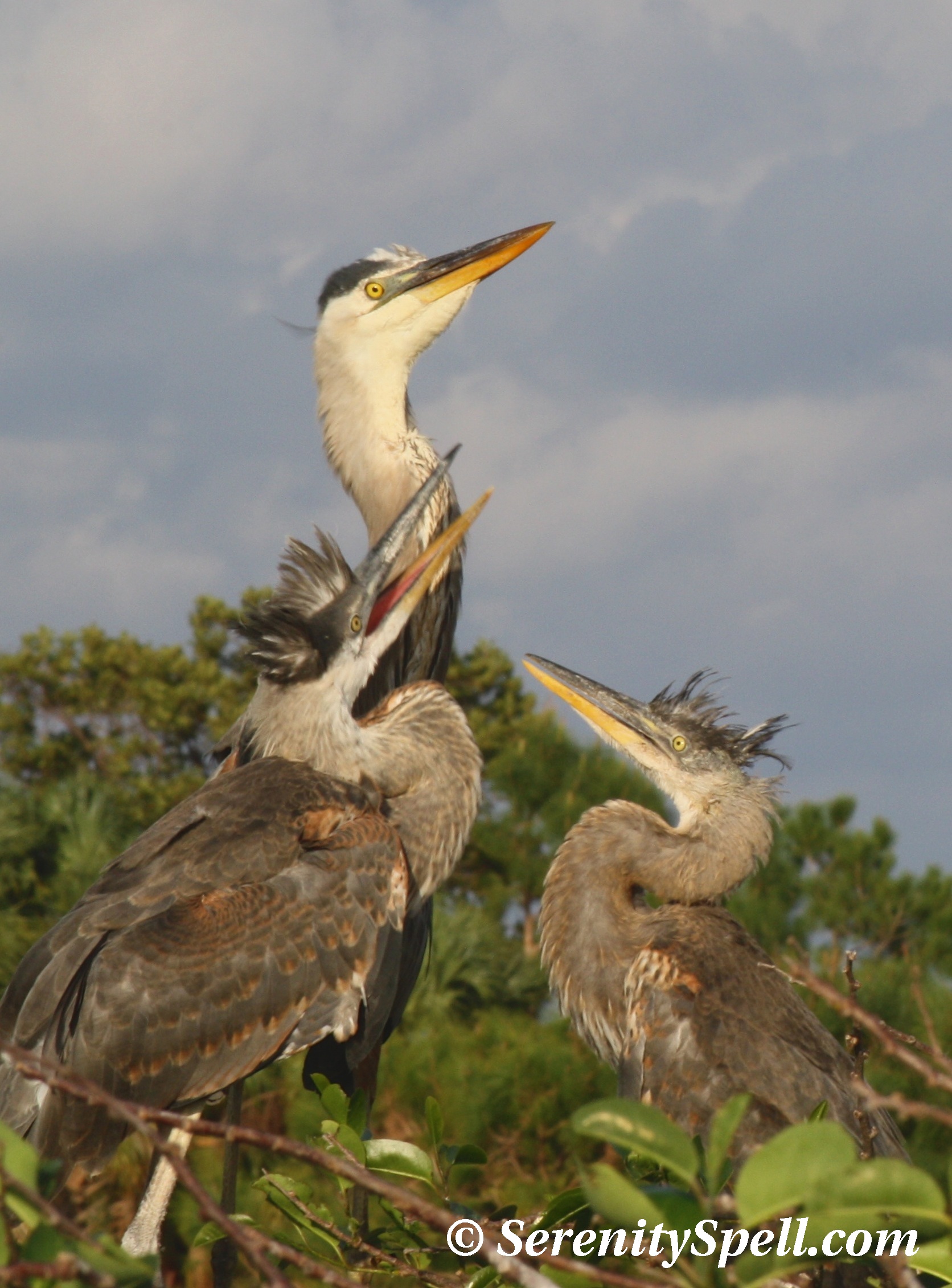
I’m lucky to have close access to the Green Cay and Wakodahatchee Wetlands (Seminole for “created waters”), and when we’re not able to hike the Everglades or some of the other far-reaching natural area, a stroll around these boardwalks will soothe my spirits. It’s full-on nesting and baby season, and while I’ve posted some pics of the anhingas and others (the baby gators I’ve yet to post), I’ve saved the biggest for last: the ever-so-graceful Great Blue Herons. Their displays at the rookery fuel the attentions of every amateur and professional photographer and birdwatcher for miles, and the meek (*me*) have no place if it’s crowded…which is fine, because while the herons are divine, there’s plenty of other loveliness to be found when no one’s looking.

The Great Blue parents share the responsibilities of feeding their young at the nest, by hunting on a full-time schedule and regurgitating the food. The battle for food is brutal among the chicks; the first to hatch is more experienced in food handling, and consequently grows more quickly than the others. Such aggression in the interaction with the sibling chicks (as well as the discrepancy in size) can be seen at the Wakodahatchee rookeries, where the humans root for the younger, weaker chicks that consistently lose after fierce battles for food. This particular nest had two young herons — there initially may have been more eggs however, because we spied an iguana lurking in the depths of the rookery, obviously looking for eggs to steal.

For More Information:

The size discrepancy of the chicks often dictates the winner of the food…
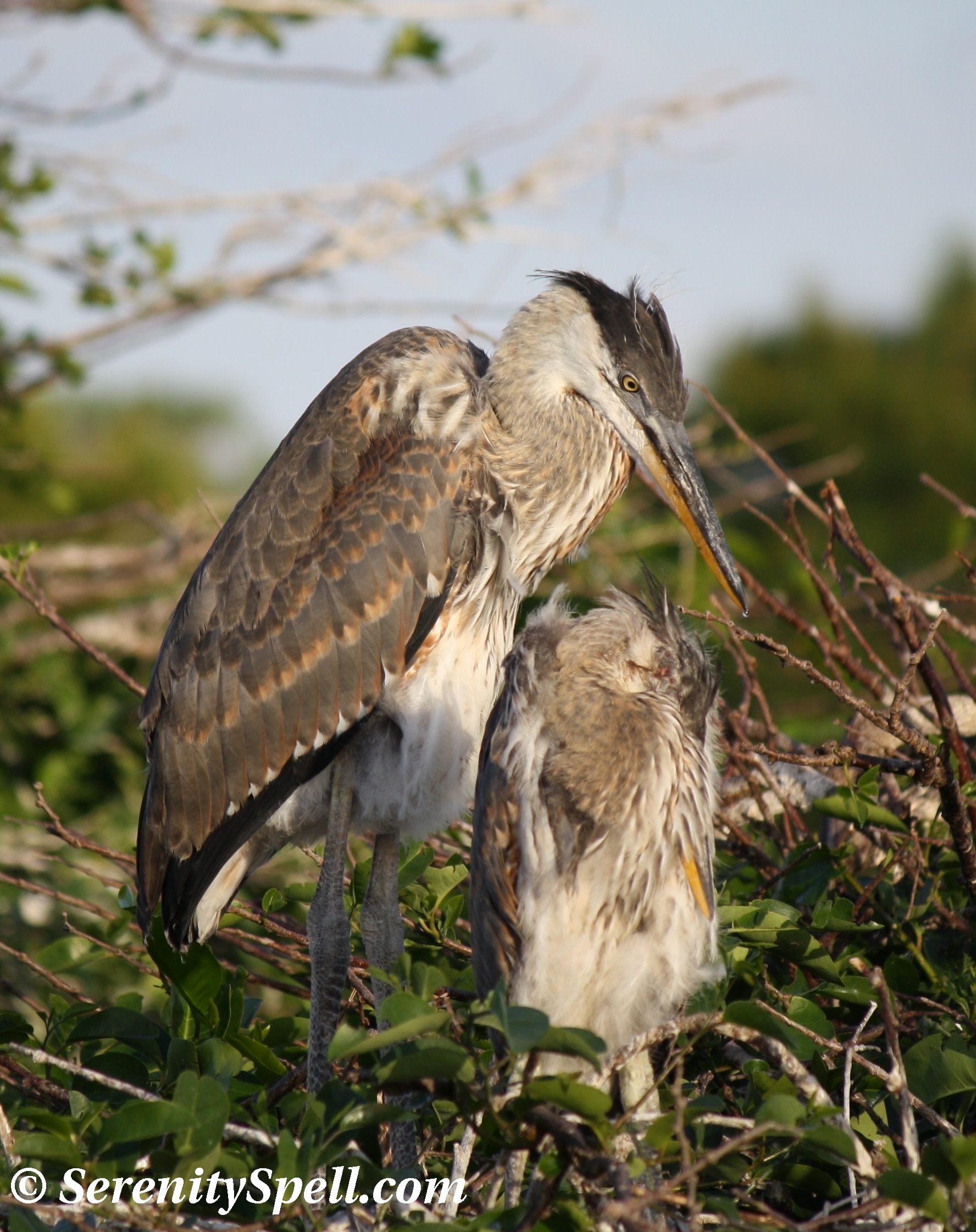
The end of a fierce struggle for food…

Night Herons for Eddie

I’ve harped on the frustration I occasionally feel during our snowbird season — besides the increased trash in our protected and endangered wetlands and Everglades, it seems as though (*SOME*) visitors treat the natural spaces like a trip to Disney, screaming and seemingly doing their best to frighten the native wildlife. Additionally, with more than 140 species of birds identified at the site, and the fact that it’s part of the South section of the Great Florida Birding Trail, Wakodahatchee is most definitely a birdwatcher’s paradise. This can be a mixed blessing, depending on the birdwatcher’s/photographer’s temperament.

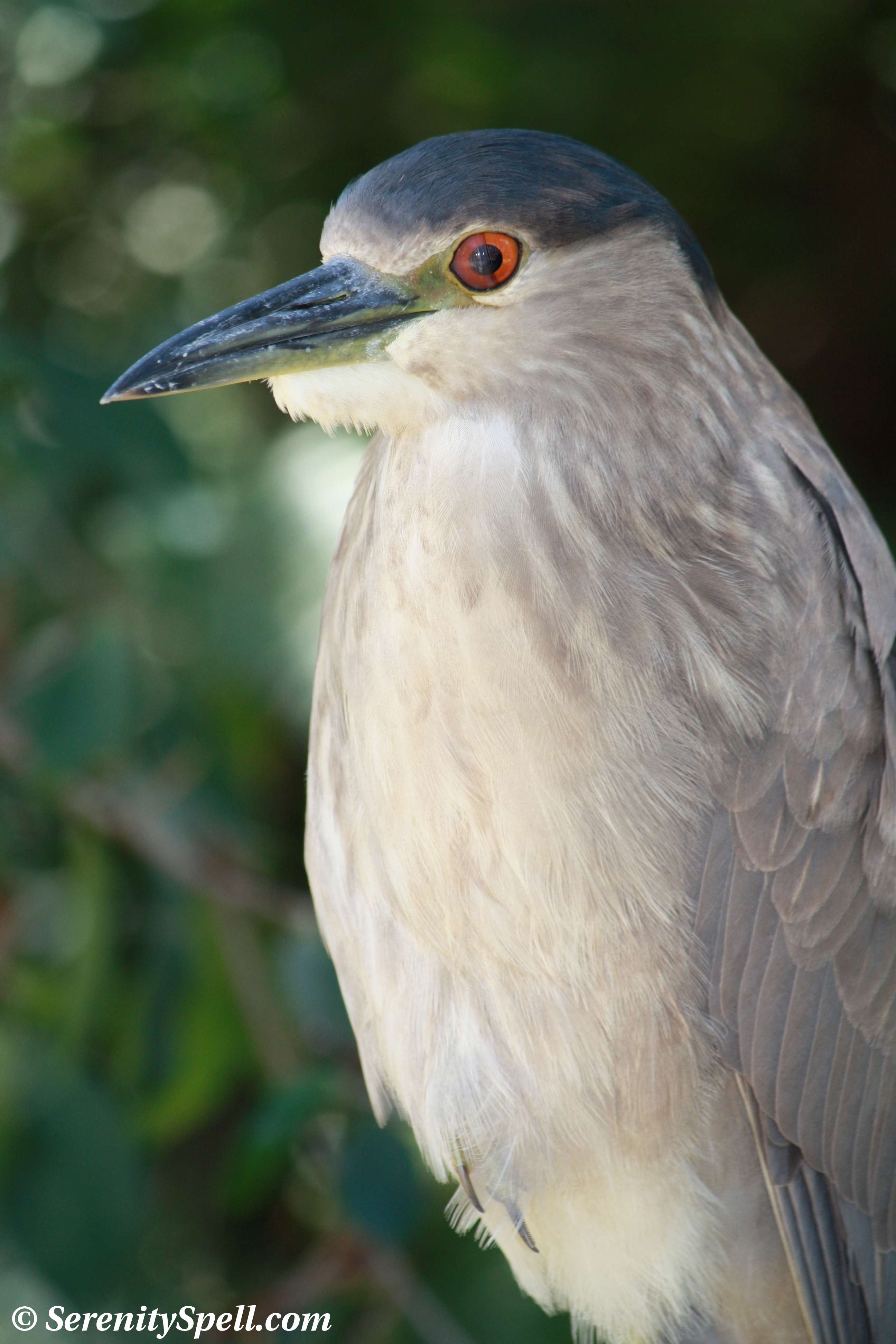
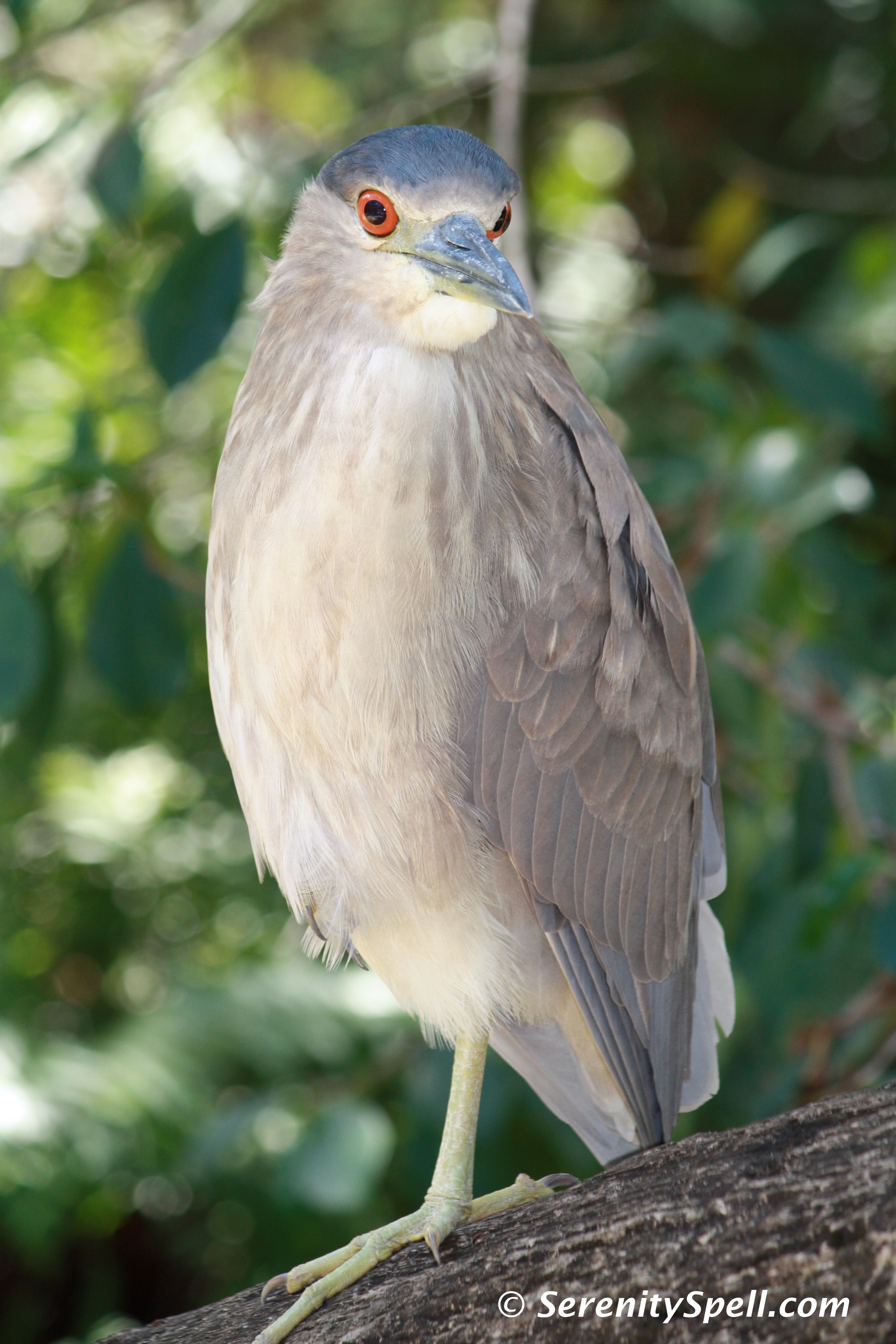
But more often than not (perhaps because I have a great knack for ignoring the obnoxious), I’ve met the kindest people on the boardwalks. During my most recent visit to Wakodahatchee, to admire the wetlands’ newest residents (it’s nesting and baby season at Green Cay and Wakodahatchee), I had such an encounter…someone who operated at my quiet and subdued speed — not at the loud and frantic pace that can be curiously spied at these locations. He regaled me with stories of old Puerto Rico and a young Raúl Juliá (one of my all-time favorite actors), and their safaris to the beaches with their paso finos. It was like storytelling hour for me, so I want to thank him. One of his favorite birds is the patient and often shy Black-crowned night heron, so this is for you Eddie!

For More Information:

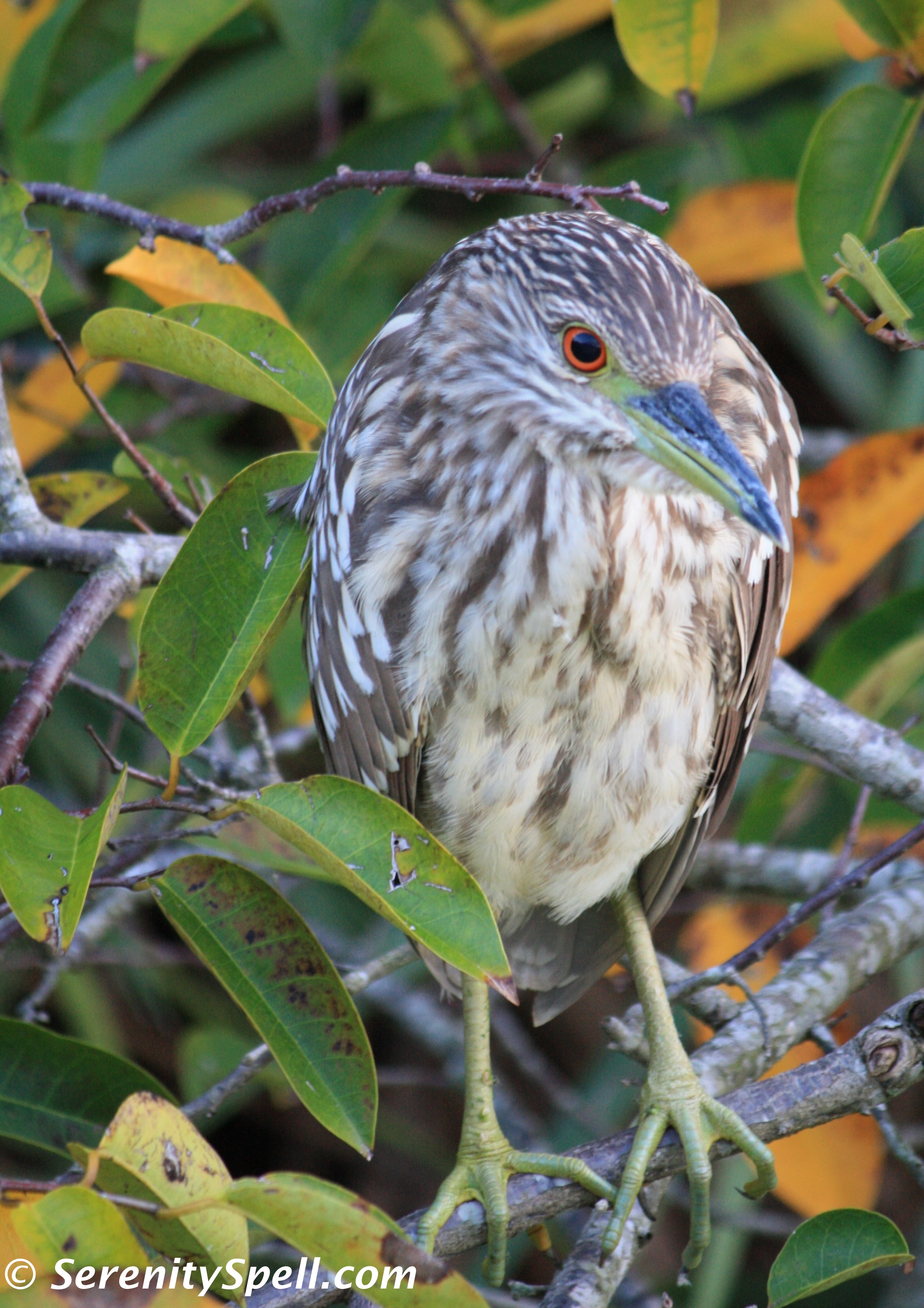
And a juvenile:

Nesting Season at Wakodahatchee

For the last two months, it’s been nesting and baby season at the Green Cay and Wakodahatchee Wetlands — oases of green in South Florida’s suburbia, nestled on the edge of the Everglades. In the Seminole Indian language, Wakodahatchee translates as “created waters” — and that’s exactly what’s been done at these wetlands. Wakodahatchee’s present-day 50 acres of wetlands were, in their previous incarnation, unused utility land. But the space has been transformed into an Everglades wildlife ecosystem, with marsh habitat, intermittent tree islands, and cypress hammocks. Each day, the Palm Beach County’s Southern Region Water Reclamation Facility pumps nearly two million gallons of highly treated water daily into Wakodahatchee; the wetlands themselves further naturally cleanse, recharge, and filter the remaining nutrients and maintain earth’s water cycle. Dozens of different species of trees, shrubs, and aquatic vegetation were also incorporated to help manage this feat.

Wakodahatchee is a birdwatcher’s paradise — the site is part of the South section of the Great Florida Birding Trail, and common sightings include egrets, herons, ducks, grebes, bitterns, ibis, moorhens, warblers, blackbirds, cardinals, owls, hawks…and the list goes on, with more than 140 species identified. Many turtles make their home at the wetlands, and marsh rabbit can also be seen in the grassy and low-lying areas. As always, alligator sightings are common at Wakodahatchee, and non-poisonous snakes and frogs live on the fringes of the boardwalk. But I’ve even had the most fortunate sightings of shy otters and bobcat. Right now however, it’s the babies that are catching everyone’s eyes….

For More Information:

A most entertaining trio of young anhingas:

Big Like You: The crowded rookery, with great blues, anhingas, tri-colors, and ibises (the egrets have their very own space):

Yummy mealtime for the young anhingas (those mommas work hard)…

And some of the rookery’s newer fuzzy anhinga residents…

Bedtime at Green Cay

The ibis roost in the island trees, the anhingas dry their wings in the remaining sun, the herons take baths for what seem like hours, and — if you’re lucky — you can catch a glimpse of an owl or two….

For More Information:

This slideshow requires JavaScript.

The Babies of Wakodahatchee

There are always babies at Wakodahatchee, at any given time — baby herons and egrets, baby ibises, baby ducks, baby shorebirds and songbirds, baby rails, coots and moorhen, baby turtles, baby alligators…. With 140+ species of birds alone at the site, there is constant nesting activity. It’s tremendous for the wildlife to have this protected habitat in the middle of South Florida’s suburban sprawl, on the edge of the Everglades — and equally favorable for the humans to silently appreciate Nature and her own lovely order.

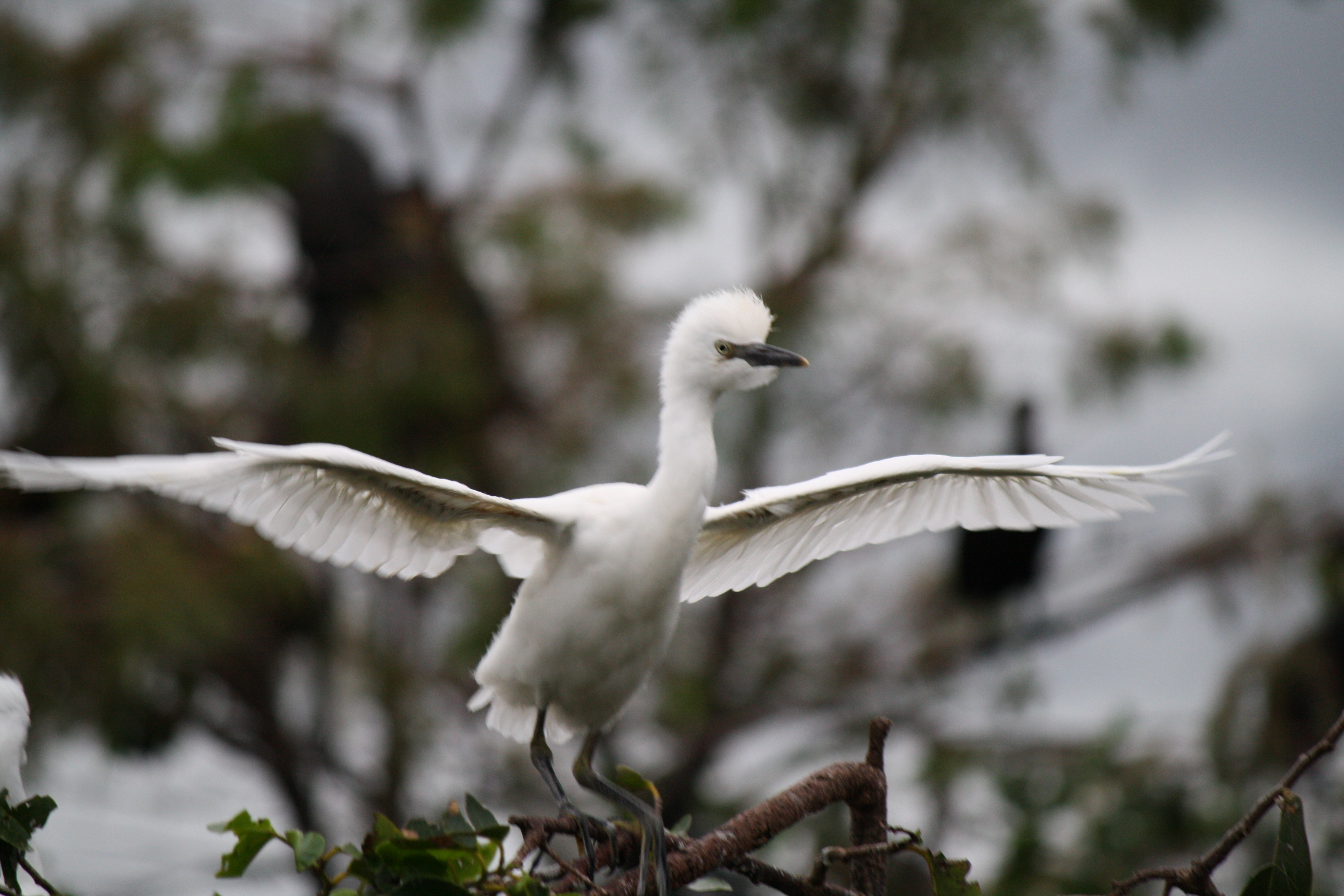
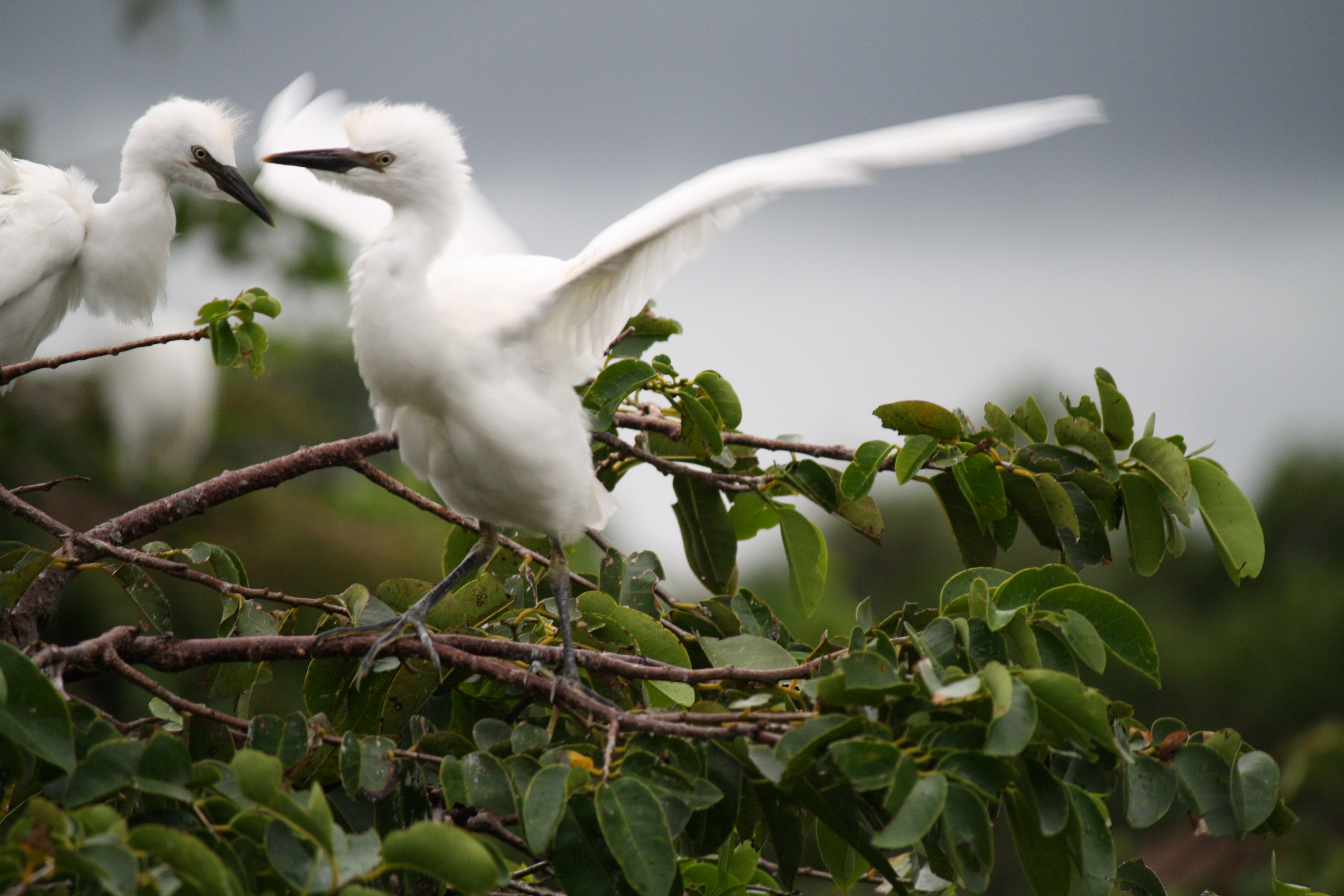
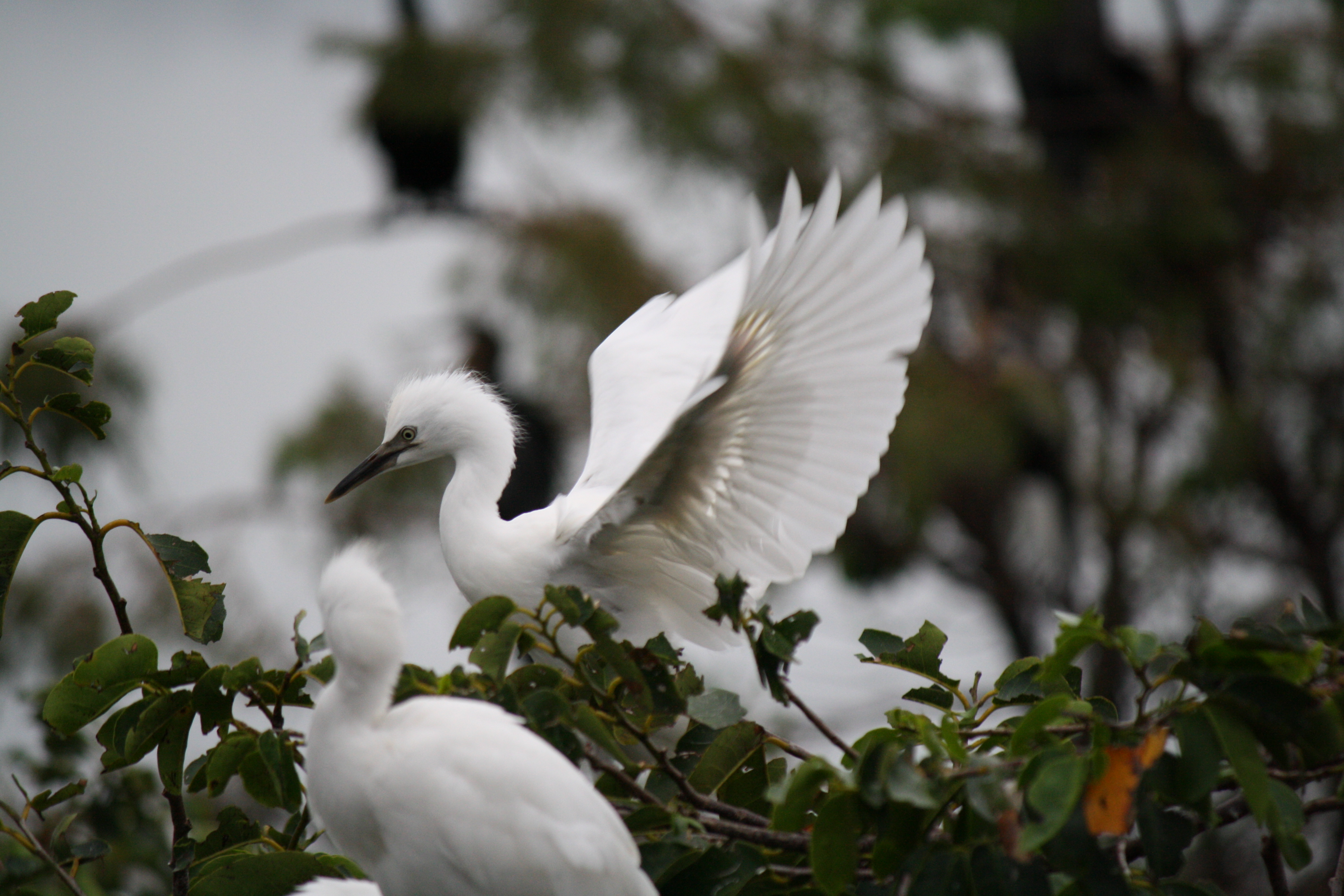
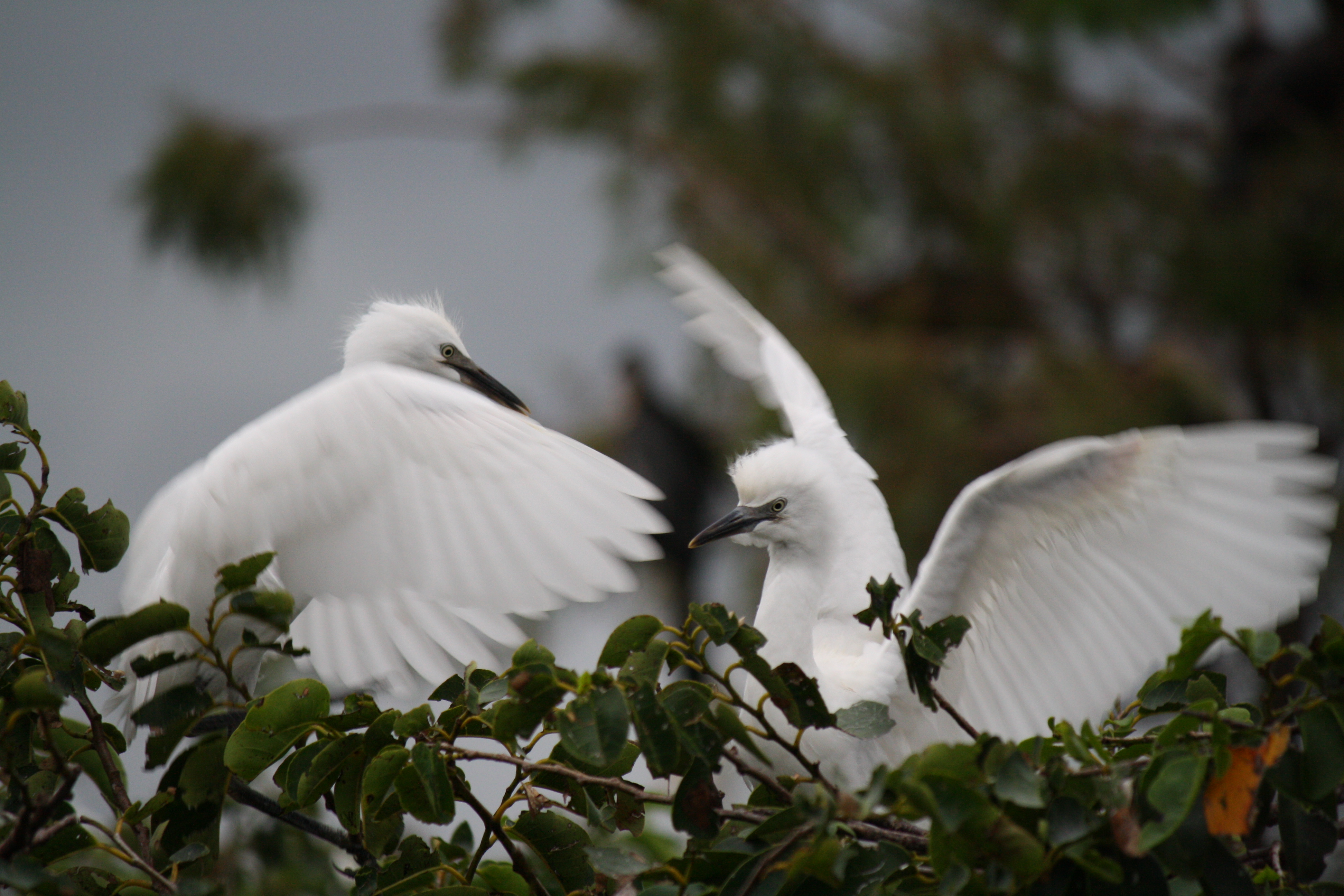
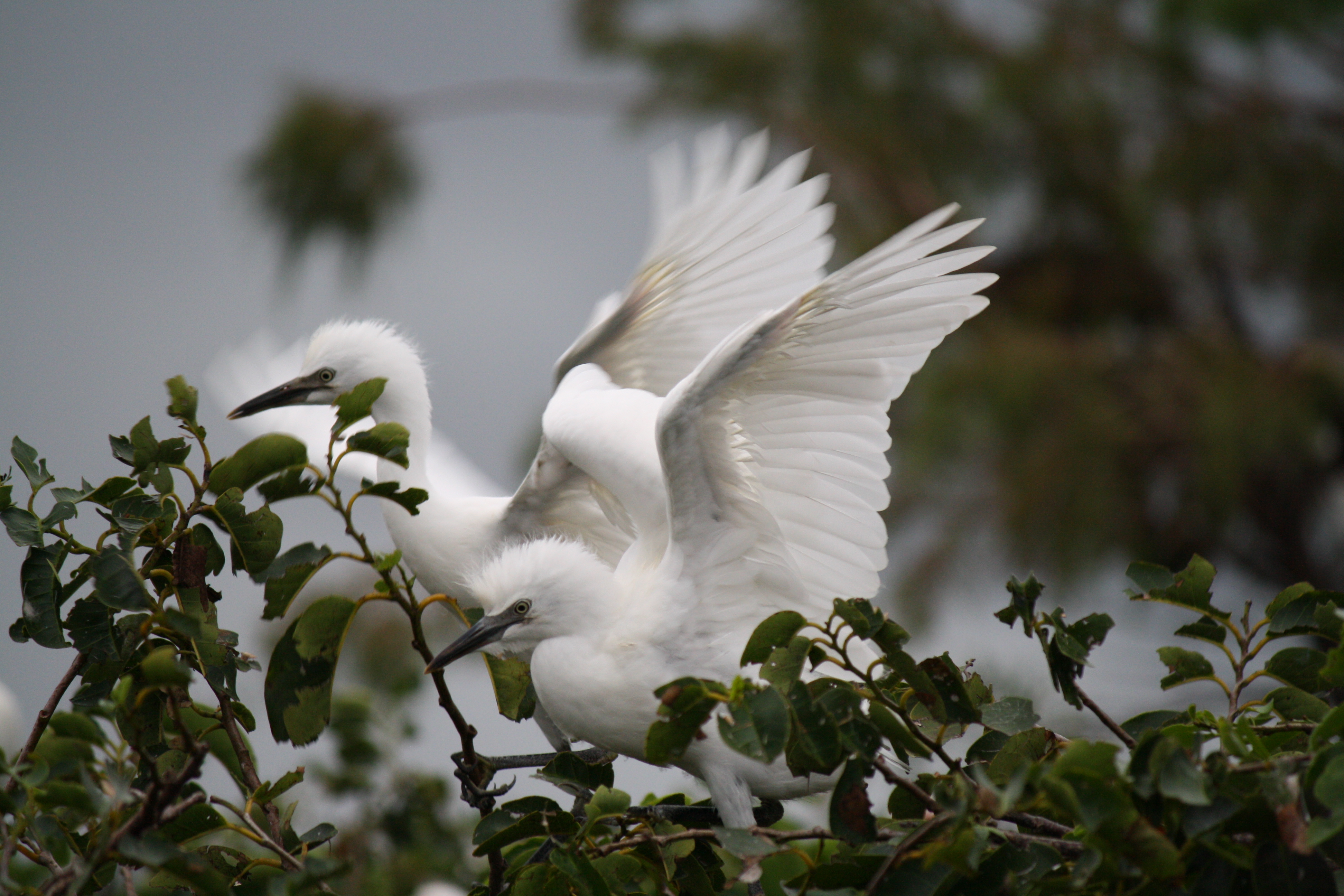
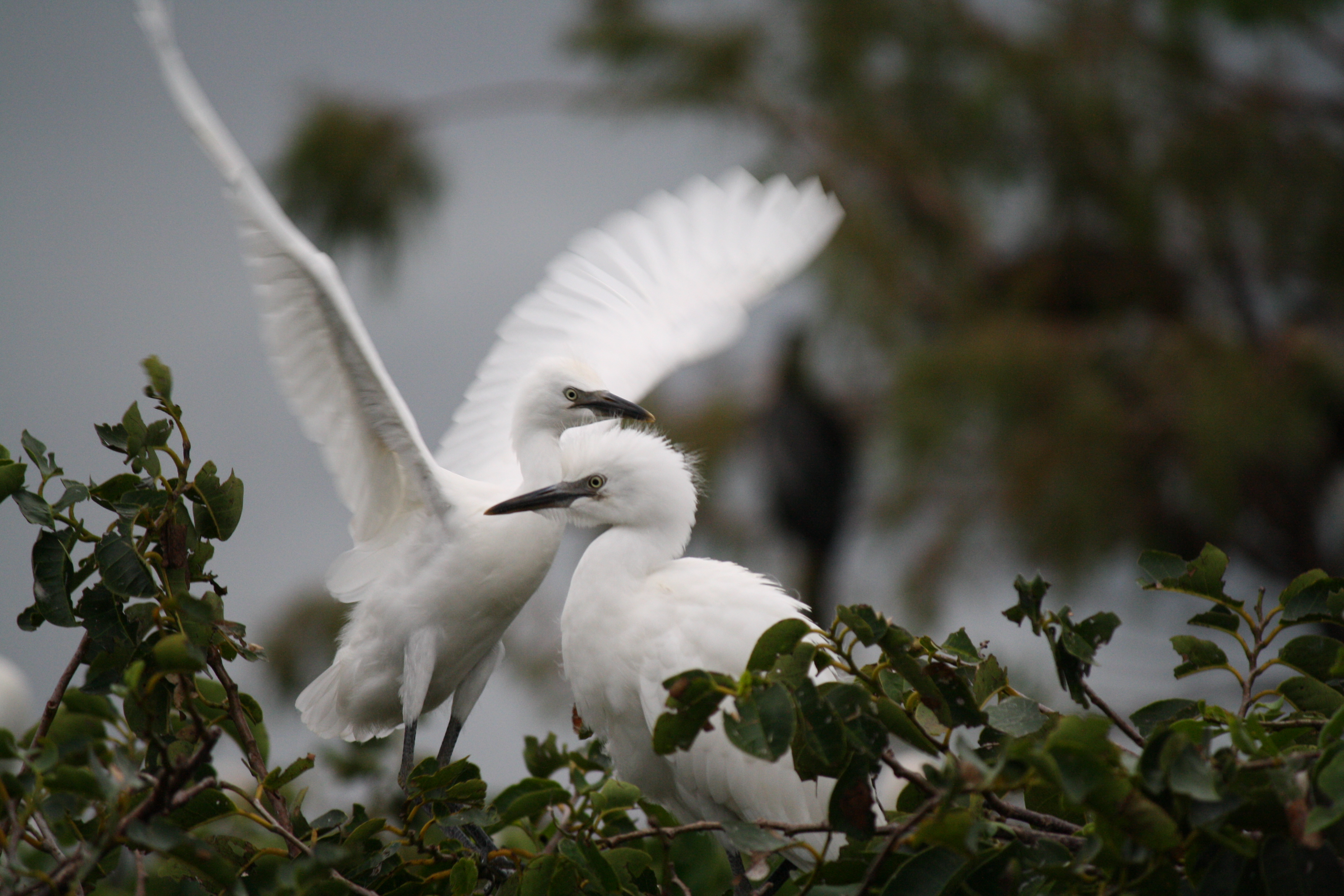
Here, Cattle Egret nestlings put on a show and tussle with each other in the rookery….

Useful Websites: