Skip to content

Posts tagged ‘birds’

A Young Great Blue’s Meal

I had been watching one of the Great Blue Herons at our local wetland preserves a few weeks ago; she only had one baby, which is a bit unusual for the species. I watched as she built her nest high in the cypress trees, then dutifully guarded it, alone…. There was no male in sight, which is likewise unusual. Usually both the male and female remain at the nest, and hunt for the young. There aren’t as many human visitors at these particular wetlands, due to the lack of active rookeries — which suits me just fine; the baby alligators, birds, butterflies, marsh rabbits (or swamp bunnies as I’m fond to call them), and if I’m lucky, bobcats, keep me company.

I always spied this Great Blue hunting in the same area — a swath of dry land near a small swamp frequented by the bobcats. Visitors would stroll right by her, she blended so perfectly with the landscape. This choice of hunting grounds would explain her meal below — Yummers! It’s no surprise that these birds have been known to choke to death while trying to swallow meals that are too large for them.

What has she been trying to regurgitate…?

Well, oh my.

Rainbows in an Endangered Finch

In all things of nature there is something of the marvelous. —Aristotle

I captured this brave little fellow at Butterfly World’s Jewels of the Sky Aviary, the largest free-flight hummingbird aviary in the United States. It’s a most amazing, beautiful, and fairy-like place — a huge and lush flower-filled habitat of Hummingbirds, Honeycreepers, and Euphonias.

The Gouldian Finch (Erythrura gouldiae), also known as the Lady Gouldian Finch, Gould’s Finch, or the Rainbow Finch, was named for Elizabeth Gould, wife of British ornithological artist John Gould. This spectacularly-colored little bird is native to Australia, where their numbers have decreased dramatically throughout the 20th century due to habitat loss. They remain an endangered species in their natural habitat, with less than 2,500 remaining.

In 1992, the species was classified as endangered in the wild. That same year, Catwoman stuffed a poor Gouldian into her mouth in Batman Returns— some say, to raise awareness for their plight.

Catwoman eyes the Penguin’s Gouldian in “Batman Returns”

However, they’re popular birds in captivity and among breeders, which keeps their general populations higher. The delicate Gouldian Finches are difficult to breed outside of their native Australia — they demand a clean environment and excellent nutrition to survive and thrive, and aren’t suggested for novice breeders. (I personally have issues with caged birds, but wanted to include this tidbit.) While attempts at their reintroduction have proved unsuccessful, thankfully these lovely finches are the subject of a conservation program in Australia. There are currently plans to recover and conserve their natural habitats, with management guidelines discussed to educate landholders about land management, promoting the recovery program, and Gouldian Finch conservation.

Gouldian Finches gather in flocks in the wild, most likely to protect against predation. They’re highly sociable birds, but more often with other birds than with humans. Both sexes are brightly colored, with black, green, yellow, and red markings — but with selective breeding, there are now many color mutations. As usual, females tend to be less brightly colored (the males do the strutting). Gouldians bond and mate for life.

In honor of this beautiful, endangered, and brave little finch, may you have an equally bright weekend!

Gouldian Finch (Rainbow Finch)

On the Wings…

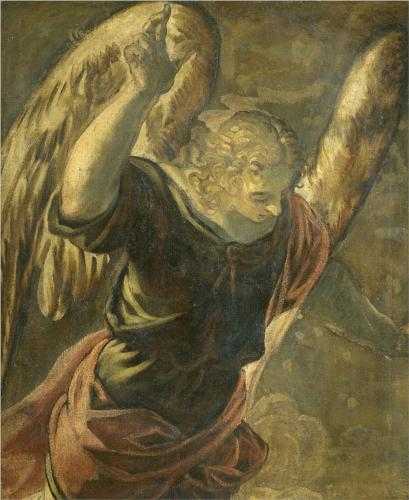
It’s easy to see why the wings of birds were appropriated for heavenly messengers in early religious art. Their combination of delicacy and strength — of grace and sinewy power — is mesmerizing. There were no wings donned by angels in the earliest Christian art, however. Beginning in the 4th Century, halos were replaced with wings to represent heavenly figures, and any creature of the divine. But it was during the Renaissance and Baroque periods when the winged angelic messenger really took root in the artistic and cultural mindset.

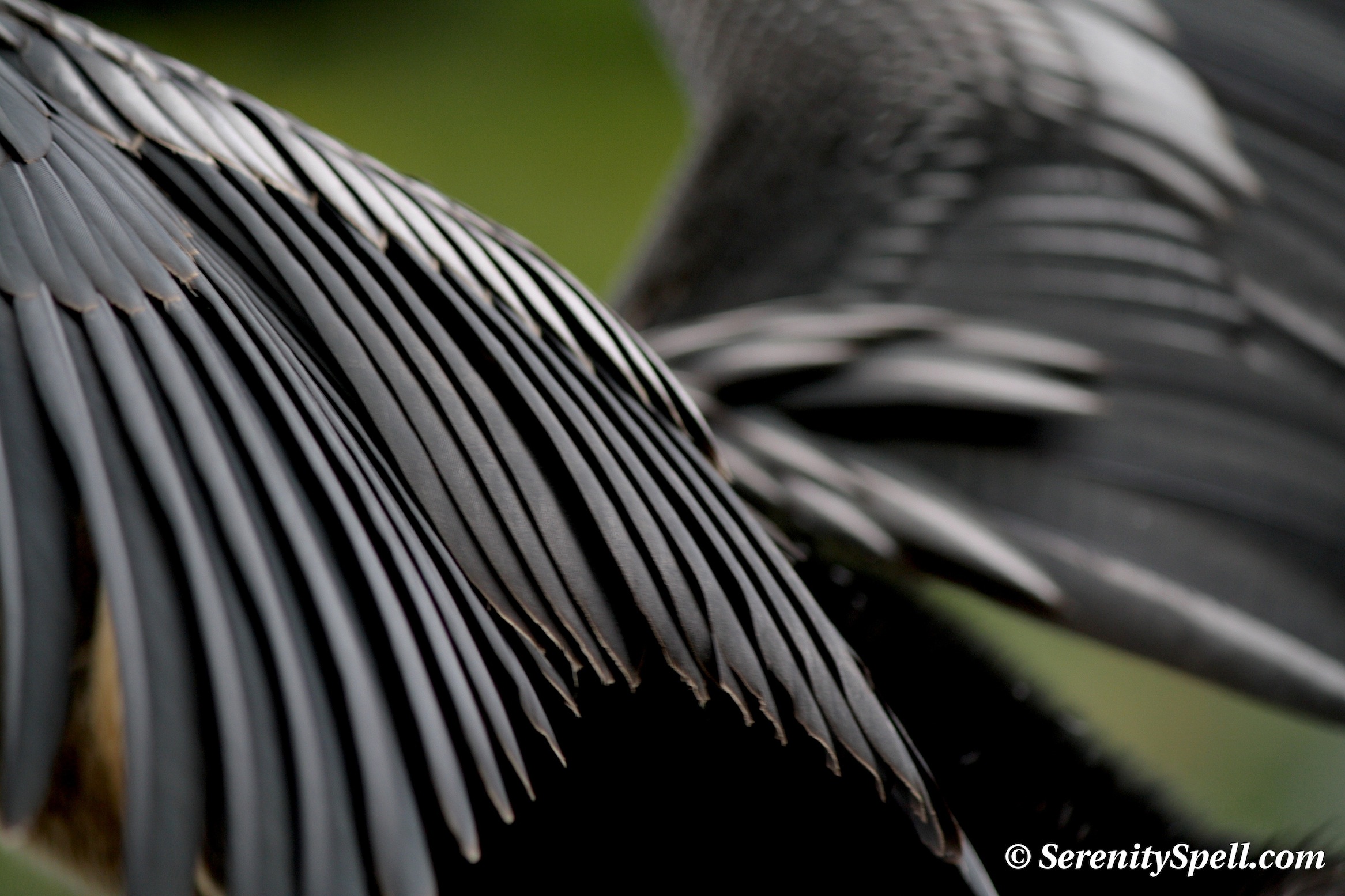
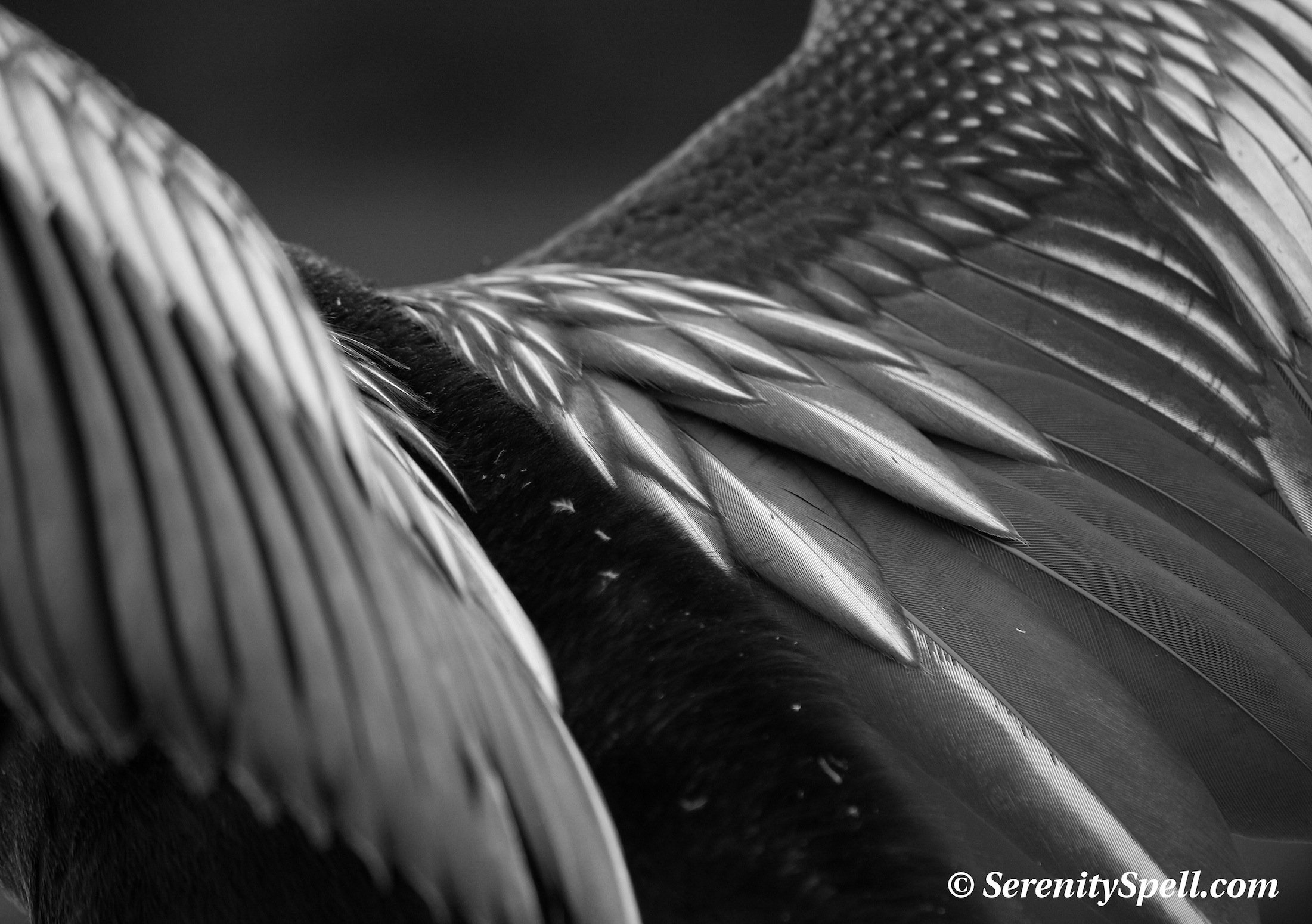
Here, two separate cormorants stretch their wings to dry after fishing in the South Florida wetlands bordering the Everglades. Similar to the cormorant-like anhingas, their feathers don’t possess the waterproofing oil of other seabirds, and they must dry their feathers after each fishing trip.

Cormorant Wings, Florida Wetlands

Cormorant Wings, Florida Wetlands

Tintoretto’s Annunciation Angel

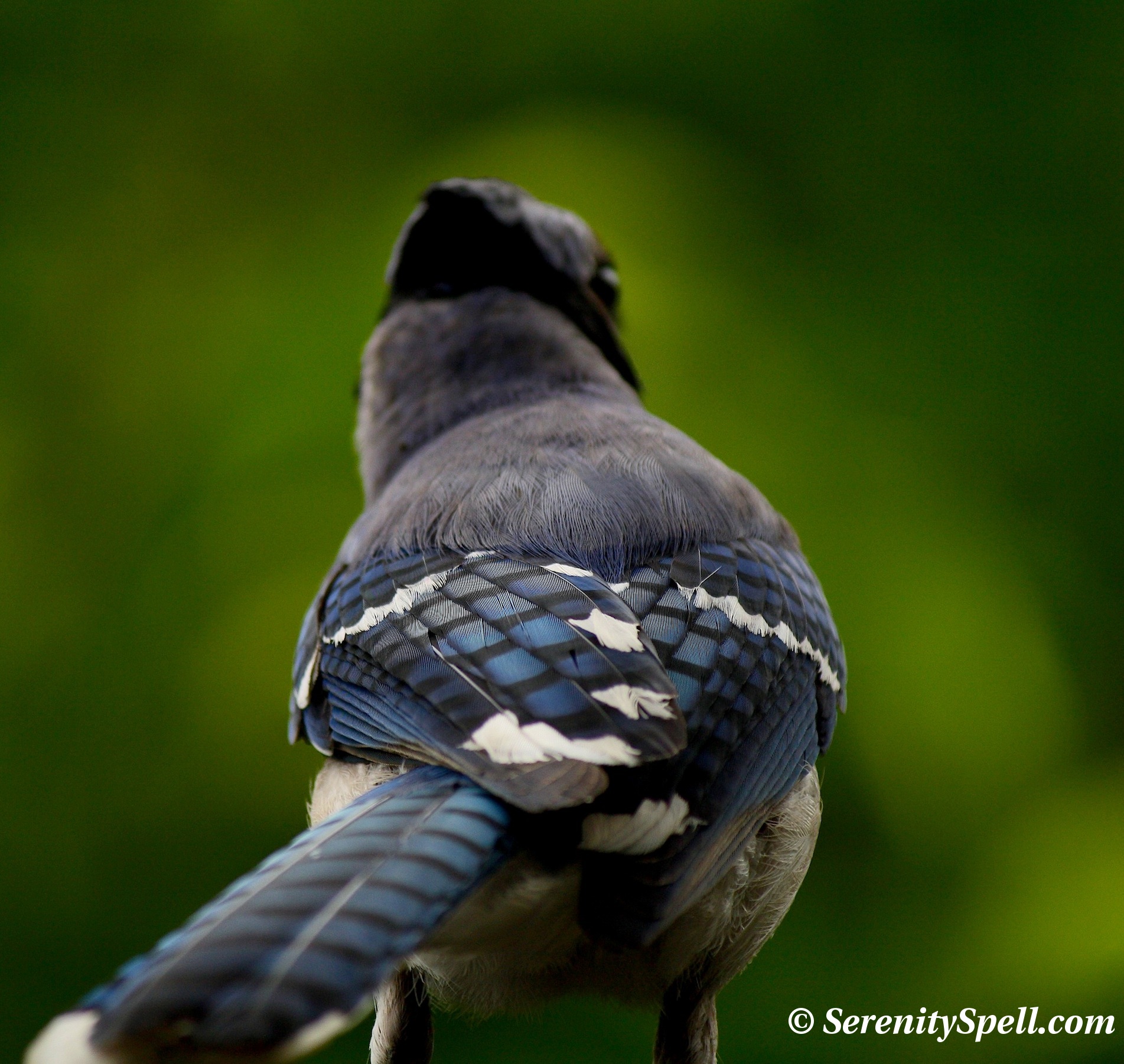
A Sweet and Radiant Jay

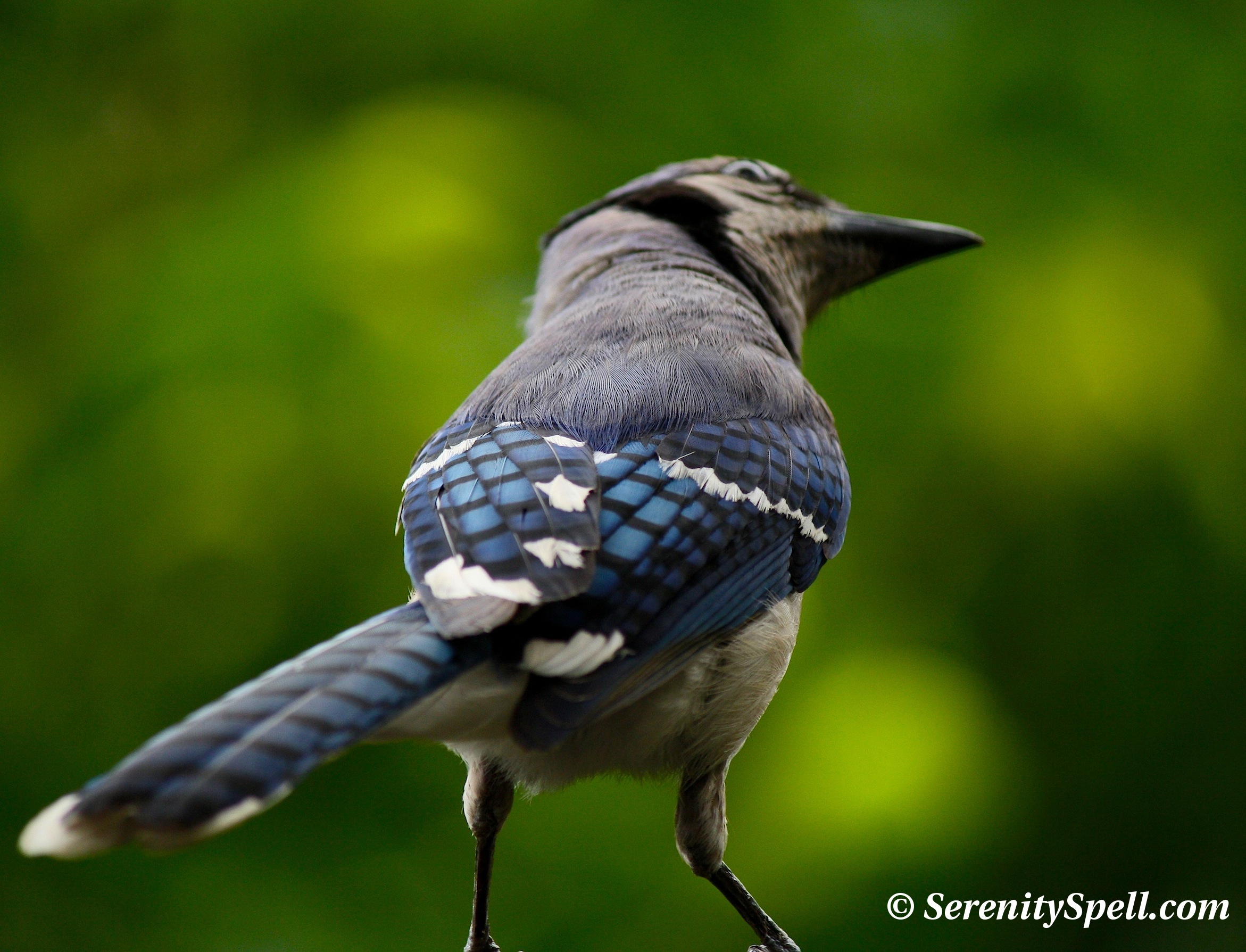
Following the loss of my lovely little feline, my guy and I quickly began spying my beloved grandparents’ (long passed) cardinals everywhere…. Not a completely rare phenomenon in our region, but definitely not common — and not to the degree that we were witnessing. In the orchid tree outside our window, on the hike we took the following day, on the way to the car — literally everywhere. Immediately after the cardinals, the blue jays appeared. When one came to peacefully rest beside me in the wetlands, I had to honor these bright beauties. For those who believe in the concept of animal totems and symbolism, internationally recognized teacher and author Ted Andrews is a wonderful resource. His 1996 book Animal-Speak: The Spiritual & Magical Powers of Creatures Great & Small, and his later works Animal-Wise: The Spirit Language and Signs of Nature and Nature-Speak: Signs, Omens and Messages in Nature are always nearby on my shelf. Andrews worked in wildlife rescue and rehabilitation, and participated in animal education and storytelling programs in school classrooms. He was specially invited to speak to the UNSRC at the United Nations in New York for his writings and work with animals.

Yes, Blue Jays are common…. They’re noisy members of the crow family Corvidae. But as such, they’re intelligent birds with complex social systems. Besides having countless whistles and calls of their own, they can imitate the sounds of many birds — particularly enjoying those of hawks and owls. They seem to derive much pleasure in their cacophony of noisy calls and songs.

These North American jays are known for their aggressive behaviors and mischievous activities (especially at feeding stations) — as well as for occasionally destroying the nests and eggs of other birds — but our Florida Blue Jays are far from aggressive. They’re actually the bullied and shy birds at the birdfeeder — chased by the grackles, and even by the doves…. And chased from nest to nest. Their curiously shy behavior has been observed by many in the area. Why are South Florida Blue Jays so seemingly timid?

Blue Jays search for any suitable tree or large bush to build a nest, in which 4-5 eggs are laid and incubated by the female over 16-18 days. Both the male and the female build the nest and rear the young. Blue Jays are monogamous, maintaining the bond until one dies.

Another interesting note: As with other blue-hued birds, the Blue Jay’s coloration isn’t derived by pigments — it’s instead the result of light refraction due to the internal structure of the feathers, also known as structural coloration. If you crush a Blue Jay feather, the blue will disappear.

They’re particularly fond of peanuts and sunflower seeds. However, a note from Avianweb on feeding peanuts: Peanuts are a valuable source of protein – however, peanuts are often contaminated with aflatoxin, a fungal toxin. Aflatoxin is carcinogenic and causes liver damage in birds and other animals. Roasting reduces aflatoxin but does not eliminate it entirely. North American peanut producers are currently working on eliminating contaminated peanuts from their products. Caution is advised when feeding peanuts.

Saying Hello: Blue Jay in the Florida Wetlands

Safe to Say Hello? Blue Jay in the Florida Wetlands

Lovely Feathers: Blue Jay in the Florida Wetlands

Bright Blue in the Swamp: Blue Jay in the Florida Wetlands

Courtship Colors

The next time you look into an animal’s eyes look deep and long. You will see their inner beauty and feel their living soul. —A.D. Williams

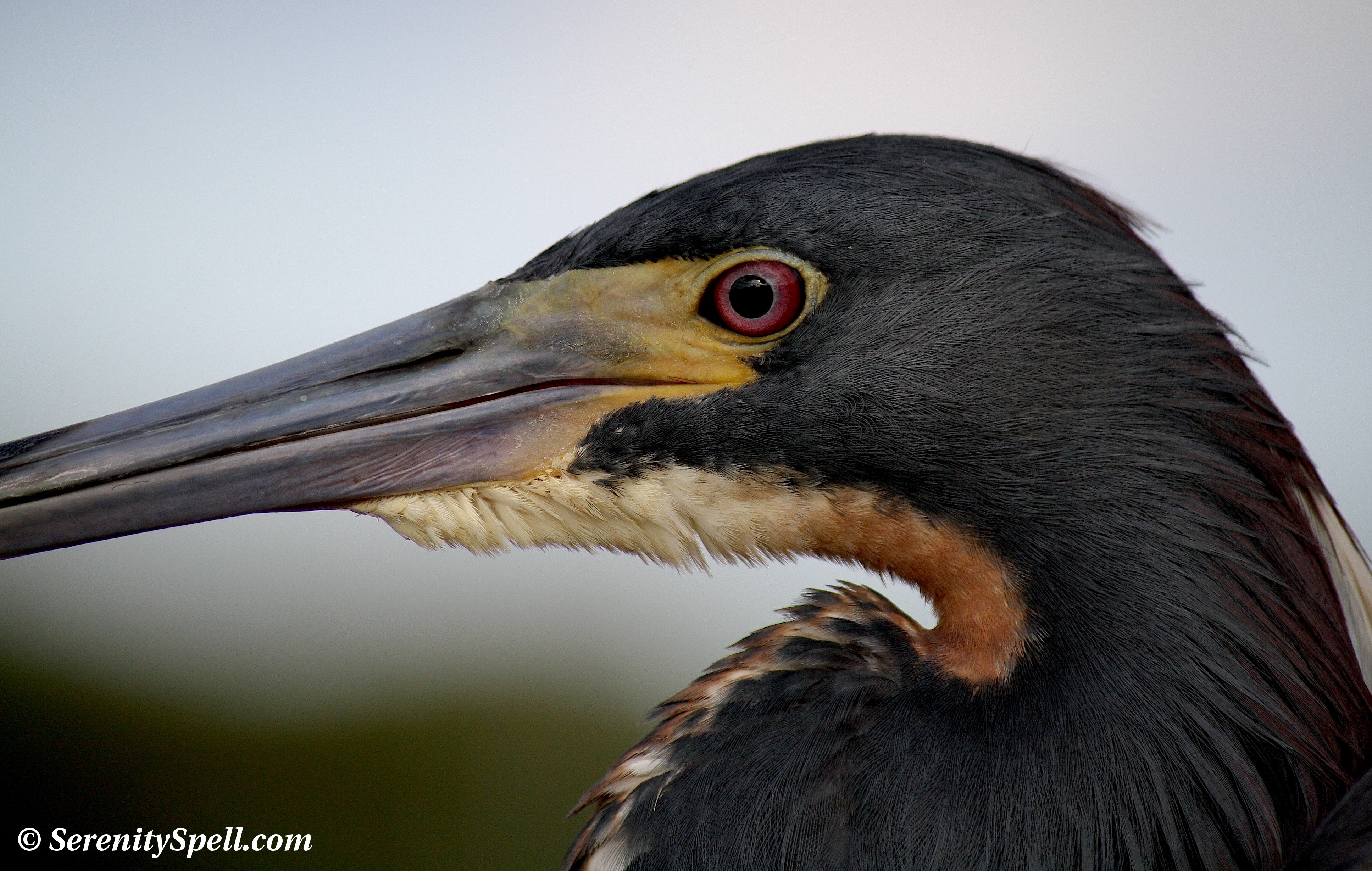
The Tricolored Juveniles and the Tricolored Adults of our Florida wetlands have been highlighted; and now…. A most lovely Egretta tricolor displays his brilliant breeding colors. During courtship, these already beautifully colored herons become even more vibrant: the eyes turn a striking scarlet, and the otherwise long, pointed yellow bill turns blue. Breeding plumage involves filamentous plumes on the head and neck, and buff plumes on the back.

The juxtaposition of the deep scarlet eye against slate blue feathers is perfect; Nature needs no retouching.

Tricolored Heron in Breeding Colors, Florida Wetlands