Skip to content

Posts tagged ‘environment’

It’s National Park Week!

National Park Week 2013

National Park Week 2013, Courtesy of the National Park Service

National Park Week is April 20-28, 2013 — So walk, meander, run, bike, or trail-ride your way to your nearest one! Admission to every national park is FREE Monday through Friday.

Love your national parks, national wildlife refuges, and national forests — numbering more than 2,000 — and continue to support them by your mere presence (especially now). And above all else, bask in the beauty of these wondrous spaces!

Great Blue Heron in Arthur R. Marshall Loxahatchee National Wildlife Refuge, Florida

A Great blue heron rests in the Everglades of the Arthur R. Marshall Loxahatchee National Wildlife Refuge

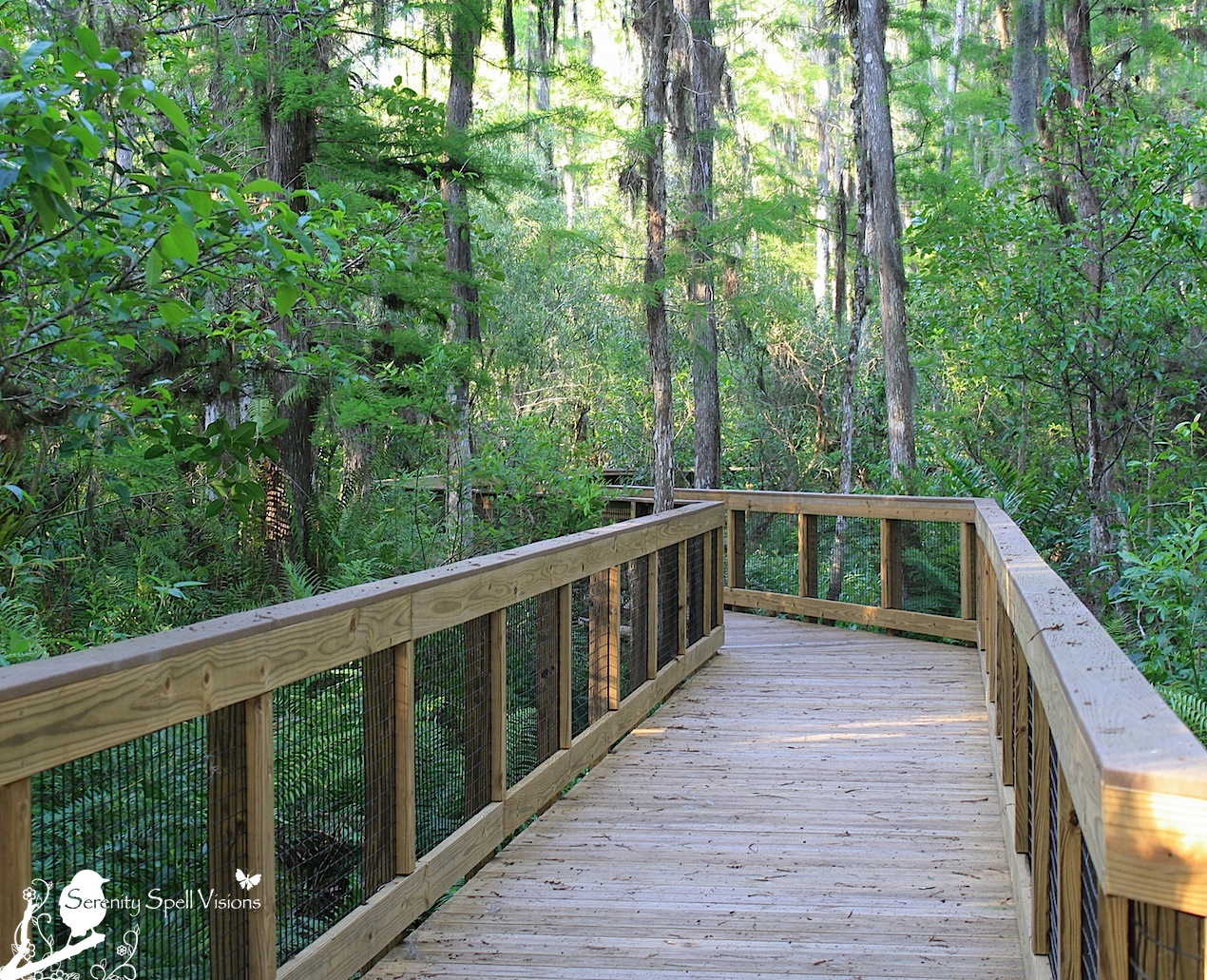
Boardwalk, Arthur R. Marshall Loxahatchee National Wildlife Refuge, Florida

Heading into the dappled cypress swamp along the boardwalk in the Arthur R. Marshall Loxahatchee National Wildlife Refuge

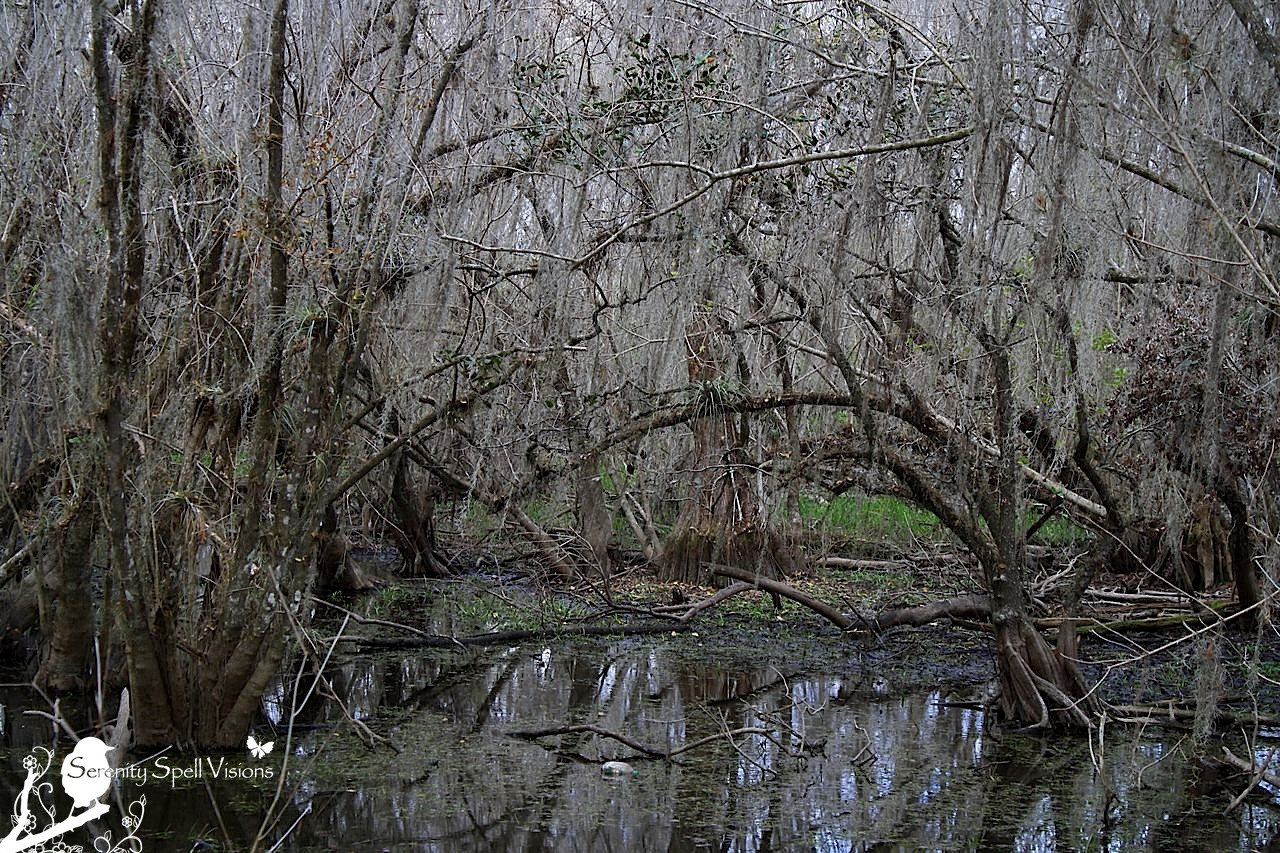
Cypress Swamp of the Big Cypress National Preserve

The cypress swamp in winter of the Big Cypress National Preserve

The remaining entrance fee-free dates for 2013 are:

  • August 25 (National Park Service Birthday, or Pre-FeyGirl Birthday)
  • September 28 (National Public Lands Day)
  • November 9-11 (Veterans Day weekend)

The First Everglades Day: April 7, 2013!

Everglades Poster Celebrating Marjory Stoneman Douglas

Everglades Poster Celebrating Marjory Stoneman Douglas

The first-ever EVERGLADES DAY is this Sunday, April 7…. Fantastic! Many thanks to all of those who worked so hard to make this a legislative priority, highlighting and escalating issues surrounding the Everglades, as well as renewing the area’s restoration efforts. What a perfect time to visit and explore the ‘glades — and love this beautifully vital, rare, but endangered and always-threatened ecosystem. Check out the link below for events from Miami to Naples to West Palm Beach!

From the Everglades Foundation:

The first official Everglades Day will be celebrated on April 7, 2013. In addition to recognizing what an important resource this ecosystem is, not only to the state of Florida, but to America, the day  will also honor Everglades activist Marjory Stoneman Douglas, as it is designated to be held on her birthday.

The Florida Legislature voted  in favor of an Everglades Day on March 7, 2012. From a National Parks Conservation Association press release: “The state’s support for an official Everglades Day will ensure that the Everglades ecosystem remains a top priority for elected officials and all Floridians while honoring Douglas’s legacy for protecting the River of Grass. . . Each time we turn dirt on an Everglades restoration project, we are protecting our drinking water supply, creating jobs and fulfilling a promise to protect our national parks, wildlife, and family memories….”

Some of the sights from one of the event locations, Grassy Waters:

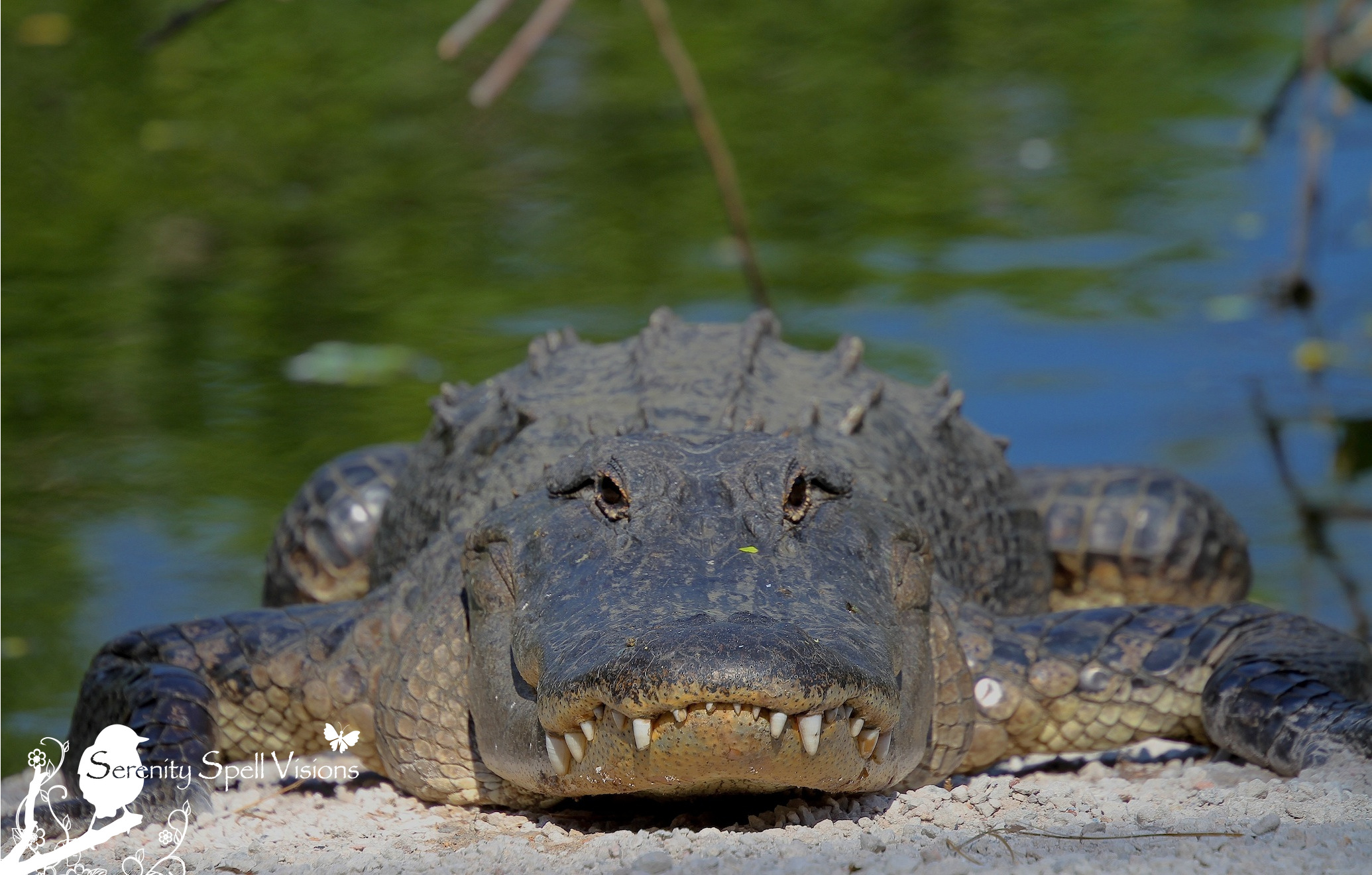
Alligator, Florida Everglades

Love and respect this place. Please.

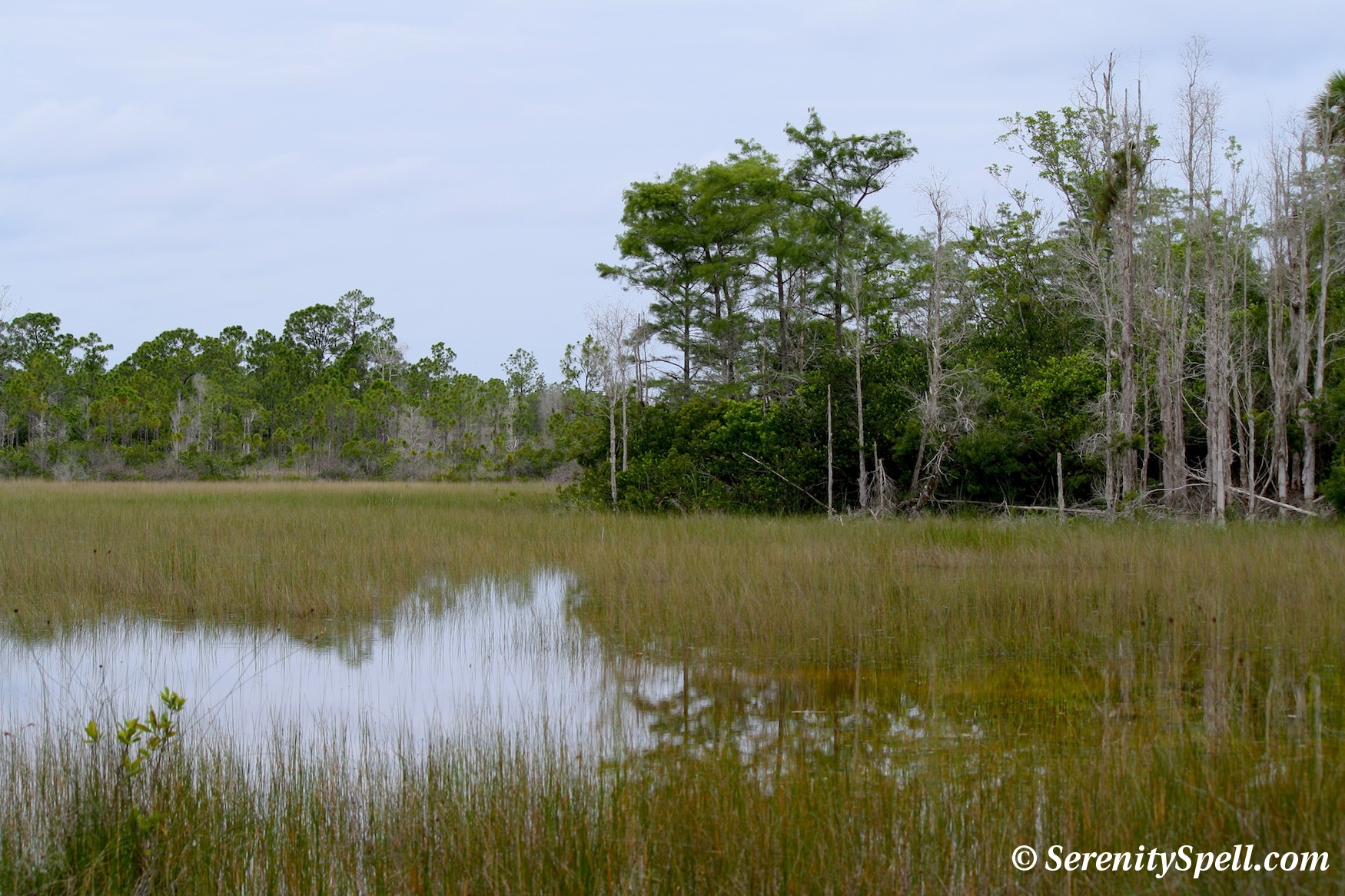
Everglades Vista Along the Hog Hammock Trail, Grassy Waters Preserve, Florida

Everglades Vista Along the Hog Hammock Trail

NENA Signage, Hog Hammock Trail, Grassy Waters Preserve, Florida

NENA Signage

Tree Tuesday: Flatwoods to Swamp

Often on hikes through the South Florida pine flatwoods, you’ll stumble across other ecosytems. The flatwood environment itself is layered, with high canopies of pines, a lower shrubby layer, and an herbaceous layer — but it’s dotted with cypress domes (a cypress swamp in the shape of a dome), prairies, marshes, and other habitats. Truly a fascinating ecosystem.

Unfortunately, developers continue to find flatwoods attractive for development: the vast expanses of flat land are too tempting, as is the ease in cutting and clearing its enormous swaths. But it’s critical to remember all the life this land supports — as well as the various other habitats that are intricately woven together here.

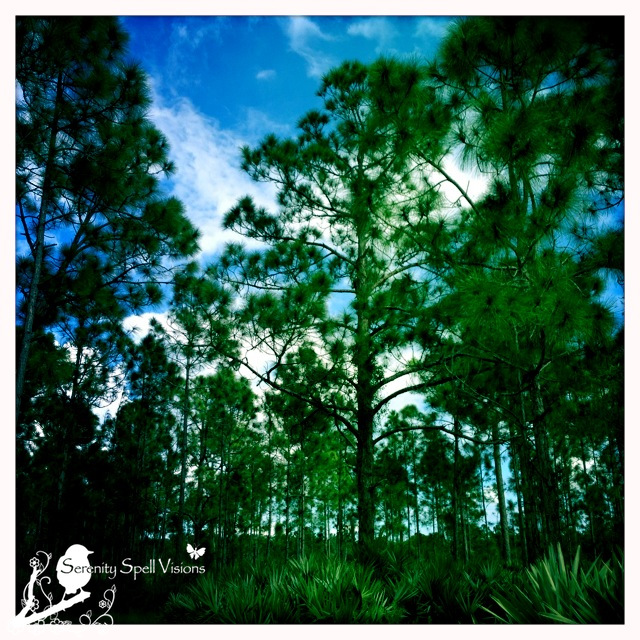
Pine Flatwoods of Jonathan Dickinson State Park, Florida

Pine flatwoods vista

Slash Pine of the Atlantic Ridge Preserve State Park, Florida

Slash Pine: Ready for my close-up

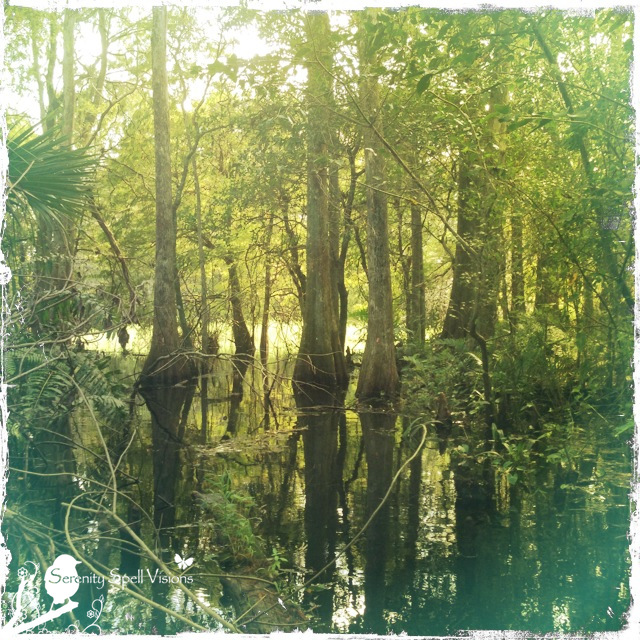
Flatwoods to Swamp Along the Florida Trail, Florida

Heading from the flatwoods into the swamp, along the Florida Trail

Cypress Trees in the Swamp, Florida Everglades

Ever-lovely cypress of the swamp

A New Trail, Seabranch Preserve State Park, Florida

From flatwood, to prairie, to….

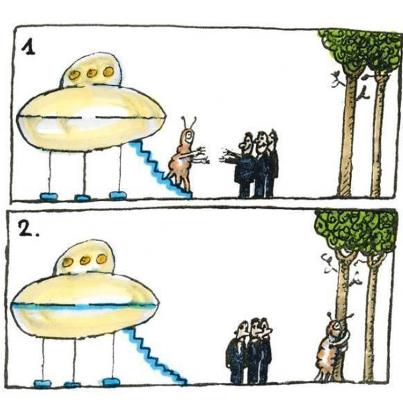
And an extra for Tree Tuesday — I can’t get enough of this cartoon….

45029_463823090344551_582905562_n

Hippity-Hoppity…

In honor of the upcoming Easter holiday, an Everglades bunny for you!

True to its name, the marsh rabbit is found in the marshes and swamps of the Eastern and Southern United States. Our marsh rabbits — not to be confused with the larger swamp rabbits of Alabama through Texas — are delicate little things. Those on the Florida peninsula, and in South Florida in particular, weigh only 2-3 pounds, reaching a total length of 17 inches. “Mainland” (non-Florida) marsh rabbits run noticeably larger.

Florida’s marsh rabbits have shorter ears, and smaller legs than the swamp rabbits and cottontails — and instead of a bushy, cottonball-tail, the tail forms a tuft. They’re also darker in coloration than eastern cottontails.

Marsh Rabbit, Florida Wetlands

Marsh rabbit on alert in the Florida wetlands

What’s so interesting about our marsh rabbits, as their name signifies, is their proclivity to water — swimming often and well, sometimes for long distances. It’s common to see them in the shallow waters of our wetlands scrounging for food (note the wet legs of the guy above). Another interesting feature of marsh rabbits is that they walk on all fours, like a cat — ensuring easy and swift negotiation of the dense marshes and the surrounding vegetation. Their preferred habitats are the brackish and freshwater marshes, mangrove swamps, and sandy islands. These rabbits must have access to water, remaining on high ground and in the thick vegetation for protection from predators including alligators, snakes, bobcats, foxes, coyotes, and birds of prey. They’re most active at dusk and at night, eating the abundant wetland and aquatic plants.

Marsh Rabbit, Florida Wetlands

There honestly couldn’t be anything more adorable than a Marsh rabbit baby. Just try.

They’re truly adorable little things…. And the baby marsh rabbits? Cuteness factor through the roof. I like to call them *all* swamp bunnies though, much to the chagrin of uptight naturalists who may be listening in on my insanity. But it’s hard not to envision fae around these critters, helping us occasionally close-minded humans love and appreciate their, and Nature’s beauty, all the more.

Marsh Rabbit, Florida Wetlands

Poor Marsh rabbit burr-face

Warbling in the Wetlands

A bird doesn’t sing because it has an answer, it sings because it has a song. —Lou Holtz

…Which is why I’m constantly running to Nature, and to these wonderful creatures. That reminder to JUST BE (or in my words, Simmer Down). And our winters provide a more varied opportunity for observing different happenstances of this simple state of being — the migrating birds make their residences in the area, even if it is temporary.

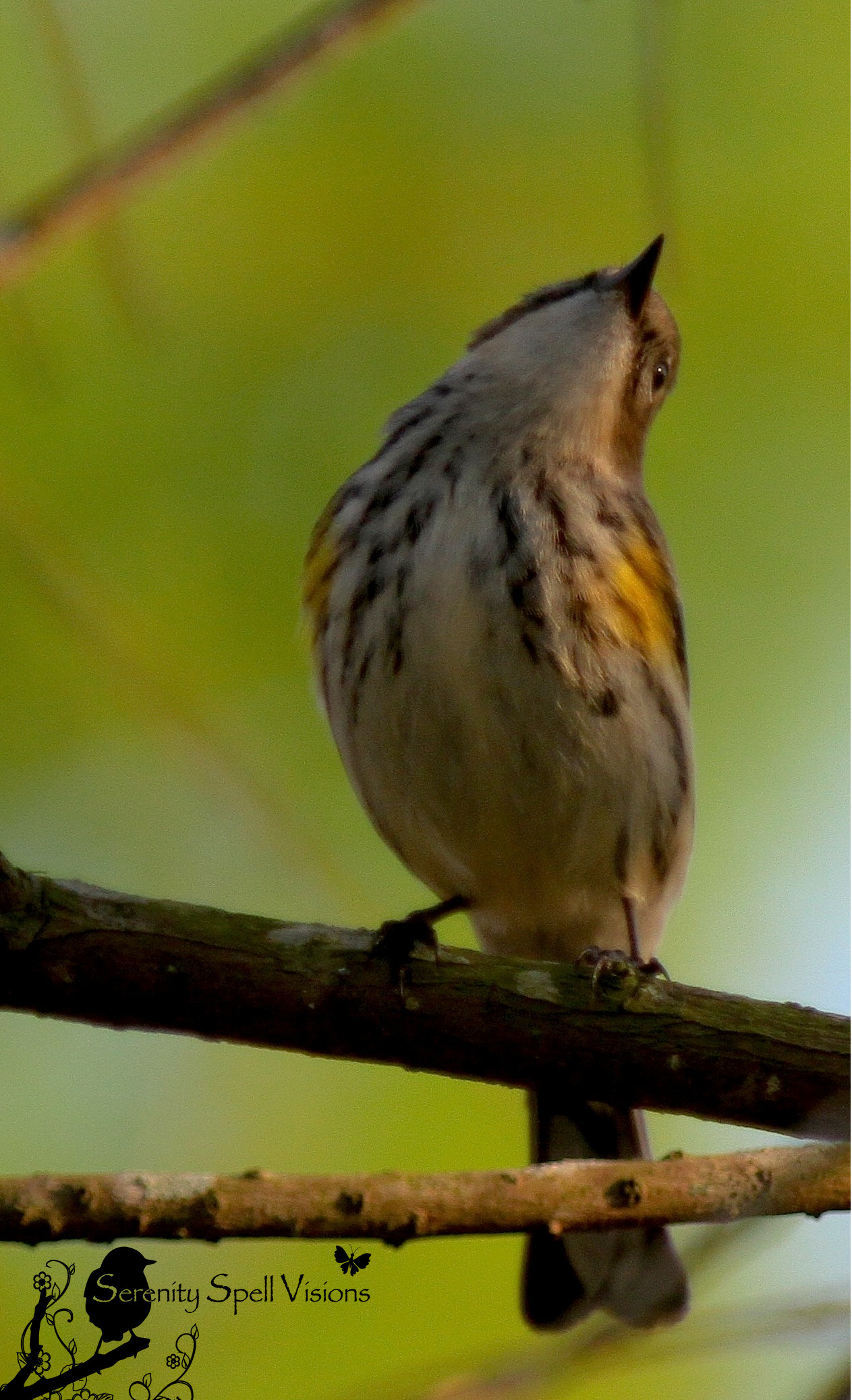
Palm Warbler, Florida Wetlands

A Wee Warbler in the Wetlands

A few Palm Warblers flit amid the trees; here, among a strand of young cypress. These tiny bright gems of songbirds — adorable little shocks of yellow in our swamp and wetlands — are easily missed if you’re in a rush, or aren’t fully aware.

Palm Warbler, Florida Wetlands

Sing it!

Palm Warblers are common winter residents in our marshy natural areas, migrating in the late fall to the southeastern U.S. and the Caribbean. The species is comprised of two distinct sub-species, the Yellow Palm Warbler and the Western Palm Warbler. Those breeding in the eastern range are yellow underneath, while those inhabiting the western part of the range are duller in color, with whitish bellies. Palm Warblers primarily breed in wetland habitats — east of the Continental Divide, across Canada and the northeastern United States. A distinctive feature of Palm Warblers is tail wagging, or “pumping.” More than other warblers, this bird forages on the ground for insects and berries.

Palm Warbler, Florida Everglades

Warbling in the Everglades

Click here to listen to the delicate song of these sweet little songbirds!

Palm Warbler, Florida Everglades

Holler.