Skip to content

Posts tagged ‘everglades’

Tree Tuesday: Cypress in the Winter

Over the last few weeks, I’ve noticed a few naturalist / photographer bloggers in this amazing community posting on Tree Tuesday. How could I, tree-hugger fanatic that I am, have missed this? I’m running incredibly behind on all of the wonderful places I’ve hiked and visited over the last few months, so while I play catch-up, at least I can post some of the magnificent TREES that I’ve spied.

Florida has an incredible assortment of flora — not just the palm trees that many developers like to plop down, after ripping up our beautiful natives. And they’re enormous. If you’re lucky enough to stumble upon sections of pristine land, areas that weren’t cruelly and completely logged out in the 1930s and ’40s, you’re in for a real treat…. But sadly, few massive trees survived the logging operations of this time. While these trees are old, they’re probably 7th- or 8th-generation cypress. The loggers really did a number on Florida’s cypress populations. But if untouched, they could live to 500 years. The good news is, they’re now protected by various federal and state agencies!

In honor of our wonderful cypress swamps, some of the loveliest and most unique vistas to behold, here’s a shot of some cypress trees in a swamp, in the Big Cypress National Preserve (bordering the Everglades National Park) during the dry winter months.
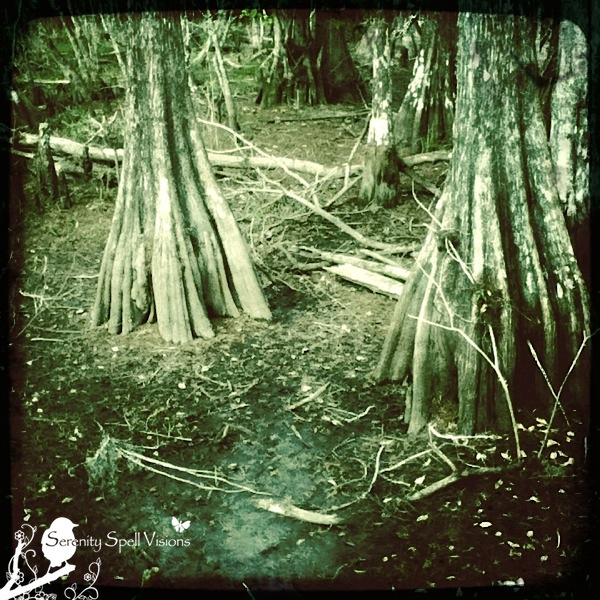
Cypress Trees in the Big Cypress National Preserve, Florida

Cypress Trees in the Big Cypress National Preserve
Eyes of the Everglades

“Never lose an opportunity of seeing anything beautiful, for beauty is God’s handwriting.” —Ralph Waldo Emerson

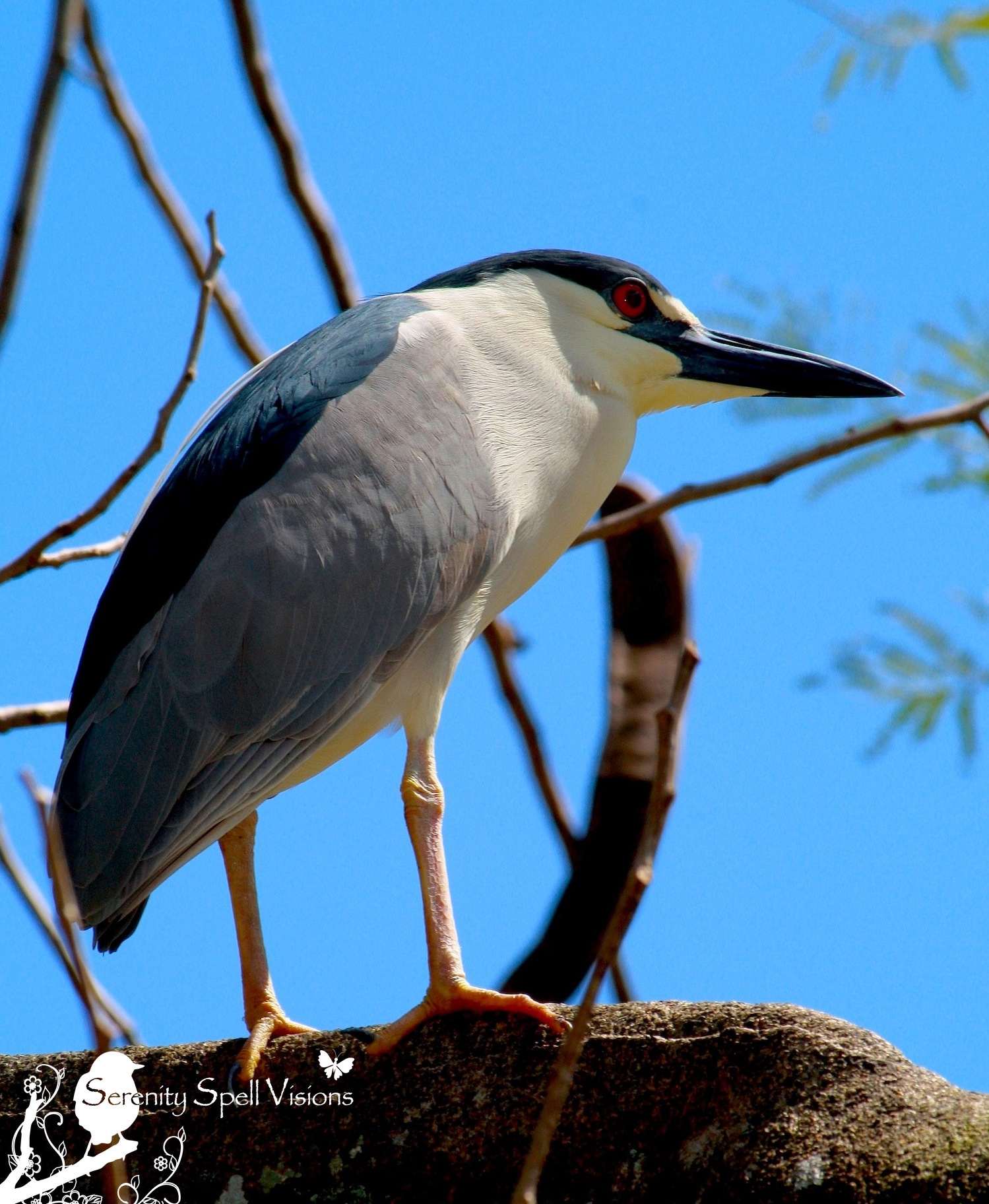
A Black-crowned Night Heron surveys his magnificent Everglades empire against an azure sky, from high in the cypress…. May your weekends be as simultaneously brilliant and serene!

Adult Black-crowned Night Heron

Double Vision

We recently hiked the Grassy Waters Preserve — specifically the SWA Trails within the Preserve, the Rookery Loop, and the outer Owahee Trail. Today, the Preserve serves as the freshwater supply for the city and its associated municipalities — but historically the area was the headwaters of the Loxahatchee River (Seminole for River of Turtles). It was also a key component of the Everglades watershed, which began north of Orlando and flowed through rivers that emptied into the vast Lake Okeechobee, where the lake’s waters flooded into the Everglades Basin and slowly flowed into the Florida Bay.

So while we expected to see alligators (as always!) during the hike in the Rookery Loop section of the Preserve, such numbers as those we encountered were not expected. I lost count at 40…in 3 hours! And in this area, as warned by the signage, the gators are in very close proximity to the human visitors. But as is often the case, they were very shy, perhaps not quite as accustomed to humans. And I was thrilled to spy such numbers of these amazing creatures in this beautiful and thankfully preserved ecosystem — they always make wonderful models. I don’t even know where to begin with my alligator collection from this outing, but this duo made me smile.

Seeing Double: Alligator Pair in the Everglades


A Return to Cypress Creek

The last time we visited Cypress Creek Natural Area, we were thrilled to explore part of its 2000 acres of newly restored sensitive pine forest and wetland habitats. We were even more ecstatic to learn of the county’s continued aggressive preservation and restoration efforts of the area.

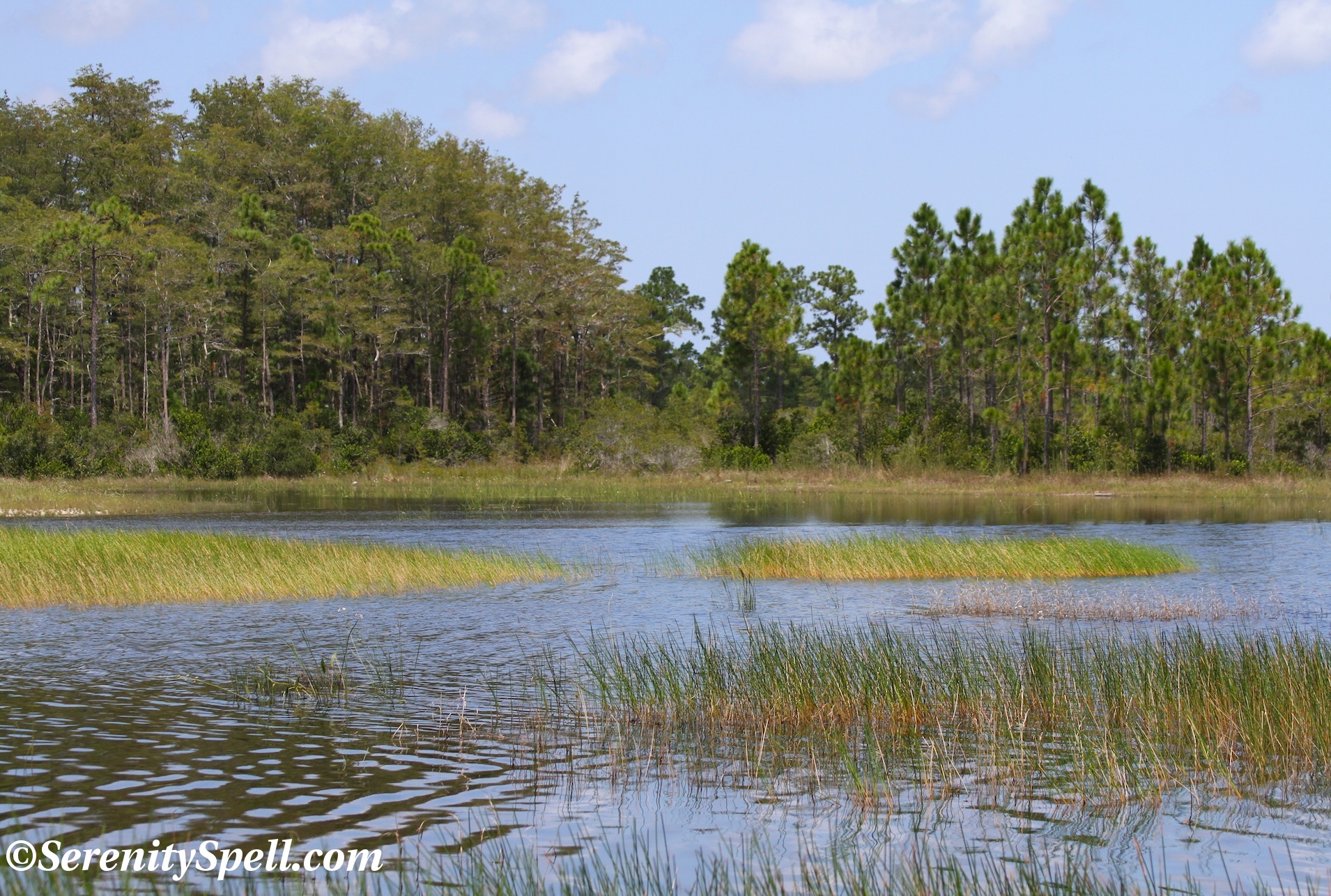
Restored Everglades Vista of Cypress Creek Natural Area in Jupiter, Florida

Part of the Northeast Everglades Natural Area (or NENA, which holds approximately 165,000 acres of conservation land in northern Palm Beach Country and southern Martin County), and serving as a buffer for the Loxahatchee Wild and Scenic River, Cypress Creek is a valuable part of the Everglades ecosystem. Managed by Palm Beach County, current restoration activities in Cypress Creek include the removal of invasive non-native vegetation, filling miles of ditches (we continue to witness these efforts), changing the elevations of shell mining pits to encourage re-vegetation of native plants, and improving the Old Indiantown Road grade — now known as the Historic Jupiter-Indiantown Trail — for use as a multi-use trail.

Cypress Creek’s restored Everglades habitat

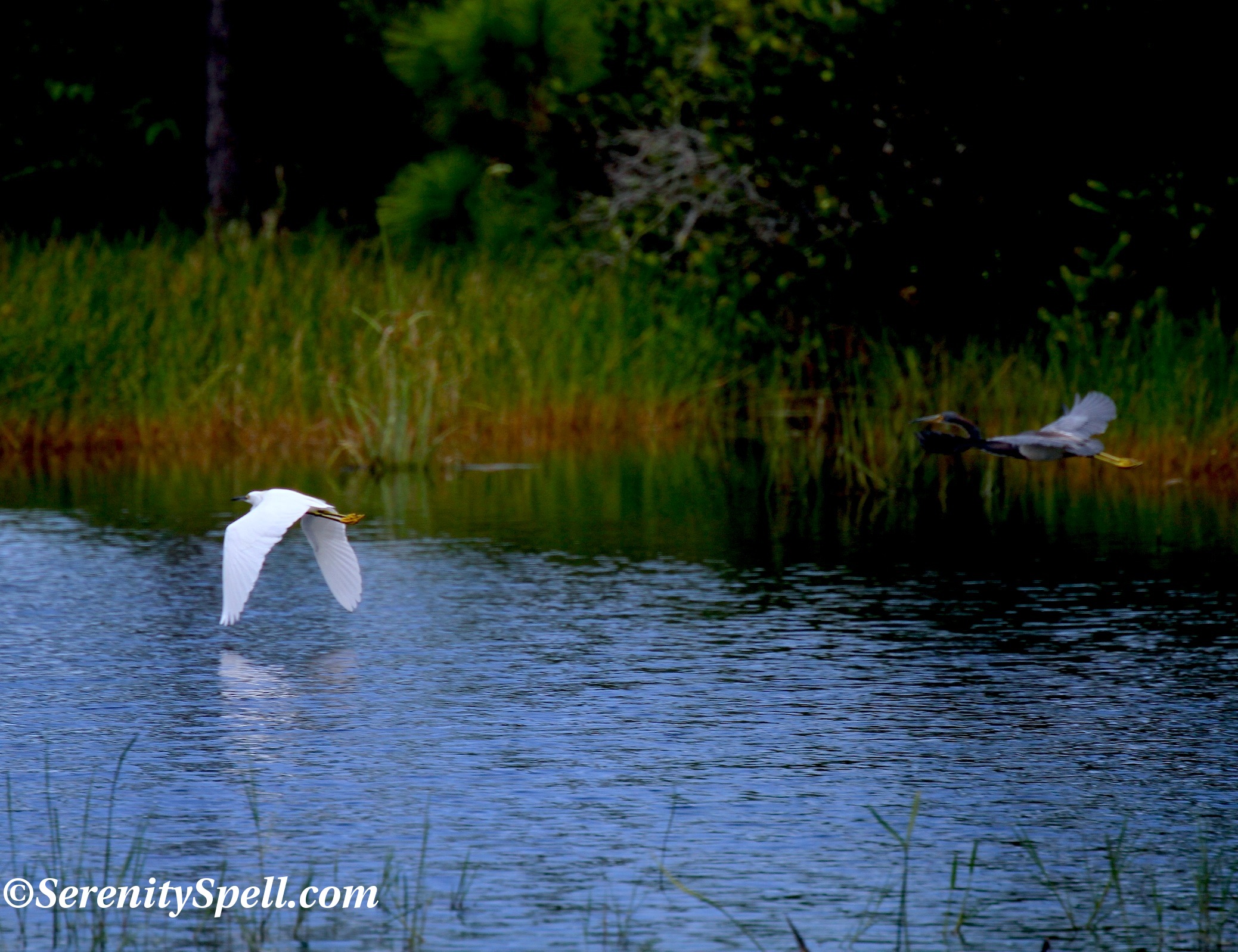
A Great egret in the restored Everglades habitat of Cypress Creek: I see your brightness, fella

Cypress Creek’s restored Everglades habitat

We recently hiked a different section of Cypress Creek, and saw loads of animal tracks due to the fact that not many humans probably make it out to where we ventured — deer, coyote, bobcat, wild boar. It was a wonderful sight to see, and I hope that the county continues it preservation efforts to protect this critical and threatened habitat, returning it to its full splendor…and providing a home for the wildlife once again. It’s wonderful to witness!

The remnants (slash pines) of a controlled (?) burn

Wading friends: A cattle egret and tricolored heron were inseparable

Overlooking the restored Everglades habitat: We need to get over THERE. Trail was flooded, however… We made it, but it was dicey and involved lots of high-steppin’ through the swamp

Gator check… Good to go. OK for foto session.

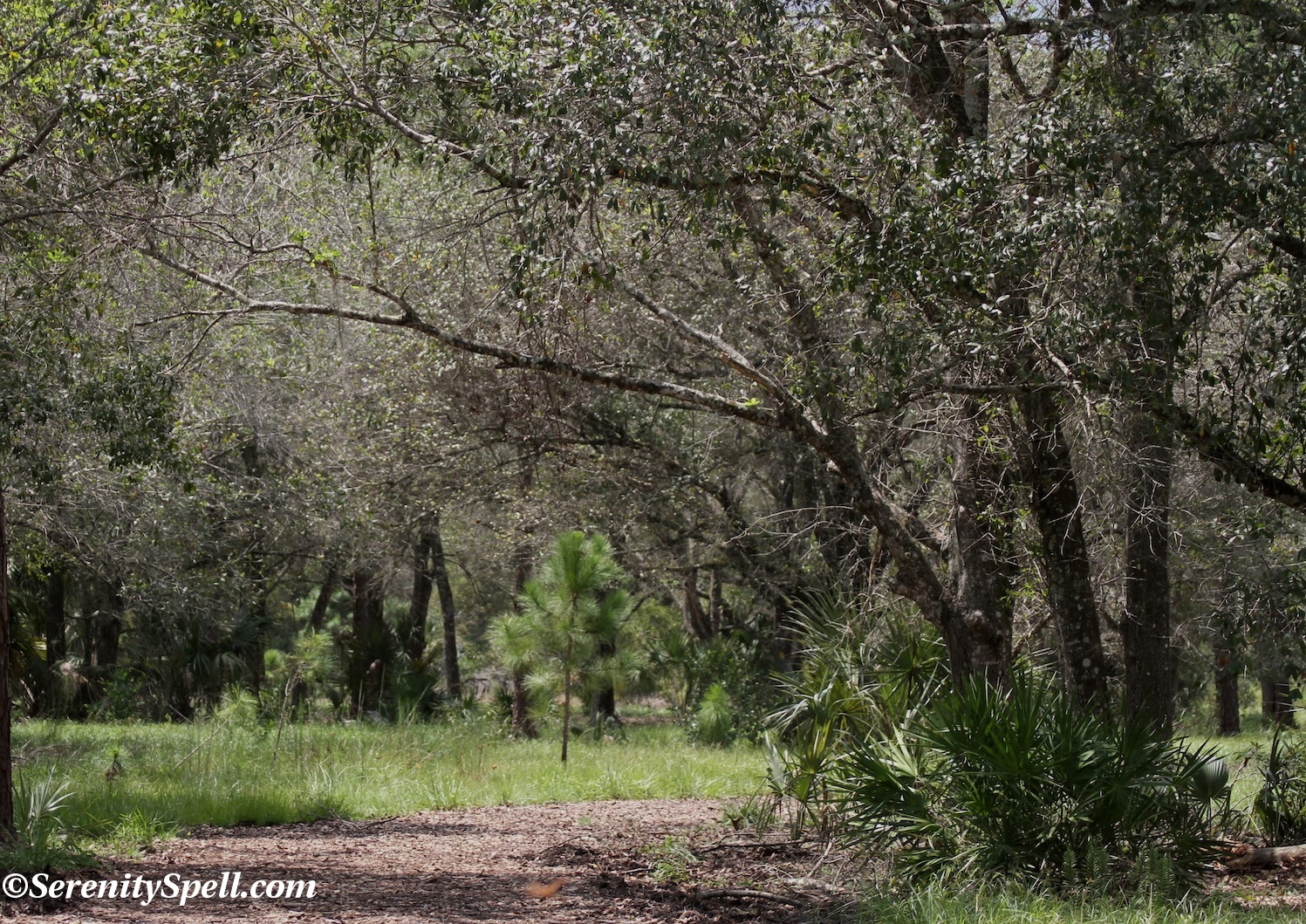
Wonderful old live oak canopies of Cypress Creek Natural Area

Hello, You Gorgeous Gator

Lots of people talk to animals…. Not very many listen, though…. That’s the problem. —Benjamin Hoff, The Tao of Pooh

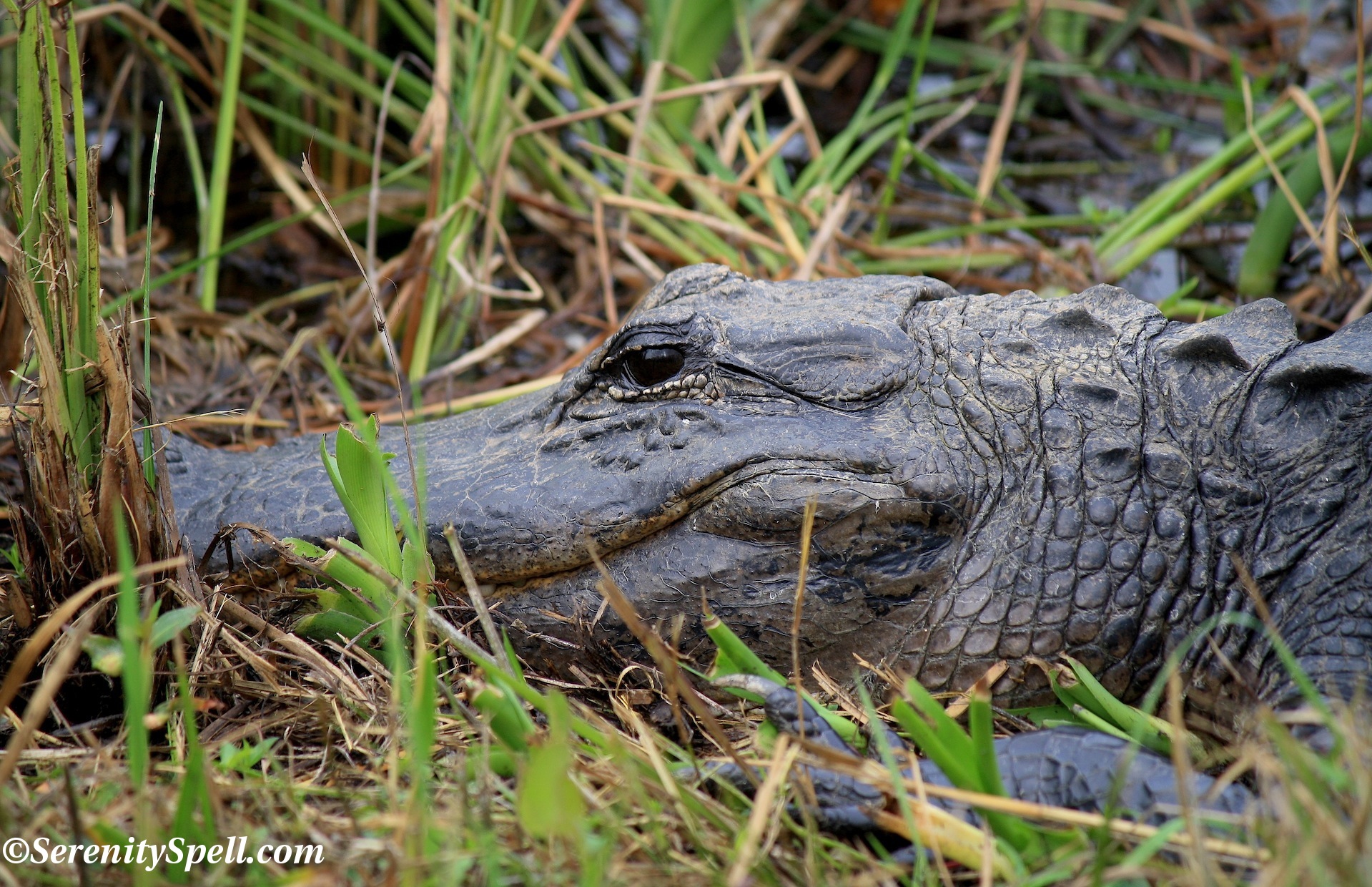
It’s been awhile since I’ve posted anything about alligators,  and I feel withdrawal coming on. So for my sake, here’s a gorgeous gator we encountered on a recent hike in the northern section of the Everglades.

{As always, please click on the image for expansion!}

Florida Everglades Alligator: Helllllo, gorgeous!

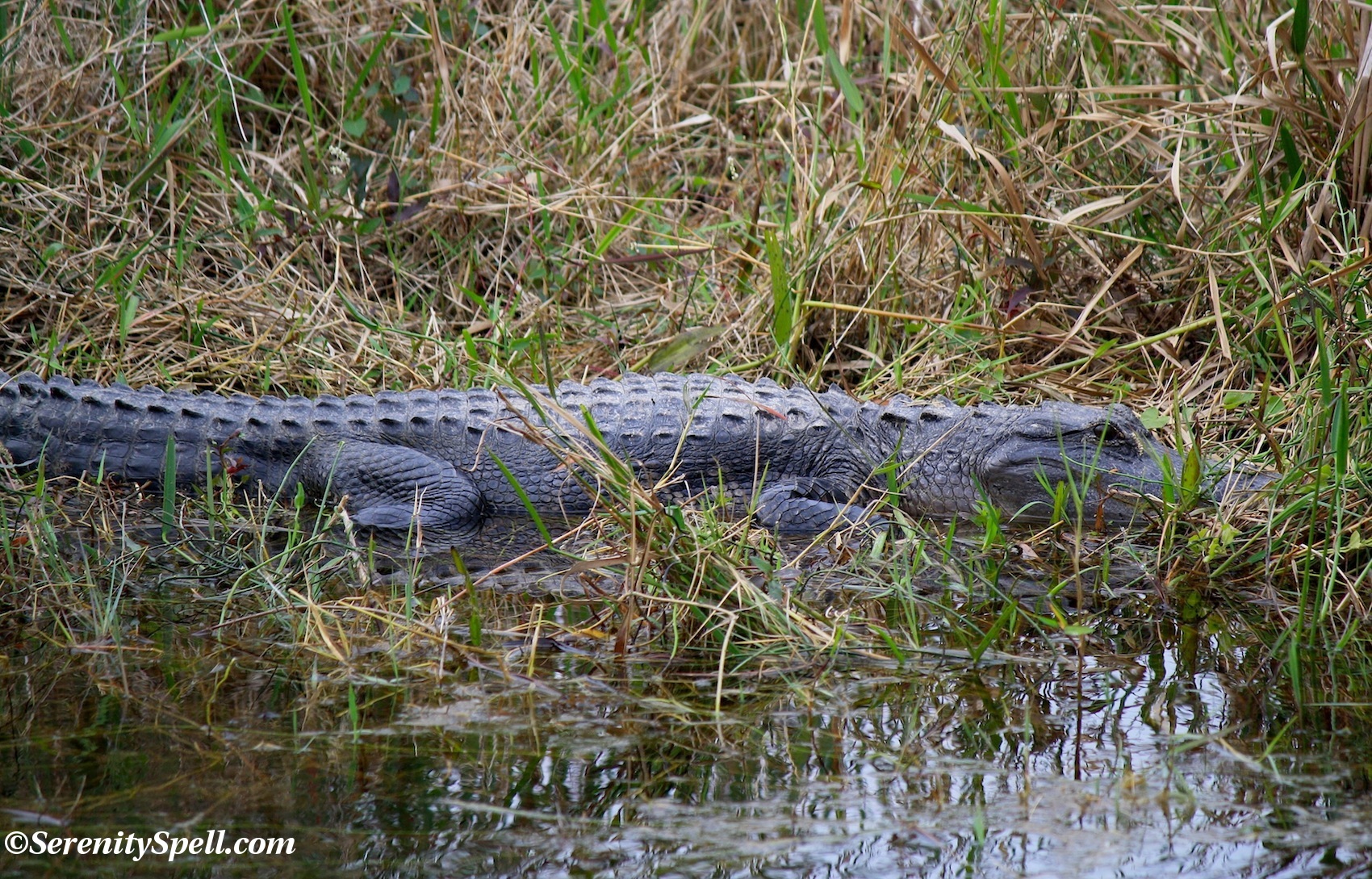
Here’s how one of these lovelies appears in the wild — in this case, full and slow after a meal, catching some sun. Which is why we ALWAYS have an eye on the water’s edge throughout our hikes — especially when water and bits of swamp suddenly pop up out of nowhere, *wink*!

While they are certainly admirable and fierce predators, there is absolutely no need to assume that they will eat your face if you encounter one in the wild. We’ve never been bothered by gators — even during mating and nesting seasons. If we see an active alligator mound (nest), we steer clear, knowing a momma gator is diligently protecting her eggs or young. The most disconcerting experiences I’ve ever had with these amazing creatures have occurred when I wasn’t watching the water’s edge as closely as I should have been, to put it mildly — or when we’ve startled or frightened them, causing uproarious splashes into the water amid the silence of the ‘glades.

Leave wildlife alone, because they want nothing more than to leave we humans alone….

Resting at the water’s edge — or, in my words during our hike: “Oops! Lookie there!”

Another view of the big lizard