Skip to content

Posts tagged ‘nature’

Tricolored Herons: The Young Ones

This guy actually brings to mind Rick from the oh-so-excellent The Young Ones….

The Tricolored Heron (Egretta tricolor) was formerly known as the Louisiana Heron, as it was one of the most abundant herons found in the Deep South. It’s a medium-sized and slender heron that lives in the southeastern United States (but as far north as coastal New Jersey), Central America, and the Caribbean. Standing approximately 22 inches tall on long yellow legs, this heron’s wingspan reaches 3 feet. Beautiful slate blue feathers cover most of its body, save a white-striped chest and belly, and a rust-colored neck. The eyes of the juveniles are a yellowish-white, turning brown with pink inner margins as they age. Males and females of the species look alike. During courtship, these already beautifully colored herons become even more vibrant: the eyes turn a lovely and striking scarlet, and their otherwise long, pointed yellow bill turns blue. Breeding plumage involves filamentous plumes on the head and neck, and buff plumes on the back.

This seemingly peeved Tricolored (such a face, sweetheart!) — despite my distance with a telephoto — is a juvenile, as is the second heron.

Their natural habitats are swamps, marshes, bayous, lagoons, and coastal ponds. It’s a common sight in our wetlands to see them nesting in colonies, in the trees and shrubs, with other herons. The male selects the nesting location, and builds the nest with the female. As with other herons, both parents care for the chicks, feeding them regurgitated food. Tricoloreds stalk their prey in the shallow waters, looking for fish, crustaceans, reptiles, and insects. They’ve been known to delve into the deeper waters however, with only their bodies visible.

These herons are the favorites of many in our area, and are a great joy to watch…. But like so many other species, despite their non-threatened status, they’re losing their natural habitats. It’s truly our duty to protect and preserve these complex ecosystems not just for the flora and fauna they are home to, but for ourselves.

Each species is a masterpiece, a creation assembled with extreme care and genius. —Edward O. Wilson (Biologist, researcher, theorist, naturalist, and author)

Tricolored, or Louisiana Heron (Juvenile) in the Florida Wetlands

Tricolored, or Louisiana Heron (Juvenile) in the Florida Wetlands

World Ocean’s Day 2012

Today is World’s Oceans Day: Natureview photography reminds us of the importance of the world’s oceans, and threats to this ecosystem under attack. He highlights an albatross in a beautiful image — a most amazing creature. I’ll never forget my first view of an albatross in the middle of the South Pacific, thousands of miles from any major land mass; I couldn’t believe what I was seeing.

Arjen Drost's avatarNatureview photography

Today is World’s Oceans Day, a day to remind us of the richness of the world’s oceans. But also a day to remind us how we use that richness, or better, misuse it…. Mankind has thought for a long time that there was so much fish in the ocean that we couldn’t possibly have a lasting impact on these populations. Now it’s starting to get obvious this is not the case. It is hard to get proper estimates of world populations of fish (how do you count those?), but it’s getting clearer and clearer that most populations are declining. This will also have an effect on the seabirds feeding on this fish. Now already are 81 of the 131 species within the order Procellariiformes (tubenoses) categorized as being threatened in any way by the IUCN (red list categories between near threatened and extinct. All 22 members of the family Diomedeidae (albatrosses) are…

View original post 83 more words

Passionate for Passiflora

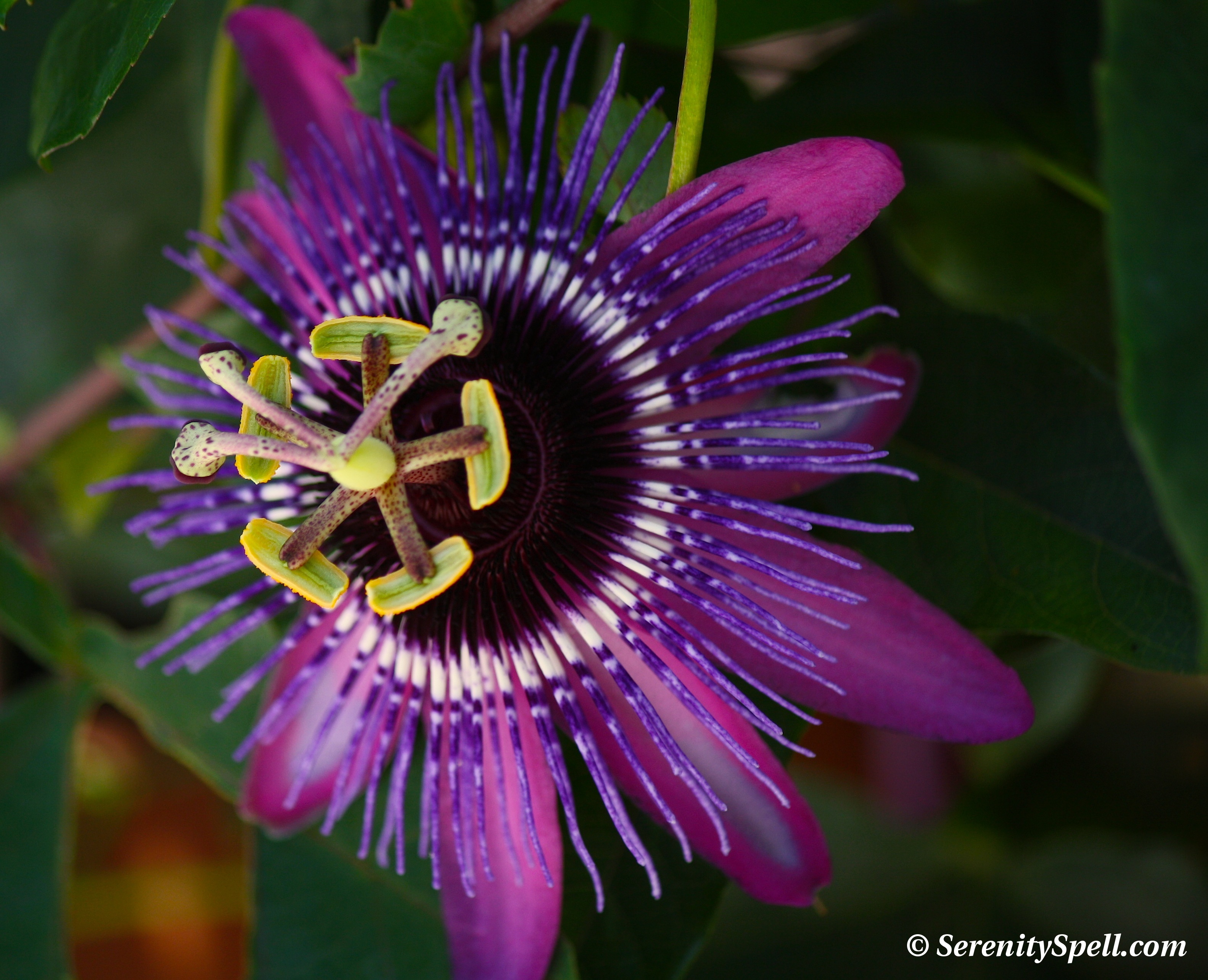
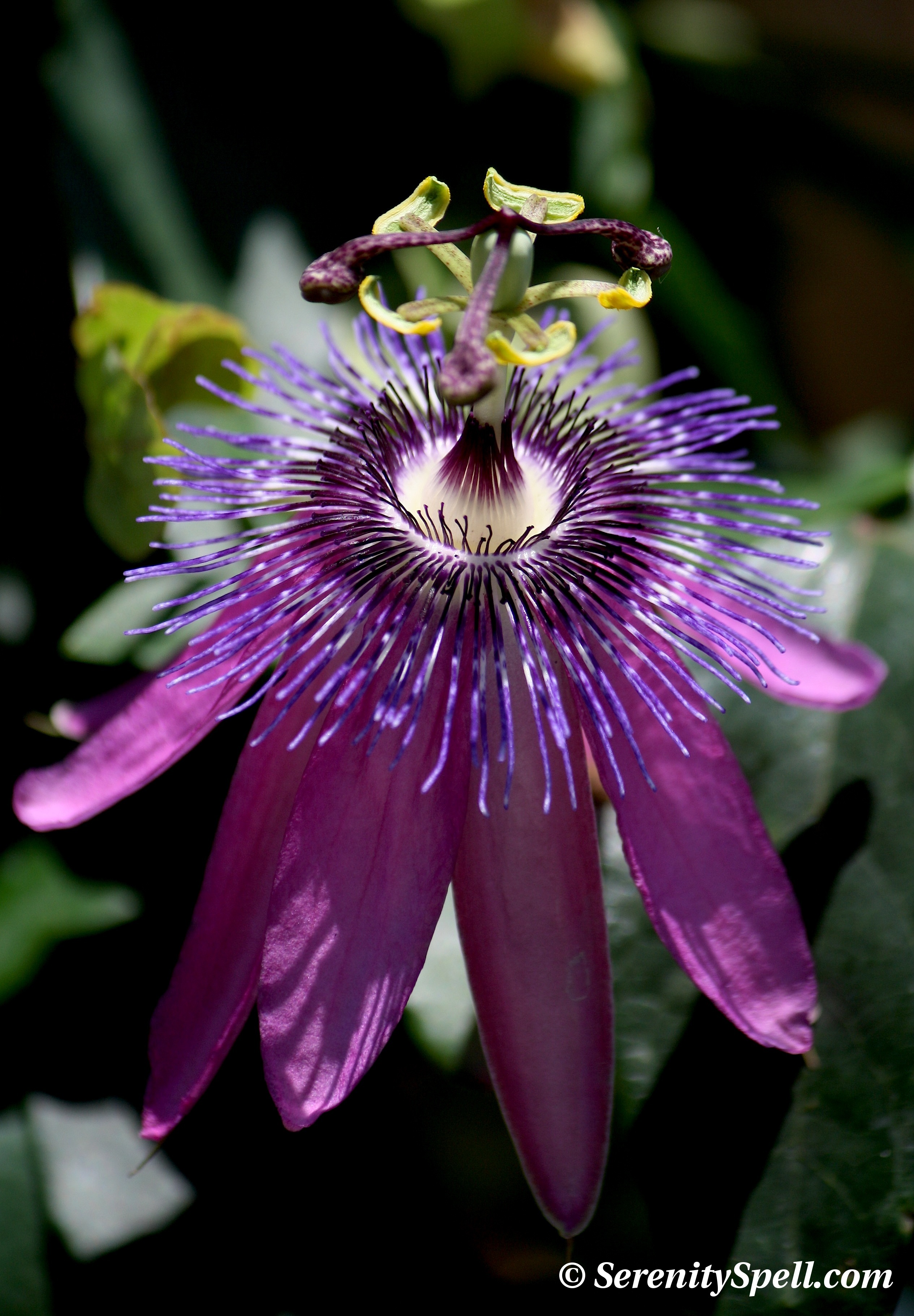
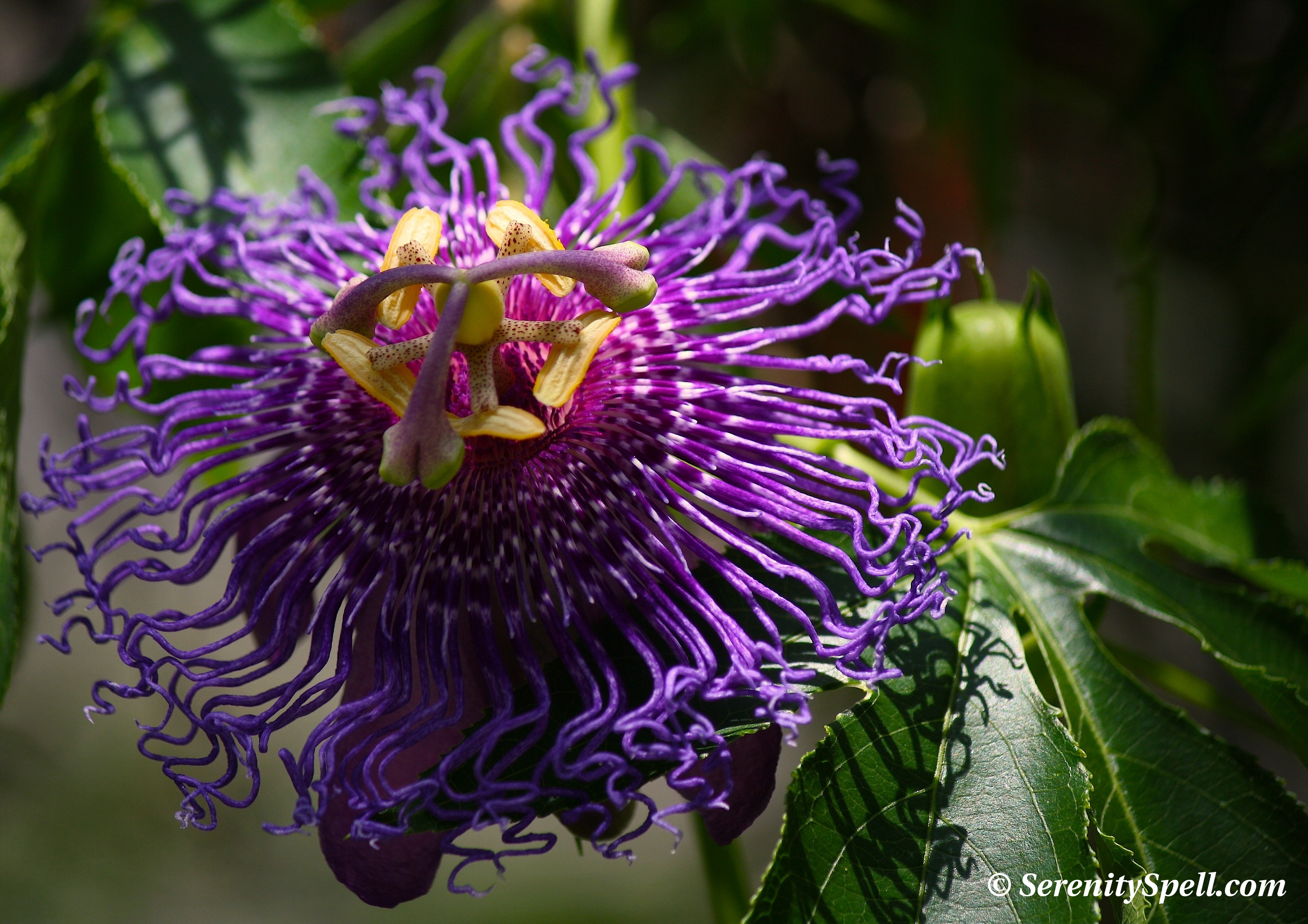
As mentioned in the post A Butterfly’s Kingdom, flowering Passion Flower vines (passiflora), are beautiful beyond compare. Otherworldly and almost alien-like, really. Spanish explorers discovered the plant in 1569, in Peru. Believing the flowers symbolized Christ’s passion, the conquistadors took it to indicate his approval for their continued “exploration.”

Butterfly World’s conservation efforts include the establishment of The Passiflora Society International, which was established at the site to encourage research on passion flowers, the source of food for many butterflies. Luckily, they grow easily in our area. And I’ll be replanting one soon — my last climbing passion flower vine never took, curiously. I’d like to blame it on bad energy at the time (not bad placement or other planting faults) and try, try again to attract more butterflies to my little garden.

I knew passiflora tea was good for you, but I just learned HOW good — there are numerous health benefits associated with the plant. It’s been used for more than two centuries by Native Americans as a sedative and relaxant, and traditional medicine practitioners widely acknowledge its help in alleviating pain and lowering blood pressure, among other things — per WebMD even, it can be used for seizures, withdrawal symptoms, asthma, fibromyalgia, burns, swelling, muscle spasms, and more…. It was even approved as an over-the-counter sedative and sleep aid in the U.S., only taken off the market in the ’70s when its effectiveness hadn’t been proven… Just like so many herbal remedies. I think I’ll be buying some passiflora tea.

Yet another example of the many gentle and beautiful ways in which Nature provides.

Passiflora “Lavender Lady”

Passiflora “Lavender Lady”

Passiflora “Inspiration”

A Butterfly’s Kingdom

In light of recent events, smiles were in order… So we hiked, we walked our natural areas, and we visited the butterflies!! I’m a nut for butterflies — I often find myself plowing through beastly banana spider webs, or managing the swamp, to chase butterflies on our hikes. More than once I’ve nearly tripped over large, scaly, and silent objects at the water’s edge — quite unlike a butterfly — in my efforts to photograph these lovelies….

Butterfly World, located here in South Florida, opened in 1988. It’s the largest butterfly park in the world, and the first of its kind in the Western Hemisphere. At any given time, more than 3000 live butterflies are fluttering at the facility (and usually MORE), representing 50 different species (150 species over the course of an entire year). This is all thanks to Robert Boender, who raised butterflies and their food plants from his Florida home, post-retirement. In 1984, he was supplying farmed butterflies to zoos and universities with his own company. He met Clive Farrell — founder and owner of the London Butterfly House — in 1985, during a visit to England. Wanting to create a similar facility in Florida, Boender and Ferrell joined forces and began plans to create a combination public attraction / research facility and butterfly farm — and Butterfly World was born.

Visitors enter the spectacular Paradise Adventure Aviary, with fountains, ponds, lush vegetation, and of course thousands of butterflies — representing five continents. It’s a glorious shock to the human system, to be suddenly surrounded by thousands of fluttering brilliant colors. The Hanging Garden & Butterfly Emerging Area is next, where cases filled with pupa and emerging butterflies are displayed. Finally, the Tropical Rain Forest Aviary recreates a rain forest — complete with waterfall, thousands of tropical plants, and free-flying birds and butterflies.

Butterfly World also includes the largest free-flight hummingbird aviary in the United States — the Jewels of the Sky Aviary — as well as a Lorikeet Encounter, and an aviculture research center. At the butterfly laboratory, visitors can view — through a glass enclosure — where butterflies are raised, observing the different stages of formation including eggs, caterpillar, and pupa.

At the Museum/Insectarium, exhibits of mounted specimens of beetles, butterflies, moths, and other insects are displayed. The Bug Zoo features live insects, including spiders, walking sticks, and mantids. Not particularly my favorite part of the facility, having been raised on the Equator, on a tropical island where insects grew to gargantuan proportions — and there was little barrier between you and them.

Other features include Grace Gardens, offering examples of the world’s flowering tropical plants. The Wings of the World Secret Garden presents one of the largest collections of flowering Passion Flower vines (passiflora) in the world — beautiful beyond compare. Butterfly World’s conservation efforts include the establishment of The Passiflora Society International, which was established at the site to encourage research on passion flowers, the source of food for many butterflies. A North American “Bring Back the Butterflies” campaign is also active here, with thousands of people across the country receiving free literature on butterfly gardening for their region. Check it out! Butterfly World also helped establish the Boender Endangered Species Laboratory at the University of Florida — instrumental in saving the endangered Schaus Swallowtail, and reintroducing the species to South Florida.

Many pesticides kill butterflies (and bees, and…), so it’s important to be safe with their use — or, use ladybugs in their stead! Sadly, butterflies came up in the news recently with companies like genetically-modified foods giant Monsanto. Monsanto’s Roundup Ready Crops have been tied to the decrease in Monarch populations by killing the very plants that the butterflies rely on for habitat and food — milkweed. These plants are being destroyed by the heavy use of glyphosate-based pesticides on Roundup Ready crops. Over the past 17 years, the Monarch butterfly population in Central Mexico has declined, reaching an all-time low in 2009-2010. Obviously there’s a far bigger picture here, which many are aware — land destruction, farmers’ livelihoods, and our own health — but when the news was released that these companies and their crops were now ravaging the butterfly populations (for years, now)…. Honestly.

But thanks to the education and conservation campaigns of facilities like Butterfly World, perhaps there may be some sort of balance reached between the destruction caused by these companies, and a return to the natural order.
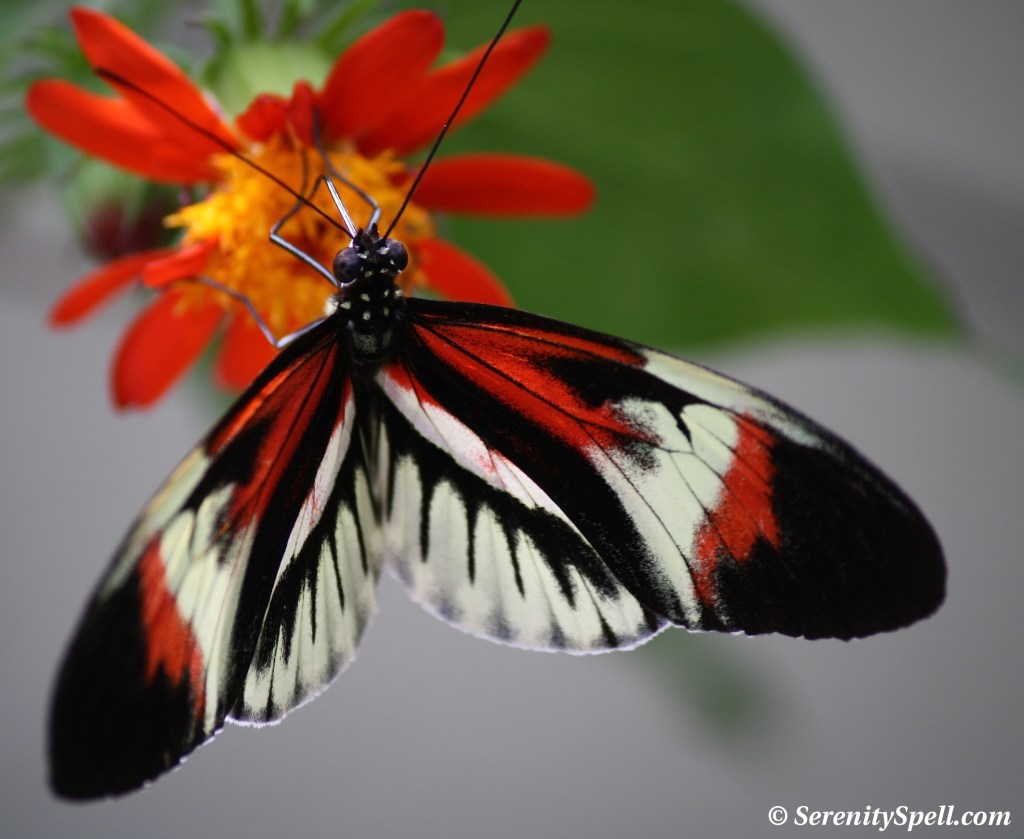
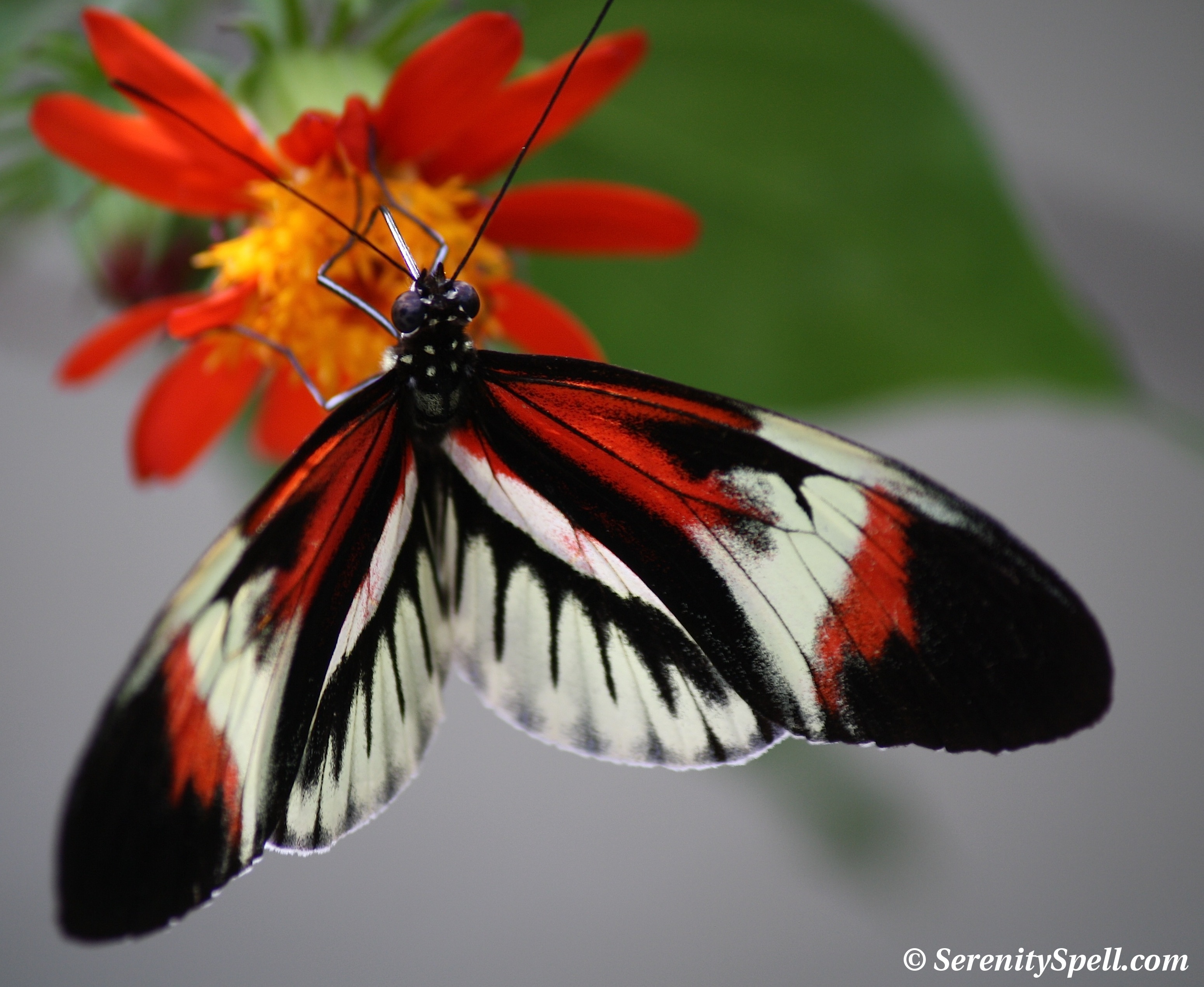
Piano Key Butterfly
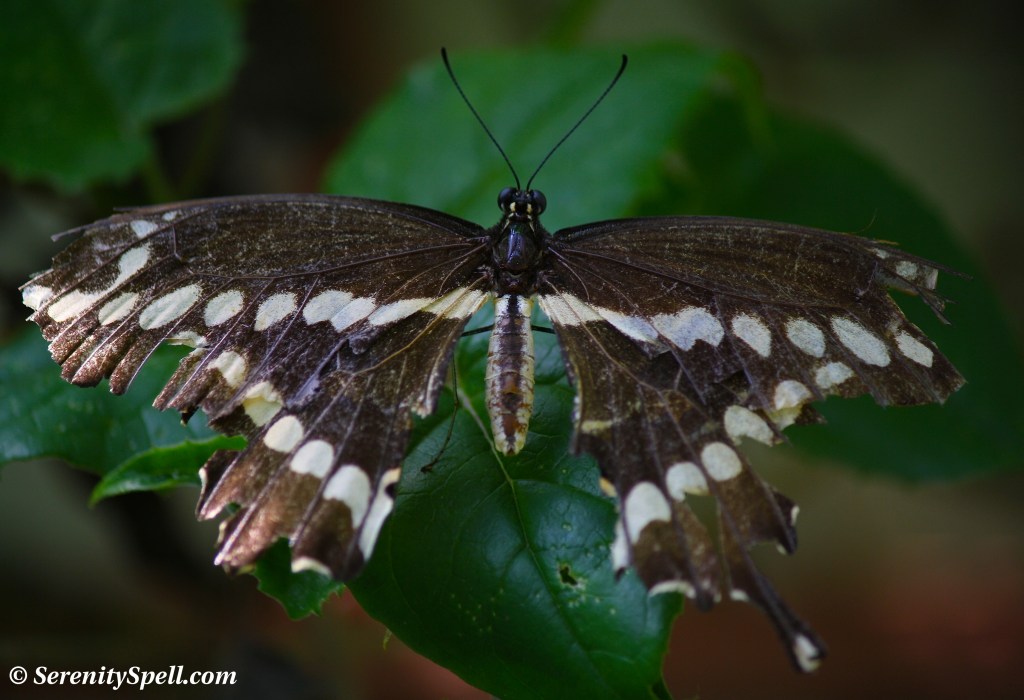
Swallowtail Butterfly (Specifically, err…)
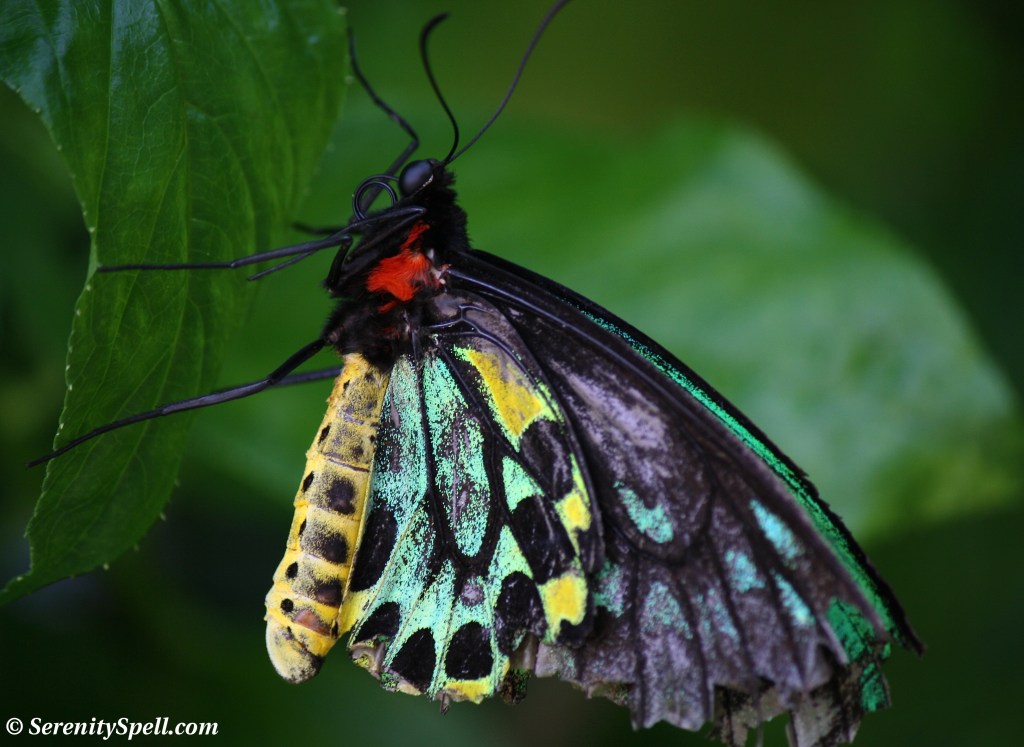
Clipper Butterfly
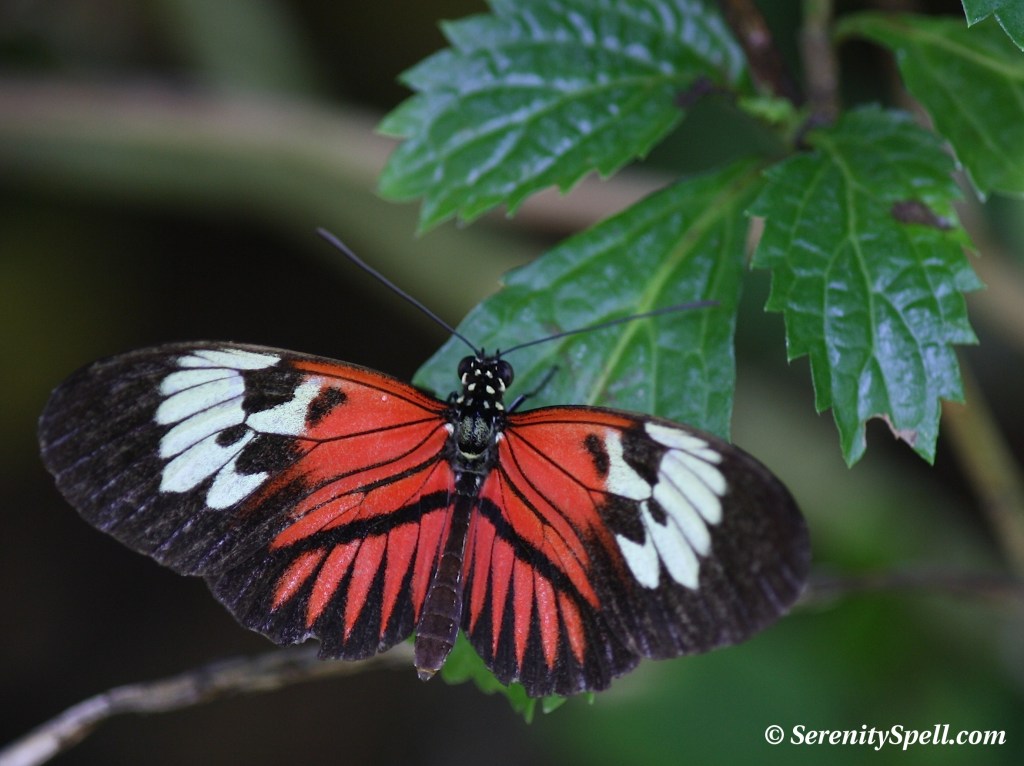
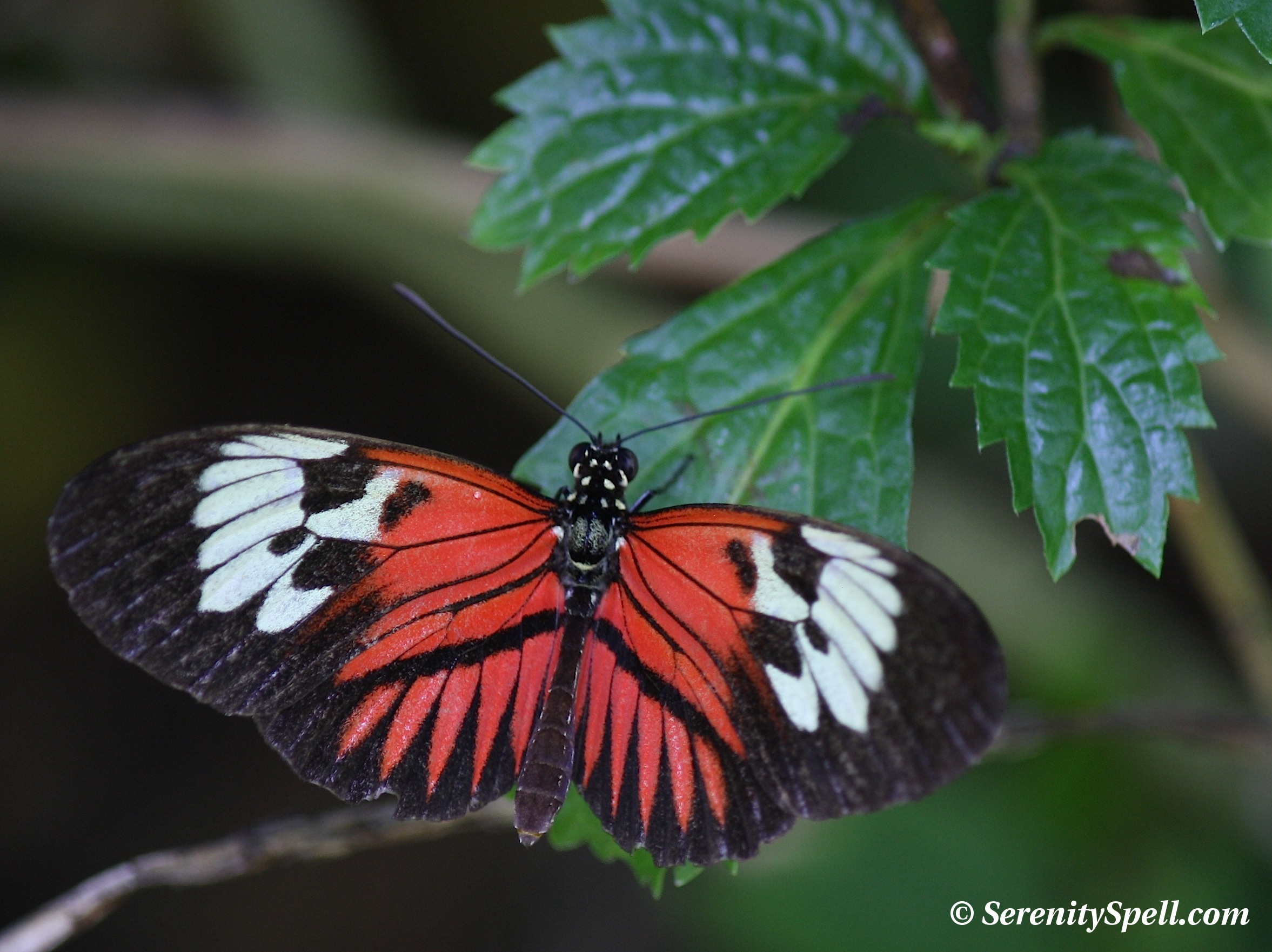
Madiera Butterfly
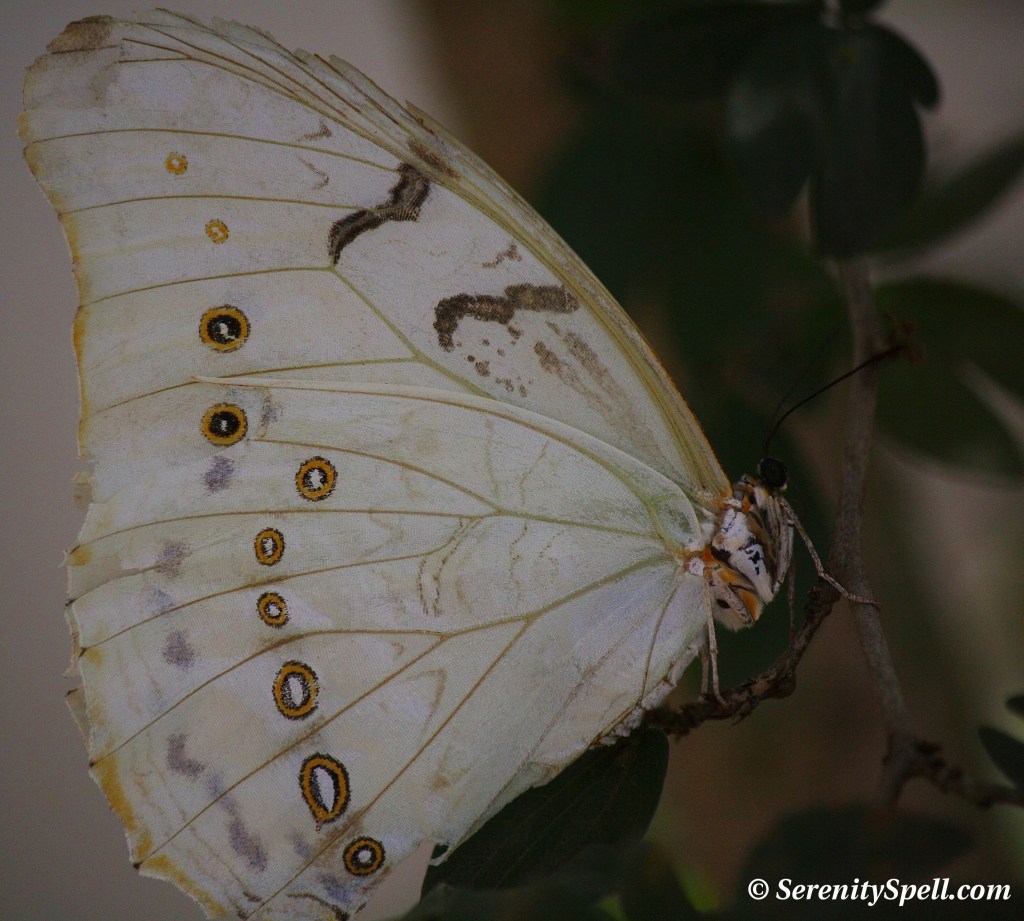
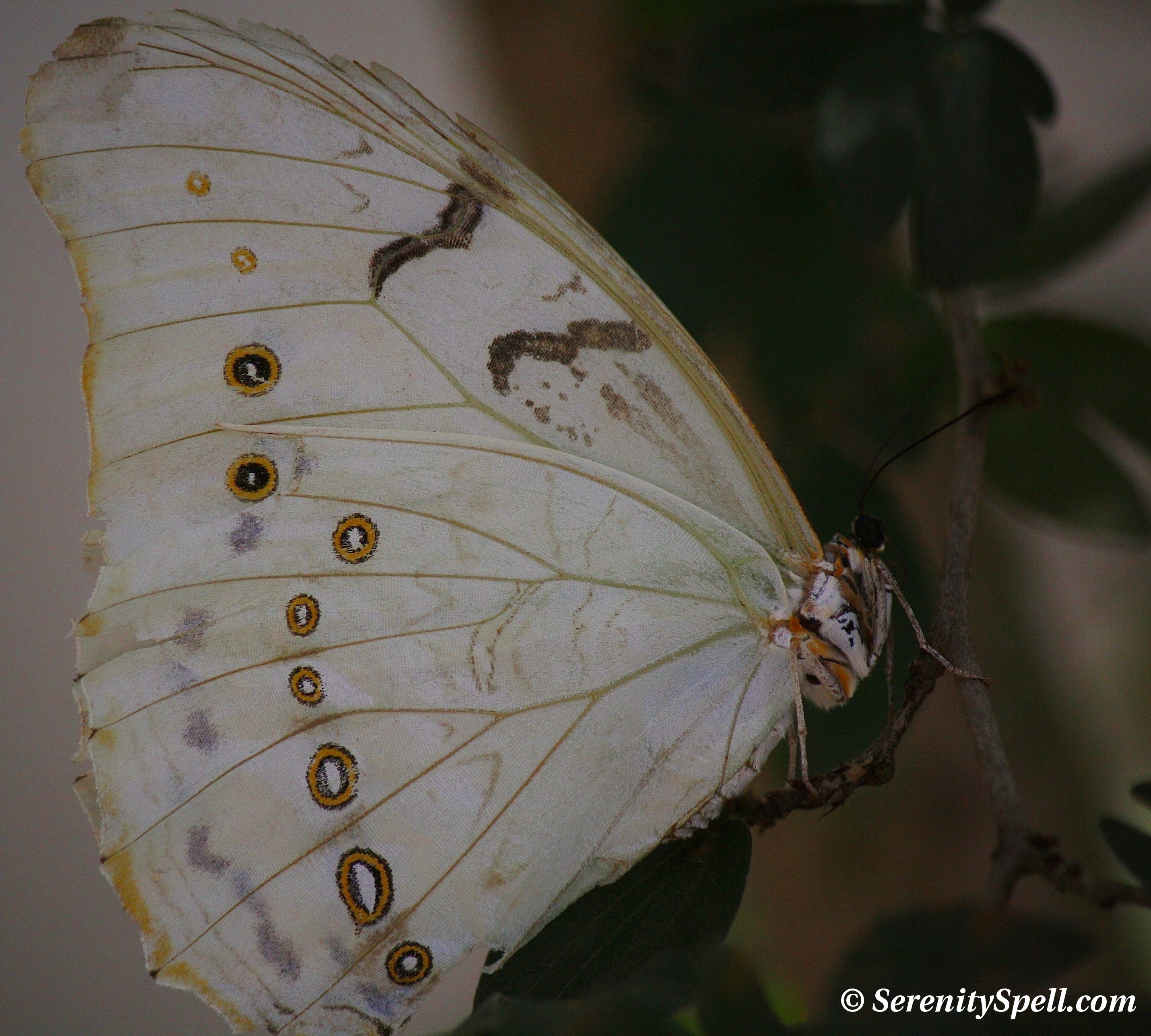
White Morpho Butterfly
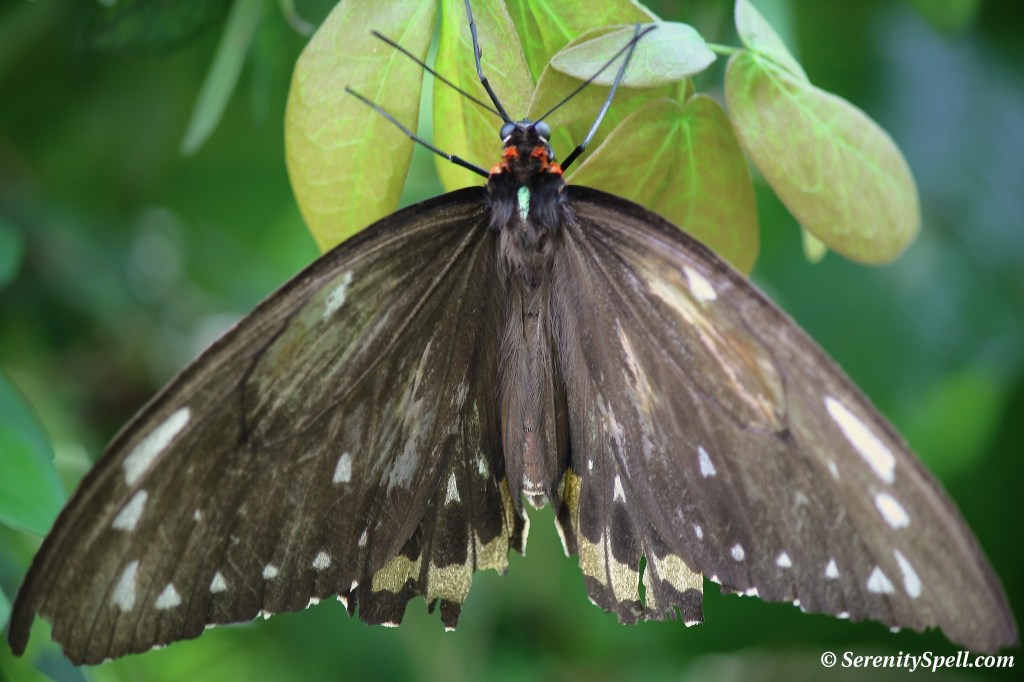
Still trying to figure this one out…

…And on to the birds!

National Trails Day

Tomorrow — Saturday, June 2, 2012 is National Trails Day!

Since 1993, the first Saturday of every June has been designated to inspire the general public and hiking enthusiasts alike to discover and celebrate America’s expansive trail network — comprising over 200,000 miles of trails. You can participate in a local hike, dog walk, cycle, horseback ride, help in a trail maintenance project, kayak, birdwatch, and so much more. It’s easy to forget how much work goes into trails’ planning, development, and upkeep: National Trails Day thanks the countless volunteers and partners for their support and grueling work.

National Trails Day also introduces many people — those who may not otherwise visit parks and trails — to all of their benefits. The day further highlights trails that people didn’t even know existed. I try to do this as well in this blog — after hearing many friends unaware of the magnificent parks and trails in their backyards (see Natural Areas and State & National Parks dropdowns, above — or the Categories section to the right). In today’s world, it’s critical to get outdoors and into nature. Hiking — even simple walks — gets the heart pumping, the muscles relaxed and stretched, and is an excellent way to improve overall health. It’s also cheap! Exploring these serene environments will help you decompress and find solitude as well; I often wander alone, watching and photographing as I stroll the natural areas.

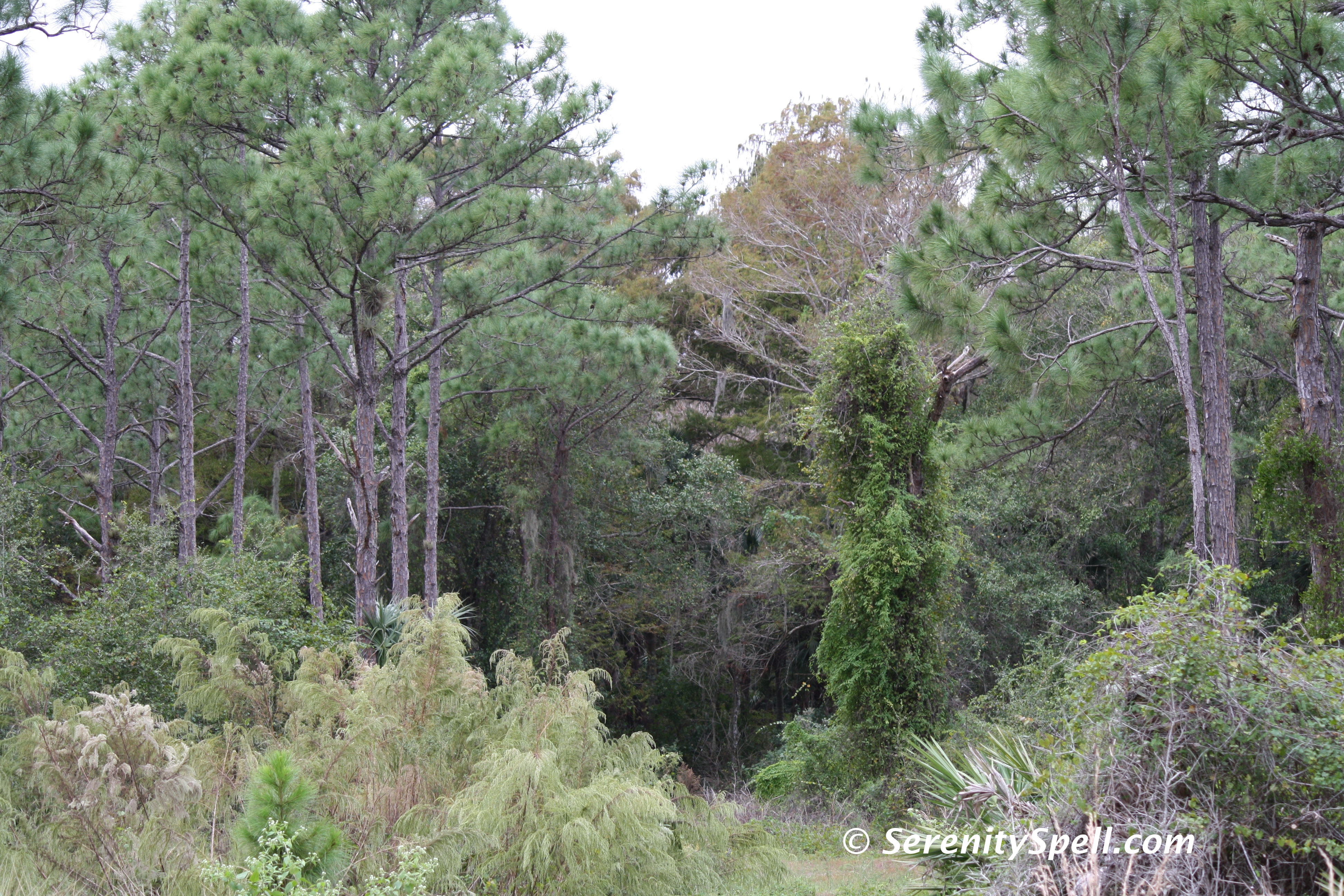
Find an event near you for a National Trails Day event. Celebrate nature and promote our country’s parks and trails! I have far too many trail pictures to share (as proven in my past posts!), so I’ll revisit a few of my favorite areas, if that’s possible:

A most beautiful path in Riverbend (Jupiter, FL)

Cypress Swamp Along the Florida Trail

Into the Swamp, Florida Trail Extension (Jonathan Dickinson Trail)

Prairie Overlook Trail, Fern Forest

Sheltering Trees of the Florida Trail Extension (Jonathan Dickinson Trail)

Gorgeous Oaks of the Florida Trail Extension (Jonathan Dickinson Trail)

Cypress Swamp, Historic Jupiter-Indiantown Trail, Cypress Creek Natural Area

Boardwalk, Arthur R. Marshall Loxahatchee National Wildlife Refuge