Skip to content

Posts tagged ‘nature’

Cantankerous Puffs of Adorable

Any glimpse into the life of an animal quickens our own and makes it so much the larger and better in every way. —John Muir

We’re finally getting drenched with some much-needed rains in South Florida — the swamps and Everglades are thrilled, I’m sure of it. Last Monday alone, we received ten inches from the sky… TEN INCHES. That kind of downpour creates flash flooding, and the accompanying high winds (and lovely lightning) can wreak havoc on birds’ nests.

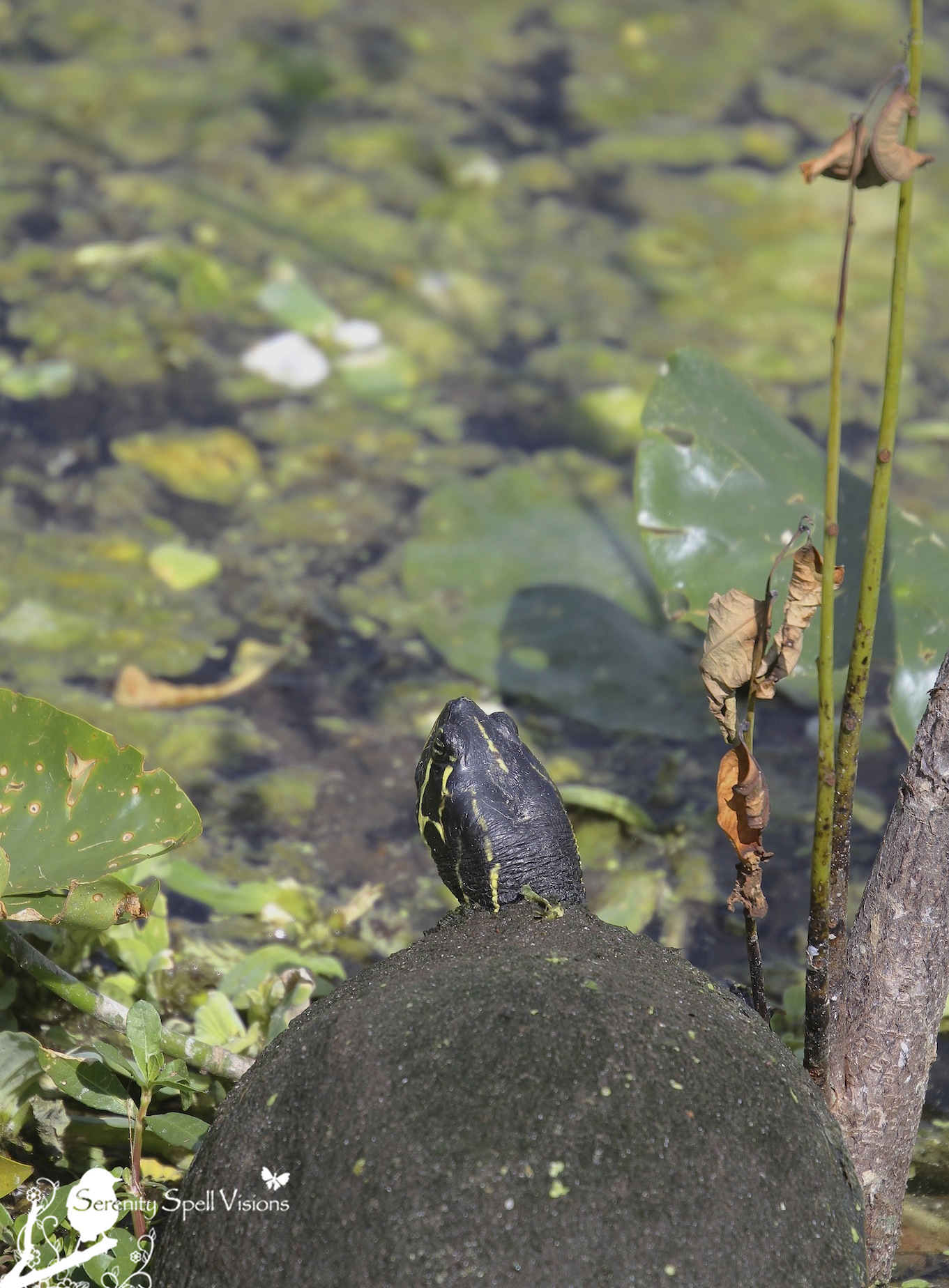
During a quick visit to the wetlands between the raindrops, it was obvious that there was much repair to the nests being done throughout the preserve. As I was blankly staring at a turtle (I love our turtles), I caught some commotion deep within a Pond apple tree, one that’s been an annual home to nesting Green herons. Mom had just returned with branches to repair the nest, and her little ones were obviously expecting food — and visibly unhappy about the sticks over the food.

Baby Green Heron in Pond Apple Tree, Florida Wetlands

On the lookout for mom

All babies are sweet, but Green heron babies are little cantankerous puffs of adorable.

Baby Green Heron in Pond Apple Tree, Florida Wetlands

She’s not that way, either…

And back she flew to the wetlands, to high commotion, for more nest-building materials. So much work to be done; babies still needed their food….
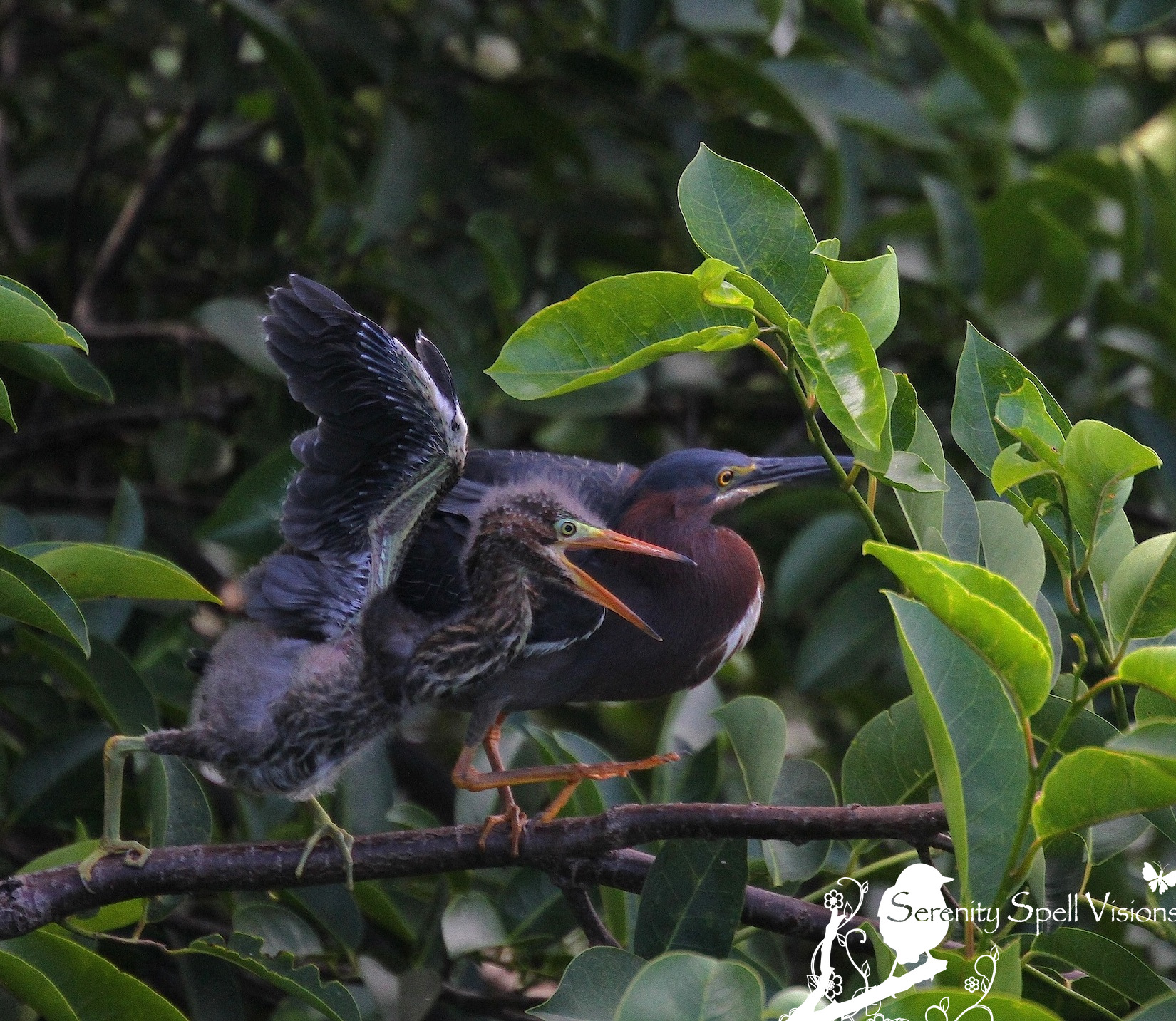
Baby Green Heron and Mother in Pond Apple Tree, Florida Wetlands

Honestly, mother.

[For all you locals: If you’re as fascinated by the area’s water cycle and flow as I am, check out Go Hydrology in my “Florida Nature Blogs” to the right — fantastic daily updates and general information!]

It’s World Turtle Day!

The idea of wilderness needs no defense, it only needs defenders. ―Edward Abbey

Gaaa! Today — May 23, 2013 — is the 13 annual World Turtle Day! This special day was created to help people celebrate and protect turtles and tortoises and their disappearing habitats around the world.

I love our turtles and tortoises…. I grew up with the giant South Pacific sea turtles (MAGNIFICENT), and now, I always have towels in my car for the sole purpose of transporting wayward turtles on our Florida roads (especially during nesting season, poor babies). If you encounter and relocate one, remember to *always* move them to safety in the direction he / she’s heading. Wildlife needs every tiny bit of help we can offer. More from the Mother Nature Network, in honor of this day celebrating these wonderful guys:

“The earliest turtles evolved up to 300 million years ago, branching off from a group of reptiles more closely related to crocodiles and birds than to lizards and snakes. Lots of turtle species have come and gone since then, including some spectacular ones like the car-sized “coal turtle” or the Koopa-like Meiolania damelipi. But today’s turtles face an unusually widespread danger, with about half of Earth’s 328 known species listed as threatened or endangered with extinction. They’re largely under siege from humans, yet unlike King Koopa, they didn’t bring this on themselves….”

Red-bellied Turtle, Flamingo Gardens, Florida

A Red-bellied turtle finds sanctuary at Flamingo Gardens

Florida Cooter (Turtle) in the Florida Wetlands

A Florida Cooter safely surveys his domain in the wetlands

Visiting with an Ancient Tortoise at Flamingo Gardens, Florida

Visiting with an ancient tortoise at the Flamingo Gardens wildlife rehabilitation center and sanctuary, last year… I would have climbed in for cuddles, if possible.

Sea Turtle, Loggerhead Marinelife Center, Juno Beach, Florida

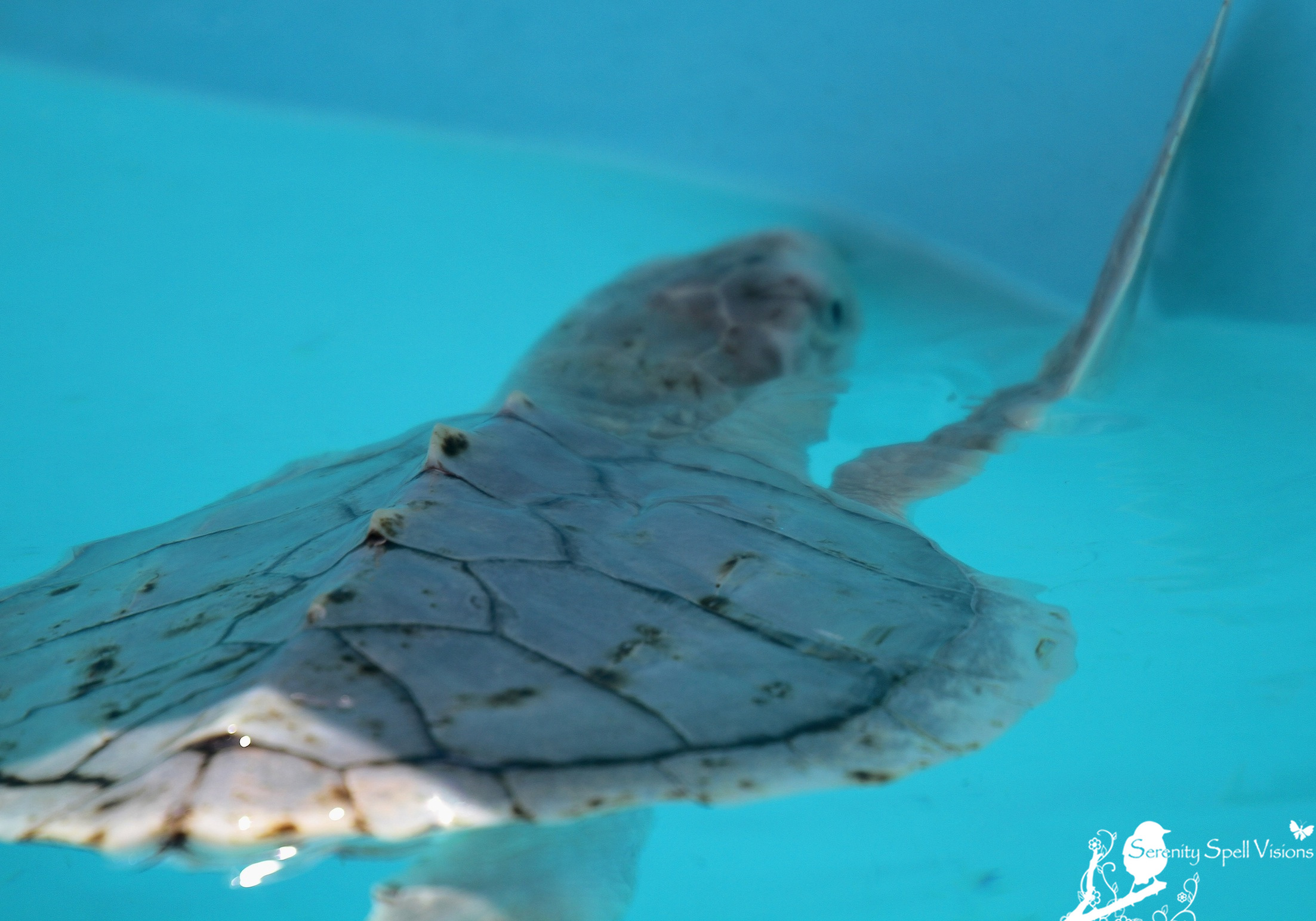
A rescued sea turtle in rehabilitation at the Loggerhead Marinelife Center in Juno Beach

And finally, one of my favorite guys: The always gentle and shy Gopher tortoise! I’m always trying to catch a glimpse of these sweethearts, and have written a few times in this blog about their essential role to our ecology, and the need for their continued protection.

Gopher (Burrowing) Tortoise, Savannas Preserve State Park

Trying my best not to frighten a Gopher (Burrowing) tortoise in the Savannas Preserve State Park


Read more about World Turtle Day, and protecting turtles and tortoises here
and here:

at Mother Nature Network, and at the

Loggerhead Marinelife Center in Juno Beach, Florida, and at

World Wildlife Foundation, and at

Nature artist / writer Denise Dahn’s blog, learn about Gopher tortoises, and finally at

treehugger!

A Heavenly Hardwood Swamp

Earth’s crammed with heaven, And every common bush afire with God: But only he who sees takes off his shoes. —
Elizabeth Barrett Browning

In honor of the Victorian poets Elizabeth Barrett and Robert Browning, who met after a long correspondence on May 20, 1845…and began one of the most celebrated love affairs in history. After much wooing, Browning finally convinced a shy and skeptical Barrett that he loved her “for naught except for love’s sake only.”

* * *

I readily admit that my sense of direction is horrible. Which makes wanting to explore the more off-beaten trails a bit…difficult, to my family’s tremendous concern. There’s a lot of backtracking! But in visiting these places, a vision of natural Florida is allowed — and it’s divine.

Outside of the *ridiculous* number of gargantuan mosquitoes that swarmed as I carefully crept into this lovely swamp, it was a treat. I only hope that any human male who shows an interest in me in the future, will also understand my occasional mosquito attacks (not pretty). And the spider bites. And occasional wasp stings. I should seriously consider paramedics or forest rangers as potential dating material.

Cypress Swamp, Cypress Creek Natural Area, Florida

A still-dry cypress swamp in the Cypress Creek Natural Area

I recently hiked through one of my favorite habitats, a hardwood swamp. Various hardwood trees and a mixture of hardwoods and Cypress can be found here, including Water hickory, Holly, Maples, Oaks, Cabbage palms and Bay trees, accompanied by a dense understory of vines, ferns and herbaceous plants. Hardwood swamps occur on floodplains or upland areas that are lower than the surrounding area. And it’s home to so much life — the sounds coming from the trees were just lovely.

Hardwood Swamp, Cypress Creek Natural Area, Florida

Looking up into the canopy of the hardwood swamp

Yet another breathtakingly beautiful Florida habitat to witness and love — and above all else, protect and preserve.

The Butterfly of Doom

Or so it was named by the late 19th-century Russians — leave it to them to label a butterfly as such. It’s definitely the first time I’ve ever heard Butterfly and Doom used in the same phrase; there has to be heavy-metal band with this name out there somewhere.

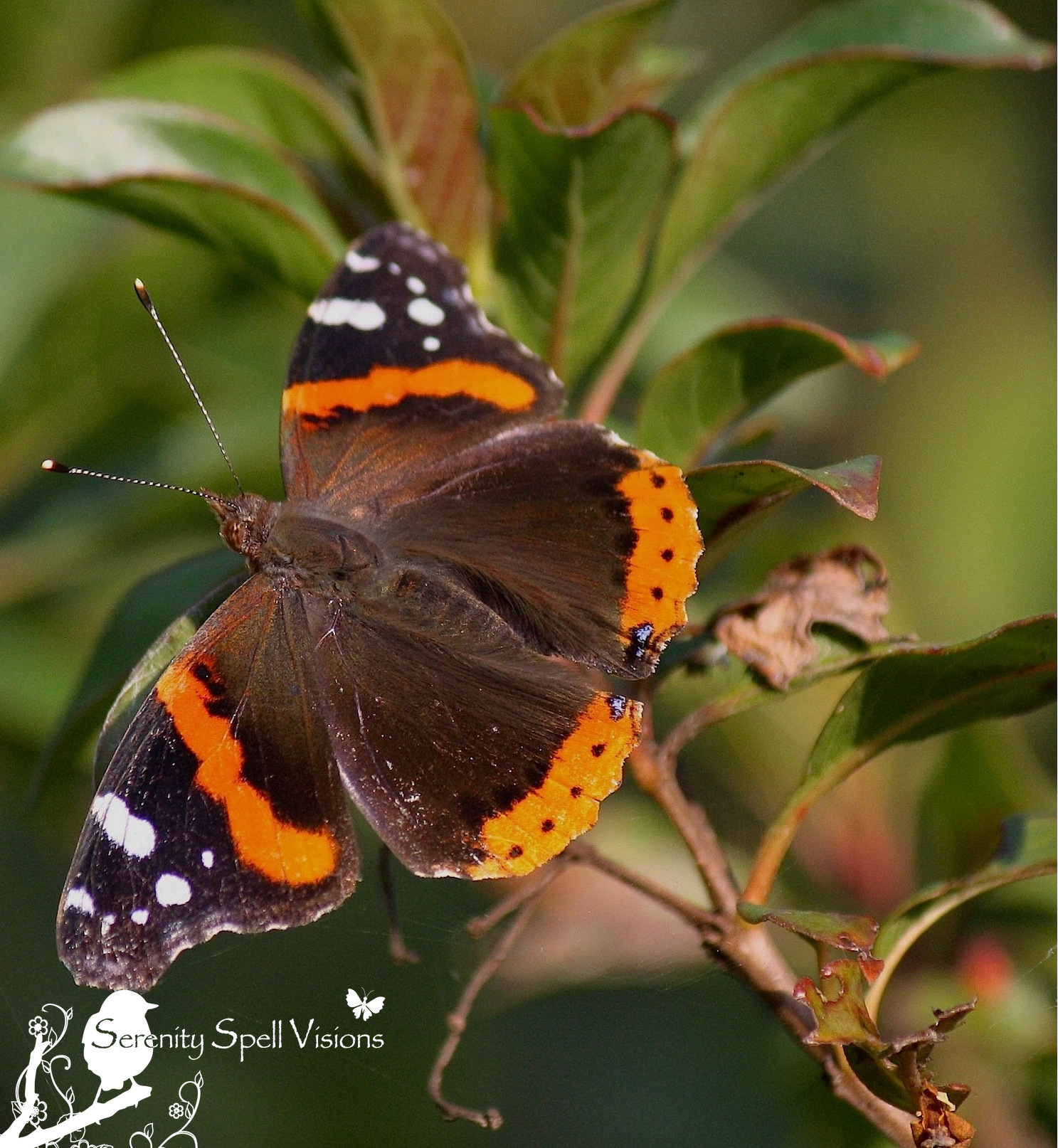
Red Admiral Butterfly (Vanessa atalanta), Florida Everglades

A Red Admiral Butterfly (Vanessa atalanta) rests in the Florida Everglades

Zebra Longwing Butterfly (Heliconius charitonius)

Florida’s abundant all-year blooms provide enough butterfly chasing, even for me. The most common encounter is the Zebra Longwing (Heliconius charitonius), found throughout the hardwood hammocks, swamps, and Everglades — and designated the official state butterfly of Florida.

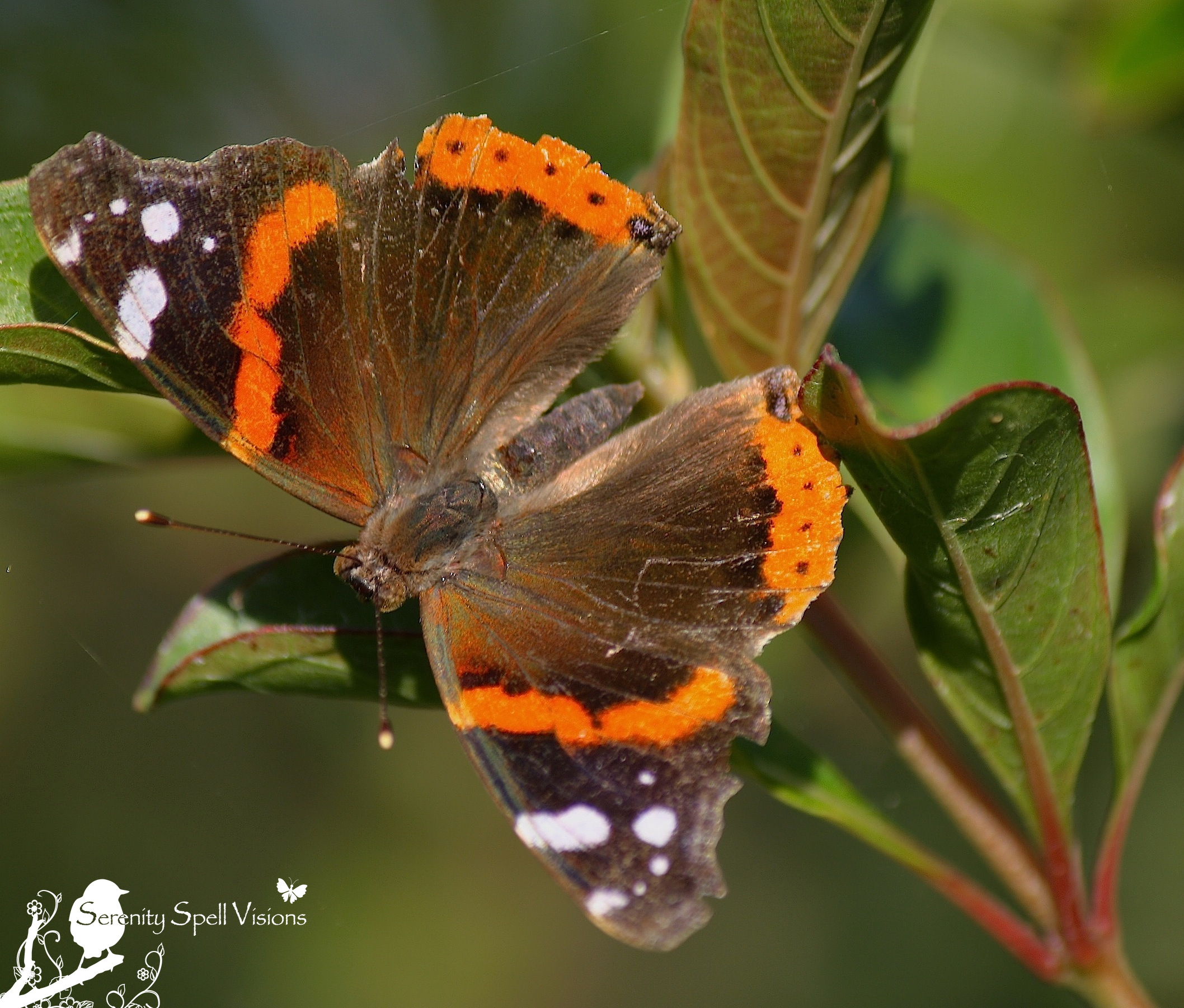
Found in North America, Asia, and Europe, territorial male Red Admirals (Vanessa atalanta) can be found in the same location day-to-day — and as a testament, the images below were shot on separate days, in the same clump of foliage. Red Admirals are dark brown, with brick-red bars and white markings on the tips of the forewings. Although known to be quick fliers, they’re considered a perfect companion for gardens, being very people-friendly, and known to perch on humans.

Red Admiral Butterfly (Vanessa atalanta), Florida Wetlands

The Butterfly of Doom terrifies all

The Red Admiral is considered the favorite butterfly of author and amateur lepidopterist Vladimir Nabokov (1899 – 1977); it’s mentioned throughout his writings, taking a prominent role in the 1962 novel Pale Fire. When scholar Alfred Appel, Jr. asked why he was so fond of Vanessa atalanta, Nabokov replied: “Its coloring is quite splendid and I liked it very much in my youth. Great numbers of them migrated from Africa to Northern Russia, where it was called ‘The Butterfly of Doom’ because it first appeared in 1881, the year Tsar Alexander II was assassinated, and the markings on the underside of its two hind wings seem to read ‘1881’. There is something interesting in the Red Admirable’s ability to travel so far” (Strong Opinions, p. 170).

According to Pale Fire‘s character — poet John Shade — the original Old English name for the butterfly was actually Red Admirable, which was later degraded to The Red Admiral. In the novel, Vanessa atalanta appears as Shade’s heraldic butterfly, as seen in the verses:

Come and be worshiped, come and be caressed,
My dark Vanessa, crimson-barred, my blest
My Admirable butterfly… (lines 269–271, p. 42–43)

Red Admiral Butterfly (Vanessa atalanta), Florida Wetlands

Nabokov’s favorite in the Florida wetlands

Red Admiral Butterfly (Vanessa atalanta), Florida Wetlands

A Red Admirable kindly displaying for the butterfly-chaser

For More Information:

Helping the Monarchs, and Florida’s Monarch Mimics

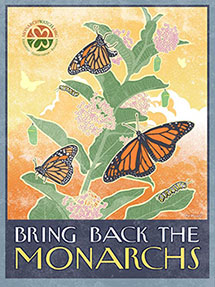
 Monarch Watch Conservation Campaign Poster

Monarch Watch Conservation Campaign Poster, courtesy of Monarch Watch

In mid-March, news of the severe decline in Monarch colonies was released — a record low. Their population has dropped 59% this year alone. That’s outstandingly sad. Although insect populations fluctuate, experts are concerned about the monarchs’ consistent downward trend. Their wintering colonies in Mexico, which once spanned 44 acres, now encompasses less than THREE mind-boggling acres. It was the topic of an NPR piece recently as well: Majestic Monarch Butterflies Under Threat.

Scientists suspect many factors contribute to the decline, including fluctuations in weather, habitat loss, pesticides on milkweed, and Round-up resistant crops — genetically engineered crops. Basically, the fault lies with us.

Monarchs NEED milkweed. During their long and arduous migration spanning several generations, the female lays her eggs on milkweed plants. When the eggs hatch, the larvae in turn feed on the plant. Without this basic necessity, the beautiful monarchs will continue to disappear. This year’s numbers are beyond troubling — but hopefully another eye-opening alert for the GMO industry using the herbicides.

Plant milkweed — it’s pretty! So are the butterflies that will visit…. I’ve planted lots of native butterfly plants, but I’ll be doing more for sure, especially since I don’t see many Monarchs down here in Southern Florida.

Monarch Fall and Spring Migrations Map, Monarch Watch

Monarch Fall and Spring Migrations Map, Courtesy of Monarch Watch

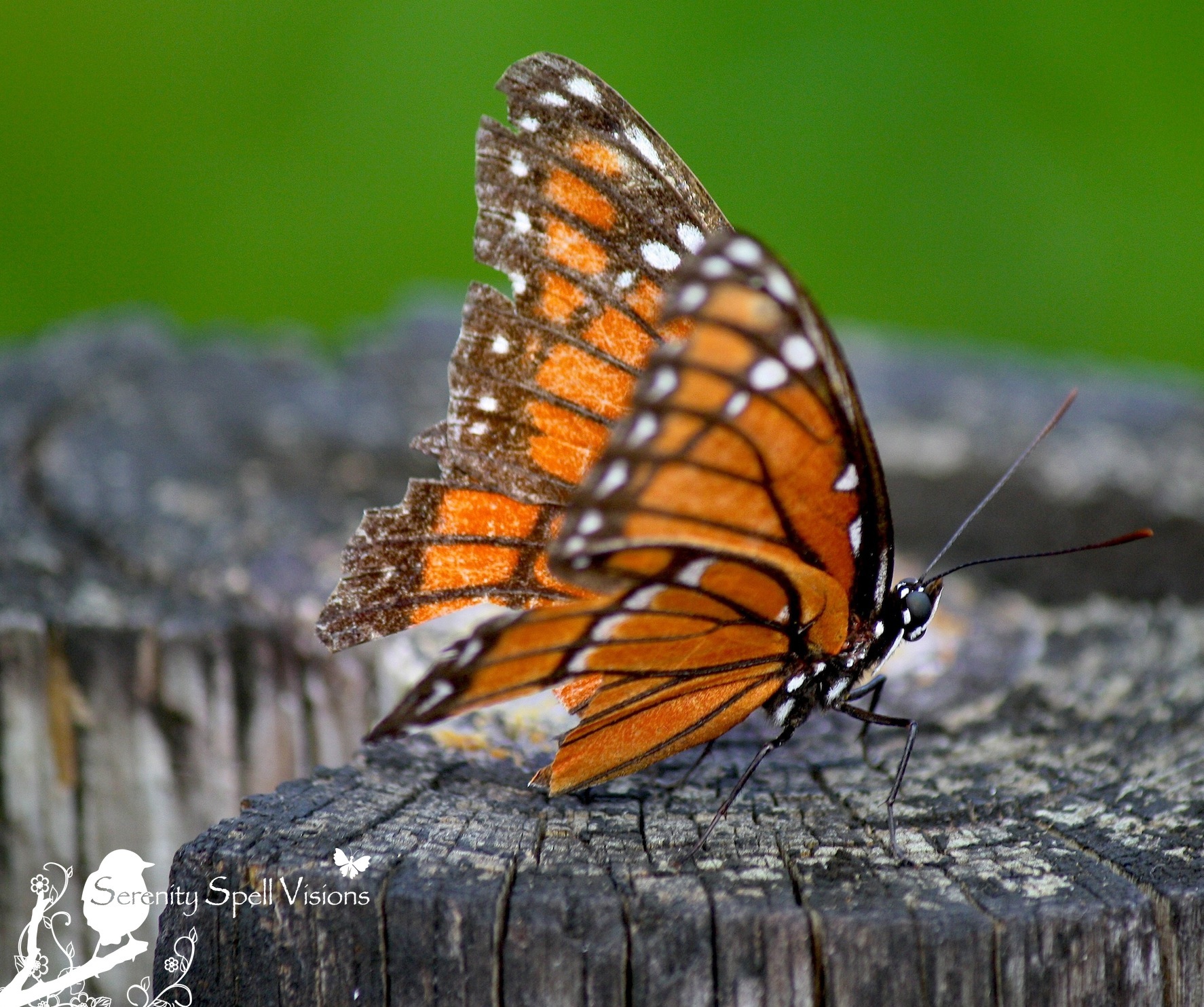
But below are some mimics of the Monarch — the Viceroy and Queen butterflies. The Viceroy, a black-and-orange poisonous butterfly very similar in appearance, doesn’t feed on milkweed like the Monarch, but remains safe because of its similarity to the more noxious-tasting Monarch. Interestingly, the Viceroy has evolved from a tasty butterfly to predators — one that survived on mimicry alone — to one that has adapted further by eating toxic vegetation as well (including willows and poplars).

Viceroy Butterfly (Limenitis archippus), Arthur R. Marshall

Viceroy Butterfly (Limenitis archippus), Arthur R. Marshall Loxahatchee National Wildlife Refuge

Viceroy Butterfly (Limenitis archippus), Arthur R. Marshall

Viceroy Butterfly (Limenitis archippus), Arthur R. Marshall Loxahatchee National Wildlife Refuge

The Queen butterflies also eat milkweed, and the toxins from the plants make them distasteful to predators. Scientists have noted that a bird eating a Monarch will learn and remember that the bright orange coloration and pattern is a signal of unpleasantness — and so a Queen butterfly, with its similar appearance, will be safe. Mimicry! Fascinating stuff.

Queen Butterfly (Danaus gilippus)

Queen Butterfly (Danaus gilippus), Hyplouxo Scrub Natural Area

Queen Butterfly (Danaus gilippus)

Queen Butterfly (Danaus gilippus), Riverbend Park

Be sure to also check out:

Monarch Watch Shop — Learn how to create a habitat for monarchs

Monarch Watch — LOTS of resources

Flight of the Butterflies in 3D — And how to plant a butterfly garden

Click here to look at the maps and other population graphs of the monarchs, and learn how you can help in their plight

Denise Dahn, artist/writer: An amazing nature artist and writer, here highlighting the history of milkweed and its importance to the Monarch