Skip to content

Posts tagged ‘nature’

Chasing Florida Flutterbys

On our hikes, we often stumble upon areas of flurried butterfly activity, due to Florida’s abundant all-year blooms. The most common encounter is the zebra longwing (Heliconius charitonius), designated as the official state butterfly of Florida in 1996 (something I just learned). No wonder it’s the state butterfly; it’s found throughout Florida in hardwood hammocks, swamps, gardens, and in the Everglades.

It’s tempting to want to cheat and run to Butterfly World to nab some prime shots of our butterflies, but for now I like to rely on the natural environs. We’ve spied some lovelies — swallowtails, sulphurs, whites, milkweeds and longwings — but sometimes, they just don’t want to pose for the camera. Or if they do, and aren’t as shy as the others, they rest in unfortunate spots — I find myself plowing through beastly banana spider webs, or trampling through swamp, to chase butterflies.

For More Information:
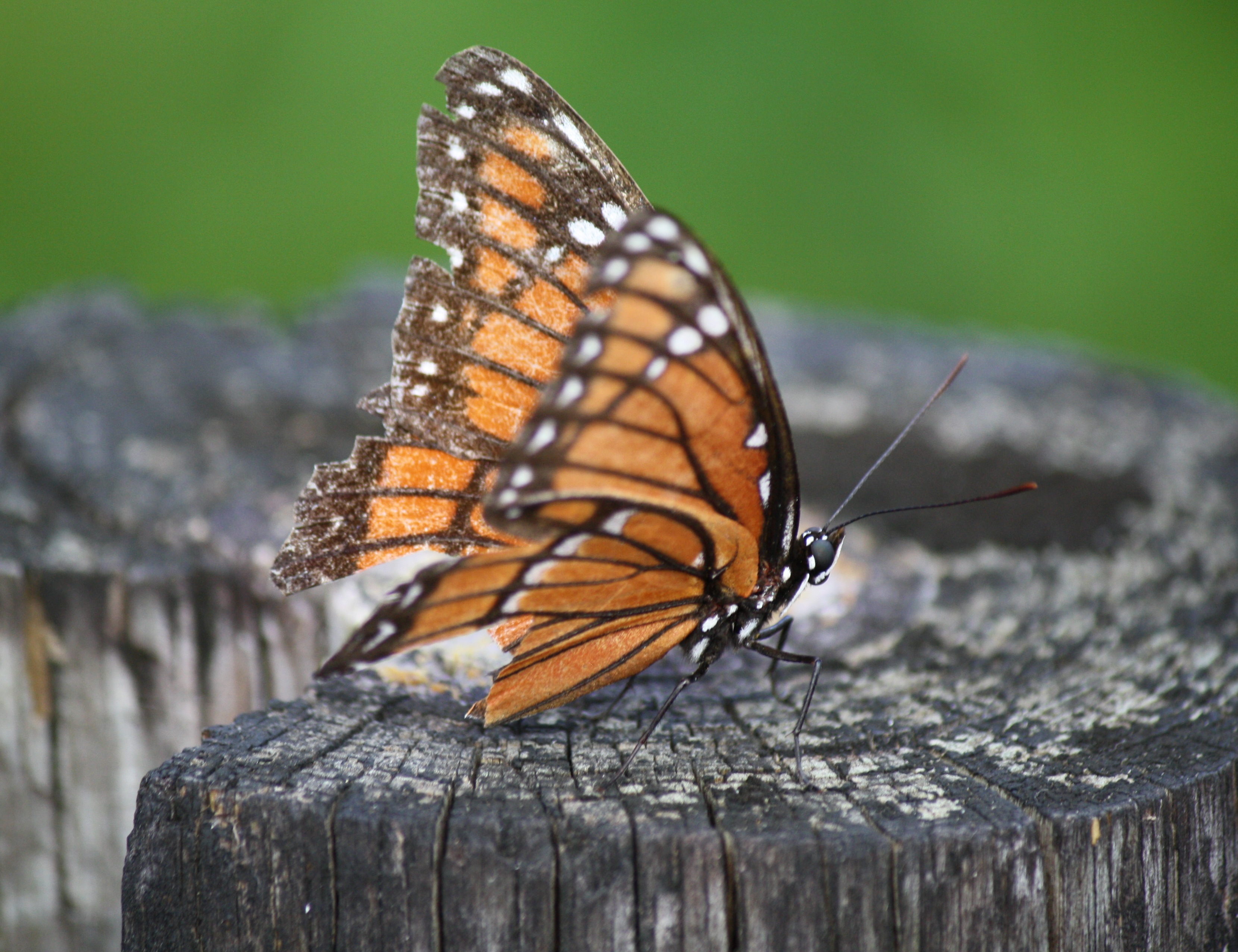
Viceroy Butterfly (Limenitis archippus), Arthur R. Marshall

Queen Butterfly (Danaus gilippus)

Ruddy Daggerwing Butterfly (Marpesia petreus)
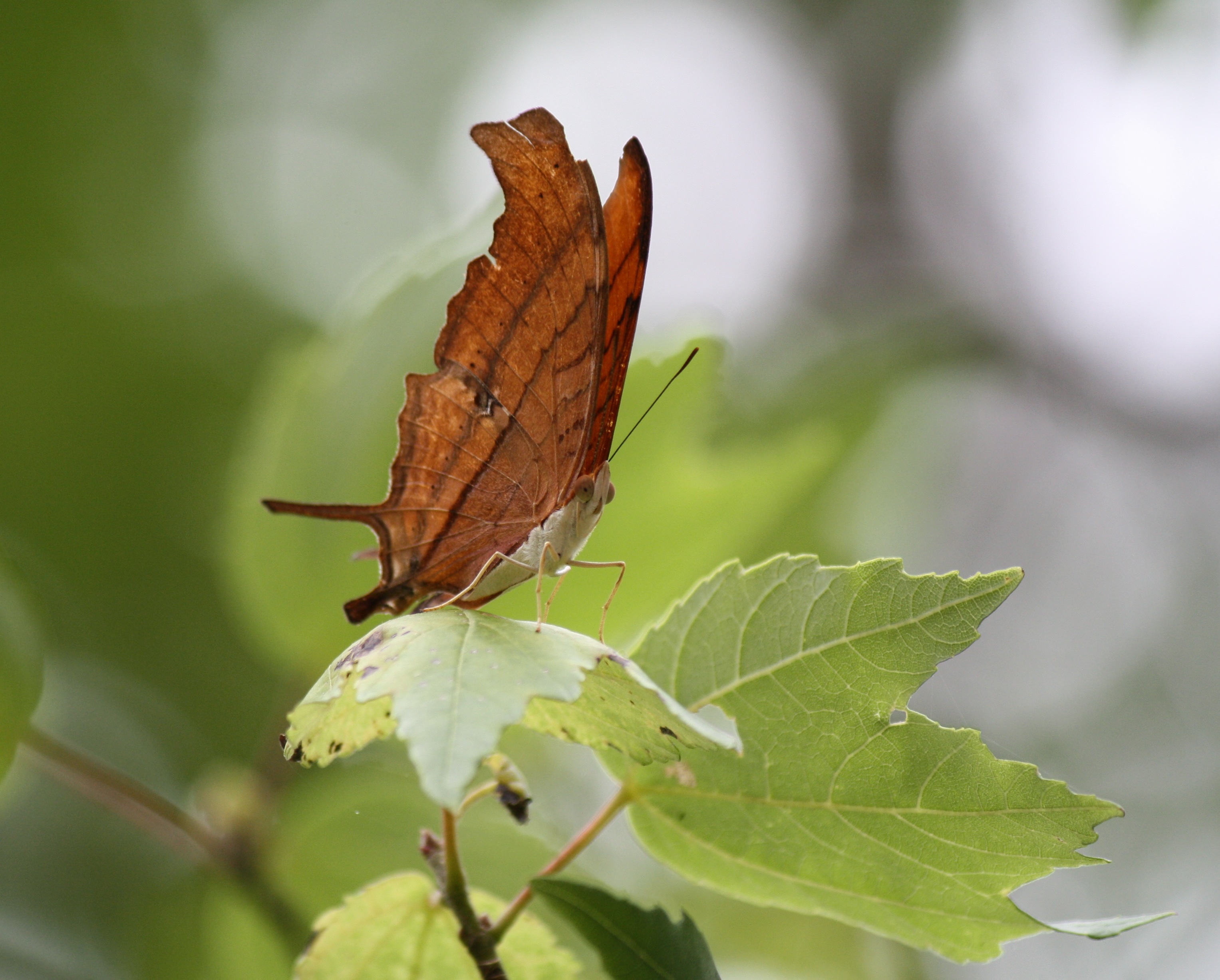
Ruddy Daggerwing Butterfly (Marpesia petreus)
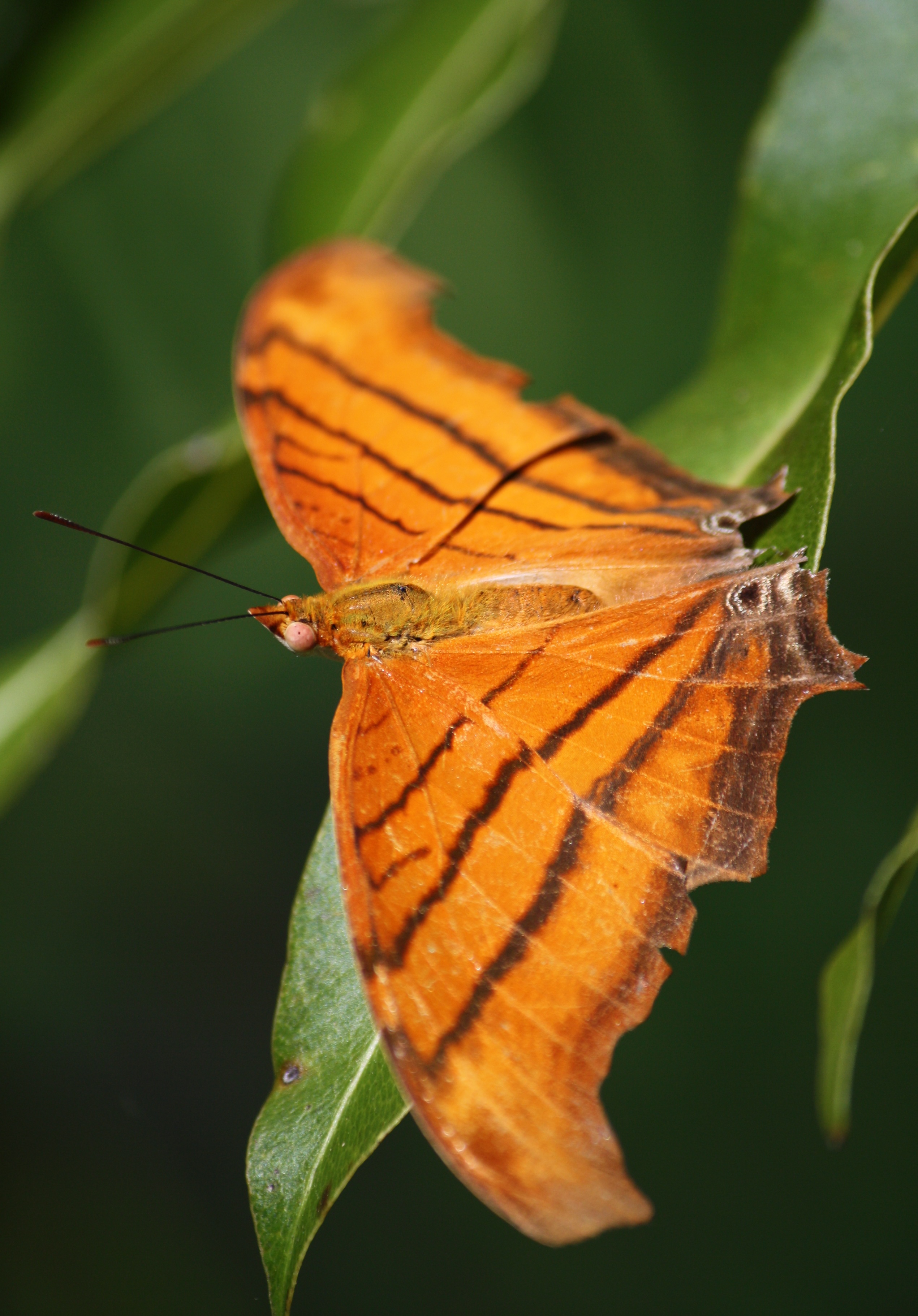
Ruddy Daggerwing Butterfly (Marpesia petreus)

Zebra Longwing Butterfly (Heliconius charitonius), Arthur R. Marshall
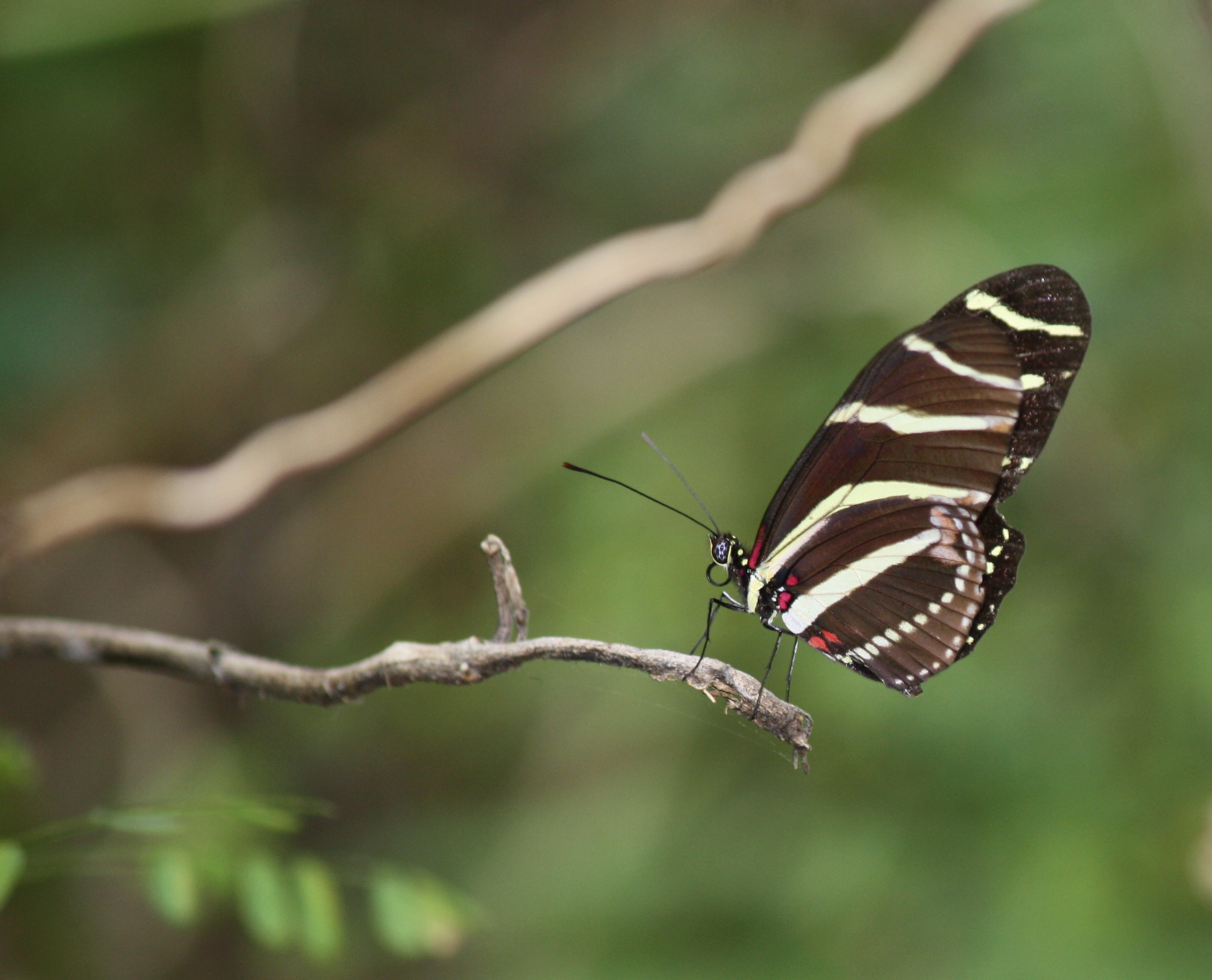
Zebra Longwing Butterfly (Heliconius charitonius), Riverbend Park

Poplar Sphinx Moth or Poplar Hawk Moth Larva, Big Cypress National Preserve
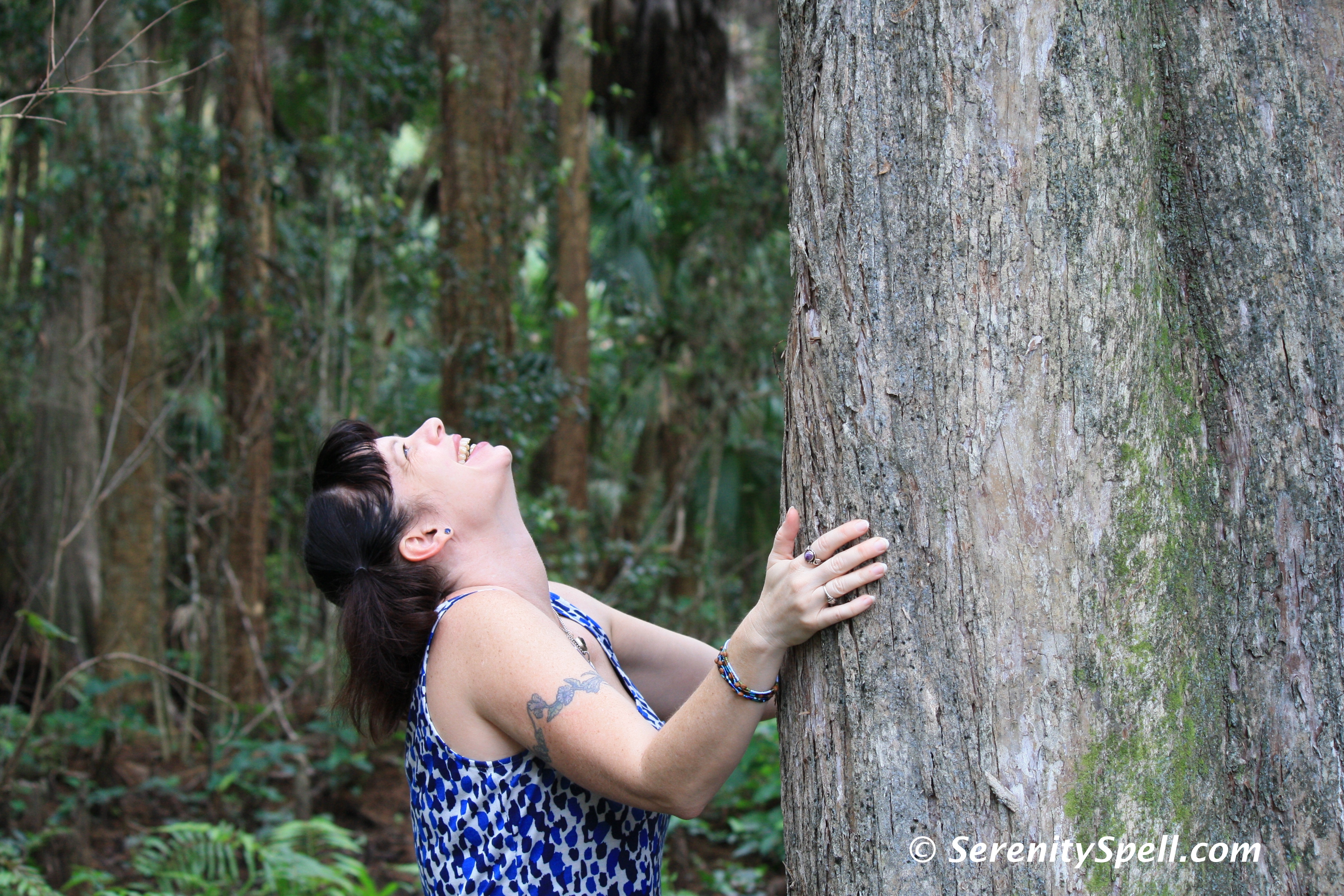
Tree Portraits for the Solstice ☀

In honor of the shortest day and longest night of the year — and the ancient sacred associations with the winter solstice, midwinter, and the first day of winter in the Northern Hemisphere — here are some images of our region’s fabulous flora.

This slideshow requires JavaScript.

Grace + Power: Learning from the Natural Kingdom

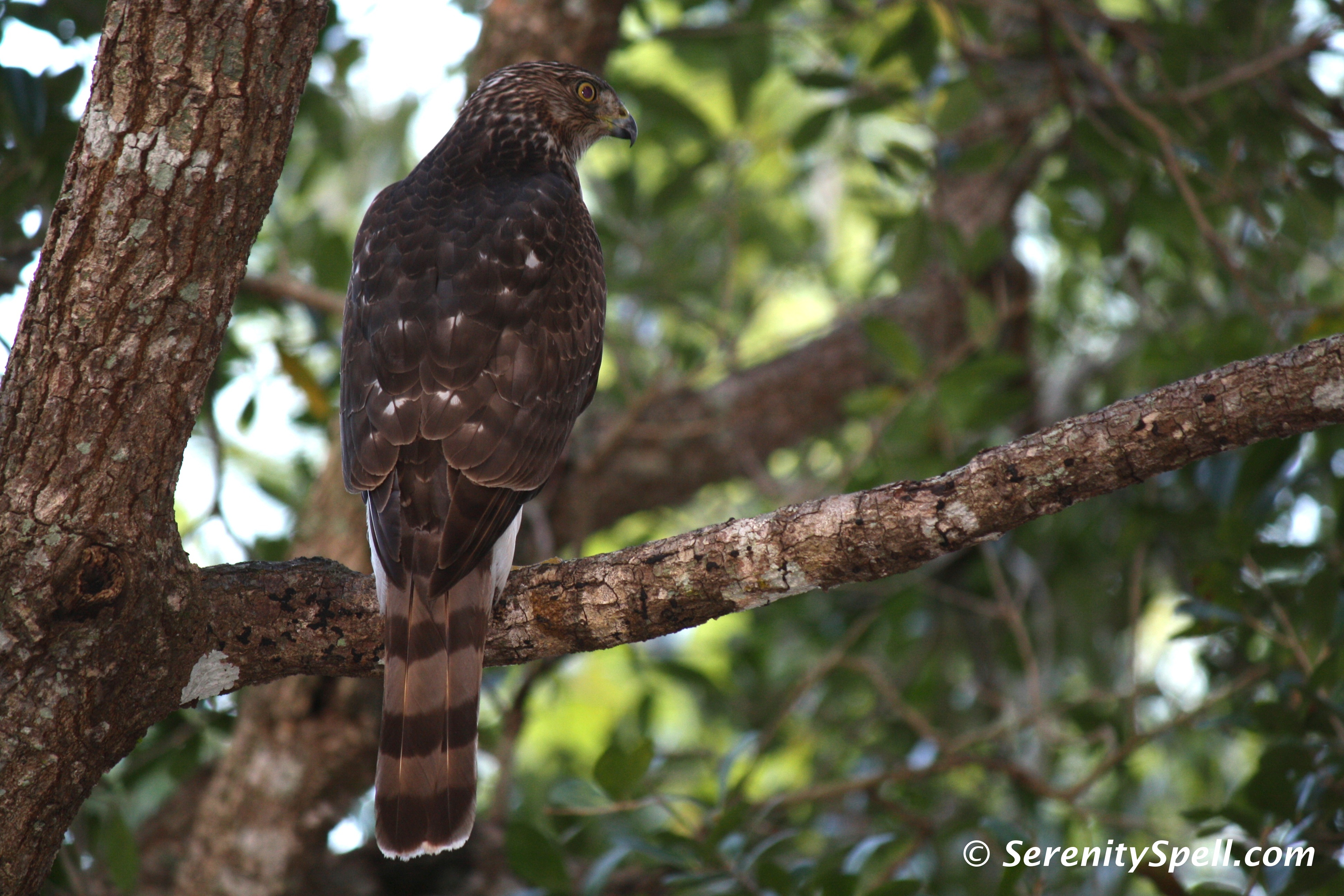
I had been brooding on the need to quietly observe nature, and the unfortunate situations in which that’s not always possible — especially when our visiting seasonal hordes treat the sanctuaries like amusement parks. But rather than wallow in the circumstance, I tried to focus on those gentle souls who lovingly respect and appreciate the natural areas as much as we do. We recently stumbled upon a spectacular raptor, an adult Cooper’s Hawk, hunting with the approaching dusk (stalking songbirds, most likely). Such grace and power seems to exist so easily in the natural (WILD) kingdom, but rarely in the human world. There have been plenty of difficult times previous to ours, with misrepresentation and squandering of power; ours is simply a new iteration of a very old story. In quietly observing the power and grace of the natural kingdom, one can strive for such a beautiful balance, regardless of anything else. For our human selves, it’s a lesson in being brave and graceful; kind and strong — and showing empathy without yielding to displays of weakness.

Cooper’s Hawk Waiting for Dinner

A Picnic at Fern Forest

As is our modus operandi (read: cheap activity these days), we grabbed an insanely delicious LaSpada’s subs, and headed out to Fern Forest in Broward County for a picnic and casual hike. It’s a bit of a haul for us, but we wanted to take advantage of Florida’s overcast weather with Tropical Storm Emily. Although she didn’t quite make it to land, enough of her bands reached us, and we had to make a run for it out of the trails. The flutterbys were active, and I was chasing them like a crazed lunatic with my camera to no avail. And the banana spiders, oh my. Oh my. They’ve obviously been busy, with their gigantic (but non-toxic) selves. I crashed into a few of their expansive webs, chasing butterflies. Dave’s especially enthralled with spiders, consistently offering better leverage for close-ups. Right-o.

This slideshow requires JavaScript.

Jonathan Dickinson & Riverbend: Natural Florida and an Awe-Inspiring Cypress Swamp

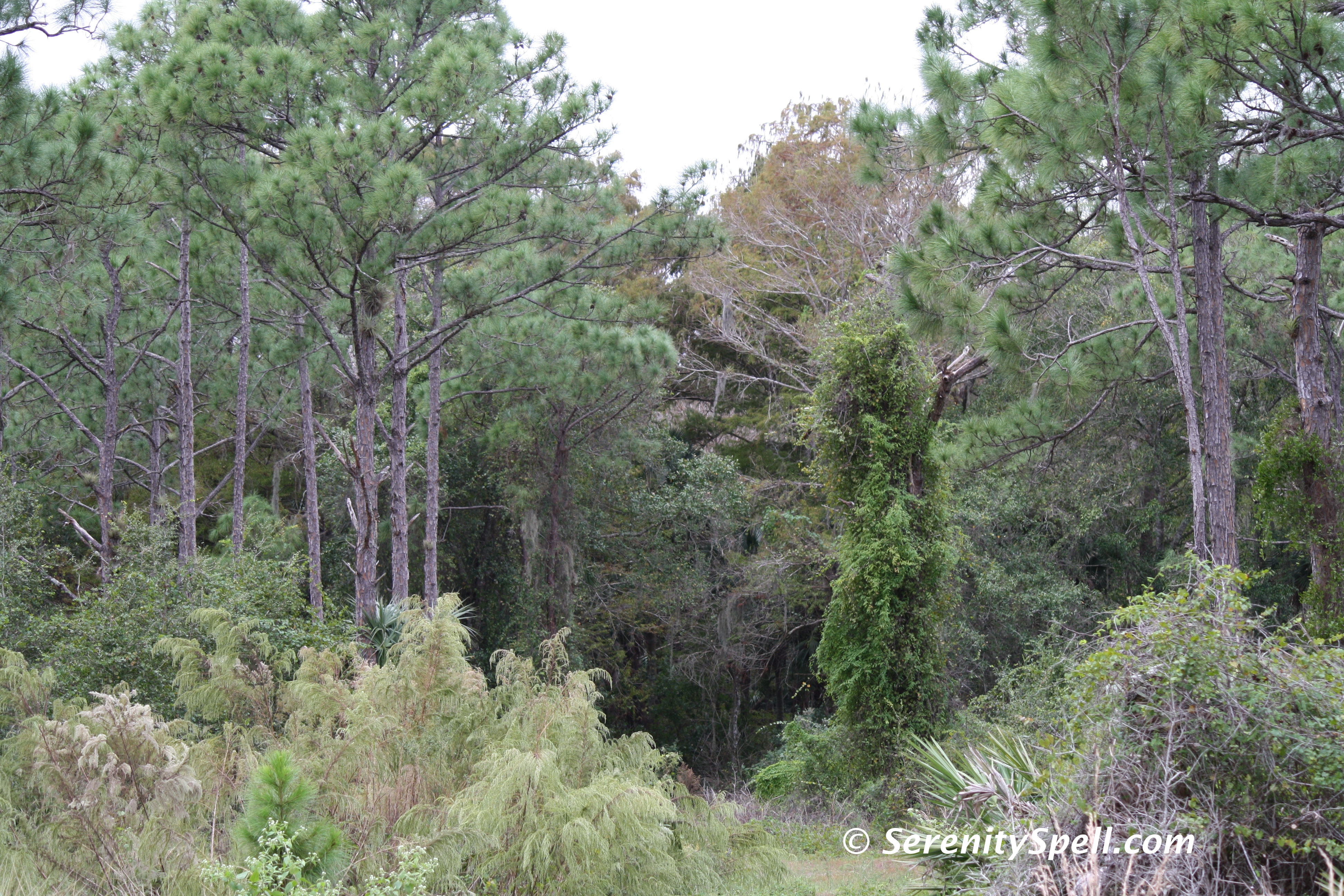
Riverbend Park in Jupiter, Florida, has been by far one of our favorite places to visit. Besides the vastness of the park proper, there’s a great extension of the Florida Trail — accessible through the park (under Indiantown Rd.), or attainable across the street (we jump the fence for more immediate access), near the Loxahatchee River. (The Ocean-to-Lake portion of the Florida Trail also runs behind the park, to the south.) But one of my favorite hikes is along the Old Indiantown Trail, also accessible across the street from Riverbend. It’s absolutely beautiful, replete with a gorgeous watering hole, canopy trees, old Florida growth, prairie, and miles of hiking, that lead into Jonathan Dickinson. Natural Florida at its BEST. It’s rarely traveled — we’ve never encountered another hiker past the watering hole.

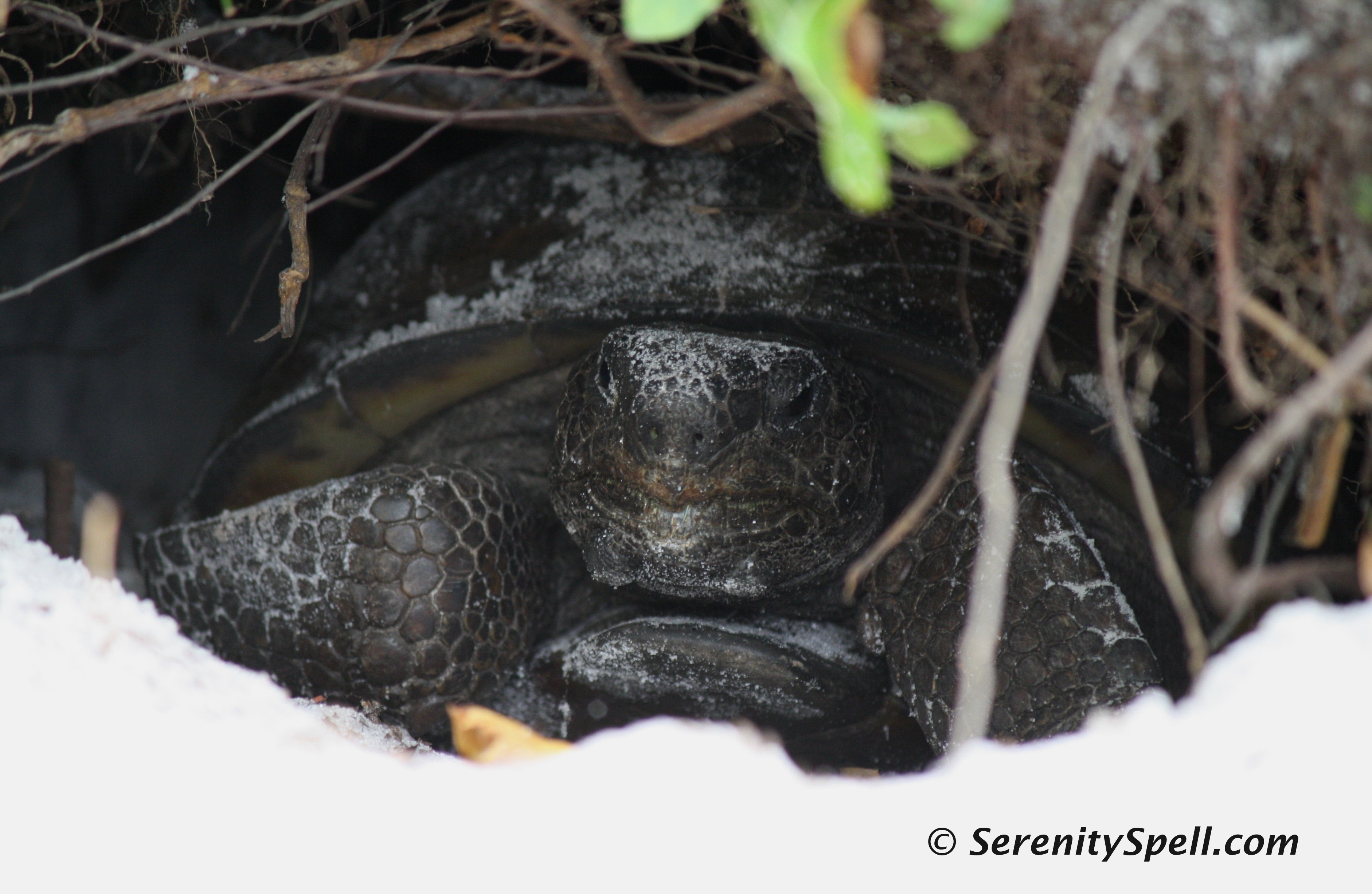
During our most recent trip, the gopher tortoises were exceptionally active — we must have seen at least five in their burrows within as many minutes. One of the oldest living species, the burrowing tortoise is found throughout Florida and southern Georgia, South Carolina, Mississippi, Alabama, and eastern Louisiana. These tortoises dig and live in long burrows in longleaf pine savannas, thus protected from summer heat, winter cold, fire, and predators. Gopher tortoises are essential to the local ecology — their burrows also provide homes for other animals, including indigo snakes, gopher frogs, mice, foxes, skunks, opossums, rabbits, quail, armadillos, burrowing owls, snakes, lizards, frogs, toads, and other invertebrates. Their burrows — abandoned or shared — may be the homes to more than 300 species of animals at one time or another. Pretty amazing; and it’s easy to see how destroying the habitat of the gopher tortoise alters the already fragile ecosystem. Federally protected as a threatened species EXCEPT in Florida, in which it is “under review,” the tortoise’s main threat remains: Habitat loss and destruction. For instance, it wasn’t until 2007, in Florida, that developers were forced *by law* to relocate burrowing tortoises — until then, development could shockingly occur with no thought to the safety of the animals and the destruction of their habitat.

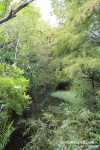
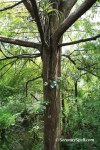
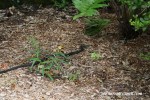
But by far my favorite part of this particular hike was our segue from the trail, into an untouched cypress swamp. The trees were so enormous, that I’d like to think they were saved from the mass logging of so many of Florida’s virgin trees, during the 1920s and ’30s. The swamp was vast, secluded, and amazingly peaceful — it was hard to leave. Finding the not-so-small shedded snakeskin not far from the trail (possibly rattlesnake?) was another decent reminder as to why I *always* wear my hiking boots on these trips, regardless of the temperatures.

For More Information: