Skip to content

Posts tagged ‘nature’

Monday Morning Hair

A Tricolored (or Louisiana) Heron in breeding plumage shakes it all off, with the start of a new week, in undisguised fabulousness in our protected wetlands. While I say “Monday Morning Hair,” this is definitely a daily occurrence for me.

Tricolored (Louisian) Heron in Breeding Plumage, Florida Wetlands

Always fabulous

Tricolored (Louisian) Heron in Breeding Plumage, Florida Wetlands

Cat-scratch

It’s NATIONAL WILDLIFE WEEK, and: Returning the Florida Panther to the Everglades

In honor of National Wildlife Week, March 18-24, here’s a special and rare event from last week:

A Florida panther was recently released into the Picayune Strand State Foresta rare event, in a bid to help save the species. The tagged female will hopefully become a safe and successful mommy!

She and her brother were raised from the age of five months at the White Oak Conservation Center in Yulee, rescued after their mother was found dead.

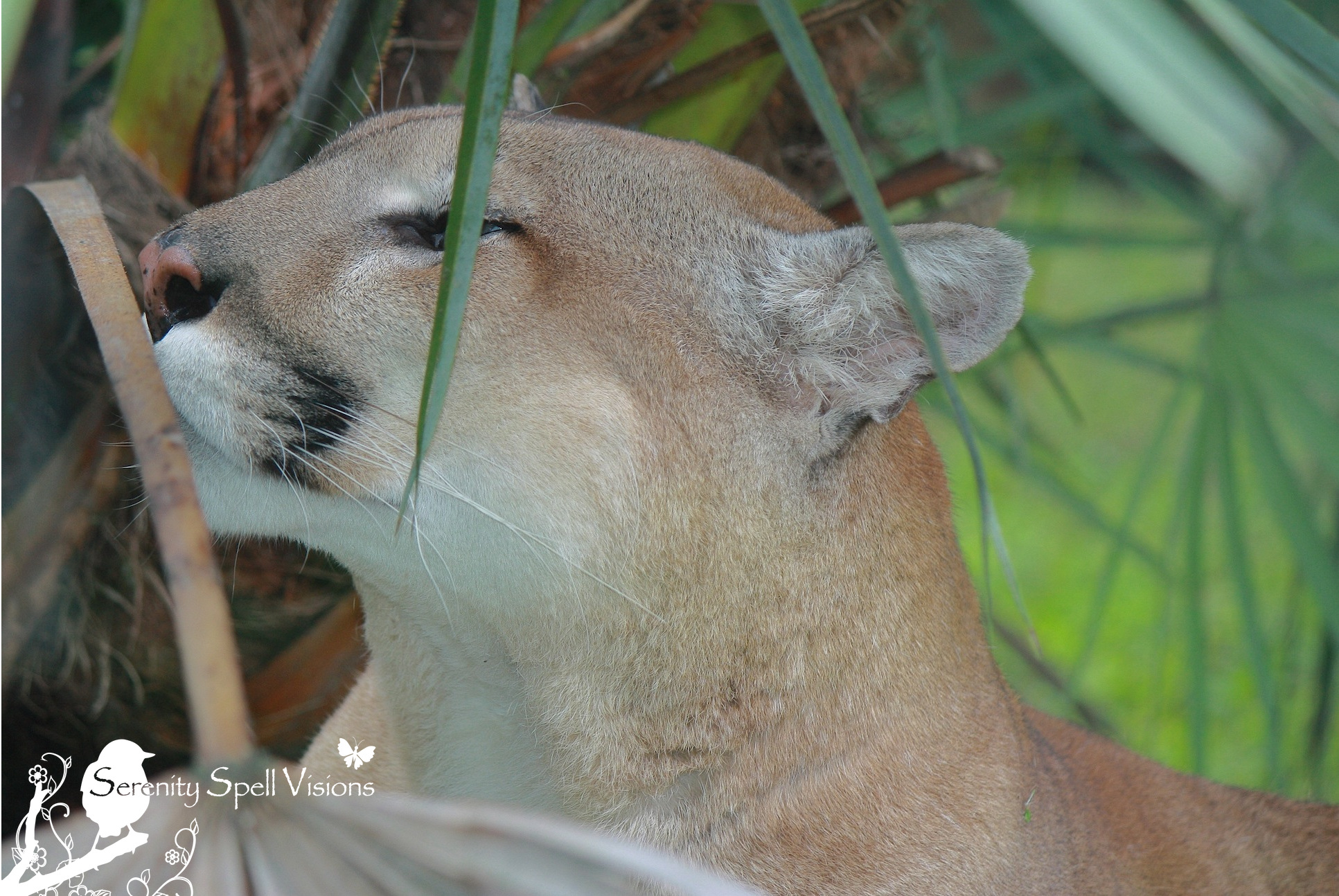
Rescued Florida Panther at Flamingo Gardens, Florida

Rescued Florida Panther at Flamingo Gardens: Sadly, this guy can’t be returned to the wild, because he underwent a painful de-clawing procedure at the hands of humans

From the article:

Florida panthers were among the first to go on the Endangered Species List back in 1973 when there were as few as 20 remaining individuals. Today they are still in great peril with as few as 100-160 in the wild, but biologists with the Florida Fish and Wildlife Conservation Commission (FWC) successfully released one female Florida panther into the Picayune Strand State Forest recently with the hope that she will become a successful mom.

Read more….

So much luck to this girl (and to her soon-to-be-released brother!) – AND so many thanks for the continued rescue and conservation efforts the world over!

Rescued Florida Panther at Flamingo Gardens, Florida

Another panther rescue: De-clawing exotic cats is still permitted, unbelievably. It causes extreme pain and lameness, and requires constant pain regulation. Horrific “legal” state minimum enclosure requirements for bears, big cats, and other wild animals (envision a tiny jail cell) are also allowed

Warbling in the Wetlands

A bird doesn’t sing because it has an answer, it sings because it has a song. —Lou Holtz

…Which is why I’m constantly running to Nature, and to these wonderful creatures. That reminder to JUST BE (or in my words, Simmer Down). And our winters provide a more varied opportunity for observing different happenstances of this simple state of being — the migrating birds make their residences in the area, even if it is temporary.
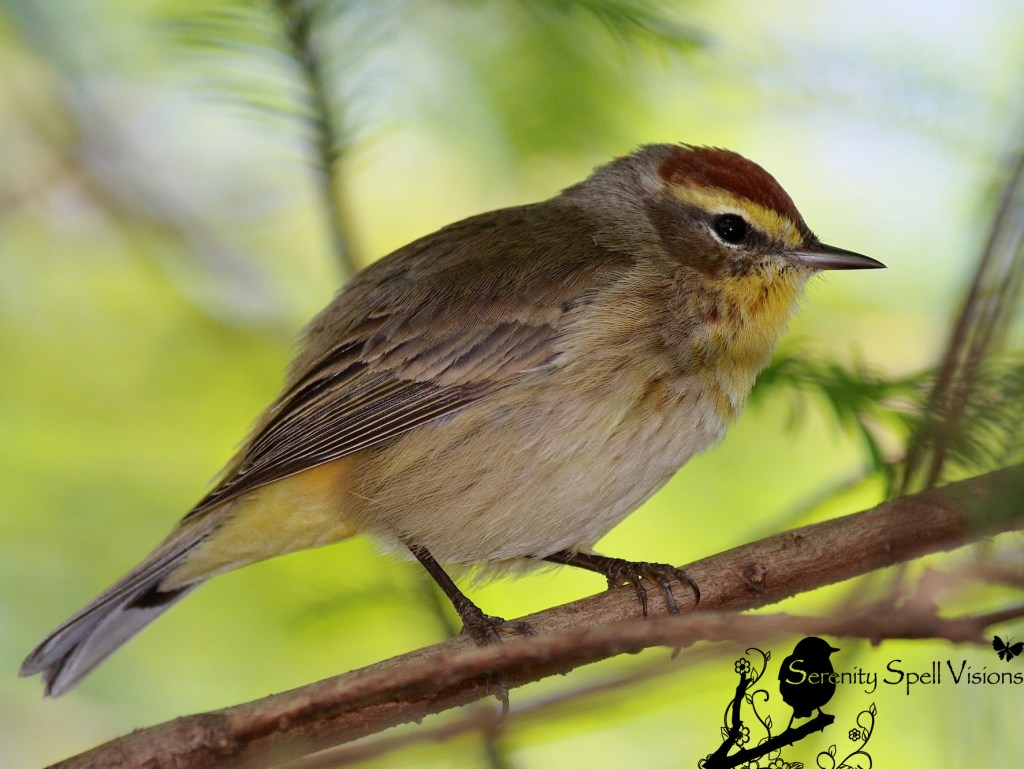
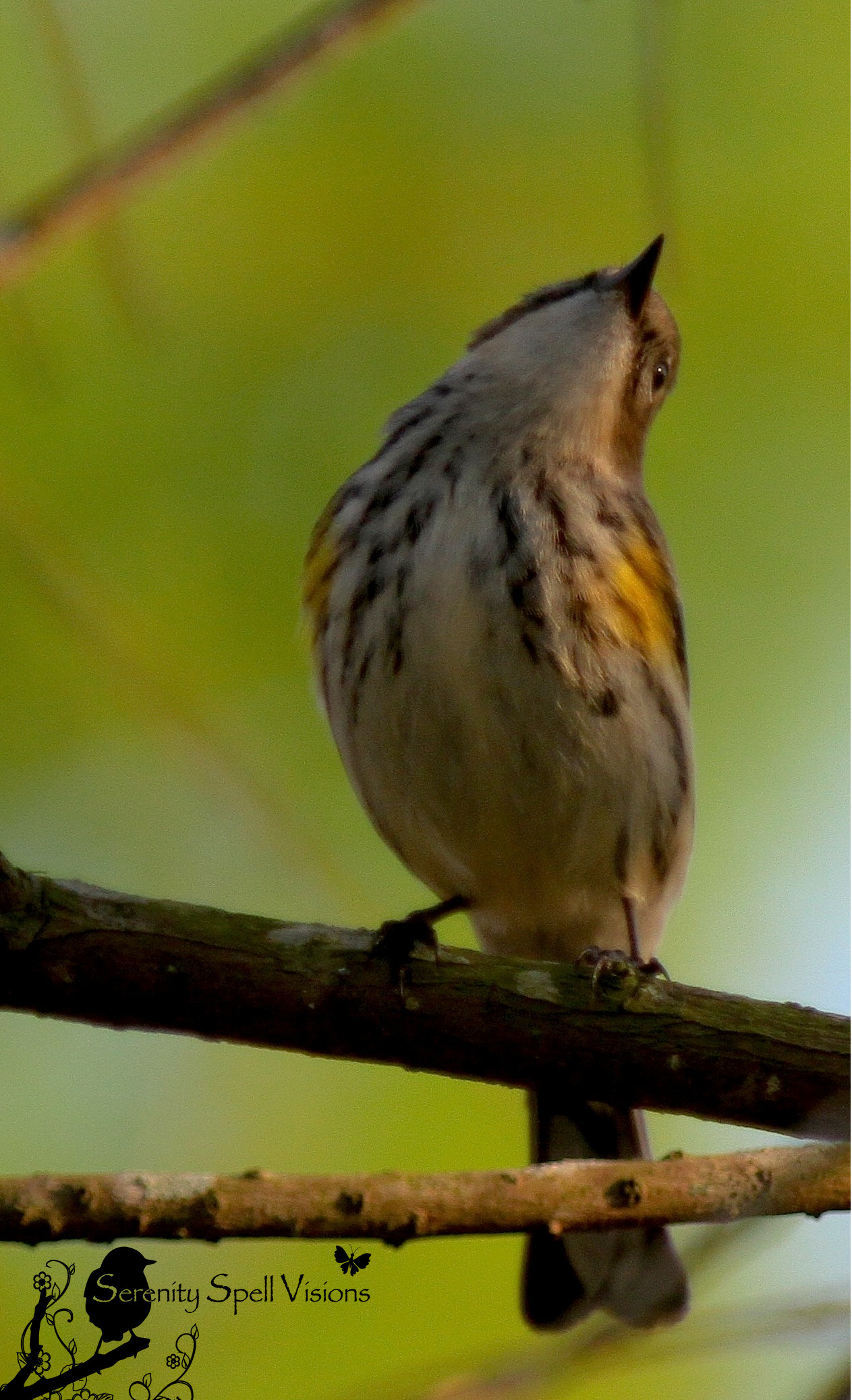
Palm Warbler, Florida Wetlands

A Wee Warbler in the Wetlands

A few Palm Warblers flit amid the trees; here, among a strand of young cypress. These tiny bright gems of songbirds — adorable little shocks of yellow in our swamp and wetlands — are easily missed if you’re in a rush, or aren’t fully aware.
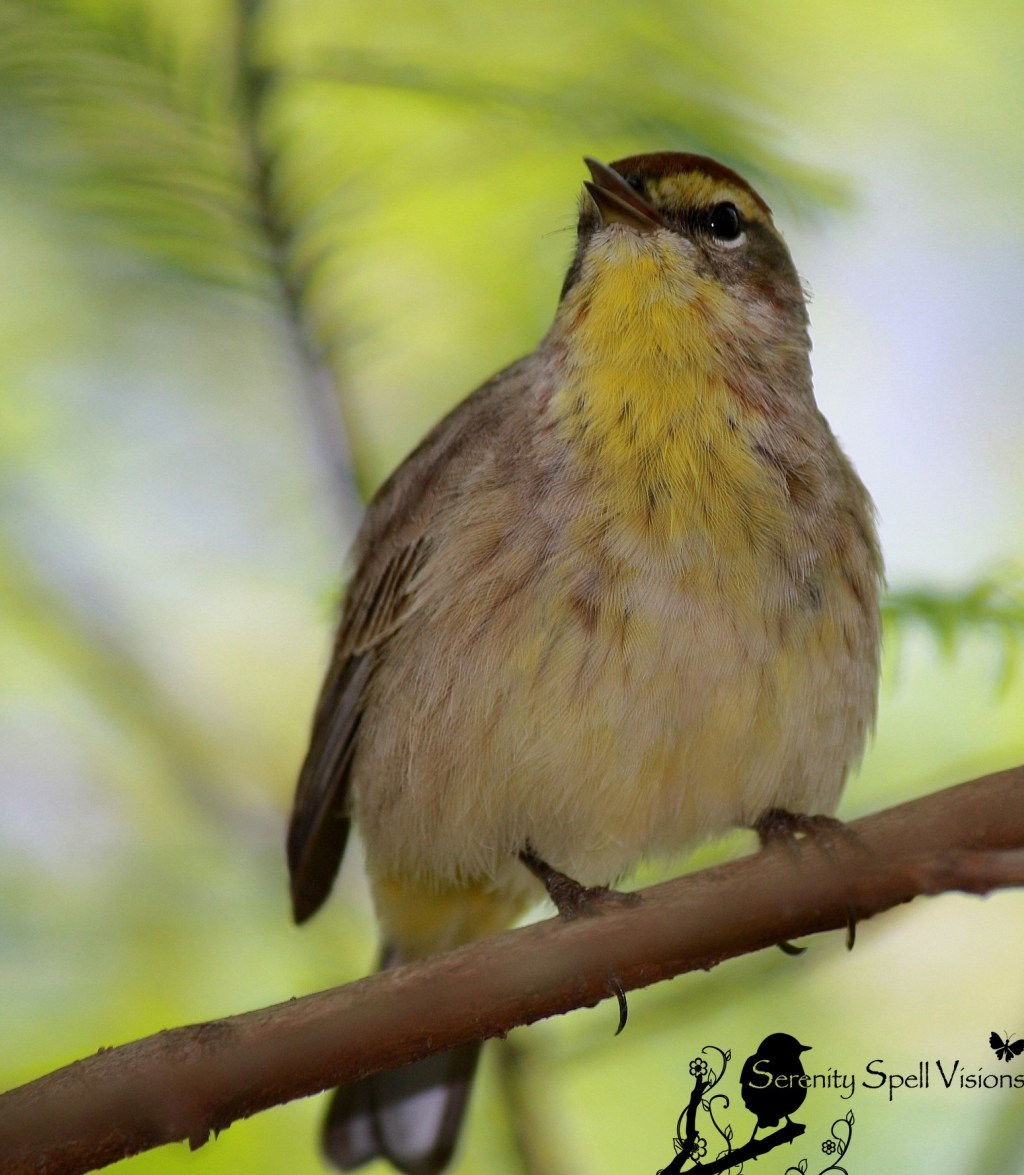
Palm Warbler, Florida Wetlands

Sing it!

Palm Warblers are common winter residents in our marshy natural areas, migrating in the late fall to the southeastern U.S. and the Caribbean. The species is comprised of two distinct sub-species, the Yellow Palm Warbler and the Western Palm Warbler. Those breeding in the eastern range are yellow underneath, while those inhabiting the western part of the range are duller in color, with whitish bellies. Palm Warblers primarily breed in wetland habitats — east of the Continental Divide, across Canada and the northeastern United States. A distinctive feature of Palm Warblers is tail wagging, or “pumping.” More than other warblers, this bird forages on the ground for insects and berries.
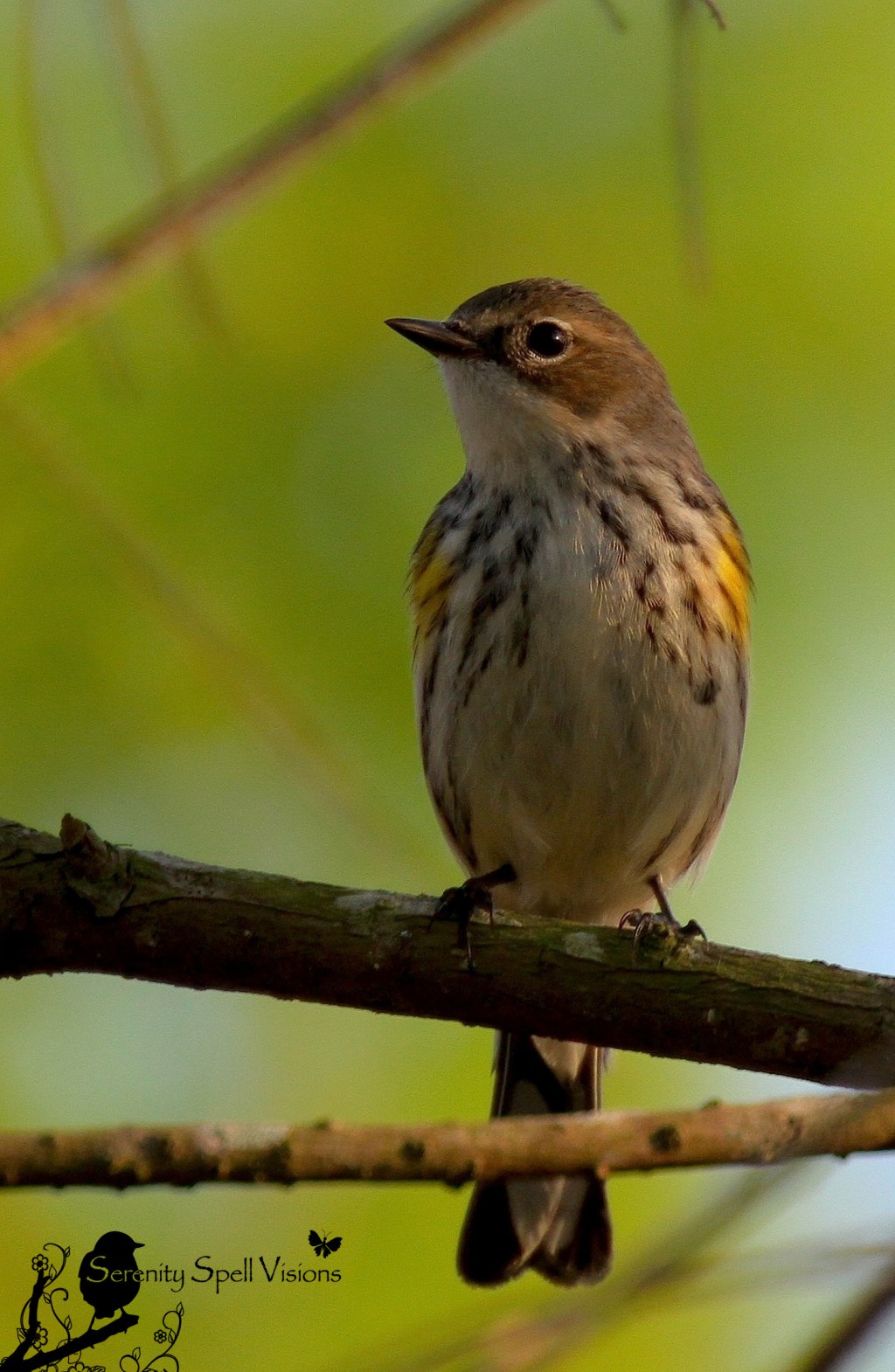
Palm Warbler, Florida Everglades

Warbling in the Everglades

Click here to listen to the delicate song of these sweet little songbirds!

Palm Warbler, Florida Everglades

Holler.

Tree Tuesday: The Palm, in Retro

Palm and coconut trees have surrounded me throughout my life — first in Florida, then overseas in the South Pacific, and then again in Florida. As children, my brother and I took hammers and screwdrivers to coconuts we’d salvage from the trees on the island, in a valiant effort to break them open. It’s a wonder that more serious injuries weren’t committed. My poor mother.

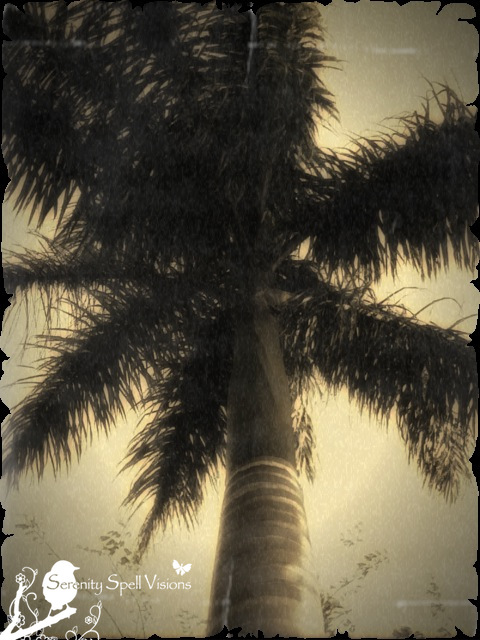
So in honor of the ever-flexible and almighty palm, bending amid hurricane-force winds and not just surviving, but thriving…. Here are a few retro images. I blew one up for my mother, another military (Navy) brat who spent time at Punahou School on Oahu as a child.

Retro Palm Tree, Florida

Retro Palm Tree, Florida

Retro Palm Tree, Florida

Retro Palm Tree, Florida

Protecting the Everglades

From Audubon Florida:

The Sugar Industry has launched an effort to further weaken Everglades cleanup efforts, load more of the expenses on the taxpayers, and have the Legislature attempt to nullify an important part of Florida’s Constitution. Your voice is needed right now to protect the Everglades — send a letter using the form below.

The House State Affairs Committee will act TOMORROW, Thursday, March 7 on a yet-unnumbered bill the Sugar industry has drafted. This bad bill attempts to insulate Everglades Agricultural Area (EAA) farmers from having to do anything more to pay for or clean up their own pollution by codifying in law a dubious claim that Best management Practices (BMPs) are effectively reducing phosphorus pollution.

If the bill passes, the Everglades loses and you lose. Take action right now by sending a letter using the form below….

Click the Audubon Florida link here, to access more info and sign your name against “Sugar’s poison pill.” Help protect this already severely threatened, valuable ecosystem — the only one of its kind on the planet!

Great Egret in Grassy Waters Preserve, FL

Great Egret in Grassy Waters — historically a key component of the Everglades watershed

Big Cypress National Preserve

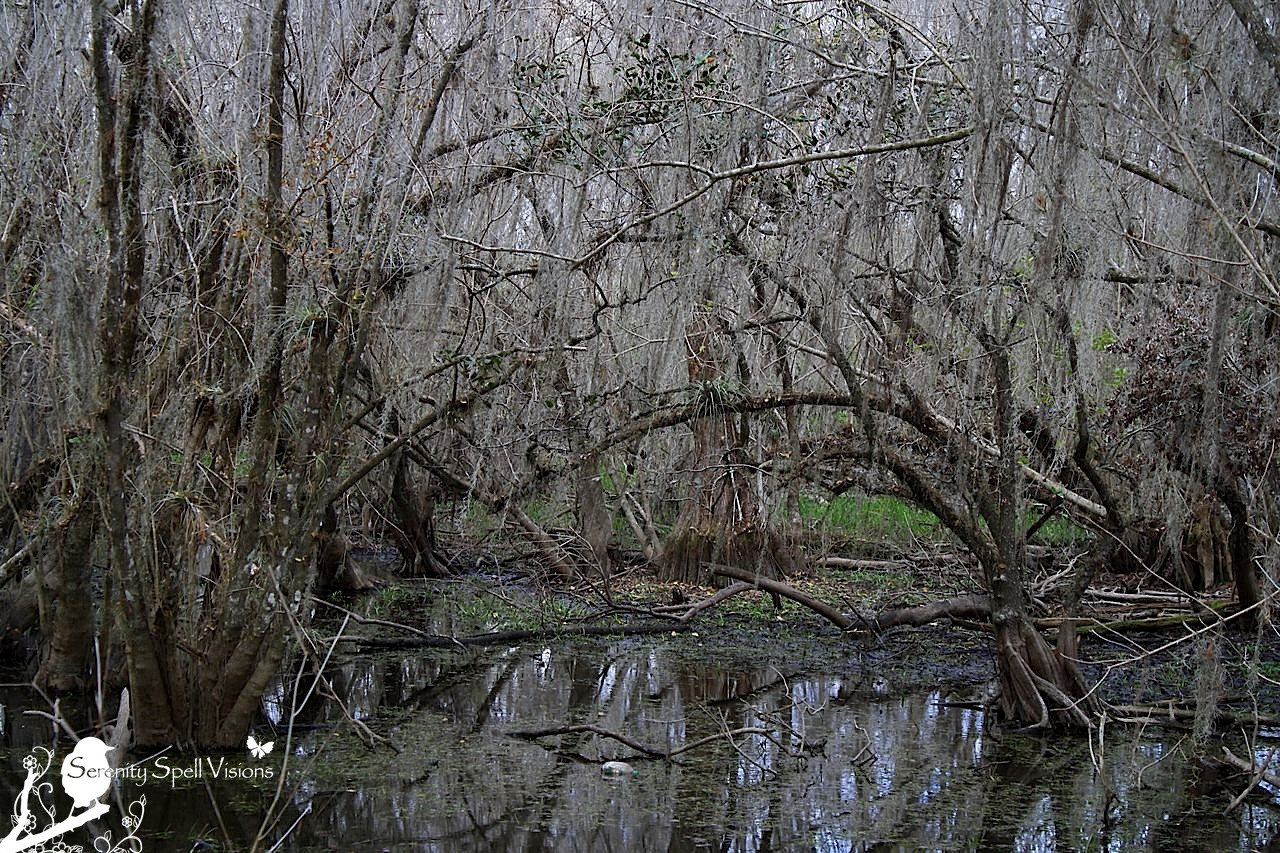
Cypress Swamp of the Big Cypress National Preserve, Everglades