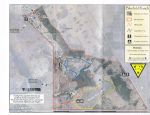
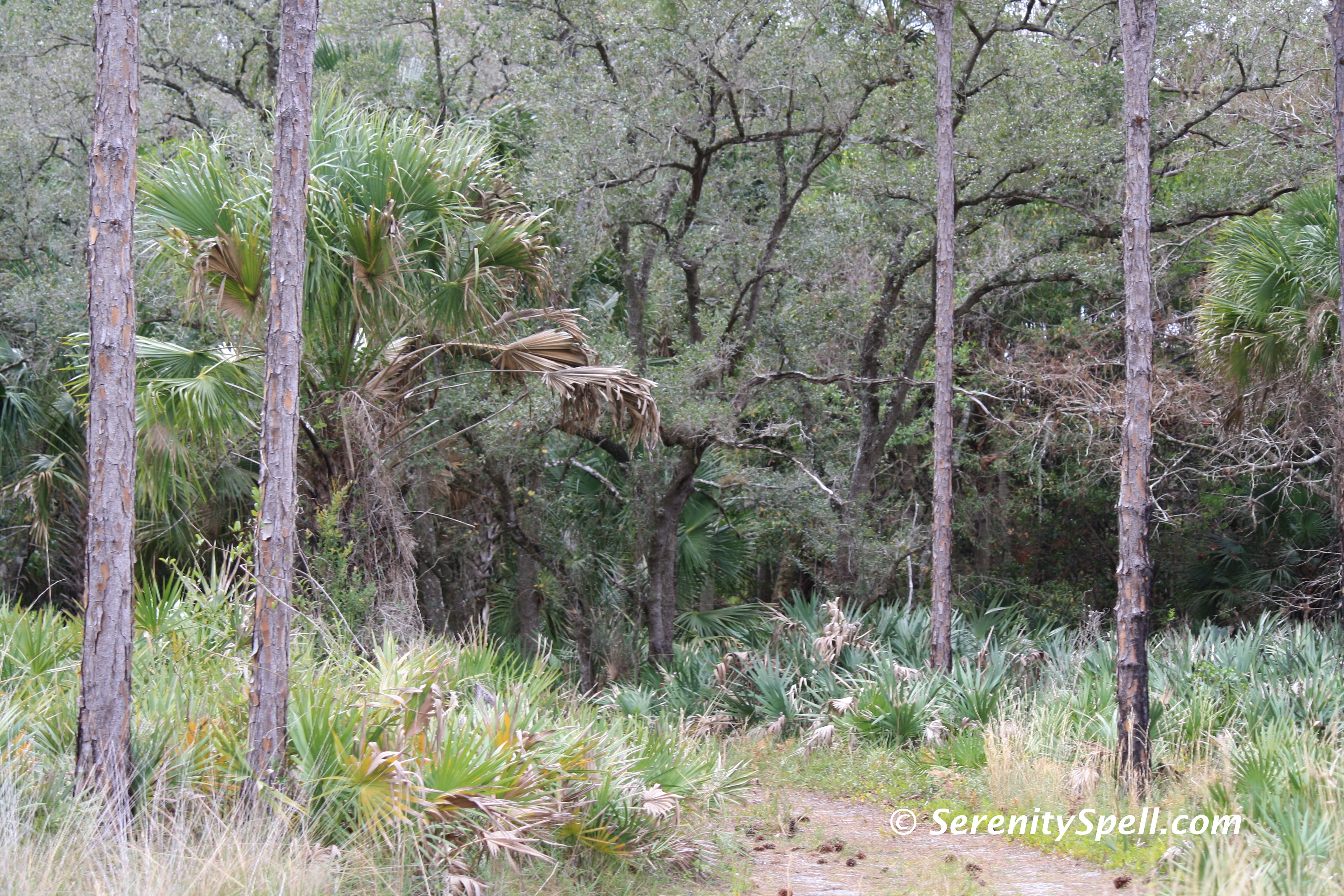
We finally made a return trip north to hike lovely Bluefield Ranch Natural Area in St. Lucie county, to investigate some of the trails we had previously missed. Sadly, my camera battery died halfway through the 5-hour hike (old battery, for shame!), but I prevailed with my iPod. The site provides a variety of natural Florida habitats, supporting diverse wildlife and plant species, including many on the threatened and endangered species list. More than 3,000 acres (3,285 in total) of scrub, scrubby flatwoods, prairie hammock, wet flatwoods, wet prairie, dry prairie, and depression marsh are protected at Bluefield Ranch, and are home to such wildlife as bald eagle, deer, coyote, alligator, turkey, wood stork, sandhill crane, burrowing owl, quail, and several species of snakes (including rattlesnake). Bluefield Ranch was purchased in the 1930s by David Iglehart, president of W.R. Grace & Company. The original ranch was comprised of more than 23,000 acres, and was used as a quail-hunting haven for America’s wealthy. In the ’60s, the land was turned into pasture for cattle — many existing structures are still visible, including a grain silo, cattle pens, and water troughs. Today hiking, biking, and equestrian trails wind throughout the area, accompanied by a few primitive campsites. (See images below, or “For More Information” for map and trail guides.)
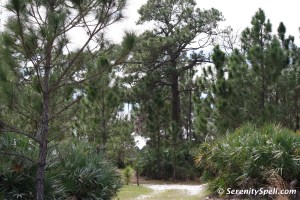 During our initial trip, we believed Bluefield Ranch wouldn’t be far from the turnoff from the last “main” road — we were wrong. Expect some driving on a sandy and bumpy road, before reaching the trailhead. During our last trip, our poor car nearly got stuck in the deep sand — even losing its battery cables to the road’s ruts — definitely a first in our Florida hiking excursions. This time around, the road definitely seemed better, but I’m not sure if that’s because we now have a vehicle better equipped for such terrain.
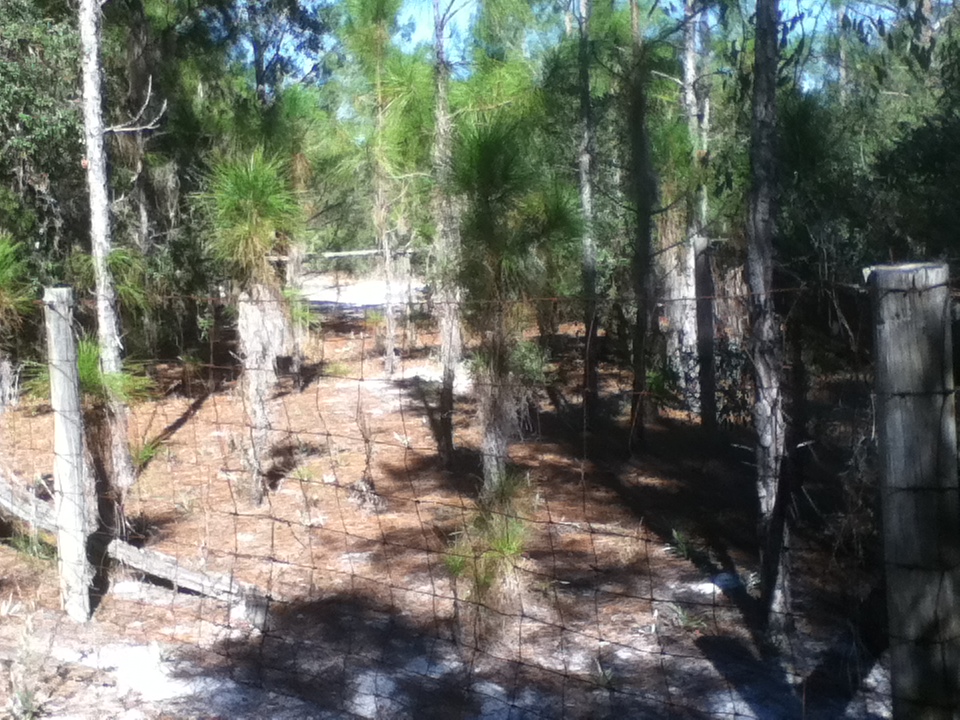
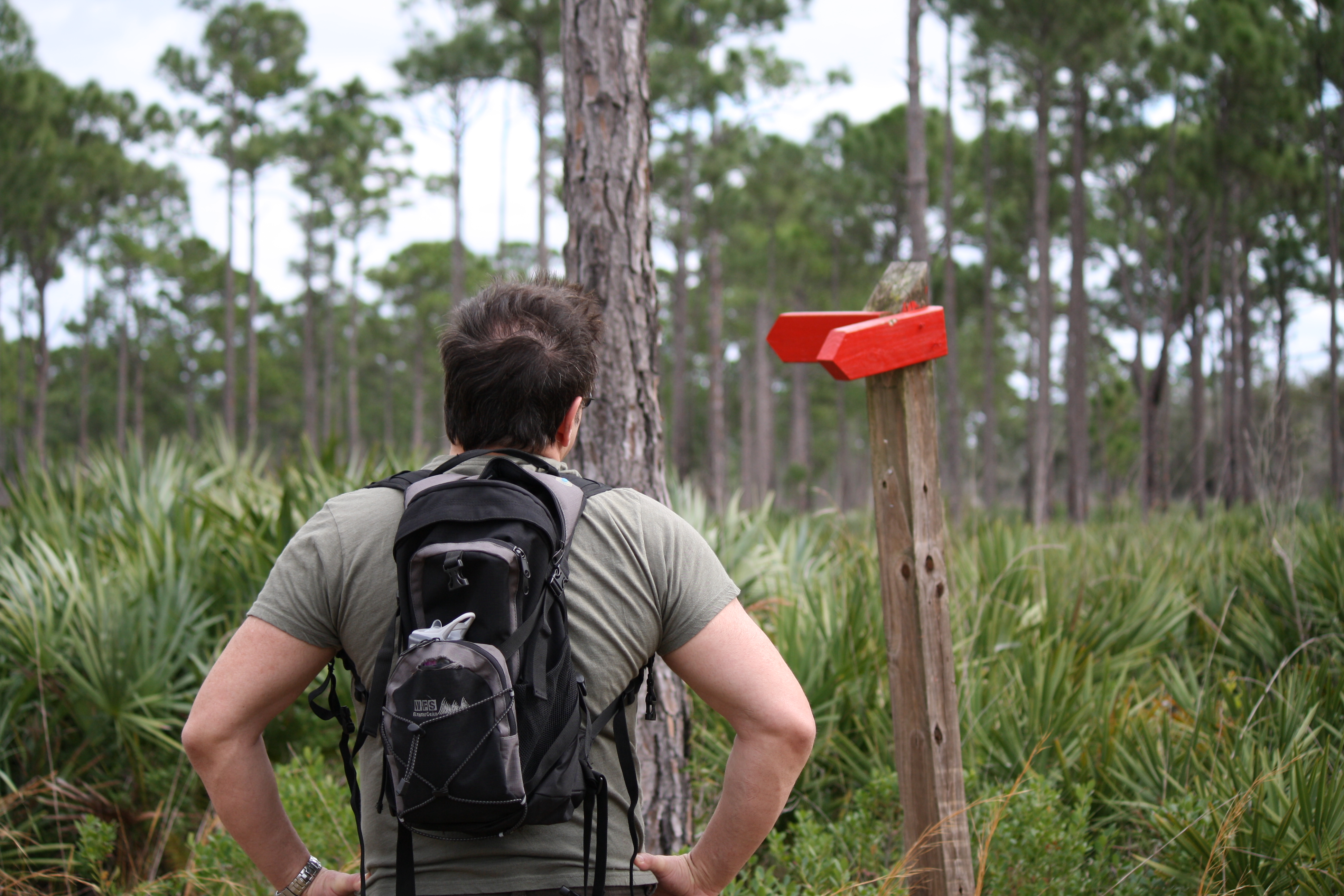
 Biking and horse trails are included, so share the trail where appropriate. Unfortunately, the horses were sharing the hiking-only trails, but at ground-level the entries to some of these trails can be initially confusing. And to date, there’s only one devoted hiking-only loop trail; I’ve read of efforts of biking enthusiasts to open up more biking trails, so I wonder if they’ll do the same for hikers. There’s certainly enough beautiful land to incorporate for trails. It’s a good 1.5 miles to reach the first (and main) hiking-only trail, but it’s worth it — in the far reaches of this trail, where the former Seminole Indian camp is located, breathtaking marsh and dense flatwoods envelop you. The Seminoles stayed in the scrub environments in the summer months, avoiding the flooded swamps and their gargantuan mosquitoes. They moved to the Cypress Creek swamp in the winter. In the 1940s however, they were evicted from their camp (at what is now Bluefield Ranch Natural Area), accused of stealing a calf from a rancher.
Another interesting bit of history: During the Prohibition, illegal stills were constructed on the site by bootleggers — for personal consumption as well as for providing an income to support their families. Their remnants can still be seen at Bluefield. Unfortunately, and despite our best efforts, we still haven’t found any bottles. Logging was also an active industry — sadly, the area was completely logged of its virgin trees in the 1920s and ’30s, as was true in many regions of Florida.
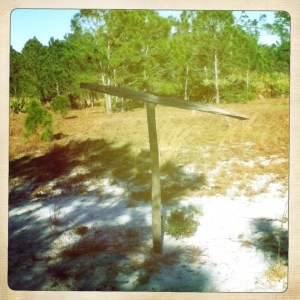 On our return from the hiking loop, we investigated some old structures off-trail, that ran parallel to the 1.5-mile entry walk…. We didn’t know if they were remnants of the ’30s Bluefield Ranch, or something else. Obviously others had done the same — dog tracks were mixed with those of deer. It looks as though the area at some time had been a camping settlement, with purposed (albeit now long-abandoned) trails and overgrown open areas. Interesting. Other sites along the hiking trail: An observation tower overlooking a large wetland habitat used by wading birds including herons, egrets, sandhill cranes, and wood storks. Magnificent vista!
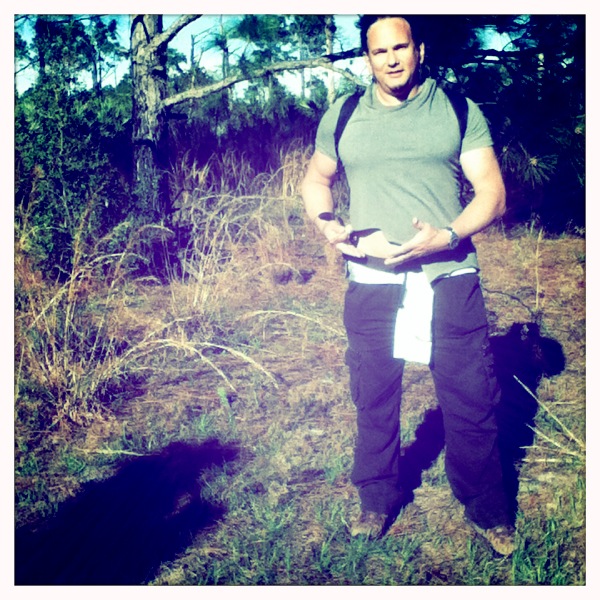
 After a solid 5 hours of hiking, the water finally caught up with me (sometimes it really is easier being a boy!). Stupidly I forgot my tissues — so as I was writhing in pain and walking at a snail’s pace, Dave finally cut off a bit of his shirt, for me to bring as I dug my hole. Ahhh, the joys of long hikes! The funniest part was meeting up with the other pair of hikers (our only encounter) on the return trip, as he was sporting that super-stylish half-shirt….
For More Information:
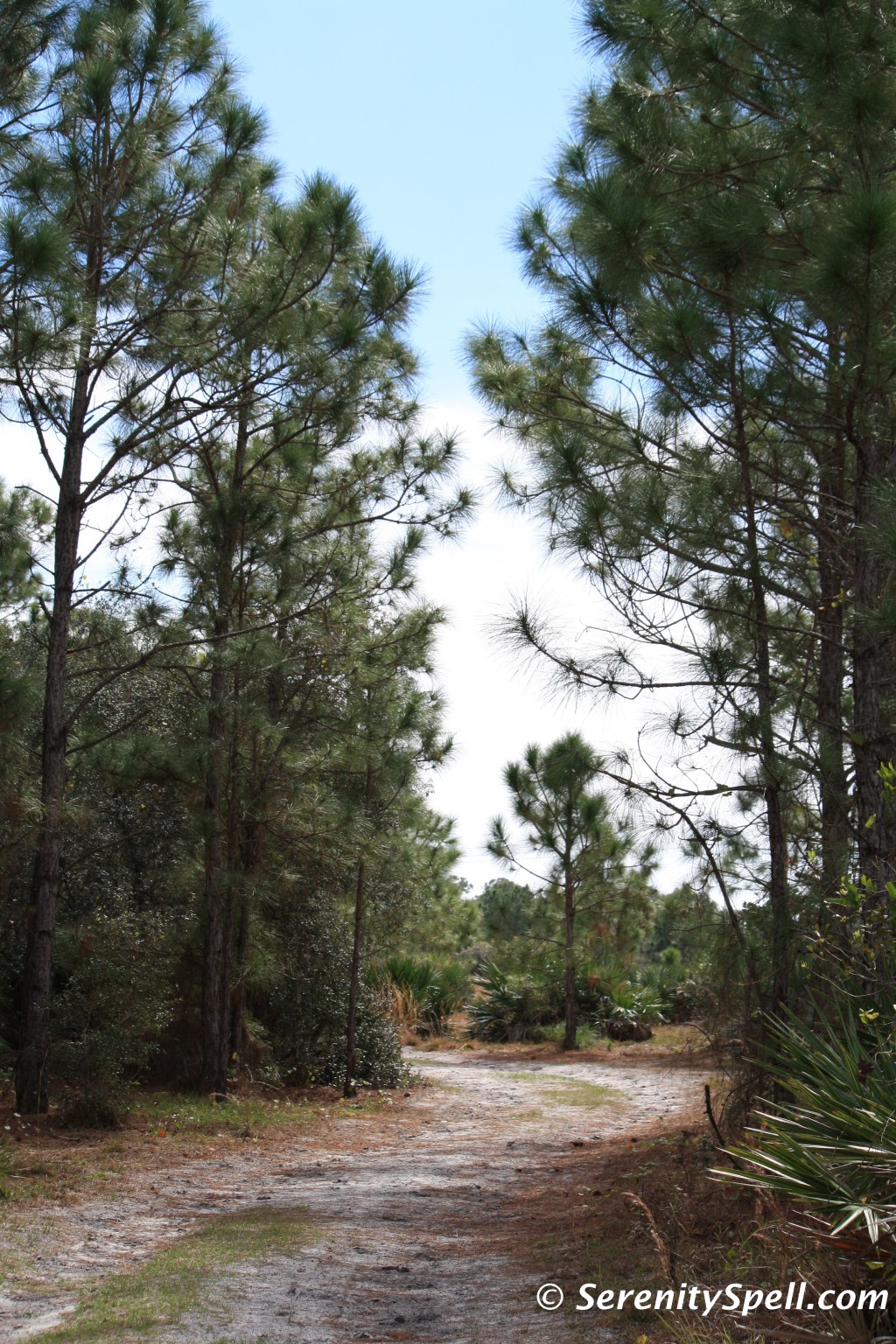
Multi-Use Entry Trail, Bluefield Ranch
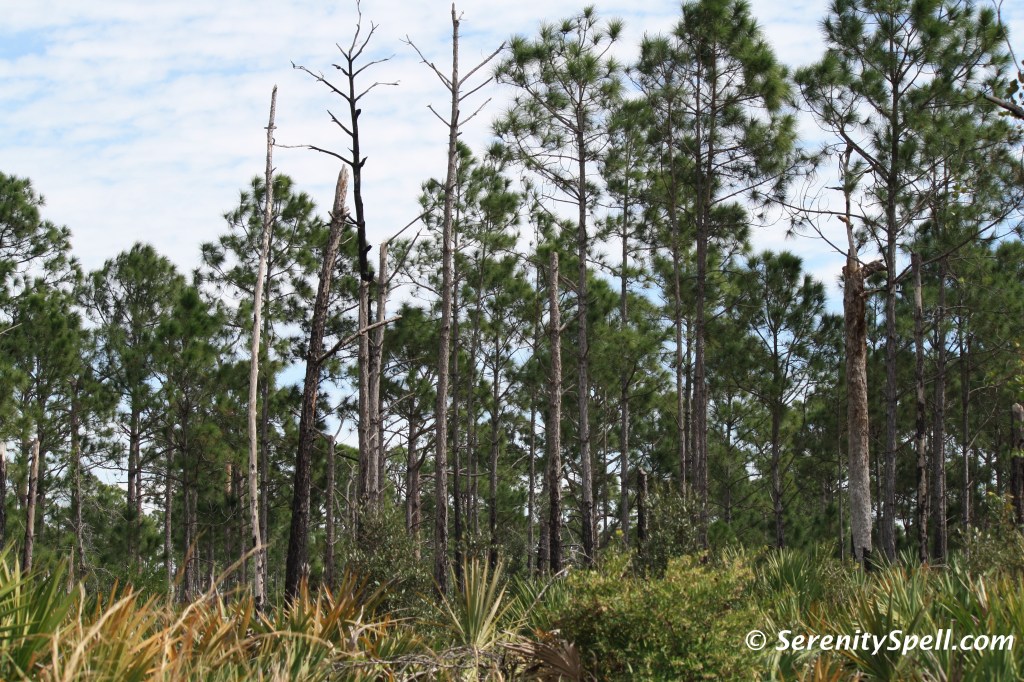
Flatwoods, Bluefield Ranch
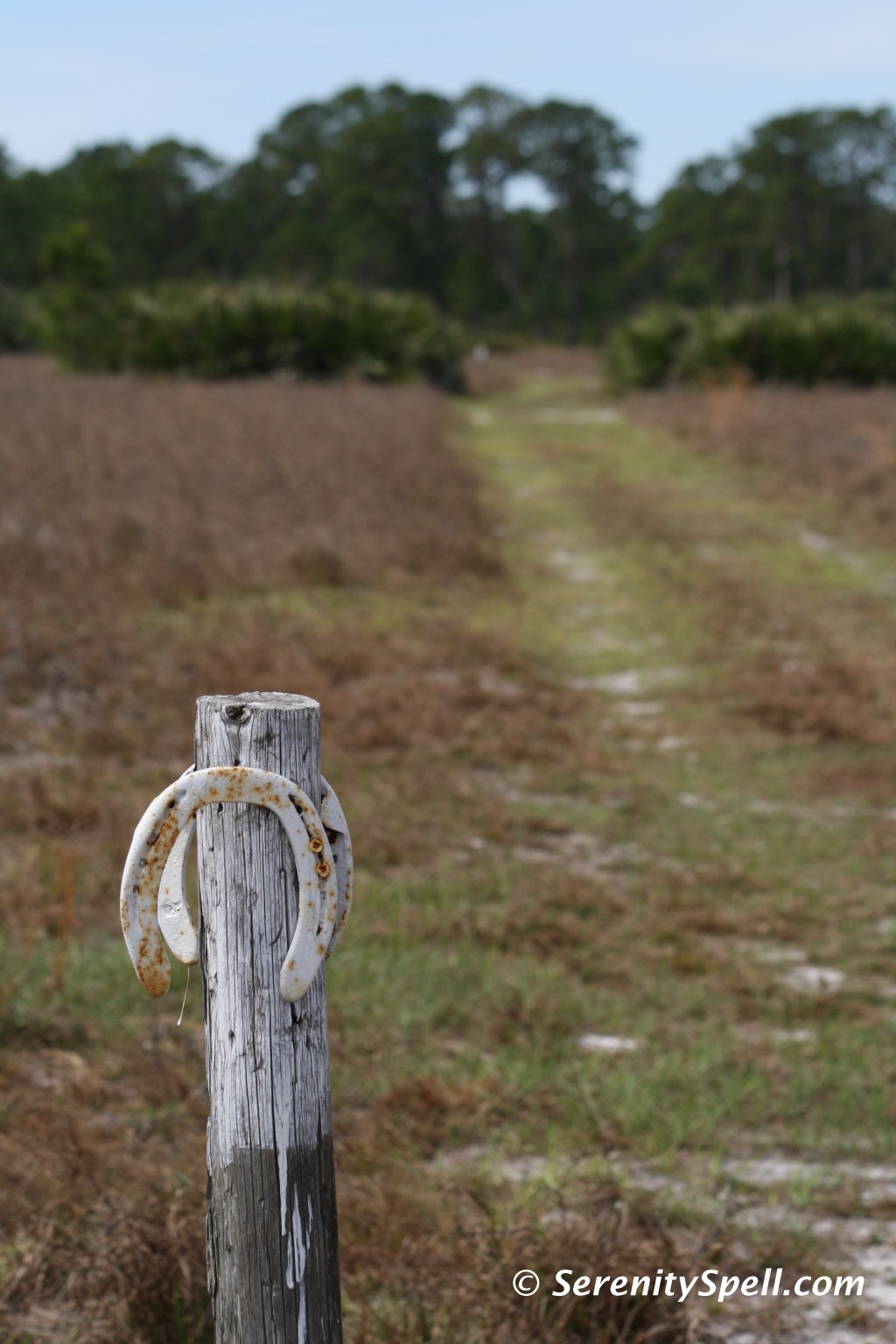
Entry to Equestrian Loop, Bluefield Ranch
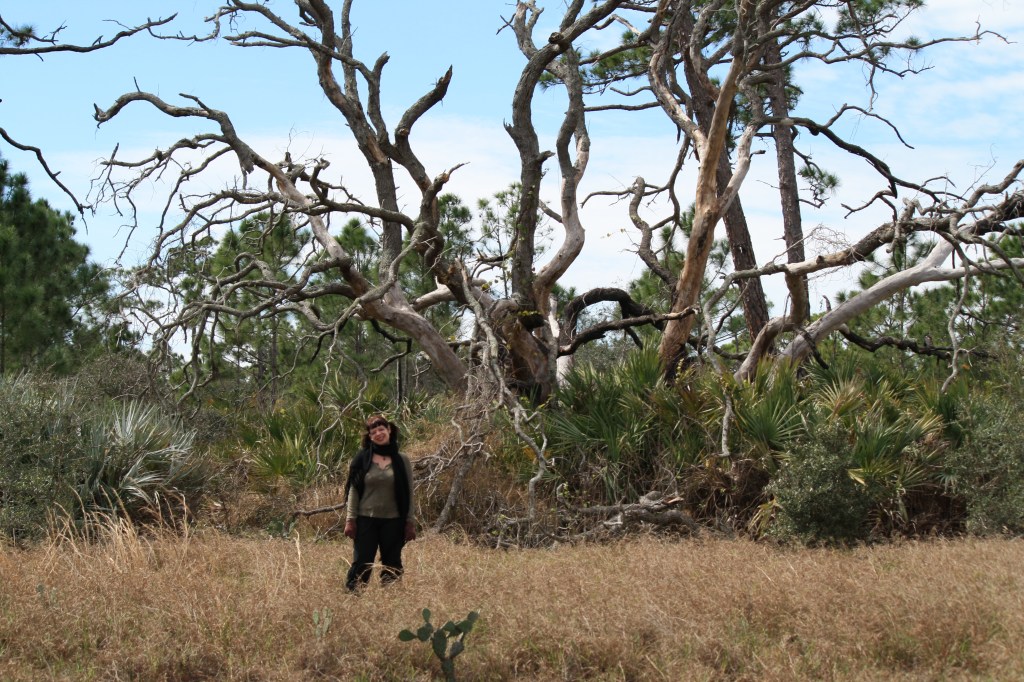
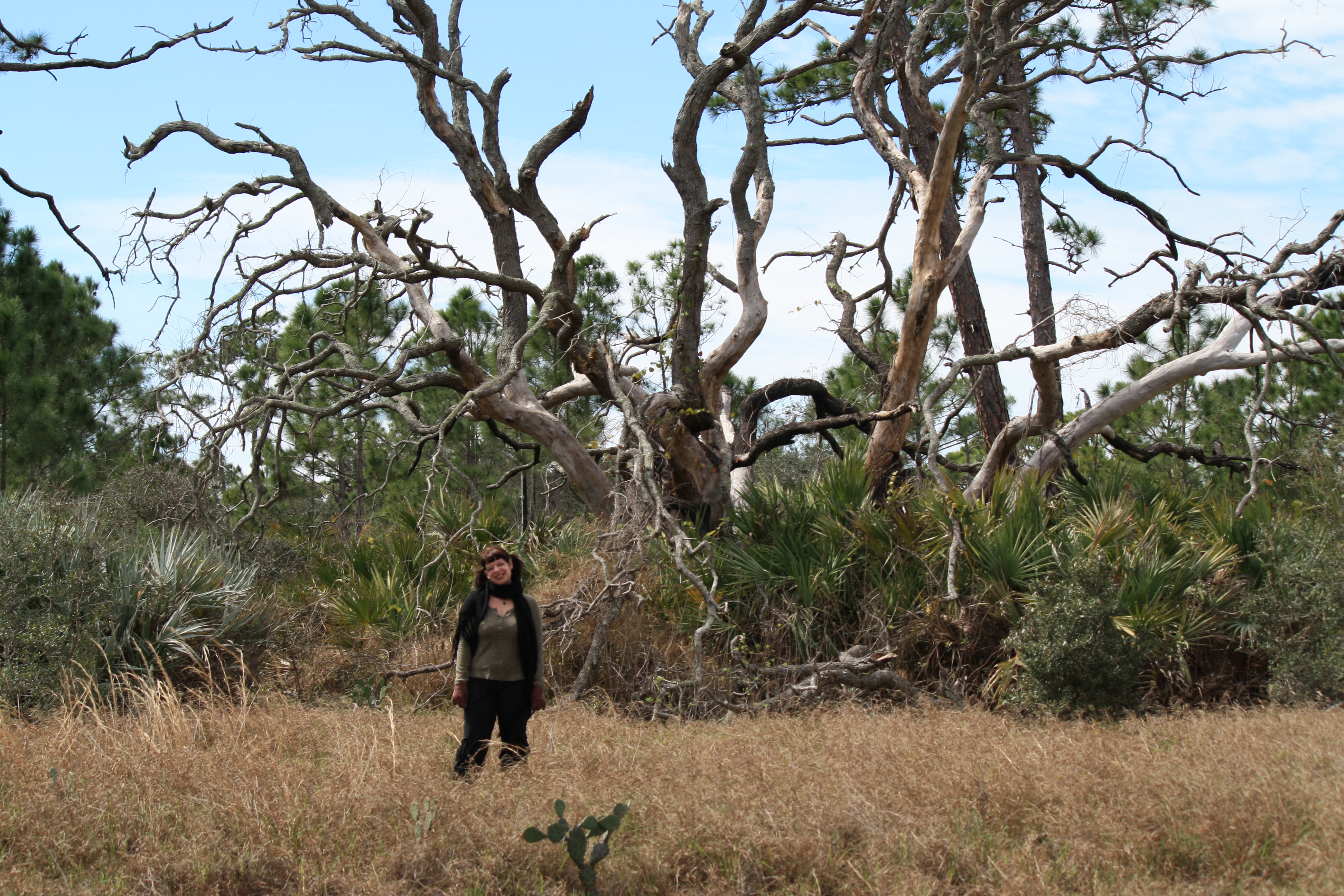
Lovely Old Tree, Bluefield Ranch

Prairie and Flatwoods, Bluefield Ranch
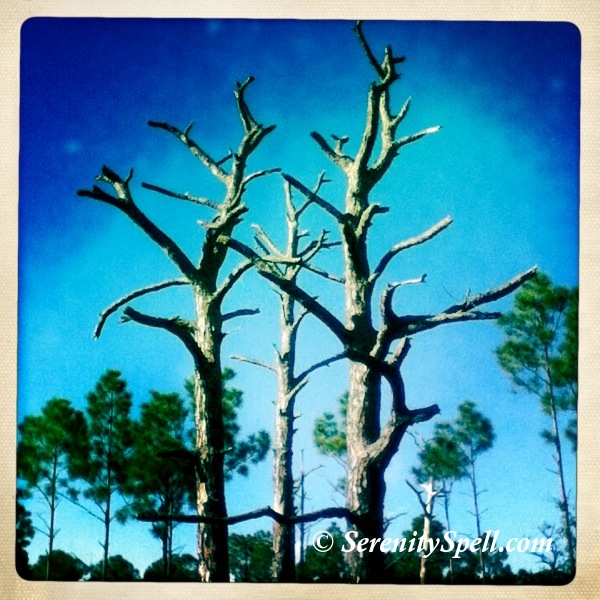
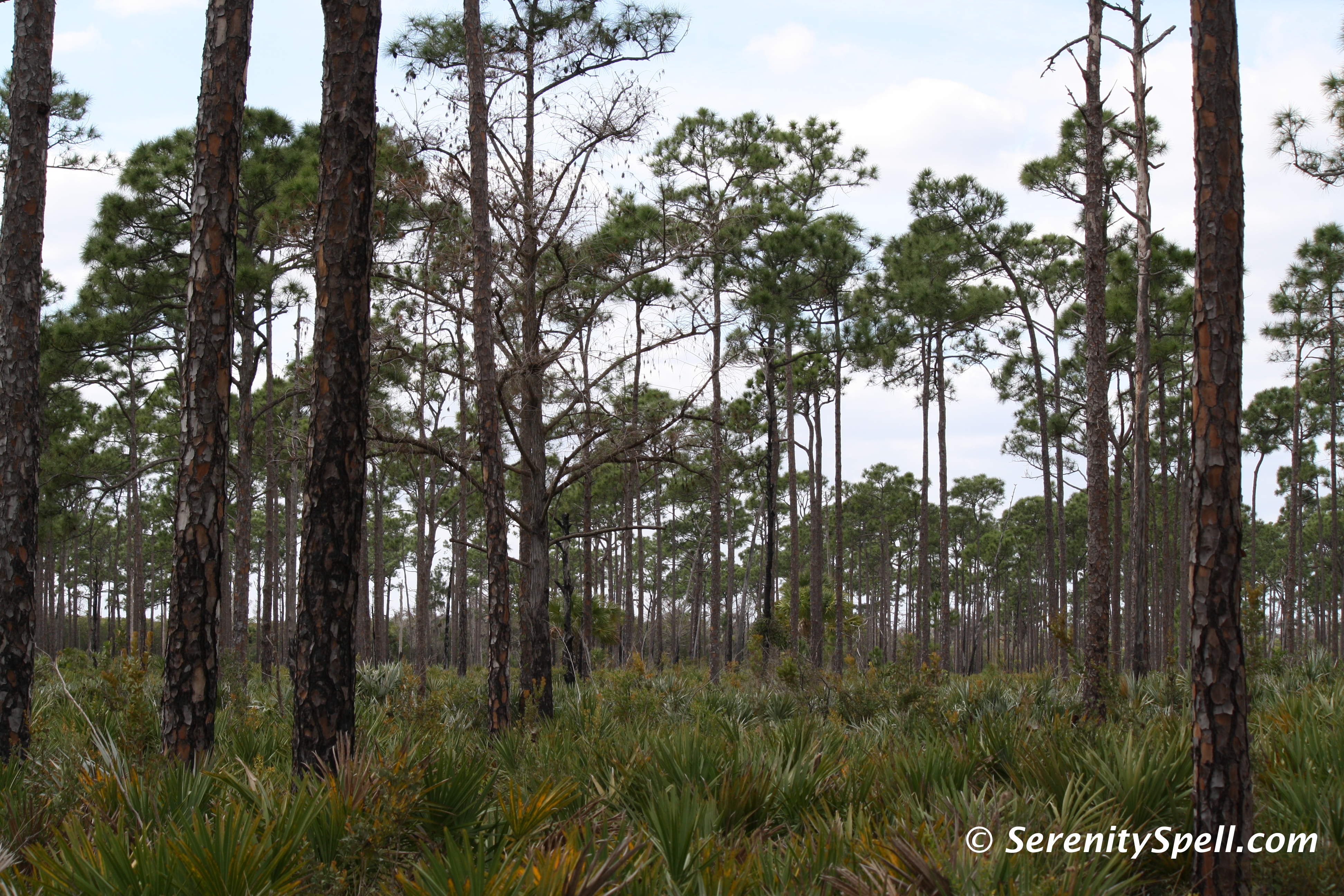
Burned Slash Pines, Bluefield Ranch
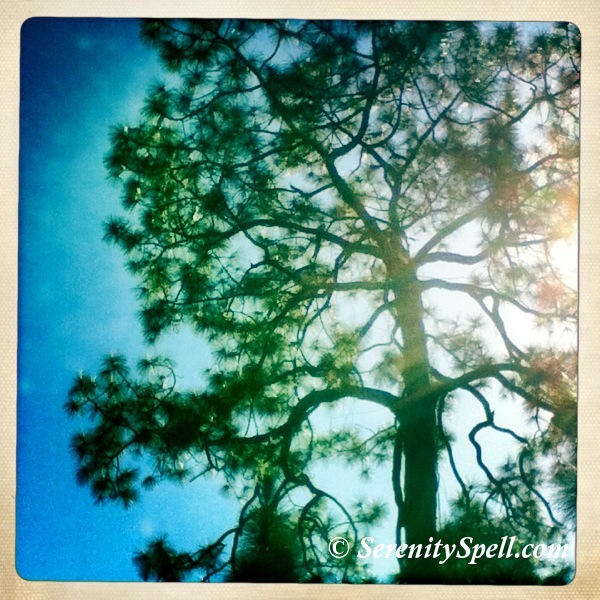
Slash Pine, Bluefield Ranch

Hiking Trail, Bluefield Ranch
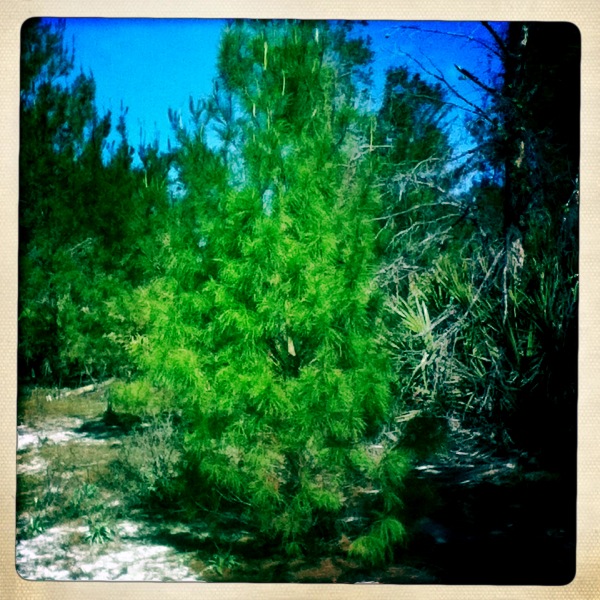
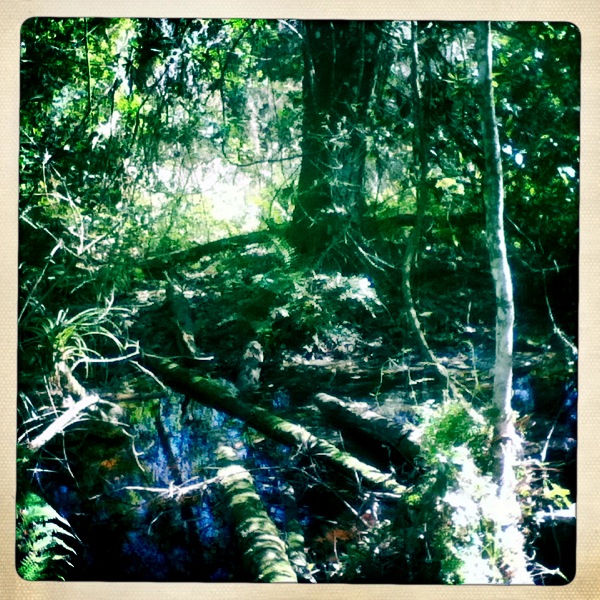
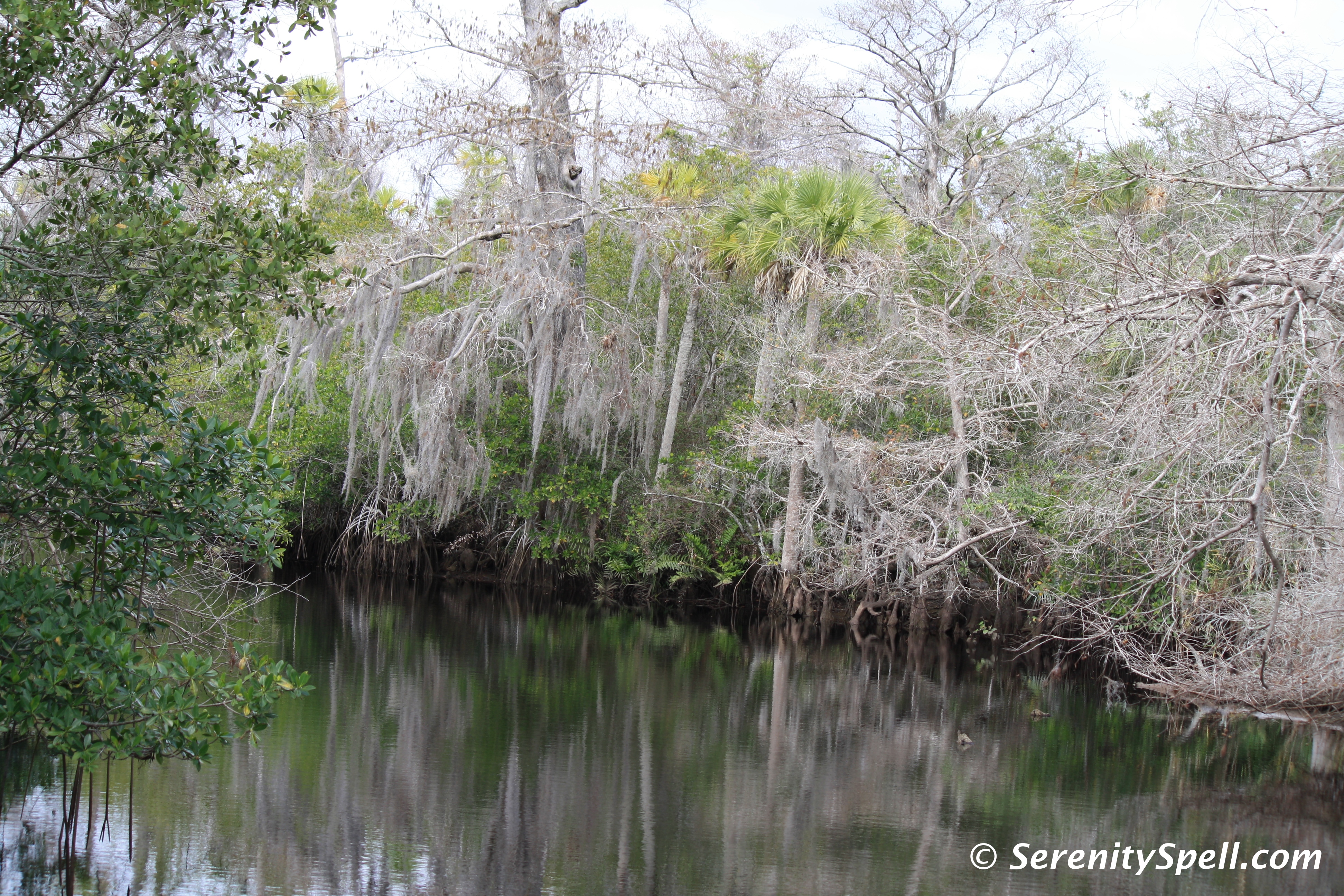
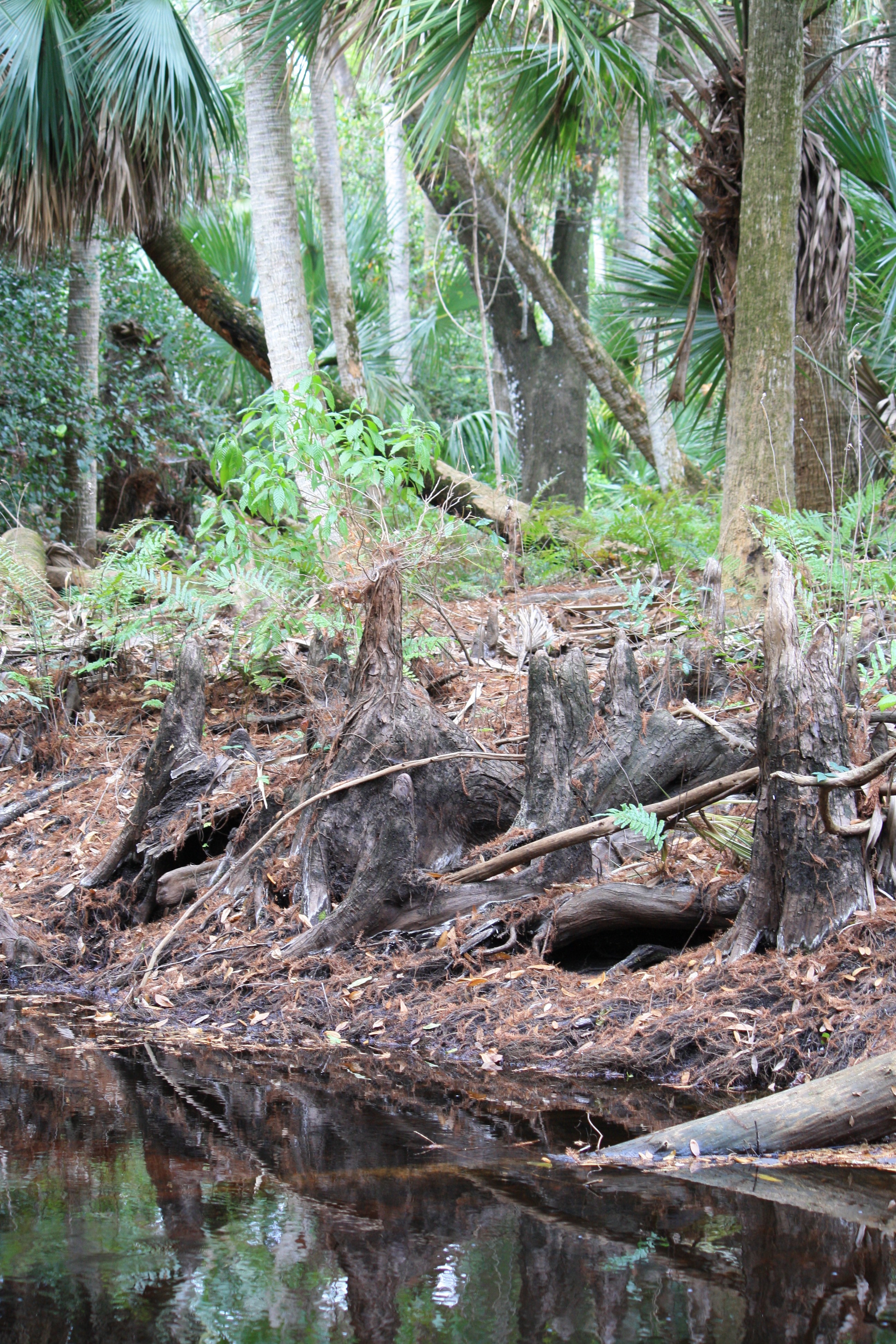
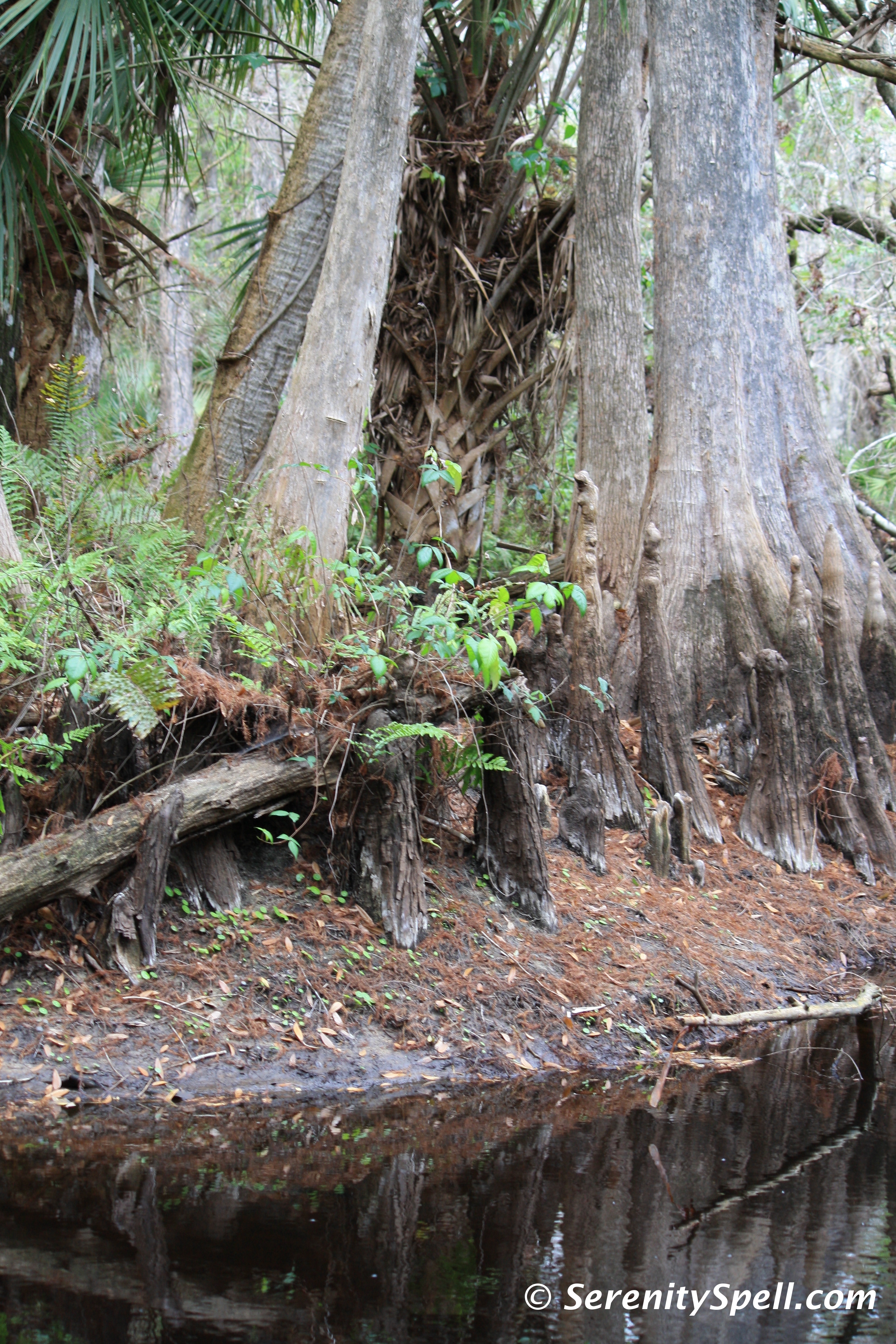
Swamp, Bluefield Ranch
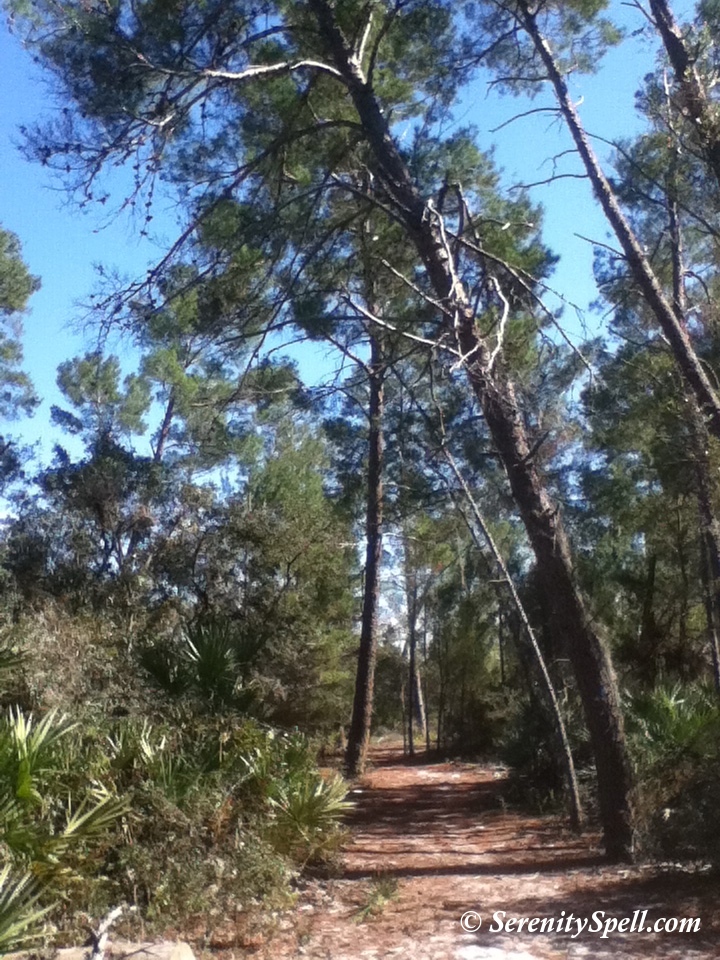
Hiking Trail Trees, Bluefield Ranch
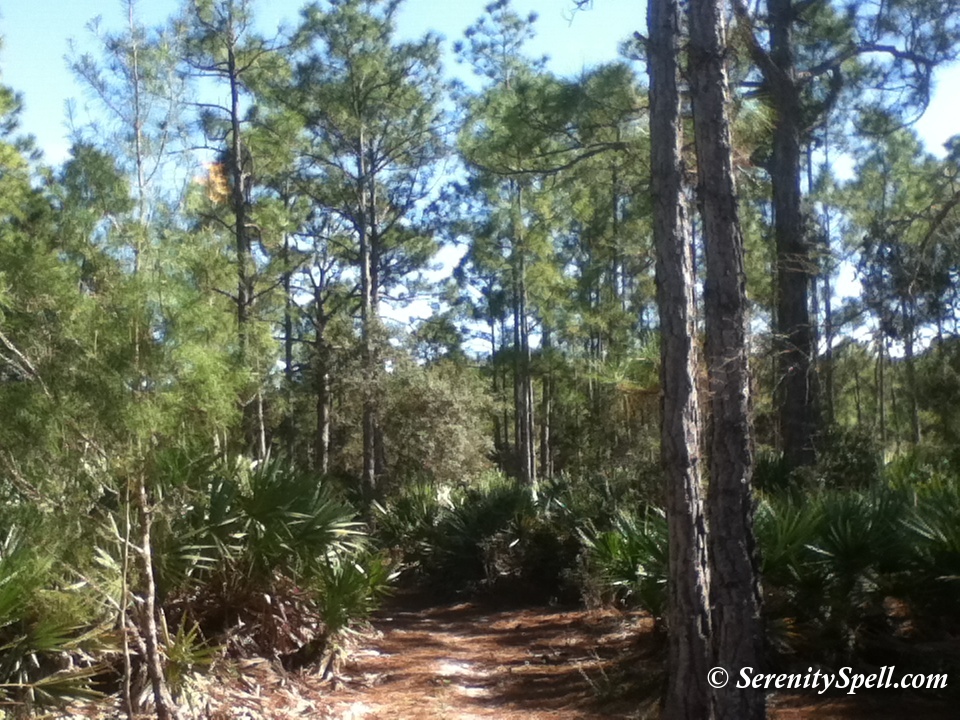
Dense Flatwoods, Bluefield Ranch
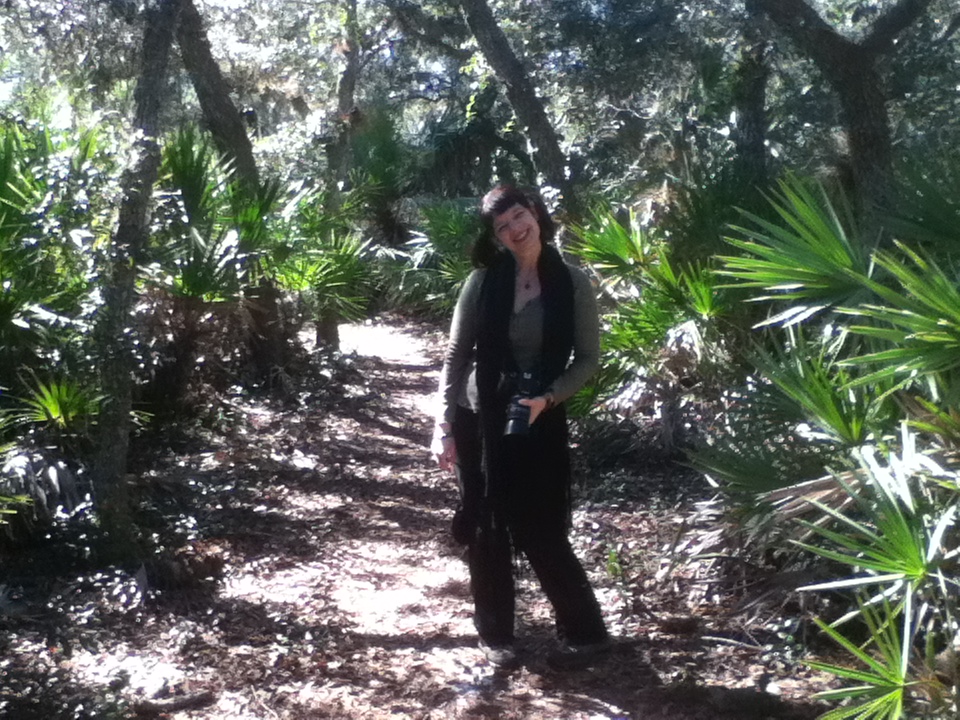
Dense Flatwood Hiking Trail, Bluefield Ranch
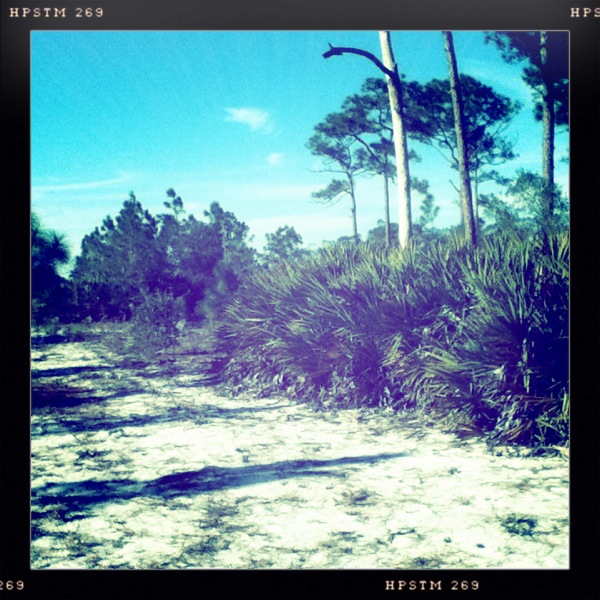
Scrubby Flatwoods, Bluefield Ranch
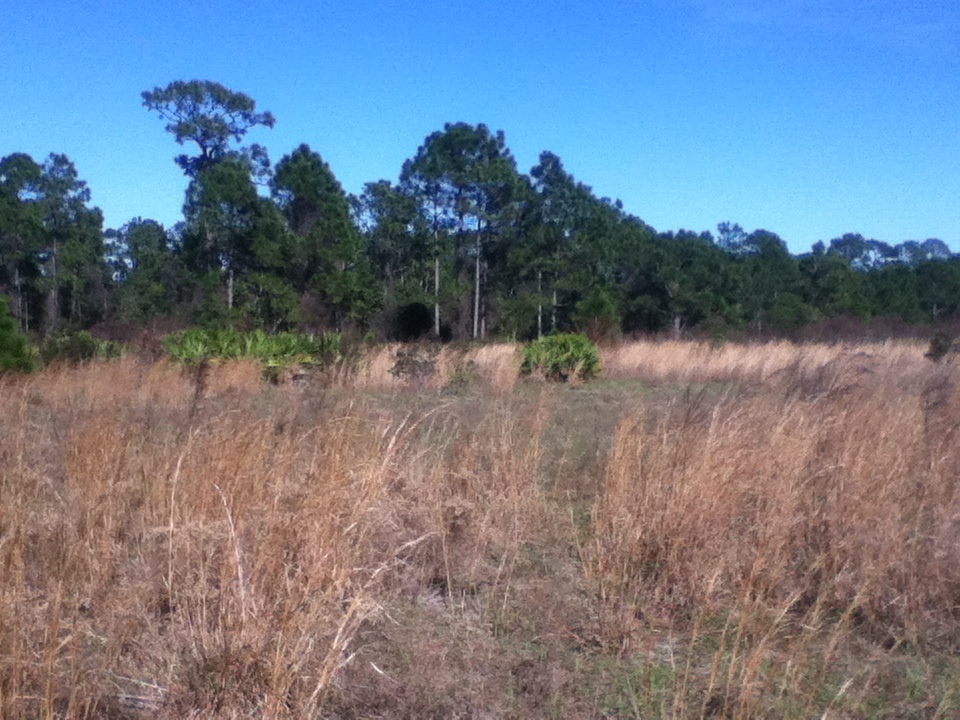
Prairie Hammock, Bluefield Ranch
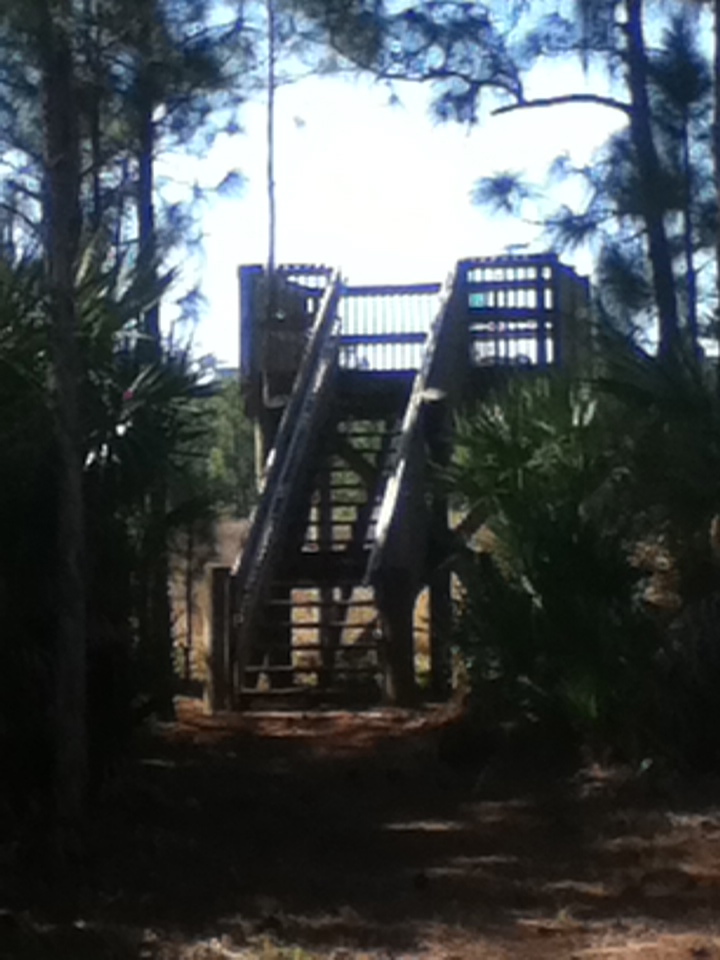
Observation Tower, Wetlands Area, Bluefield Ranch
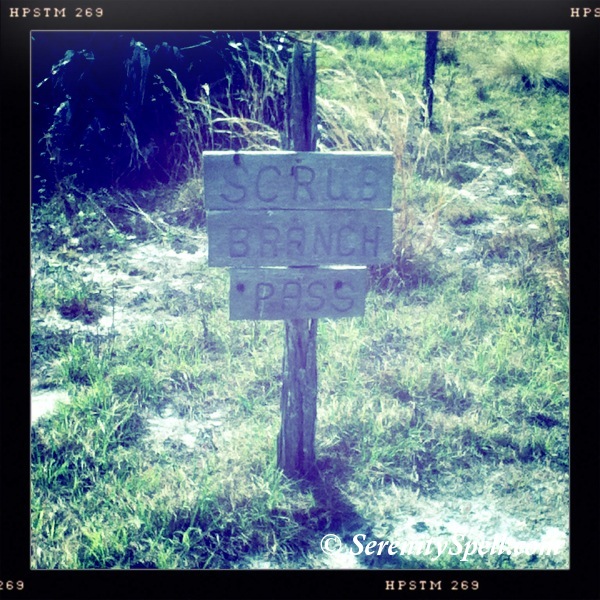
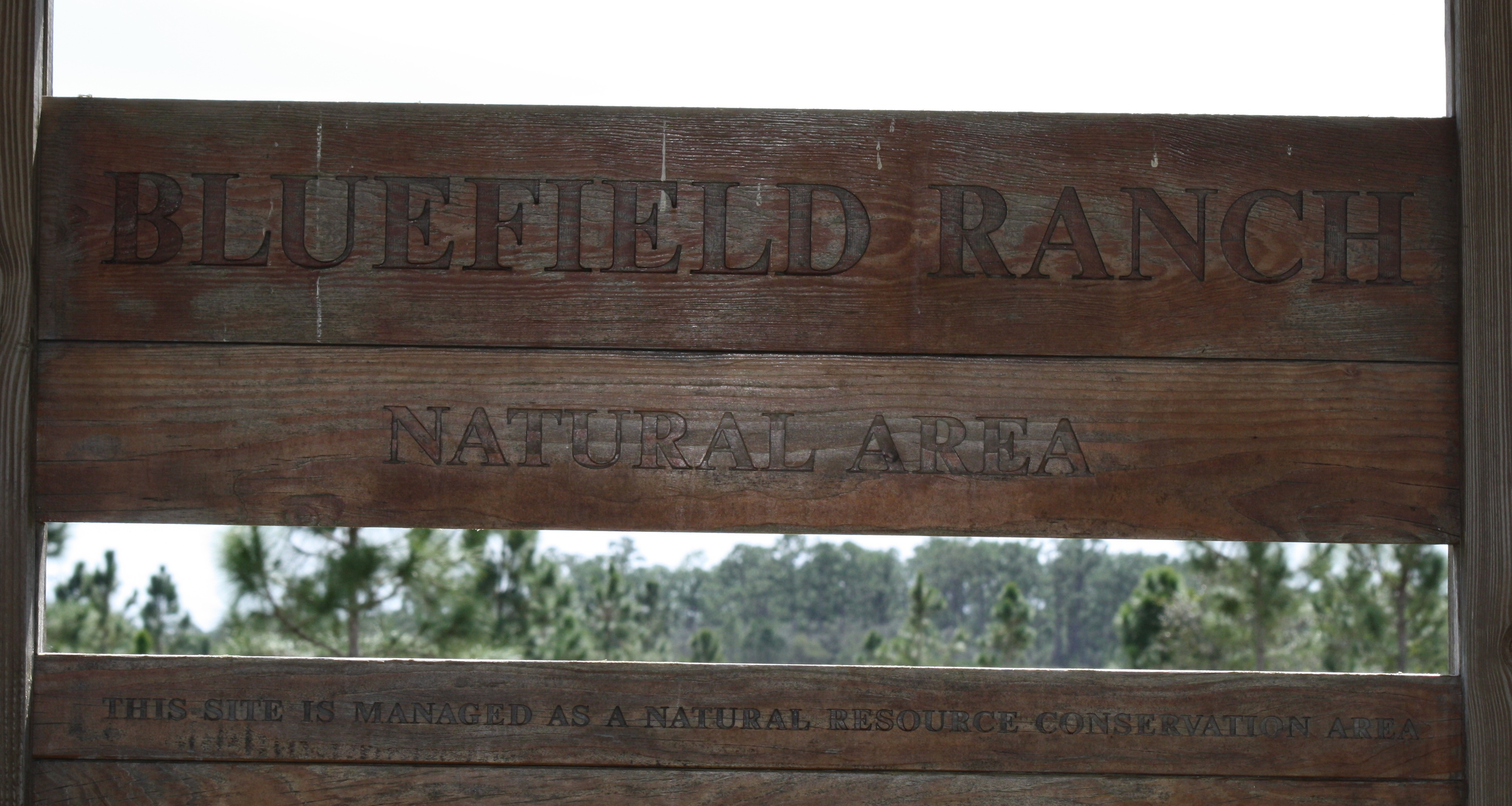
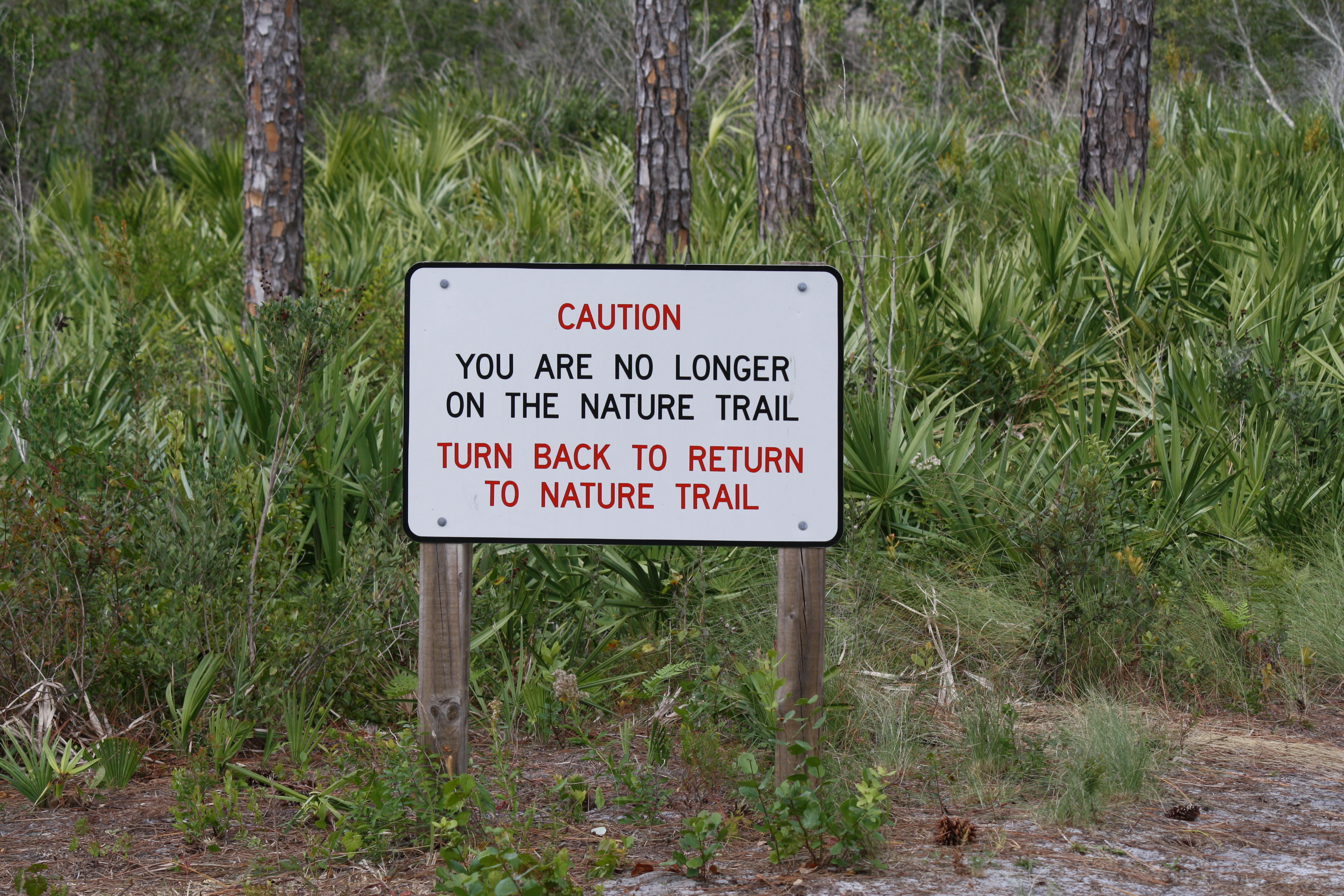
Bluefield Ranch Signage
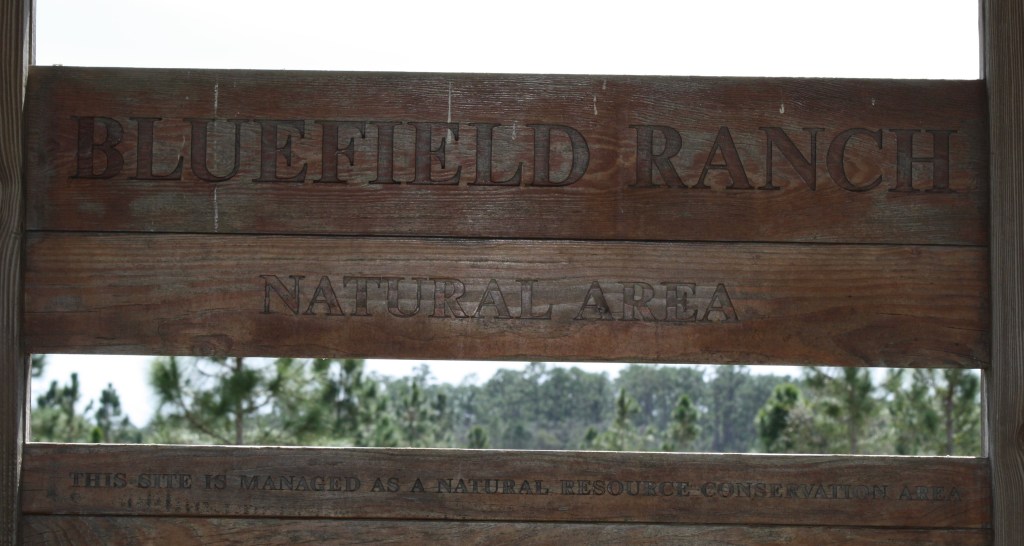
Bluefield Ranch Sign
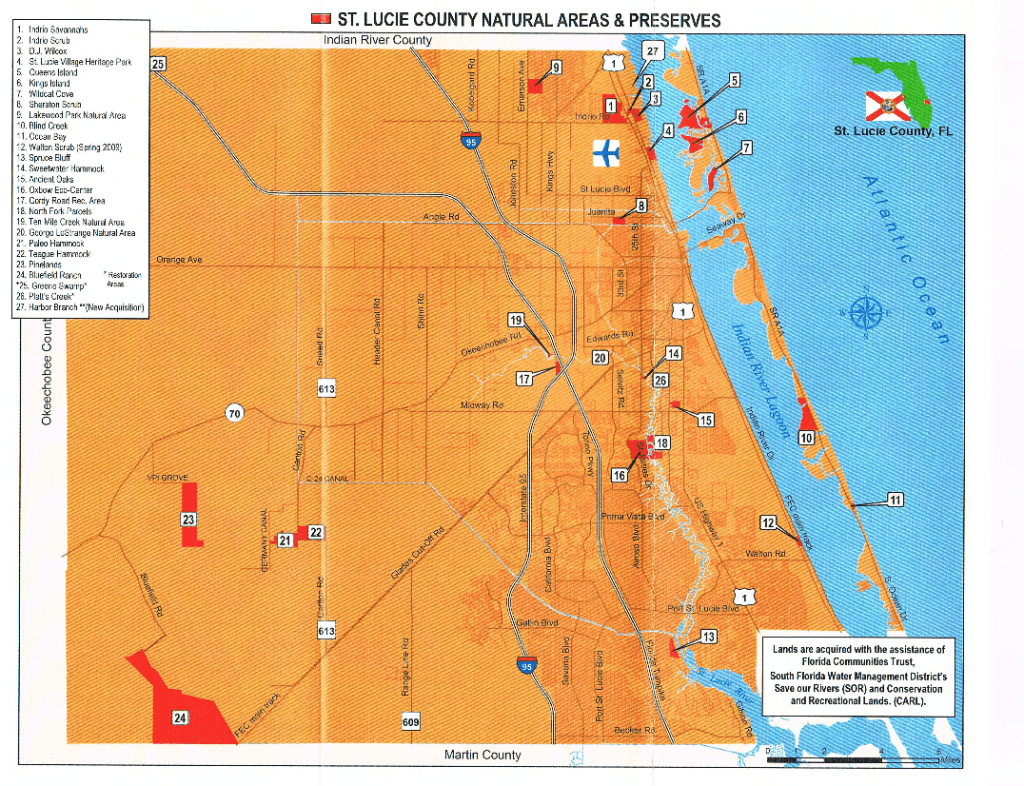
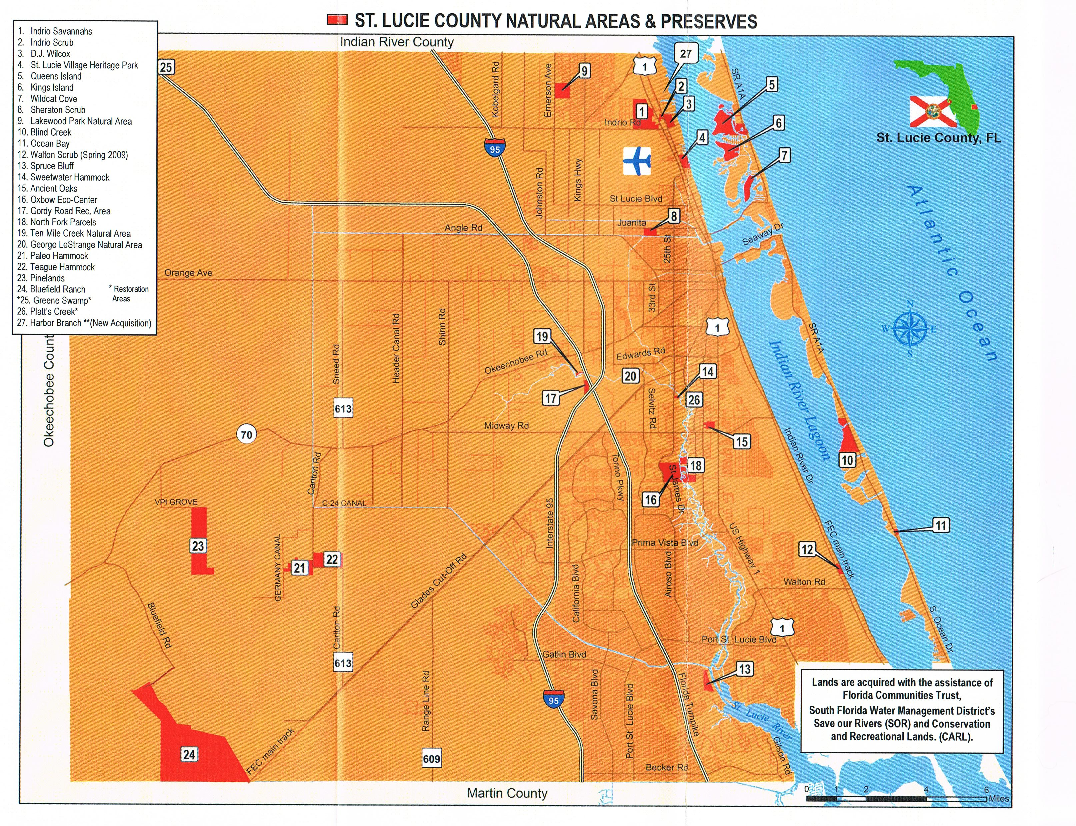
Map of St. Lucie Conservation Areas









































 FeyGirl
 Serenity Spell