Skip to content

Posts tagged ‘trees’

National Trails Day

Tomorrow — Saturday, June 2, 2012 is National Trails Day!

Since 1993, the first Saturday of every June has been designated to inspire the general public and hiking enthusiasts alike to discover and celebrate America’s expansive trail network — comprising over 200,000 miles of trails. You can participate in a local hike, dog walk, cycle, horseback ride, help in a trail maintenance project, kayak, birdwatch, and so much more. It’s easy to forget how much work goes into trails’ planning, development, and upkeep: National Trails Day thanks the countless volunteers and partners for their support and grueling work.

National Trails Day also introduces many people — those who may not otherwise visit parks and trails — to all of their benefits. The day further highlights trails that people didn’t even know existed. I try to do this as well in this blog — after hearing many friends unaware of the magnificent parks and trails in their backyards (see Natural Areas and State & National Parks dropdowns, above — or the Categories section to the right). In today’s world, it’s critical to get outdoors and into nature. Hiking — even simple walks — gets the heart pumping, the muscles relaxed and stretched, and is an excellent way to improve overall health. It’s also cheap! Exploring these serene environments will help you decompress and find solitude as well; I often wander alone, watching and photographing as I stroll the natural areas.

Find an event near you for a National Trails Day event. Celebrate nature and promote our country’s parks and trails! I have far too many trail pictures to share (as proven in my past posts!), so I’ll revisit a few of my favorite areas, if that’s possible:

A most beautiful path in Riverbend (Jupiter, FL)

Cypress Swamp Along the Florida Trail
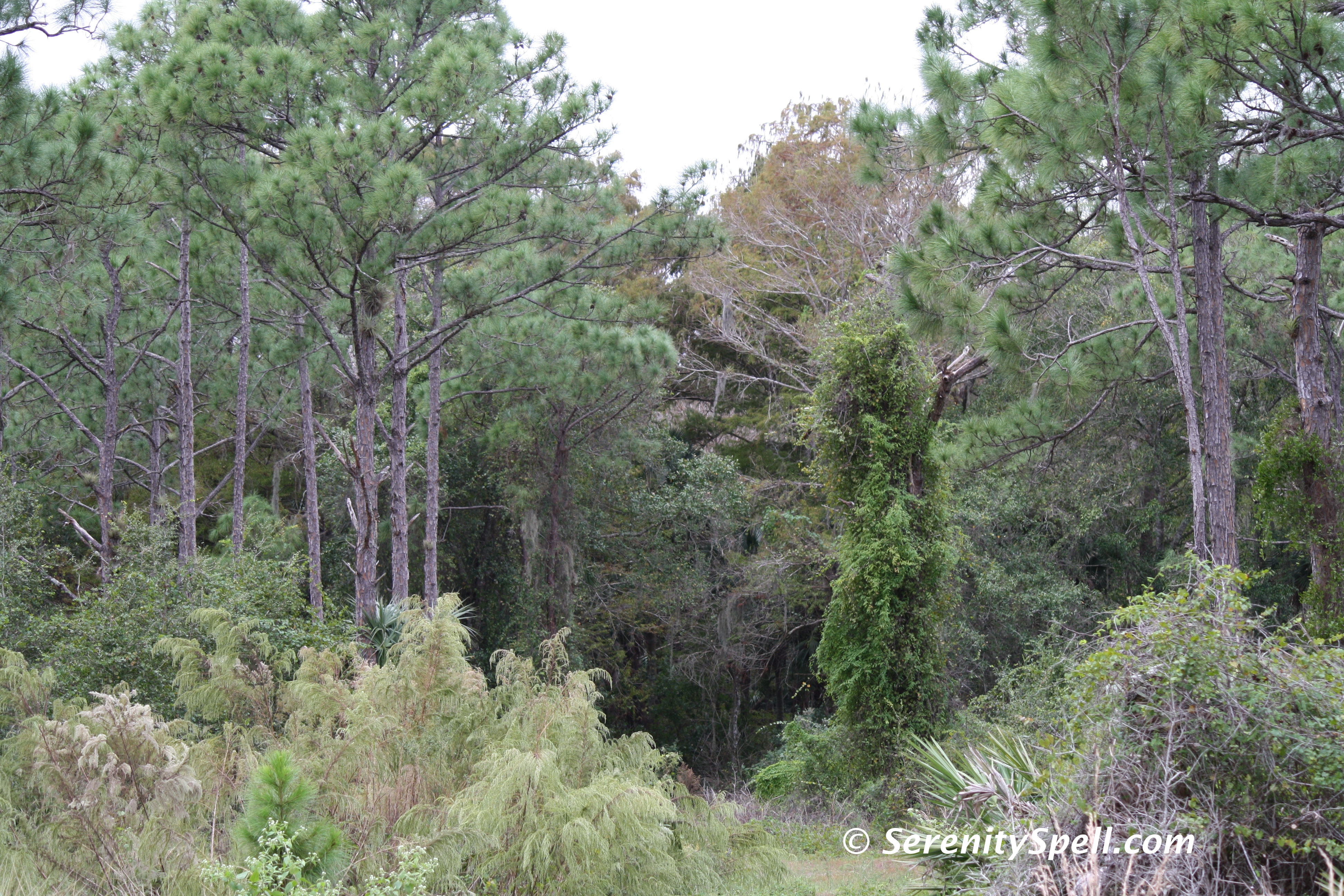
Into the Swamp, Florida Trail Extension (Jonathan Dickinson Trail)

Prairie Overlook Trail, Fern Forest

Sheltering Trees of the Florida Trail Extension (Jonathan Dickinson Trail)

Gorgeous Oaks of the Florida Trail Extension (Jonathan Dickinson Trail)

Cypress Swamp, Historic Jupiter-Indiantown Trail, Cypress Creek Natural Area

Boardwalk, Arthur R. Marshall Loxahatchee National Wildlife Refuge

A Lady Grackle in a Pond-Apple Tree

Despite the commonality of these birds, I love to watch them. Well, I love to watch anything and everything when I’m out & about in nature, honestly — they’re all bright gems to me. I recently watched and photographed a Harvest Mouse for a good 15 minutes….

The Common Grackle (Quiscalus quiscula) is a large blackbird that’s often confused with the American Crow. Adult males are iridescent black, with long dark bills, long tails, and pale yellowish eyes. Females are slightly smaller and less glossy — brownish, in fact. Their song is a bit harsh, especially when it’s calm in our protected wetlands and several birds suddenly appear. They’re found across North America east of the Rocky Mountains, being permanent residents in much of this area. As forests were cleared for farmland, their range expanded west. Grackles nest in colonies, hiding their nests in dense trees and shrubs, often near water. These birds forage on the ground, in shallow water, or in shrubs — I’ve seen some interesting scenes of them skimming our wetlands’ duckweed in rapid flight for long periods of time…and I recently caught some photos of such an event. They’re omnivorous, and will steal food from other birds.

Pond-apple Tree Blossoms in the Florida Everglades

Young Pond Apple in the Florida Everglades

I caught this girl resting in a pond-apple tree, a common fixture in our wetlands, marshes, and the Everglades; they’re also known as Alligator-apple (for the fact that alligators will eat the fruit), Swamp-apple, Corkwood, Bobwood, and Monkey-apple. Unable to grow in dry soil and tolerant of saltwater, pond-apples are native to Florida, as well as the Caribbean, Central and South America, and West Africa. The tree averages 30-35 feet in height, and its blossoms are lovely creamy white and pale yellow, almost tulip-shaped. The fruit is apple-sized and mango-shaped, and falls when it’s green or ripening yellow. Edible to humans (it can be made into jam), the fruit serves as food for many species. It can be a bit bitter or tasteless for us, however (although its flesh is quite fragrant) — as my guy can attest to when I demanded he try it (“let’s make jam out of it!”). Pond-apple trees have become a scourge overseas, but in the Everglades they’re a valuable source of sustenance for our wildlife — I’ve seen alligator, raccoon, and all species of turtles munching on fallen pond apples. The trees provide shelter for myriad creatures, and their canopies are used as nesting grounds for all species of birds. Even more interesting, recent studies have shown that its alcoholic seed extract may provide anticancer compounds that could be used pharmaceutically.

Common Grackle in a Pond-apple Tree, Florida Wetlands

Common Grackle in a Pond-apple Tree, Florida Wetlands

Common Grackle in a Pond-apple Tree, Florida Wetlands

Pond-apple Tree: Note the thin trunks growing in clumps

Reaching for the Azure

A stricken tree, a living thing, so beautiful, so dignified, so admirable in its potential longevity, is, next to man, perhaps the most touching of wounded objects. —Edna Ferber

Scorched — but not necessarily dead — slash pines are profiled against their more lively brethren at the Bluefield Ranch Natural Area. Their tenacity is inspiring and a not-so-gentle reminder as I observe them throughout our hikes, standing tall with new growth peeping through burned limbs. Controlled, or prescribed burns are an integral part to sustaining Florida’s natural habitats.  Such burns mimic natural fire cycles to restore healthy natural communities, thus reducing the undergrowth that accumulates over time — a contributing factor in severe wildfires. An increase in native plants, birds, and wildlife is witnessed at these burned lands.

Love in the Florida Forest

Still not quite able to tackle the bigger hikes, we ventured to lovely Fern Forest, a magnificent conservation site and wildlife refuge located in Broward County. Encompassing 247 acres, researchers have characterized the site as “the last remaining stronghold of ferns in southeastern Florida.” This beautiful and diverse natural area represents the last remnant of the historical Cypress Creek floodway. Today, Fern Forest remains a significant refuge for wildlife in this highly urbanized region, and hosts many educational activities, conservation events, and nature programs. The park encompasses ten plant communities, including a tropical hardwood hammock, an open prairie, and a cypress-maple swamp. Visitors can investigate three main trails: The Cypress Creek Trail (a wonderful boardwalk); the Prairie Overlook Trail, which includes a 20-foot-tall observation platform; and the Maple Walk, winding through an often soggy red maple swamp.

During our weekend visit we hit the Prairie Overlook Trail and the expansive boardwalk; the butterflies were especially active after an unexpected Saturday monsoon. As always, I try to catch the swallowtails in action, but fail miserably and land in the oversized banana spiderwebs. But I did manage to snap a private moment between mating Viceroy Butterflies (Limenitis archippus) — cue the appropriate music; I was humming it for them at the time.

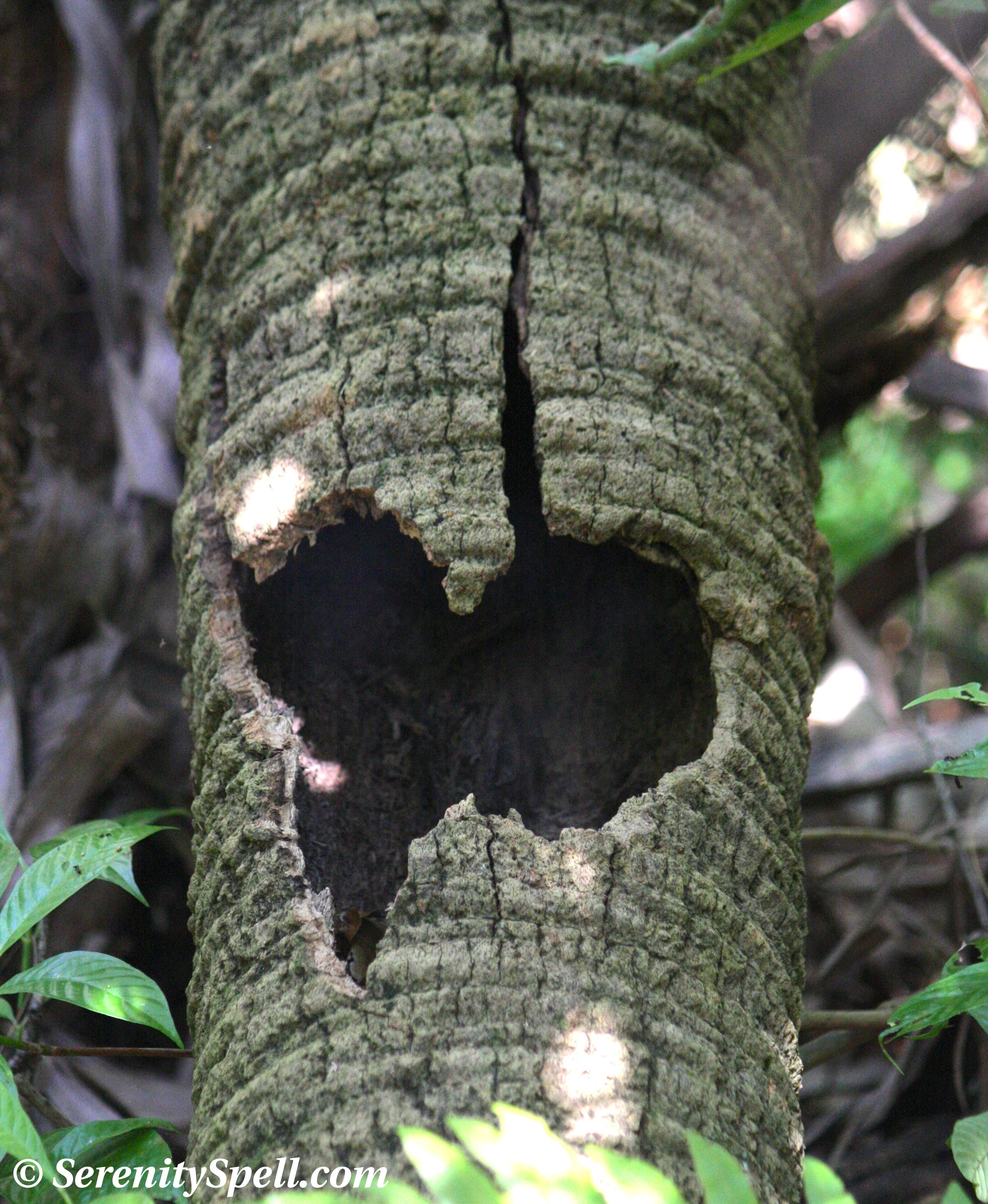
Deep in the darkness of the Prairie Overlook Trail, my guy spotted this sublime palm…a love tree! I’m only sorry I didn’t find it first; it was completely tucked away in a riot of Florida growth.

For More Information:

Tropical Flora & Champion Trees at Flamingo Gardens

One of the oldest botanical gardens in South Florida, Flamingo Gardens today is a not-for-profit facility with more than 3000 tropical and sub-tropical species of plants and trees. Within its 60 acres also resides an Everglades Wildlife Sanctuary and aviary, which is home to the largest collection of Florida native wildlife in the state.

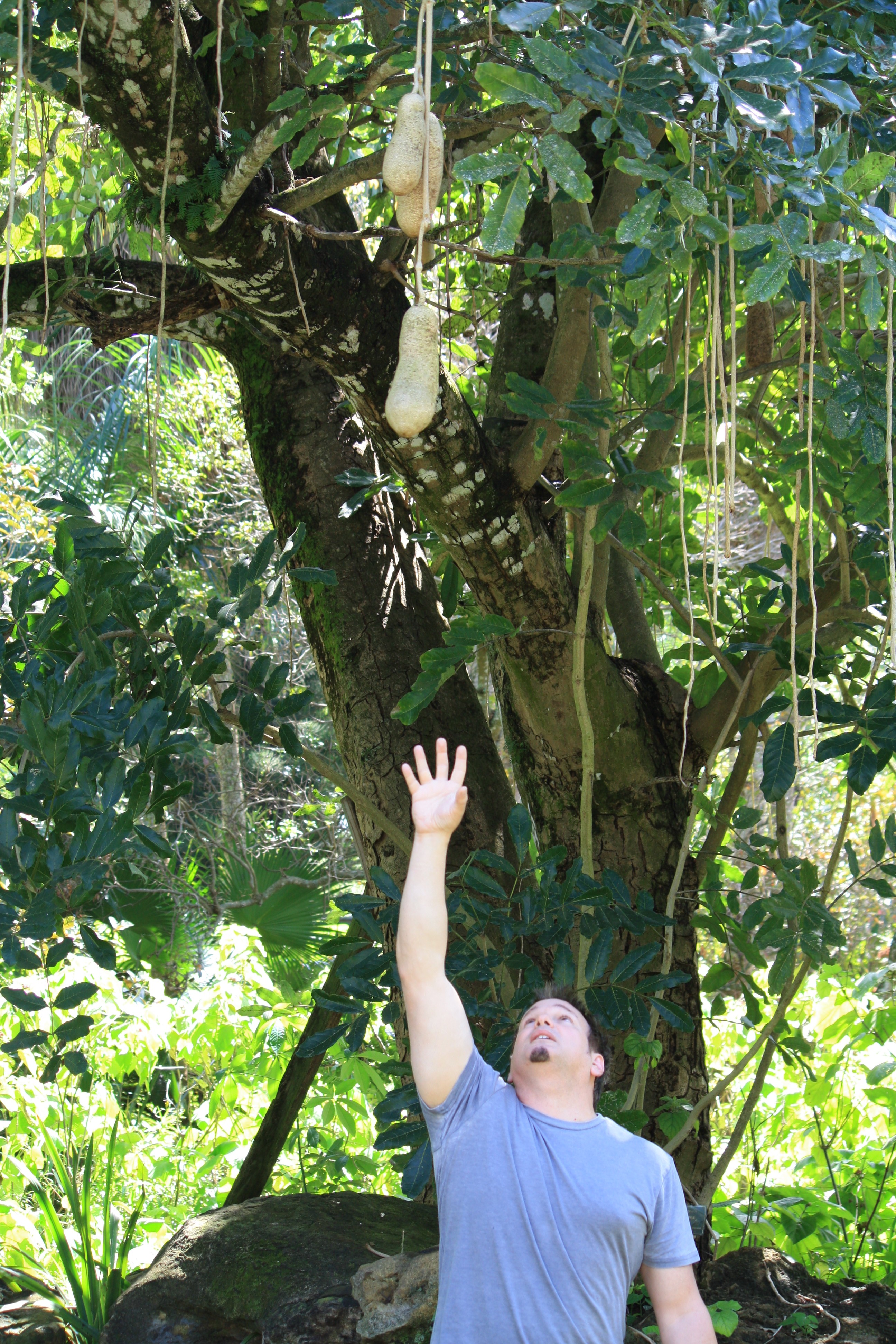
Sausage Tree

Within the gardens, over 60 commercial and ornamental types of citrus remain from the original groves, including oranges, limes, and grapefruits. The Tropical Plant House features orchids, calatheas, and other plants; specialized gardens include the Croton Garden, the Butterfly Garden, the Hummingbird Garden, the Bromeliad Garden, the Flowering Tree Walk, the Amaryllis Garden, the Reflection Pool and Garden, and the Fragrance Garden. Some unusual flora can be found within the collection as well — such as the sausage trees, with their dangling fruit and a dynamite tree, with pods that explode and send seeds flying.

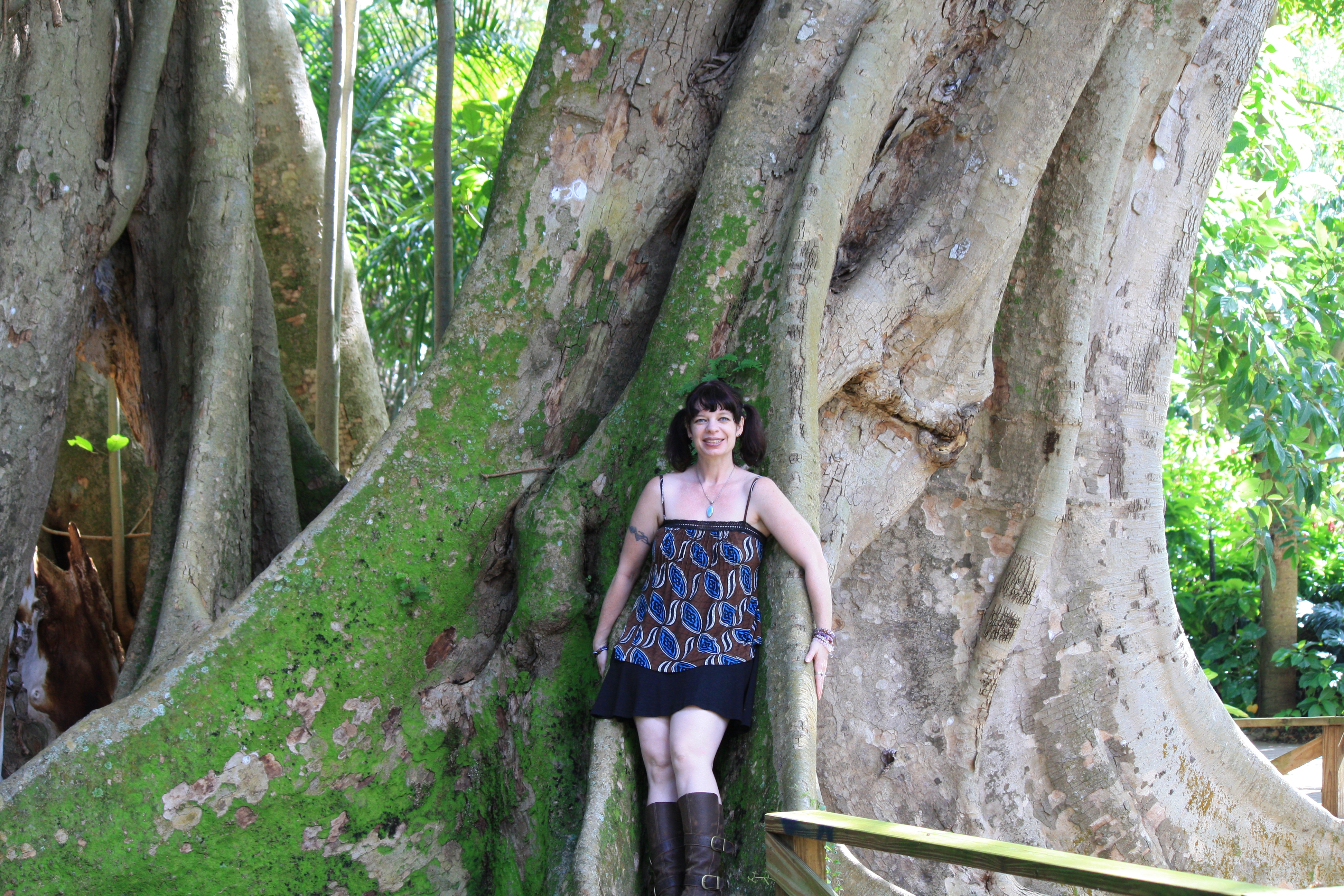
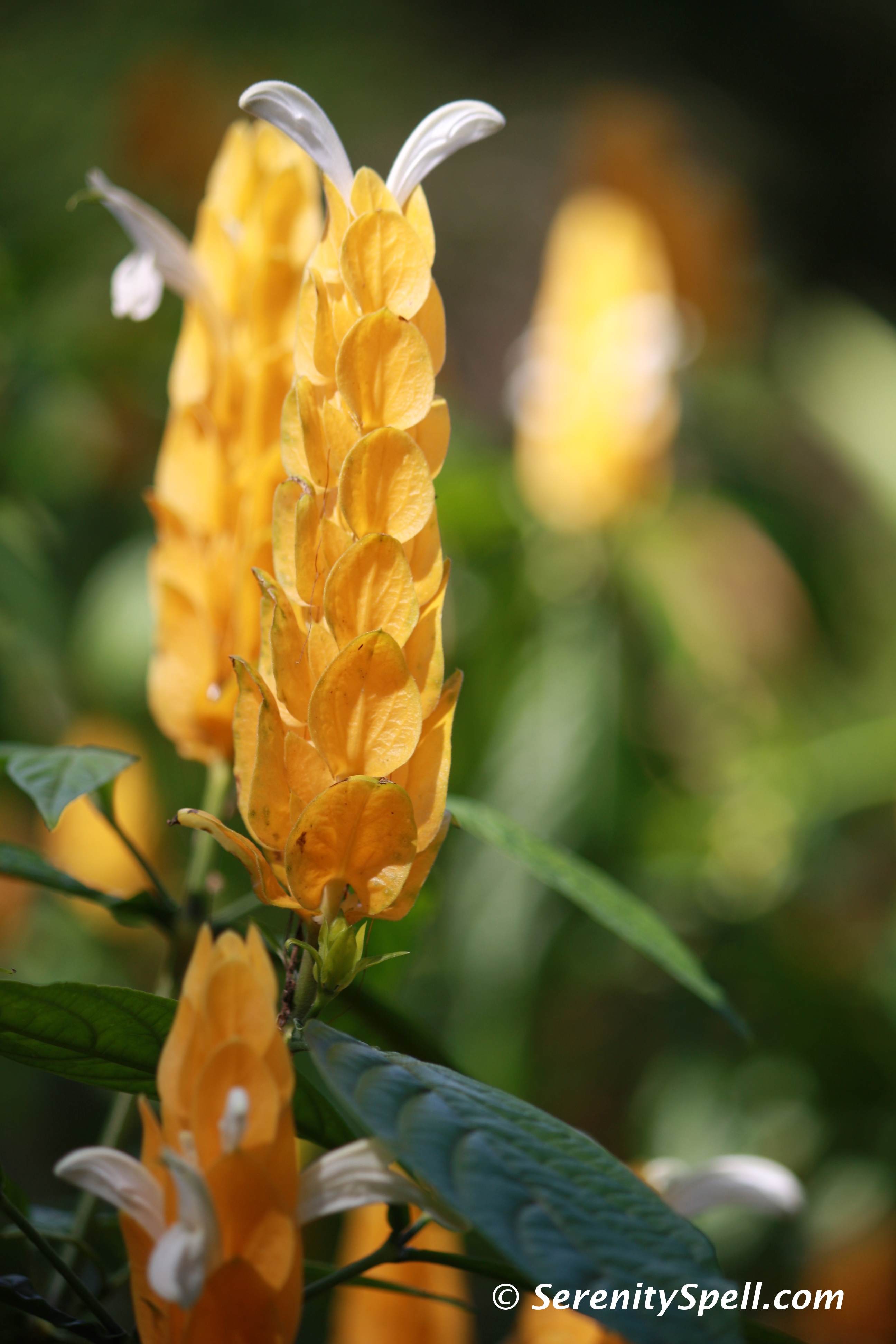
The Wray Botanical Collection at Flamingo Gardens also includes 21 of the largest trees of their species in Florida — “Champion Trees” — and a unique hammock of 200-year-old live oak trees. In most cases, these trees are also the largest in the continental United States, due to the location’s ideal tropical growing conditions for their species — star fruit, wampi, pink trumpet…. While walking through these beautiful giants, it’s mind-boggling and heartbreaking to think that without the efforts of the Wrays — who simply didn’t allow these trees to be logged like so many others, and fought for the land’s protection — this jungle growth, some of the last in South Florida, now represents the oldest in the state. A narrated tram tour (which we didn’t take) leads visitors through some of this last natural South Florida growth, located in the back 50 acres of Flamingo Gardens. But you can certainly stroll through the centuries-old live oaks and enjoy the towering Champion Trees on your own….

Champion Tree

For more information on Flamingo Gardens, its Wildlife Sanctuary, or its history, check out my last post or their website!

From the website:

Flamingo Garden’s mission is to depict and preserve the natural and cultural heritage of South Florida and the Everglades in our botanical gardens and wildlife sanctuary:

* by providing a repository for endangered plant and wildlife species and a living library of specific taxa available for research and education.
* by inspiring an appreciation for the beauty and diversity of tropical and subtropical plants from around the world that can be grown in our area.
* by guiding the public in environmentally responsible and aesthetic horticultural practices.
* by encouraging environmental awareness and Everglades preservation to visiting tourists, residents, and school children.

Contact Information:

3750 S. Flamingo Rd.
Davie, FL 33330
Phone: 954-473-2955

Hours & Pricing:

$9.00 child (ages 4-11) / $15.00 seniors, students and military / $18.00 adult
(Check online for coupons!)

Hours: 9:30 a.m. – 5:00 p.m. / Closed Monday (June 1 – Oct. 31)
Open Year-Round

For More Information: