Skip to content

Posts tagged ‘trees’

Air, Water + Earth: The Savannas

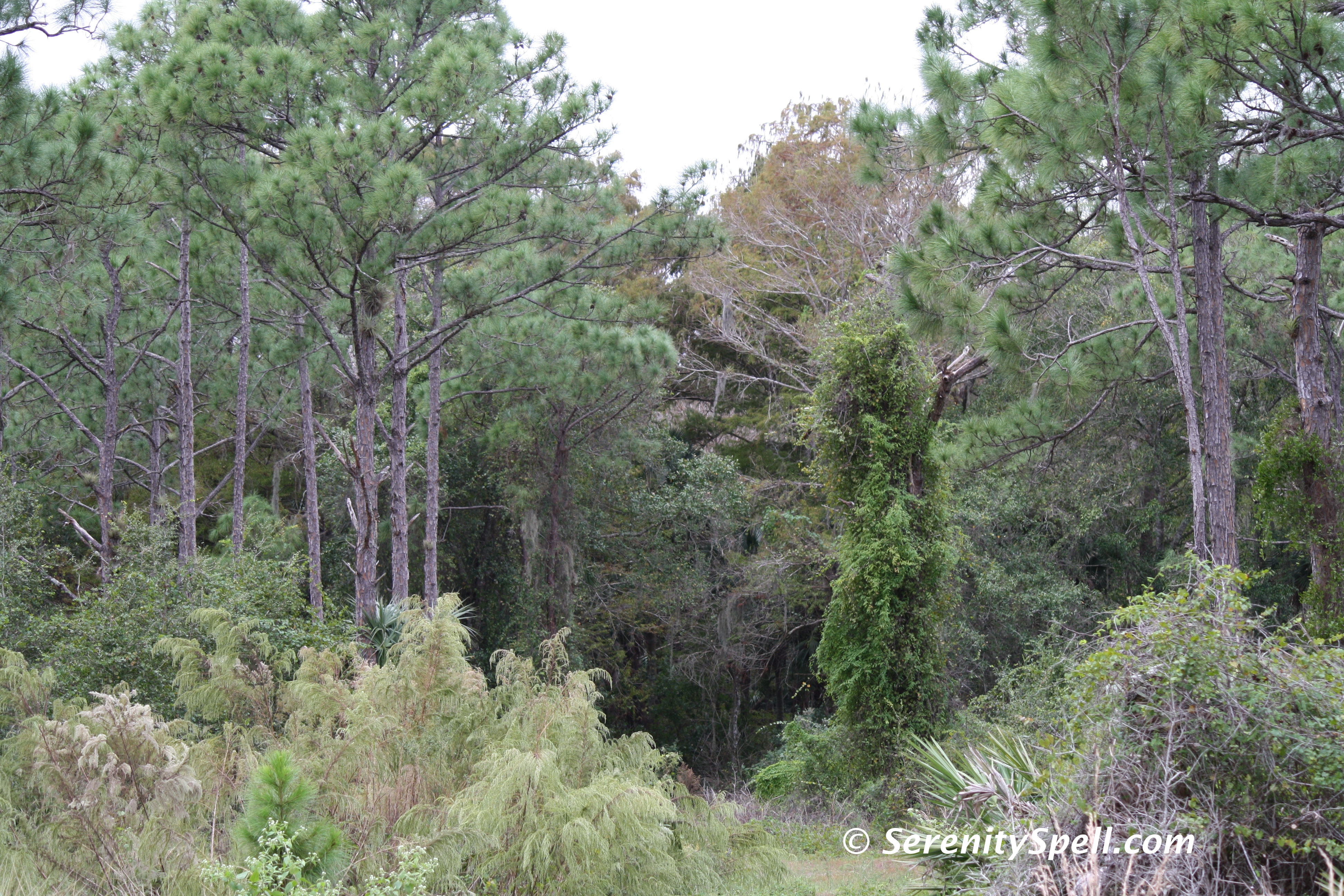
Despite our fanatical hiking throughout South Florida, we had never investigated the Savannas — and within the space of one week, it came up in conversation no less than three times (once from a fellow blogger). Obviously a sign! We were insanely lucky to visit on a cool, cloudy, and windy day after an unseasonably warm (read: HOT) spell. We investigated a few trails from the Education Center, as well as further within the park. Afterwards, we drove towards Jensen Beach to check out Hawk’s Bluff, also part of the park and an extension of the Florida Trail. Located along the eastern edge of the Savannas, Hawk’s Bluff is a lovely 1-mile loop trail, marked by sand dunes and oak hammocks, leading to the water’s edge overlooking the Savannas. If anyone has suggestions for other trails and access points, please give a shout!

Managing nearly 6,000 acres, the preserve represents the largest and most ecologically intact swath of freshwater marshes, or “savannas,” that once extended along Florida’s entire southeast coast. Looking across their lovely vastness today, it’s downright depressing to picture the hotels that currently reside in their place. The open wetlands filter rainwater and runoff from the surrounding dunes and pine flatwoods, creating a unique biological community — an endangered landscape — as they continue to preserve and feed vital waterways and ecosystems, including the Atlantic scrub ridge, freshwater marshes, and the estuaries of the St. Lucie Inlet. The preserve is comprised of six natural communities: pine flatwoods, wet prairie, basin marsh, marsh lake, sand pine scrub, and scrubby flatwoods. While each community is home to its own fauna and flora populations, the sand pine scrub habitat represents an increasingly imperiled ecosystem, and shelters several of Florida’s most threatened and endangered animal and plant species. The Savannas’ many wildlife species include the threatened Florida scrub jays, gopher tortoises, alligators, deer, and sandhill cranes. American bald eagles have recently made their homes in the preserve, as well — the nests of several pairs are located in the more isolated areas. The park is also one of the few remaining natural habitats in the U.S. for the endangered (and inedible) prickly apple cactus (Harrisia fragrans), which grows along the Atlantic Ridge in the scrub regions.

Being a chilly and windy day, we didn’t run into too many critters, but I did manage to spot a few (with some trees thrown in for good measure):

Green-on-Green Dragonfly

Water Flower
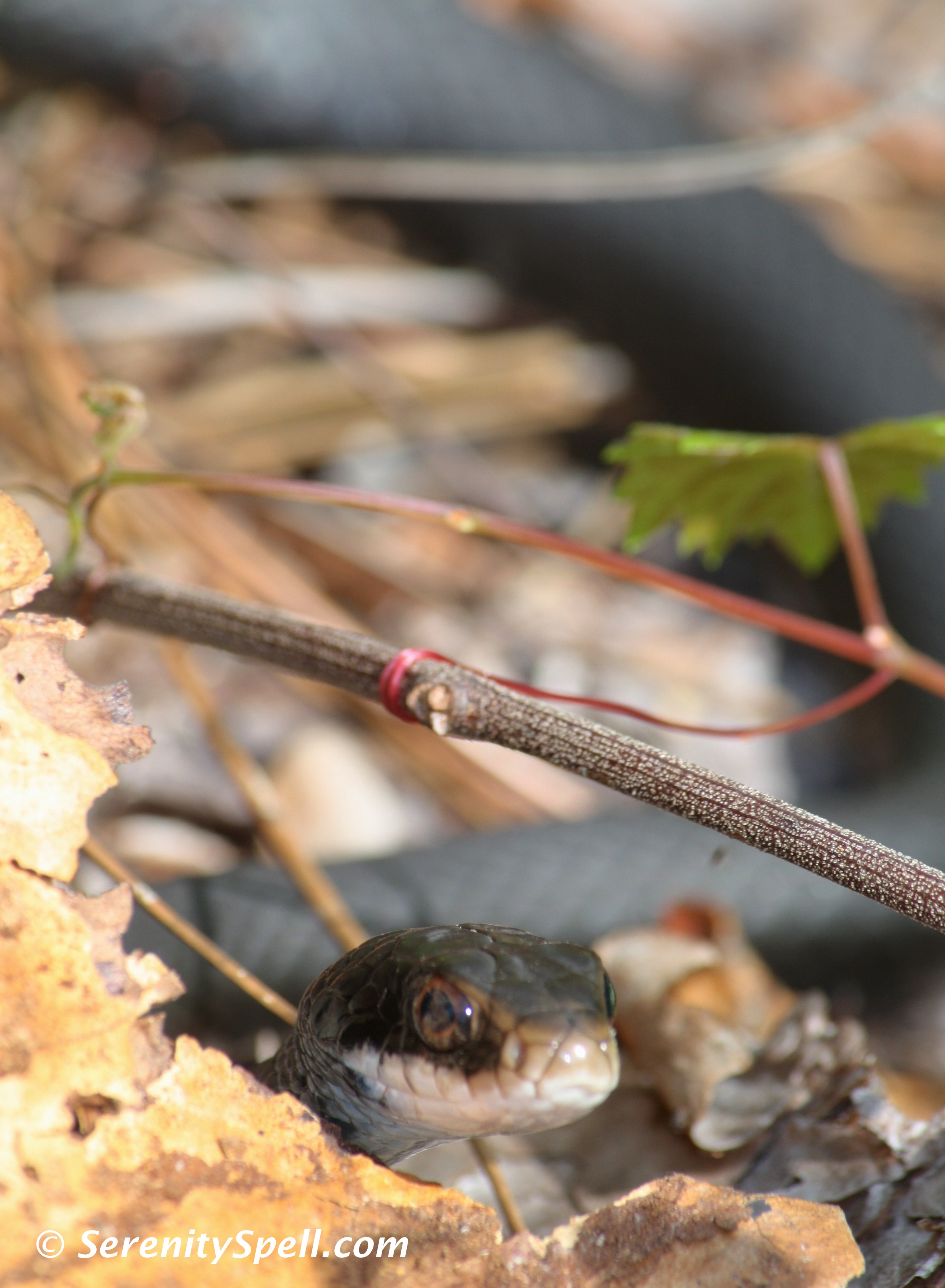
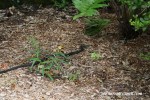
Rat Snake Catching Some Sun

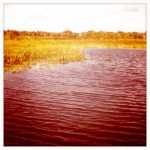
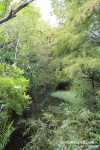
Palm and Savannas

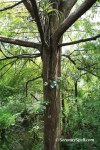
Live Oak on the Hawk’s Bluff Trail

For More Information:

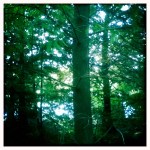
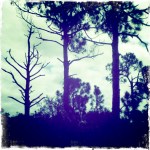
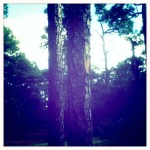
Tree Portraits for the Solstice ☀

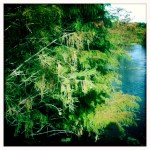
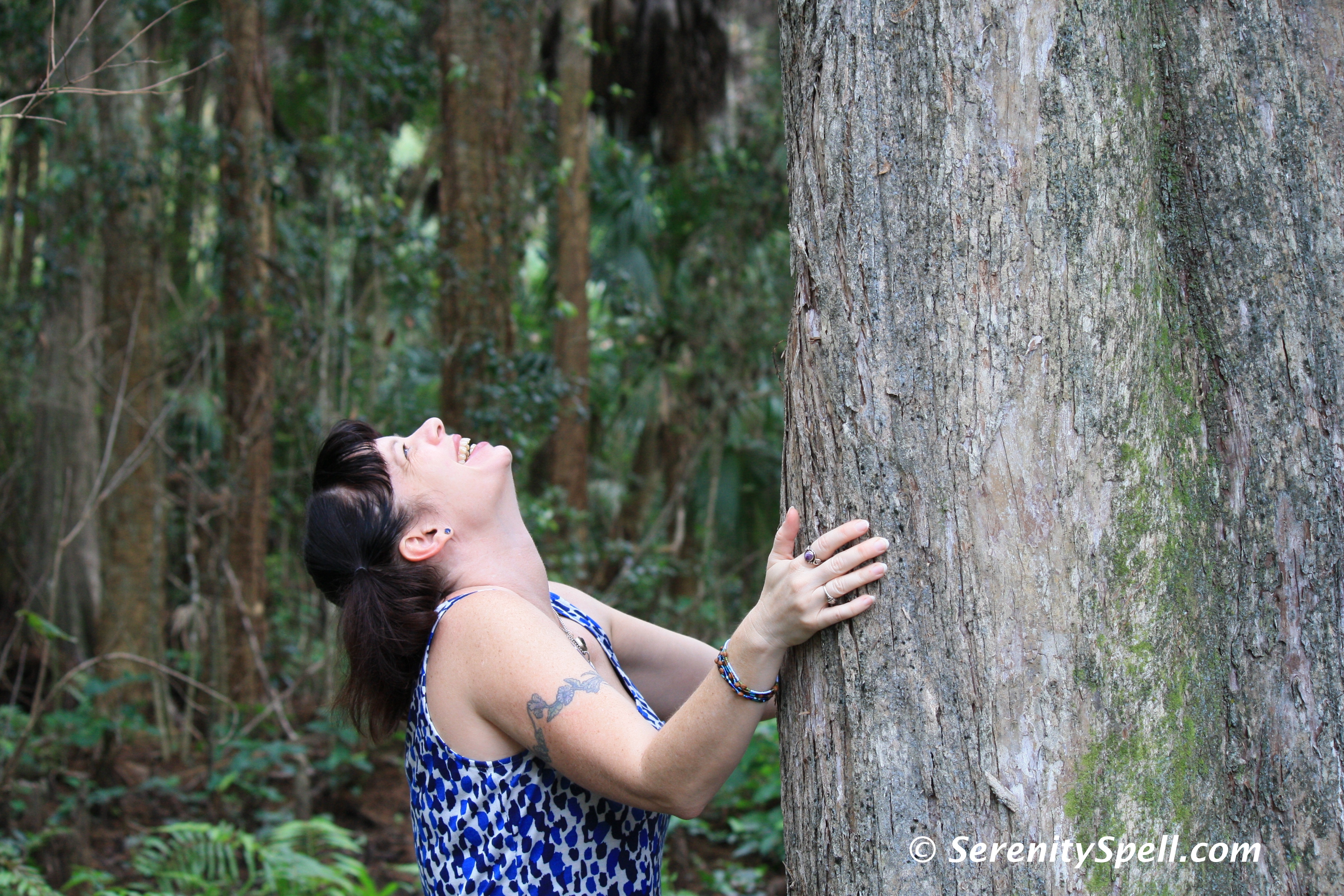
In honor of the shortest day and longest night of the year — and the ancient sacred associations with the winter solstice, midwinter, and the first day of winter in the Northern Hemisphere — here are some images of our region’s fabulous flora.

This slideshow requires JavaScript.

A Picnic at Fern Forest

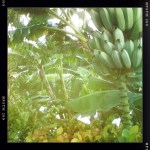
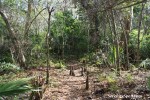
As is our modus operandi (read: cheap activity these days), we grabbed an insanely delicious LaSpada’s subs, and headed out to Fern Forest in Broward County for a picnic and casual hike. It’s a bit of a haul for us, but we wanted to take advantage of Florida’s overcast weather with Tropical Storm Emily. Although she didn’t quite make it to land, enough of her bands reached us, and we had to make a run for it out of the trails. The flutterbys were active, and I was chasing them like a crazed lunatic with my camera to no avail. And the banana spiders, oh my. Oh my. They’ve obviously been busy, with their gigantic (but non-toxic) selves. I crashed into a few of their expansive webs, chasing butterflies. Dave’s especially enthralled with spiders, consistently offering better leverage for close-ups. Right-o.
This slideshow requires JavaScript.

Jonathan Dickinson & Riverbend: Natural Florida and an Awe-Inspiring Cypress Swamp

Riverbend Park in Jupiter, Florida, has been by far one of our favorite places to visit. Besides the vastness of the park proper, there’s a great extension of the Florida Trail — accessible through the park (under Indiantown Rd.), or attainable across the street (we jump the fence for more immediate access), near the Loxahatchee River. (The Ocean-to-Lake portion of the Florida Trail also runs behind the park, to the south.) But one of my favorite hikes is along the Old Indiantown Trail, also accessible across the street from Riverbend. It’s absolutely beautiful, replete with a gorgeous watering hole, canopy trees, old Florida growth, prairie, and miles of hiking, that lead into Jonathan Dickinson. Natural Florida at its BEST. It’s rarely traveled — we’ve never encountered another hiker past the watering hole.

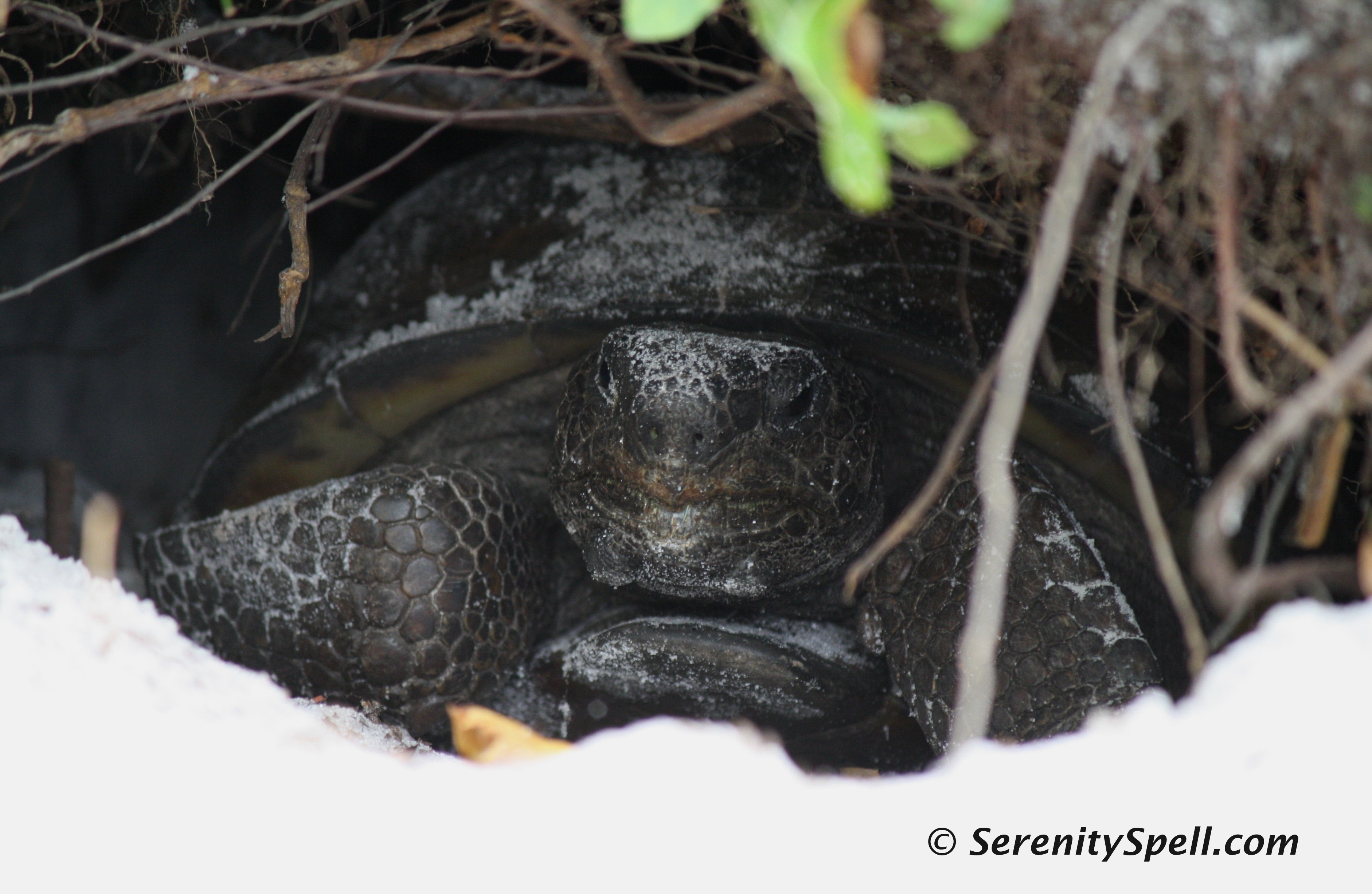
During our most recent trip, the gopher tortoises were exceptionally active — we must have seen at least five in their burrows within as many minutes. One of the oldest living species, the burrowing tortoise is found throughout Florida and southern Georgia, South Carolina, Mississippi, Alabama, and eastern Louisiana. These tortoises dig and live in long burrows in longleaf pine savannas, thus protected from summer heat, winter cold, fire, and predators. Gopher tortoises are essential to the local ecology — their burrows also provide homes for other animals, including indigo snakes, gopher frogs, mice, foxes, skunks, opossums, rabbits, quail, armadillos, burrowing owls, snakes, lizards, frogs, toads, and other invertebrates. Their burrows — abandoned or shared — may be the homes to more than 300 species of animals at one time or another. Pretty amazing; and it’s easy to see how destroying the habitat of the gopher tortoise alters the already fragile ecosystem. Federally protected as a threatened species EXCEPT in Florida, in which it is “under review,” the tortoise’s main threat remains: Habitat loss and destruction. For instance, it wasn’t until 2007, in Florida, that developers were forced *by law* to relocate burrowing tortoises — until then, development could shockingly occur with no thought to the safety of the animals and the destruction of their habitat.

But by far my favorite part of this particular hike was our segue from the trail, into an untouched cypress swamp. The trees were so enormous, that I’d like to think they were saved from the mass logging of so many of Florida’s virgin trees, during the 1920s and ’30s. The swamp was vast, secluded, and amazingly peaceful — it was hard to leave. Finding the not-so-small shedded snakeskin not far from the trail (possibly rattlesnake?) was another decent reminder as to why I *always* wear my hiking boots on these trips, regardless of the temperatures.

For More Information:

Fern Forest Nature Center

Fern Forest, 247 acres in entirety, is a magnificent conservation site and wildlife refuge located in Broward County, Florida, taking its name from the myriad ferns — more than 30 species — found on its grounds. In 1979, scientists from FAU and Broward Community College (now Broward College) wrote about the area’s botanical diversity in their article “A Tropical Fern Grotto in Broward County, Florida.” The researchers characterized the site as “the last remaining stronghold of ferns in southeastern Florida.” This beautiful and diverse natural area represents the last remnant of the historical Cypress Creek floodway. Authorized in the early 1900s to create more suitable farming land, the Cypress Creek drainage system and the surrounding areas have a long history as farmland, first for such crops as pineapples, tomatoes, beans, and peppers, and later for dairy farming, logging and milling.

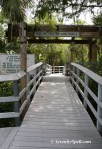
Fern Forest remains a significant refuge for wildlife in this highly urbanized region, and hosts many educational activities, conservation events, and nature programs. A reception hall, an ampitheater, and picnic areas and protective shelters are provided within its nature center. The park encompasses 10 plant communities, including a tropical hardwood hammock, an open prairie, and a cypress-maple swamp. Three main trails are offered: The Cypress Creek Trail (a wonderful boardwalk); The Prairie Overlook Trail, which includes a 20-foot-tall observation platform; and the Maple Walk (my favorite!), through an often soggy red maple swamp. Fern Forest was awarded “Best of” from the Broward/Palm Beach New Times for:

  • 2009 – Best Nature Trail
  • 2007 – Best Nature Trail
  • 2005 – Best Place to Birdwatch

LaSpada’s Subs is nearby, even better! We like to grab some grub for a picnic, before our walks either here or at nearby Tree Tops park… Upcoming post.

For More Information:

This slideshow requires JavaScript.