Bolivia to Pass Laws Giving Nature Equal Rights
♥ ☼ ♥ ✰ ♥ ☽ ♥ ☮ ♥
Bolivia Set to Pass World’s First Laws Giving All Nature Equal Rights to Humans


Sep 13
Aug 29
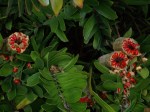
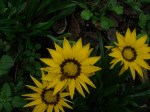
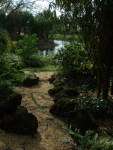
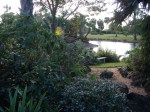
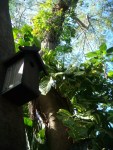
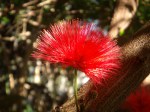
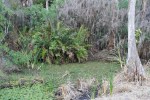
In a somewhat interesting section of Palm Beach resides the county’s oldest and largest public garden: Mounts Botanical Garden. The gardens cover a serene 14 acres, with 18 plant collections. Tropical and subtropical plants and trees from six continents make their home at Mounts with more than 2000 species, from cacti and succulent plants to edible herbs, citrus, palms, and exotic trees. Beyond the flowers and trees, there are butterfly gardens; herb and vegetable gardens (a favorite of visitors, mine included); lovely gazebos and arches dotting the trails; and ponds with aquatic plants and fish. The occasional plane roaring overhead is in striking contrast to the serenity of this space — the gardens neighbor the Palm Beach International Airport.
The gardens were hit especially hard by the dual impact of Hurricanes Frances and Jeanne in 2004, but reopened to the public in early 2005. While 150 trees were lost, more flowers were planted and the ensuing growth has proved healthy.
Mounts was conceived as a 3.5-acre county site for pasturing 4-H horses, and was named for Palm Beach County’s first assistant agricultural extension agent, Marvin Umphrey “Red” Mounts. A native of Oklahoma and 1925 graduate of the University of Florida, Mounts was hired to educate farmers in modern farming methods. The gardens continue to draw on experts for their educational programs due to their association with the PBC Cooperative Extension Service, and affiliation with the University of Florida. A leader in providing horticultural and botanical information related to South Florida’s unique plants and environment, Mounts hosts a variety of events and programs, including plant sales, festivals, workshops, and auctions. The Garden Shop at Mounts further offers a wide range and hard-to-find selection of books geared to the region’s gardening, wildlife, and environment.









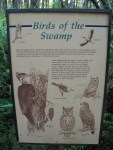
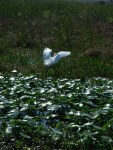
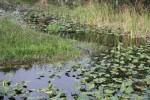
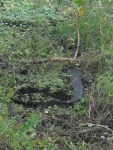
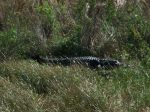
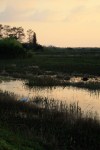
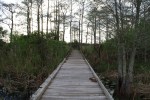
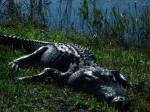
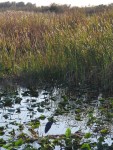
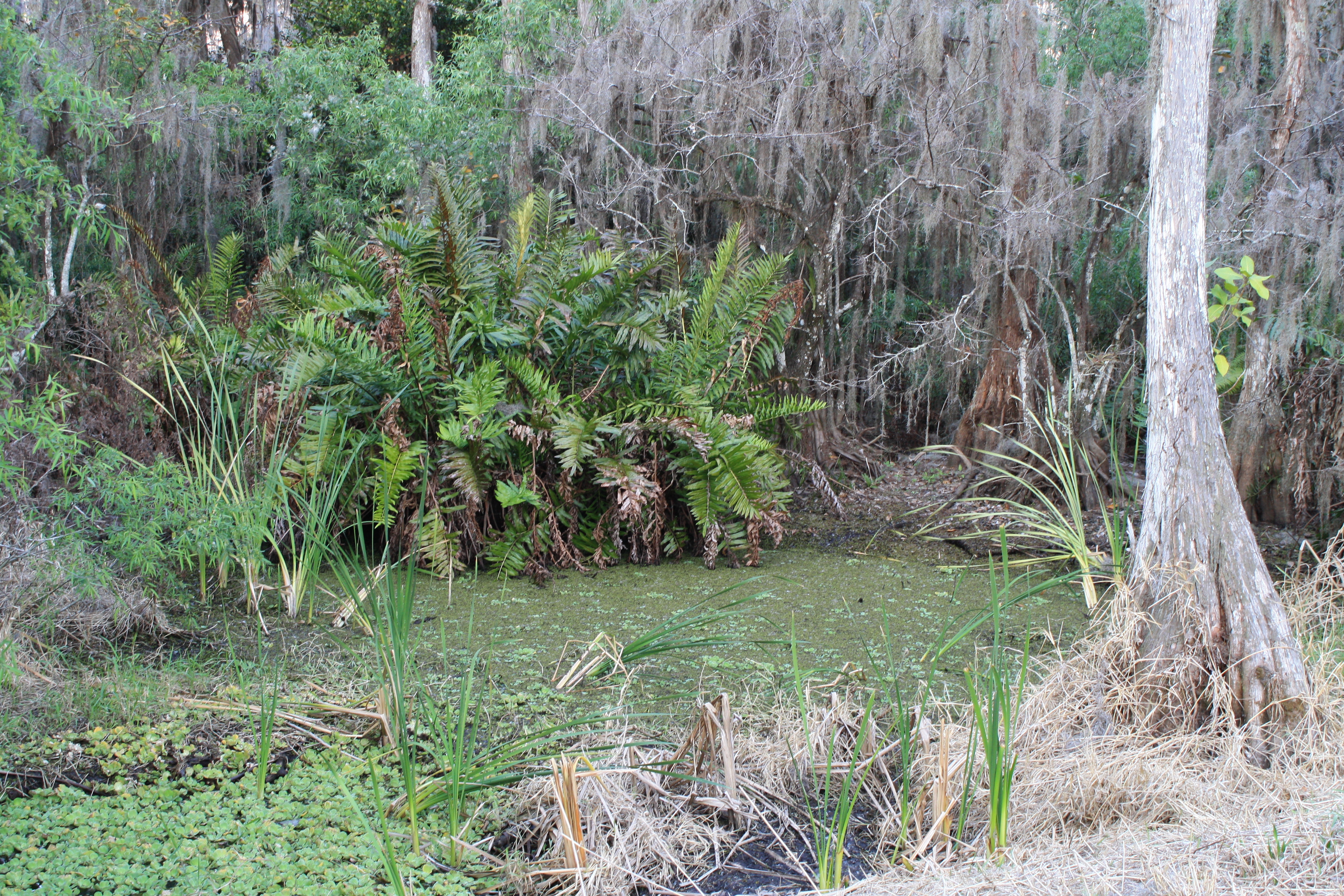 Another favorite excursion site we are fortunate to have nearby, is the Arthur R. Marshall Loxahatchee National Wildlife Refuge. The Refuge is the last northernmost portion of the Everglades, and contains more than 221 square miles of Everglades habitat. It provides sanctuary for the American alligator and the critically endangered Everglades snail kite, as well as migratory waterfowl, migratory passerines, wood storks, great blue herons, anhingas, white ibis, little blue herons, tricolored herons, black-crowned night herons, great egrets, cattle egrets, snowy egrets, and many other birds. Additionally, more than 250 species of birds use the Refuge’s wetland habitat. Myriad indigenous species of plant and insect life also make their homes in the Refuge. We’ve also had the great fortune of seeing great horned owls (a mating pair often visit the boardwalk and the Marsh Trail), screech owls, red-shouldered hawks, a very shy bobcat, and otters.
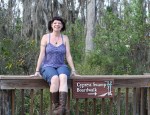
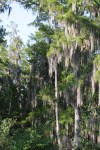
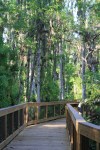
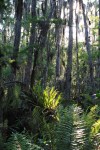
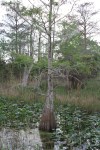
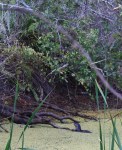
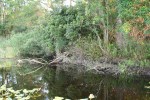
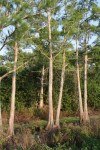
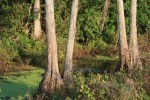
The swamplands within the Cypress Swamp Boardwalk represent one of the few remaining cypress habitats lining the Everglades. While the original trees were sadly lumbered in the ’20s and ’30s (like most cypress in South Florida), this second-growth remains protected and is truly a magnificent sight. Also included are 5.5 miles of canoe trails, providing an ideal vision of the Everglades.







 FeyGirl
 Serenity Spell