Skip to content

Posts tagged ‘wildlife’

Happy Trails, Peon

All good things are wild and free. ―Henry David Thoreau

At the beginning of what would be a 10-12 mile hike through the SWA system, along the Owahee Trail (near Grassy Waters Preserve) in northern Palm Beach County, this curious and bold fellow — majestic and magnificent, always — offered a steady and seemingly condescending gaze.

May your weekends be as wild and free as this beautiful creature!!

Red-shouldered Hawk, SWA Trail System, Florida

Sorry Mr. Red-shouldered Hawk — we simply cannot compete with that poise

Happy Birthday, Mr. Audubon!

A true conservationist is a man who knows that the world is not given by his fathers, but borrowed from his children.

As I grew up I was fervently desirous of becoming acquainted with Nature.

But hopes are Shy Birds flying at a great distance seldom reached by the best of Guns. —John James Audubon

Happy birthday to one of the most intriguing figures of history, the French-American ornithologist, conservationist, naturalist, and painter. John James Audubon — a man whose influence is keenly felt to this day — documented countless American birds in his gorgeous and brilliant drawings. His masterpiece — the enormous (-sized) color-plate book, The Birds of America (1827–1839), is widely considered to be the finest ornithological and artistic works ever created.

Thank you, sir, and happy birthday!

Audubon, Great Egret, 1821

Audubon, Great Egret, 1821

Great Egret in Breeding Plumage, Florida Wetlands

Great Egret in Breeding Plumage, Florida Wetlands

Audubon, Louisiana Heron (Tricolored Heron)

Audubon, Louisiana Heron (Tricolored Heron)

Tricolored (Louisiana) Heron, Florida Wetlands

Tricolored (Louisiana) Heron, Florida Wetlands

Visit Florida Rambler to learn about his beautiful Key West home, where he stayed in 1832… Discovering 18 new species (well, to the Western world at least).

National Audubon Society Logo — The Great Egret in Flight (Courtesy of The National Audubon Society)

National Audubon Society Logo — The Great Egret in Flight (Courtesy of The National Audubon Society)

Inside the Cypress Swamp

On the heels of Earth Day, I wanted to share an *internal* vision of one of the few remaining cypress swamps lining the Everglades…. It’s part of the Arthur R. Marshall Loxahatchee National Wildlife Refuge, and I spend much time there — and you can probably see why. It’s utterly beautiful. Just magnificent. We’re tentatively leaving the dry season here in South Florida (our daily afternoon rains haven’t quite started — that will be May), but the swamp is slowly coming into its glory, thanks to some plentiful April rainfall.

Cypress Swamp, Arthur R. Marshall Loxahatchee National Wildlife Refuge, Florida

Cypress Swamp, Arthur R. Marshall Loxahatchee National Wildlife Refuge

Like most of Florida’s cypress, this area was thoroughly logged in the ’40s — so while the trees aren’t first-generation cypress, they’re beautiful nonetheless — and thankfully, they’re now protected by various federal and state agencies! In this swamp, among the bald and pond cypress there are also pond apple trees, as well as different species of ferns, some twice as large as I stand. It’s just magical. I always picture this land covered by such a vista…. Which, in the human timeline, wasn’t that long ago.

Cypress Swamp, Arthur R. Marshall Loxahatchee National Wildlife Refuge, Florida

A dense vista

This wetland habitat supports an incredible amount of life, although much less than it did in years past. Butterflies, alligator, snakes, frogs, bobcats, otter, birds of every variety, and raptors make their homes here. Larger predators, including panther and bear, would have freely roamed. And it’s fantastic: You may HEAR the Great-horned owl, but try finding him. If you’re not quiet and gentle out there — and observant — you’ll miss everything.

Zebra Longwing (Heliconius charitonius)

Zebra Longwing (Heliconius charitonius)

Dragonfly in Cypress Swamp, Arthur R. Marshall Loxahatchee National Wildlife Refuge, Florida

Glowing dragonfly

Southern Leopard Frog, Cypress Swamp, Arthur R. Marshall Loxahatchee National Wildlife Refuge, Florida

A Southern leopard frog just missed his meal ticket of a dragonfly, but hasn’t given up… Using his PERFECT camouflage

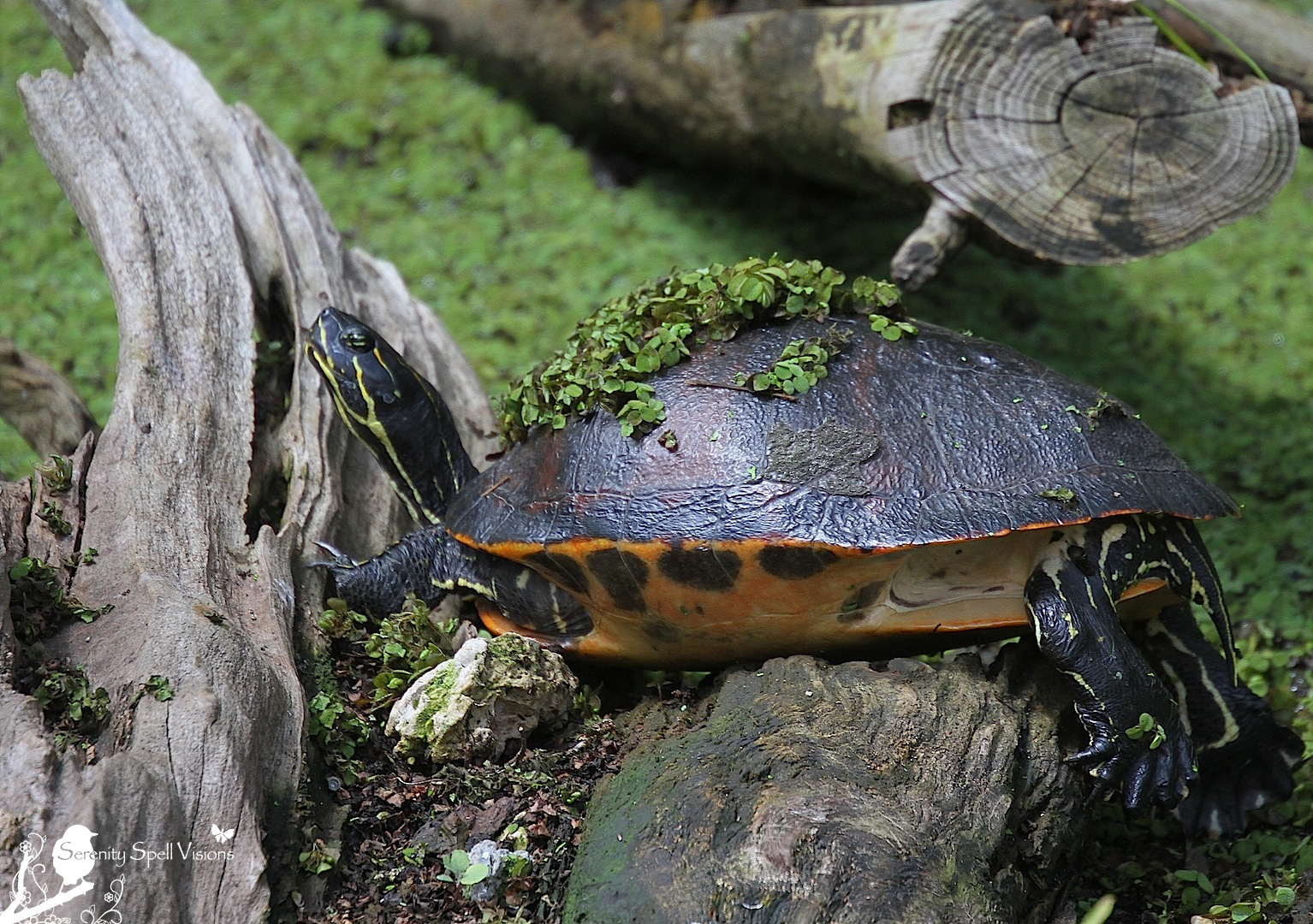
Red-bellied Cooter (Turtle), Cypress Swamp, Arthur R. Marshall Loxahatchee National Wildlife Refuge, Florida

A Red-bellied Cooter sunning on a fallen log in the swamp = JOY!

Black Racer Snake, Cypress Swamp, Arthur R. Marshall Loxahatchee National Wildlife Refuge, Florida

A well-hidden and quite harmless Black racer tries to sleep

Cypress Swamp, Arthur R. Marshall Loxahatchee National Wildlife Refuge, Florida

Looking up into the beautiful young cypress trees of the swamp

It’s National Park Week!

National Park Week 2013

National Park Week 2013, Courtesy of the National Park Service

National Park Week is April 20-28, 2013 — So walk, meander, run, bike, or trail-ride your way to your nearest one! Admission to every national park is FREE Monday through Friday.

Love your national parks, national wildlife refuges, and national forests — numbering more than 2,000 — and continue to support them by your mere presence (especially now). And above all else, bask in the beauty of these wondrous spaces!

Great Blue Heron in Arthur R. Marshall Loxahatchee National Wildlife Refuge, Florida

A Great blue heron rests in the Everglades of the Arthur R. Marshall Loxahatchee National Wildlife Refuge

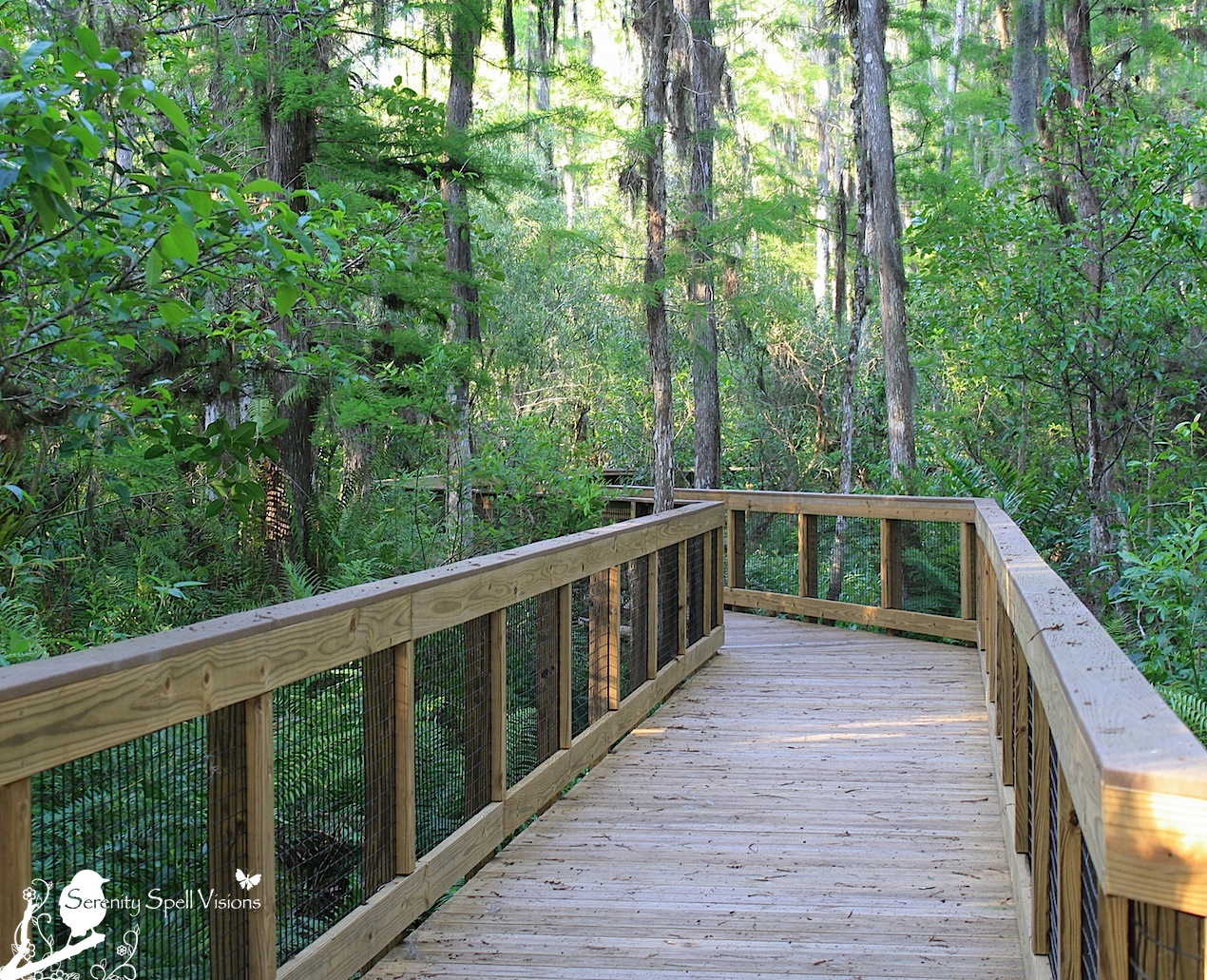
Boardwalk, Arthur R. Marshall Loxahatchee National Wildlife Refuge, Florida

Heading into the dappled cypress swamp along the boardwalk in the Arthur R. Marshall Loxahatchee National Wildlife Refuge

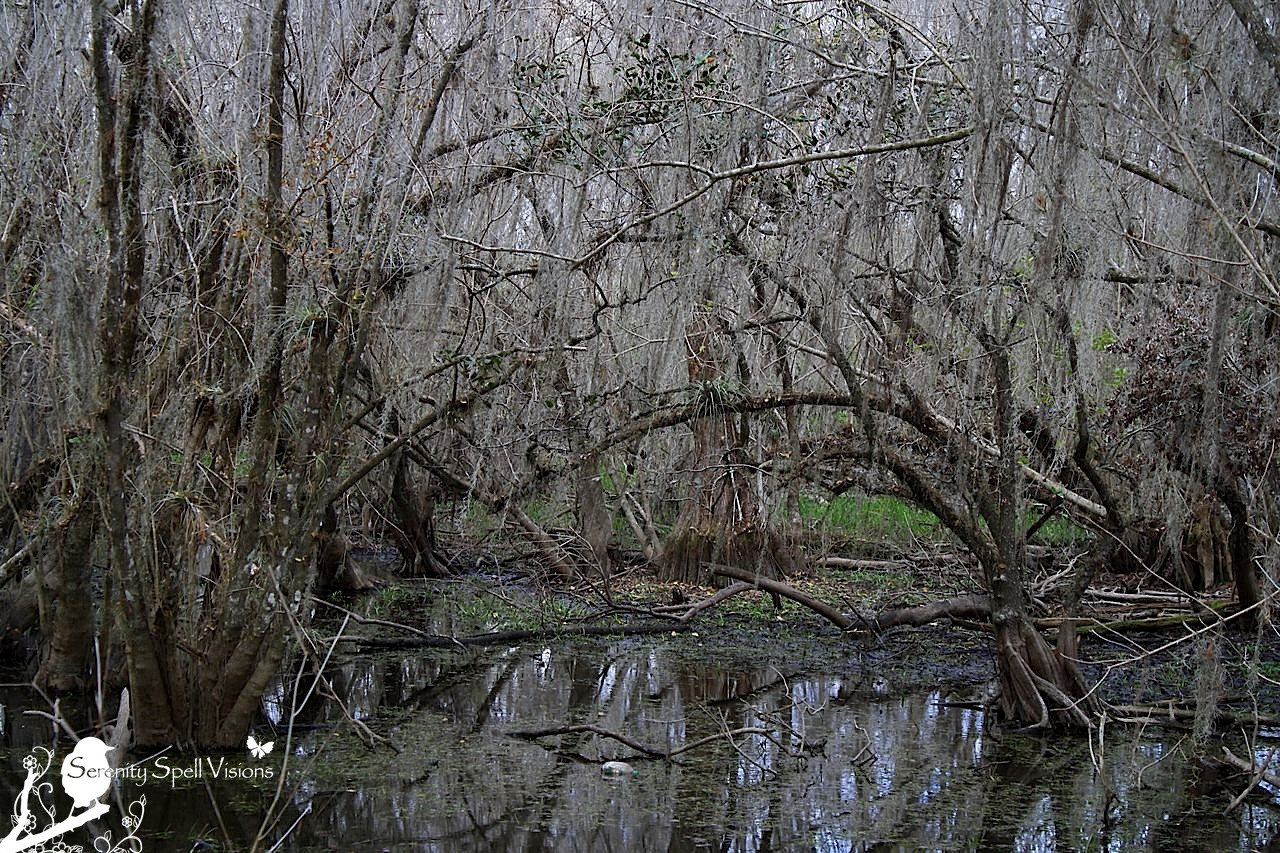
Cypress Swamp of the Big Cypress National Preserve

The cypress swamp in winter of the Big Cypress National Preserve

The remaining entrance fee-free dates for 2013 are:

  • August 25 (National Park Service Birthday, or Pre-FeyGirl Birthday)
  • September 28 (National Public Lands Day)
  • November 9-11 (Veterans Day weekend)

Hippity-Hoppity…

In honor of the upcoming Easter holiday, an Everglades bunny for you!

True to its name, the marsh rabbit is found in the marshes and swamps of the Eastern and Southern United States. Our marsh rabbits — not to be confused with the larger swamp rabbits of Alabama through Texas — are delicate little things. Those on the Florida peninsula, and in South Florida in particular, weigh only 2-3 pounds, reaching a total length of 17 inches. “Mainland” (non-Florida) marsh rabbits run noticeably larger.

Florida’s marsh rabbits have shorter ears, and smaller legs than the swamp rabbits and cottontails — and instead of a bushy, cottonball-tail, the tail forms a tuft. They’re also darker in coloration than eastern cottontails.

Marsh Rabbit, Florida Wetlands

Marsh rabbit on alert in the Florida wetlands

What’s so interesting about our marsh rabbits, as their name signifies, is their proclivity to water — swimming often and well, sometimes for long distances. It’s common to see them in the shallow waters of our wetlands scrounging for food (note the wet legs of the guy above). Another interesting feature of marsh rabbits is that they walk on all fours, like a cat — ensuring easy and swift negotiation of the dense marshes and the surrounding vegetation. Their preferred habitats are the brackish and freshwater marshes, mangrove swamps, and sandy islands. These rabbits must have access to water, remaining on high ground and in the thick vegetation for protection from predators including alligators, snakes, bobcats, foxes, coyotes, and birds of prey. They’re most active at dusk and at night, eating the abundant wetland and aquatic plants.

Marsh Rabbit, Florida Wetlands

There honestly couldn’t be anything more adorable than a Marsh rabbit baby. Just try.

They’re truly adorable little things…. And the baby marsh rabbits? Cuteness factor through the roof. I like to call them *all* swamp bunnies though, much to the chagrin of uptight naturalists who may be listening in on my insanity. But it’s hard not to envision fae around these critters, helping us occasionally close-minded humans love and appreciate their, and Nature’s beauty, all the more.

Marsh Rabbit, Florida Wetlands

Poor Marsh rabbit burr-face