Skip to content

Posts from the ‘Florida Birds’ Category

Night Flight of the Night Heron

To pay attention, this is our endless and proper work. —Mary Oliver

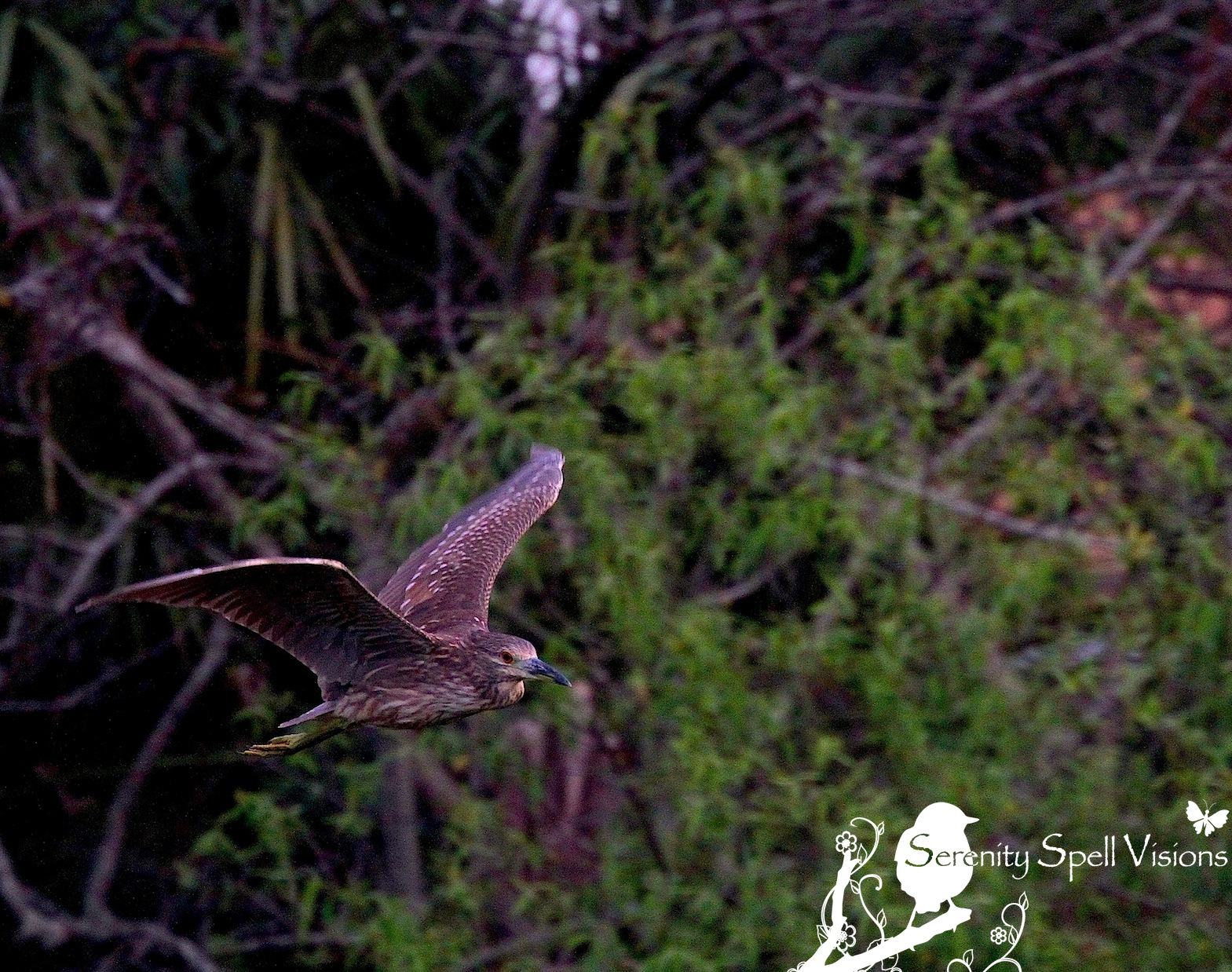
Always a welcoming sight in our wetlands, the Black-crowned Night Heron appears at dusk, ready for a night of marauding. I encountered this juvenile taking flight from deep within the wetland’s waters — I barely saw him, just his movement, since his camouflage was so perfect against the wetland’s vegetation in the setting sun. There’s so much that can be missed, if you’re not looking….

Black-crowned Night Heron (Juvenile) in Flight, Green Cay Wetlands

Perfect camouflage in the Florida Wetlands

The Show

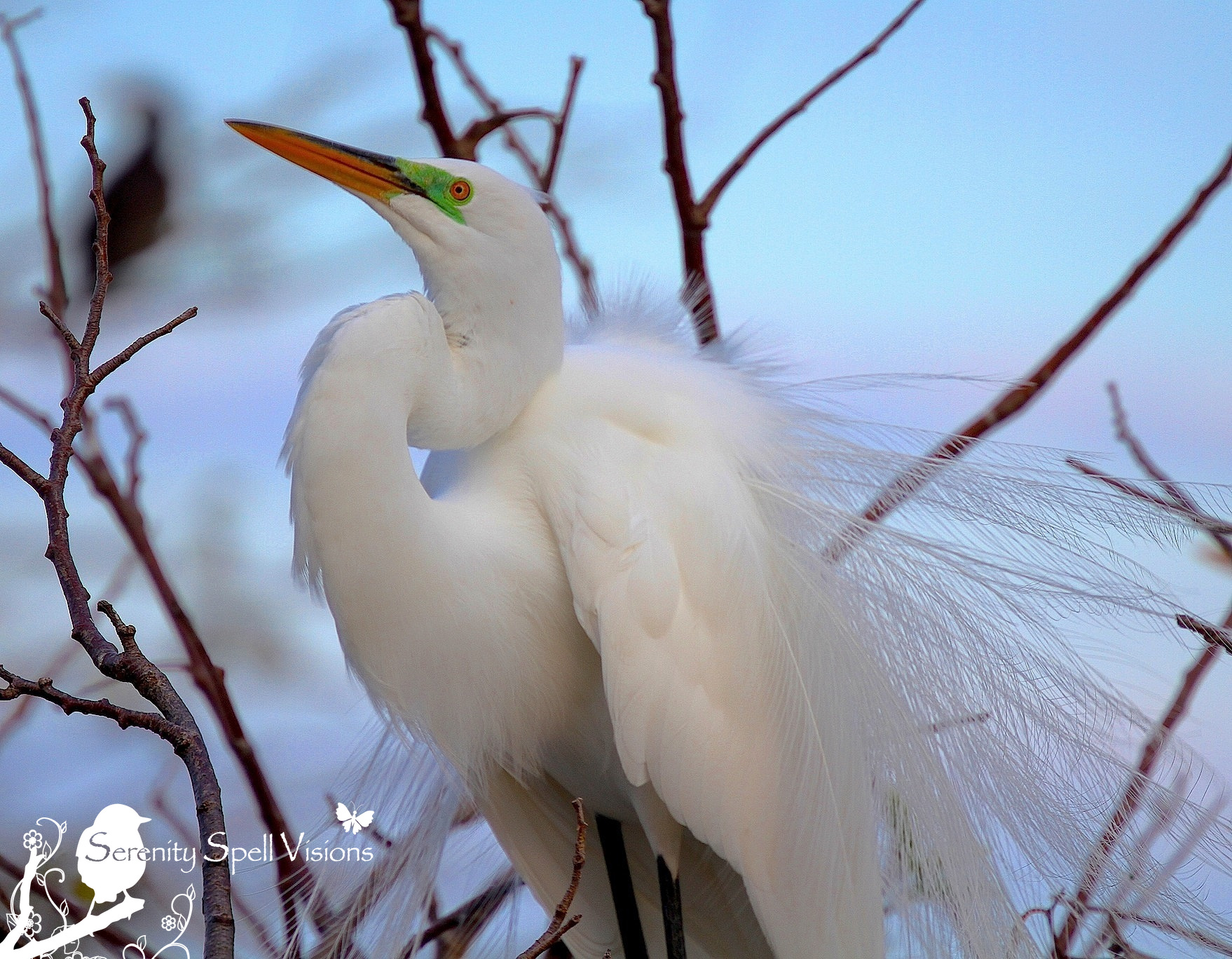
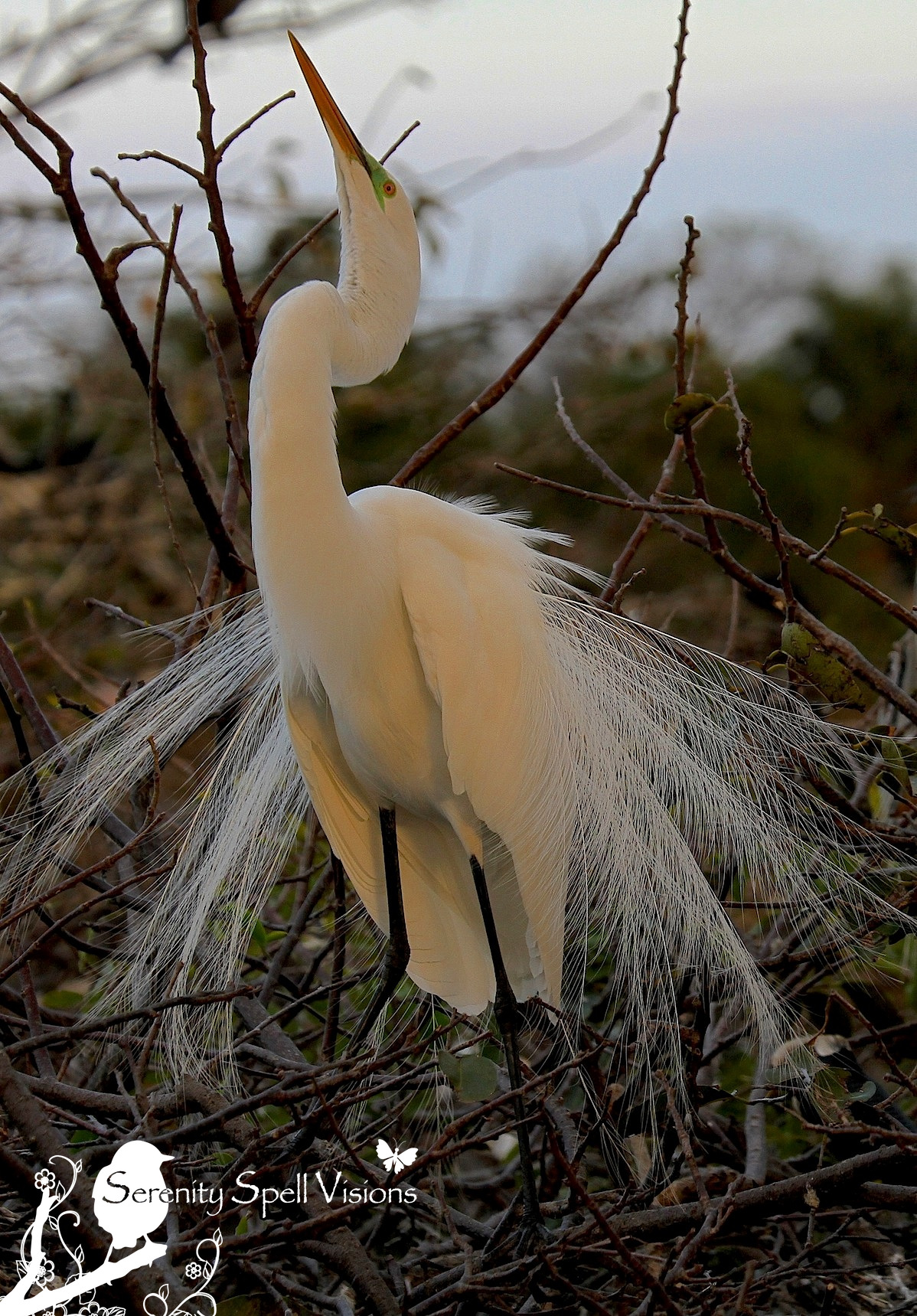
The Great egrets of South Florida’s wetlands have been putting on the most wondrous displays in the rookeries. Appropriate timing for Valentine’s Day…. It’s hard not to think that I should be trying a wee bit more, after observing such grand shows of attracting mates.

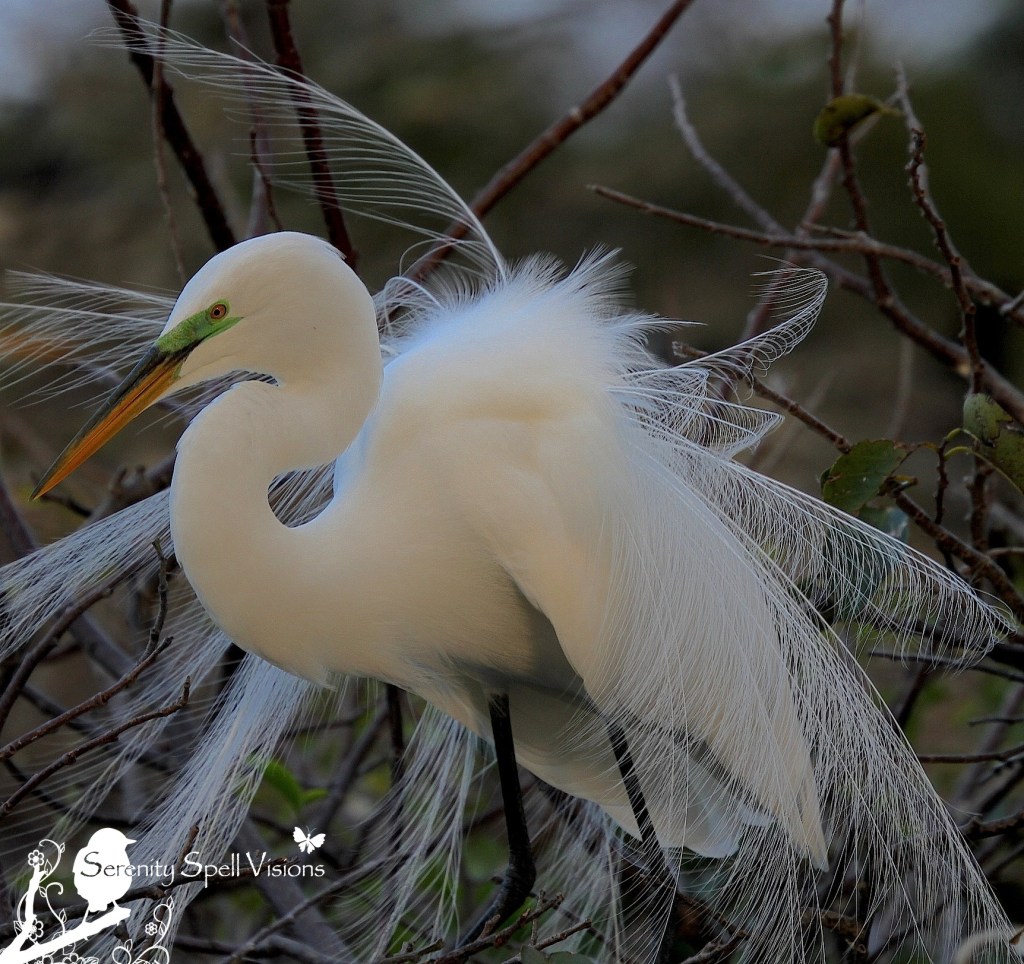
Breeding Great Egret, Florida Wetlands

Breeding Great Egret, Florida Wetlands: Check me out.

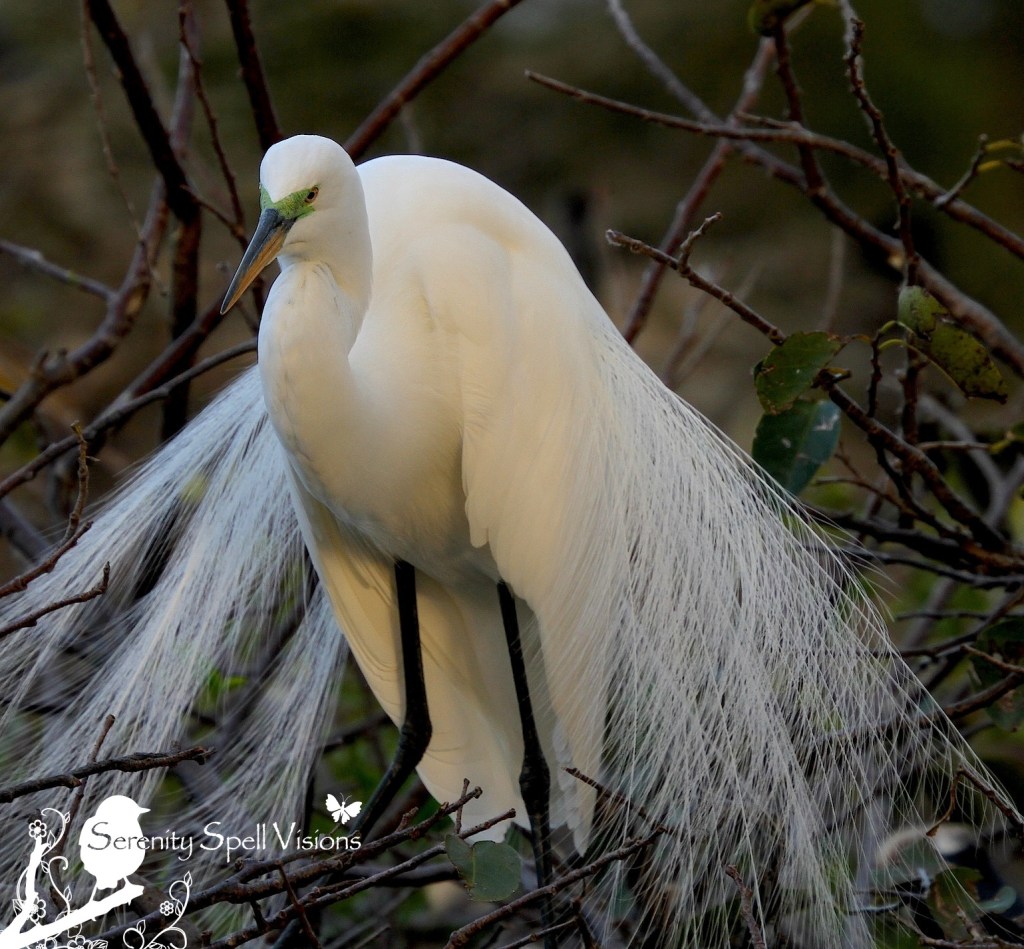
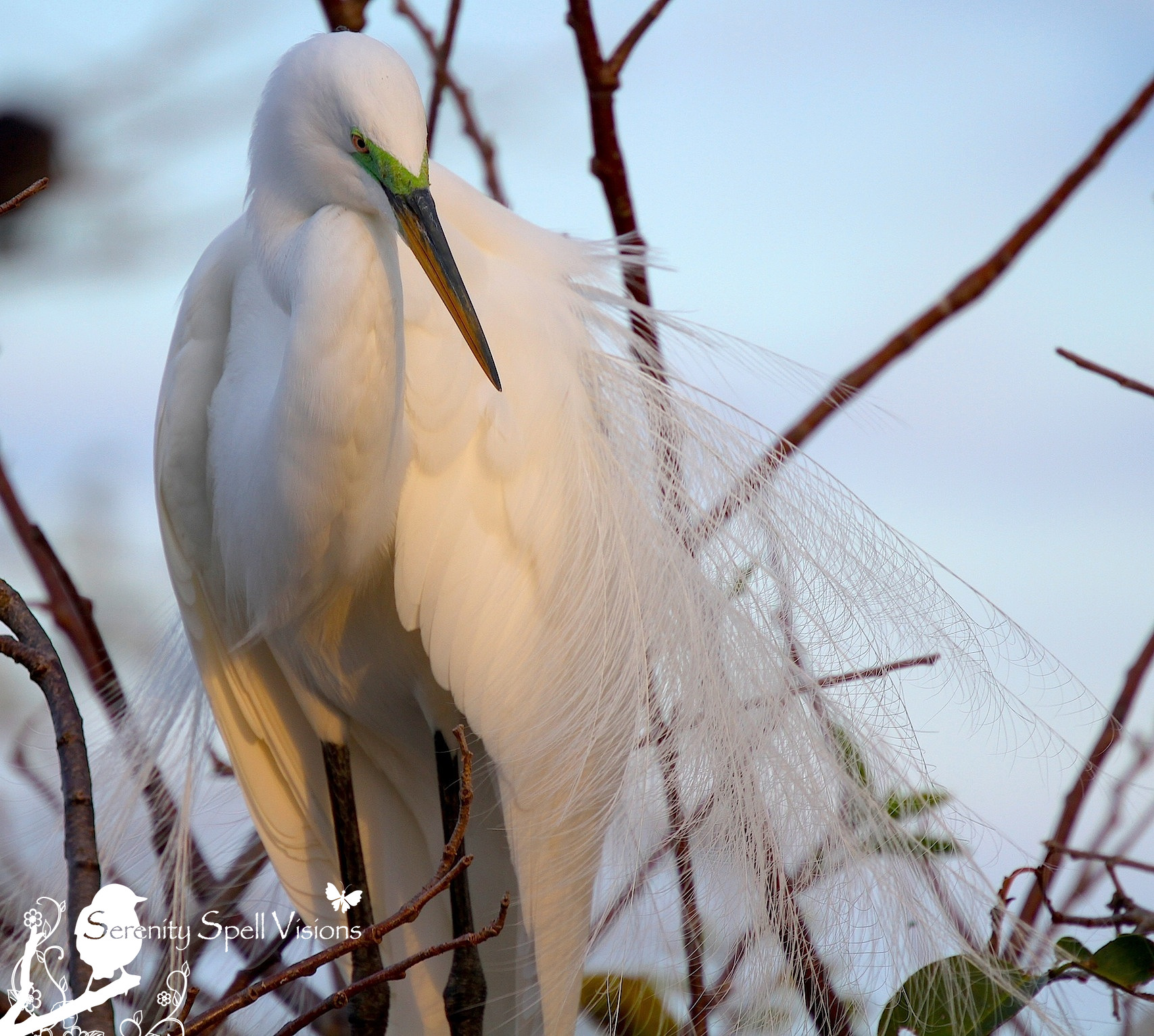
The feathers of the Great egret are stunning, almost unreal; sadly, these beautiful birds were hunted mercilessly — nearly to the point of extinction, their numbers decimated by 95 percent — towards the end of the 19th century. Their breeding plumage was especially prized, and their treasured feathers were used in hats across the globe.

Breeding Great Egret, Florida Wetlands

Taking a breather in the rookery

With conservation measures enacted, their numbers grew throughout the 20th century. While wetland habitat loss is once again threatening their existence, these birds have a high adaptability to human habitation. Of course, the loss of wetland ecosystems remains another issue altogether.
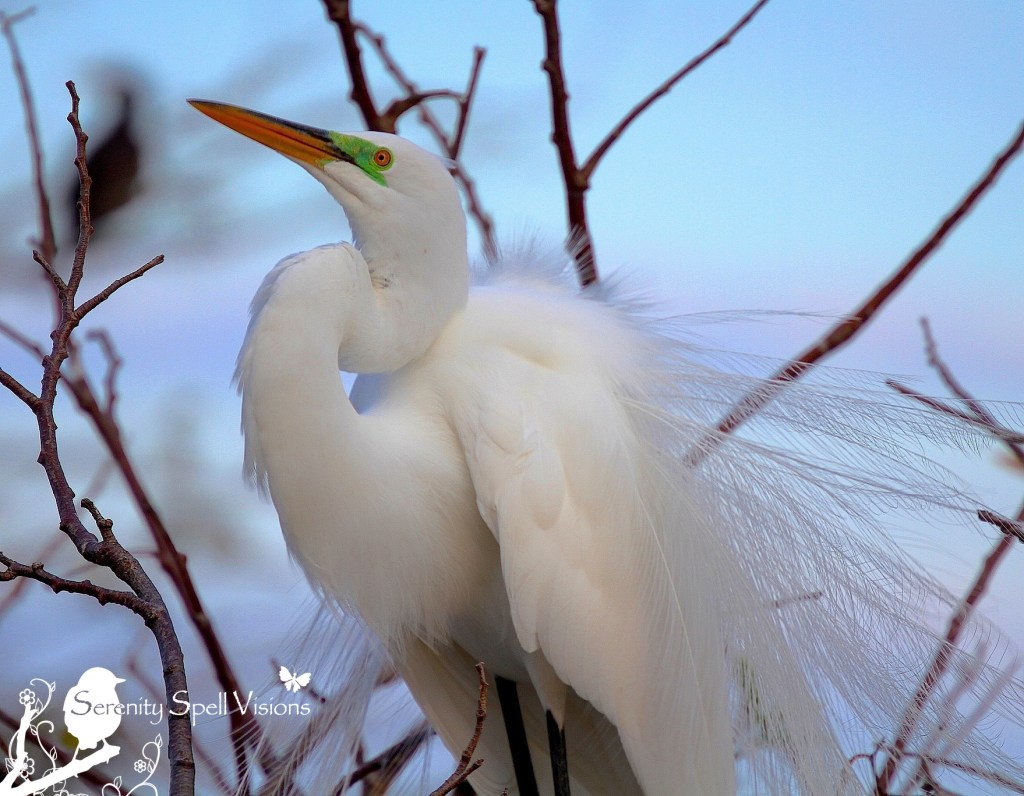
Breeding Great Egret, Florida Wetlands

The setting sun has nothing on me….

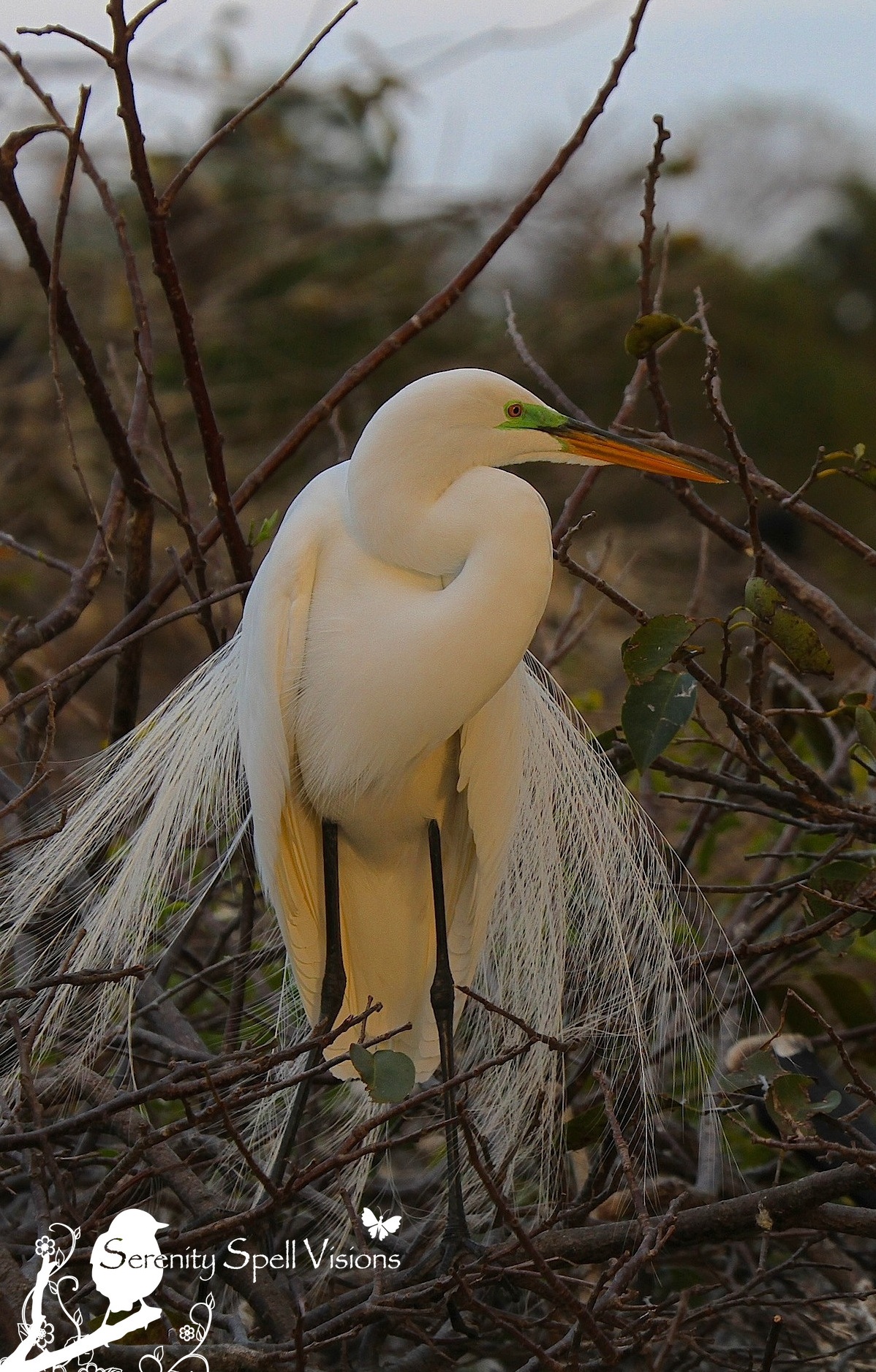
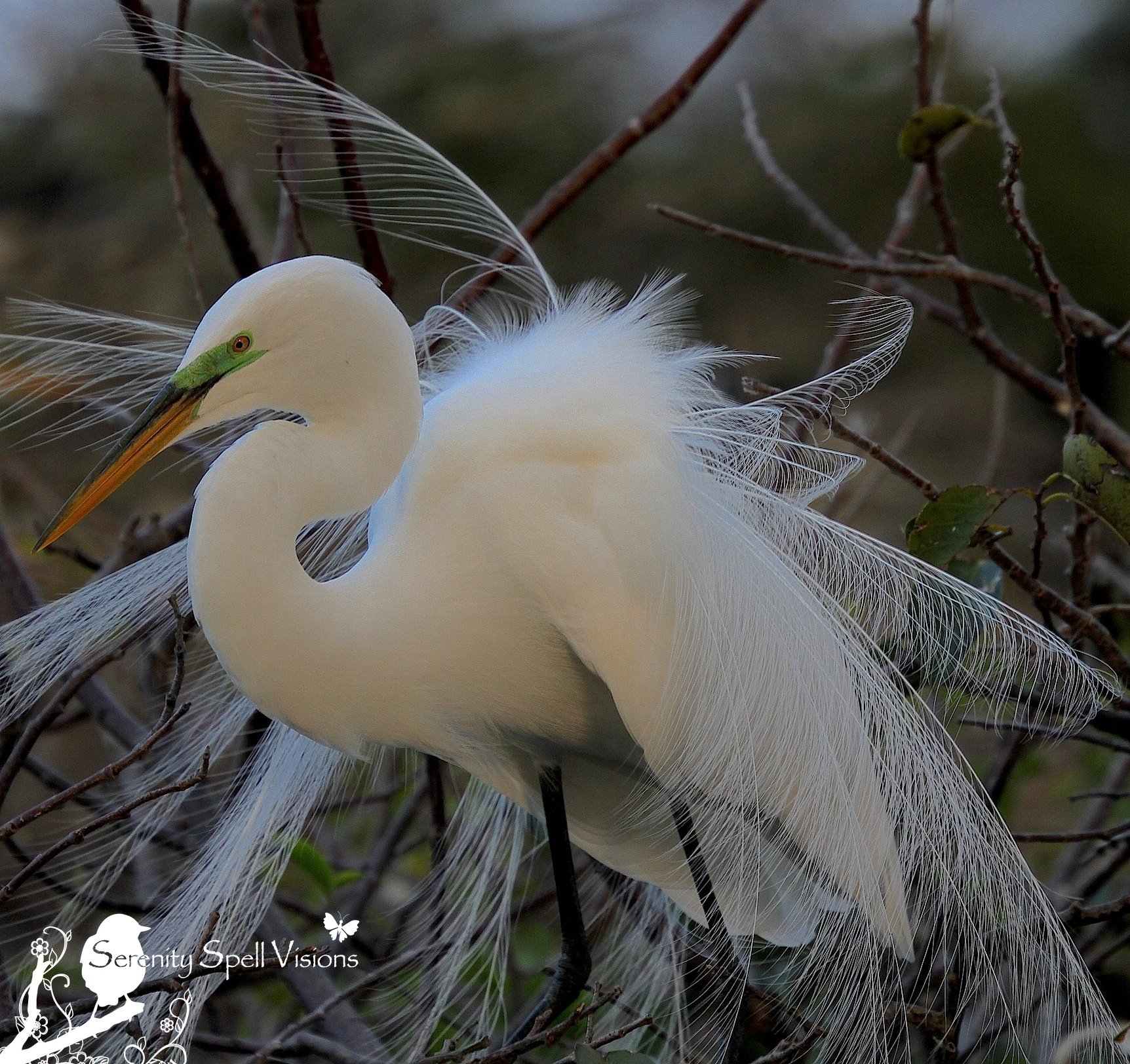
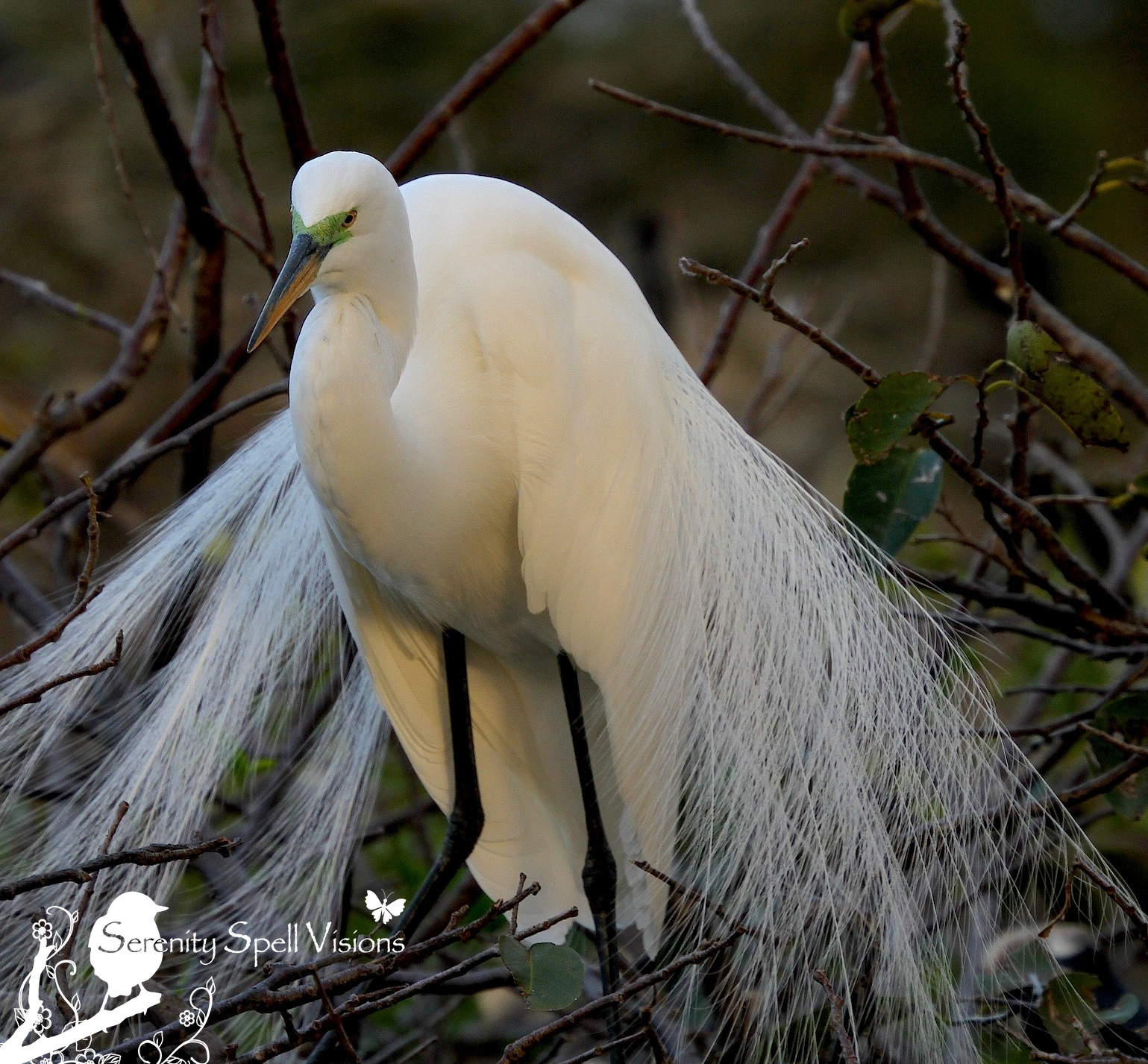
During the breeding season, the Great egret displays long, elegant plumes on its back, which are used in courtship displays. Like a peacock, these feathery plumes spread out like a fan. (Outside the breeding season, these long feathers disappear.) During this time, the lore (the area between the bill and the eyes) may turn vibrant green. Nature’s colors are brilliant….
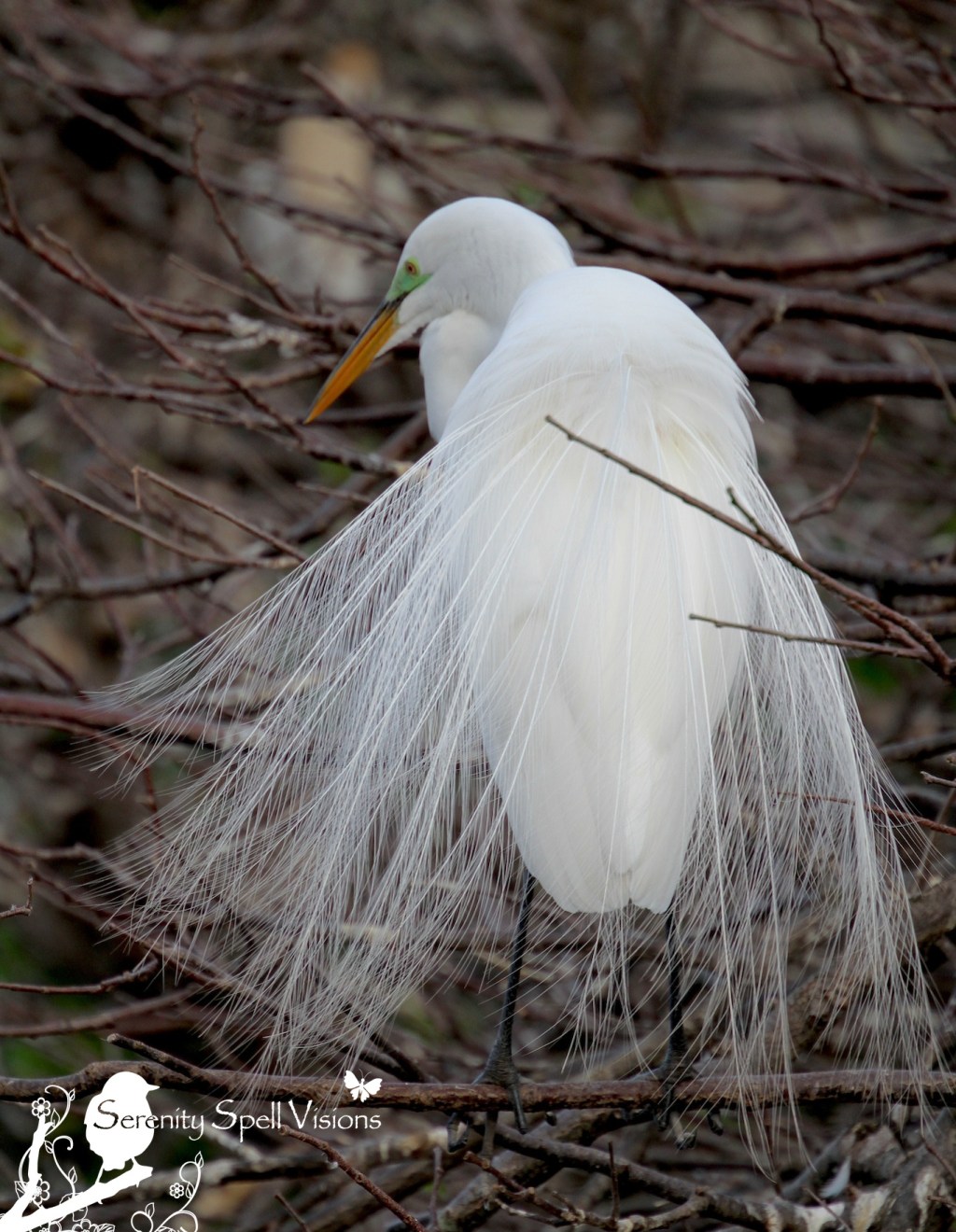
Breeding Great Egret, Florida Wetlands

Breeding plumage

The male Great egrets will choose a specific display area, which will later become the nesting site. Nests are usually over water, far off the ground — high in the rookeries, as in our area. He (HE!) builds the nest with long sticks and twigs before pairing up with a female, at which point they both work to complete the nest — although it’s usually the male who finishes it.
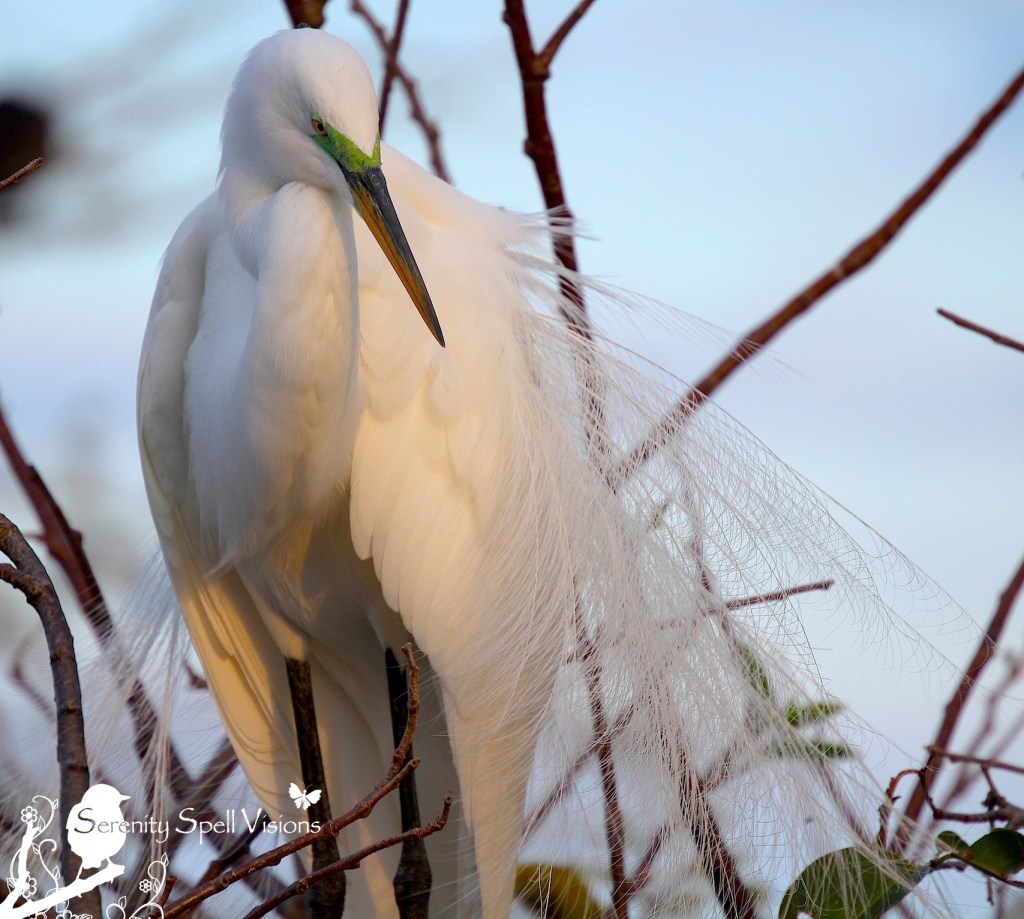
Breeding Great Egret, Florida Wetlands

Focus. Focus. Focus.

Breeding Great Egret, Florida Wetlands

Green lore appears during breeding season
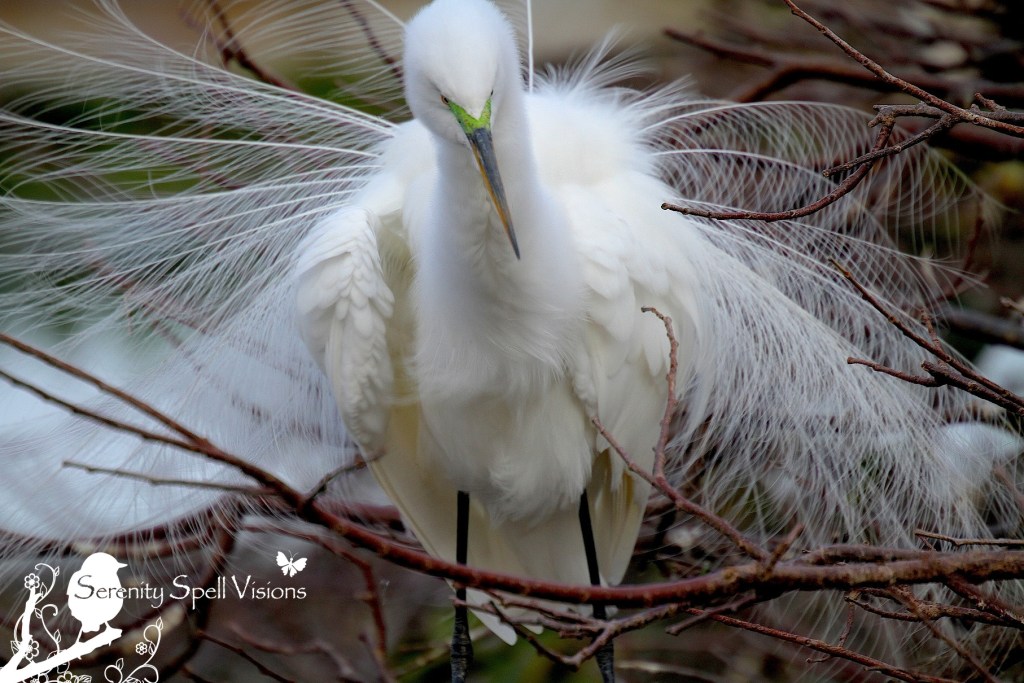
Breeding Great Egret, Florida Wetlands

Shake it. Shake it like a Polaroid picture.

Breeding Great Egret, Florida Wetlands

Breeding Great Egret, Florida Wetlands

Glow

Breeding Great Egret, Florida Wetlands

The Fan

Breeding Great Egret, Florida Wetlands

And the final stage of the display, the reach….

Wetland Smarties

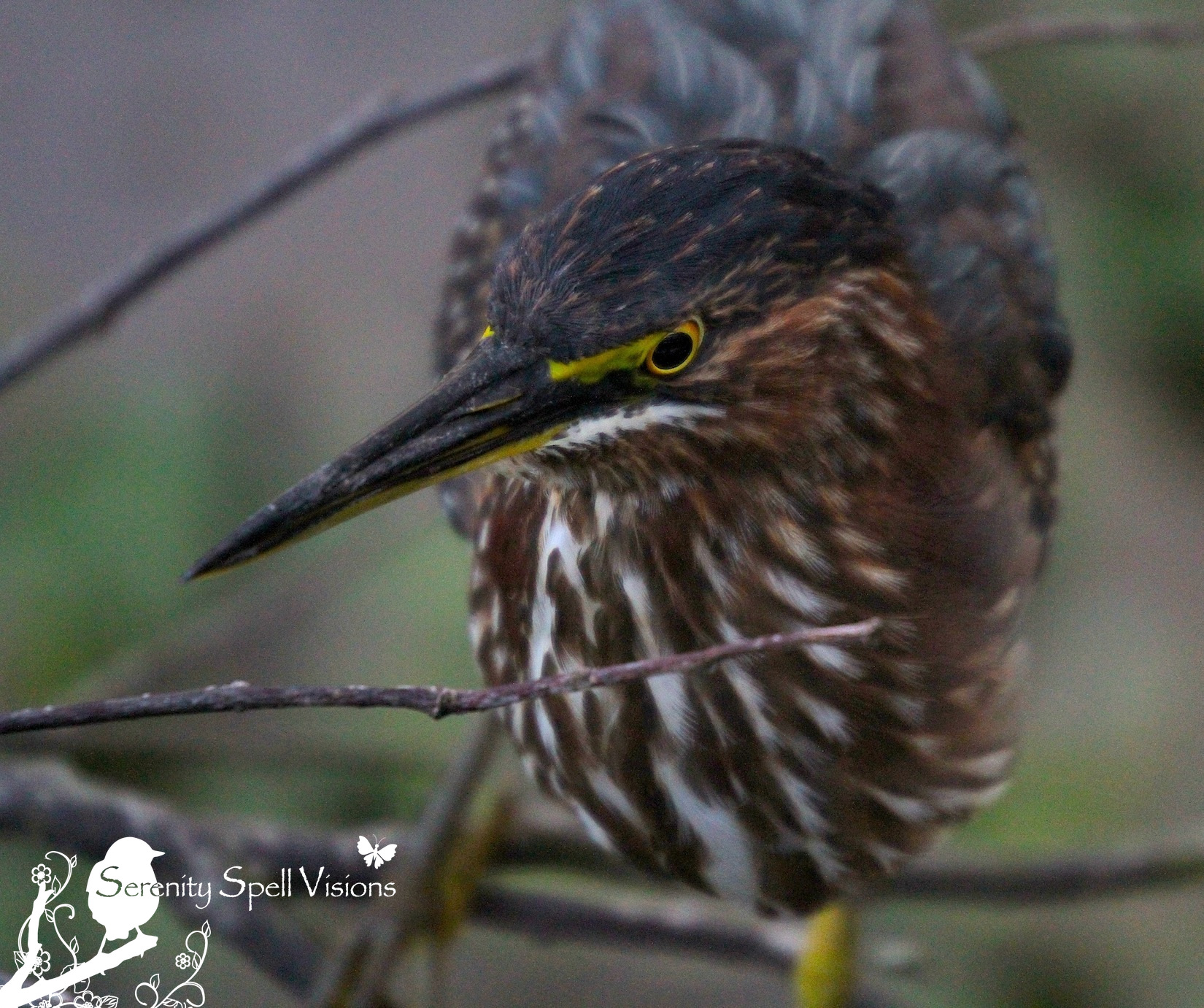
Usually our Green herons are very shy and difficult to spot, patient and motionless as they are in our wetlands — their  signature kuk or kyow calls are heard more often. [Click here to listen to their calls!] But when I do hear them, I search in the pond apple trees and cypress for their moppy crowns, in the hopes of catching their fascinating hunting process.

Green Heron, Florida Wetlands

Green heron close-up, pre-hunt

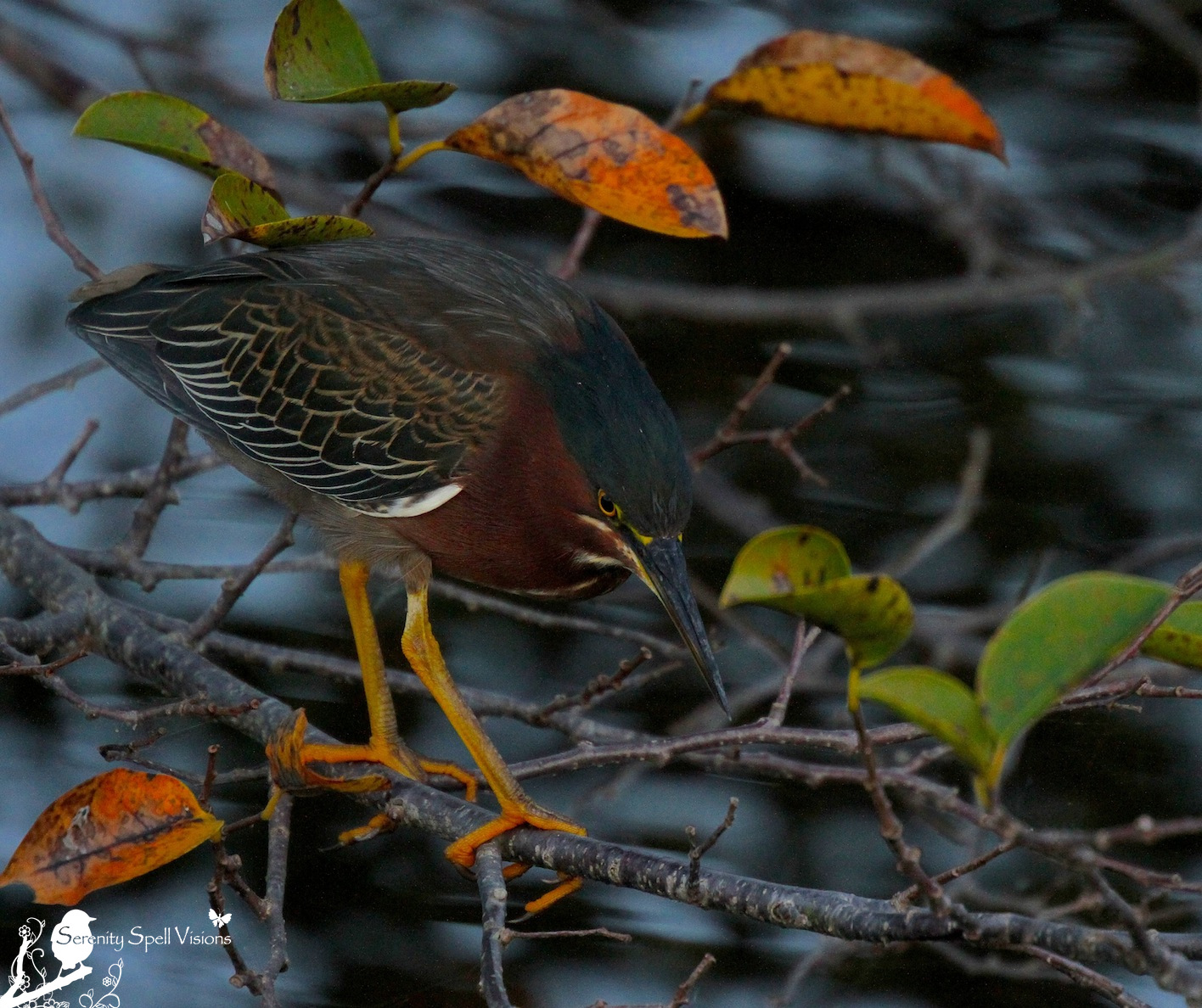
These guys have always been one of my favorites in our wetlands — perched high in the beautiful cypress trees during the approaching dusk. And the smarts on these little herons! Green herons will often drop bait onto the water’s surface — including live insects, berries, twigs, or feathers — to attract fish. The more curious the fish…the more likely they’ll end up as dinner at the quick thrust of the heron’s sharp bill. I’ve often seen them snap off twigs and leaves for bait, carrying it to secretive hunting areas.

Green Heron, Florida Wetlands

Focus! Focus!

Green Heron, Florida Wetlands

I will find you….

This hunting technique, and their use of tools, has earned the Green heron the well-deserved distinction as one of the world’s smartest birds.

Green Heron, Florida Wetlands

A moment of rest

Green Heron, Florida Wetlands

I am so lovely, yes?

Green Heron, Florida Wetlands

Preparing for the hunt

Part of:

Weekly Photo Challenge: Love

It doesn’t take much to find love on an excursion into the natural world — which is why I escape to its beauty as much as humanly possible.

Heart Tree at Fern Forest Nature Center

Heart Tree at Fern Forest Nature Center

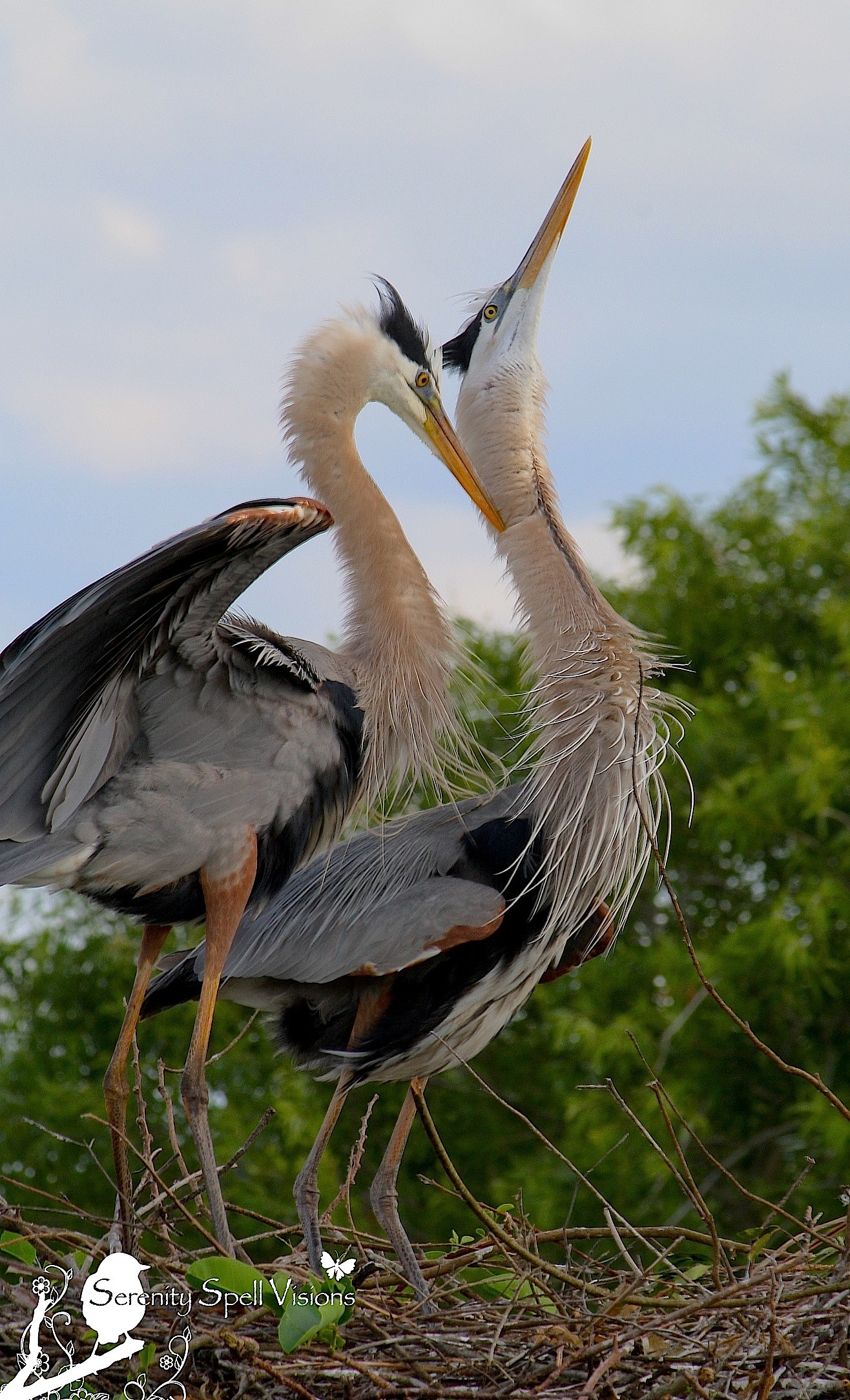
Great Blue Heron Mating Pair at their Nest in the Florida Wetlands

Great Blue Heron Mating Pair at their Nest in the Florida Wetlands

Mating Viceroy Butterflies (Limenitis archippus), Fern Forest Nature Center

Mating Viceroy Butterflies (Limenitis archippus), Fern Forest Nature Center

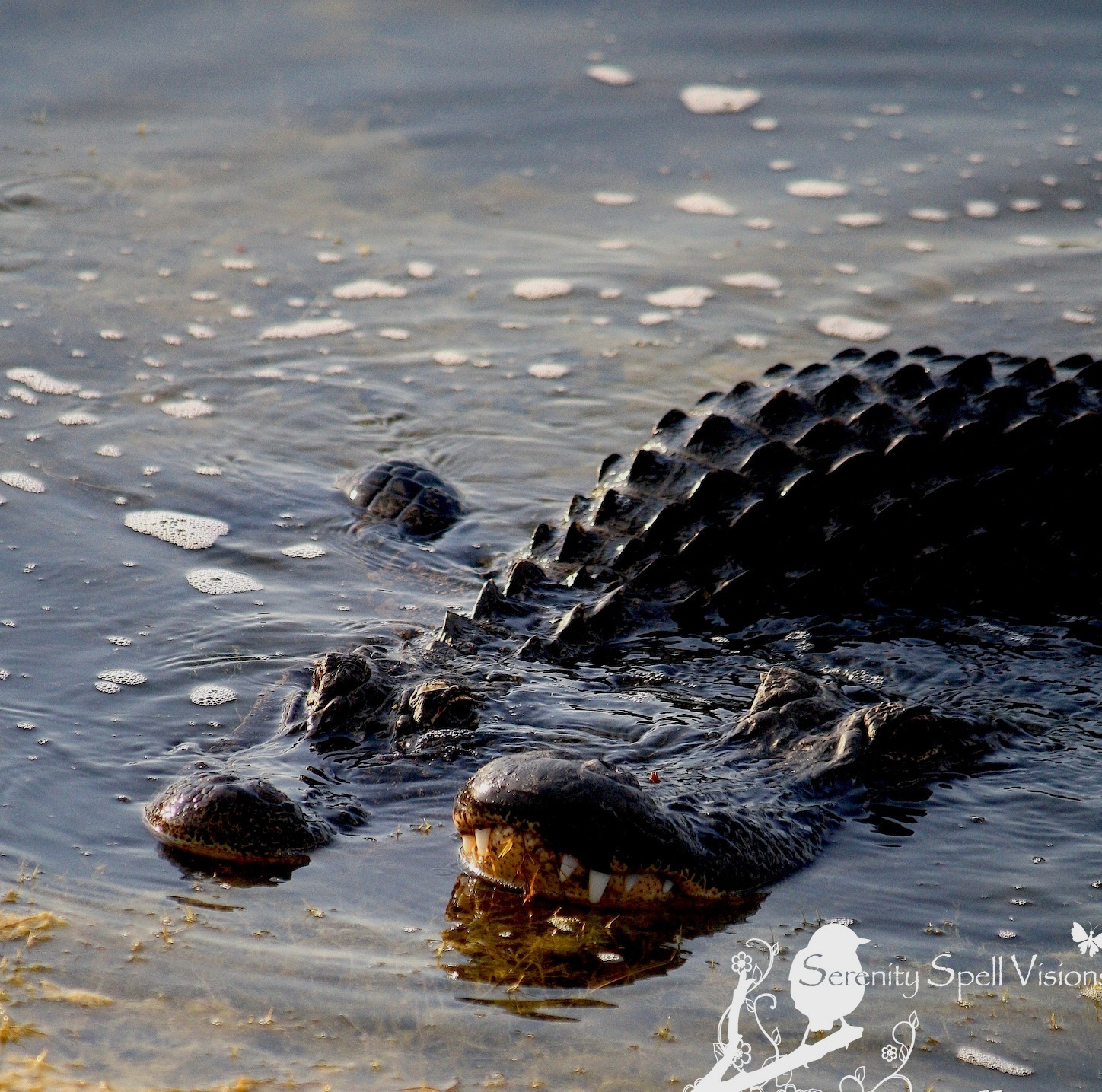
We’re approaching breeding season for our gators (these were scenes of last year’s cuddles — a very recent mom and dad). Interestingly, recent studies have shown that up to 70 percent of alligator females remained with their partner — often for many years.

Breeding begins in the spring (mid-April through May), and you can hear their loud bellows throughout the swamps — calls used to attract mates and to warn off other males. While (like all wildlife) gators don’t want to bother humans, the mating season isn’t the time to push your luck — aggression is at a higher level, and they may become more territorial. It’s always wise to be aware of the season. Alligator courtship is complex — vocalizations, head-slapping on the water’s surface, body posturing, snout and back rubbing, bubble blowing, and pheromone (scent) signals all play into the process.

Alligator Pair in the Florida Wetlands

Alligator Love in the Florida Wetlands

Alligator Pair in the Florida Wetlands

Alligator Pair

Alligator Pair in the Florida Wetlands

Cuddles

Don’t Mess with the GBH

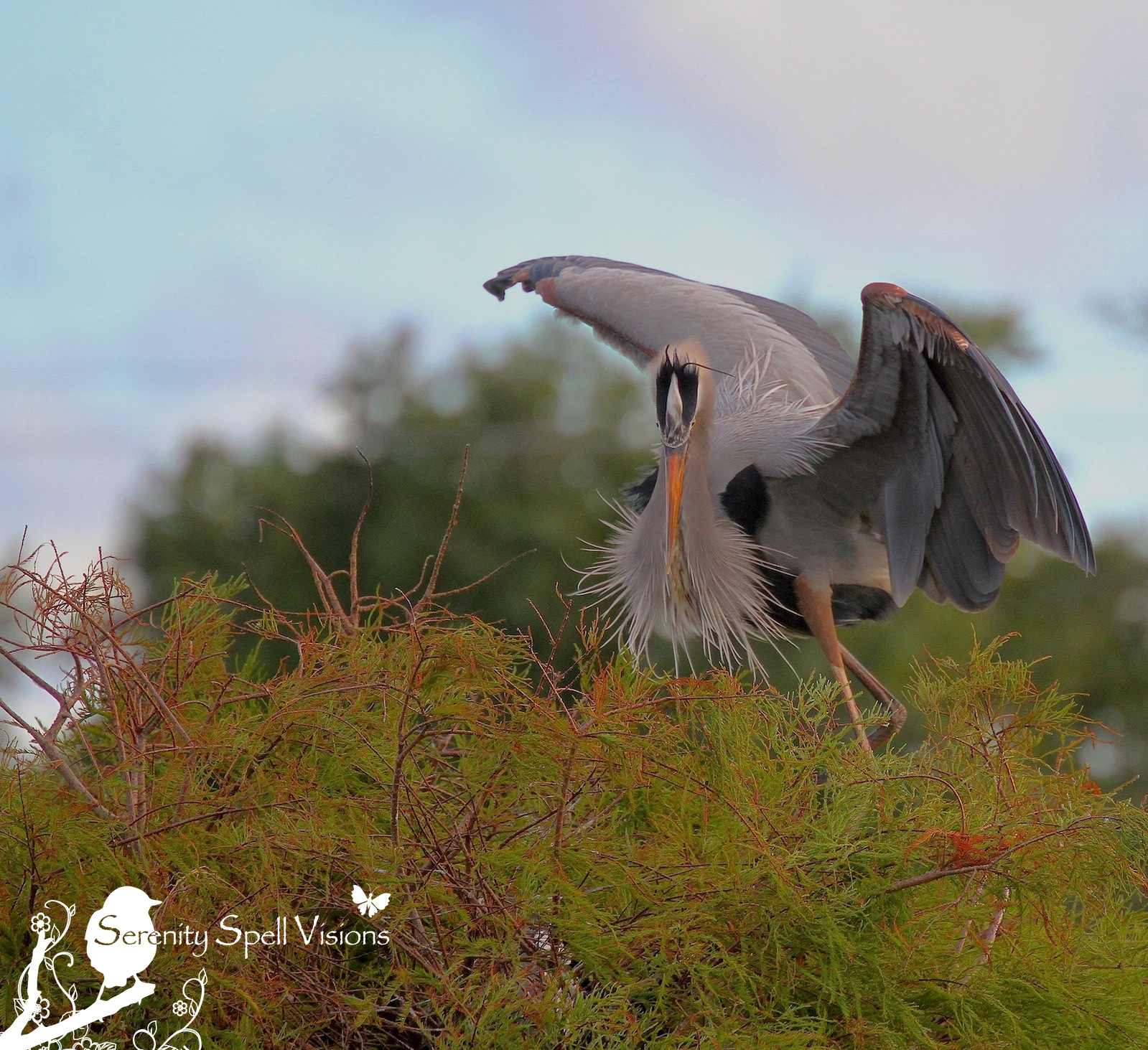
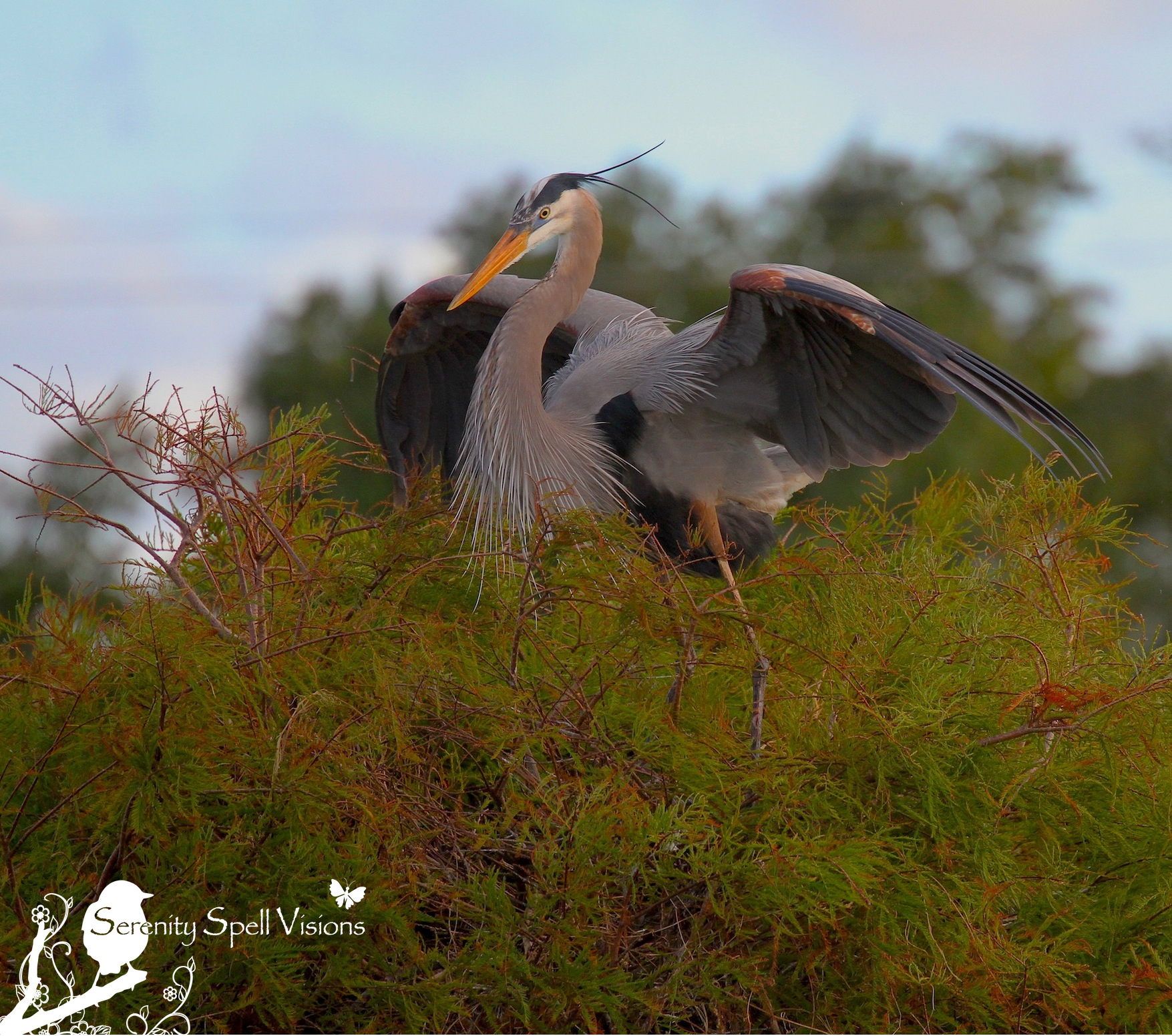
It’s nesting time now in our protected wetlands, and a really fun time — the biggest and smallest waders are settled into their annual nests (some of them, including the Great Blue Herons, return to the same nests each year). I’m running a bit behind on the nest-building activities, always a fascinating process to watch. But in the meantime, I couldn’t resist this episode that caught me unawares the other evening. I heard a GBH’s croaking cacophony (select the last option in this list — croaking calls, wing noise — for the best example) in one of the usually quiet rookeries. He or she was obviously not very happy.

Great Blue Heron, Florida Wetlands

And the tantrum begins… Echoing through the wetlands

At the time, I couldn’t see the source of torment for the heron, who was probably chasing something away from a newly-created nest. The previous night, a group of GBHs was screaming in another rookery, because an alligator swam too close for comfort to their nests. I didn’t see the gator actually nab anything, but the collective croaking, screaming noise could be heard throughout the wetlands.

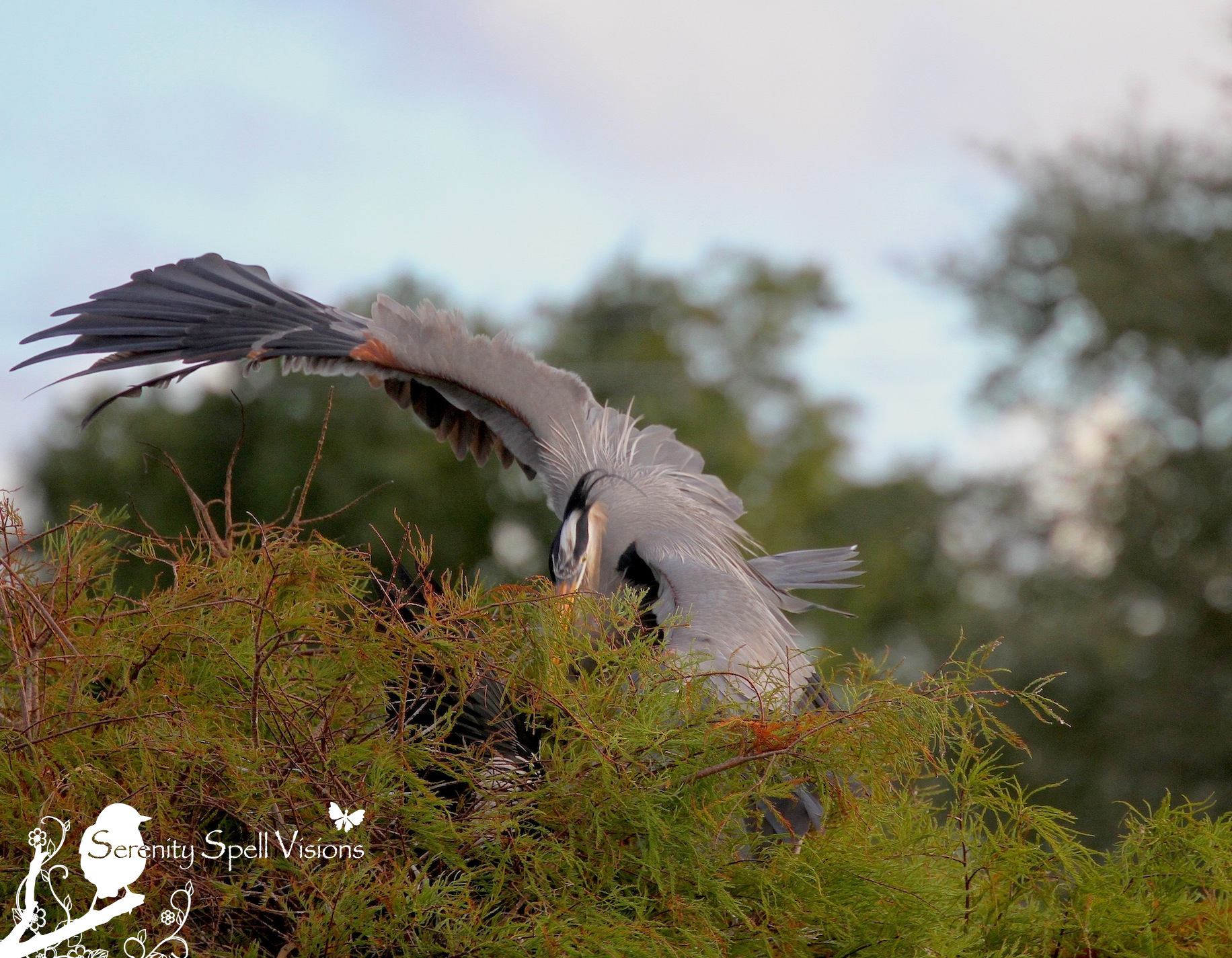
As it turns out, an anhinga had the gumption to impede on this heron’s space.

Great Blue Heron, Florida Wetlands

Flushing out the enemy anhinga

The look on the poor anhinga’s face as it’s being flushed out of the rookery is priceless…. Of course I was worried for the poor anhinga: Did he have a nest too, or was he just looking for a comfy spot for the night? Either way, I wish I wasn’t walking onto the scene so suddenly, and had some time to properly prepare for the shot, to include his appalled mug.

Great Blue Heron, Florida Wetlands

Respect the wingspan

And for the Great Blue Heron? Unabashed triumph.

Great Blue Heron, Florida Wetlands

I am queen