Skip to content

Posts from the ‘The Natural World’ Category

Grace + Power: Learning from the Natural Kingdom

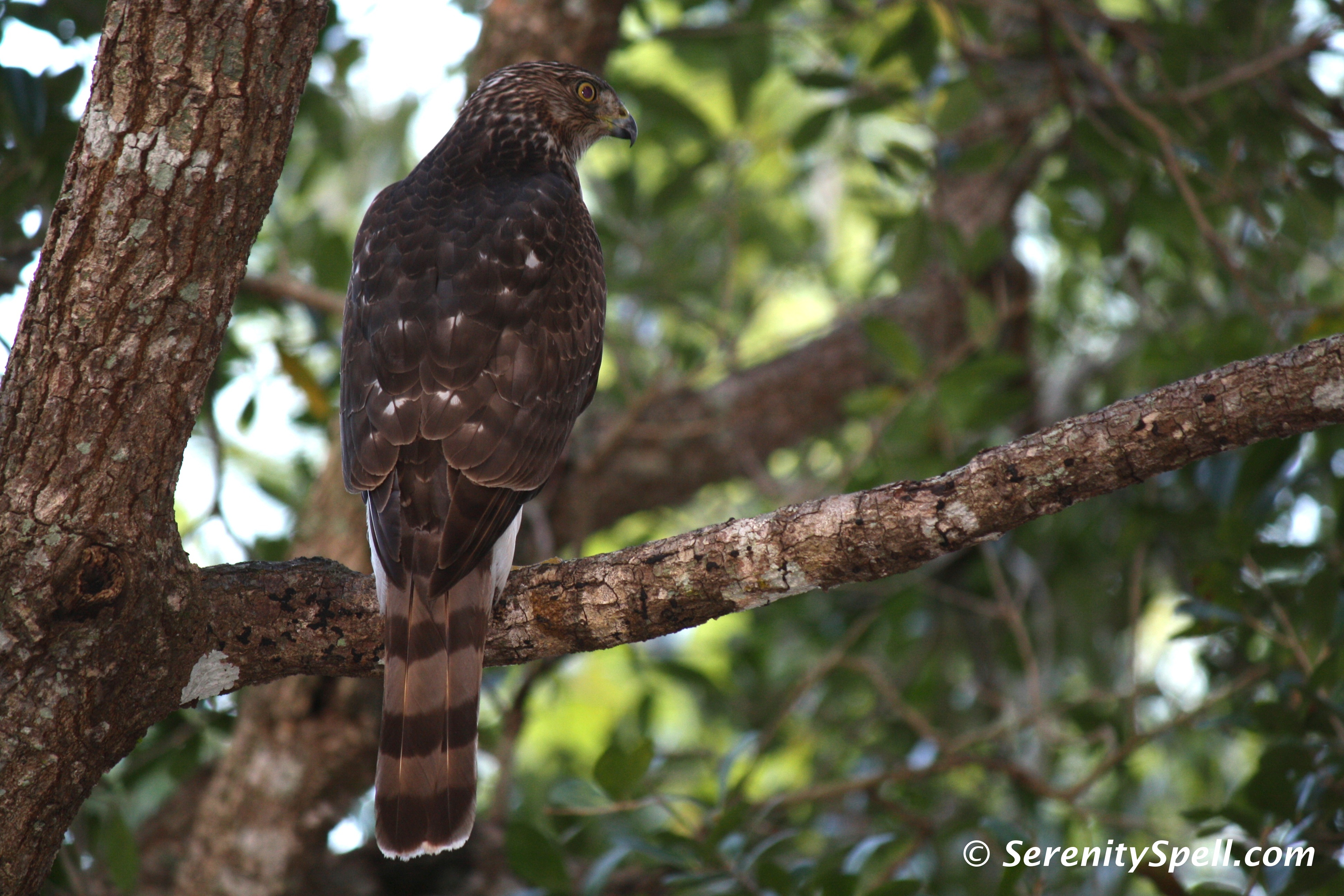
I had been brooding on the need to quietly observe nature, and the unfortunate situations in which that’s not always possible — especially when our visiting seasonal hordes treat the sanctuaries like amusement parks. But rather than wallow in the circumstance, I tried to focus on those gentle souls who lovingly respect and appreciate the natural areas as much as we do. We recently stumbled upon a spectacular raptor, an adult Cooper’s Hawk, hunting with the approaching dusk (stalking songbirds, most likely). Such grace and power seems to exist so easily in the natural (WILD) kingdom, but rarely in the human world. There have been plenty of difficult times previous to ours, with misrepresentation and squandering of power; ours is simply a new iteration of a very old story. In quietly observing the power and grace of the natural kingdom, one can strive for such a beautiful balance, regardless of anything else. For our human selves, it’s a lesson in being brave and graceful; kind and strong — and showing empathy without yielding to displays of weakness.

Cooper’s Hawk Waiting for Dinner

Finding the Quiet Moments/A Plea to New Visitors

There are times — despite the sudden heightened attendance during our (human) Snowbird Season and inevitable increased disrespect for the surroundings (read: more *trash* — more *noise* — more “not allowed” items and activities) — that quiet moments can still be found in parts of the park. Increased traffic to the natural areas is definitely a mixed blessing. Not all new visitors are rude, by any means — but for those disrespectful ones, a simple plea: Remember why you are visiting a preserve, in the first place. It’s not Disney World. Simmer down. Respect and enjoy your surroundings, and consider that for our wildlife this special place is a sanctuary, by the grace of the founders and the continued efforts of the county. And most absurdly, please try your absolute best to hold onto that plastic water bottle and/or tissue, and refrain from throwing it into the carefully *protected* wetlands supporting this native wildlife. Honestly, it’s not that far to your SUV. Flora and fauna alike thank you.

For More Information:

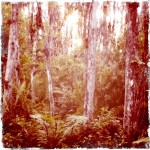
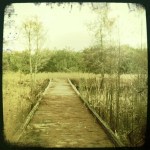
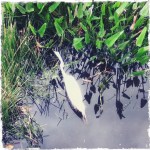
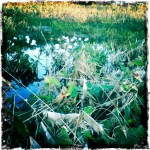
This slideshow requires JavaScript.

The World’s Oldest Trees: Protecting Our Ancient Living Citadels

The Big Tree is Nature’s forest masterpiece, and so far as I know, the greatest of living things. -John Muir

SLIDESHOW: The World’s 10 Oldest Living Trees

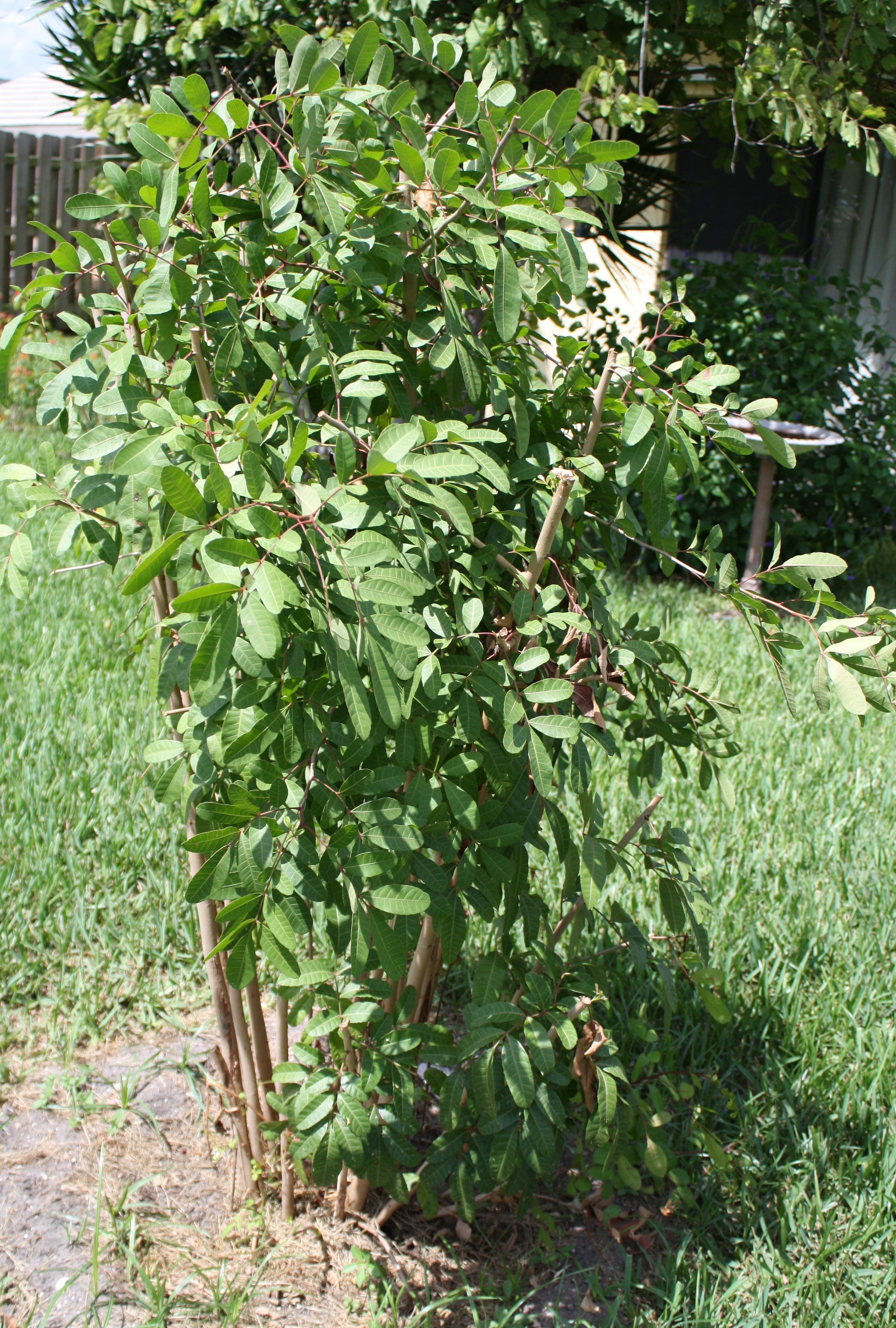
As may be suspected, I have a thing for trees. Their beauty, grace, strength, and perseverance are constant reminders of our need — as caretakers of this beautiful sphere — to honor and safeguard these living entities. Upwards of 5,000 years old, they’ve borne witness to the rise and fall of entire civilizations; just imagine. But their gentle tending roles in the more immediate natural scheme are just lovely — I recently replanted a young tree, just a tiny sapling really. Within a day, baby birds were flocking to its young roots and branches for sanctuary. Days after we planted our live oak, mockingbirds were building nests, and our neighborhood [foreclosure] cats were relaxing in the young tree’s afforded shade — a highly valued resource in over-developed South Florida.

Counting the ways in which trees help the planet at large, though, is overwhelming — reducing carbon, providing oxygen, lifting and releasing water, filtering air and pollutants, reducing heat, preventing soil erosion, cleaning the soil, controlling noise pollution, serving as a sustainable energy resource, and providing notable psychological benefits. Studies have repeatedly demonstrated the clinical benefits of patients afforded an arboreal view, for instance — from reduced stress, to quicker recover times and a decreased use of painkillers.* Trees are simply imperative for our survival.

"Treebeard and Hobbits" by Tom Loback

For decades, scientists have studied the electric currents that flow through trees — and how, when a single leaf is cut, readings spike throughout the entire structure.** [The Kirlian photographs of both whole and cut leaves may be another topic altogether.] You don’t have to be Druidic to understand the undeniable links we share with trees, just as we share the planet — keyword, share.  We are all transmitters of electricity and energy.

Plant a tree…Recycle…Go paperless with bills…Follow the conservation groups diligently working to protect these magnificent and ancient living citadels.

*For More Information:

Groundbreaking News for Peru’s Indigenous Inhabitants and Their Ancestral Lands

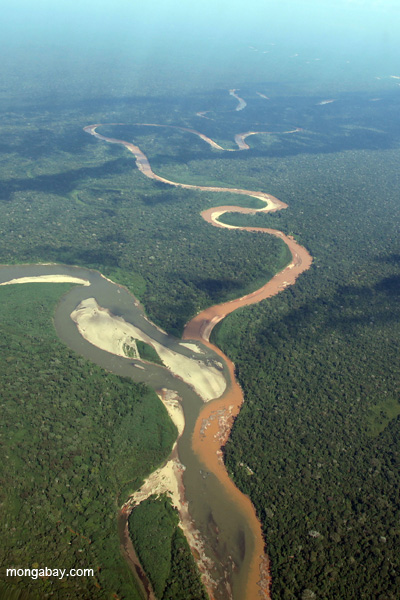
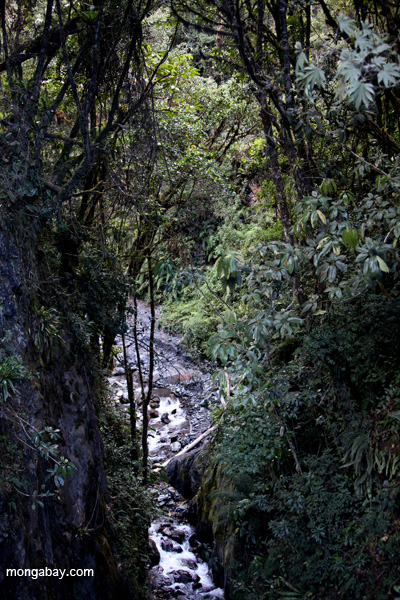
Thanks to Rhett A. Butler of the environmental science and conservation news site Mongabay.com, for the images of Peru

♥ ☀ ♥ ☀ ♥ ☀ ♥ ☀ ♥ ☀ ♥ ☀ ♥ ☀♥

Peru Leads the Way for Latin America’s Indigenous Communities
A new law recognising the land ownership rights of Peru’s native inhabitants sets an important regional precedent
September 12, 2011 | Mattia Cabitza | The Guardian
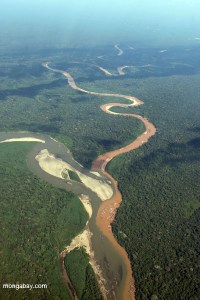
Polluted river entering a rainforest river

In February, after a legal battle lasting nearly two decades, little-known indigenous communities in Ecuador’s Amazon region won a multi-billion dollar landmark ruling against the oil giant Chevron. The company was accused of polluting a large part of the Amazon basin by dumping billions of litres of chemical-laden materials, which campaigners said destroyed crops, killed livestock and increased cancer rates among the local population.

The oil firm is appealing the ruling, so the indigenous population and other residents affected by the years of environmental damage may never see a cent from Chevron for the clean-up of their lands. Yet, whatever the outcome, it is rare for indigenous people in Latin America to be awarded compensation for damage to their ancestral lands. From northern Mexico to the southern tip of Chile, it’s more usual for commercial intereststo get their own way when it comes to development projects affecting indigenous people or their territories.

In Brazil, for instance, the construction of the Belo Monte dam, which will flood a huge area, is going ahead even though it will force the displacement of indigenous Amazon tribes, threatening their very survival. In Guatemala, gold extraction at the Marlin mine continues despite an international ruling calling for the suspension of mining operations, and regardless of the fact that the resulting pollution is detrimental to the health of the surrounding indigenous Maya communities.

Against the wider backdrop of a struggle that pits the ancestral owners of untapped natural resources against greedy governments and corporations, Peru’s new law on the right of indigenous people to prior consultation may set a regional precedent in avoiding lengthy legal battles and, more importantly, in the prevention and reduction of social conflicts.

Getting to the law has not been easy. In June 2009, more than 30 police officers and indigenous protesters were killed in Bagua, in the Peruvian Amazon, after months of demonstrations over the sale of rainforest for oil and mining exploitation turned violent. The deadly clashes in Bagua prompted the Peruvian congress to grant indigenous people the right to prior consultation on legislation or infrastructure projects that would affect them or their territories. But it wasn’t until Ollanta Humala became president two years later that the bill finally became law.

Rainforest creek in Manu

The bill was signed on Tuesday in the town of Imacita, in Bagua province itself. Afterwards, Humala dismissed the reasoning behind his predecessor’s veto. Alan García had argued that foreign investment in indigenous land was needed for Peru’s economic growth; the mining sector represented some 60% of the country’s exports last year. Instead, Humala told state TV that the new legislation would “strengthen investment” because the government would be able to use consultations to reduce the risk of social conflicts that drive investors away.

The Inter-American Court of Human Rights praised Peru for finally complying with its international obligations and catching up with the rest of the region. But for Carla García Zendejas, from the Washington-based Due Process of Law Foundation, Peru’s new law goes further in its regional accomplishment. “It marks an important moment for Latin America,” she says. “The hope is that other countries will follow [in Peru’s footsteps].”…

For the rest of the article, go to: http://amazonwatch.org/news/2011/0912-peru-leads-the-way-for-latin-americas-indigenous-communities

For More Information:

River of Grass

This slideshow requires JavaScript.