Skip to content

Posts tagged ‘conservation’

Critical Habitat Protection at the Atlantic Ridge Preserve State Park

Atlantic Ridge Preserve State Park in Stuart (Martin County) is a must-visit: a gorgeous area encompassing 5,800 acres of pristine wetlands and uplands, which provides critical habitat for endangered species of animals and plants. The ecosystem encompasses pine palmetto flatwoods, wet prairie, sand pine scrub, oak hammocks, mixed hardwoods, and freshwater marshes. It includes one of the largest areas of natural land remaining near the Florida Coast.

The natural Atlantic Ridge ecosystem is comprised of 16,000 acres in its entirety. Outside of the already-acquired 5,800 acres, some more areas are on the county’s list for lands to be acquired for purchase of conservation lands and parks — so keep your fingers crossed, because this is some truly beautiful pristine land. The Hobe Sound Irrevocable Trust is proposing to give away approximately 2,300 more acres, enabling the county to provide additional public access to this park, and to preserve the environmentally sensitive land in perpetuity as part of the State park system. The donated lands will create a wildlife, greenway, and recreational corridor running north from Halpatiokee Regional Park (also in Stuart) through the Atlantic Ridge State Park, and south to Jonathan Dickinson State Park.

Pine Flatwoods, Atlantic Ridge Preserve State Park

Pine Flatwoods (Tree = Tree)

Pine Flatwoods, Atlantic Ridge Preserve State Park

Pine Flatwoods

There’s always an exchange: here, it’s houses. In exchange for the conservation lands, the remaining 400 acres will become a new community, the Atlantic Preserve. This new Planned Unit Development (PUD) will contain 650 homes.

Prairie, Atlantic Ridge Preserve State Park

Prairie

But for the 2,300 acres of donated lands that will be protected in perpetuity, this area will serve as the missing link that will connect the Atlantic Ridge State Park ecosystem. This area includes the headwaters of the South Fork of the St. Lucie River and the Loxahatchee River — the first nationally designated “Wild and Scenic River.” The donation and preservation of this land is critical in the ongoing efforts to restore the historic waterflow of these ancient waterways.

Pines, Atlantic Ridge Preserve State Park

Into the Pines

Prescribed Burning Signage, Atlantic Ridge Preserve State Park

Prescribed, or Controlled Burning Signage

Many animals make their homes in these protected and pristine acres, including anhingas, egrets, herons, owls, hawks, sandhill cranes, and osprey. Bobcat and coyote are also abundant, but as always, these guys were shy as ever. It was equally wonderful to see such healthy and abundant Native flora for the wildlife.
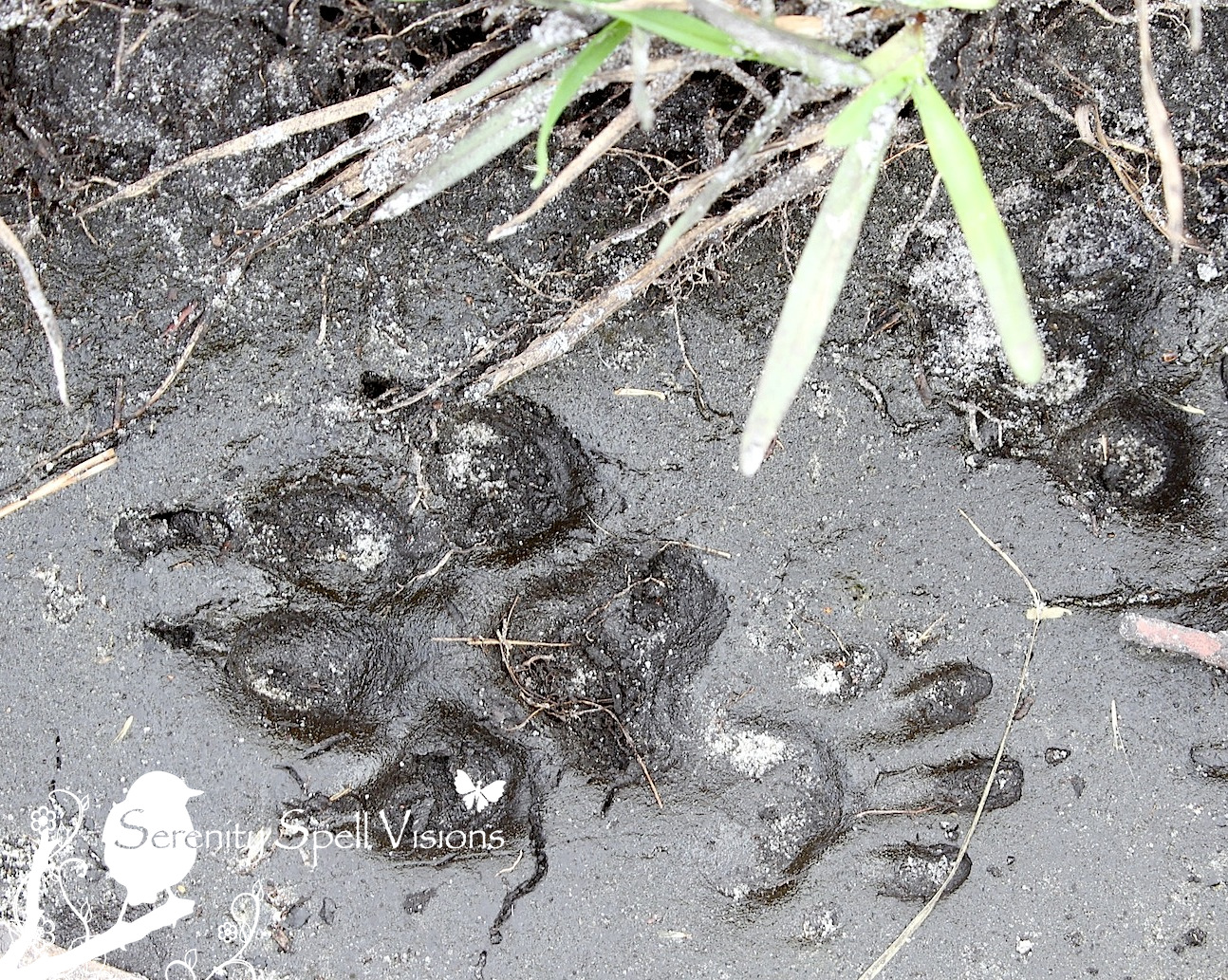
Coyote Prints, Atlantic Ridge Preserve State Park

Lots of coyote prints, but no real critter… Drats!

Feral Hog Trap, Atlantic Ridge Preserve State Park

(Invasive) Feral Hog Trap… Here, piggie piggie

Hmmm

Really have to take that Naturalist Class….

Hmmmm

Suggestions?

Click Here for a Map to the Atlantic Ridge Preserve State Park.

The only other people I saw here were on horseback — two of them! But be forewarned, having learned this from the ranger…. Apparently the Palm Beach Hunt Club likes to visit on the occasional Saturdays with their 20-something dogs and horses, spreading a scent and letting their collared dogs run free throughout the Preserve. Needless to say, I’ll never be visiting this location on any Saturday. I’m VERY confused by the County allowing this practice — that is, allowing a HUNT CLUB and their dogs roam free in sensitive, threatened habitat, with wildlife?? Am I missing something?

There’s one public access point, via Cove Road in South Stuart. Before entering, make note of the fee required at the honor station. ALSO: Call Jonathan Dickinson State Park at 772-546-2771 for the entry gate code. Sometimes the gate is closed upon entry, sometimes it’s open. Either way, you NEED THIS ENTRY CODE to leave via a locked gate!

Slash Pine Close-up, Atlantic Ridge Preserve State Park

Slash Pine Close-up

Audubon of Florida

A growing number of people are demonstrating respect, love, and passion for conservation and the environment in general, something I firmly believe this most beautiful blue sphere of ours, and its lovely inhabitants, needs en masse. And there are organizations that pull together these wonderful passions, using them for the greater good. Audubon is “Florida’s oldest conservation organization, protecting birds and wildlife for more than a century”. Through Audubon of Florida and their Conservation Network — a powerful and knowledgeable grassroots network of citizen advocates — you can access up-to-date information on the state’s conservation issues, and receive calls-to-action during critical decision-making times. There’s an incredible amount of information and resources: free and timely e-newsletters and fact sheets (including the Everglades Conservation Network’s Restore, the Florida Conservation Network’s Advocate, the Climate Action Network’s Climate Solutions, the Center for Birds of Prey’s Raptor News and the Coastal Strand). Regular reports of Florida conservation issues are provided, as are ways to help.

Great Egret in Breeding Plumage, Florida Wetlands

Great Egret in Breeding Plumage in the Protected Wetlands

Continue to love, enjoy, and work to preserve this most amazing environment, ensuring that the devastatingly high habitat loss in the Everglades and in other endangered ecosystems throughout Florida is reversed. Not all have the planet’s protection in their best interests — money still rules, and development and sprawl are devastating. But with Audubon’s tools and resources, you can help conserve Florida’s environmental future: its water resources, land, and birds and other wildlife.

National Audubon Society Logo — The Great Egret in Flight (Courtesy of The National Audubon Society)

Visit Audubon of Florida, their news blog, and the organization’s plethora of information and educational resources. It doesn’t take much to be an advocate and supporter of this state’s incredible and unique ecosystems. Or, just run to one of Florida’s more than 2,000 natural spaces and national parks (two THOUSAND) — there are so many amazing places to love and support, and by simply visiting, enjoying their beauty, you’re helping to protect them.

And for the Facebook followers: Audubon Florida on Facebook

Protect my land…!

Baby Alligator in the Florida Wetlands

Baby Alligator in the Protected Wetlands

Or…where would you be able to see my beautiful mug?

Sunning Alligator in the Florida Everglades

Sunning Alligator in the Florida Everglades

Support a Federal Wildlife Conservation Stamp

Juvenile Cattle Egrets in Protected Florida Wetlands

No worries, those humans will help!
Juvenile Cattle Egrets in Protected Florida Wetlands

The Federal Duck Stamp has a long history in the U.S., a program devoted to conserving this country’s pristine lands. The stamps themselves are beautiful pieces of art, and remain highly collectible. There are efforts to re-issue the stamp, now called the Wildlife Conservation Stamp, to help the currently severely underfunded wildlife refuges… See below for more information of this wonderful endeavor!

From the website:

It is now more important than ever to draw on the diverse group of refuge advocates around the country to safeguard America’s wildlife heritage. National wildlife refuges have been underfunded since President Theodore Roosevelt created the first refuge in 1903 and Congress refused to appropriate money to manage it. Without adequate funding, habitats are not restored, invasive species are left unchecked, poaching and other illegal activities occur and our nation’s wildlife suffers.

Already underfunded and understaffed, National Wildlife Refuges are now facing even more budget cuts. And some members of Congress want to cut funding dramatically.

With already over $3 billion worth of incomplete projects, deeper funding cuts to National Wildlife Refuges could have catastrophic results. Further reductions could:

  • End popular wildlife education programs for school children
  • Close visitor centers
  • Lead to layoffs for law enforcement officers, biologists and maintenance staff who keep visitors and wildlife safe
  • Close entire Refuges, restricting public access

Learn more about this clever and wonderful initiative to protect our country’s land and wildlife — and sign the petition aimed to the White House — at http://wildlifeconservationstamp.org/

There’s been much talk of the upcoming oil drilling in the Arctic. Drilling creates an even stronger greenhouse effect; risks disaster to this pristine land; and disrupts whale movements with its added noise. Greenpeace’s petition has been widely distributed (see the last paragraph of the post for the link), but I thought Mr. Drost’s words summed it up beautifully. PROTECT and PRESERVE what little remains…. Enough is enough is enough.

Arjen Drost's avatarNatureview photography

This summer the Dutch/British owned oil company Shell will start drilling for oil in the Arctic. They can do this because the sea ice has melted enough to expose the oil rich sea floors of the high north. This oil will be burned, resulting in more carbon dioxide in the atmosphere and an even stronger greenhouse effect… Besides, we’ve seen in the Gulf of Mexico what can happen when something goes wrong while drilling for oil. And with the cold temperatures oil degradation takes much longer as in the warmer Gulf of Mexico.

Since I came to the high Arctic for the first time in 1999 I’ve seen islands emerge from glaciers, I’ve reached places that used to be locked in ice every summer and I’ve seen Polar Bears change their behavior because of the changing ice conditions. When I made my first visit I expected to visit a true…

View original post 100 more words

Thanks PBC, and Green Cay!

Palm Beach County Nature Centers to Remain Open

Recent threats of budget cuts throughout Palm Beach County took aim at the educational centers of the region’s scant nature preserves, including Green Cay. After much hubub and voiced concern, the Commissioners agreed to raise the property tax rate by less than 1% in order to keep the centers open. As long as this is approved *tonight* in a final public hearing, the doors will stay open, and the workers will retain their jobs, educating the public about our unique and endangered ecosystem.

For More Information:

This slideshow requires JavaScript.