Skip to content

Posts tagged ‘environment’

National Parks, National Wildlife Refuges, National Forests: FREE Today!

Today, in honor of Martin Luther King, Jr. Day, the National Park Service is offering FREE entrance into any national park… So walk, meander, run, bike, or trail-ride your way to your nearest one!

Arthur R. Marshall Loxahatchee National Wildlife Refuge

Amazing Everglades and Sky of the Arthur R. Marshall Loxahatchee National Wildlife Refuge

The remaining entrance fee-free dates for 2013 are:

  • April 22-26 (National Park Week)
  • August 25 (National Park Service Birthday, or Pre-FeyGirl Birthday)
  • September 28 (National Public Lands Day)
  • November 9-11 (Veterans Day weekend)
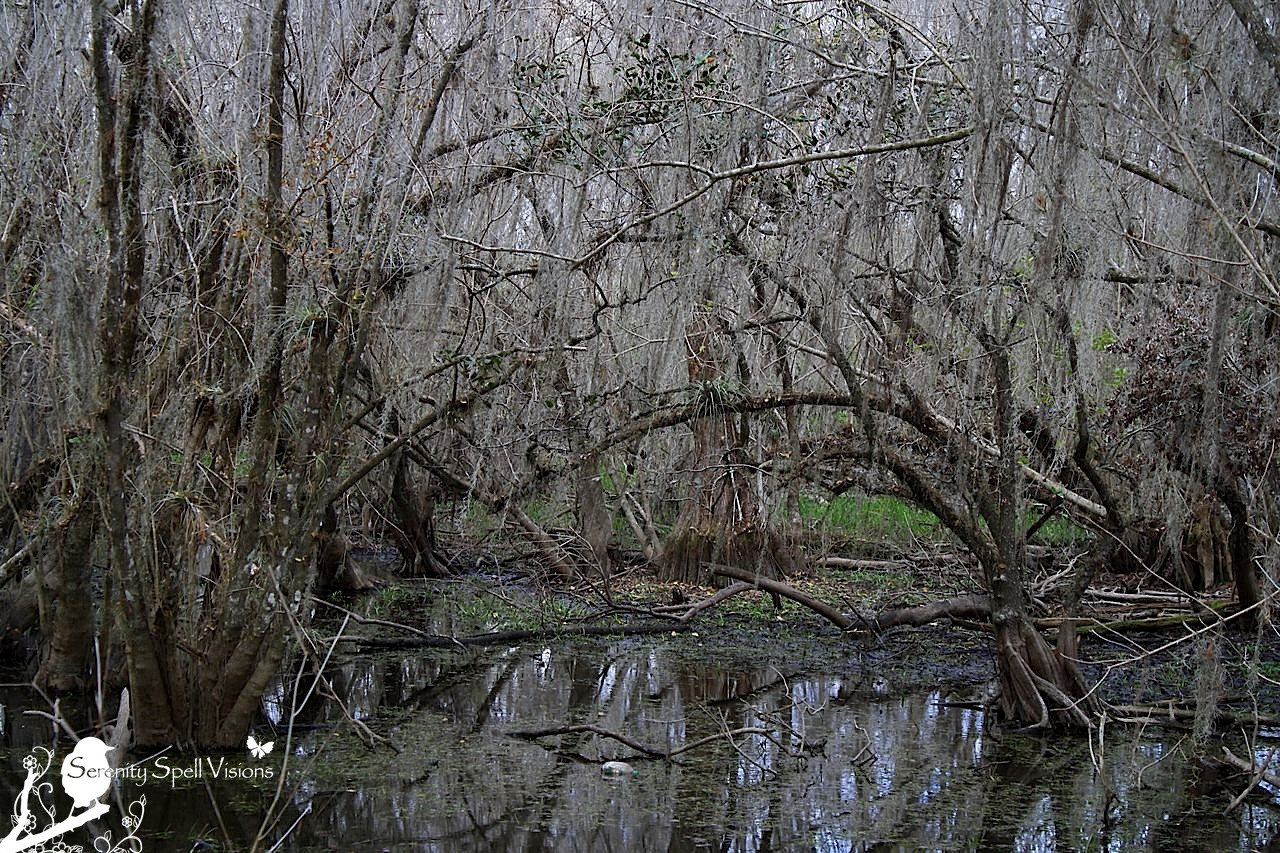
Cypress Swamp of the Big Cypress National Preserve

Cypress Swamp of the Big Cypress National Preserve

Love your national parks, national wildlife refuges, and national forests — numbering more than 2,000 — and continue to support them by your mere presence. And above all else, bask in the beauty of these wondrous spaces!

On the Florida Trail, Jonathan Dickinson State Park

OFF the Florida Trail — Discovering a most amazing, awe-inspiring, and rare OLD cypress swamp

Critical Habitat Protection at the Atlantic Ridge Preserve State Park

Atlantic Ridge Preserve State Park in Stuart (Martin County) is a must-visit: a gorgeous area encompassing 5,800 acres of pristine wetlands and uplands, which provides critical habitat for endangered species of animals and plants. The ecosystem encompasses pine palmetto flatwoods, wet prairie, sand pine scrub, oak hammocks, mixed hardwoods, and freshwater marshes. It includes one of the largest areas of natural land remaining near the Florida Coast.

The natural Atlantic Ridge ecosystem is comprised of 16,000 acres in its entirety. Outside of the already-acquired 5,800 acres, some more areas are on the county’s list for lands to be acquired for purchase of conservation lands and parks — so keep your fingers crossed, because this is some truly beautiful pristine land. The Hobe Sound Irrevocable Trust is proposing to give away approximately 2,300 more acres, enabling the county to provide additional public access to this park, and to preserve the environmentally sensitive land in perpetuity as part of the State park system. The donated lands will create a wildlife, greenway, and recreational corridor running north from Halpatiokee Regional Park (also in Stuart) through the Atlantic Ridge State Park, and south to Jonathan Dickinson State Park.

Pine Flatwoods, Atlantic Ridge Preserve State Park

Pine Flatwoods (Tree = Tree)

Pine Flatwoods, Atlantic Ridge Preserve State Park

Pine Flatwoods

There’s always an exchange: here, it’s houses. In exchange for the conservation lands, the remaining 400 acres will become a new community, the Atlantic Preserve. This new Planned Unit Development (PUD) will contain 650 homes.

Prairie, Atlantic Ridge Preserve State Park

Prairie

But for the 2,300 acres of donated lands that will be protected in perpetuity, this area will serve as the missing link that will connect the Atlantic Ridge State Park ecosystem. This area includes the headwaters of the South Fork of the St. Lucie River and the Loxahatchee River — the first nationally designated “Wild and Scenic River.” The donation and preservation of this land is critical in the ongoing efforts to restore the historic waterflow of these ancient waterways.

Pines, Atlantic Ridge Preserve State Park

Into the Pines

Prescribed Burning Signage, Atlantic Ridge Preserve State Park

Prescribed, or Controlled Burning Signage

Many animals make their homes in these protected and pristine acres, including anhingas, egrets, herons, owls, hawks, sandhill cranes, and osprey. Bobcat and coyote are also abundant, but as always, these guys were shy as ever. It was equally wonderful to see such healthy and abundant Native flora for the wildlife.

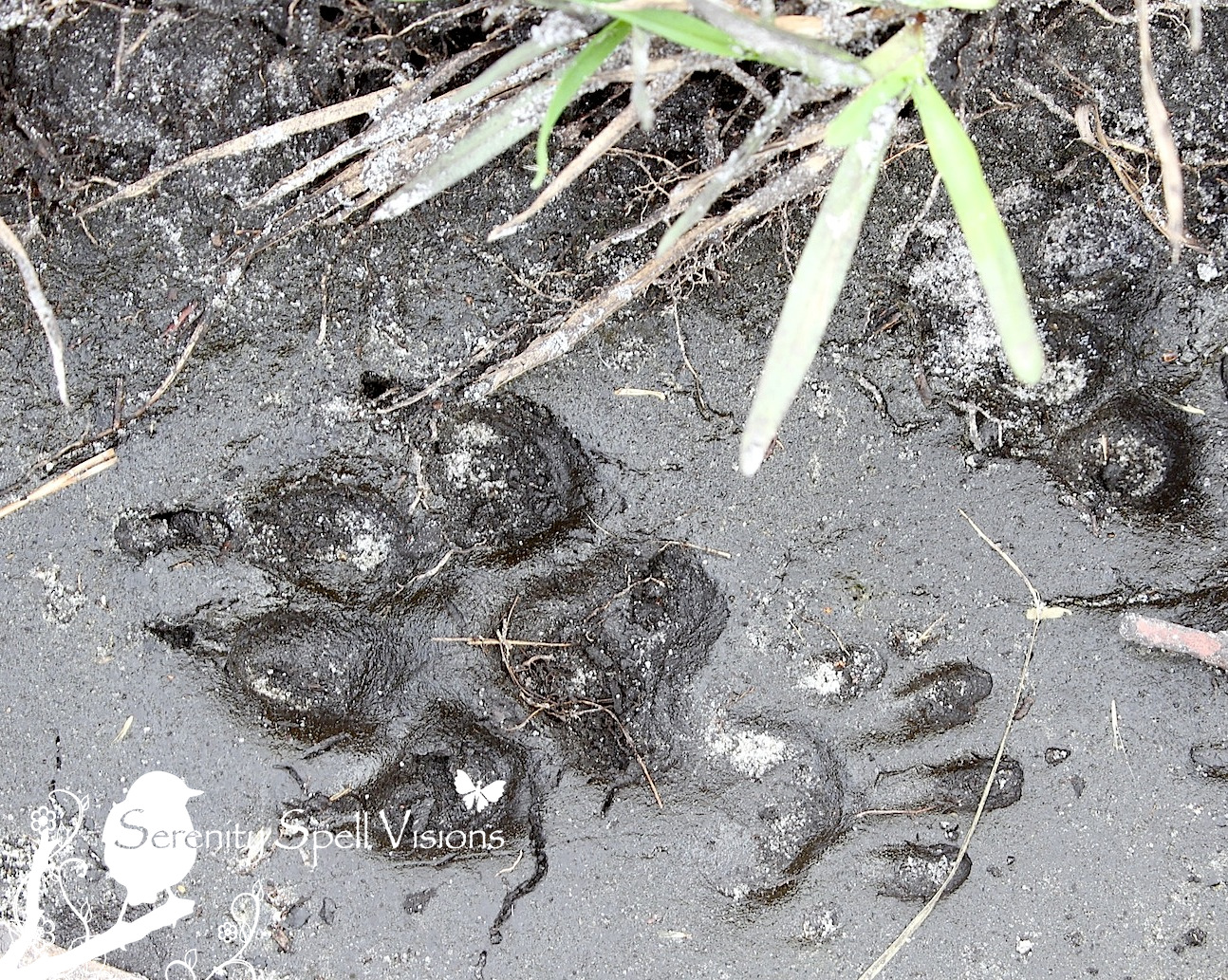
Coyote Prints, Atlantic Ridge Preserve State Park

Lots of coyote prints, but no real critter… Drats!

Feral Hog Trap, Atlantic Ridge Preserve State Park

(Invasive) Feral Hog Trap… Here, piggie piggie
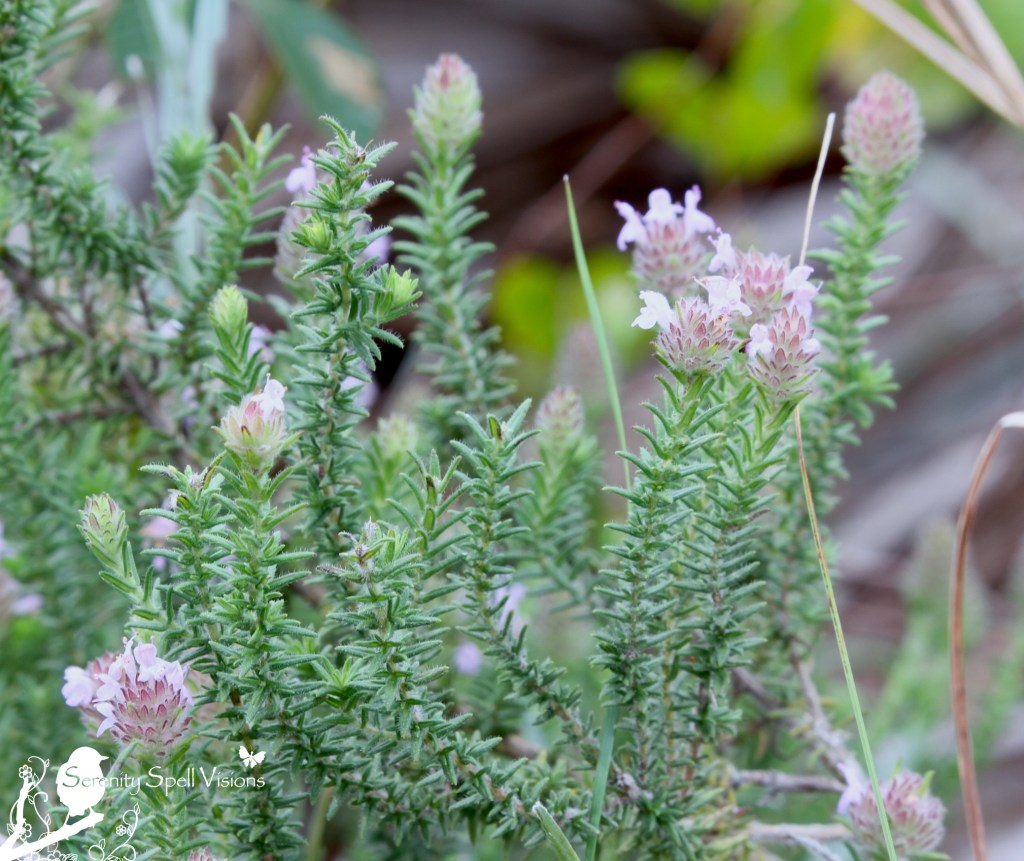
Hmmm

Really have to take that Naturalist Class….

Hmmmm

Suggestions?

Click Here for a Map to the Atlantic Ridge Preserve State Park.

The only other people I saw here were on horseback — two of them! But be forewarned, having learned this from the ranger…. Apparently the Palm Beach Hunt Club likes to visit on the occasional Saturdays with their 20-something dogs and horses, spreading a scent and letting their collared dogs run free throughout the Preserve. Needless to say, I’ll never be visiting this location on any Saturday. I’m VERY confused by the County allowing this practice — that is, allowing a HUNT CLUB and their dogs roam free in sensitive, threatened habitat, with wildlife?? Am I missing something?

There’s one public access point, via Cove Road in South Stuart. Before entering, make note of the fee required at the honor station. ALSO: Call Jonathan Dickinson State Park at 772-546-2771 for the entry gate code. Sometimes the gate is closed upon entry, sometimes it’s open. Either way, you NEED THIS ENTRY CODE to leave via a locked gate!

Slash Pine Close-up, Atlantic Ridge Preserve State Park

Slash Pine Close-up

Tree Tuesday: Cypress in the Winter

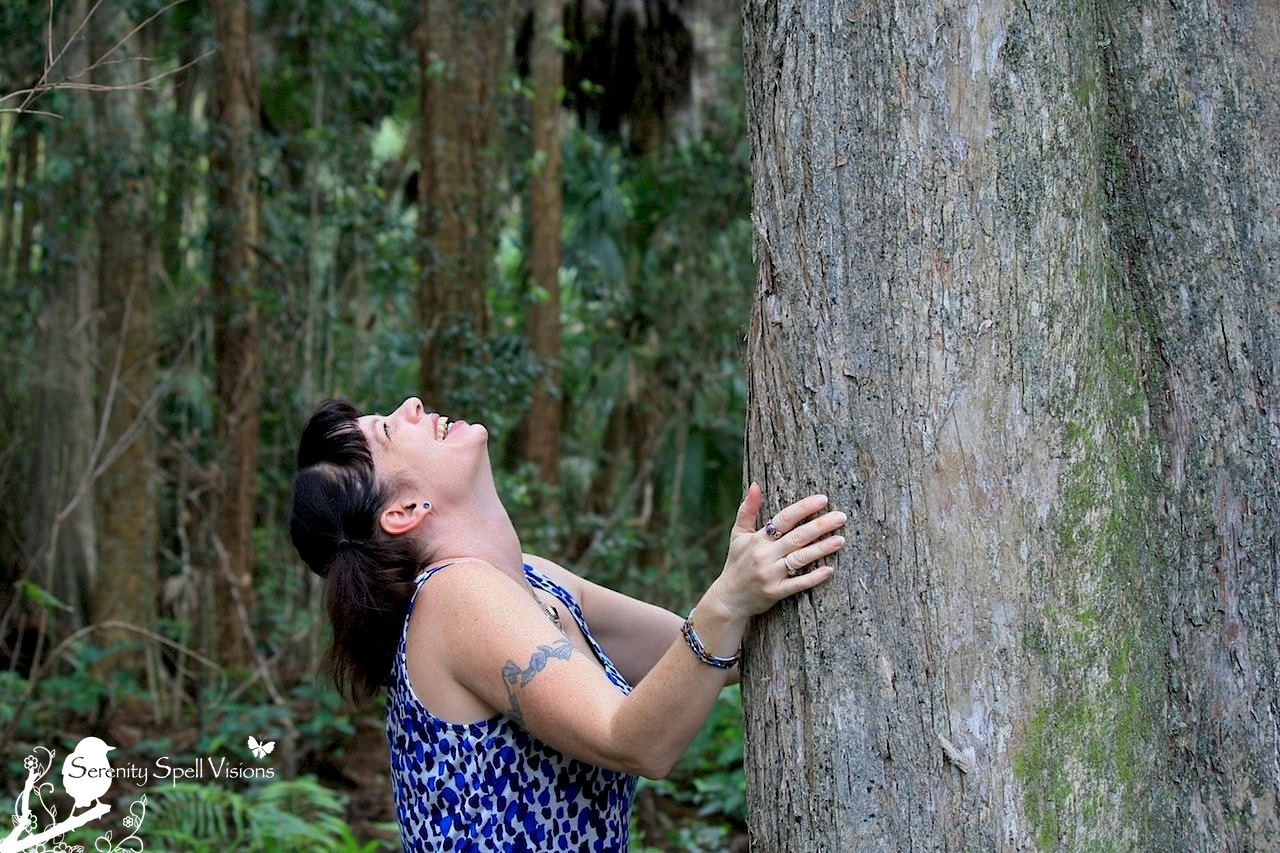
Over the last few weeks, I’ve noticed a few naturalist / photographer bloggers in this amazing community posting on Tree Tuesday. How could I, tree-hugger fanatic that I am, have missed this? I’m running incredibly behind on all of the wonderful places I’ve hiked and visited over the last few months, so while I play catch-up, at least I can post some of the magnificent TREES that I’ve spied.

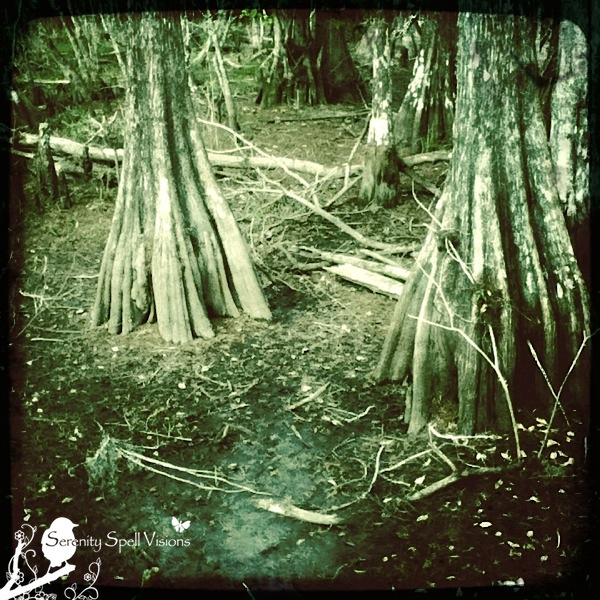
Florida has an incredible assortment of flora — not just the palm trees that many developers like to plop down, after ripping up our beautiful natives. And they’re enormous. If you’re lucky enough to stumble upon sections of pristine land, areas that weren’t cruelly and completely logged out in the 1930s and ’40s, you’re in for a real treat…. But sadly, few massive trees survived the logging operations of this time. While these trees are old, they’re probably 7th- or 8th-generation cypress. The loggers really did a number on Florida’s cypress populations. But if untouched, they could live to 500 years. The good news is, they’re now protected by various federal and state agencies!

In honor of our wonderful cypress swamps, some of the loveliest and most unique vistas to behold, here’s a shot of some cypress trees in a swamp, in the Big Cypress National Preserve (bordering the Everglades National Park) during the dry winter months.

Cypress Trees in the Big Cypress National Preserve, Florida

Cypress Trees in the Big Cypress National Preserve

A Moment of Zen with a Cattle Egret

Some weeks are easier than others, and this wasn’t one of the easiest — but as the magnet on my fridge dictates, sometimes ya just have to pull on your big-girl panties and move on with it. During such times, I make it a point to run to Nature — it doesn’t matter if I’m visiting the wetlands, hiking up a frenzy, or simply planting in my little yard — anything to re-focus my attentions to something I thoroughly enjoy.

As the mind races, there’s no better place than a natural environment, one in which you can really ground yourself, breathe more freely, and just observe…. These walks have allowed my best walking meditations. And of course there are always the critters to remind you that life isn’t so serious, after all.

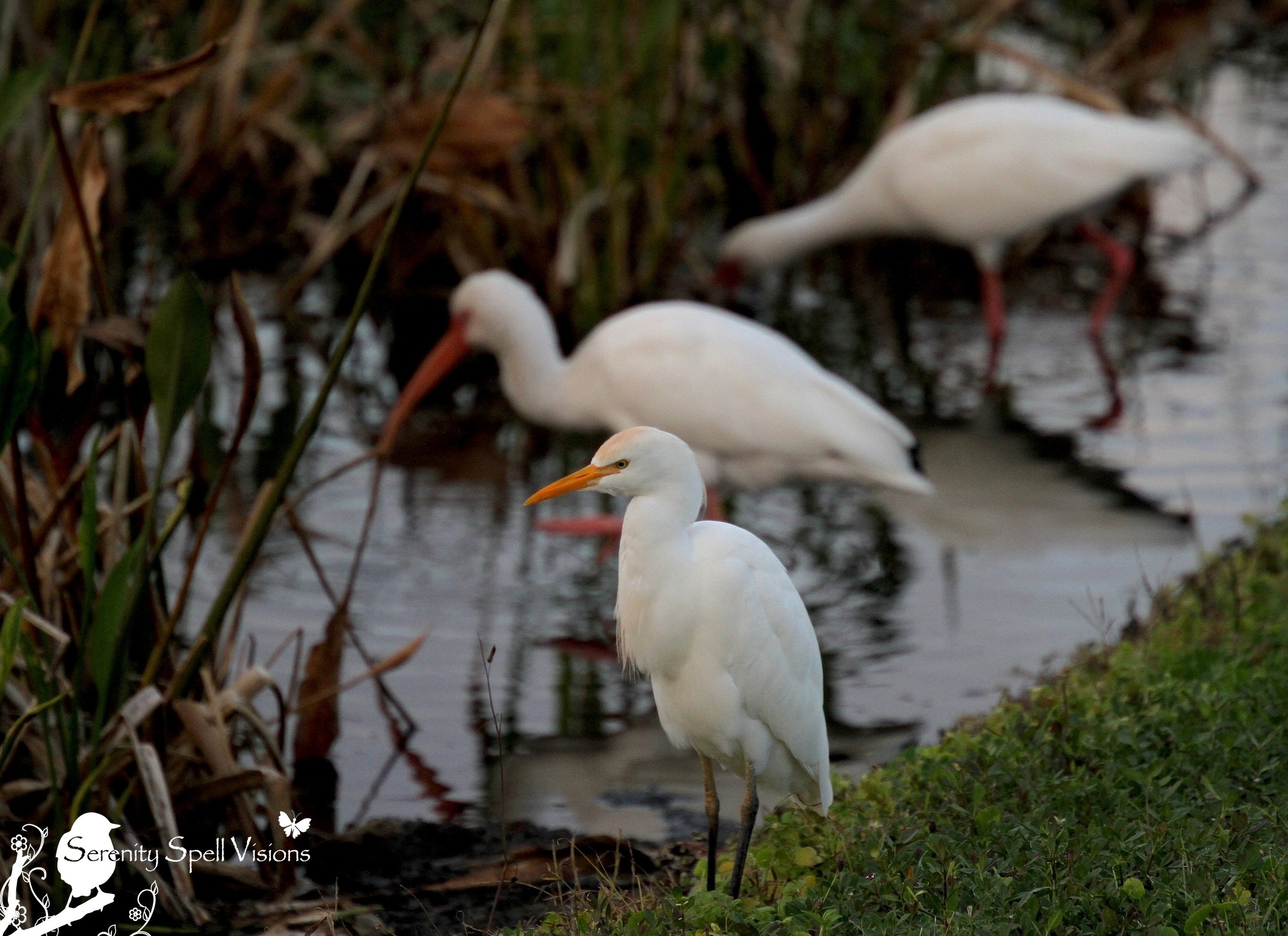
I don’t need the most elegant display to snap out of it, even if it’s temporary. This lone cattle egret was in the company of a group of ibis in our protected wetlands, who were busy grooming for the night ahead. Amid the flurry of their activity, there he sat, content in the setting sun. Thanks, little egret, for my much-needed moment of Zen….

Cattle Egret and Ibis in the Florida Wetlands

Calm amid the hubbub, with the grooming and foraging Ibis

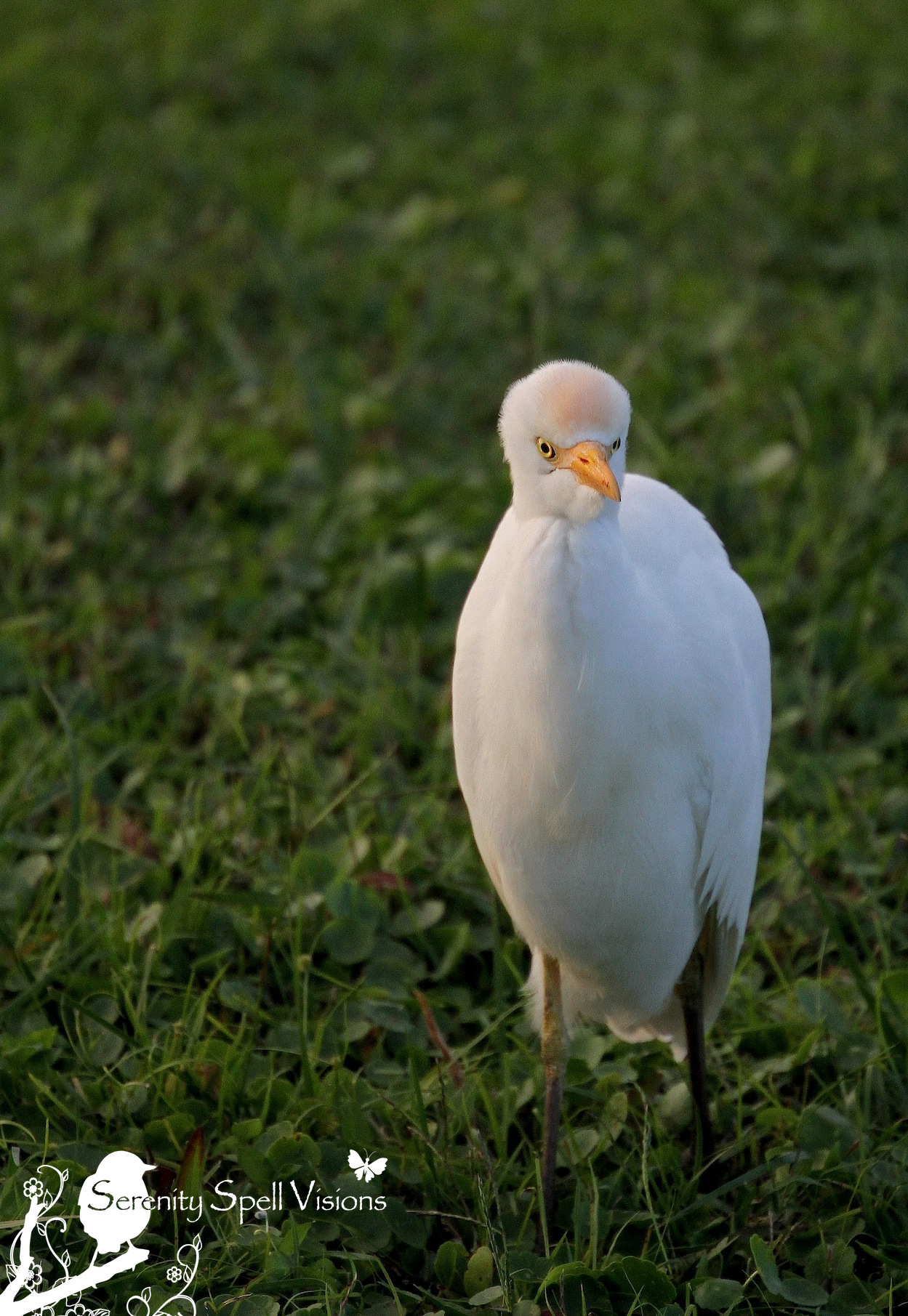
Cattle Egret in the Florida Wetlands

Look how lovely I am, humble and peaceful little Cattle Egret…

Cattle Egret in the Florida Wetlands

….So snap out of it, girlie!

Animal Bridges and Wildlife Crossings

I recently read a statistic — nearly 70% of Florida panthers were killed by vehicles in 2012. That’s stupendous; visit Wildlife Extra to learn more. So while overall their populations are faring well, our state could definitely use some more of these most amazing animal bridges in key wildlife areas….

twistedsifter's avatarTwistedSifter


Animals bridges, which may also be known as ecoducts or wildlife crossings, are structures that allow animals to safely cross human-made barriers like highways. A wildlife crossing is the broadest term and can include: underpass tunnels, viaducts, overpasses and bridges, amphibian tunnels, fish ladders, culvets and green roofs. [Source]

Wildlife crossings are a practice in habitat conservation, allowing connections or reconnections between habitats and combating habitat fragmentation. They also assist in avoiding collisions between vehicles and animals, which in addition to killing or injuring wildlife may cause injury to humans and property damage. It has been reported that vehicle-animals collisions costs the United States a staggering $8 Billion a year.

The first wildlife crossings were constructed in France during the 1950s. European countries including the Netherlands, Switzerland, Germany, and France have been using various crossing structures to reduce the conflict between wildlife and roads for…

View original post 425 more words