Without the sanctuary of Green Cay and Wakodahatchee, I may nearly have lost my mind this past year. Both boardwalks/wetlands are an oasis of green, here in suburban Delray Beach (land of wayward development and concrete). Located on Jog Road between Woolbright Road and Atlantic Avenue, it’s open seven days a week, making it readily available to the public. In the Seminole Indian language, Wakodahatchee translates as “created waters” — and that’s exactly what’s been done at these wetlands. Wakodahatchee’s present-day 50 acres of wetlands were, in their previous incarnation, unused utility land. But the space has been transformed into an Everglades wildlife ecosystem, with marsh habitat, intermittent tree islands, and cypress hammocks. Along the .75-mile elevated boardwalk are helpful signage about the habitat, as well as covered gazebos. Each day, the Palm Beach County’s Southern Region Water Reclamation Facility pumps nearly two million gallons of highly treated water daily into Wakodahatchee; the wetlands themselves further naturally cleanse, recharge, and filter the remaining nutrients and maintain earth’s water cycle. Wakodahatchee incorporates dozens of different species of trees, shrubs, and aquatic vegetation to manage this feat. A pioneer in the fields of wastewater treatment and reclaimed water distribution, the Palm Beach County Water Utilities Department has proven its effective and innovative management philosophies in the Wakodahatchee Wetlands.
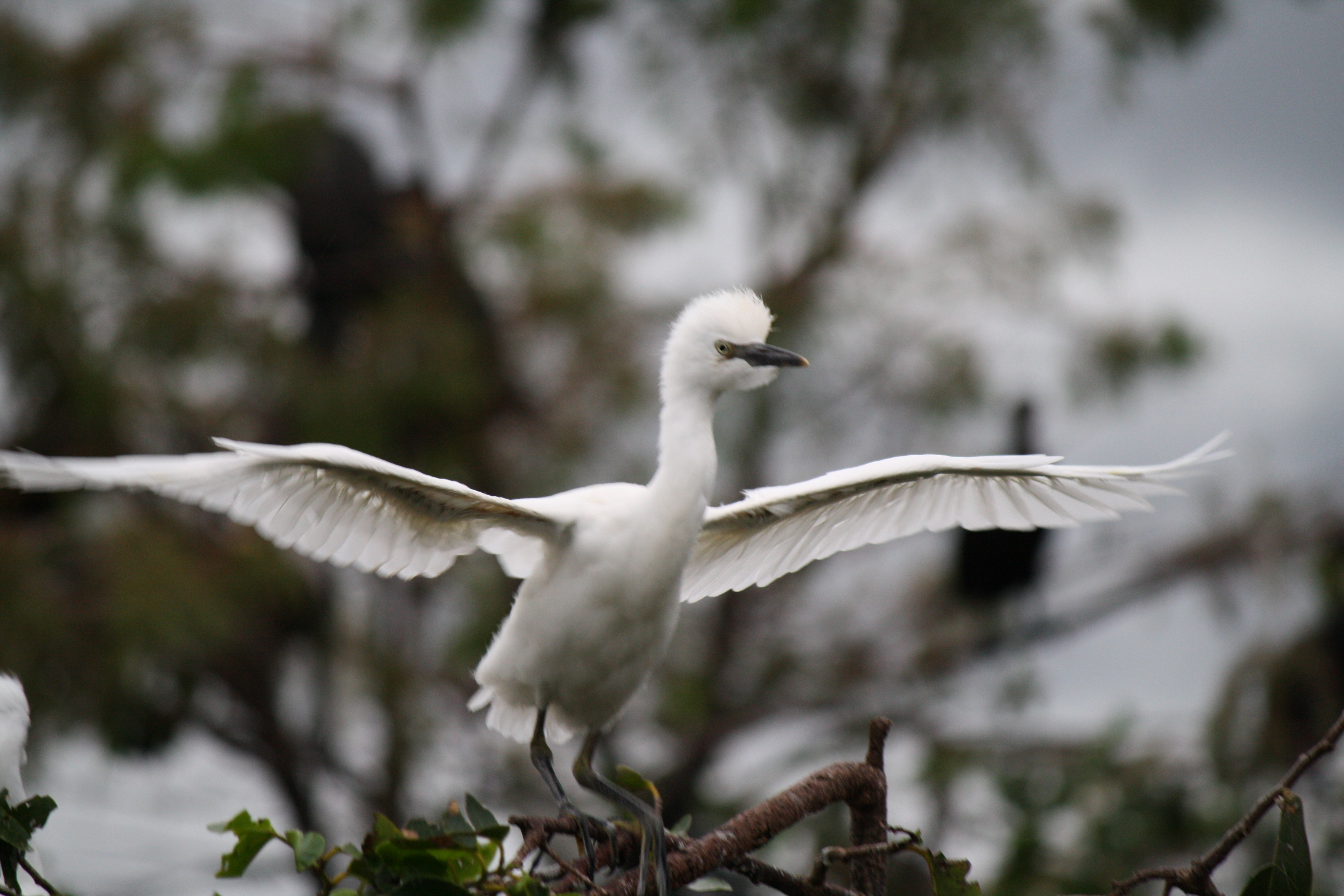
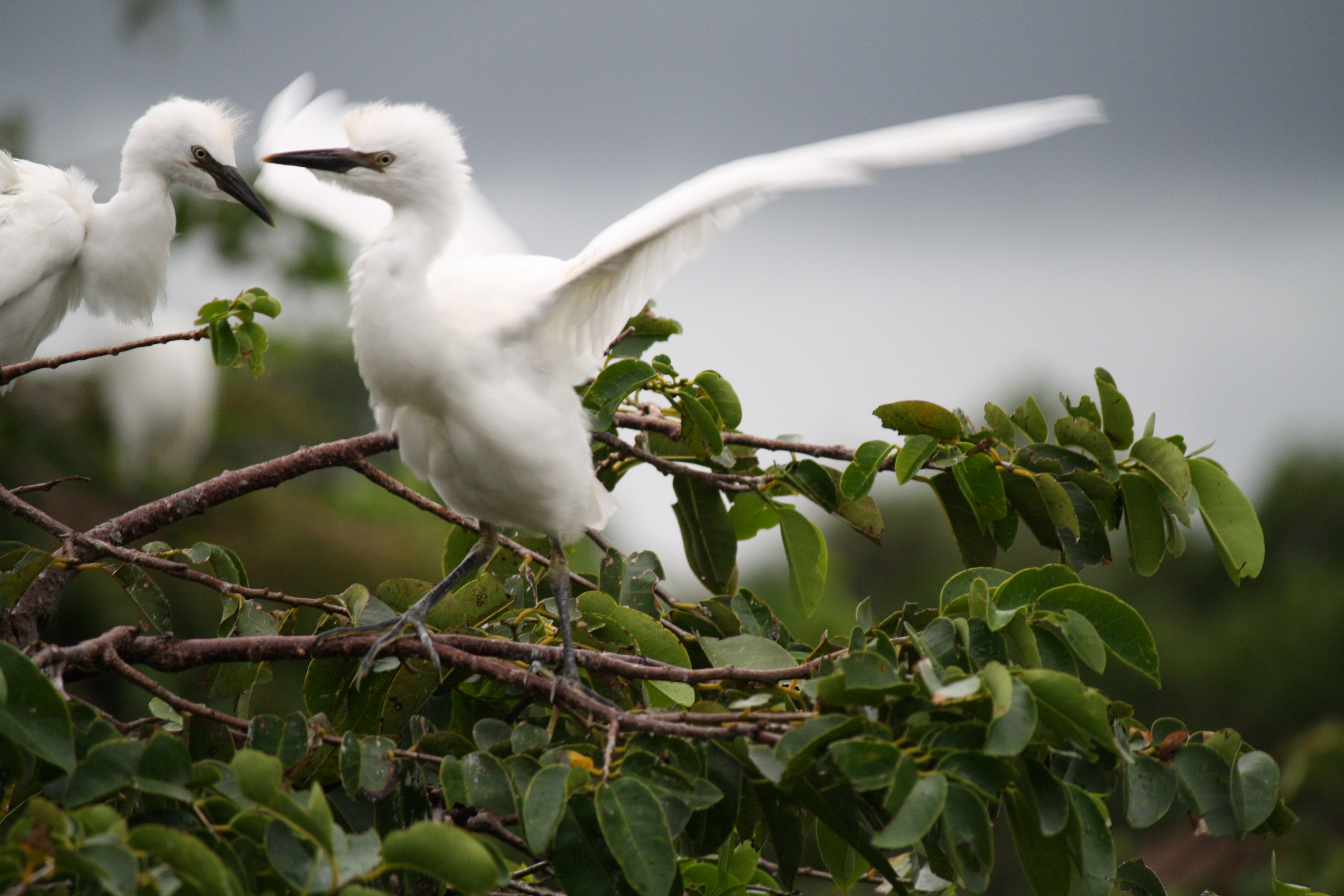
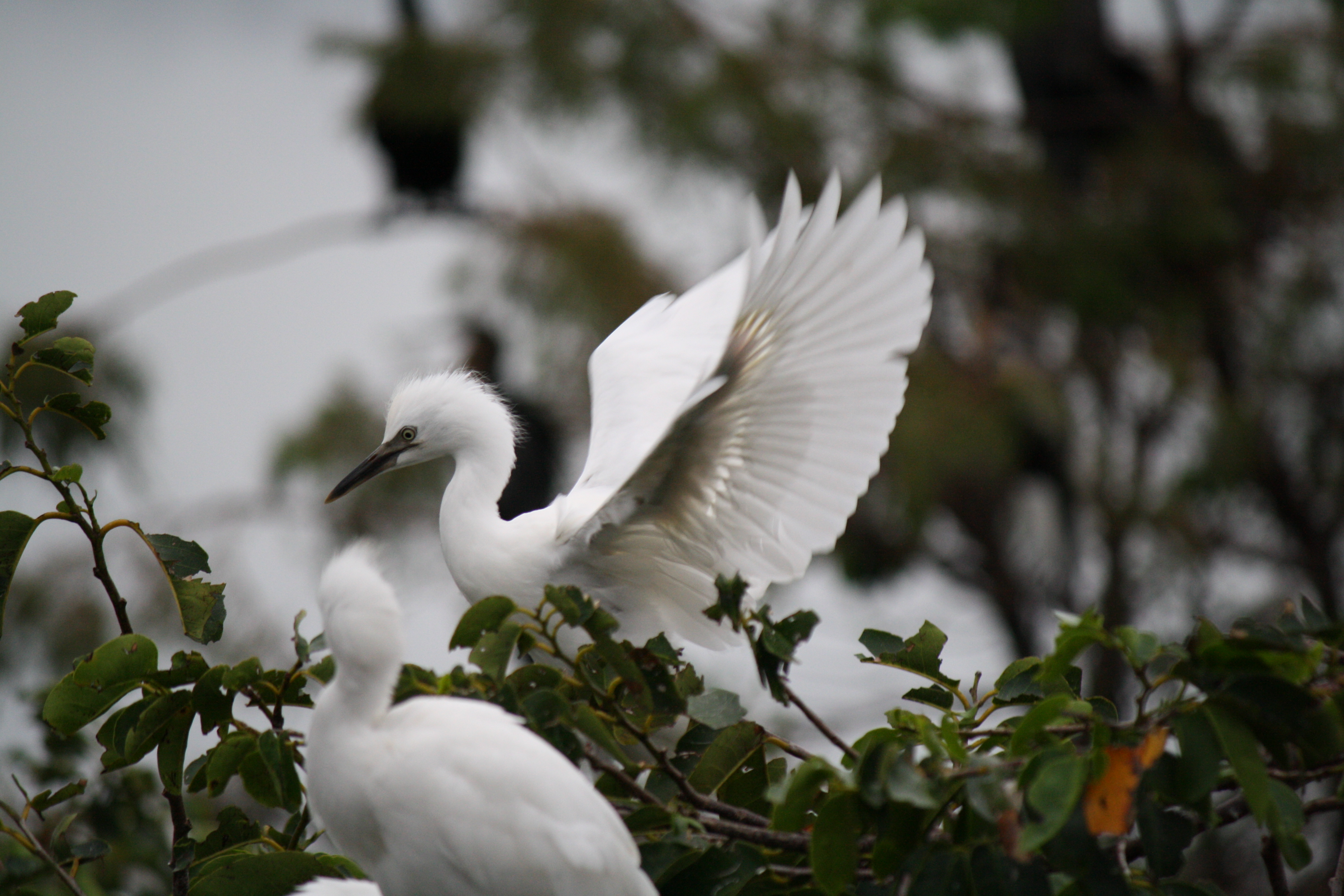
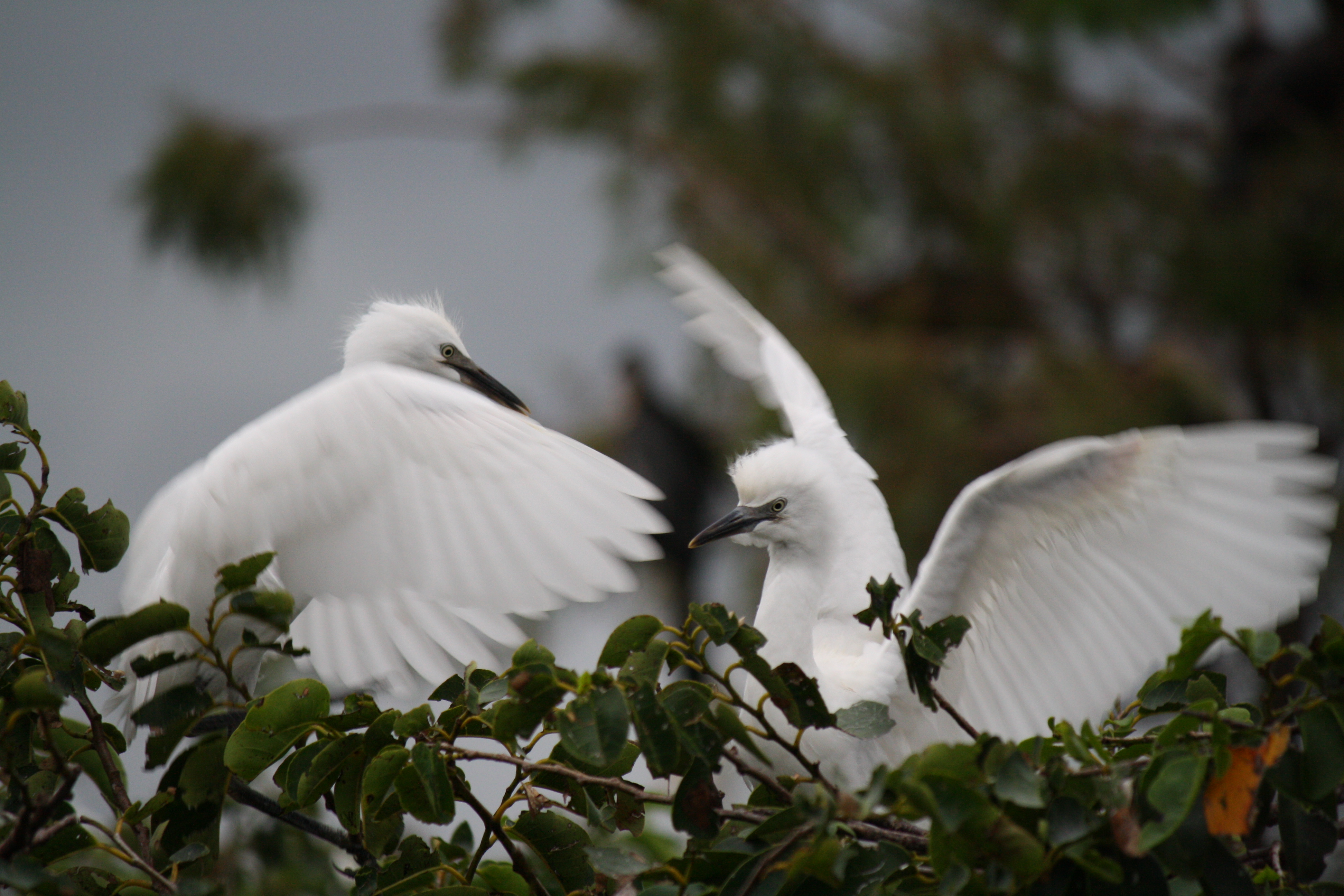
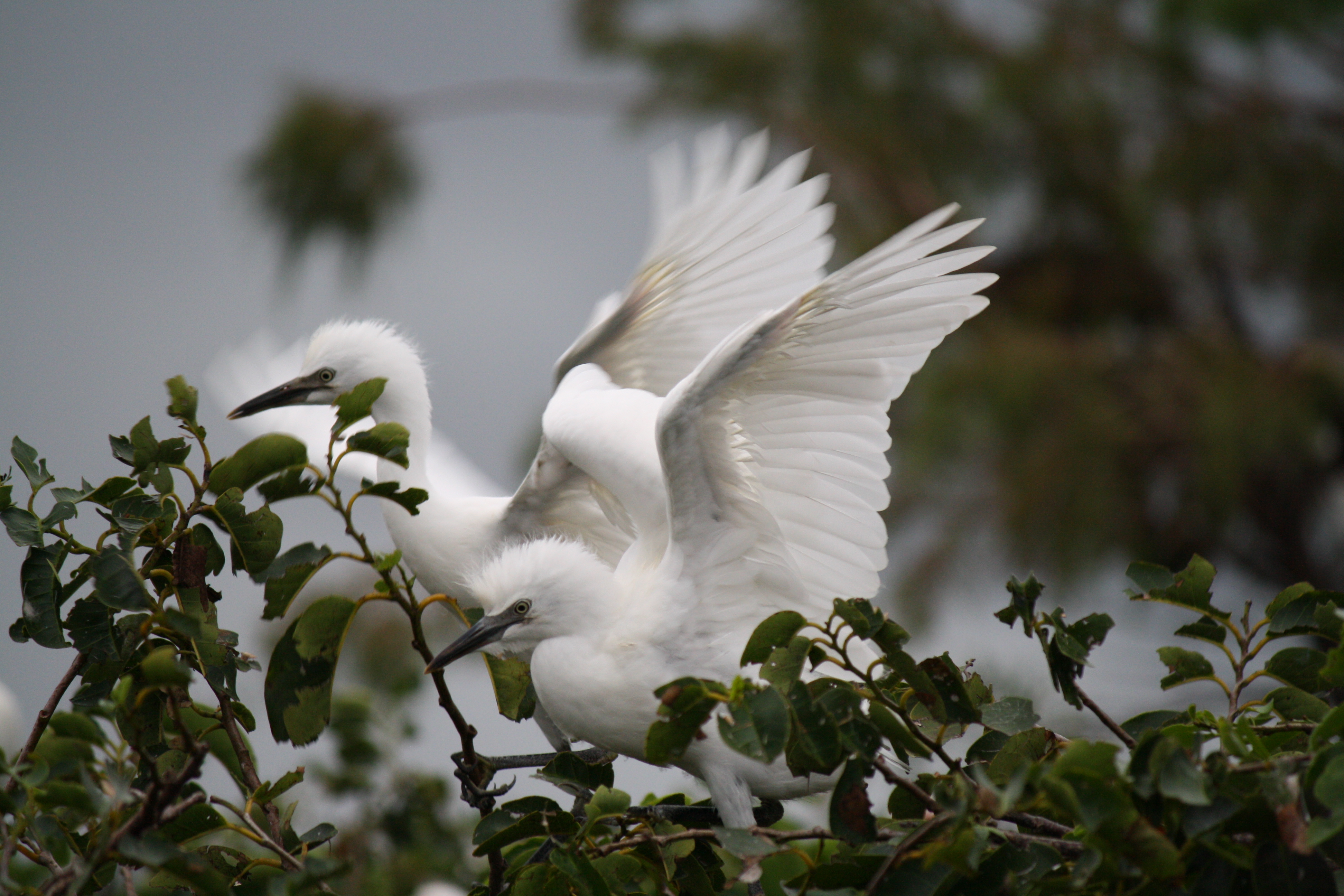
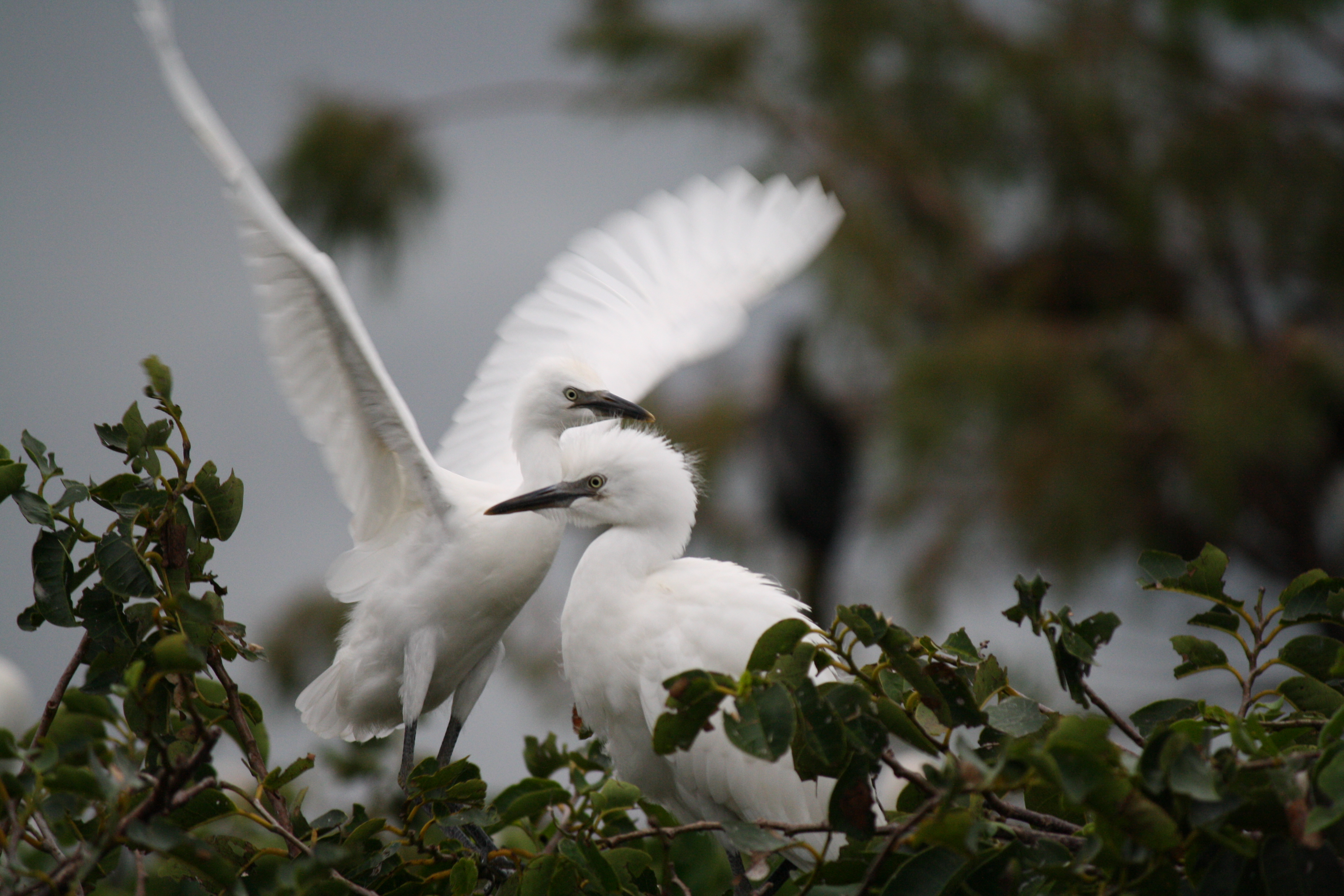
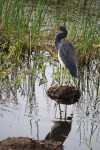
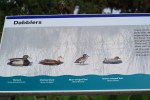
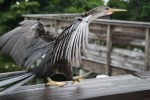
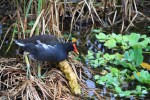
Besides affording a sublime stroll, Wakodahatchee is a birdwatcher’s paradise — a camera and/or binoculars are always handy. This site is part of the South section of the Great Florida Birding Trail, and common bird sightings include egrets, herons, ducks, grebes, bitterns, ibis, moorhens, warblers, blackbirds, cardinals, owls, hawks…and the list goes on, with more than 140 species counted at the site. Many turtles make their home at the wetlands, including the Florida Red-bellied Turtle and the Peninsular Cooter. Marsh rabbit can also be seen in the grassy and low-lying marsh areas. As always, alligator sightings are common at Wakodahatchee, and non-poisonous snakes and frogs live on the fringes of the boardwalk. But I’ve even had the most fortunate sightings of a shy otter and bobcat.
For More Information:
This slideshow requires JavaScript.














 FeyGirl
 Serenity Spell