Skip to content

Posts tagged ‘nature’

Critical Habitat Protection at the Atlantic Ridge Preserve State Park

Atlantic Ridge Preserve State Park in Stuart (Martin County) is a must-visit: a gorgeous area encompassing 5,800 acres of pristine wetlands and uplands, which provides critical habitat for endangered species of animals and plants. The ecosystem encompasses pine palmetto flatwoods, wet prairie, sand pine scrub, oak hammocks, mixed hardwoods, and freshwater marshes. It includes one of the largest areas of natural land remaining near the Florida Coast.

The natural Atlantic Ridge ecosystem is comprised of 16,000 acres in its entirety. Outside of the already-acquired 5,800 acres, some more areas are on the county’s list for lands to be acquired for purchase of conservation lands and parks — so keep your fingers crossed, because this is some truly beautiful pristine land. The Hobe Sound Irrevocable Trust is proposing to give away approximately 2,300 more acres, enabling the county to provide additional public access to this park, and to preserve the environmentally sensitive land in perpetuity as part of the State park system. The donated lands will create a wildlife, greenway, and recreational corridor running north from Halpatiokee Regional Park (also in Stuart) through the Atlantic Ridge State Park, and south to Jonathan Dickinson State Park.

Pine Flatwoods, Atlantic Ridge Preserve State Park

Pine Flatwoods (Tree = Tree)

Pine Flatwoods, Atlantic Ridge Preserve State Park

Pine Flatwoods

There’s always an exchange: here, it’s houses. In exchange for the conservation lands, the remaining 400 acres will become a new community, the Atlantic Preserve. This new Planned Unit Development (PUD) will contain 650 homes.

Prairie, Atlantic Ridge Preserve State Park

Prairie

But for the 2,300 acres of donated lands that will be protected in perpetuity, this area will serve as the missing link that will connect the Atlantic Ridge State Park ecosystem. This area includes the headwaters of the South Fork of the St. Lucie River and the Loxahatchee River — the first nationally designated “Wild and Scenic River.” The donation and preservation of this land is critical in the ongoing efforts to restore the historic waterflow of these ancient waterways.

Pines, Atlantic Ridge Preserve State Park

Into the Pines

Prescribed Burning Signage, Atlantic Ridge Preserve State Park

Prescribed, or Controlled Burning Signage

Many animals make their homes in these protected and pristine acres, including anhingas, egrets, herons, owls, hawks, sandhill cranes, and osprey. Bobcat and coyote are also abundant, but as always, these guys were shy as ever. It was equally wonderful to see such healthy and abundant Native flora for the wildlife.
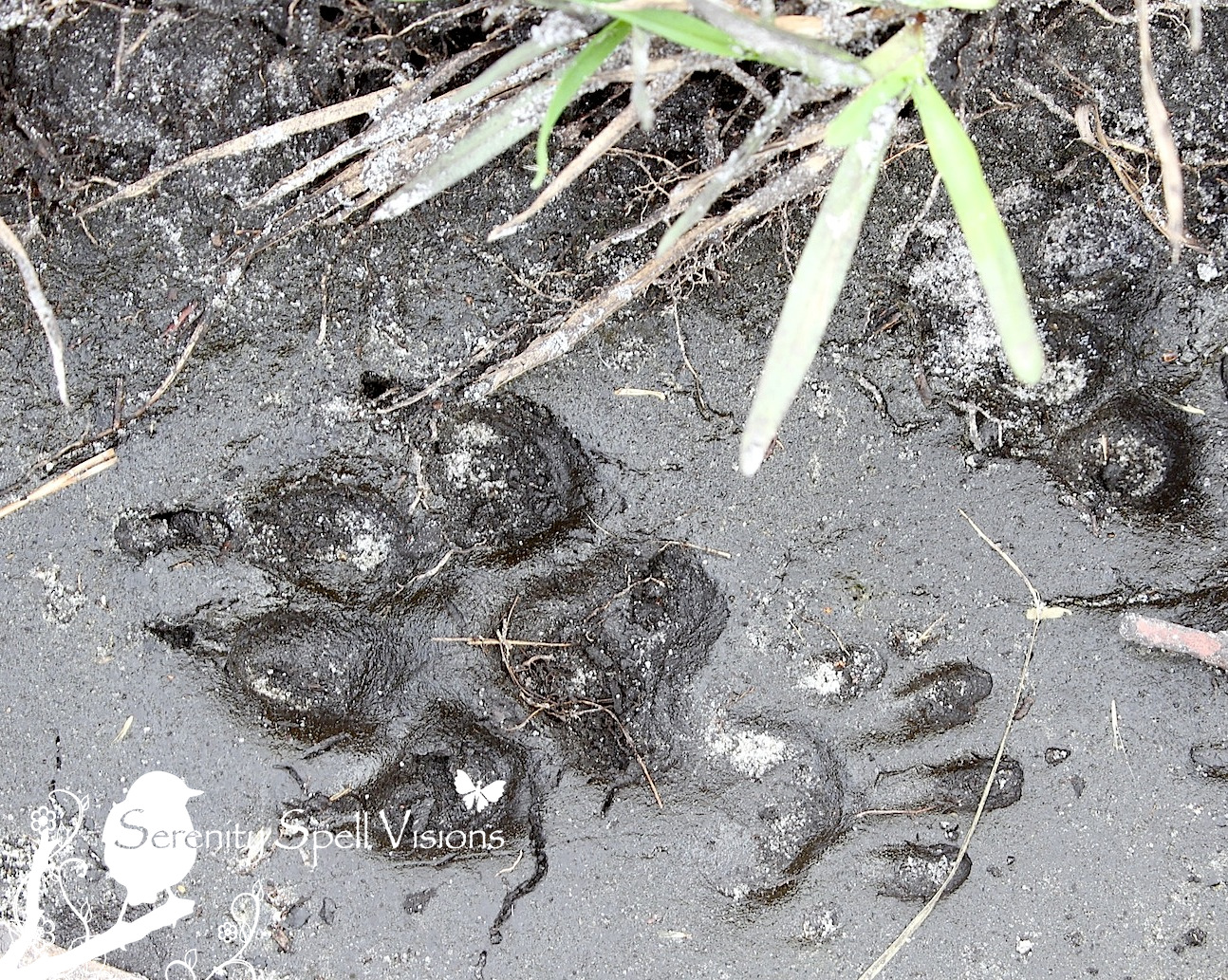
Coyote Prints, Atlantic Ridge Preserve State Park

Lots of coyote prints, but no real critter… Drats!

Feral Hog Trap, Atlantic Ridge Preserve State Park

(Invasive) Feral Hog Trap… Here, piggie piggie

Hmmm

Really have to take that Naturalist Class….

Hmmmm

Suggestions?

Click Here for a Map to the Atlantic Ridge Preserve State Park.

The only other people I saw here were on horseback — two of them! But be forewarned, having learned this from the ranger…. Apparently the Palm Beach Hunt Club likes to visit on the occasional Saturdays with their 20-something dogs and horses, spreading a scent and letting their collared dogs run free throughout the Preserve. Needless to say, I’ll never be visiting this location on any Saturday. I’m VERY confused by the County allowing this practice — that is, allowing a HUNT CLUB and their dogs roam free in sensitive, threatened habitat, with wildlife?? Am I missing something?

There’s one public access point, via Cove Road in South Stuart. Before entering, make note of the fee required at the honor station. ALSO: Call Jonathan Dickinson State Park at 772-546-2771 for the entry gate code. Sometimes the gate is closed upon entry, sometimes it’s open. Either way, you NEED THIS ENTRY CODE to leave via a locked gate!

Slash Pine Close-up, Atlantic Ridge Preserve State Park

Slash Pine Close-up

Tree Tuesday: Cypress in the Winter

Over the last few weeks, I’ve noticed a few naturalist / photographer bloggers in this amazing community posting on Tree Tuesday. How could I, tree-hugger fanatic that I am, have missed this? I’m running incredibly behind on all of the wonderful places I’ve hiked and visited over the last few months, so while I play catch-up, at least I can post some of the magnificent TREES that I’ve spied.

Florida has an incredible assortment of flora — not just the palm trees that many developers like to plop down, after ripping up our beautiful natives. And they’re enormous. If you’re lucky enough to stumble upon sections of pristine land, areas that weren’t cruelly and completely logged out in the 1930s and ’40s, you’re in for a real treat…. But sadly, few massive trees survived the logging operations of this time. While these trees are old, they’re probably 7th- or 8th-generation cypress. The loggers really did a number on Florida’s cypress populations. But if untouched, they could live to 500 years. The good news is, they’re now protected by various federal and state agencies!

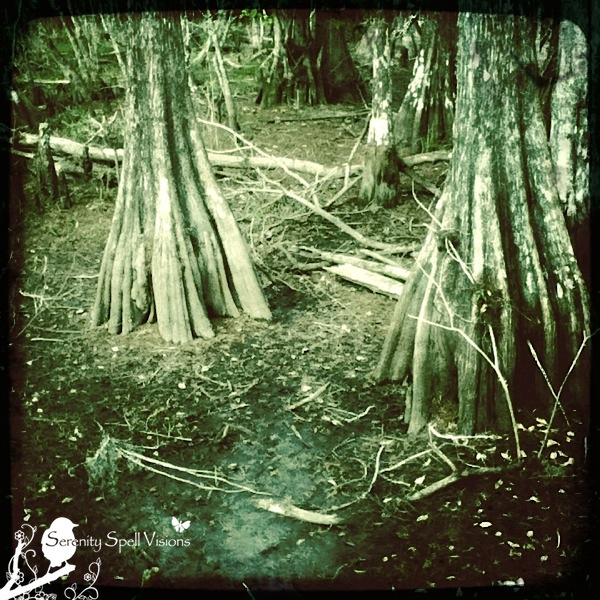
In honor of our wonderful cypress swamps, some of the loveliest and most unique vistas to behold, here’s a shot of some cypress trees in a swamp, in the Big Cypress National Preserve (bordering the Everglades National Park) during the dry winter months.

Cypress Trees in the Big Cypress National Preserve, Florida

Cypress Trees in the Big Cypress National Preserve

A Moment of Zen with a Cattle Egret

Some weeks are easier than others, and this wasn’t one of the easiest — but as the magnet on my fridge dictates, sometimes ya just have to pull on your big-girl panties and move on with it. During such times, I make it a point to run to Nature — it doesn’t matter if I’m visiting the wetlands, hiking up a frenzy, or simply planting in my little yard — anything to re-focus my attentions to something I thoroughly enjoy.

As the mind races, there’s no better place than a natural environment, one in which you can really ground yourself, breathe more freely, and just observe…. These walks have allowed my best walking meditations. And of course there are always the critters to remind you that life isn’t so serious, after all.

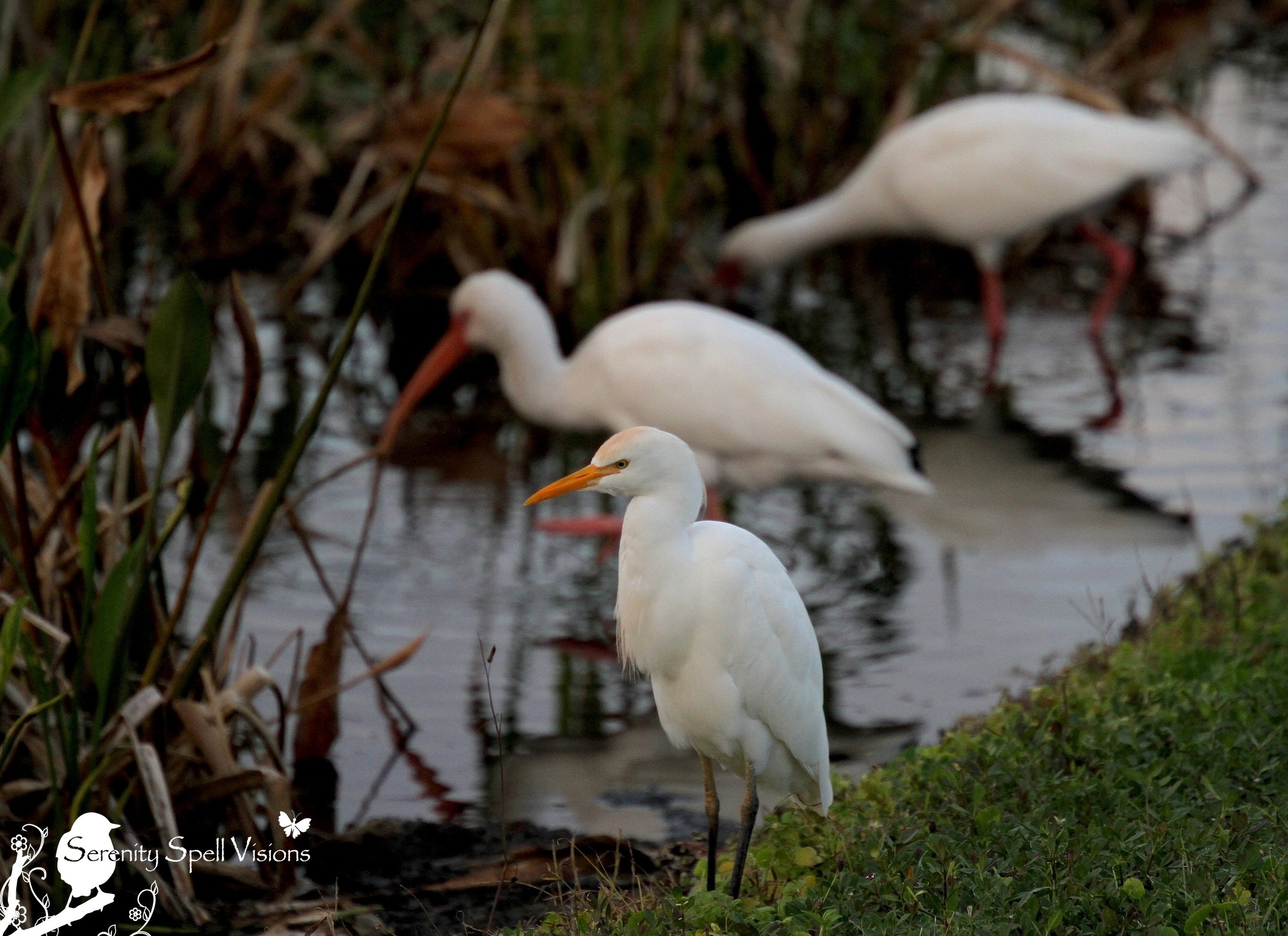
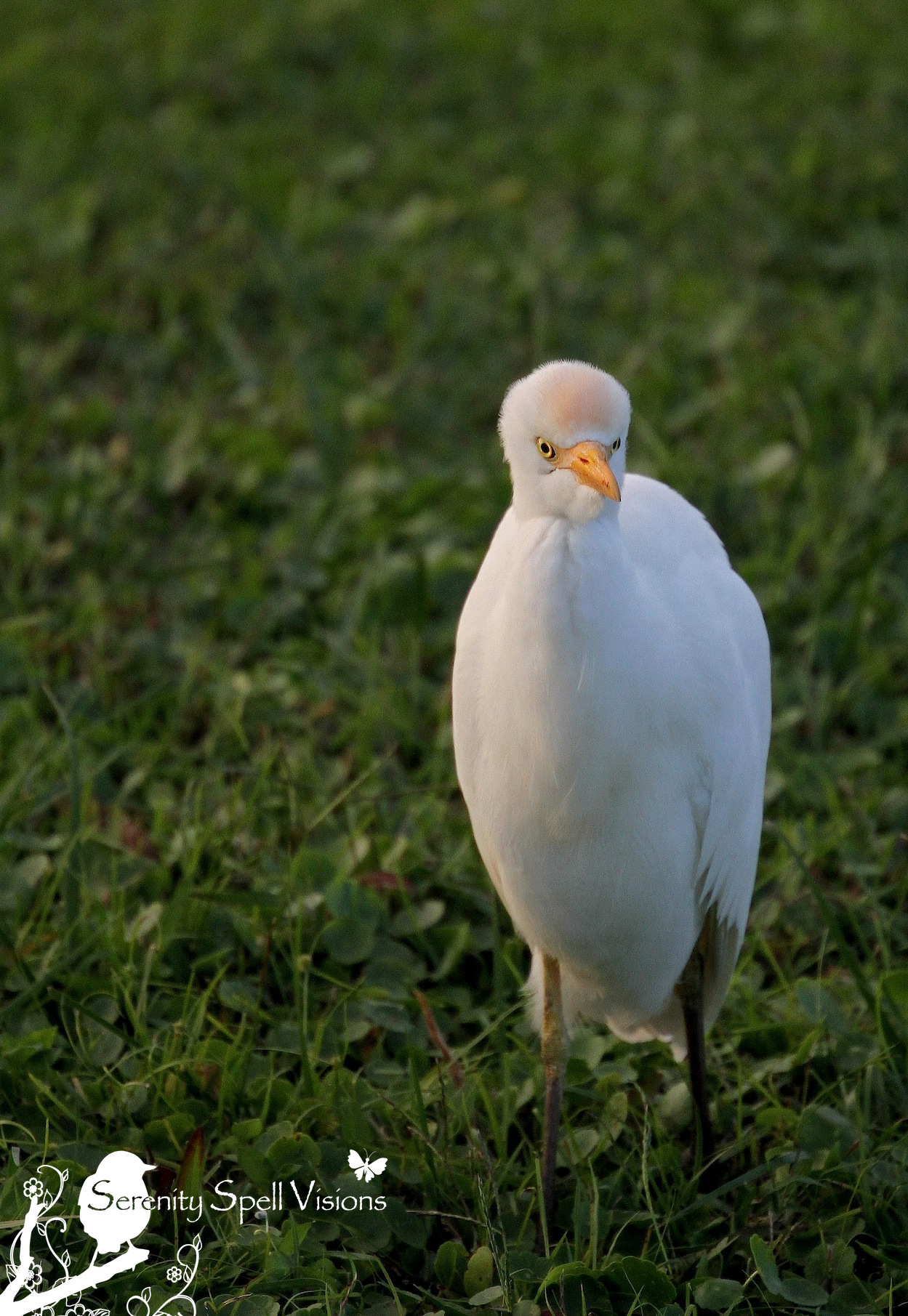
I don’t need the most elegant display to snap out of it, even if it’s temporary. This lone cattle egret was in the company of a group of ibis in our protected wetlands, who were busy grooming for the night ahead. Amid the flurry of their activity, there he sat, content in the setting sun. Thanks, little egret, for my much-needed moment of Zen….

Cattle Egret and Ibis in the Florida Wetlands

Calm amid the hubbub, with the grooming and foraging Ibis

Cattle Egret in the Florida Wetlands

Look how lovely I am, humble and peaceful little Cattle Egret…

Cattle Egret in the Florida Wetlands

….So snap out of it, girlie!

Flying Zebras: Florida’s State Butterfly

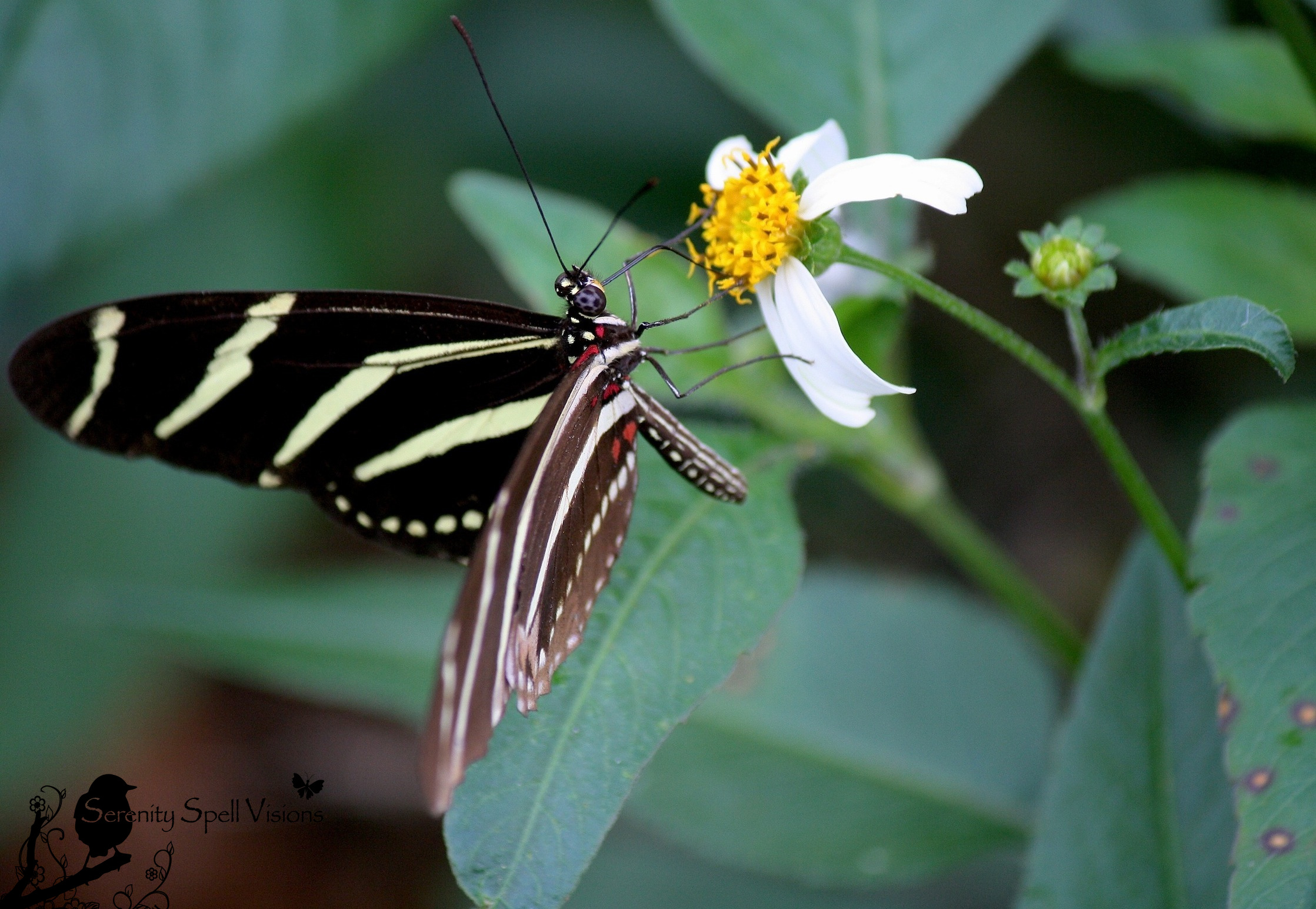
With Florida’s abundant all-year blooms, flurried butterfly activity is a welcome sight on hikes. The most common encounter is the Zebra Longwing (Heliconius charitonius), designated as the official state butterfly of Florida in 1996. No wonder it’s the state butterfly; it’s found throughout Florida in hardwood hammocks, swamps, wetlands, meadows, and in the Everglades. And if you’re keen to plant native, butterfly-friendly plants in your garden, you’ll quickly be visited by these lovelies.

While Longwings can be seen throughout Florida, they’re most abundant in the southern half of the state.

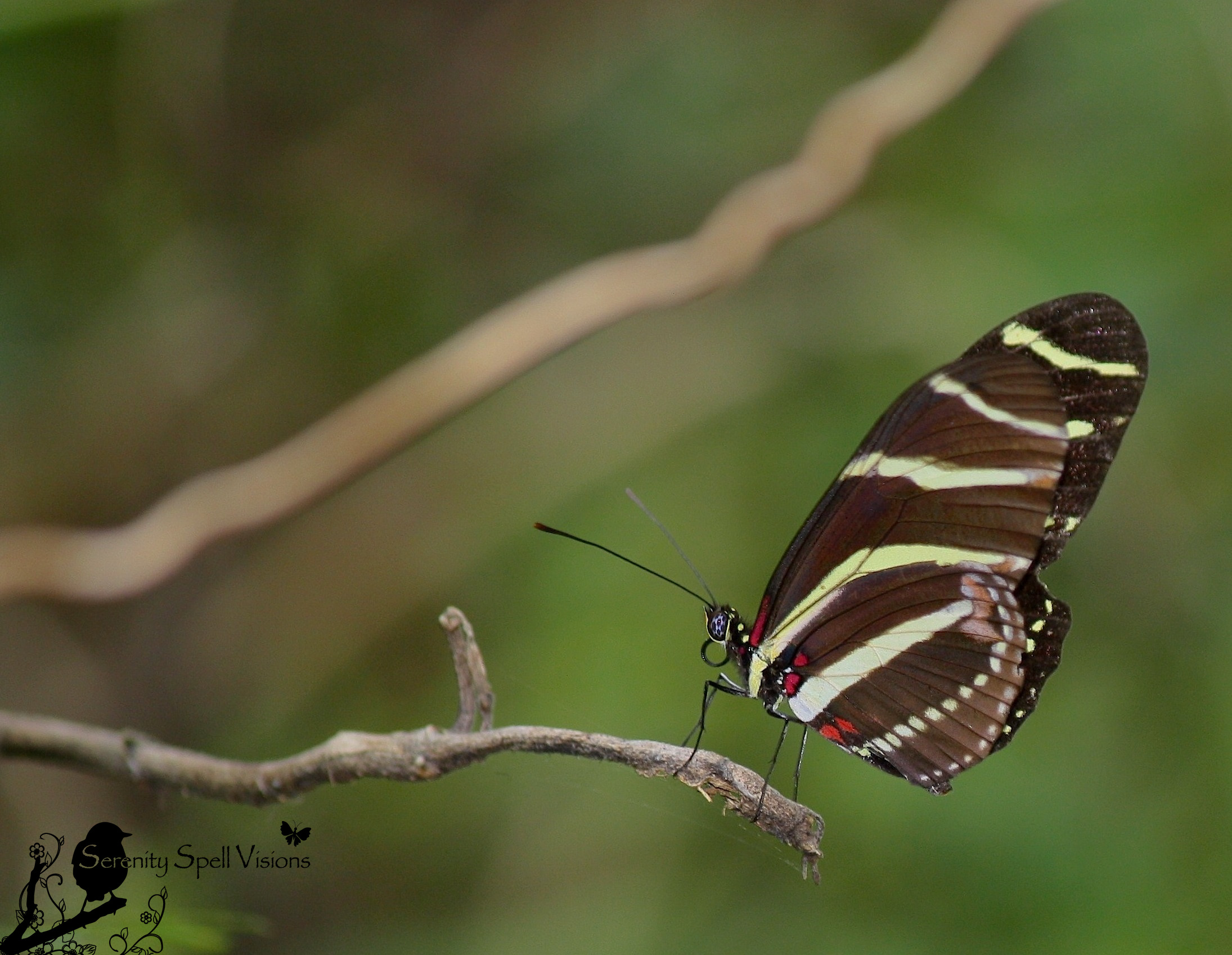
Zebra Longwing (Heliconius charitonius)

Zebra Longwing (Heliconius charitonius) in Loxahatchee National Wildlife Refuge: Cypress swamp habitat

Despite its common presence, it’s always a wonderful sight — bright and bold in our swamps and marshes. As the name suggests, Zebra Longwings sport long, narrow wings, with light yellow and black stripes.

Zebra Longwing (Heliconius charitonius)

Zebra Longwing in Fern Forest Nature Center: Oak hammock environment

Adults can mate immediately upon emerging from the chrysalis — I once witnessed a few Zebra Longwings crowding a poor lone Longwing, and feared they were attacking him/her. I now understand what was happening — the female was emerging from her chrysalis, as the males had been attracted to her scent through the chrysalis wall. They battle their way to mate with her, as she emerges. Hello, world?!

Another unusual sight I’ve witnessed (but haven’t been able to capture well) is their roosting behavior — Longwings will group together as dusk approaches, to keep warm through the night. They return to the same roost night after night….

Zebra Longwing (Heliconius charitonius)

Zebra Longwing in Riverbend Park: Open meadow habitat

A tropical and subtropical species, the Zebra Longwing is unlike other butterfly species that live for only a few weeks: these guys can live for up to six months (6 months!), since they eat the pollen AND the nectar from flowers. They are the only butterfly to do this, and the energy from the pollen extends their lives. The caterpillar feeds on various varieties of the Passion Flower (Passiflora), which is another great reason to have this beautiful vine in the yard, if you live in the Southern parts of the U.S. (and South and Central America). They’re easy to grow, and oh-so-lovely — and their widespread health benefits have been respected for centuries.

Outside of passiflora tea, it’s been used  for more than two centuries by Native Americans as a sedative and relaxant — and traditional medical practitioners accept its help in alleviating pain and lowering blood pressure, among other things. Even WebMD acknowledges its use for seizures, withdrawal symptoms, asthma, fibromyalgia, burns, swelling, muscle spasms, and more. Passiflora was approved as an over-the-counter sedative and sleep aid in the U.S., only to be taken off the market in the ’70s, like so many other natural remedies.

Yet another example of the many gentle and beautiful ways in which Nature provides!

Passion Flower (Passiflora), "Lavender Lady"

Passion Flower (Passiflora): “Lavender Lady” example at Butterfly World

Passion Flower (Passiflora), "Inspiration"

Passion Flower (Passiflora): “Inspiration” example at Butterfly World

For more information on introducing butterfly-friendly plants to the garden, visit Butterfly World and its wealth of information. Butterfly World’s conservation efforts include the establishment of The Passiflora Society International, which was established at the site to encourage research on Passion Flowers, the source of food for many butterflies. A North American “Bring Back the Butterflies” campaign is also active here, with thousands of people across the country receiving free literature on butterfly gardening for their region. Check it out! Butterfly World also helped establish the Boender Endangered Species Laboratory at the University of Florida — instrumental in saving the endangered Schaus Swallowtail, and reintroducing the species to South Florida.

Great Dragons: The Alligator Totem

In honor of the New Year, and of the most wonderful and beautiful alligators, here’s a bit of history and symbolism associated with these critters.

In Ancient Egypt, alligators were identified with fury and ferocity. In medieval Europe and earlier, they were the symbol of the dragon; sometimes this association was positive, sometimes negative. The dragon could be the fierce guardian of treasure, or the keeper of great wisdom. But to encounter an alligator signified an opportunity to develop new wisdom — wisdom that must be used carefully.

[Below is a glimpse of the inhabitant alligators encountered on a hike in the Grassy Waters Preserve — specifically the SWA Trails within the Preserve, the Rookery Loop, and the outer Owahee Trail.]

Alligator in the Everglades, Florida

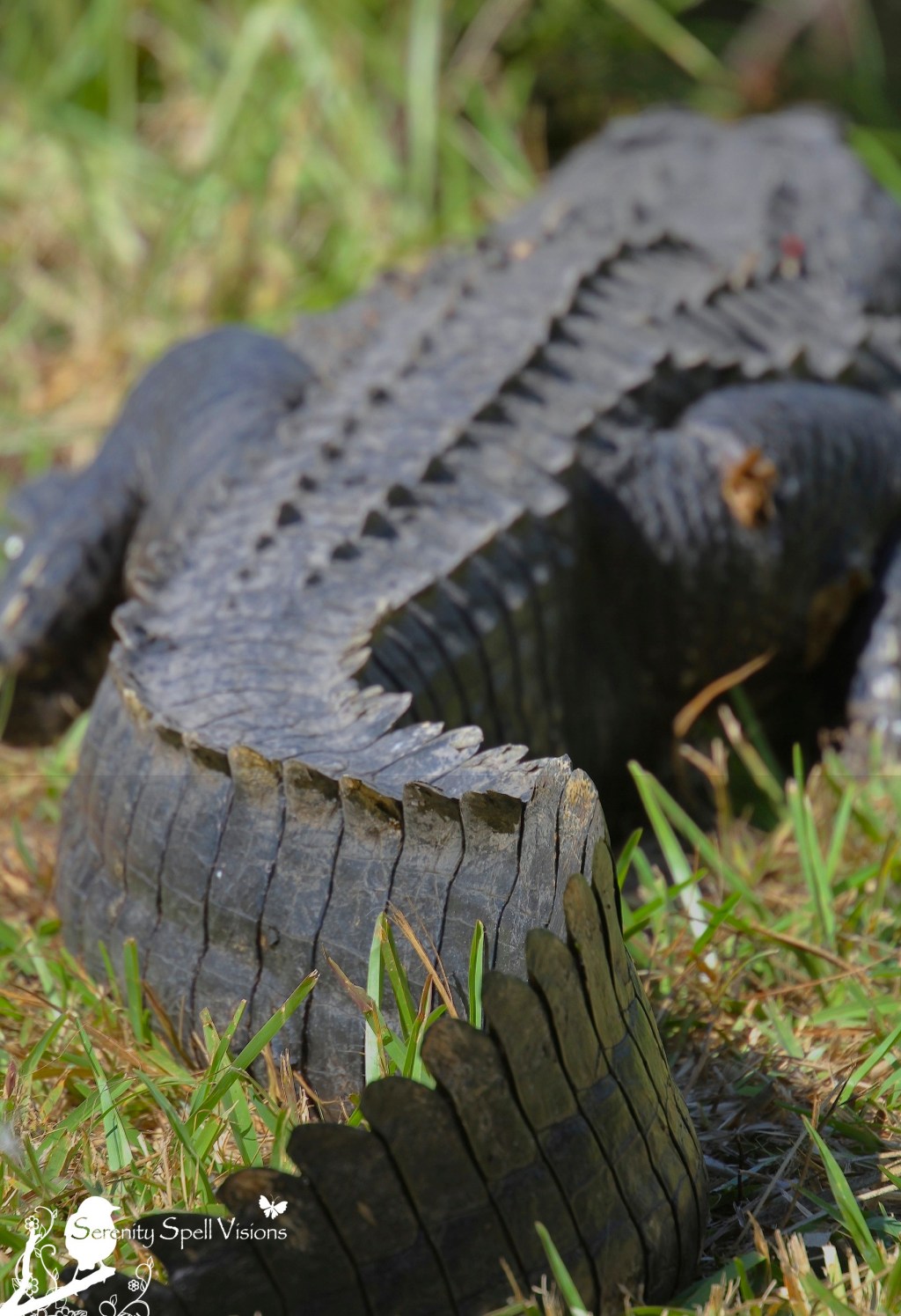
Dragon Tails/Tales: Smaug is present

As I like to constantly observe in my wanderings, alligators are excellent mothers. They will fiercely defend their nests, and when the young are ready to hatch, squeaking from inside their eggs — the mother answers, helping them hatch. She then gently carries them in her mouth to the water.

Alligators’ mothering energy and symbolism is potent:

Mother Alligator and Hatchling in the Florida Wetlands

Gentle and protective momma

Finally, alligators have a rapid growth rate — much more so than crocodiles, for example. They can grow as much as a foot each year, until reaching their final length of up to 16 feet, at 1,200 pounds. For those with an alligator totem, seek an opportunity for initiation and using new knowledge — but be careful to do so in a balanced manner. An alligator digests its food very slowly, and similarly you should digest this knowledge before moving on to the new.

If these wonderful creatures appear, look for opportunities to get in touch with primal energies, and take advantage of birthing and/or initiations that will spawn new knowledge and wisdom. And while some of you may not see these great dragons in your northern climes, may 2013 bring greater wisdom, new ventures, and opportunities galore via these lovely faces… and for those of us in the swamps, may the new year bring more lovely ALLIGATORS!

Sunning Alligator in the Everglades, Florida

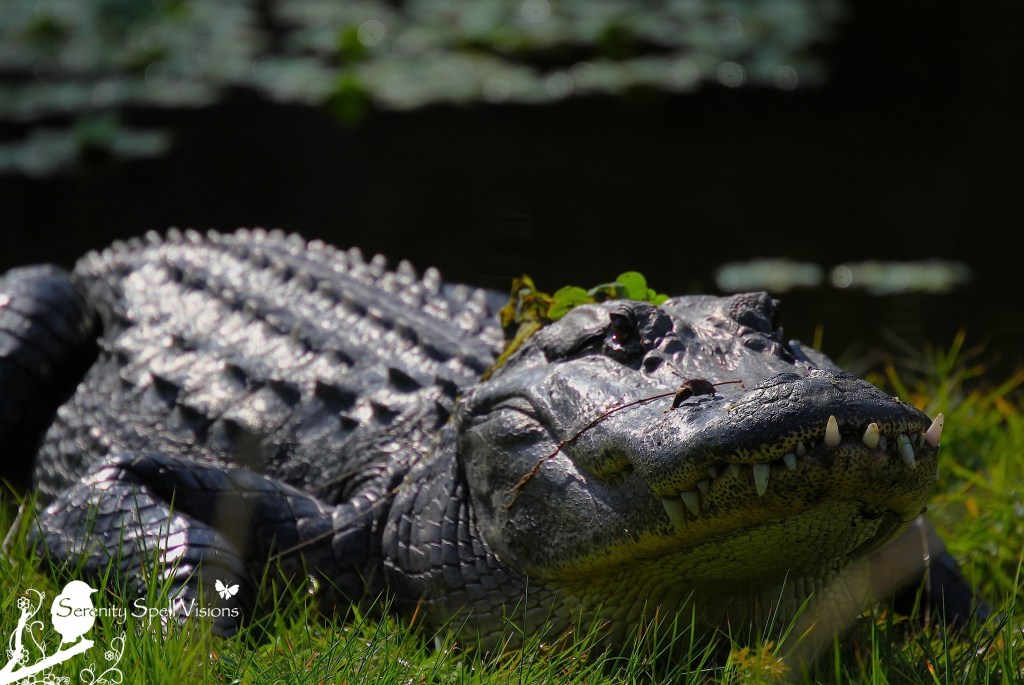
Sunning with a crooked smile

For more information on alligator symbolism and totems, visit the iconic Animal Speak: The Spiritual & Magical Powers of Creatures Great & Small, by Ted Andrews.

Part of: