Skip to content

Posts tagged ‘photography’

World Water Day 2012

On March 22nd, 1993 the world celebrated its first World Water Day, established by the United Nations as a day for global consciousness of our most precious resource. Despite the fact that we live on a water-covered planet, only 1% of the world’s water is available for human use. With exploding population growth, access to a healthy and sustainable diet is becoming more critical — as is the need to reduce rampant food and water waste. Each year, World Water Day celebrations host different themes; this year’s focus is on “Water and Food Security.” Nearly 900 million people across the planet lack access to safe water, and 2.6 billion people lack adequate sanitation.

I saw firsthand the effects of a lack of access to this treasured resource (which is consequently tied to a poor diet), growing up where I did. We take the luxury of running water for granted in this, and most, countries. And now, living in such proximity to the Everglades (in what sadly once was the ‘glades), one quickly learns the destructive force of humankind on an entire ecosystem — a wholly unique environment on this planet — when natural waterways are re-diverted to suit development needs. I’m still on the lookout for local Water Day events…

I’ve always been surrounded by water, but humans have done their best to harm it, and in effect, the entire plant, animal, and human populations it governs, supports, and feeds. This March 22nd, help celebrate and remember that Earth has always been, and always will be our Mother — and we’re all here together, sharing her resources.

Visit National Geographic‘s informative blog, WaterAid, or the official United Nations Water Day site and its diverse materials (which provides promotional brochures, educational guides and more)….

Egret in the Everglades, Florida

Everglades, Florida

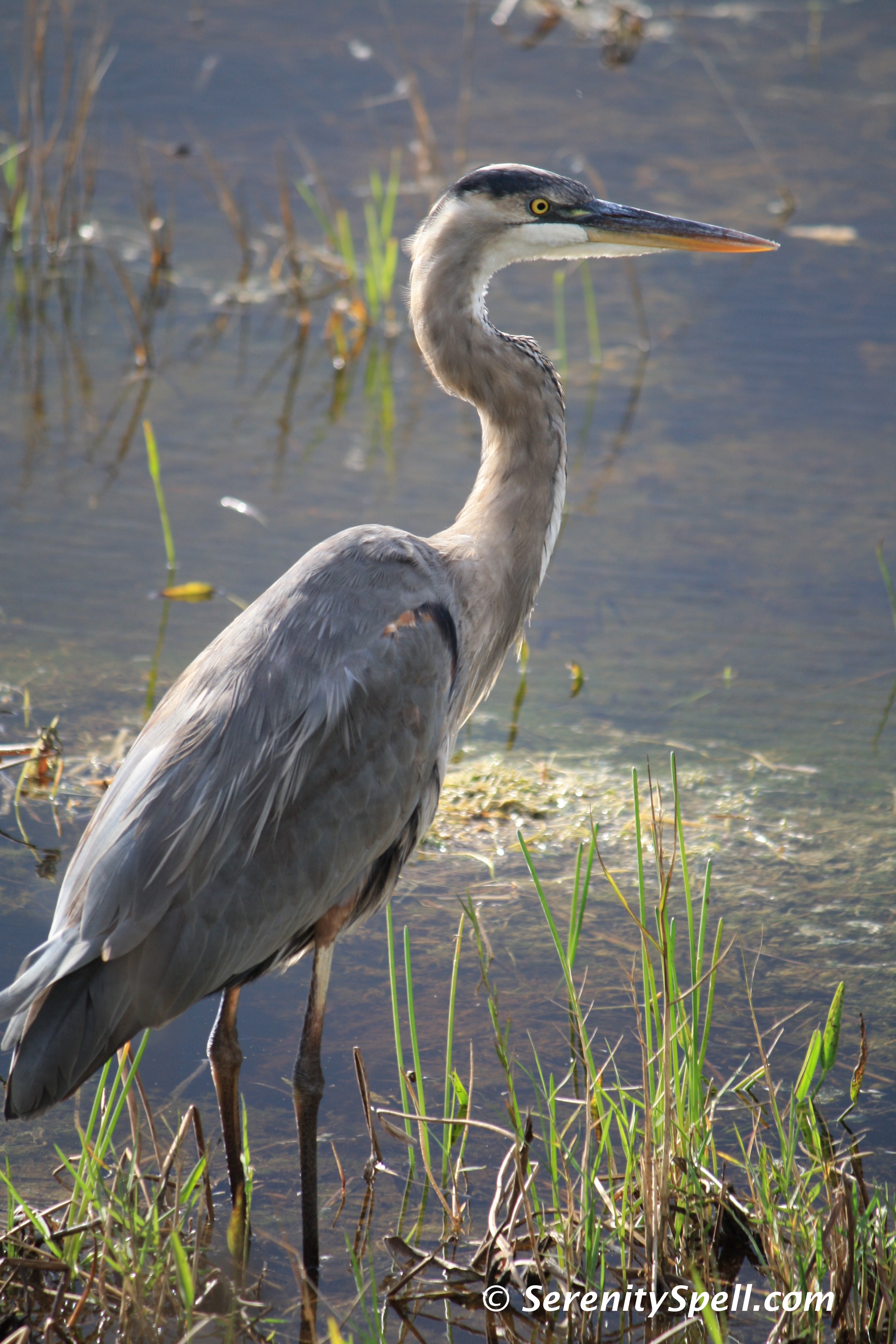
Great Blue Heron, Everglades, Florida

Air, Water + Earth: The Savannas

Despite our fanatical hiking throughout South Florida, we had never investigated the Savannas — and within the space of one week, it came up in conversation no less than three times (once from a fellow blogger). Obviously a sign! We were insanely lucky to visit on a cool, cloudy, and windy day after an unseasonably warm (read: HOT) spell. We investigated a few trails from the Education Center, as well as further within the park. Afterwards, we drove towards Jensen Beach to check out Hawk’s Bluff, also part of the park and an extension of the Florida Trail. Located along the eastern edge of the Savannas, Hawk’s Bluff is a lovely 1-mile loop trail, marked by sand dunes and oak hammocks, leading to the water’s edge overlooking the Savannas. If anyone has suggestions for other trails and access points, please give a shout!

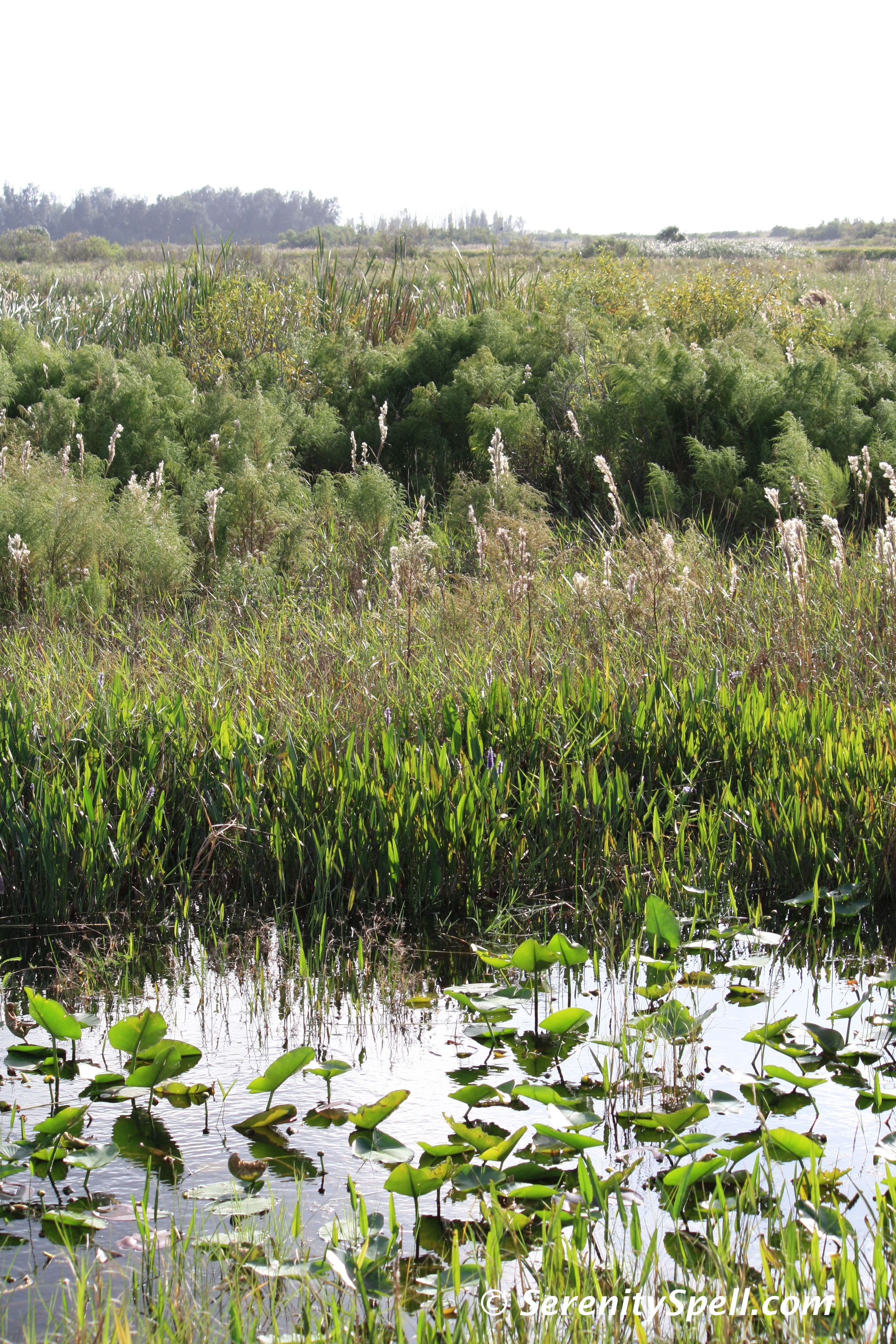
Managing nearly 6,000 acres, the preserve represents the largest and most ecologically intact swath of freshwater marshes, or “savannas,” that once extended along Florida’s entire southeast coast. Looking across their lovely vastness today, it’s downright depressing to picture the hotels that currently reside in their place. The open wetlands filter rainwater and runoff from the surrounding dunes and pine flatwoods, creating a unique biological community — an endangered landscape — as they continue to preserve and feed vital waterways and ecosystems, including the Atlantic scrub ridge, freshwater marshes, and the estuaries of the St. Lucie Inlet. The preserve is comprised of six natural communities: pine flatwoods, wet prairie, basin marsh, marsh lake, sand pine scrub, and scrubby flatwoods. While each community is home to its own fauna and flora populations, the sand pine scrub habitat represents an increasingly imperiled ecosystem, and shelters several of Florida’s most threatened and endangered animal and plant species. The Savannas’ many wildlife species include the threatened Florida scrub jays, gopher tortoises, alligators, deer, and sandhill cranes. American bald eagles have recently made their homes in the preserve, as well — the nests of several pairs are located in the more isolated areas. The park is also one of the few remaining natural habitats in the U.S. for the endangered (and inedible) prickly apple cactus (Harrisia fragrans), which grows along the Atlantic Ridge in the scrub regions.

Being a chilly and windy day, we didn’t run into too many critters, but I did manage to spot a few (with some trees thrown in for good measure):

Green-on-Green Dragonfly

Water Flower

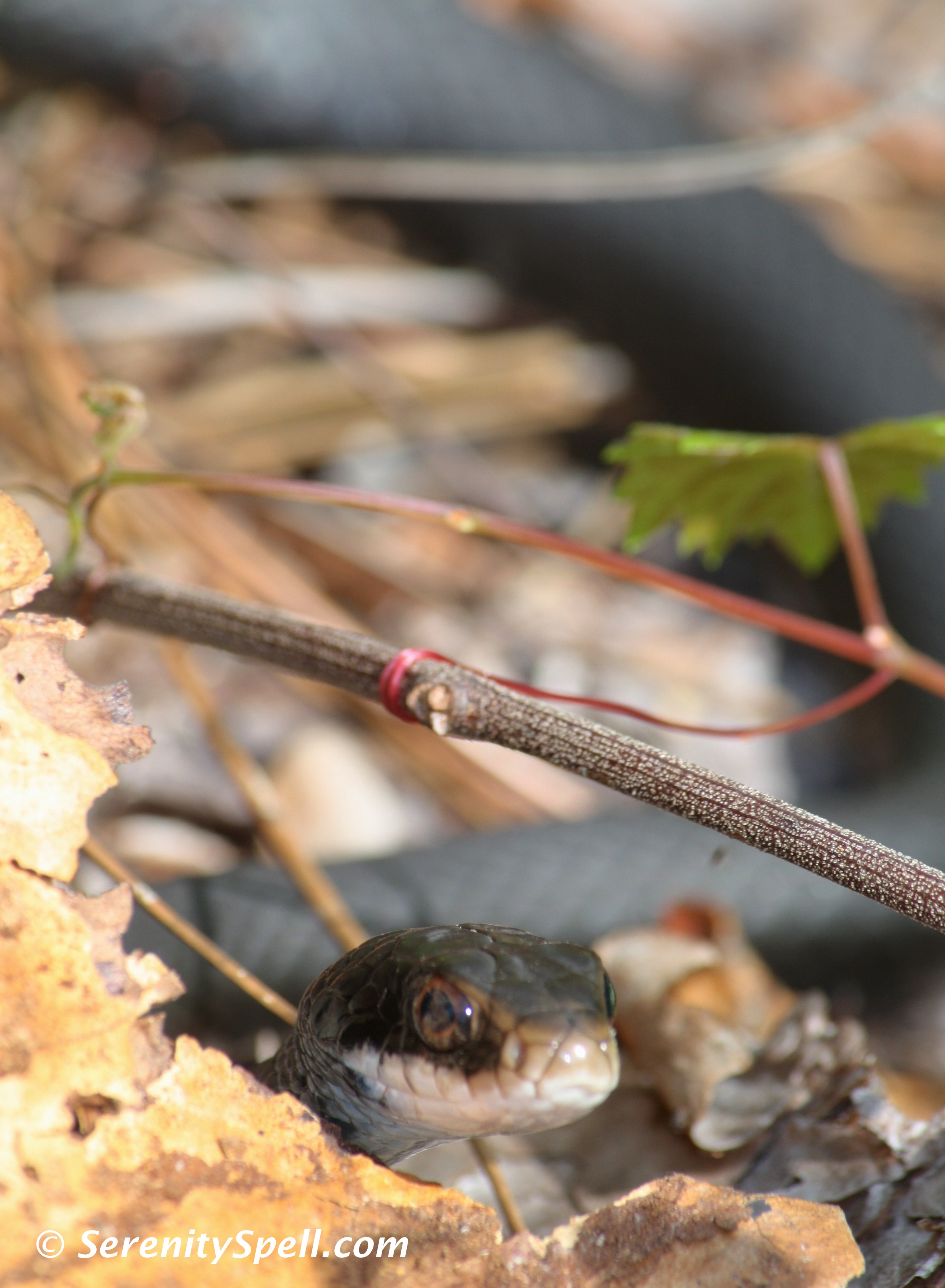
Rat Snake Catching Some Sun

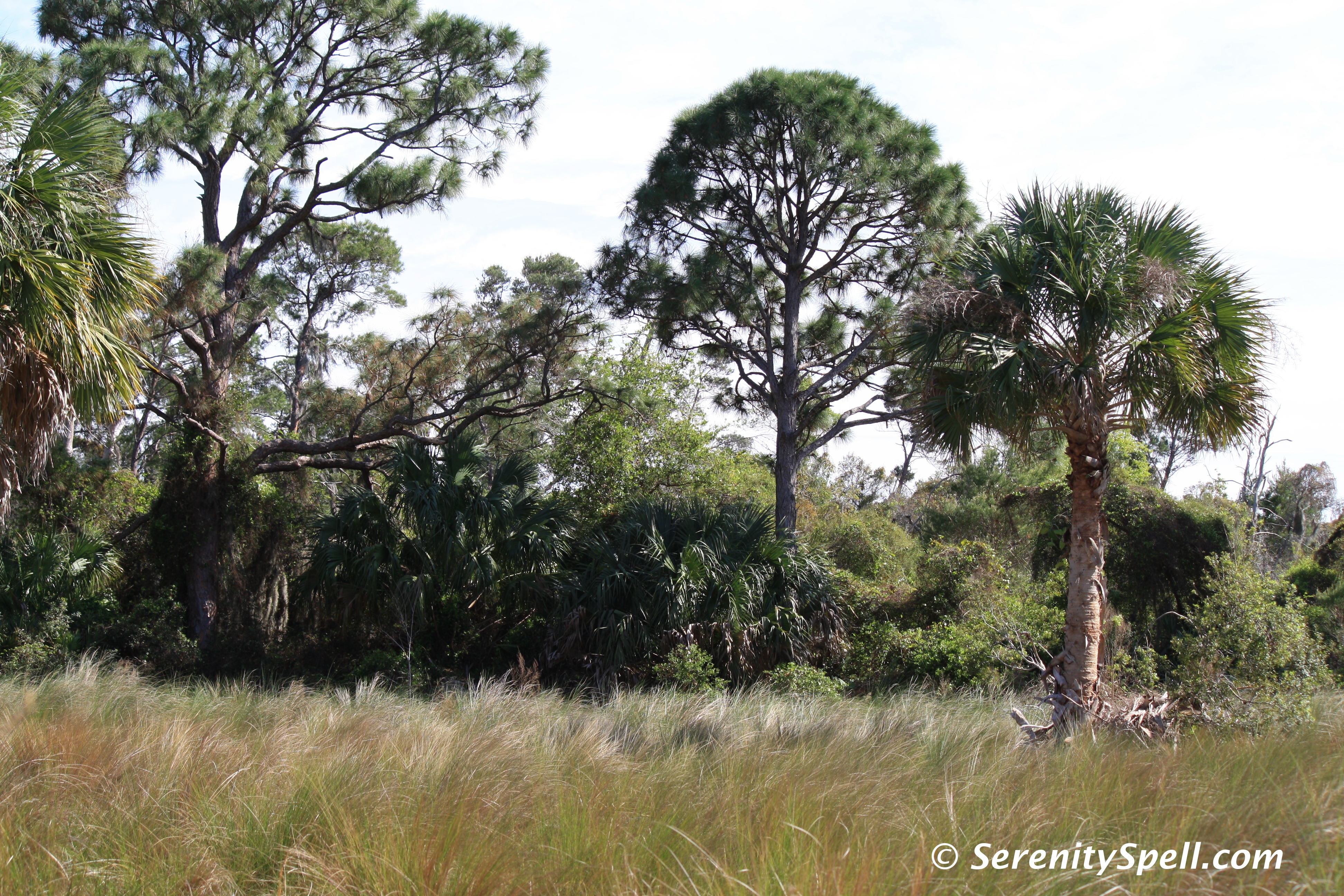
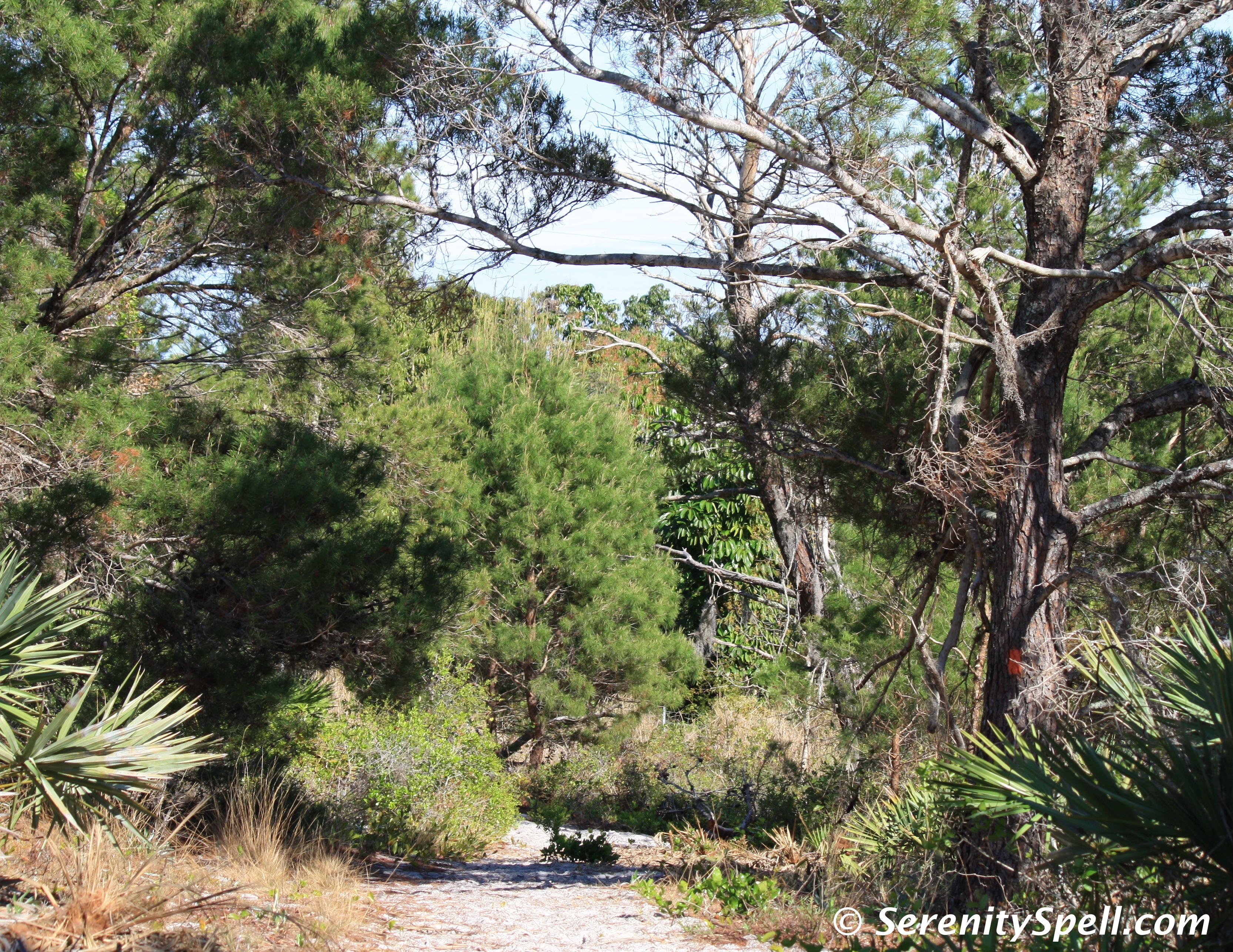
Palm and Savannas

Live Oak on the Hawk’s Bluff Trail

For More Information:

Savannas Preserve State Park: Southeast Florida’s Endangered Marshes

The Savannas Preserve State Park extends more than 10 miles in St. Lucie County, from Jensen Beach to Ft. Pierce. Managing nearly 6,000 acres, the preserve represents the largest and most ecologically intact swath of freshwater marshes, or “savannas,” that once extended along Florida’s entire southeast coast. Looking across their lovely vastness today, it’s downright depressing to picture the hotels that currently reside in their place. The open wetlands filter rainwater and runoff from the surrounding dunes and pine flatwoods, creating a unique biological community — and an endangered landscape — as they continue to preserve and feed vital waterways and ecosystems, including the Atlantic scrub ridge, freshwater marshes, and the estuaries of the St. Lucie Inlet. Slash pine trees in open grasslands mark the preserve, which is comprised of six natural communities: pine flatwoods, wet prairie, basin marsh, marsh lake, sand pine scrub, and scrubby flatwoods. While each community is home to its own fauna and flora populations, the sand pine scrub habitat represents an increasingly imperiled ecosystem, and shelters several of Florida’s most threatened and endangered animal and plant species.
Hawk’s Bluff Trail

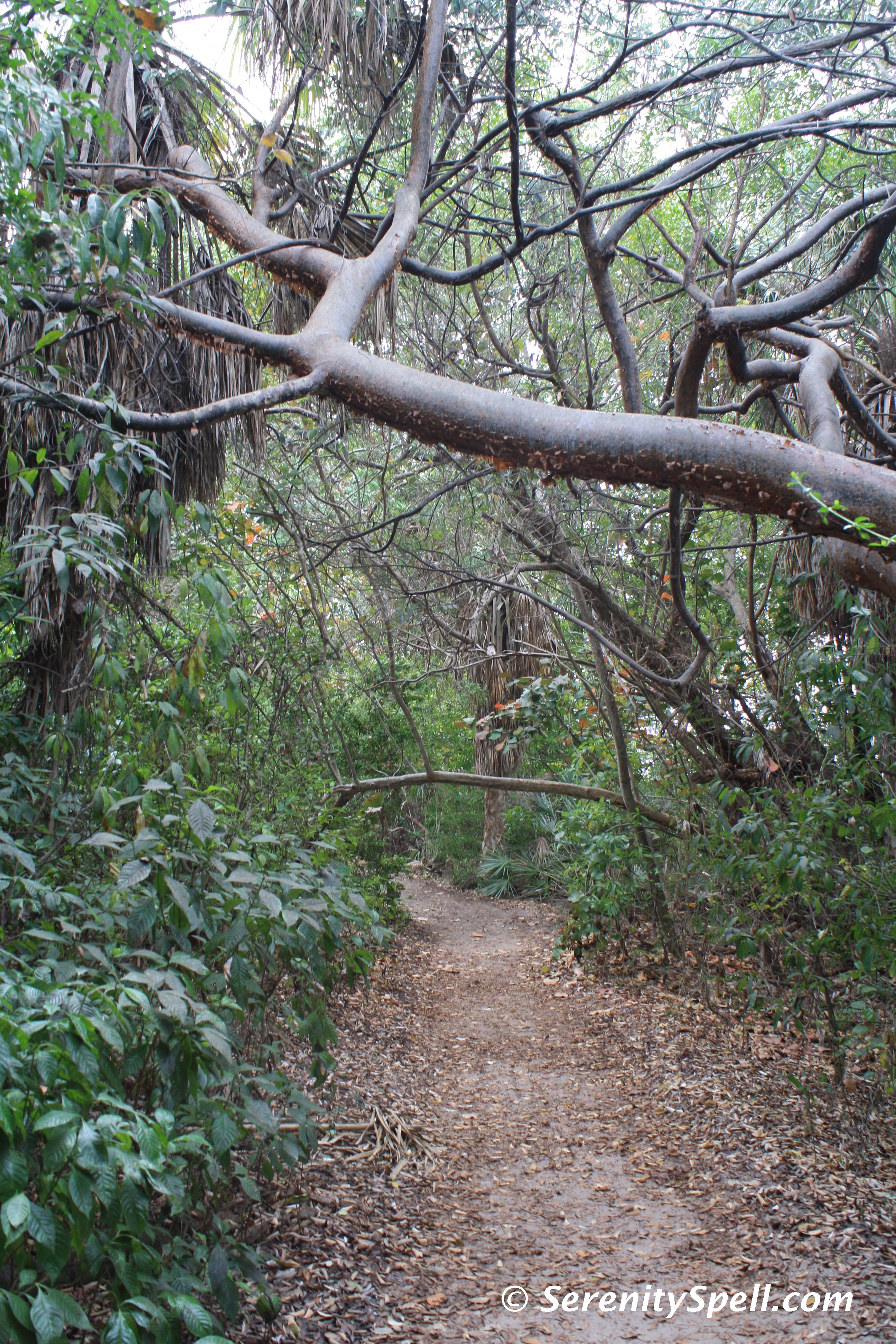
Despite our fanatical hiking throughout South Florida, we had never been to the park — and within the space of one week, “Have you ever been to the Savannas?” came up in conversation no less than three times (once from a fellow blogger). Obviously a sign! We were insanely lucky to visit on a cool, cloudy, and windy day after an unseasonably warm (read: HOT) spell. What’s good to know about the Savannas — for hikers, at least — is that there are multiple access/entry points for the park, to pick up trails. We investigated some of them at the Education Center, as well as further in the park. Afterwards, we drove east and south towards Jensen Beach (Blvd), then north on Savannah Road to check out Hawk’s Bluff, part of the park and an extension of the Florida Trail. Located along the eastern edge of the Savannas, Hawk’s Bluff is a beautiful 1-mile loop trail, with sand dunes and oak hammocks, leading to the water’s edge overlooking the Savannas. It was reminiscent of Northern California wilderness, and even a crater hike we did in Ocala. Just lovely. We can’t wait to return to investigate some of the other trails and access points…. If anyone has suggestions, please give a shout!

Flora & Fauna

The Savannas’ many wildlife species include the threatened Florida scrub jay, which is a year-round resident of the park, and gopher tortoises, alligators, deer, and sandhill cranes. American bald eagles have recently made their homes in the preserve, as well — the nests of several pairs are located in more isolated areas, and the birds have been seen by visitors as they hunt (not by us this time, sadly!). The park is also one of the few remaining natural habitats in the U.S. for the endangered (and inedible) prickly apple cactus (Harrisia fragrans), which grows along the Atlantic Ridge in the scrub regions.

Activities

Over 15 miles of multi-use trails are available for hiking, biking, and horseback riding. Canoeing, kayaking, and fishing in the wetlands are other popular activities. Picnic shelters are available throughout the preserve, with no reservation necessary.

History
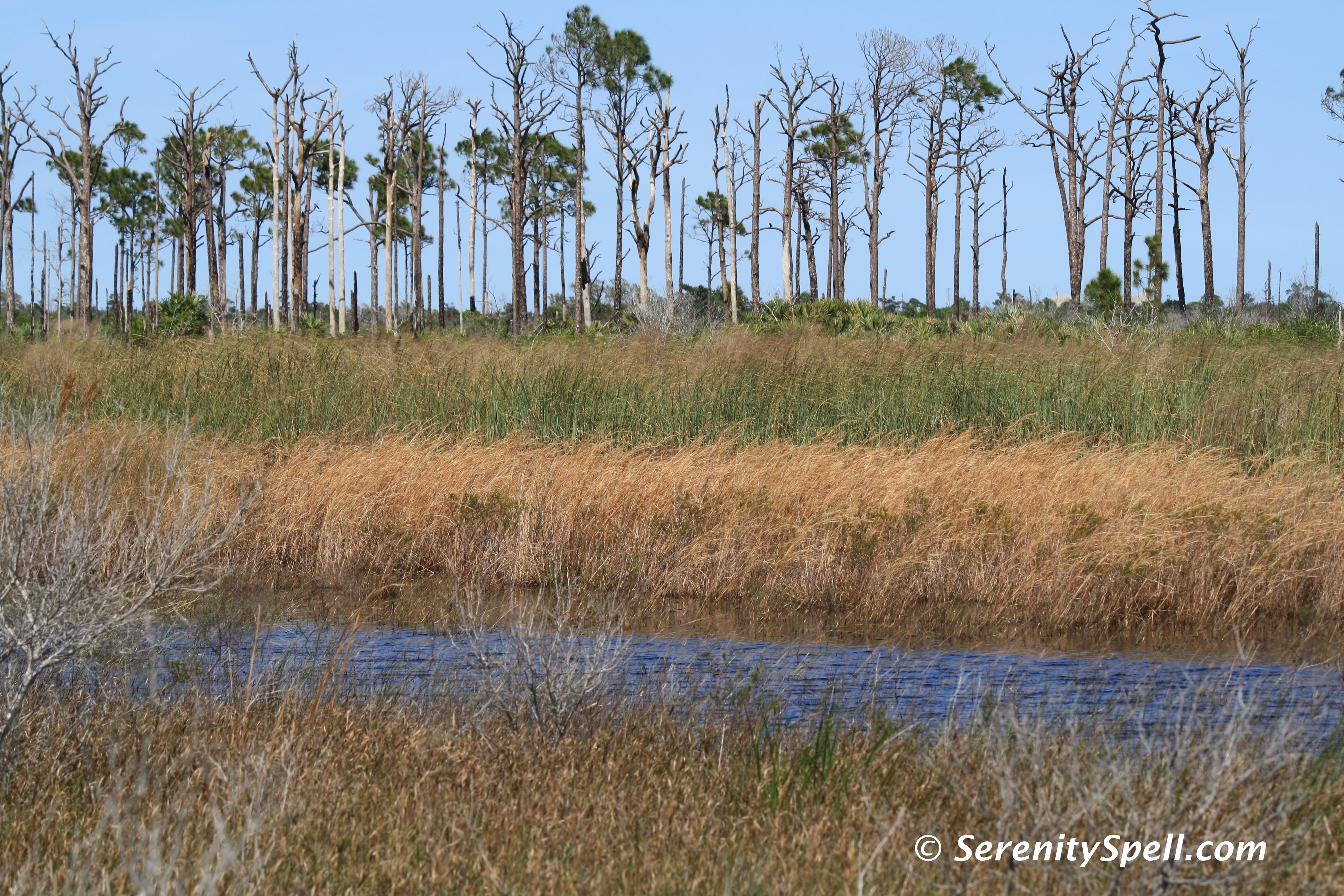
Marshes and Pines of the Savannas

Archaeological evidence has dated native occupation to the area to 7,000 years ago. Native peoples lived along the Atlantic Ridge, and relied on the font of wildlife and plant life of the nearby Indian River for sustenance. The term ‘savannah’ was used to describe a series of ponds and marshes that was “discovered” here during the Second Seminole War (1835-1842) by Lt. Colonel Benjamin Pierce. Pineapples began to be planted in the area in 1879 by Captain Thomas Richards, grown from cuttings transported from Key West. Jensen Beach quickly became known as the ‘Pineapple Capital of the World’ from 1895 to 1920, due to the explosion of pineapple plantations along the Atlantic Ridge. The park joined the Florida Park Service in 1977, and now encompasses nearly 6,000 acres.

Environmental Education Center & More
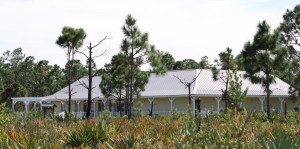
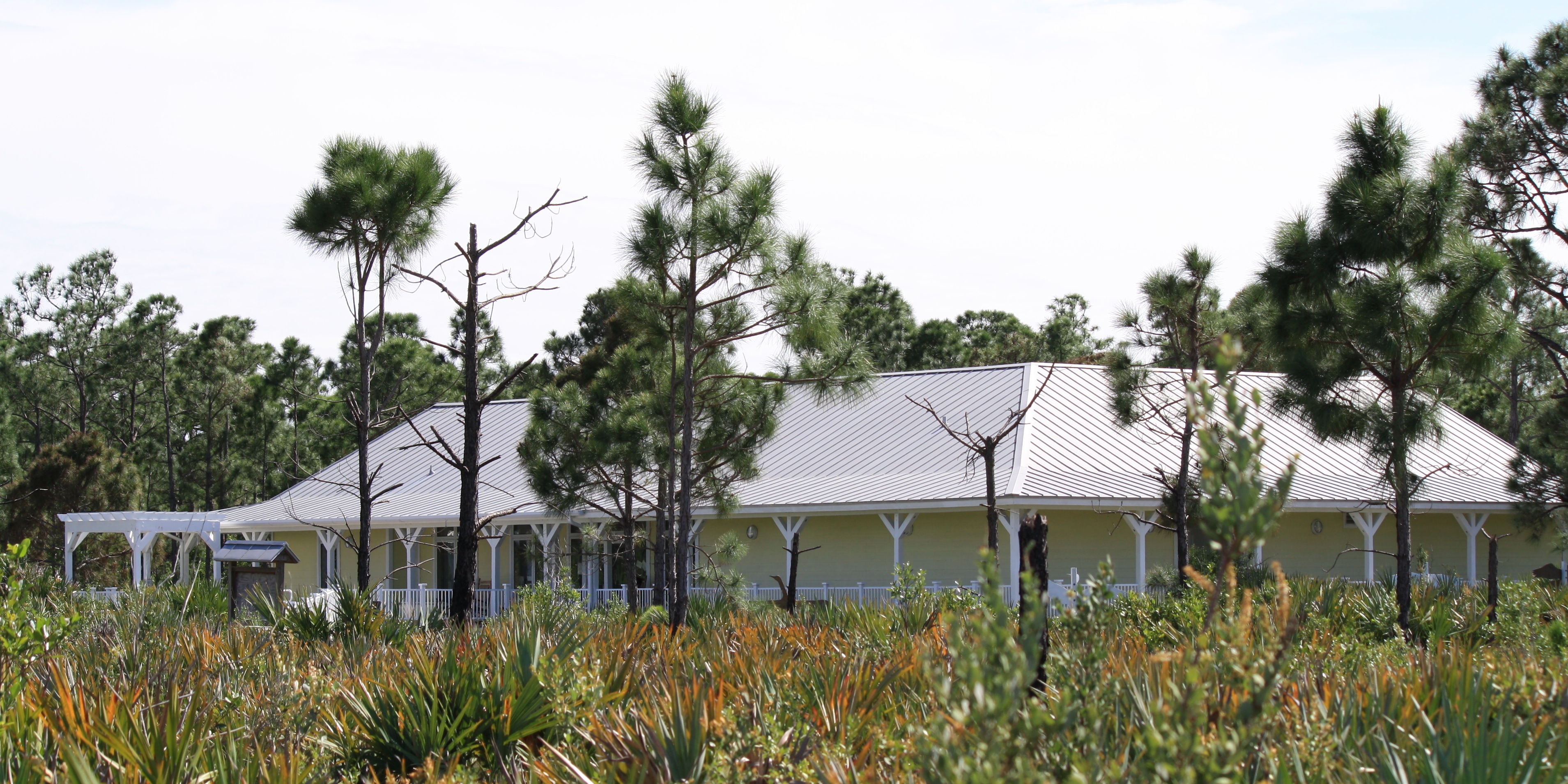
Environmental Education Center
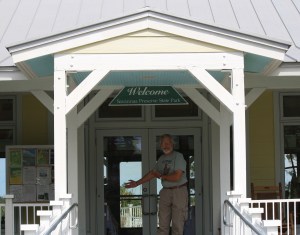
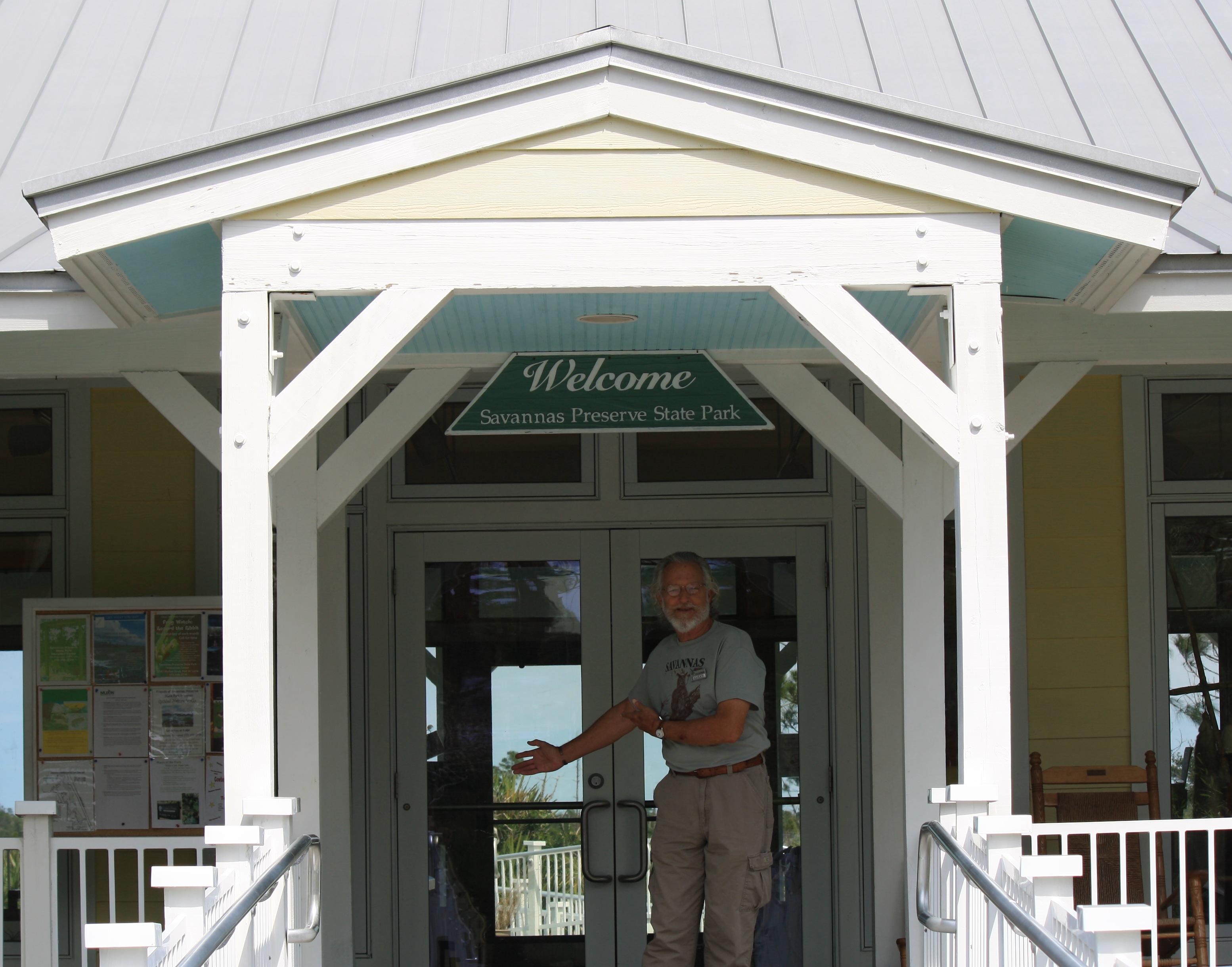
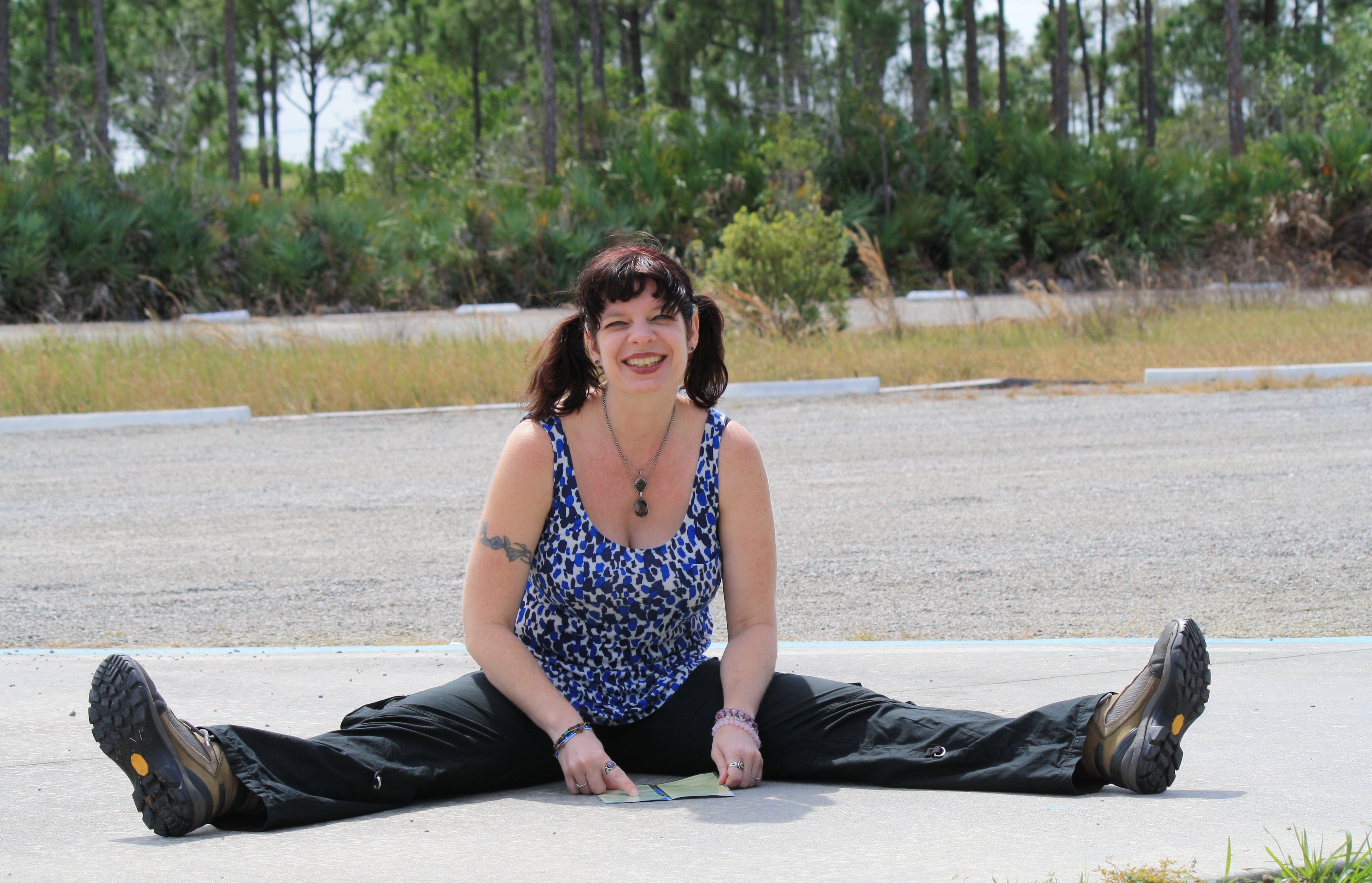
Lucky at the Environmental Education Center

At the Environmental Education Center, visitors can learn about the importance of this unique and endangered natural habitat. Live exhibits, a gift shop, and self-guided tour booklets are available at the Center, which is a veritable font of information for the newbie/learning Florida hiker (we seemed to be the sole native Floridians visiting that day) — they had great reference materials, and some wonderful people holding down the fort (thanks Lucky Straeffer!). Visit the website or pick up a calendar of events and the Echoes newsletter (also provided in the weblinks, below) for more info. The nonprofit support organization Friends of Savannas Preserve State Park also offers interpretive guided tours and canoe/kayak trips.

Hours & Pricing:

2541 Walton Road
Port St. Lucie, Florida 34952
(772) 398-2779

8 a.m. until sundown 365 days a year
Education Center: Thursday – Monday, 9-5

$3 / Vehicle
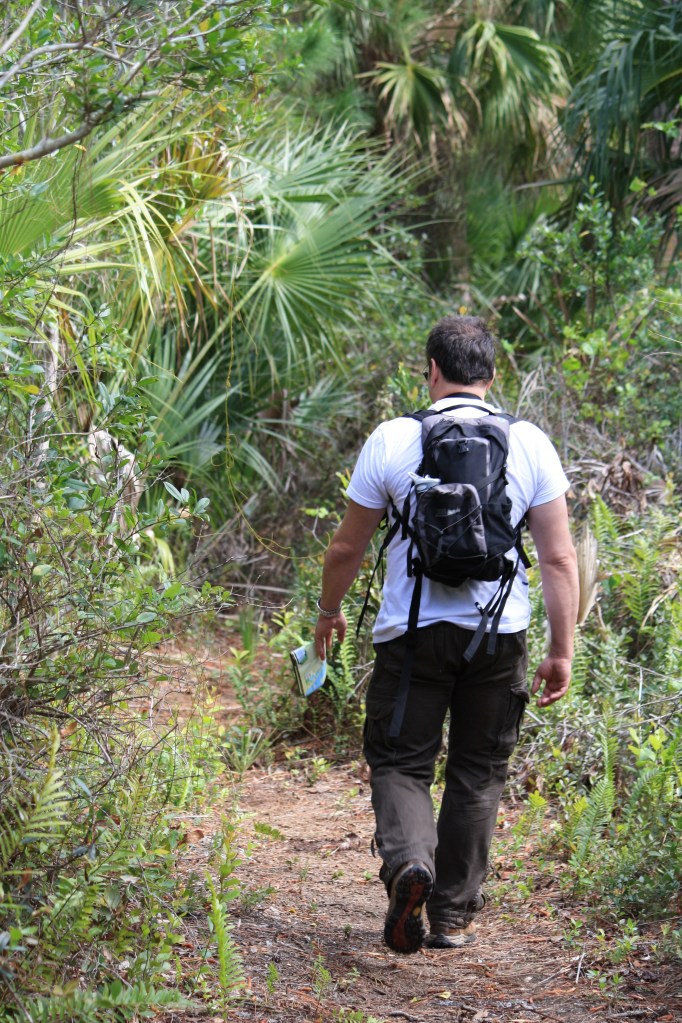
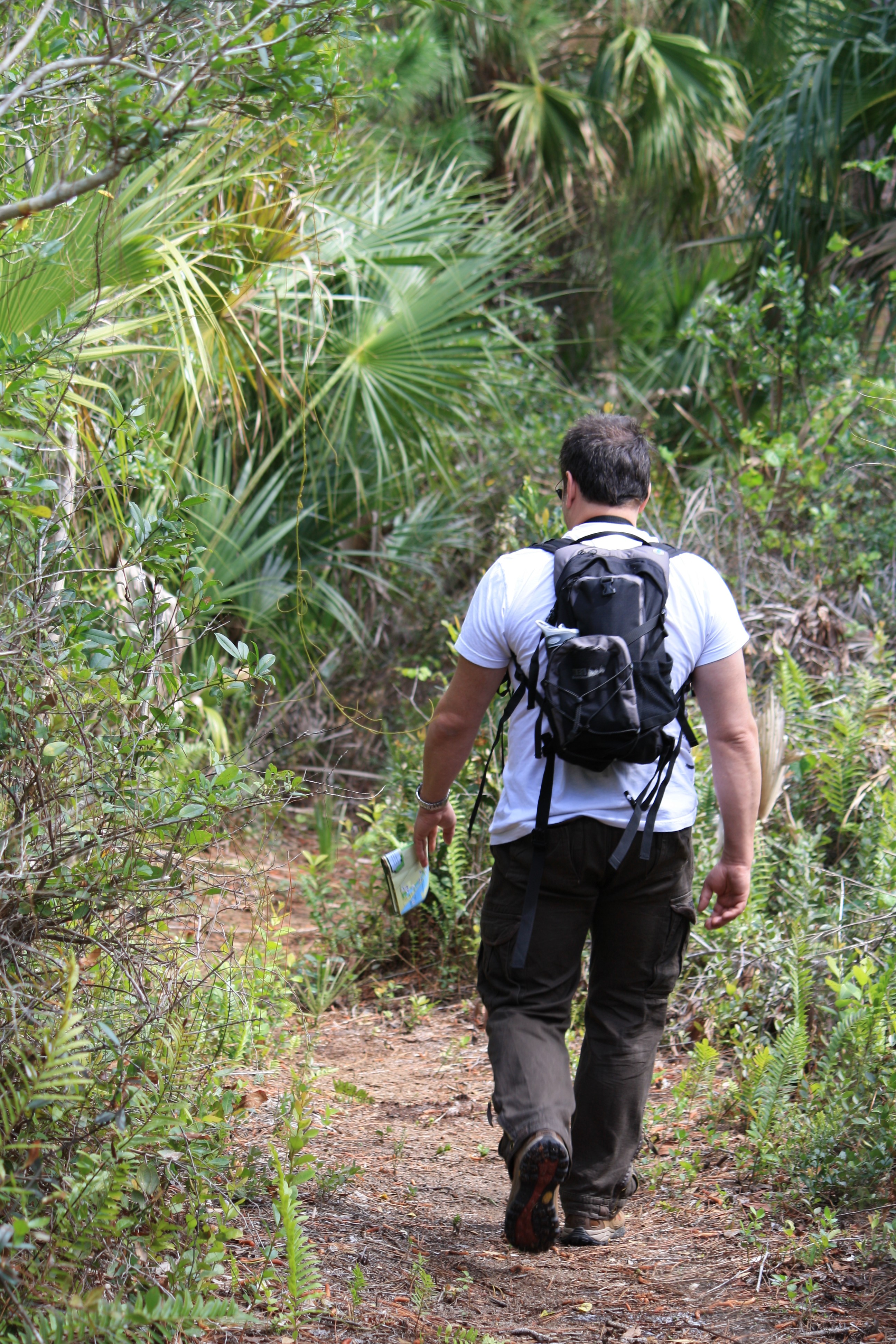
Short but Lovely Trail
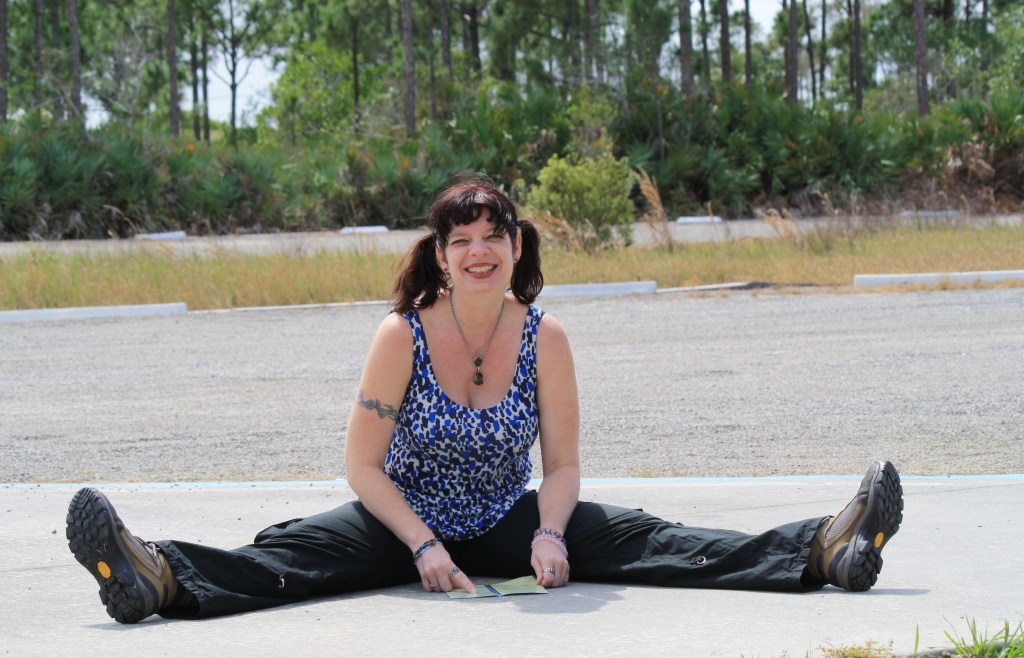
Preparing for the Next Scout/Hike
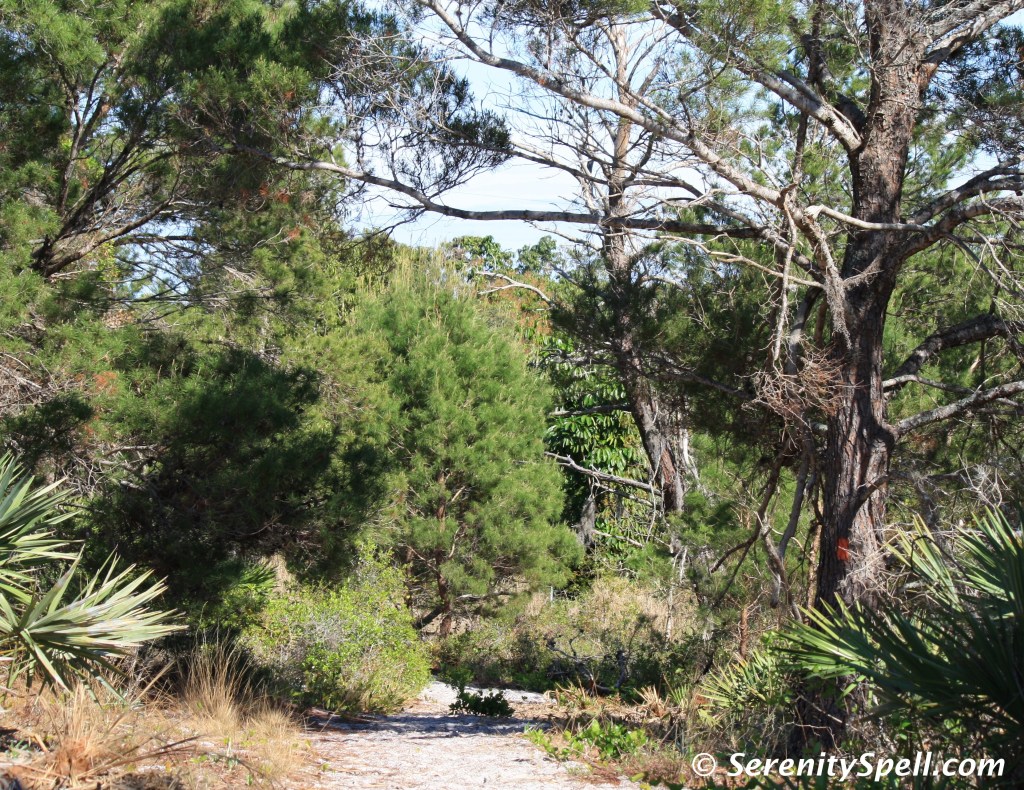
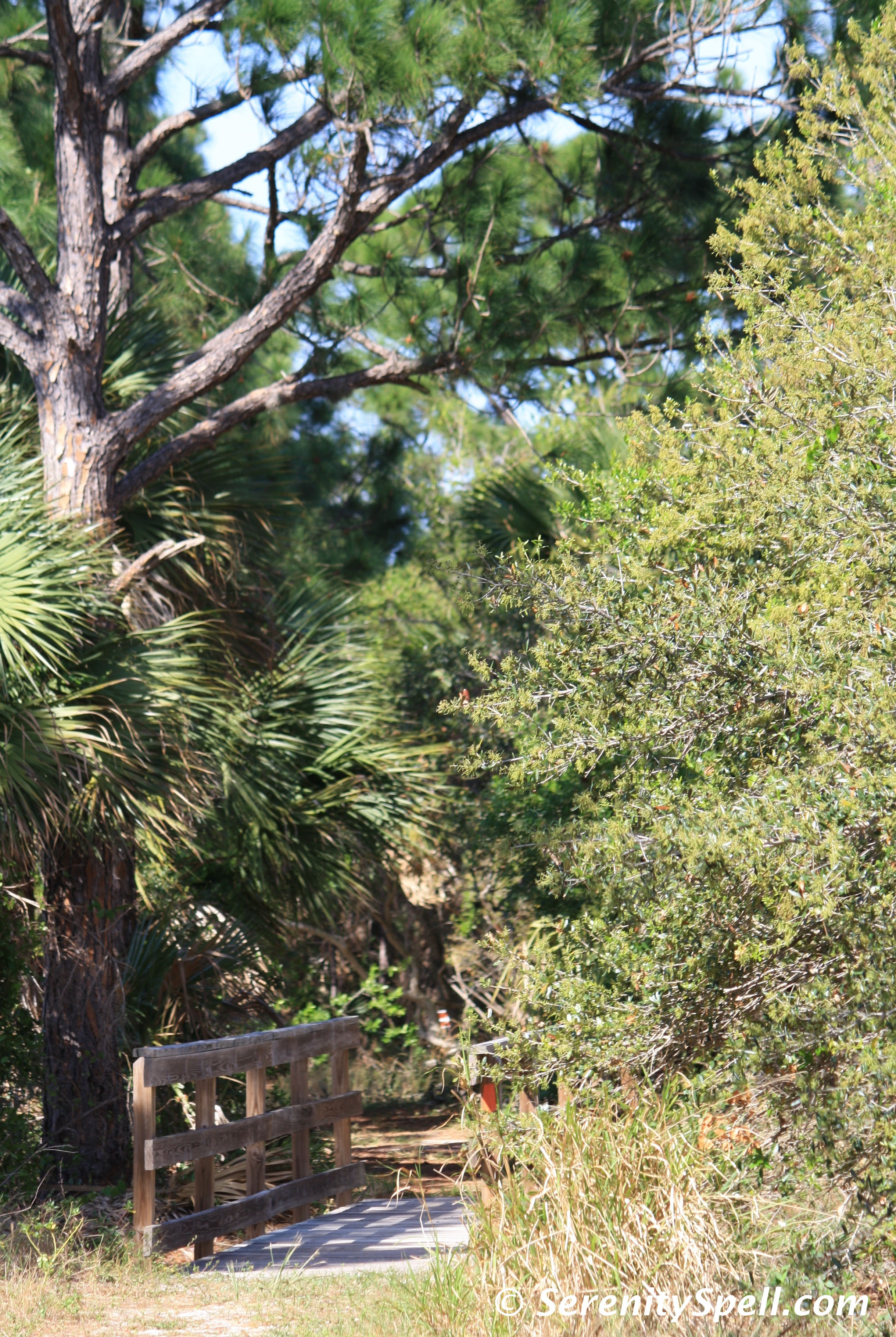
Hawk’s Bluff Trail
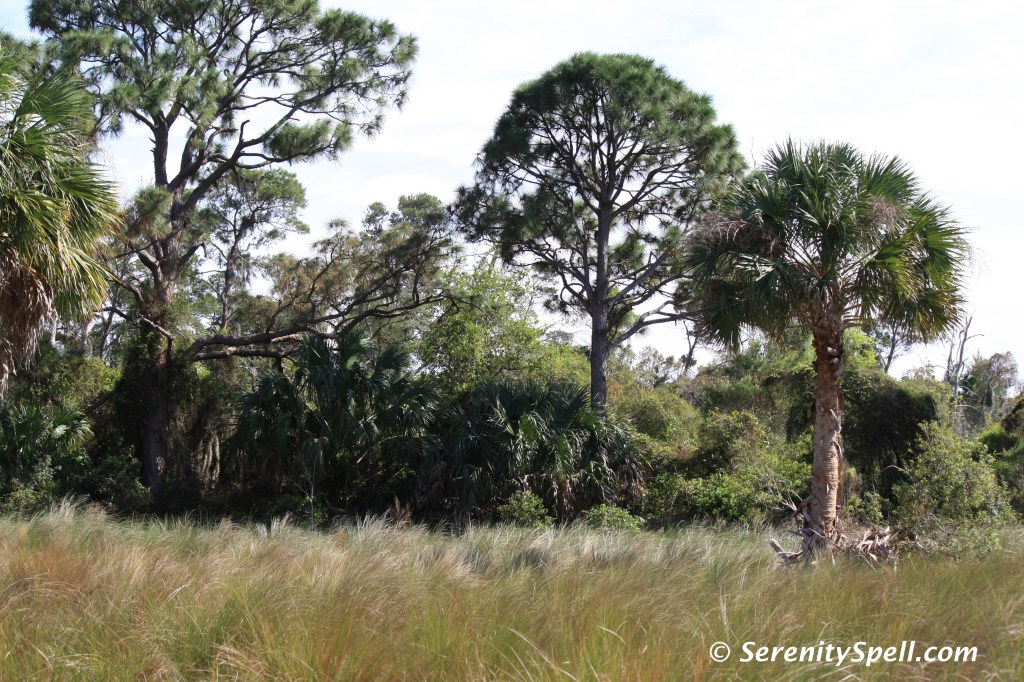
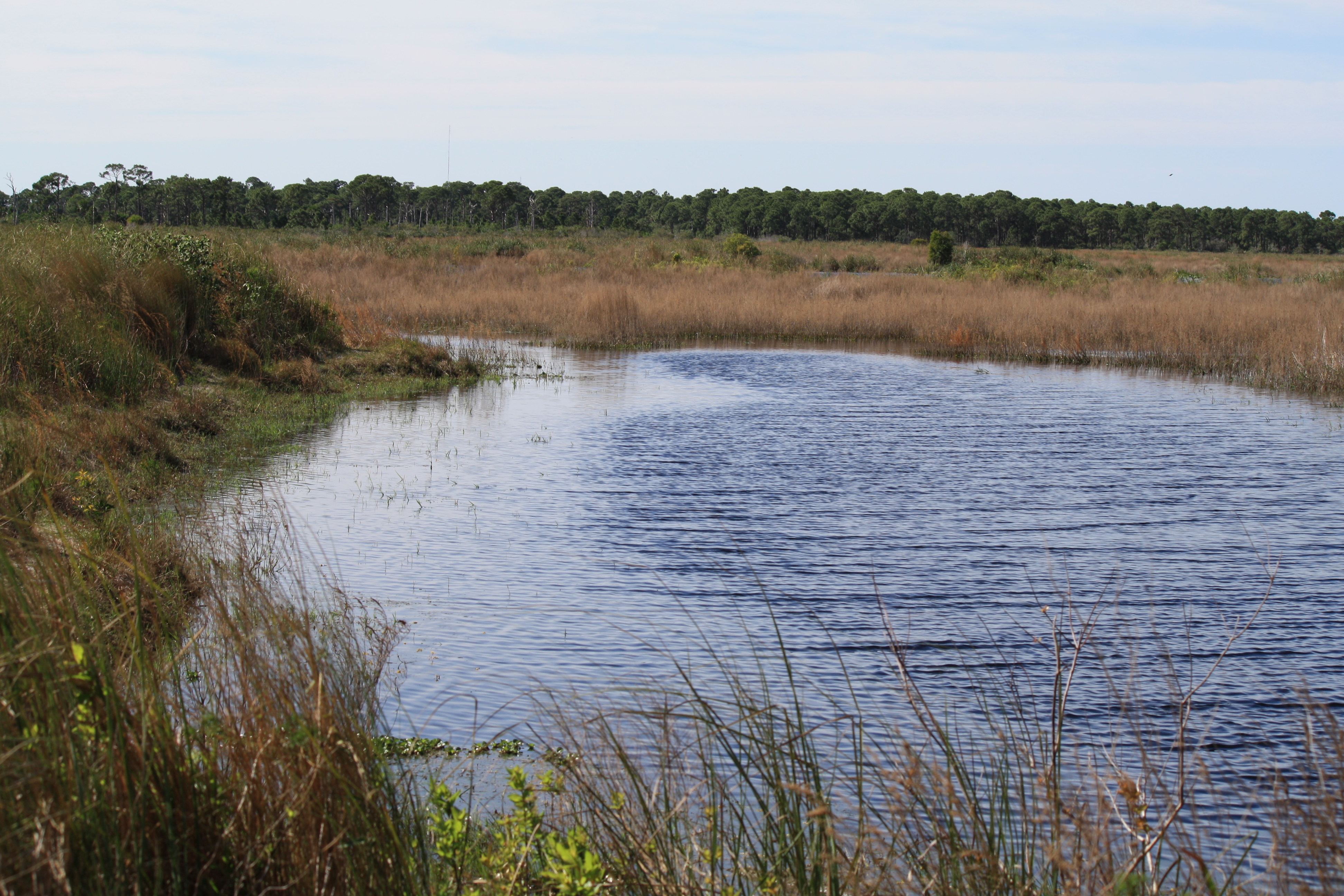
Savannas at the Hawk’s Bluff Trail

Water’s Edge, Hawk’s Bluff Trail
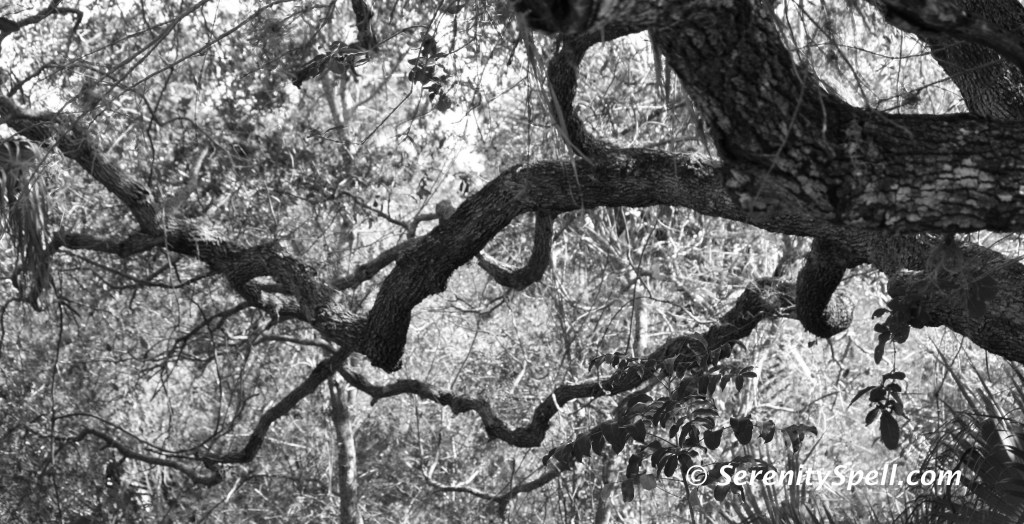
Live Oak on the Hawk’s Bluff Trail
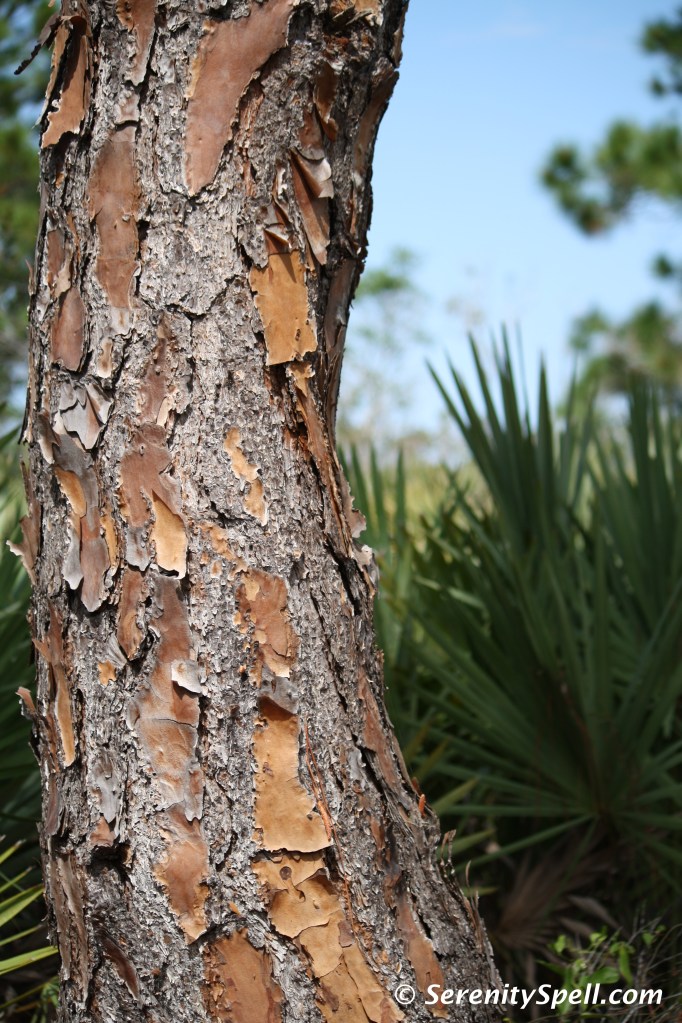
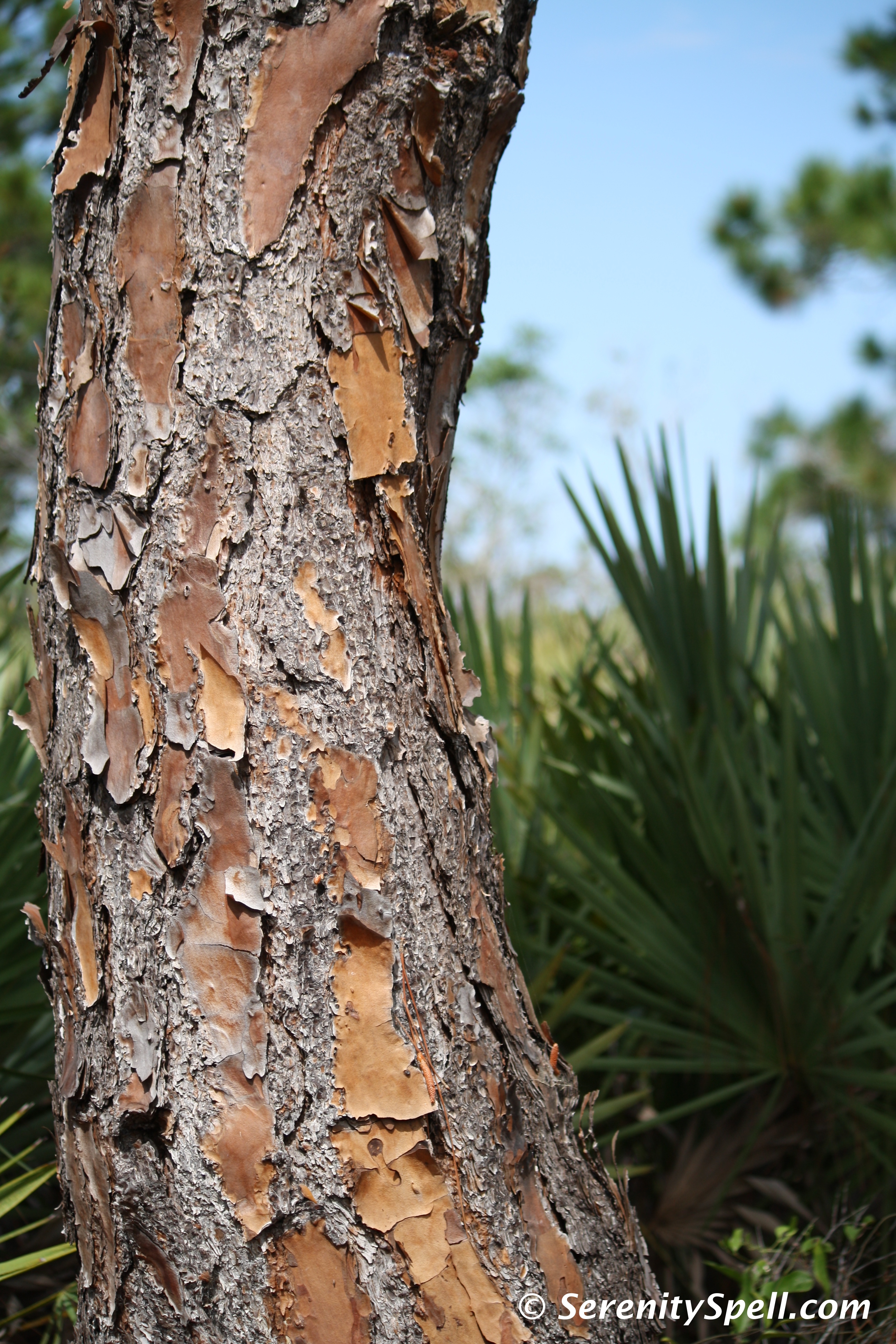
Slash Pine Bark

For More Information:

John D. MacArthur Beach State Park: Southeast Florida’s Haven of Subtropical Coastal Habitat

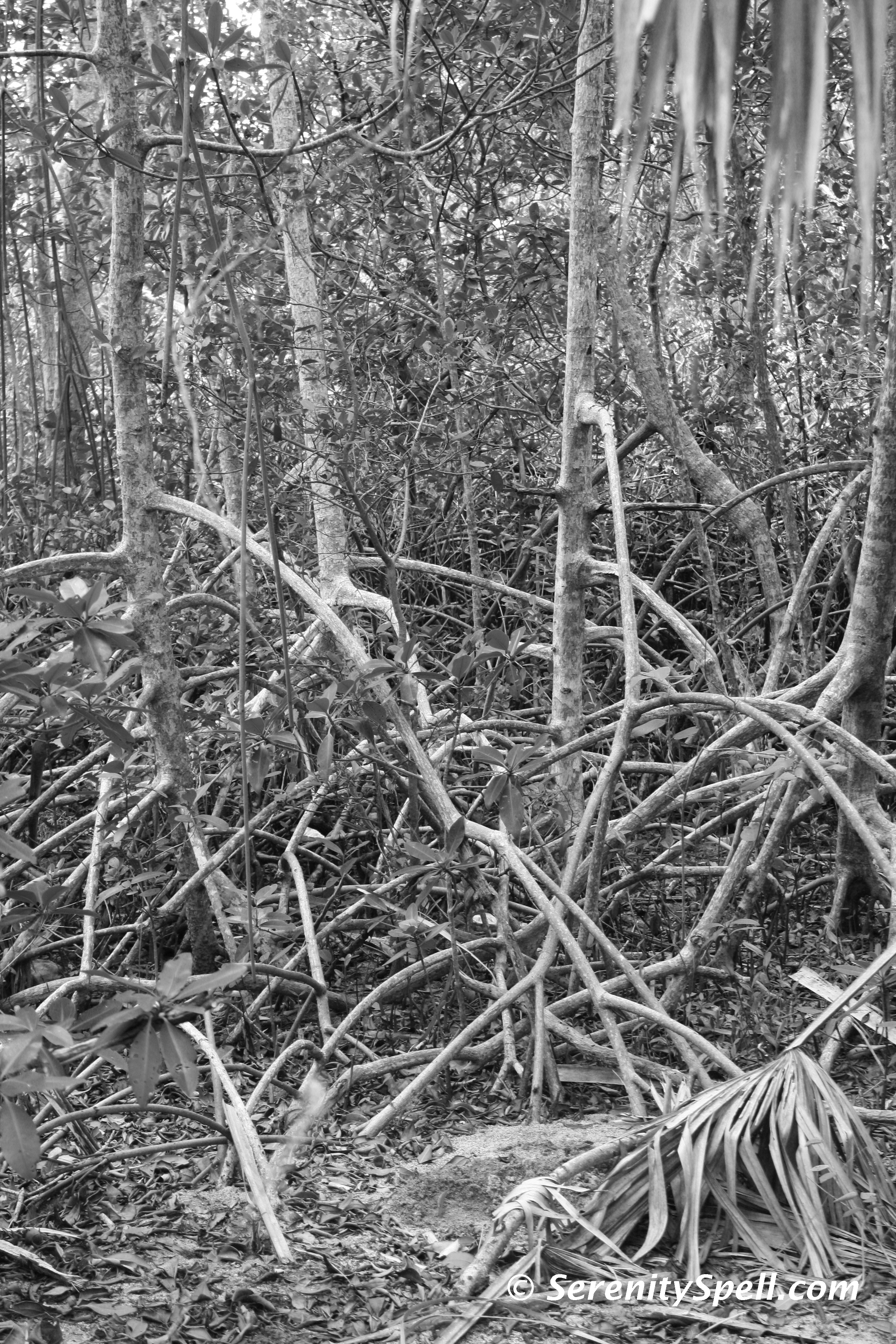
Located on a barrier island adjacent to Lake Worth Cove — on the north end of Singer Island in North Palm Beach — John D. MacArthur Beach State Park preserves some of the finest examples of subtropical coastal habitat that once covered southeast Florida. The various natural communities afford a haven for rare and endangered indigenous tropical and coastal plant species: the park encompasses 325 acres (of uplands and submerged lands), including a mangrove-lined estuary,  coastal and tropical hammock, hardwood forests, beach, and shallow reef. Lake Worth Cove itself is crossed by a 1,600-foot scenic boardwalk.

Activities

Popular activities include swimming, picnicking, and surfing along the nearly two miles of pristine beach, lined with sand dunes and native vegetation; scuba diving, snorkeling, canoeing, and kayaking are also enjoyed by visitors. Hikers can investigate tropical habitats along two nature trails (the Butterfly Trail is no longer present): the Satinleaf Trail winds through a mixed maritime and tropical hammock along the Lake Worth Lagoon, and the Dune Hammock Trail leads visitors across the estuary bridge (boardwalk) and along the west side of the dune. Each time we’ve visited, we’ve traveled both trails, but always end up on the Dune Hammock Trail — and although it’s a casual hike, it’s an absolutely lovely view of natural Florida, that leads down to the beach and the crashing waves of the Atlantic. Birdwatchers can spot osprey, peregrine falcons, wood storks, herons, egrets, brown pelicans, terns, sandpipers, and gulls. Fishing is permitted from the non-swimming areas of the beach, as well as by canoe and kayak in the lagoon.

The William T. Kirby Nature Center further explains the park’s natural communities and its role as a biological treasure to the region, offering Speaker Series and live animal exhibits. Children’s programs, guided snorkeling tours, and “Under Moonlight” concerts are among other special activities hosted by the park. MacArthur also offers guided nightly tours of its sea turtle nests — the area is a top nesting site for the endangered loggerhead, and the green and rare leatherback turtles, who nest from early May through late August. Having attended one of these tours — and speaking from one who was raised on a South Pacific island, accustomed to seeing sea turtles — it’s truly an amazing experience. Just bring your bug spray! Other park accommodations include a small amphitheater and picnic pavilions, both which are available for rental.

History

The park was named for billionaire John D. MacArthur, who once owned a large portion of Palm Beach County (including this land). Donating the land in the 1970s in an effort to preserve it for future generations, John D. MacArthur Beach State Park officially opened in 1989. Munyon Island, named for Dr. James Munyon and itself hosting a fascinating history, is accessible only by canoe or kayak. It allegedly supported one of the largest wading bird rookeries in South Florida. During the early 1900s, Munyon built the famous resort hotel on the island, “The Hygeia,” named for the Greek goddess of health and visited by wealthy (mainly northern) visitors. The hotel burned down in 1915, and the island has since remained uninhabited. But human occupation in these lands dates to 900 A.D., when Native Americans settled in the area. Evidence of their presence comes from recovered artifacts including discarded bones, shells, and pottery that were found in their refuse piles. In fact, the next Speaker Series hosted on March 10 highlights the prehistory of the park — “The Prehistory of MacArthur Beach State Park” — definitely something to investigate.

Contact Information:

10900 Rte. A1A, North Palm Beach, FL, 33408
East on PGA Blvd, across US1 to A1A. Stay South on A1A for two miles
Phone: (561) 624-6950

Hours & Pricing:

William T. Kirby Nature Center: Daily, 9 – 5
Park: Daily, 8 AM – Sundown
$5/vehicle ($4 Single-occupant vehicle or motorcycle)

For More Information:
Lake Worth’s Street Painting Festival: Cloudy Skies & Brilliant Streets

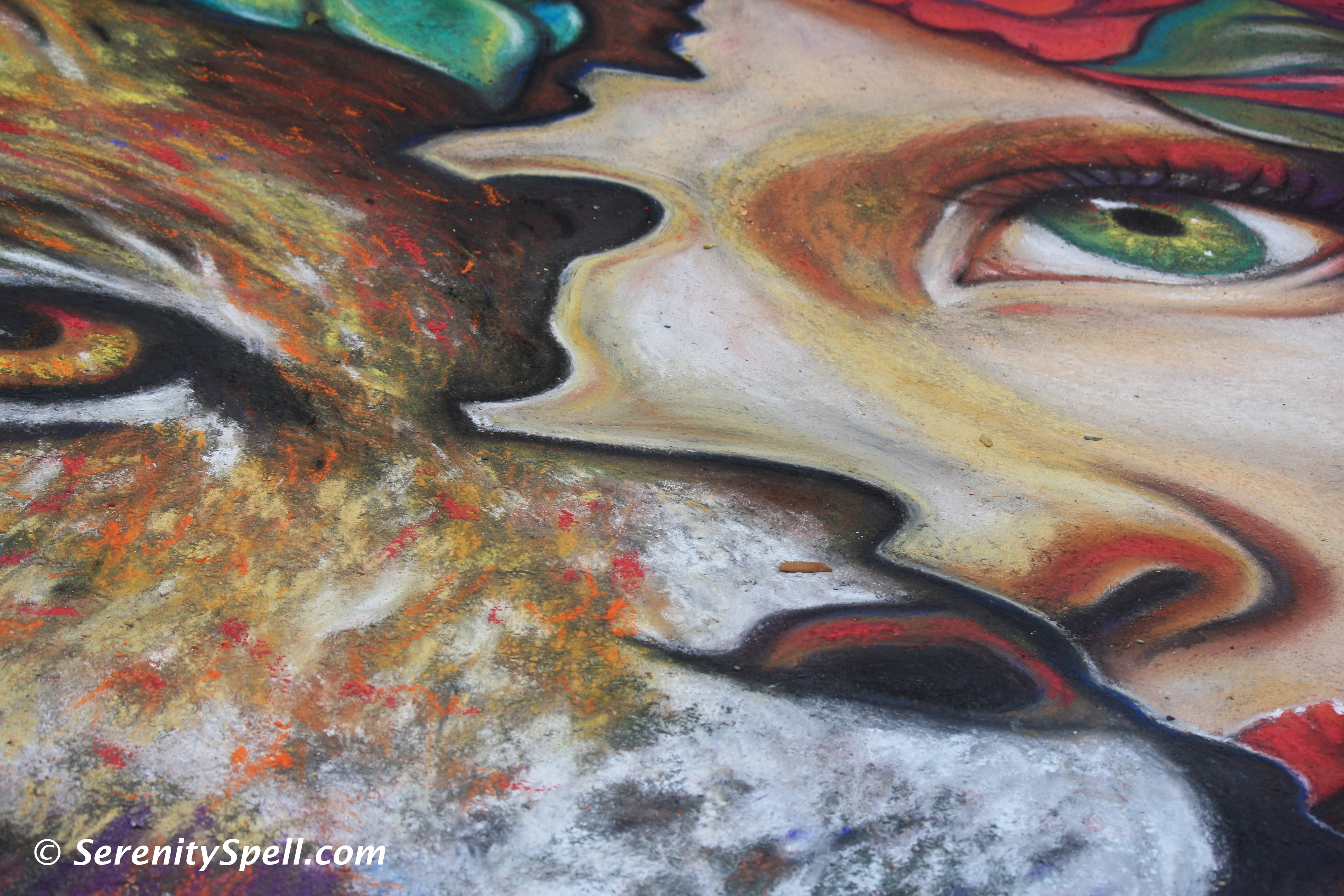
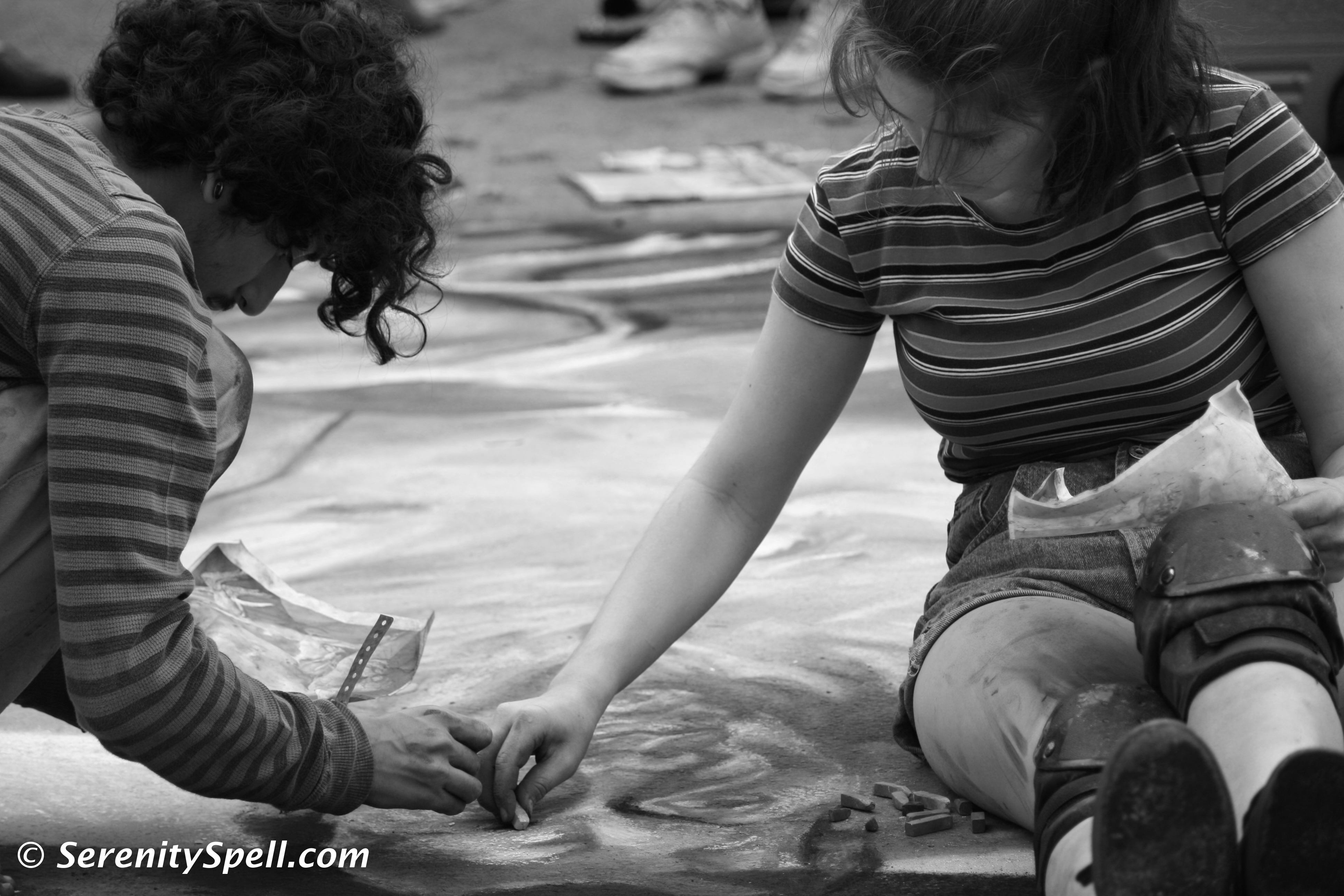
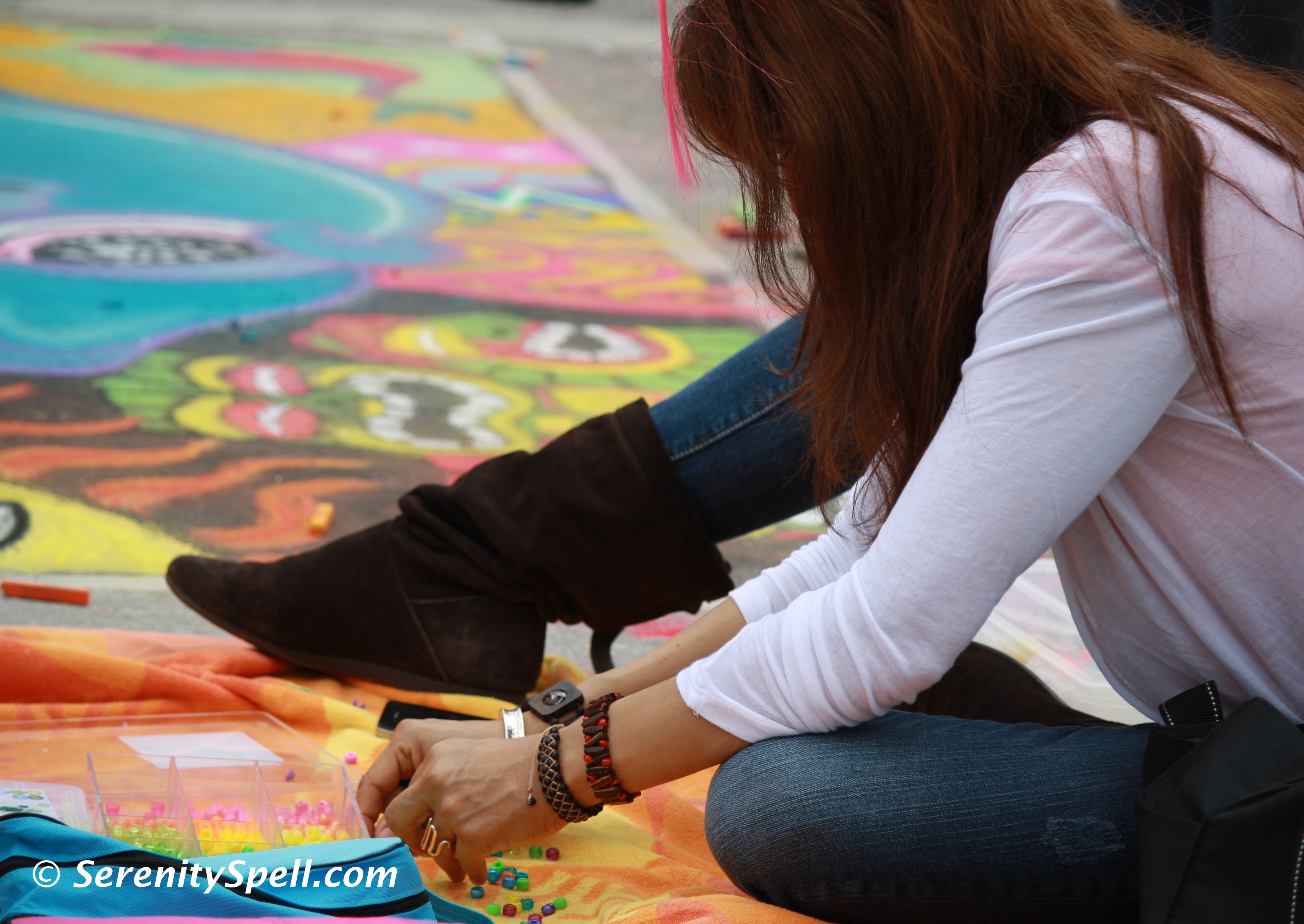
This year, the 18th annual Lake Worth Street Painting Festival was hosted on a cloudy weekend — but despite the constant threat of rain (and downpours to the north), Lake Worth’s vibrantly-colored streets were spared, save for a brief chilly rain on Saturday. Each February, over 400 artists from as far away as California and New York — even the United Kingdom — transform the streets into original art and masterpiece reproductions with just chalk and the pavement as their canvas. This year, more than 200 street paintings were created by 600 featured and amateur artists, covering more area than any other festival of its kind in the U.S.

As always, the crowds on Sunday were fierce, to view the fully emerged art and colorful concrete, as well as the street performers, musical entertainment, Food Courts, and Lake Worth’s shopping — fabulous consignment and antique shops line the streets. The artists are always lovely and open, despite the frantic schedule to complete their artwork during the two-day festival; there’s a friendly and communal atmosphere among them, as they participate and visibly enjoy the process and performance of street painting.

The Lake Worth festival began in 1994 by a small group of local residents, who wanted to revitalize their city — it is now touted as the country’s largest annual Street Painting Festival, attracting well over 100,000 visitors each year. Street painting however, can be traced to 16th-century Italy. Itinerant Renaissance artists, hoping to advertize their works and attract critical attention and crowds, used chalk and the streets as their makeshift canvas.

For More Information: