Skip to content

Posts tagged ‘protection’

Panther Kitteh Released into Big Cypress

Trees Along the Florida Trail, in Big Cypress

Defenders of Wildlife recently announced some great news for the Florida panther! An orphaned kitten, discovered last year (I remember the sad story — they never found his brother) has been released in Big Cypress National Preserve. Much luck to them all, and profuse thanks for the continued rescue and conservation efforts on the biologists’ behalf.
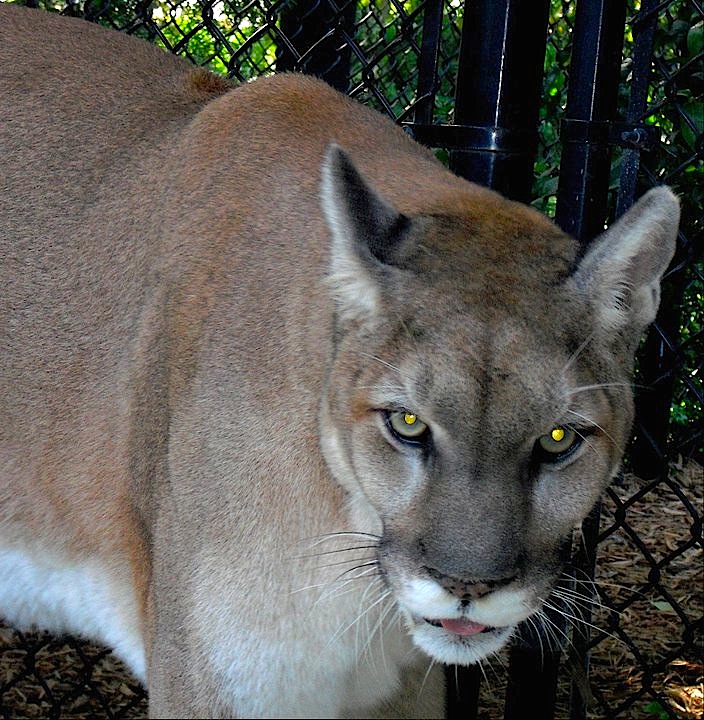
Rescued Florida Panther, Panther Ridge Conservation Center

The cats have much to contend with in Big Cypress these days — continued threats of oil-drilling expansion from Florida’s Governor Rick Scott, and the increased use, and consequently trails, of off-road vehicles (ORVs). The battle rages, with overwhelming concerns for the wildlife — mainly for the elusive Florida panther’s habitat. As of early November 2011, a lawsuit has been filed to protect Big Cypress from invasive ORV employment — seeking to overturn National Park Service’s decision to introduce extensive ORV use in the Addition Lands. According to the lawsuit, NPS authorized the ORVs in the Addition Lands, a result they achieved “by improperly excluding pristine lands from a wilderness eligibility study, which allowed NPS to bypass recommending those areas to Congress for long-term preservation as wilderness for the public’s enjoyment of these lands in their natural state. The lawsuit also raises concerns with the U.S. Fish and Wildlife Service’s Biological Opinion, which failed to address several key threats to the highly imperiled Florida panther, as well as other species. Here is a link to the press release, and here is a link to the complaint.” (WE-blog: Wildlife and Environment Blog). As one who’s encountered these mechanical beasts within the far reaches of Big Cypress, it’s indeed a sad and scary thing to witness — their sheer size, their bellowing noise, their enormous tracks — after walking for hours through the silence and beauty of Big Cypress, their force is all that more mind-blowingly evident.

From the Defenders of Wildlife article:

(Visit the Defenders of Wildlife blog for the complete article by Caitlin Leutwiler, Panther Kitten Released into the Wild.)

This week saw the happy return of an orphaned Florida panther kitten to the wild. The release of the 1.5-year-old cat took place on Tuesday evening in Florida’s Big Cypress National Preserve, near the area he’d been discovered last year.

Watch the video footage of the kitten as he takes off into the Big Cypress National Preserve (footage provided by Ralph Arwood).

Background:

On October 25, 2010, through on-going tracking activity within the preserve, the radio-collar of female panther FP102 began emitting a mortality signal. Upon reaching the site of the signal, National Park Service biologists found the remains of the cat. A subsequent necropsy confirmed that she had died from wounds received during a fight. Five months earlier the cat had given birth to two male kittens. After the death of FP102, one of the offspring, was discovered. His sibling was never found.

Rescue efforts:

The National Park Service, working closely with the Florida Fish and Wildlife Conservation Commission and the U. S. Fish and Wildlife Service, transported the kitten, now called FP194, to the White Oak Conservation Center, a wildlife facility in northeastern Florida. At the facility, the cat was cared for and housed in appropriate facilities with minimal human contact….

For More Information on the ORV Issue and Lawsuit:

For More Information on Big Cypress National Preserve:

Bluefield Ranch Natural Area

Bluefield Ranch Natural Area is located in St. Lucie county, at the southern end of Bluefield Rd., 18 miles west of Ft. Pierce off of SR 70. The conservation site rests on the Orlando Ridge, a relic sand ridge originating near Orlando and ending in Martin County. During our initial trip, we believed the park wouldn’t be far from the turnoff from the last “main” road — we were wrong. Expect another 20 minutes of slow driving on a bumpy road and (occasionally) deep sand, before reaching the trailhead. There were times when we completely expected the car to get stuck, and that’s been a first down here. If you have something other than a normal car (which we now do), no worries!

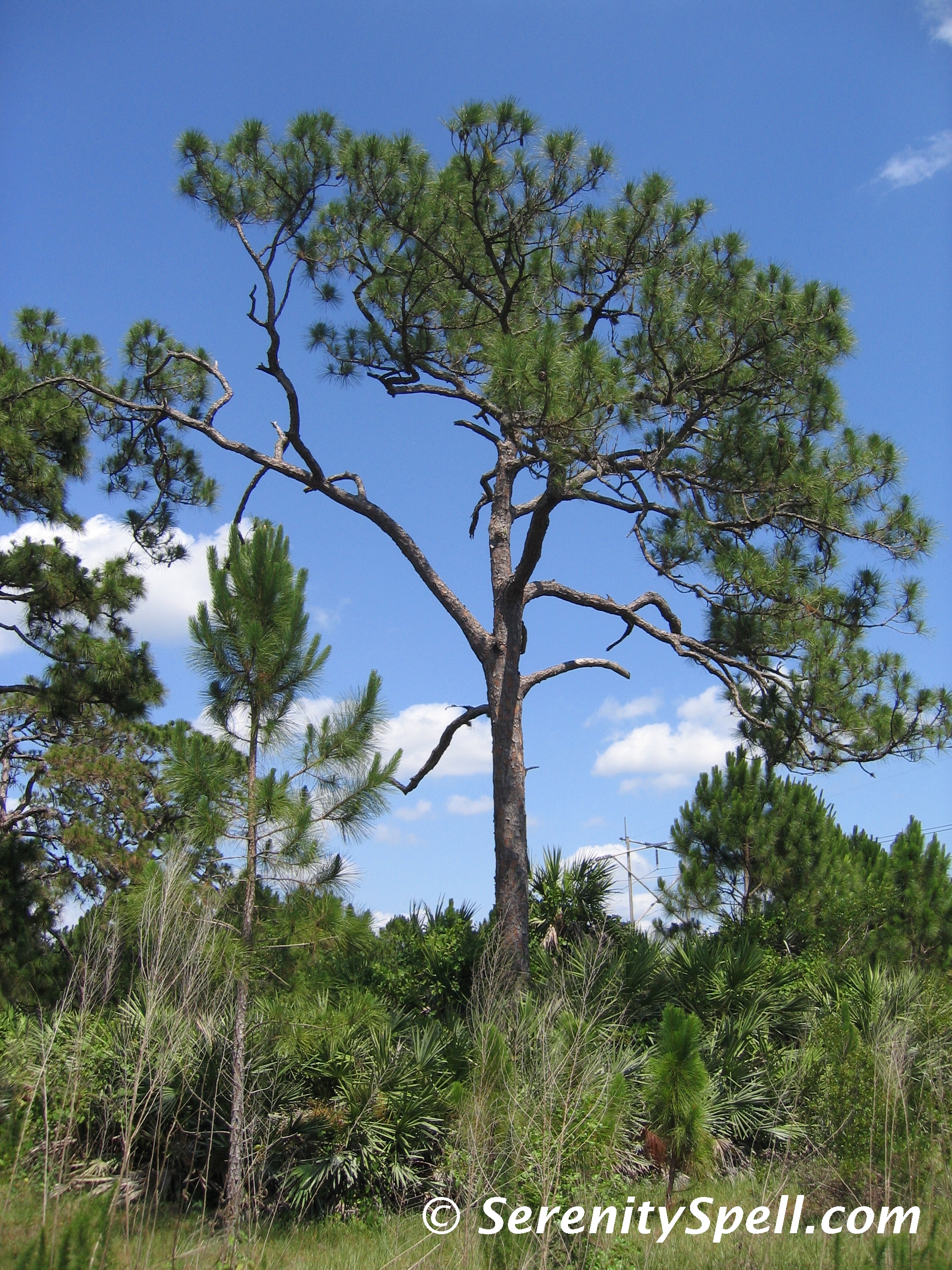
The area provides a variety of natural Florida habitats, supporting diverse wildlife and plant species, including many on the threatened and endangered species list. More than 3,000 acres (3,285 in total) of scrub, scrubby flatwoods, prairie hammock, wet flatwoods, wet prairie, dry prairie, and depression marsh are protected at Bluefield Ranch, and are home to such wildlife as bald eagle, deer, coyote, alligator, turkey, wood stork, sandhill crane, burrowing owl, quail, and several species of snakes (including rattlesnake).

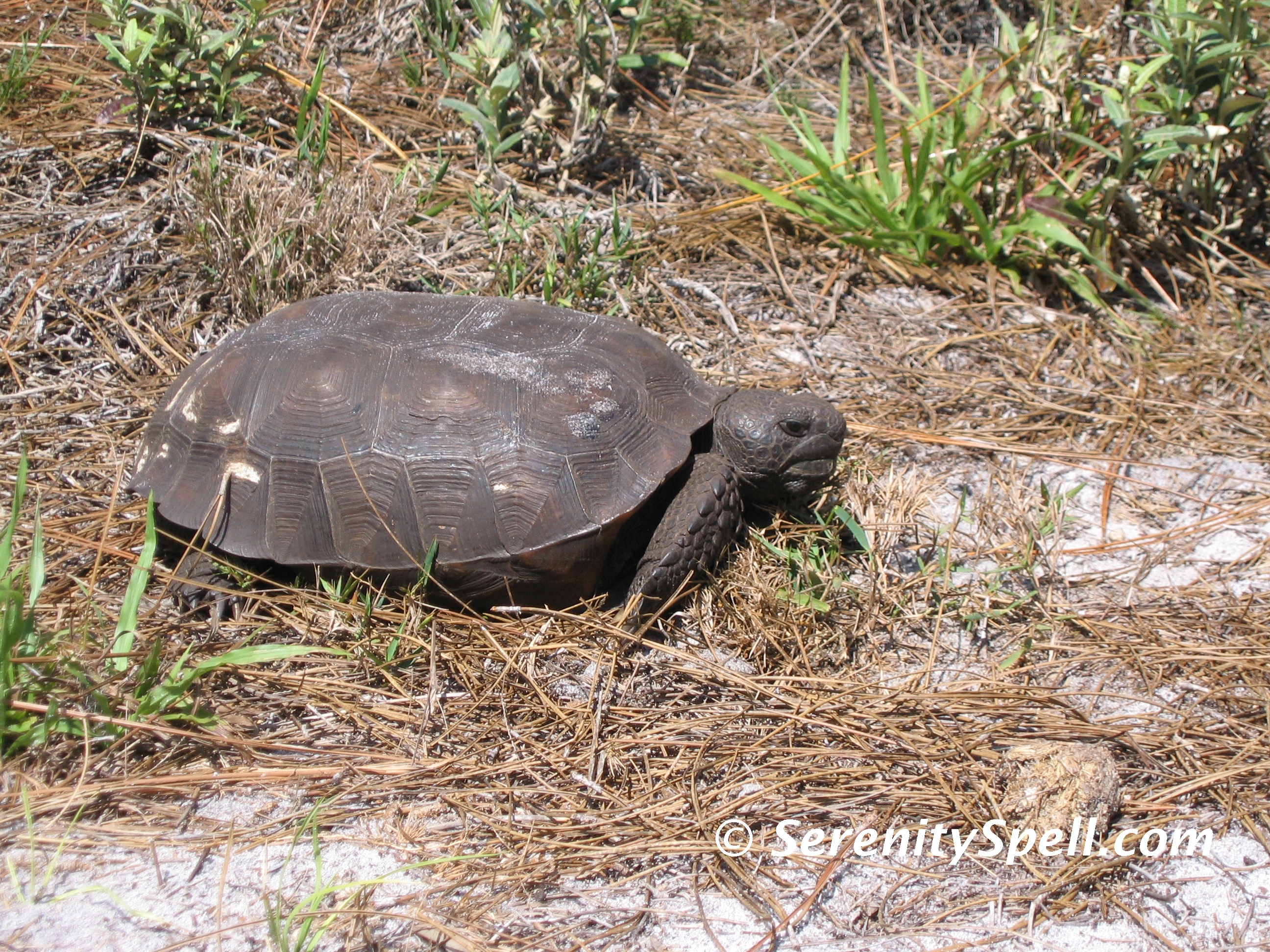
A series of trails is accessible from the parking lot. Biking and horse trails are included, so share the trail where appropriate. We were all by our lonesome in the vastness of the park, so the sharing was done with the gopher tortoises. There’s also an observation tower overlooking a large wetland habitat used by such wading birds as herons, egrets, sandhill cranes, and wood storks.

The area has quite a history, mostly sad: During the Second Seminole War (1835 – 1842), a military trail crossed at this location, providing access to a series of forts constructed throughout Florida to transport troops and supplies. A Seminole Indian camp was also located in the region. The Seminoles stayed in the scrub environments in the summer months, avoiding the flooded swamps and their gargantuan mosquitoes. They moved to the Cypress Creek swamp in the winter. In the 1940s however, they were evicted from their camp (at what is now Bluefield Ranch Natural Area), accused of stealing a calf from a rancher.

During the Prohibition, illegal stills were constructed on the site by bootleggers — for personal consumption as well as for providing an income to support their families. Their remnants can still be seen at Bluefield. Logging was also an active industry — sadly, the area was completely logged of its virgin trees in the 1920s and ’30s, as was true in many regions of Florida.

There’s an abundance of trail options, should you decide to hike Bluefield. Take plenty of water and some snacks with you — we found ourselves far out in the park, after 5-6 hours of solid hiking. It’s obvious that horse trails are popular there as well, so be aware. During our first lengthy hike, we heard a coyote very close, perhaps feet away, but they’re quite shy so we never saw him/her. Above all else, enjoy the land and its beauty, after what it’s been through. We hope to visit again very soon, as it’s been some time since our last trip.

For More Information:

This slideshow requires JavaScript.

Heaven on Vancouver Island

My words here honestly cannot express the peace and magnificence of Vancouver Island, my uber-dream home. We took the ferry from Horseshoe Bay (just north of Vancouver), into Departure Bay (near Nanaimo).

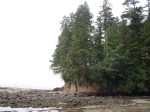
Host to one of the world’s most diverse ecosystems, including rainforests, marshes, meadows, beaches, mountains, oceans, rivers, and lakes — Vancouver Island accommodates habitats for a plethora of wildlife species. The island proper is large and sparsely populated (and we didn’t even hit most of it, in reality — let alone the Gulf Islands). Nearly half of the island’s population lives in the capital city of British Columbia, Victoria.

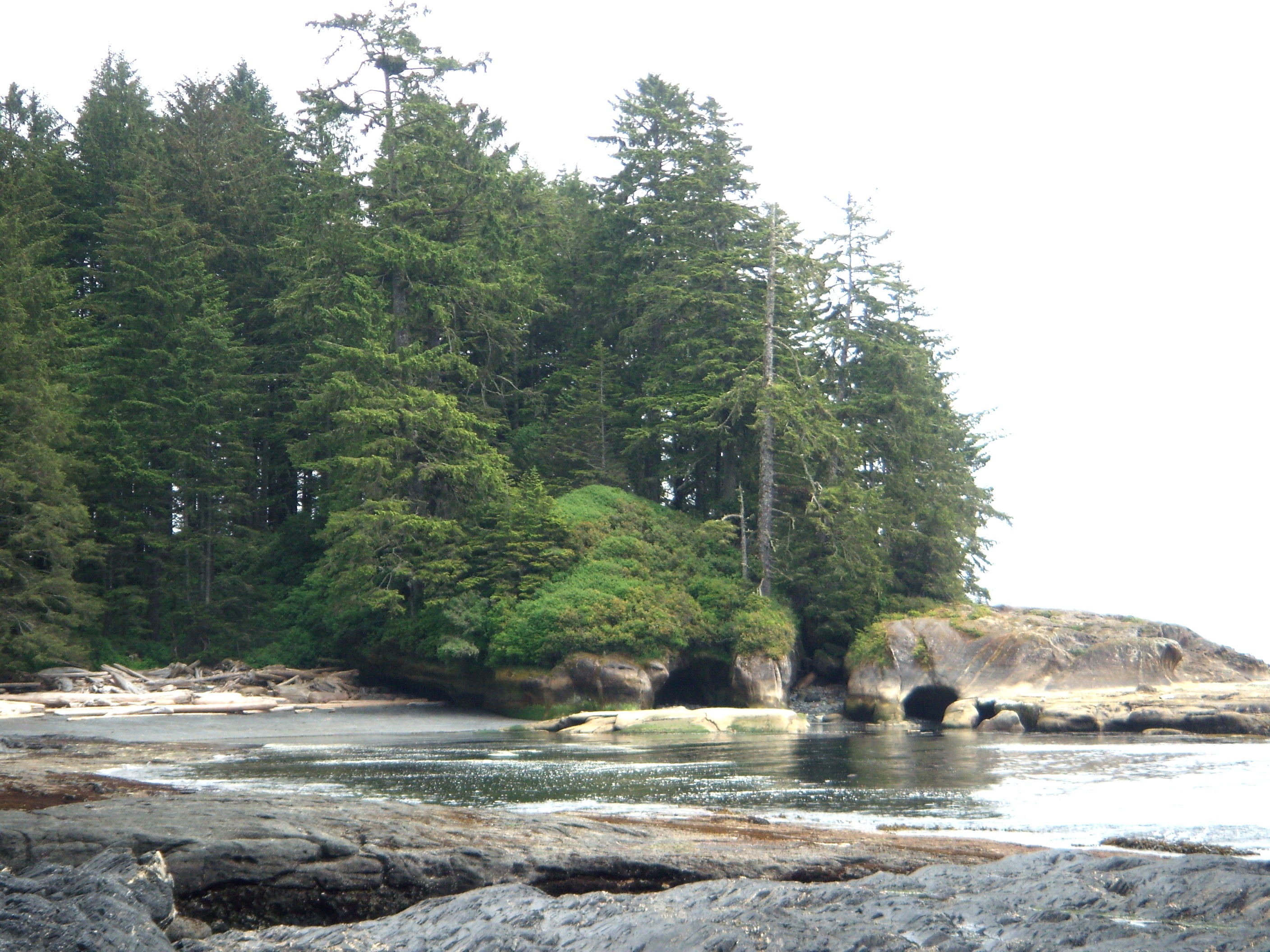
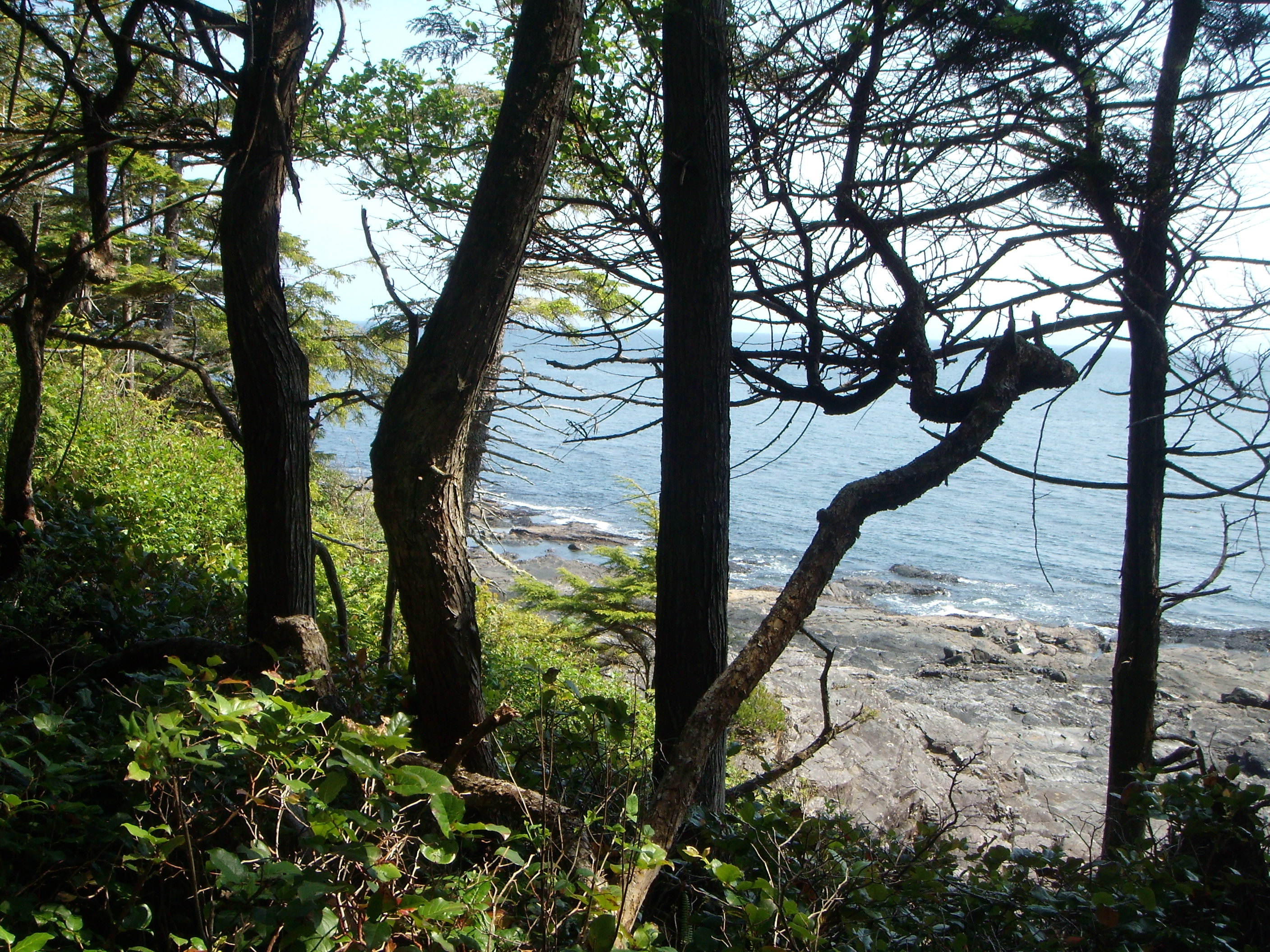
Thankfully, the island’s old-growth fir and cedar forests are well-protected. There’s nothing excluded for the lover of nature; Its ancient rain forests, rugged caves and beaches, leading down to crystalline bays of the Pacific (in which we were lucky enough to witness a whale’s spout … only) — the island’s beauty is unsurpassed.

The majority of our hiking expeditions were concentrated along the Strait of Juan de Fuca, the region of the Coast Salish indigenous peoples. We drove up the West Coast, north from Victoria … and as we passed Sooke, most of our communications were lost. We stayed in a room among others rented by gruff visiting/working Russian fishermen — an interesting experience, to say the least. Itinerant working anglers are … interesting (did I use that adjective already?) folk. Perhaps they were simply in shock at seeing us board there, instead of at the B&Bs an hour north. But, we did learn from the locals that one needs special satellite service for one’s laptop (and for their TVs) … and even for cell phone service. As we were told: Feel free to hike out to the beach (through the woods) — at specific, ideal times — to access your cell phone service provider. Sure. A night-hike with the bears! At first we thought this was a grand joke on the Americans; but sure enough, on the far reaches of the beach we did get a bar or two, as if it mattered — heh. The hikes were astounding; the beauty of the forests leading down to the rugged oceanside, strewn with driftwood of all sizes; the small tree islands and caves dotting the landscape — we even found raw jade in some of these caves, before the water rushed in to cover up the remaining treasures. Although it wasn’t my first visit to the island, I was in tears leaving it this time around. I was profoundly impressed by the people who cared so very much for the land, and its care — unlike some of the parks and preserves I’ve visited in the United States, sadly (read: TRASH).

Besides the obvious hiking and nature excursions available at the abundant parks and nature reserves, I missed the opportunity to visit and tour any one of Vancouver Island’s many vineyards — more than two dozen on the island support a healthy wine industry. Cheers!

Vancouver Island also offers a rich, thriving art and craft community. Artists are drawn to the serenity and beauty of the island, but also to its rich history of Aboriginal arts and legends. By far one of my favorite artistic traditions — with their incorporation of animal, spirit, and nature — it’s actually eerily similar to the art of my own lineage, the Celts. The Coast Salish, Nuu-chah-nulth, and Kwakwakawa’wakw have lived in permanent settlements along the island’s shores and within its valleys (and in the general region) dating back 9,000 years. Their elaborate art, created over the centuries, celebrate life’s rites and passages. But their story of “extermination, enslavement, insulation, amalgamation” (as outlined in 1841 as a solution in “dealing” with the Native Peoples) — and ultimately, widespread death (an extreme understatement) with the smallpox epidemic — is one that must be remembered and closely studied by all (in North America at the very least).

Coming Up: Victoria, Capital City of British Columbia…

For More Information on Vancouver Island:

This slideshow requires JavaScript.

Clyde Butcher, Visionary of the ‘Glades

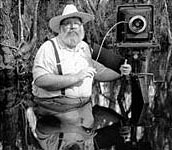
Clyde Butcher, from Clyde Butcher's Online Gallery and Website

Originally trained as an architect, landscape photographer Clyde Butcher has been exploring and capturing the far reaches of nature for more than 40 years. With his Deardorff, Wisner, and self-designed “Clyde-O-Wide,” Butcher hauls his unwieldy camera equipment (weighing 100-125 pounds) deep into the swamps of the Everglades, where he wades into the waters (and sits — for hours on end, with alligators and other critters) to catch eye-level, pure black-and-white images of such grace and beauty, that words cannot do them justice.

Butcher’s love and passion for nature — and specifically, for the chaotic beauty of the Everglades — gleams through every photograph of his swamps, rivers, bays, and oceansides. He embraces his spiritual connection to nature, and translates it through the photographic medium. Understandably, Butcher is a fierce conservationist; he yearns to protect and preserve wild Florida and its incredibly unique wetlands in the midst of ever-encroaching humanity, and in the face of voracious developers. “My goal,” he says, “is to let people see Florida and make up their own minds whether they want to keep it or not.”
“Wilderness to me, is a spiritual necessity. When my son was killed by a drunken driver, it was to the wilderness that I fled…and being close to nature helped restore my soul. My experience reinforced my sense of dedication to use my art form, photography, to let people know our land is a special place, and to inspire others to work together to save nature’s places of spiritual sanctuary for future generations.” —Clyde Butcher

I’ve been lucky to visit the Big Cypress Gallery, and stand in amazement in front of my favorite photographer’s enormous works. For years now, I’ve said that when my millions arrive … one of these pieces shall be my first purchase. C’mon, millions. Butcher will always be one of my heros — environmentally, spiritually, and artistically.

"Fisheating Creek 14," from Clyde Butcher's Online Gallery and Website

Like the work of Ansel Adams, Clyde Butcher’s remarkable photographs gives us an access to nature we rarely see or experience.  They not only reveal the intimate and majestic beauty of the Everglades — and the need to save the fragile environment — they also remind us of the abiding kinship we mortals share when we work together to preserve these magnificent places.  Butcher’s art is a national treasure.” —Ken Burns, Emmy-winning filmmaker

For More Information on Clyde Butcher:

For More Information on Big Cypress National Preserve:

Arthur R. Marshall Loxahatchee: Breezy ‘Glades

A very windy day at Arthur R. Marshall — absolutely LOVELY! And the visiting (human) snowbirds are beginning their weekend trips to the Florida sanctuaries and parks. Hopefully the trash won’t accumulate, as it sadly can during such times of increased traffic — definitely a mixed blessing.

For More Information:

Park signage

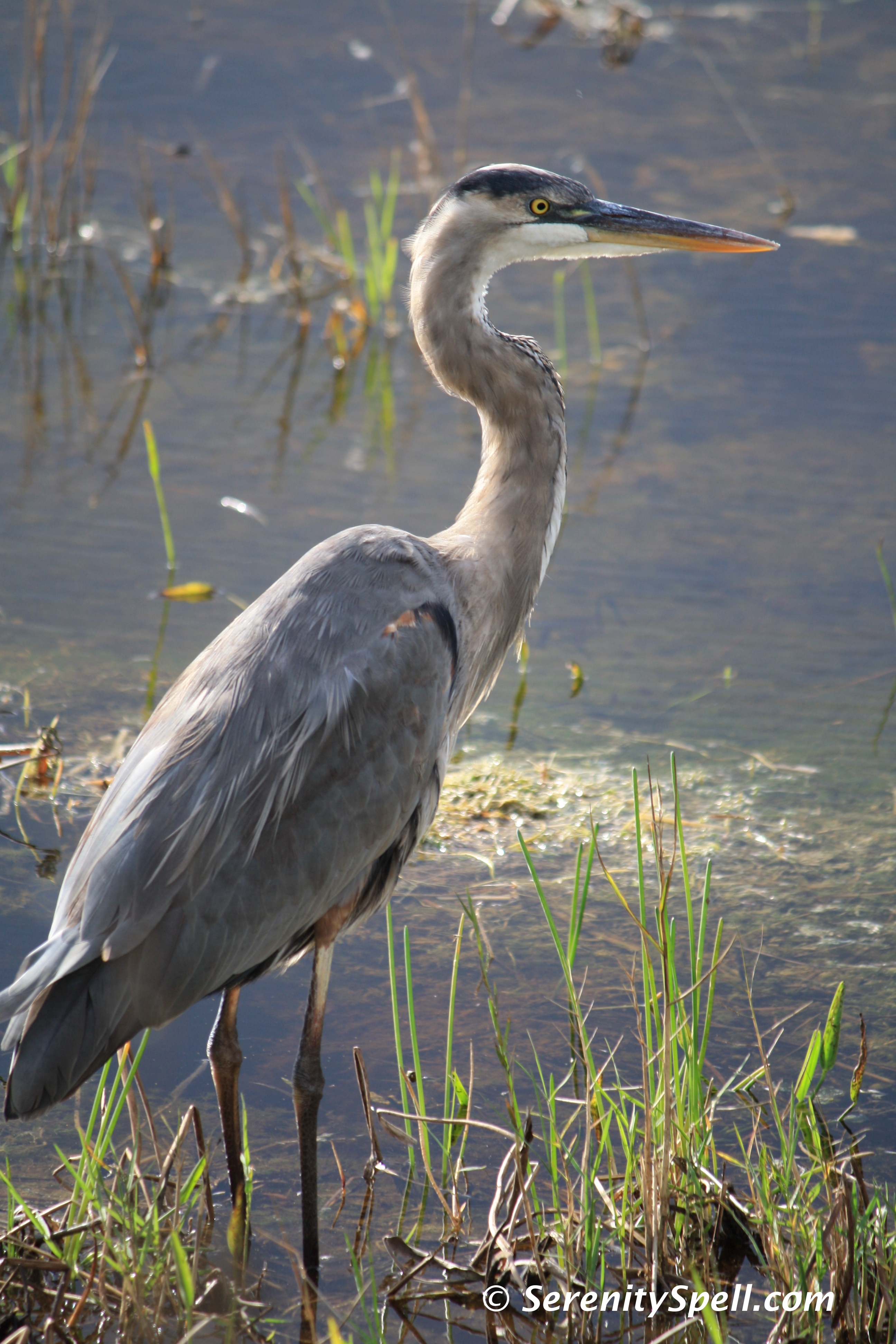
Great Blue Heron at Dusk, Arthur R. Marshall Loxahatchee Wildlife Refuge

Sea Grape, Arthur R. Marshall Loxahatchee Wildlife Refuge

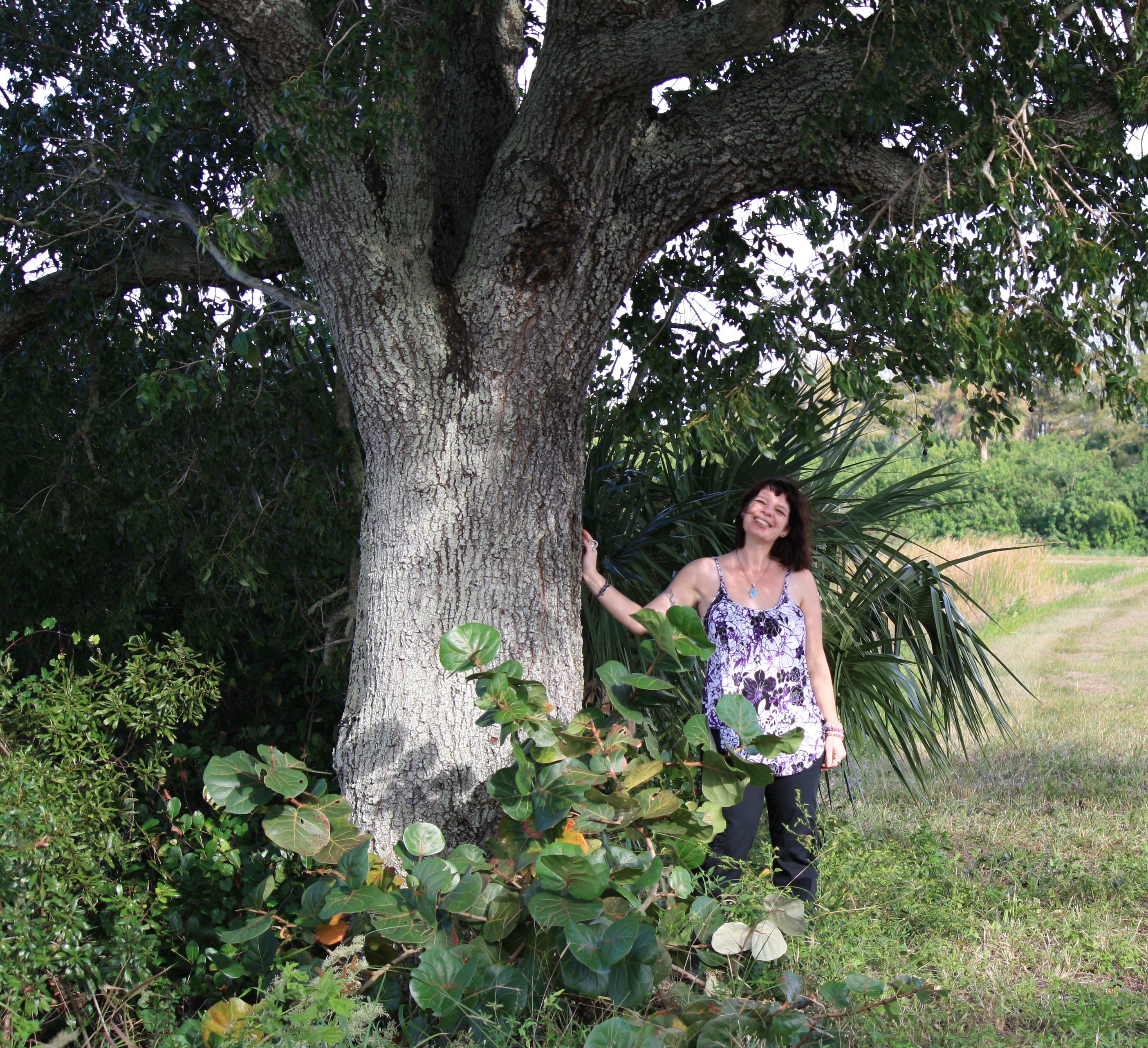
Tree-hugger, Arthur R. Marshall Loxahatchee Wildlife Refuge

Everglades Landscape, Arthur R. Marshall Loxahatchee Wildlife Refuge

Alligator in the Glades, Arthur R. Marshall Loxahatchee Wildlife Refuge