Skip to content

Posts tagged ‘wildlife’

Greeted by a Gator

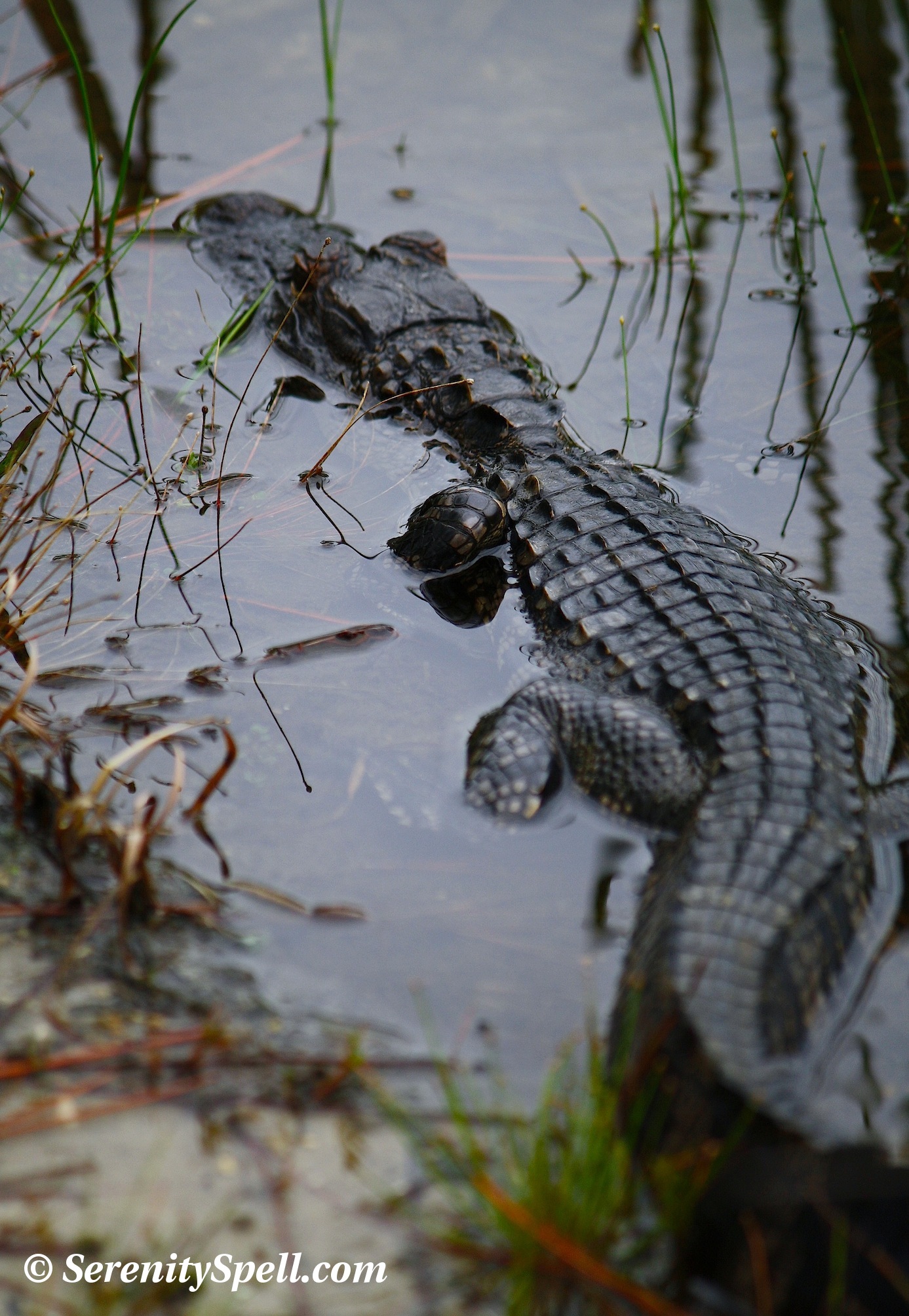
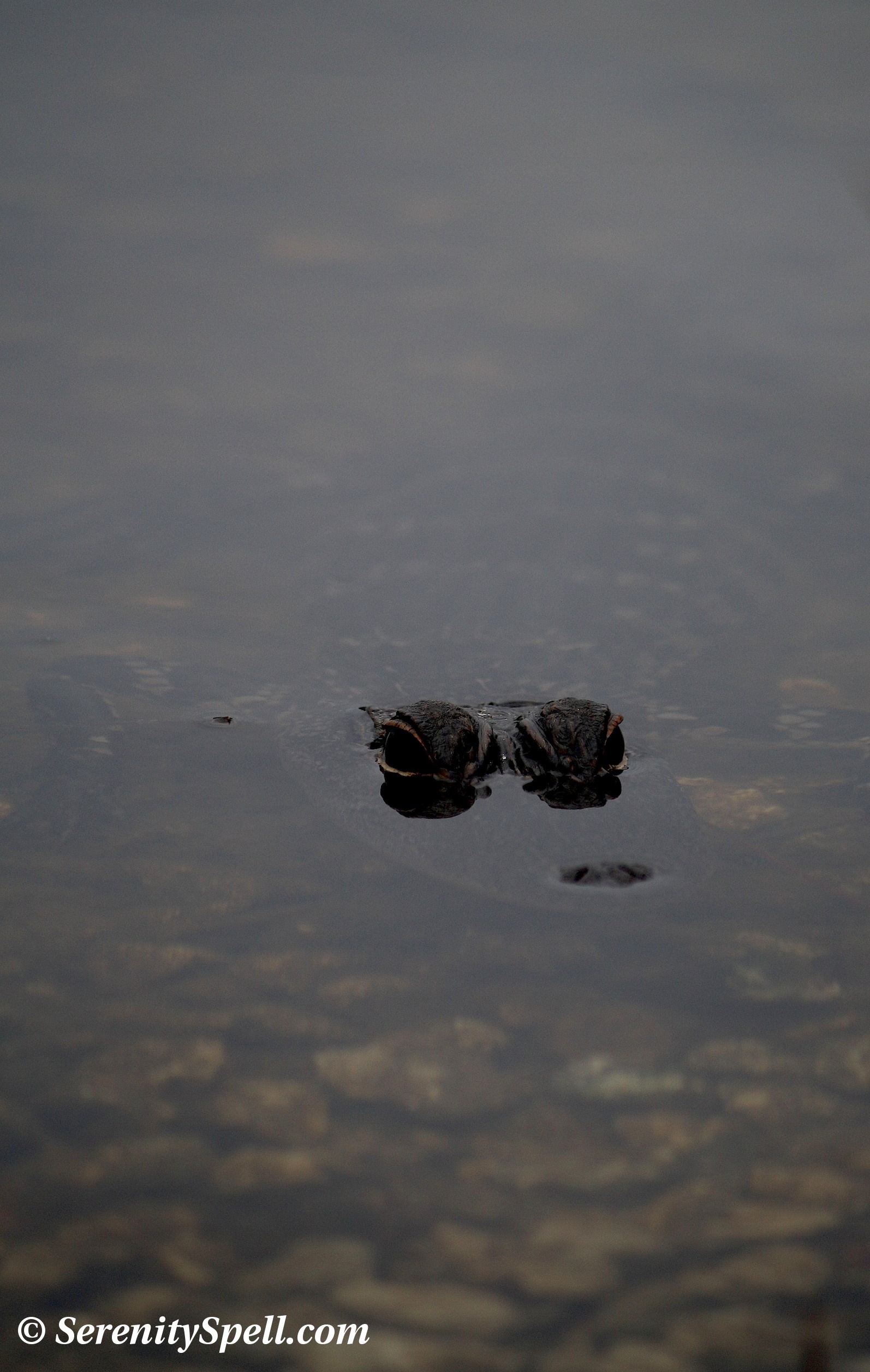
A juvenile alligator greeted us as we entered the trails of Grassy Waters Preserve. He was no more than three feet — still very small, but no longer a baby. Being very cautious and in extreme-defense mode due to his size, he was quite flighty. But I did manage a shot or two of this adorable guy….

Juvenile Alligator: Eye on You

Juvenile Alligator: Slow Movements, Sloooowww….

A Luminescent Florida Leopard Frog (And a Few Fairy Frogs)

Hand in hand, with fairy grace, Will we sing, and bless this place. —William Shakespeare, A Midsummer Night’s Dream

As we hiked the Apoxee Trail in the Grassy Waters Preserve, it was often flooded — pictures forthcoming, because wading through 4-6 inches of swamp / marsh waters in the Florida Everglades is always an adventure! My most worried comment, 2 hours into the trail: “Errr, it appears as though these waters are now even with the swamp.”

But everywhere I looked, itsy-bitsy cricket frogs were jumping about the trail, and these lovelies were hiding in the vegetation and waters. He’s a Southern Leopard Frog (Rana sphenocephala), common to the marshes, swamps, and cypress swamps of our area. The frogs range from dark brown to bright green. Apparently, the existence of a subspecies — the Florida Leopard Frog (Rana utricularia sphenocephala) — is debated among the experts.

Their colors are pure brilliance, with luminescent greens flashing here and there. There were so many frogs I wanted to photograph, but it was tricky nabbing them as they leapt into the waters or darted into the undergrowth. Just magical. So naturally I had to include one of my favorite children’s illustrators — Ida Rentoul Outhwaite — and her more famous images of frogs and fairies.

Nature’s colors, intensity, and variations continue to amaze — may your weekend be equally as spectacular and magical as this brilliant but diminutive frog!

Florida Leopard Frog: Hello, lovely… Please don’t jump

Florida Leopard Frog: Ready to dart. Those colors, pure amazement…

Ida Rentoul Outhwaite, “Frog and Fairy Talking”

Ida Rentoul Outhwaite, “They stood full in front of her….”

Vestige of the Everglades: Grassy Waters Preserve

The clearest way into the Universe is through a forest wilderness. —John Muir

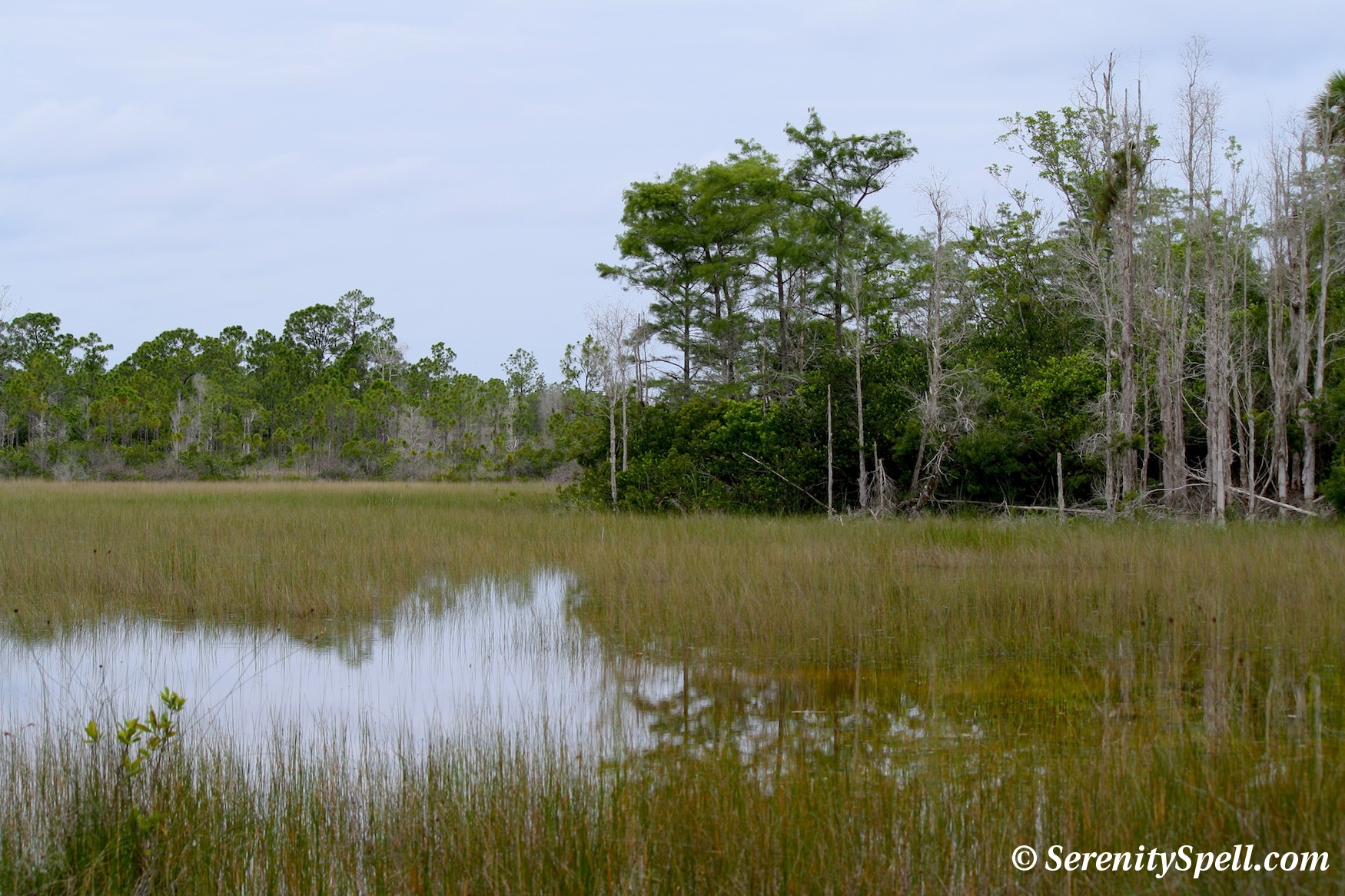
Grassy Waters Preserve in West Palm Beach presents the natural history of Florida in its pristine and wild 23.5 square miles. Today, the Preserve serves as the freshwater supply for the city and its associated municipalities — but historically the area was the headwaters of the Loxahatchee River (Seminole for River of Turtles). It was also a key component of the Everglades watershed, which began north of Orlando and flowed through rivers that emptied into the vast Lake Okeechobee, where the lake’s waters flooded into the Everglades Basin and slowly flowed into the Florida Bay. Humans have since severely altered this historic water flow — although efforts have begun in earnest to resolve years of detrimental impact. The Grassy Waters Preserve (GWP) represents a remnant of the once-magnificent Everglades ecosystem.

Numerous hiking and biking trails wind throughout GWP, including the Apoxee Trail — “beyond tomorrow” in the Miccosukee language (pronounced A-po-hee). We weren’t prepared for a flooded-trail hike, so we drove north to the Hog Hammock Trail, where we were delighted to be completely alone for our 5-mile venture, save the critters. What’s wonderful about GWP is the variety of trails offered — long, short, easy, advanced — you have your pick.

Wildlife sightings include alligator, deer, armadillo, wild turkey, feral hog, bobcat, otter, osprey, great-horned owl, hawk, assorted wading birds, and snail kite. The survival of snail kite — the logo for the Preserve — is dependent on the preservation of pristine wetlands like those at Grassy Waters. Sadly, like so many other species, it’s estimated that this amazing bird of prey will most likely face extinction within the next 30 years due to habitat loss and other factors. But at Grassy Waters, snail kite sightings are common — proving that this iconic Everglades resident is allowed the quality habitat it needs for a fighting chance at survival.

These images were taken during our Hog Hammock hike, which we did in its entirety, including the mile-long dead-end trip…. As we were leaving the trail, I was yapping about something terribly important and startled a magnificent great-horned owl, which alighted immediately in front of us. Argh for the failed photo op!
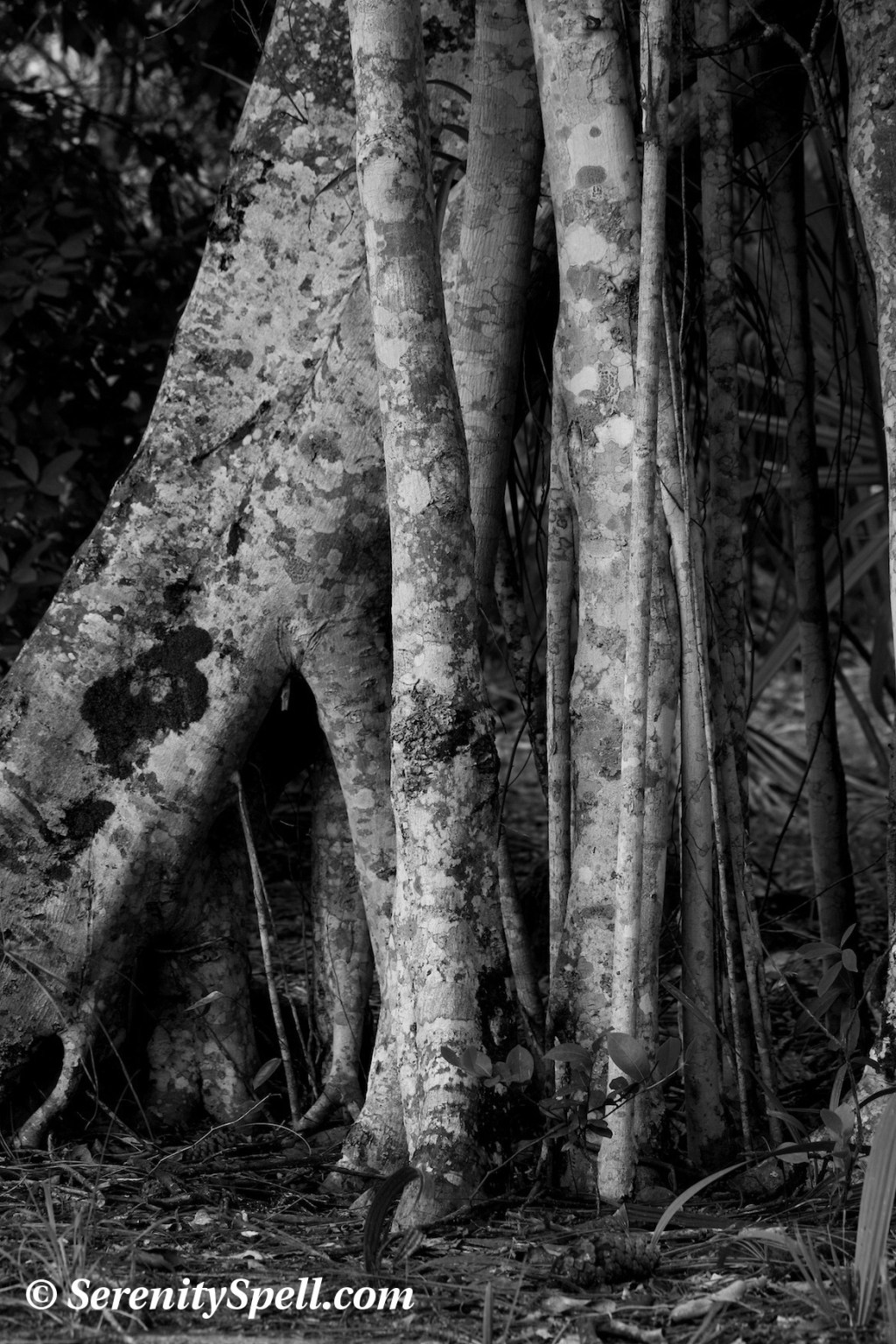
Cypress Tree
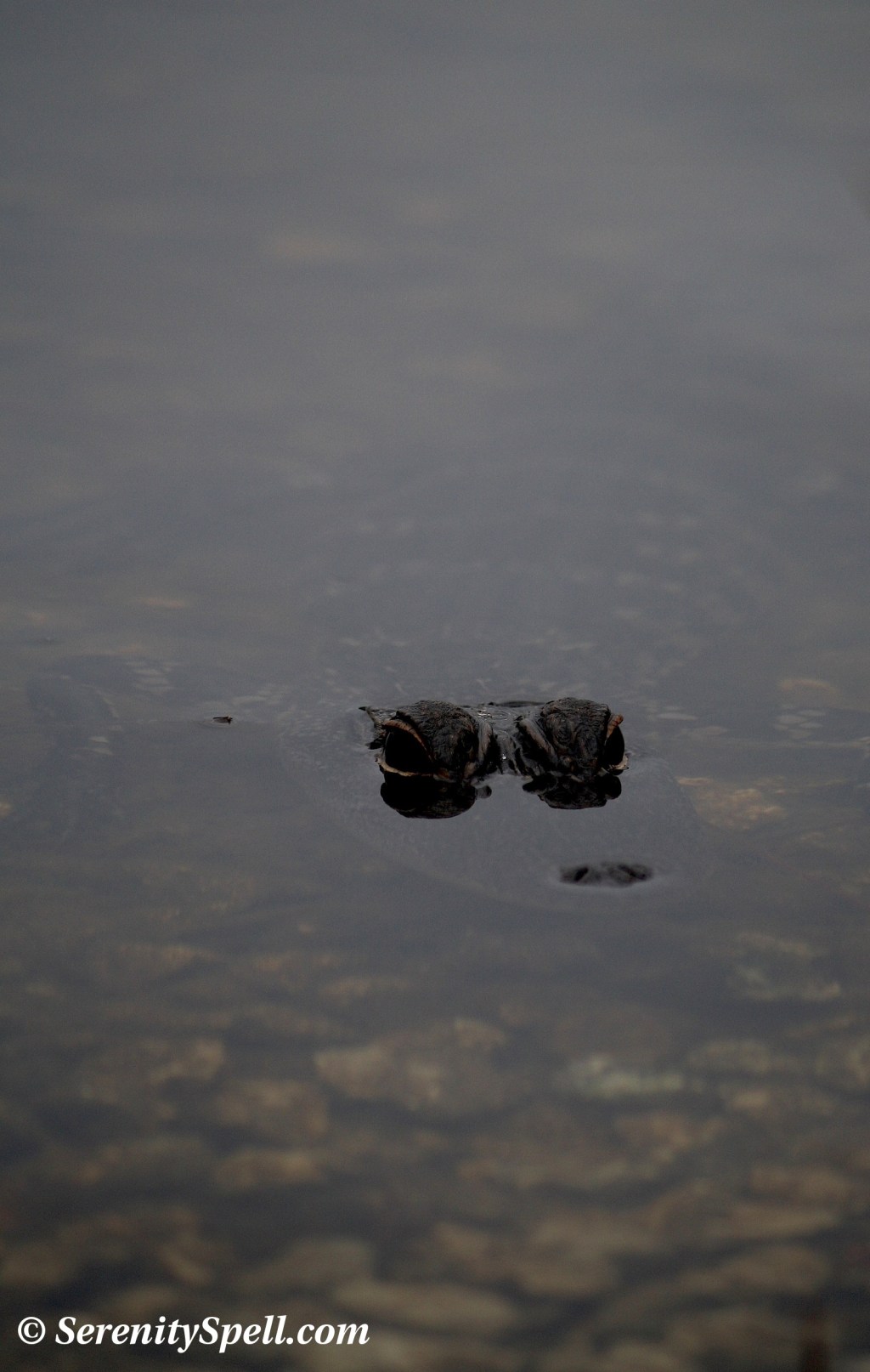
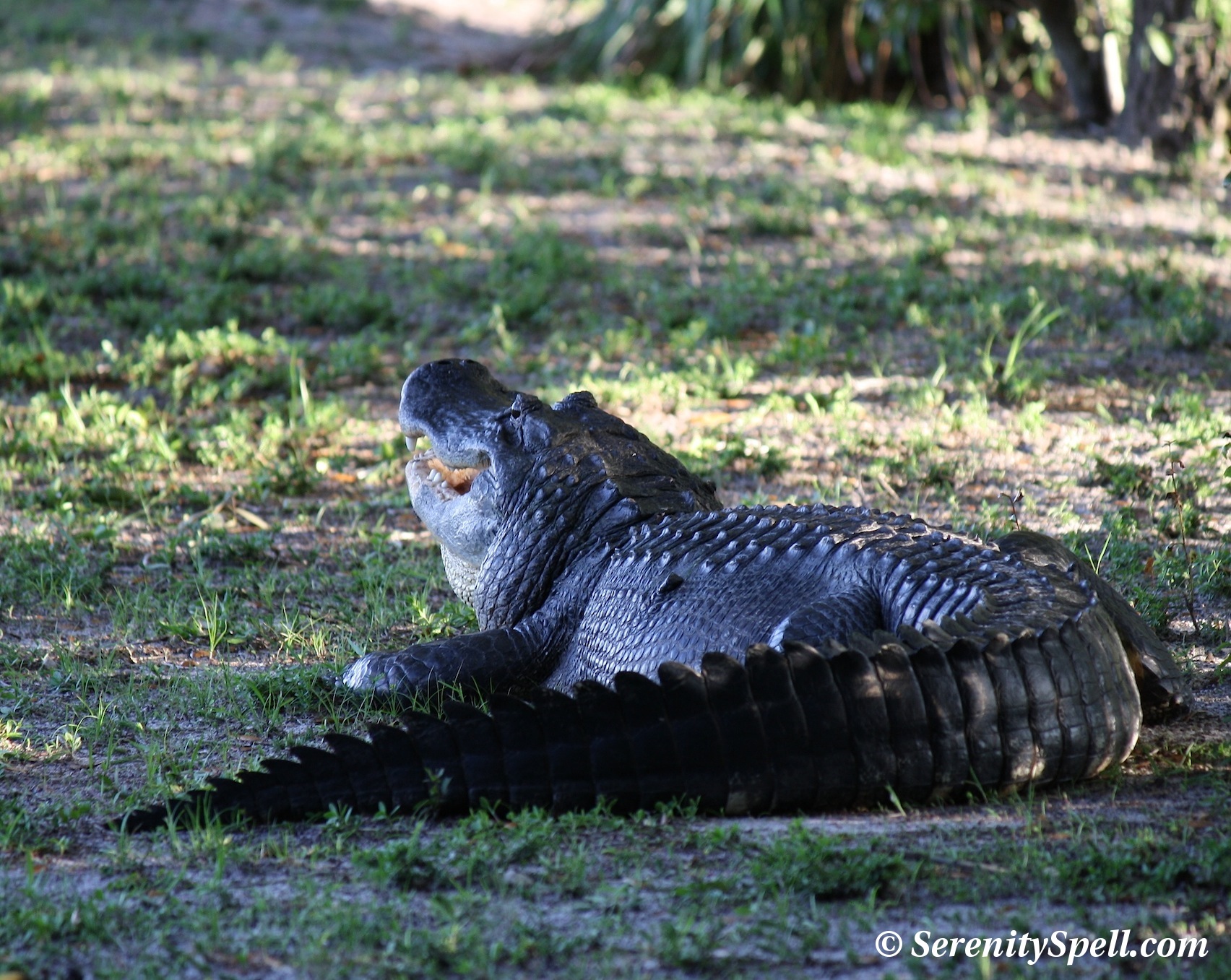
Here There be Gators: Adorable but Flighty Juvies!
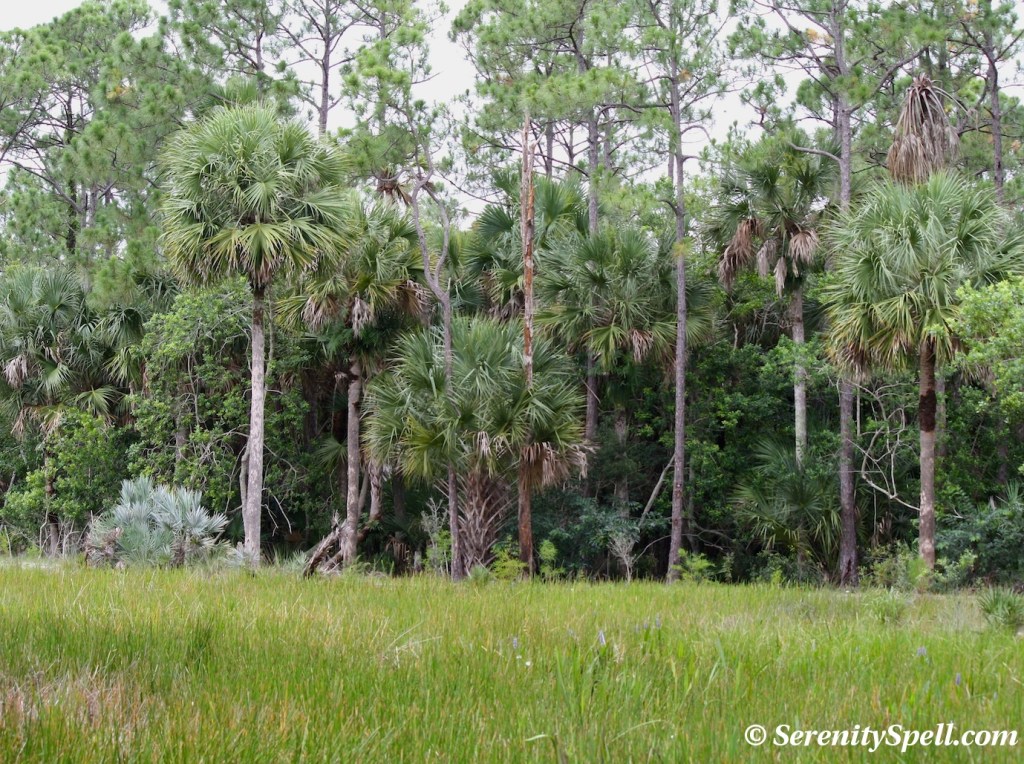
Outside of the trail…
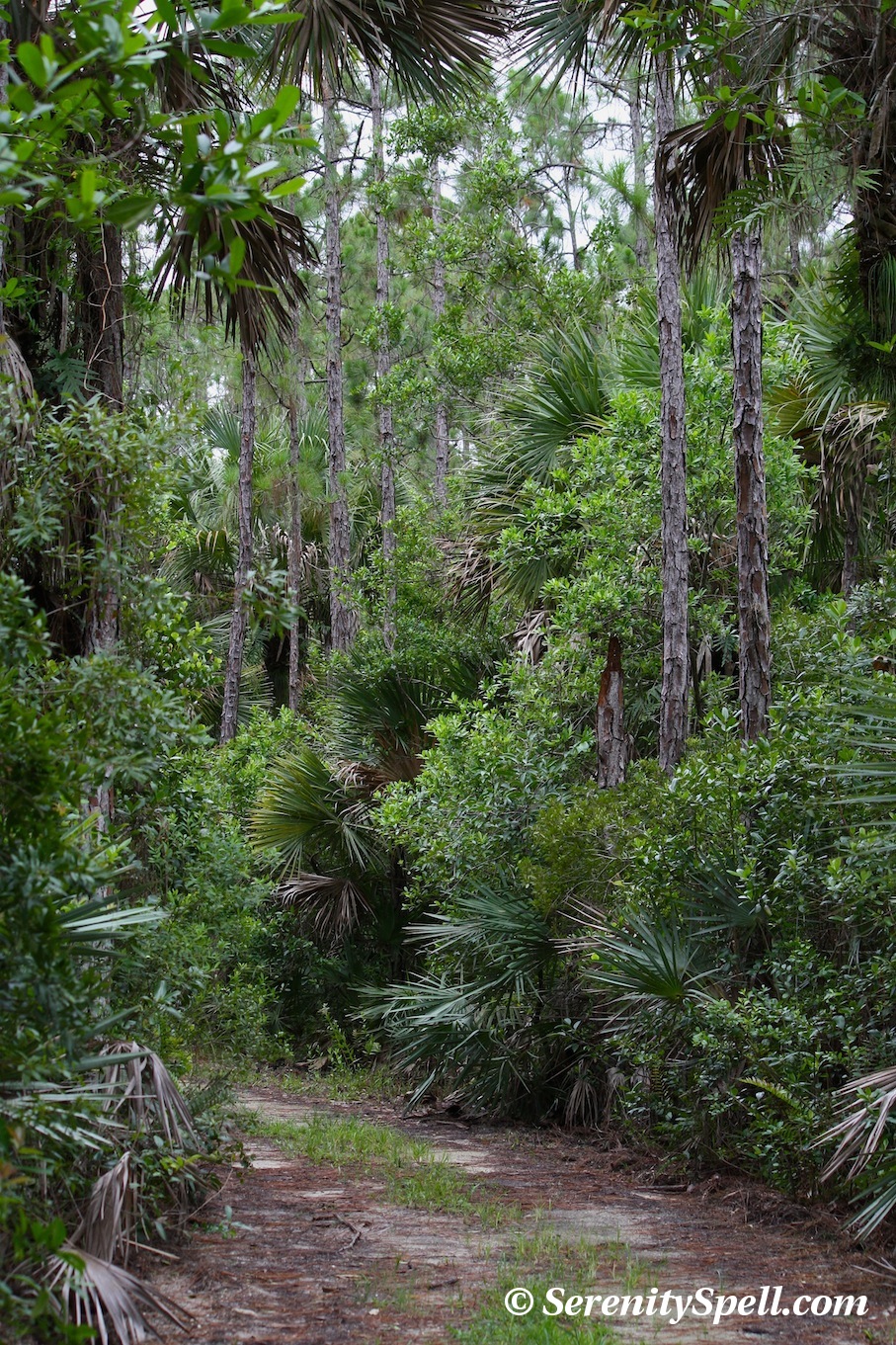
Entering the trail…
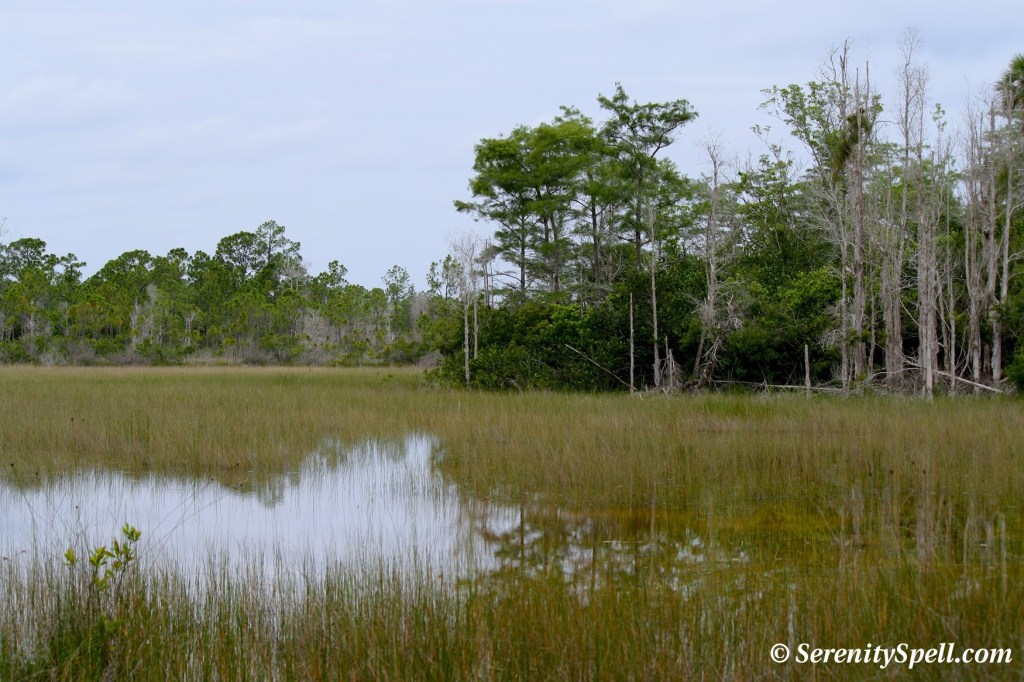
Everglades Vista
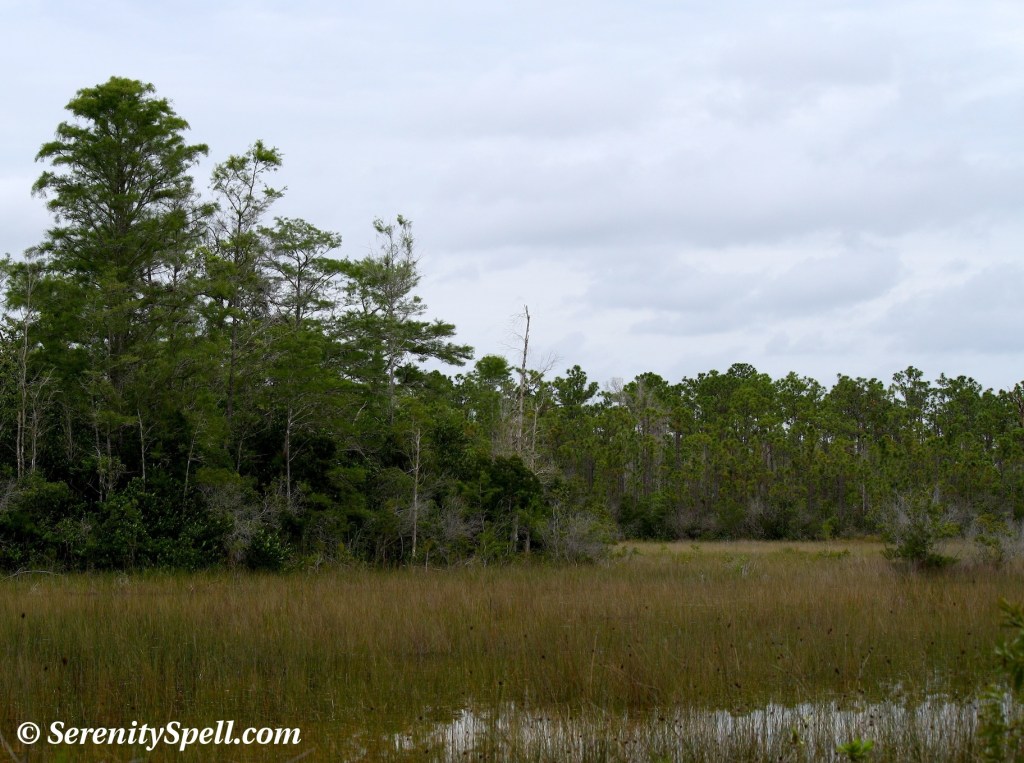
Everglades Vista
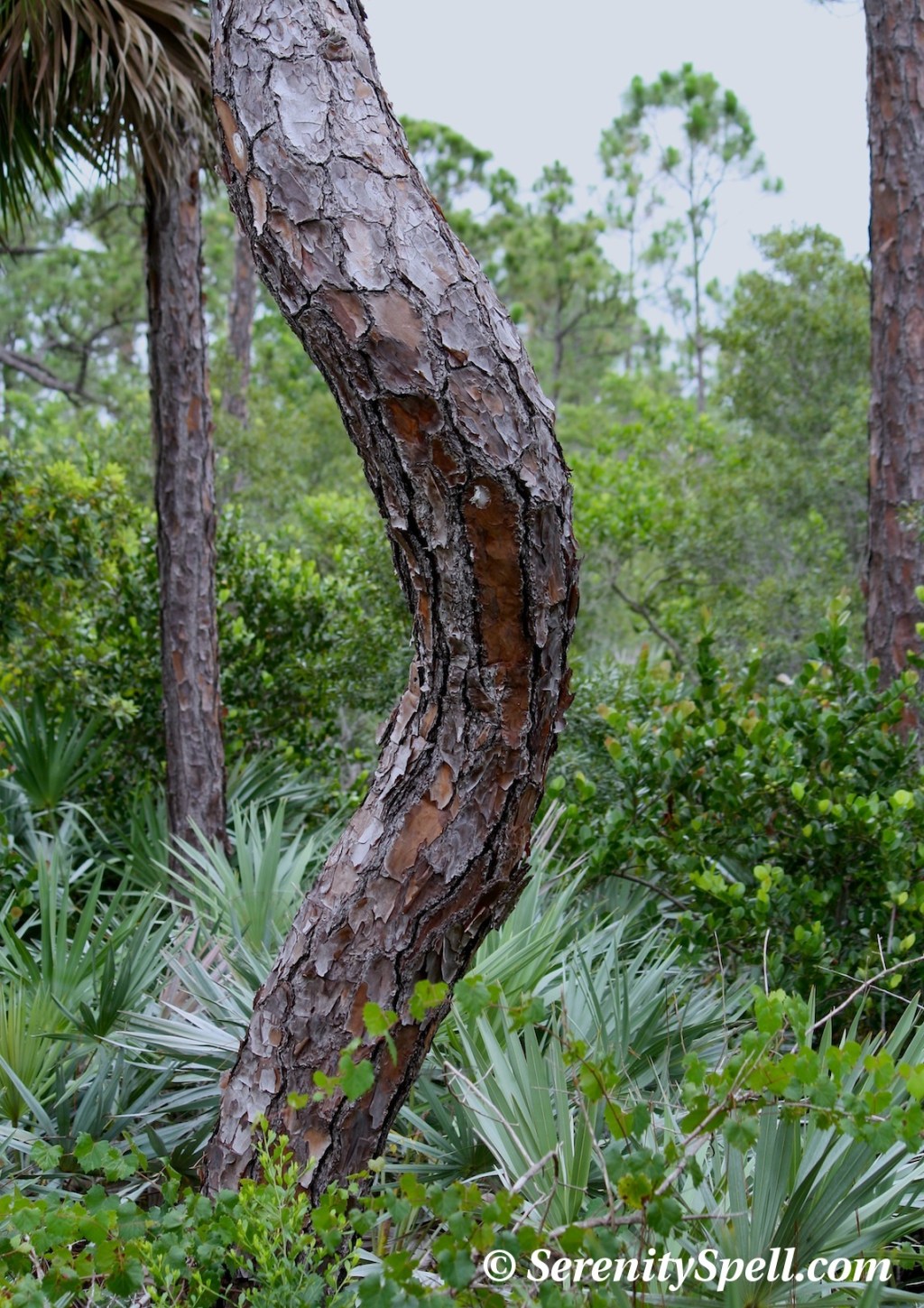
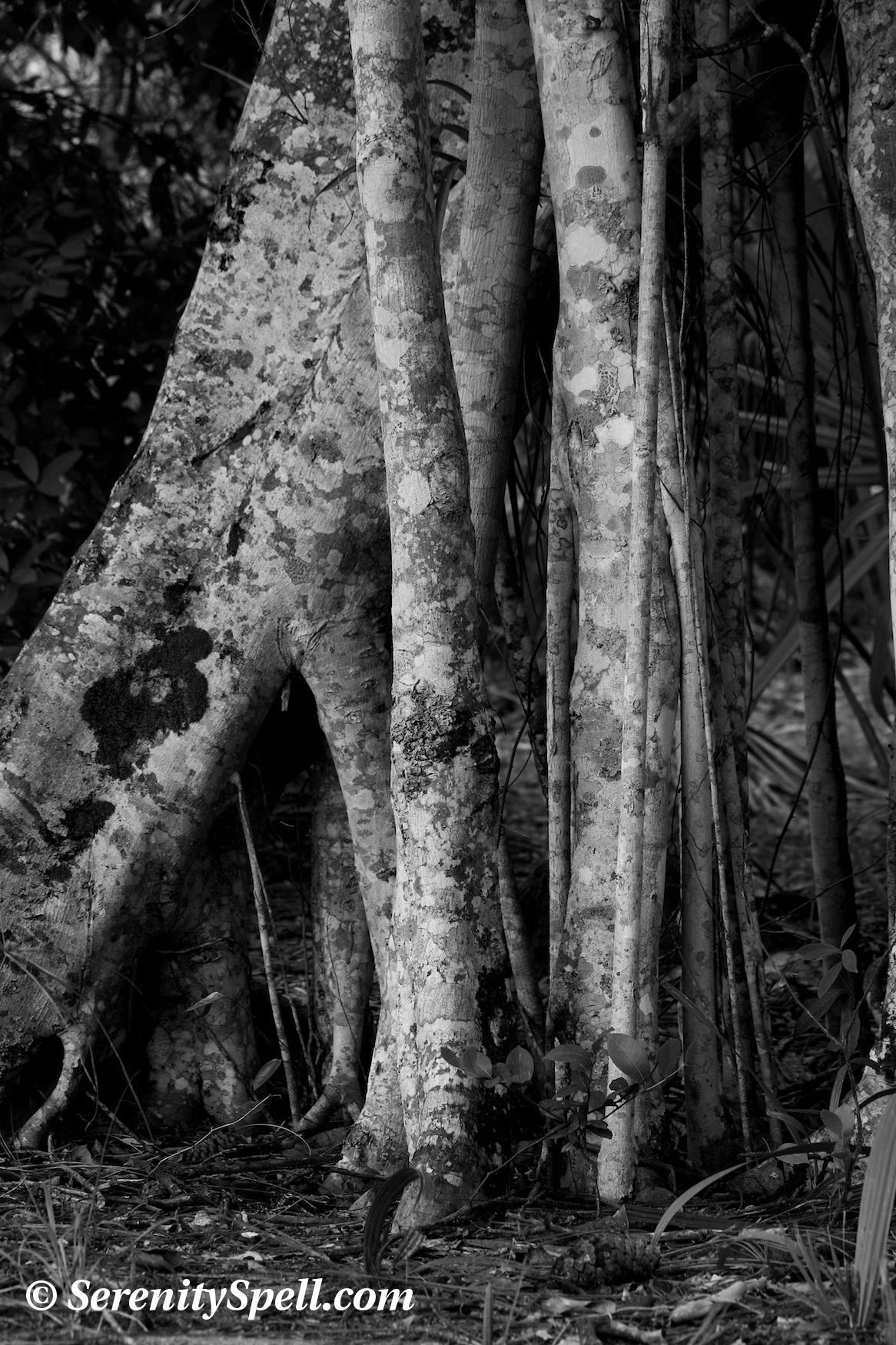
Nature’s design: Slash Pines
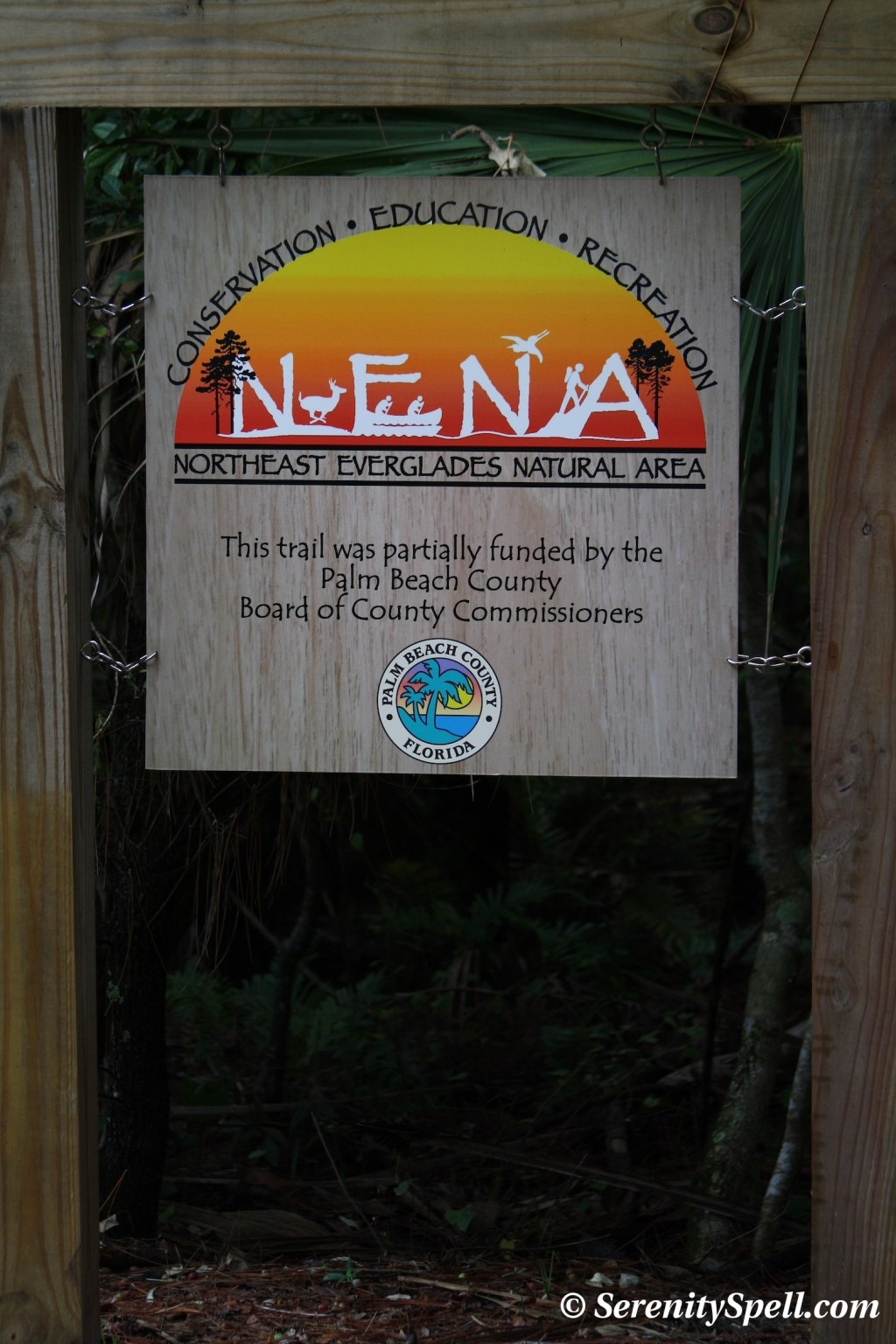
NENA Signage

Hang On

“All you need to do is hold on tight…and believe.” —Stephen King

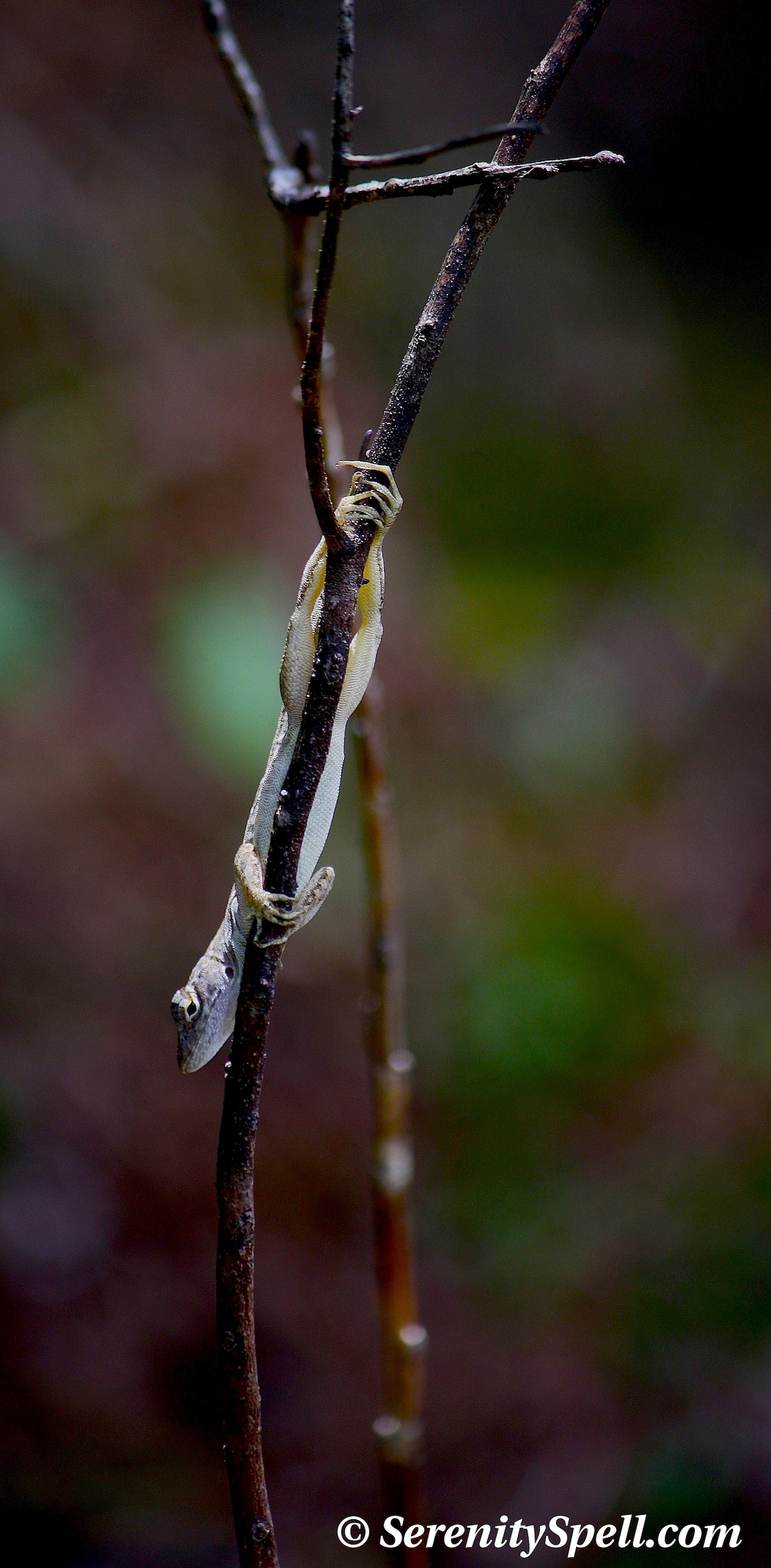
We made our second visit to a wonderful 24-mile-large Everglades preserve this weekend (more images forthcoming, it’s beautiful land) — an area new to us, so each trail is an adventure. What’s so wonderful is that we’ve been completely alone each visit, save the rustling of the critters, a magnificent great-horned owl (sadly, no picture, as we startled each other within a matter of feet), and the awe-inspiring trees, wetlands, and swamps. Entering one trail, there was a ruckus among a saw palmetto plant, and a tiny lizard popped out of its depths — it doesn’t take much to create a cacophony in their noisy fronds. He simply sat on a nearby twig, seemingly perturbed at the brief interruption. Cutie.

Brave Lizard Along the Trail at Grassy Waters Preserve

Trailhead at Grassy Waters Preserve

Everglades Vista of the Grassy Waters Preserve

1…2…3 Gator Mounds & Their Protectors

Twenty million years as a resident of planet Earth, and counting…. Scientists believe that the American alligator (Alligator mississippiensis) resembles animals that inhabited our planet as long as 100-150 million years ago — and that they may be linked to creatures dating 50-65 million years ago, managing to avoid the extinction that killed off the dinosaurs, their prehistoric contemporaries.

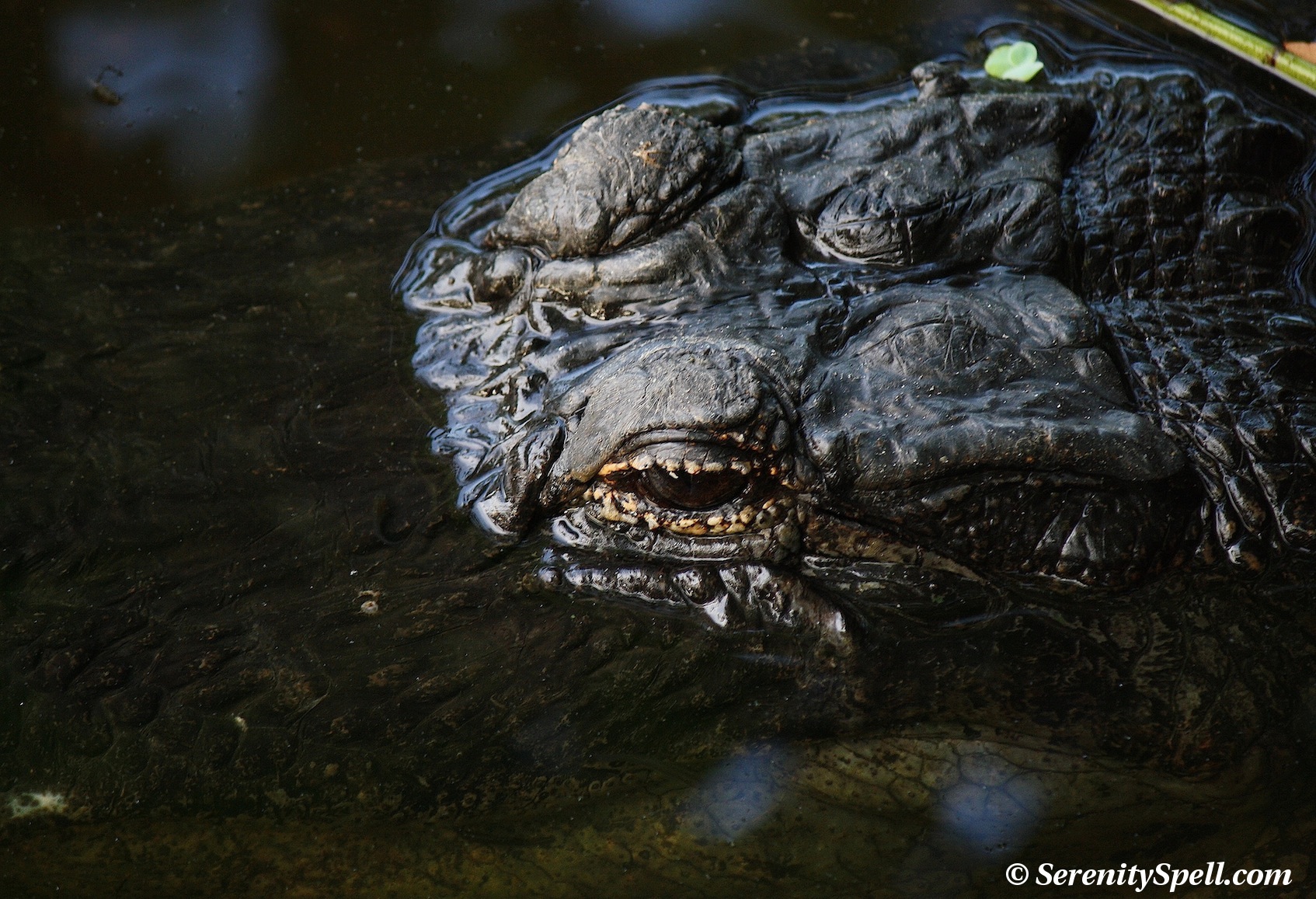
I’ve posted images of alligator courtship, several on the gator babies (with more on the way — updates to our wetland babies!) — but we now have alligator nests to watch. At least 3 nests in one wetland preserve alone — with the momma gators keeping diligent guard. Alligator nests (or mounds) are built by the female, and comprised of vegetation, sticks, and mud. They’re usually located in a sheltered spot in or near the water. She lays 20-50 eggs, and covers them under more vegetation which heats as it decays, serving to incubate the eggs. The female will remain near the nest throughout the 65-day incubation period, protecting it. If a mother alligator is killed or removed, she can’t protect her nest or young — dooming the hatchlings. *Leave wildlife alone!*

It’s always wise, and healthy (wink) to know what a gator nest looks like (see below!), if you’re a hiker in our area — momma will most definitely be nearby!

Female Alligator Guarding Her Nest

Female Alligator… Keeping a Watchful Eye on Her Nest

Small Female Alligator Guarding Nest, Surrounded by Pond Apples

An Alligator Mound at the Water’s Edge

Alligator Mound from August ’11 — Newly Hatched