Skip to content

Posts from the ‘Florida Animals’ Category

It’s World Wetlands Day!

Hikers Across the World Celebrate World Wetlands Day

Hikers honor World Wetlands Day in Israel in 2012; their poster announces “Ramsar day — Israel 2012,” and features a recently-discovered endemic species, the Hula Painted Frog. Courtesy Wikipedia.

It’s hard not to be passionate about the celebration of  World Wetlands Day, since all of what you see on this blog, the unique landscapes and its wonderful critters — are dependent on wetland ecosystems! Officially February 2, World Wetlands Day is an international celebration of the planet’s marshes, swamps, and bogs. It marks the anniversary of the signing of the Convention on Wetlands, called the Ramsar Convention, on February 2, 1971 in the Iranian city of Ramsar. World Wetlands Day was first celebrated in 1997, and since then government agencies, non-governmental organizations, and citizens all over the world have aimed to raise public awareness of the critical value and intrinsic benefits of wetland ecosystems.

World Wetlands Day Poster, 2013

World Wetlands Day Poster, 2013

World Wetlands Day 2013, from the Ramsar / World Wetlands Day Website (Click to download poster)

Despite the growing awareness of this unique ecosystem, there are sobering threats facing the survival of our wetlands:

    • A 2011 federal study estimated the U.S. lost 62,300 acres of wetlands between 2004-2009 — a loss rate 140% higher than from 1998-2004
    • Wetland habitat has now been cut within the contiguous U.S. to 110 million acres…. And those surviving wetlands face dangers like hypoxia due to water pollution and invasive species. Pythons and melaleuca in the Everglades (among a host of other destructive non-native species), and nutria in New Orleans continue to ravage the structure of this ecosystem
    • Wetlands are extremely sensitive, and are counted as one of the most vulnerable ecosystems subject to climate change
    • Wetlands residents have suffered terribly due to increased habitat loss. Throughout Florida for example — just to pick one critter — we witnessed a dramatic decrease in the populations of the already-endangered Wood storks, due to the decline and destruction of their homes, as well as what many believe to be extreme weather patterns (dry winter / wet winter) in the last few years. Like so many other wetlands-dependent species, the disappearance of the Wood stork would signal the loss of a crucial component of our wetlands. But it’s not all doom-and-gloom for this gentleman stork, as he appears to have returned this year — hoorah! Fingers crossed that our healthy wetlands will maintain their nests — and that awareness and education will help other species (though perhaps not quite as handsome as my gentleman, below).
Wood Stork in the Florida Wetlands

Wood stork at home in the wetlands

Wood Stork in Flight, Rookery Trail, West Palm Beach, Florida

Wood stork returning to its nest

There’s much that can be done to restore and protect this vital habitat — check out your local resources, visit your neighboring natural areas, and above else, LOVE YOUR WETLANDS and their amazing inhabitants!

The theme for the 2013 World Wetlands Day is Wetlands Take Care of Water. Wetlands provide critical functions, including groundwater replenishment, water purification, flood control, and nutrient storage. They also offer biodiversity, if allowed to flourish. But their health depends on the quality and quantity of the water that reaches them.

For more information, visit World Wetlands Day 2013

Facebook: https://www.facebook.com/RamsarConventionOnWetlands

Visit Mother Nature Network’s article Happy World Wetlands Day, in which our very own Green Cay Wetlands is highlighted!
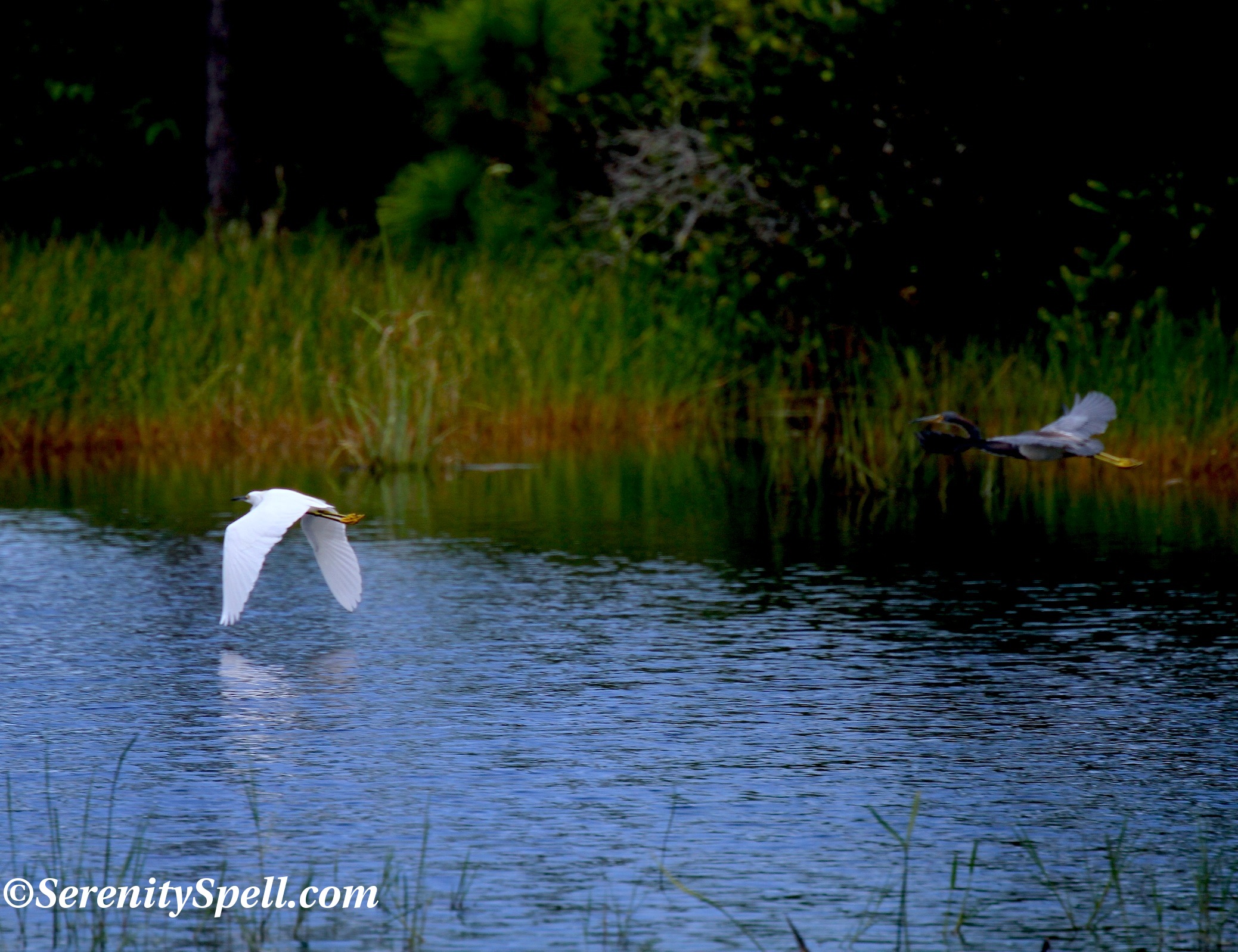
Wading Friends at the Cypress Creek Natural Area, Jupiter, Florida

Friends of flight at the Cypress Creek Natural Area in Jupiter
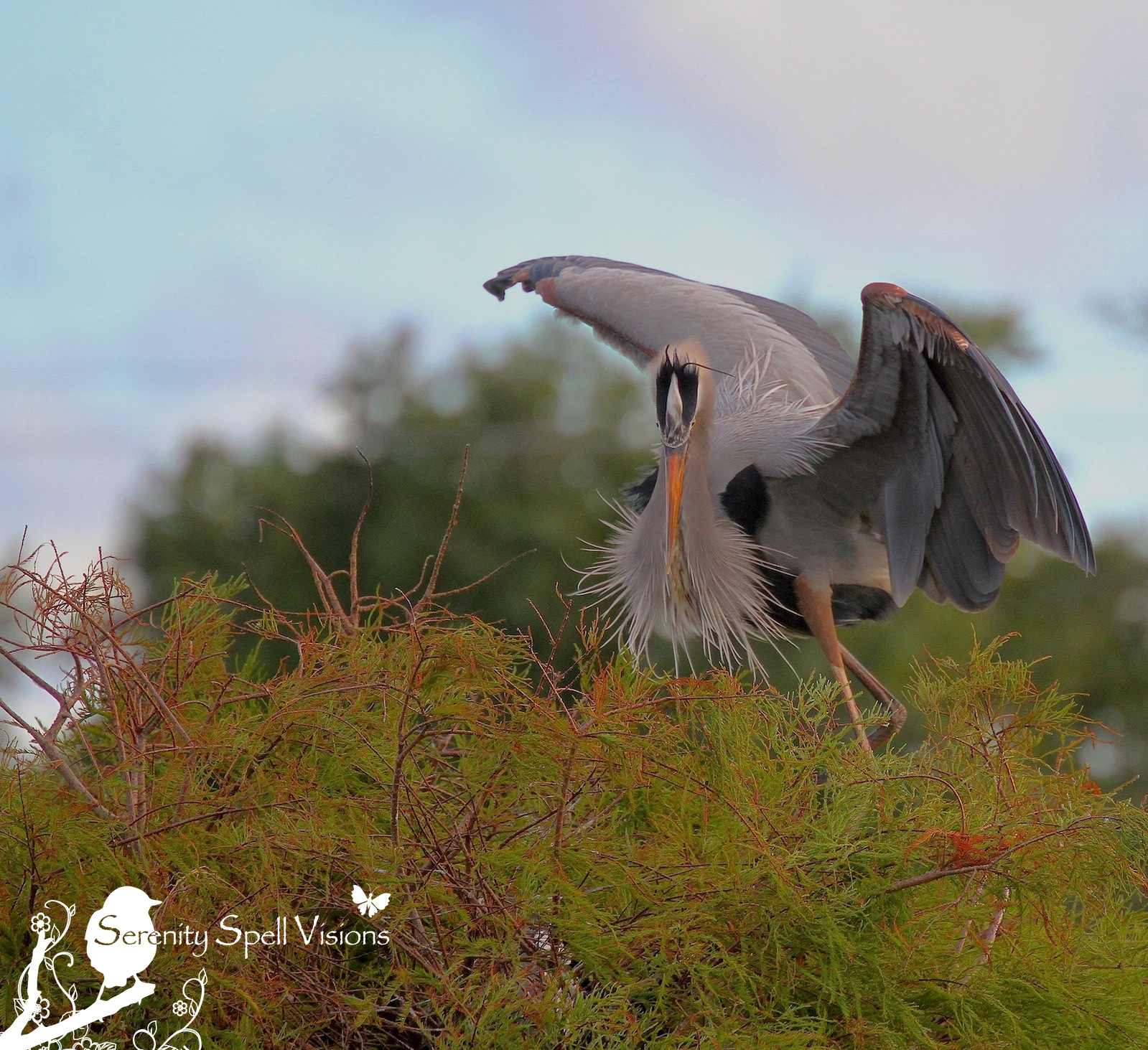
Don’t Mess with the GBH

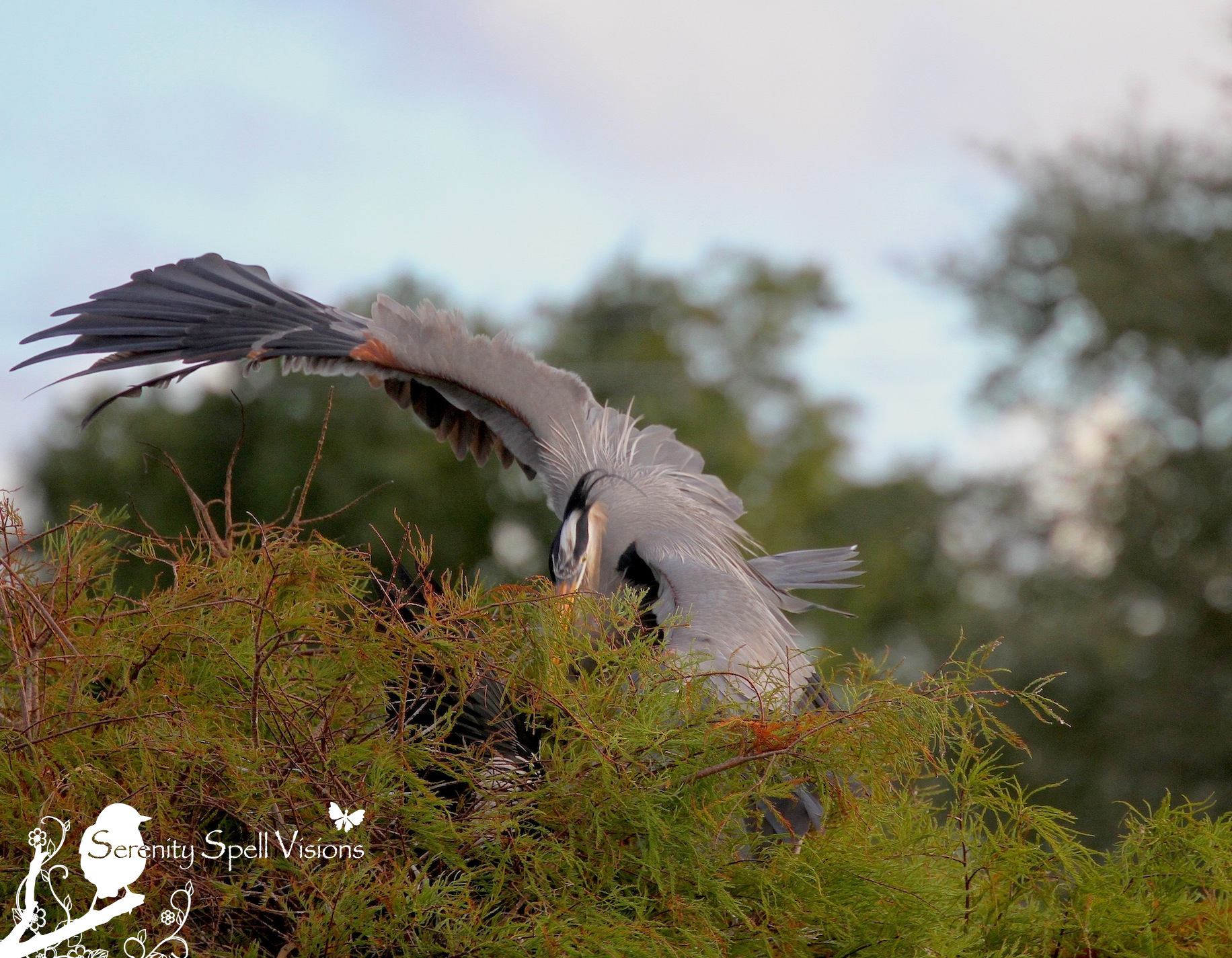
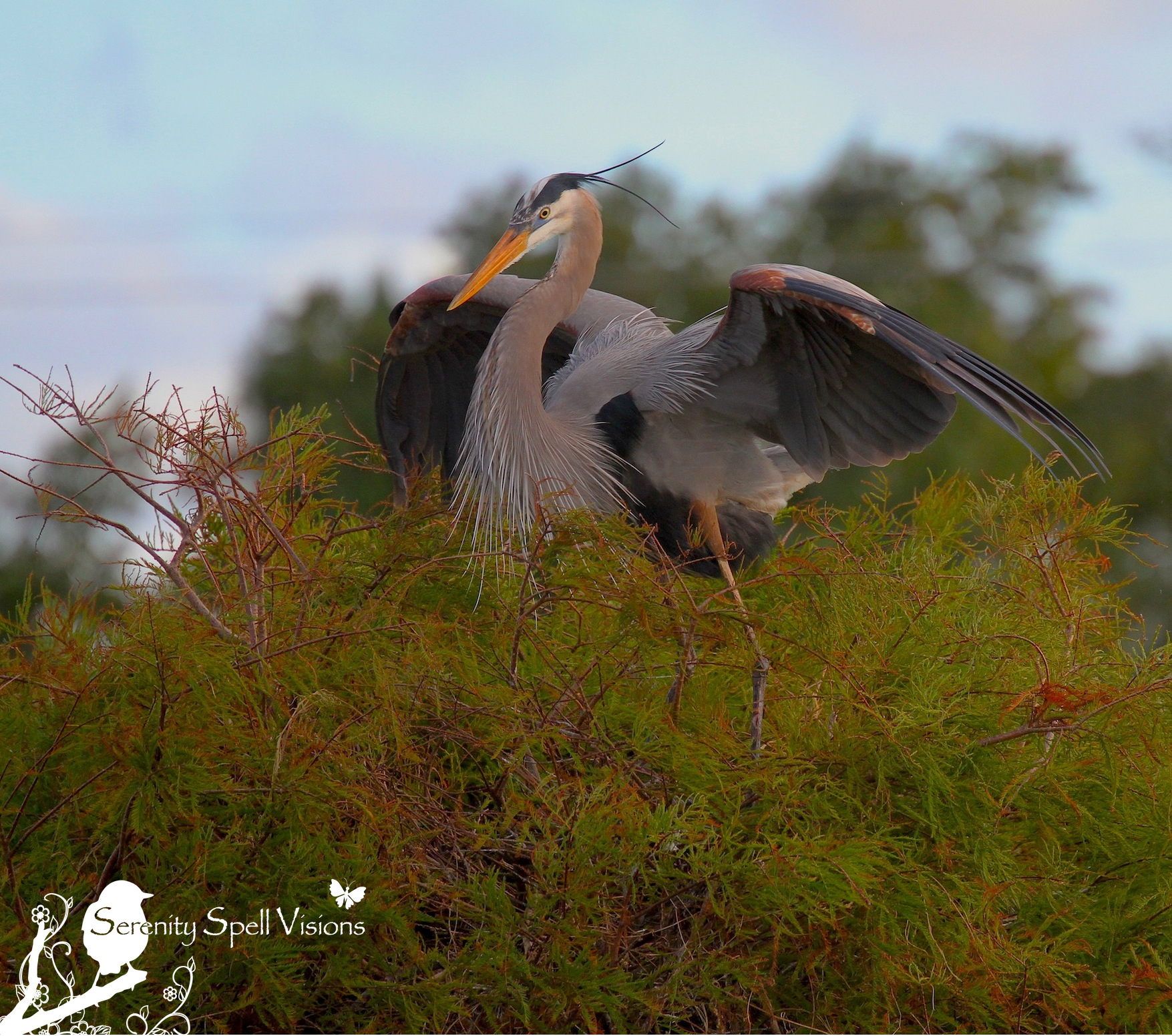
It’s nesting time now in our protected wetlands, and a really fun time — the biggest and smallest waders are settled into their annual nests (some of them, including the Great Blue Herons, return to the same nests each year). I’m running a bit behind on the nest-building activities, always a fascinating process to watch. But in the meantime, I couldn’t resist this episode that caught me unawares the other evening. I heard a GBH’s croaking cacophony (select the last option in this list — croaking calls, wing noise — for the best example) in one of the usually quiet rookeries. He or she was obviously not very happy.

Great Blue Heron, Florida Wetlands

And the tantrum begins… Echoing through the wetlands

At the time, I couldn’t see the source of torment for the heron, who was probably chasing something away from a newly-created nest. The previous night, a group of GBHs was screaming in another rookery, because an alligator swam too close for comfort to their nests. I didn’t see the gator actually nab anything, but the collective croaking, screaming noise could be heard throughout the wetlands.

As it turns out, an anhinga had the gumption to impede on this heron’s space.

Great Blue Heron, Florida Wetlands

Flushing out the enemy anhinga

The look on the poor anhinga’s face as it’s being flushed out of the rookery is priceless…. Of course I was worried for the poor anhinga: Did he have a nest too, or was he just looking for a comfy spot for the night? Either way, I wish I wasn’t walking onto the scene so suddenly, and had some time to properly prepare for the shot, to include his appalled mug.

Great Blue Heron, Florida Wetlands

Respect the wingspan

And for the Great Blue Heron? Unabashed triumph.

Great Blue Heron, Florida Wetlands

I am queen

A Moment of Zen with a Cattle Egret

Some weeks are easier than others, and this wasn’t one of the easiest — but as the magnet on my fridge dictates, sometimes ya just have to pull on your big-girl panties and move on with it. During such times, I make it a point to run to Nature — it doesn’t matter if I’m visiting the wetlands, hiking up a frenzy, or simply planting in my little yard — anything to re-focus my attentions to something I thoroughly enjoy.

As the mind races, there’s no better place than a natural environment, one in which you can really ground yourself, breathe more freely, and just observe…. These walks have allowed my best walking meditations. And of course there are always the critters to remind you that life isn’t so serious, after all.

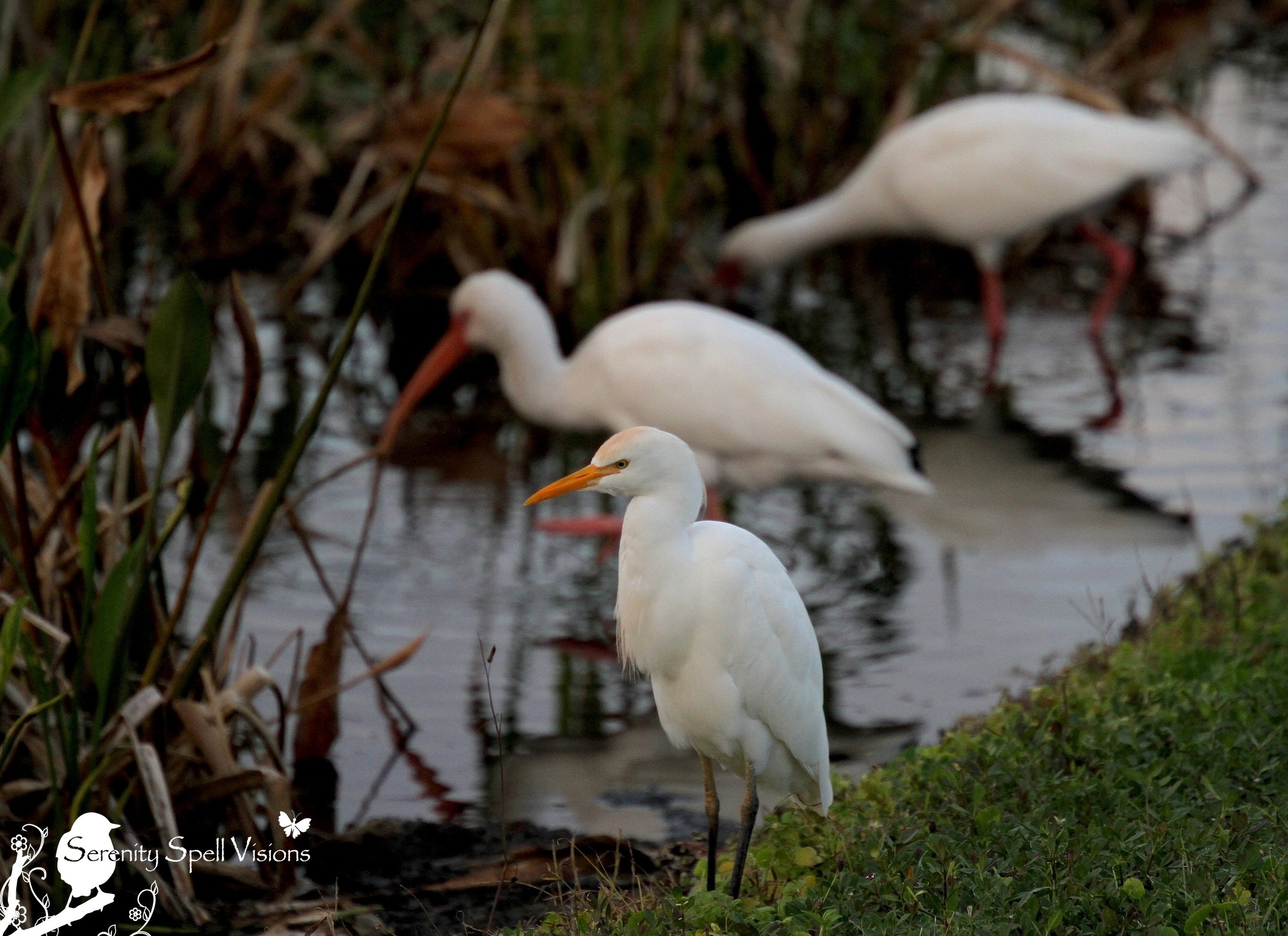
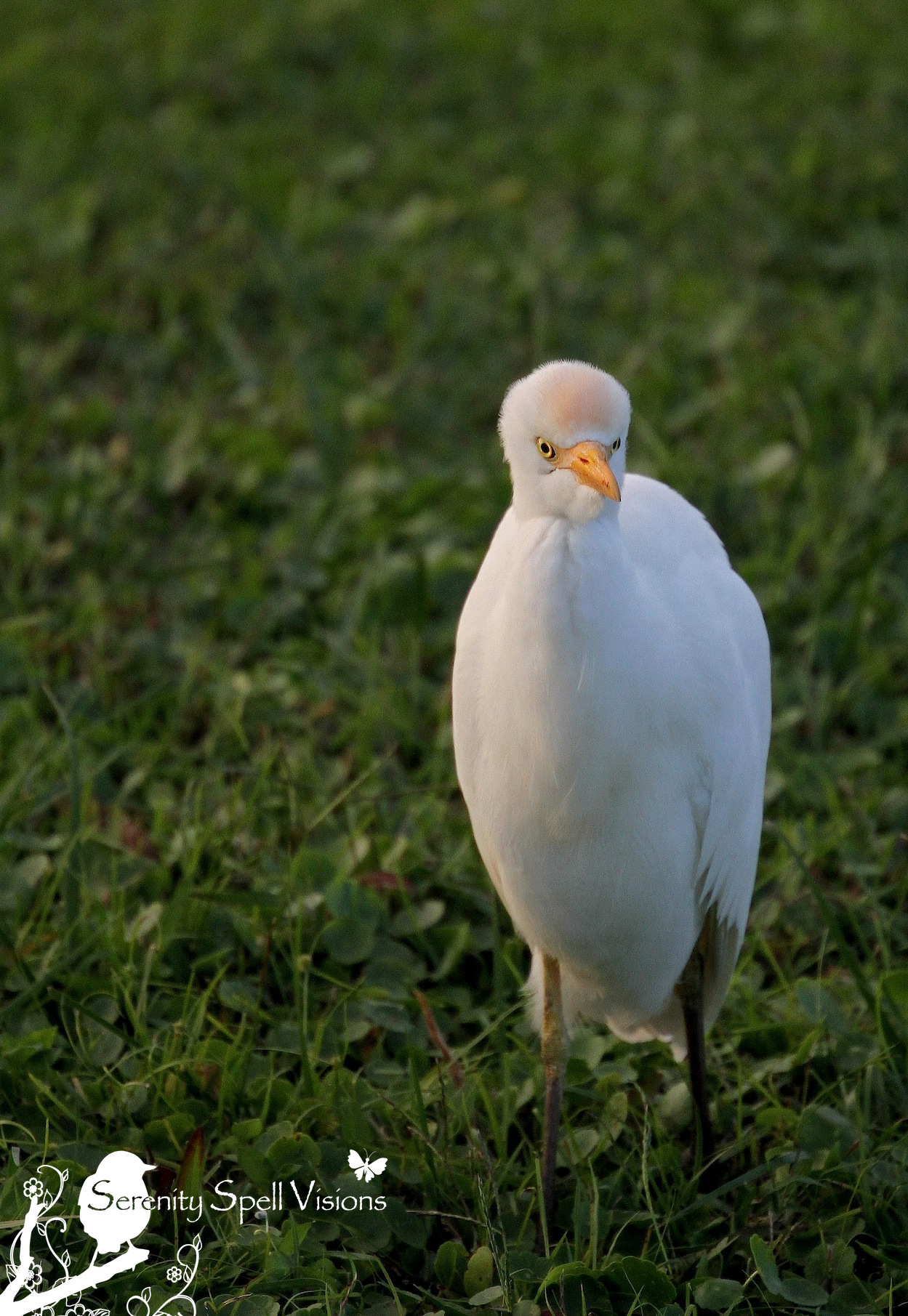
I don’t need the most elegant display to snap out of it, even if it’s temporary. This lone cattle egret was in the company of a group of ibis in our protected wetlands, who were busy grooming for the night ahead. Amid the flurry of their activity, there he sat, content in the setting sun. Thanks, little egret, for my much-needed moment of Zen….

Cattle Egret and Ibis in the Florida Wetlands

Calm amid the hubbub, with the grooming and foraging Ibis

Cattle Egret in the Florida Wetlands

Look how lovely I am, humble and peaceful little Cattle Egret…

Cattle Egret in the Florida Wetlands

….So snap out of it, girlie!

Animal Bridges and Wildlife Crossings

I recently read a statistic — nearly 70% of Florida panthers were killed by vehicles in 2012. That’s stupendous; visit Wildlife Extra to learn more. So while overall their populations are faring well, our state could definitely use some more of these most amazing animal bridges in key wildlife areas….

twistedsifter's avatarTwistedSifter


Animals bridges, which may also be known as ecoducts or wildlife crossings, are structures that allow animals to safely cross human-made barriers like highways. A wildlife crossing is the broadest term and can include: underpass tunnels, viaducts, overpasses and bridges, amphibian tunnels, fish ladders, culvets and green roofs. [Source]

Wildlife crossings are a practice in habitat conservation, allowing connections or reconnections between habitats and combating habitat fragmentation. They also assist in avoiding collisions between vehicles and animals, which in addition to killing or injuring wildlife may cause injury to humans and property damage. It has been reported that vehicle-animals collisions costs the United States a staggering $8 Billion a year.

The first wildlife crossings were constructed in France during the 1950s. European countries including the Netherlands, Switzerland, Germany, and France have been using various crossing structures to reduce the conflict between wildlife and roads for…

View original post 425 more words

Flying Zebras: Florida’s State Butterfly

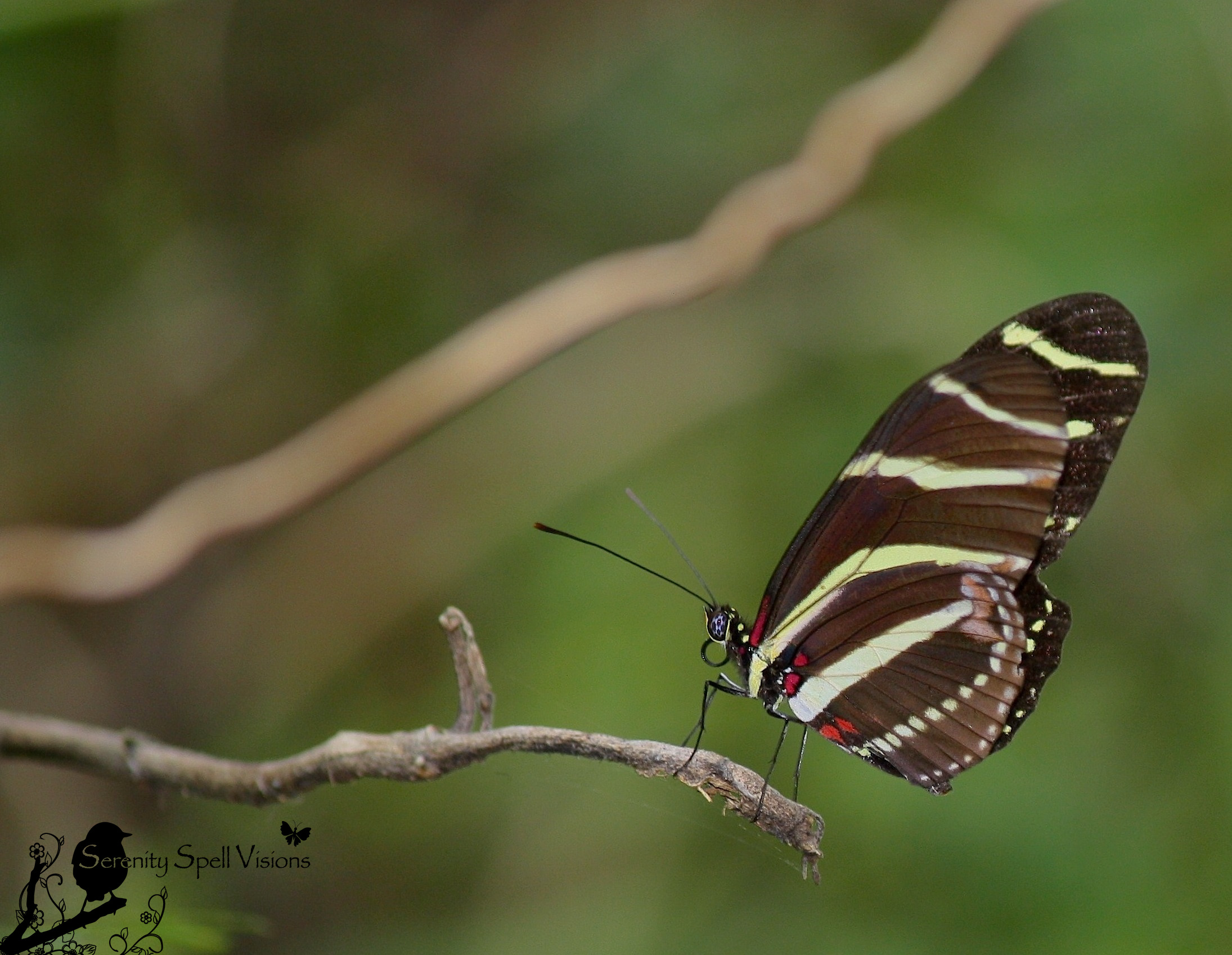
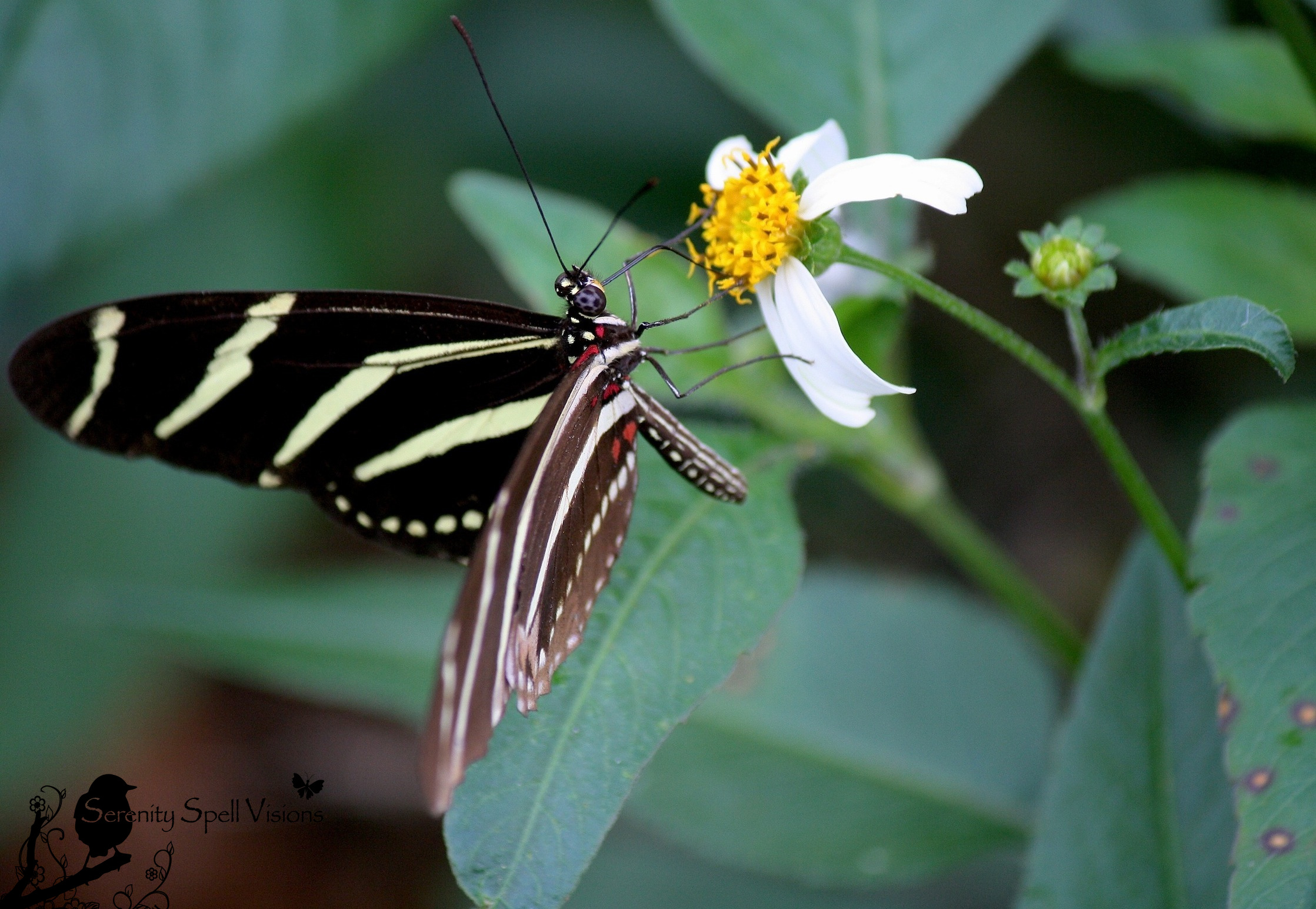
With Florida’s abundant all-year blooms, flurried butterfly activity is a welcome sight on hikes. The most common encounter is the Zebra Longwing (Heliconius charitonius), designated as the official state butterfly of Florida in 1996. No wonder it’s the state butterfly; it’s found throughout Florida in hardwood hammocks, swamps, wetlands, meadows, and in the Everglades. And if you’re keen to plant native, butterfly-friendly plants in your garden, you’ll quickly be visited by these lovelies.

While Longwings can be seen throughout Florida, they’re most abundant in the southern half of the state.

Zebra Longwing (Heliconius charitonius)

Zebra Longwing (Heliconius charitonius) in Loxahatchee National Wildlife Refuge: Cypress swamp habitat

Despite its common presence, it’s always a wonderful sight — bright and bold in our swamps and marshes. As the name suggests, Zebra Longwings sport long, narrow wings, with light yellow and black stripes.

Zebra Longwing (Heliconius charitonius)

Zebra Longwing in Fern Forest Nature Center: Oak hammock environment

Adults can mate immediately upon emerging from the chrysalis — I once witnessed a few Zebra Longwings crowding a poor lone Longwing, and feared they were attacking him/her. I now understand what was happening — the female was emerging from her chrysalis, as the males had been attracted to her scent through the chrysalis wall. They battle their way to mate with her, as she emerges. Hello, world?!

Another unusual sight I’ve witnessed (but haven’t been able to capture well) is their roosting behavior — Longwings will group together as dusk approaches, to keep warm through the night. They return to the same roost night after night….

Zebra Longwing (Heliconius charitonius)

Zebra Longwing in Riverbend Park: Open meadow habitat

A tropical and subtropical species, the Zebra Longwing is unlike other butterfly species that live for only a few weeks: these guys can live for up to six months (6 months!), since they eat the pollen AND the nectar from flowers. They are the only butterfly to do this, and the energy from the pollen extends their lives. The caterpillar feeds on various varieties of the Passion Flower (Passiflora), which is another great reason to have this beautiful vine in the yard, if you live in the Southern parts of the U.S. (and South and Central America). They’re easy to grow, and oh-so-lovely — and their widespread health benefits have been respected for centuries.

Outside of passiflora tea, it’s been used  for more than two centuries by Native Americans as a sedative and relaxant — and traditional medical practitioners accept its help in alleviating pain and lowering blood pressure, among other things. Even WebMD acknowledges its use for seizures, withdrawal symptoms, asthma, fibromyalgia, burns, swelling, muscle spasms, and more. Passiflora was approved as an over-the-counter sedative and sleep aid in the U.S., only to be taken off the market in the ’70s, like so many other natural remedies.

Yet another example of the many gentle and beautiful ways in which Nature provides!

Passion Flower (Passiflora), "Lavender Lady"

Passion Flower (Passiflora): “Lavender Lady” example at Butterfly World

Passion Flower (Passiflora), "Inspiration"

Passion Flower (Passiflora): “Inspiration” example at Butterfly World

For more information on introducing butterfly-friendly plants to the garden, visit Butterfly World and its wealth of information. Butterfly World’s conservation efforts include the establishment of The Passiflora Society International, which was established at the site to encourage research on Passion Flowers, the source of food for many butterflies. A North American “Bring Back the Butterflies” campaign is also active here, with thousands of people across the country receiving free literature on butterfly gardening for their region. Check it out! Butterfly World also helped establish the Boender Endangered Species Laboratory at the University of Florida — instrumental in saving the endangered Schaus Swallowtail, and reintroducing the species to South Florida.