Skip to content

Posts from the ‘Florida Everglades / Natural Areas’ Category

Critical Habitat Protection at the Atlantic Ridge Preserve State Park

Atlantic Ridge Preserve State Park in Stuart (Martin County) is a must-visit: a gorgeous area encompassing 5,800 acres of pristine wetlands and uplands, which provides critical habitat for endangered species of animals and plants. The ecosystem encompasses pine palmetto flatwoods, wet prairie, sand pine scrub, oak hammocks, mixed hardwoods, and freshwater marshes. It includes one of the largest areas of natural land remaining near the Florida Coast.

The natural Atlantic Ridge ecosystem is comprised of 16,000 acres in its entirety. Outside of the already-acquired 5,800 acres, some more areas are on the county’s list for lands to be acquired for purchase of conservation lands and parks — so keep your fingers crossed, because this is some truly beautiful pristine land. The Hobe Sound Irrevocable Trust is proposing to give away approximately 2,300 more acres, enabling the county to provide additional public access to this park, and to preserve the environmentally sensitive land in perpetuity as part of the State park system. The donated lands will create a wildlife, greenway, and recreational corridor running north from Halpatiokee Regional Park (also in Stuart) through the Atlantic Ridge State Park, and south to Jonathan Dickinson State Park.

Pine Flatwoods, Atlantic Ridge Preserve State Park

Pine Flatwoods (Tree = Tree)

Pine Flatwoods, Atlantic Ridge Preserve State Park

Pine Flatwoods

There’s always an exchange: here, it’s houses. In exchange for the conservation lands, the remaining 400 acres will become a new community, the Atlantic Preserve. This new Planned Unit Development (PUD) will contain 650 homes.

Prairie, Atlantic Ridge Preserve State Park

Prairie

But for the 2,300 acres of donated lands that will be protected in perpetuity, this area will serve as the missing link that will connect the Atlantic Ridge State Park ecosystem. This area includes the headwaters of the South Fork of the St. Lucie River and the Loxahatchee River — the first nationally designated “Wild and Scenic River.” The donation and preservation of this land is critical in the ongoing efforts to restore the historic waterflow of these ancient waterways.

Pines, Atlantic Ridge Preserve State Park

Into the Pines

Prescribed Burning Signage, Atlantic Ridge Preserve State Park

Prescribed, or Controlled Burning Signage

Many animals make their homes in these protected and pristine acres, including anhingas, egrets, herons, owls, hawks, sandhill cranes, and osprey. Bobcat and coyote are also abundant, but as always, these guys were shy as ever. It was equally wonderful to see such healthy and abundant Native flora for the wildlife.
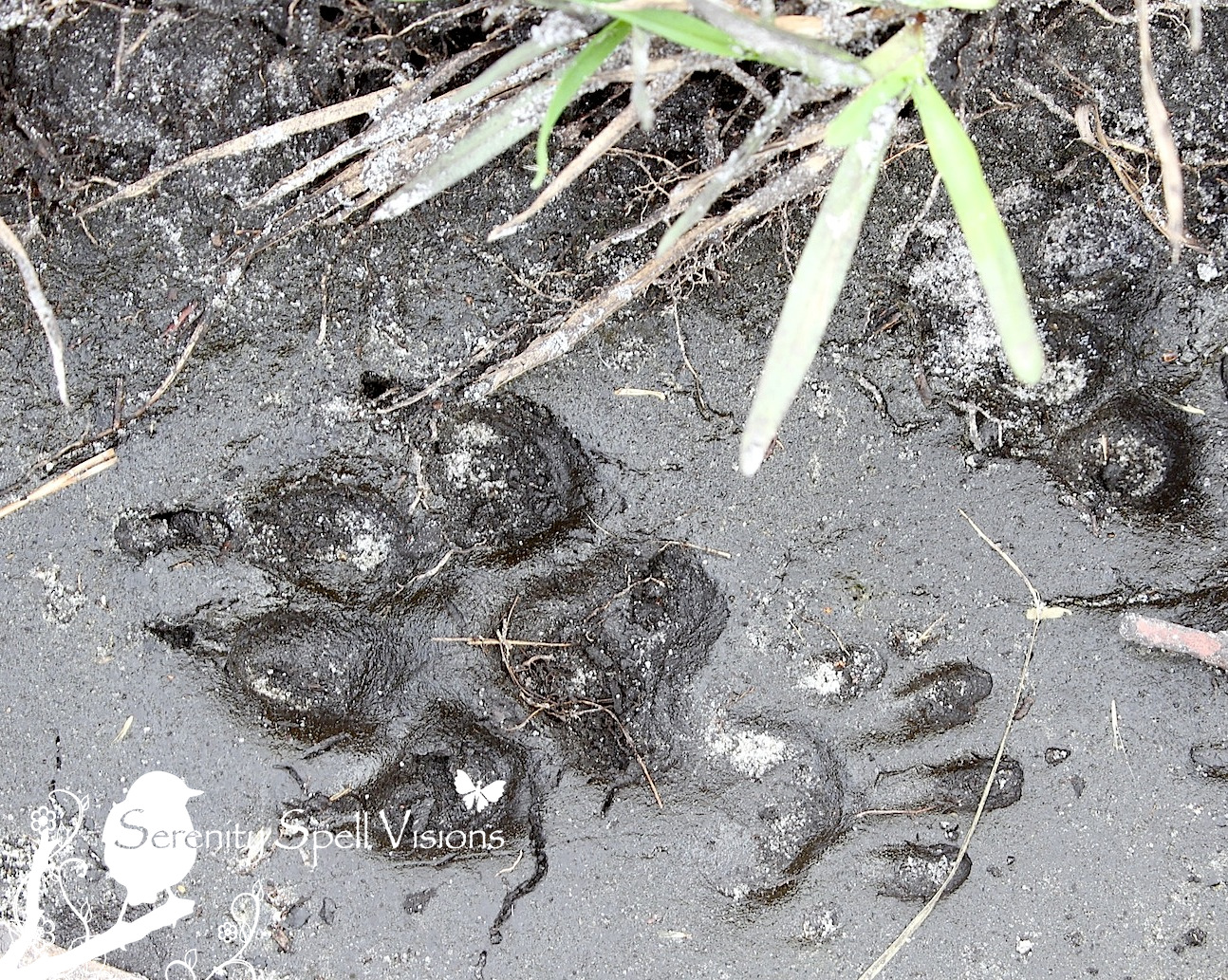
Coyote Prints, Atlantic Ridge Preserve State Park

Lots of coyote prints, but no real critter… Drats!

Feral Hog Trap, Atlantic Ridge Preserve State Park

(Invasive) Feral Hog Trap… Here, piggie piggie

Hmmm

Really have to take that Naturalist Class….

Hmmmm

Suggestions?

Click Here for a Map to the Atlantic Ridge Preserve State Park.

The only other people I saw here were on horseback — two of them! But be forewarned, having learned this from the ranger…. Apparently the Palm Beach Hunt Club likes to visit on the occasional Saturdays with their 20-something dogs and horses, spreading a scent and letting their collared dogs run free throughout the Preserve. Needless to say, I’ll never be visiting this location on any Saturday. I’m VERY confused by the County allowing this practice — that is, allowing a HUNT CLUB and their dogs roam free in sensitive, threatened habitat, with wildlife?? Am I missing something?

There’s one public access point, via Cove Road in South Stuart. Before entering, make note of the fee required at the honor station. ALSO: Call Jonathan Dickinson State Park at 772-546-2771 for the entry gate code. Sometimes the gate is closed upon entry, sometimes it’s open. Either way, you NEED THIS ENTRY CODE to leave via a locked gate!

Slash Pine Close-up, Atlantic Ridge Preserve State Park

Slash Pine Close-up

Audubon of Florida

A growing number of people are demonstrating respect, love, and passion for conservation and the environment in general, something I firmly believe this most beautiful blue sphere of ours, and its lovely inhabitants, needs en masse. And there are organizations that pull together these wonderful passions, using them for the greater good. Audubon is “Florida’s oldest conservation organization, protecting birds and wildlife for more than a century”. Through Audubon of Florida and their Conservation Network — a powerful and knowledgeable grassroots network of citizen advocates — you can access up-to-date information on the state’s conservation issues, and receive calls-to-action during critical decision-making times. There’s an incredible amount of information and resources: free and timely e-newsletters and fact sheets (including the Everglades Conservation Network’s Restore, the Florida Conservation Network’s Advocate, the Climate Action Network’s Climate Solutions, the Center for Birds of Prey’s Raptor News and the Coastal Strand). Regular reports of Florida conservation issues are provided, as are ways to help.

Great Egret in Breeding Plumage, Florida Wetlands

Great Egret in Breeding Plumage in the Protected Wetlands

Continue to love, enjoy, and work to preserve this most amazing environment, ensuring that the devastatingly high habitat loss in the Everglades and in other endangered ecosystems throughout Florida is reversed. Not all have the planet’s protection in their best interests — money still rules, and development and sprawl are devastating. But with Audubon’s tools and resources, you can help conserve Florida’s environmental future: its water resources, land, and birds and other wildlife.

National Audubon Society Logo — The Great Egret in Flight (Courtesy of The National Audubon Society)

Visit Audubon of Florida, their news blog, and the organization’s plethora of information and educational resources. It doesn’t take much to be an advocate and supporter of this state’s incredible and unique ecosystems. Or, just run to one of Florida’s more than 2,000 natural spaces and national parks (two THOUSAND) — there are so many amazing places to love and support, and by simply visiting, enjoying their beauty, you’re helping to protect them.

And for the Facebook followers: Audubon Florida on Facebook

Protect my land…!

Baby Alligator in the Florida Wetlands

Baby Alligator in the Protected Wetlands

Or…where would you be able to see my beautiful mug?

Sunning Alligator in the Florida Everglades

Sunning Alligator in the Florida Everglades

Weekly Photo Challenge: Green

Southeast Florida, and the Everglades, boasts its share of green… Without further ado, here’s a sampling of our local wildlife sporting some brilliant green hues!

The brilliant green lore of a breeding Great Egret

Green-on-Green dragonfly in the Savannas Preserve State Park

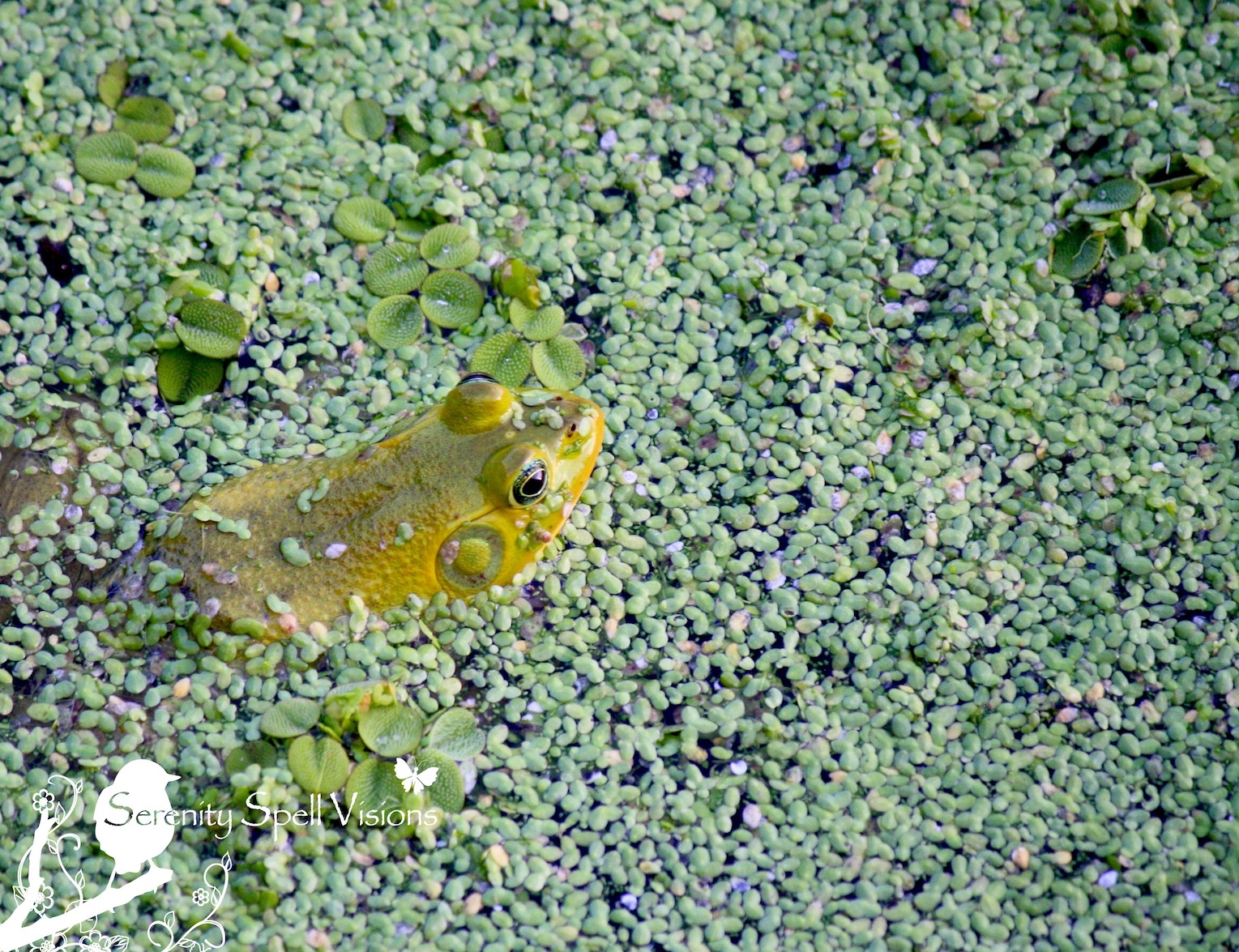
A hiding frog in the wetlands’ duckweed

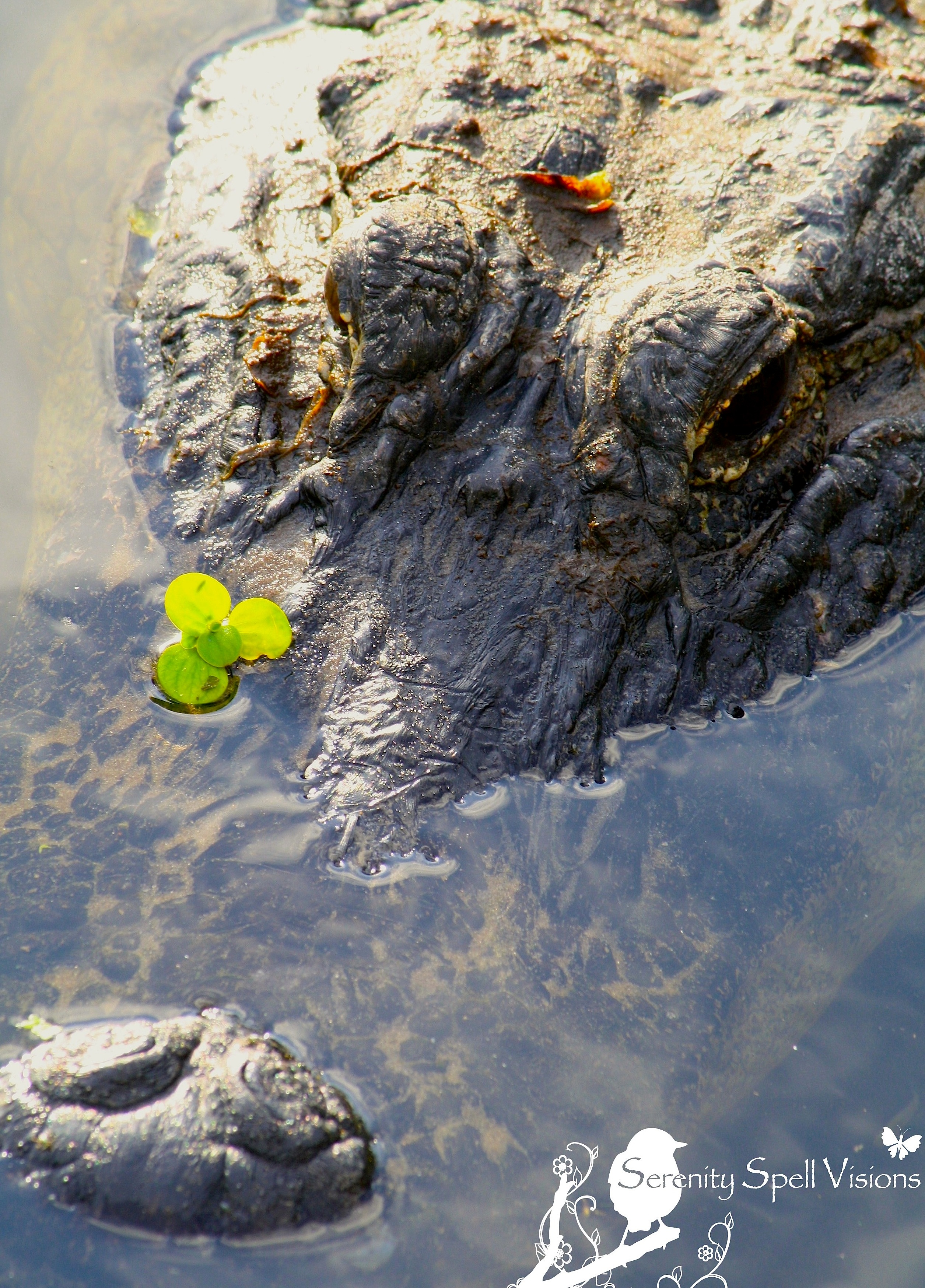
Duckweed bloom on a stalking alligator

Green dragonfly along the Apoxee Trail in the Grassy Waters Preserve

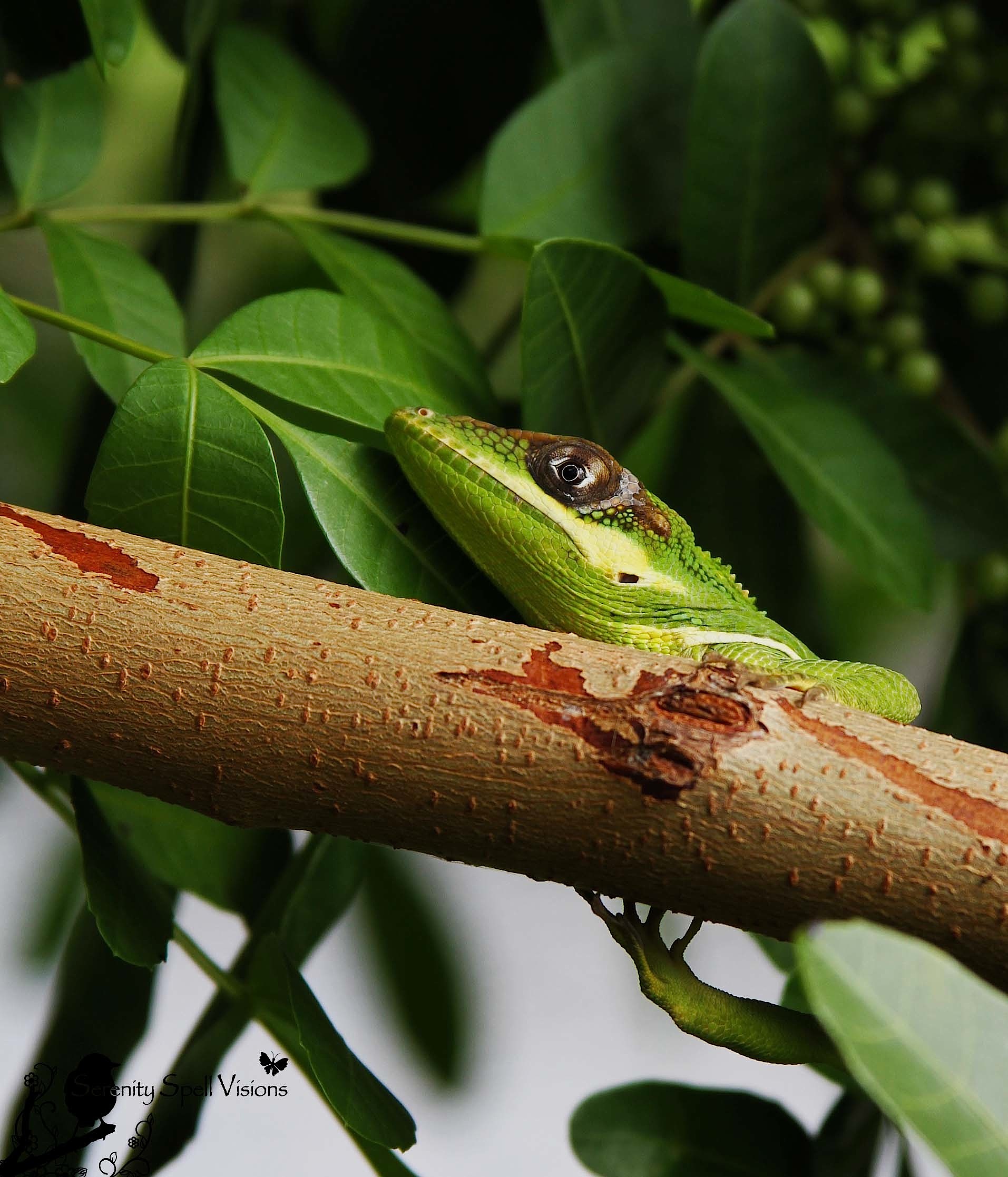
A non-native Knight Anole…in the backyard!

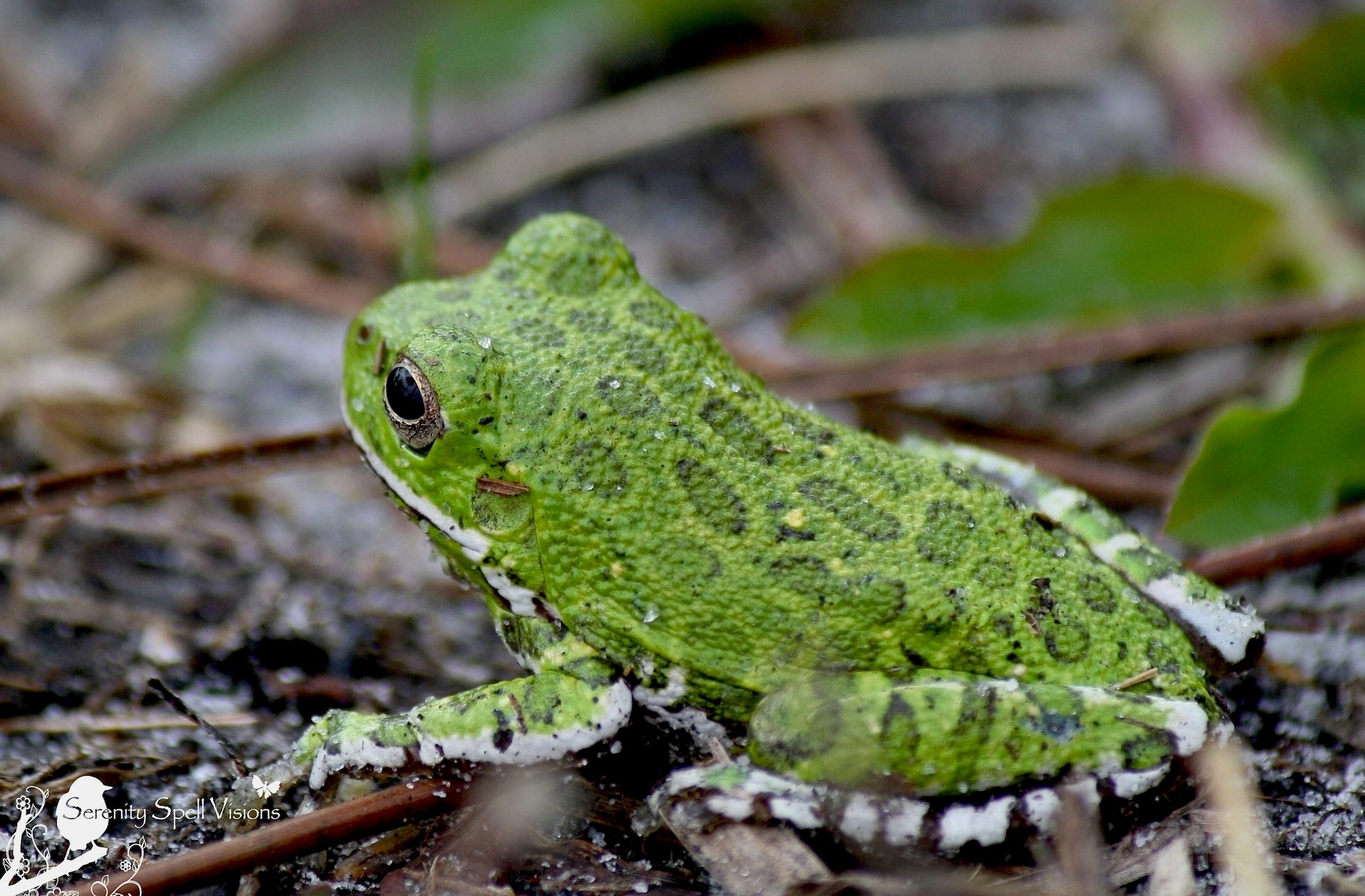
A tiny Barking Tree Frog in Jonathan Dickinson State Park

Duckweed vista of the wetlands

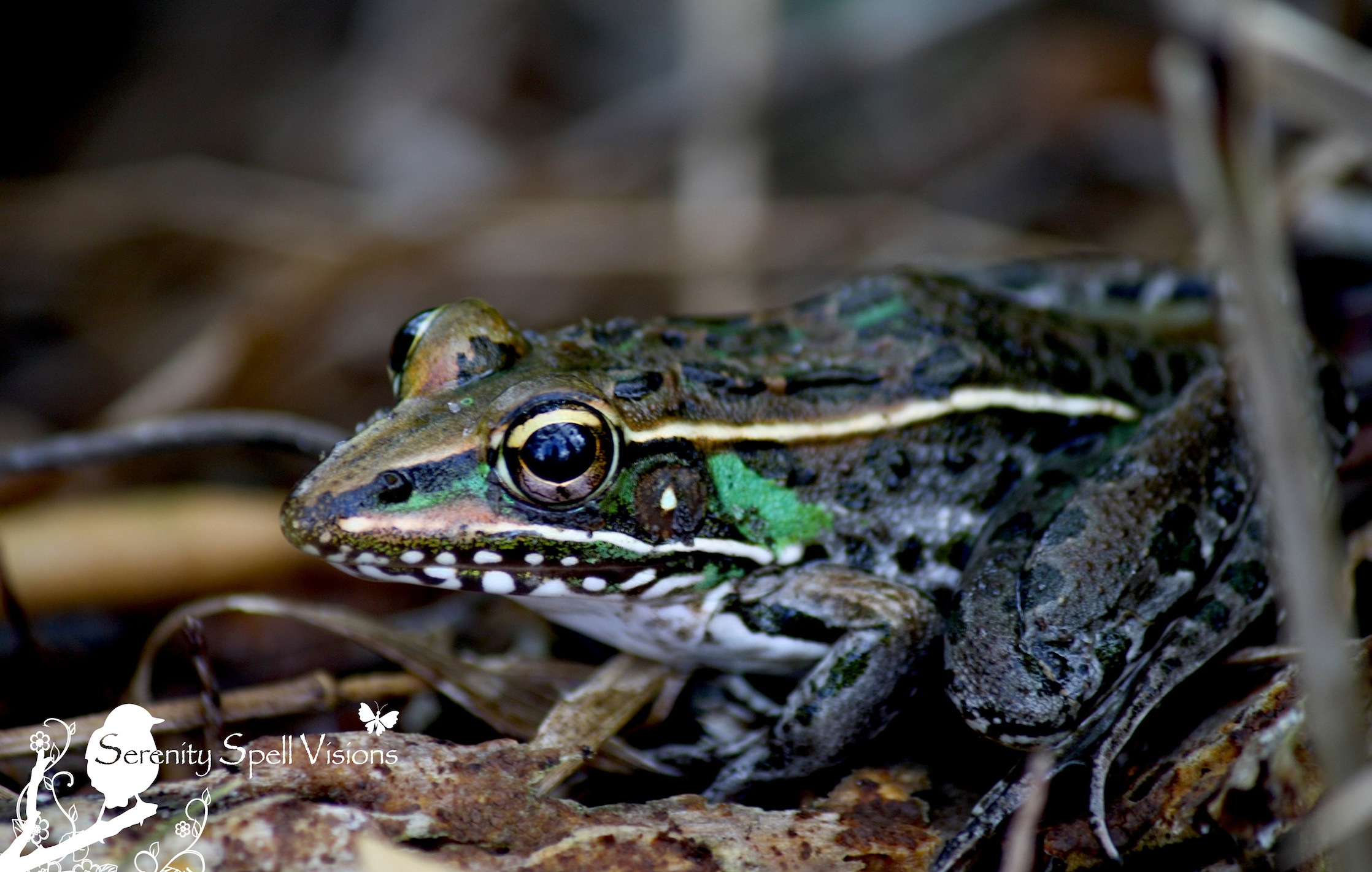
A lovely luminescent Cricket Frog in the Grassy Waters Preserve

Weekly Photo Challenge: Green

Double Vision

We recently hiked the Grassy Waters Preserve — specifically the SWA Trails within the Preserve, the Rookery Loop, and the outer Owahee Trail. Today, the Preserve serves as the freshwater supply for the city and its associated municipalities — but historically the area was the headwaters of the Loxahatchee River (Seminole for River of Turtles). It was also a key component of the Everglades watershed, which began north of Orlando and flowed through rivers that emptied into the vast Lake Okeechobee, where the lake’s waters flooded into the Everglades Basin and slowly flowed into the Florida Bay.

So while we expected to see alligators (as always!) during the hike in the Rookery Loop section of the Preserve, such numbers as those we encountered were not expected. I lost count at 40…in 3 hours! And in this area, as warned by the signage, the gators are in very close proximity to the human visitors. But as is often the case, they were very shy, perhaps not quite as accustomed to humans. And I was thrilled to spy such numbers of these amazing creatures in this beautiful and thankfully preserved ecosystem — they always make wonderful models. I don’t even know where to begin with my alligator collection from this outing, but this duo made me smile.

Seeing Double: Alligator Pair in the Everglades


Weekly Photo Challenge: Renewal

“Nature often holds up a mirror so we can see more clearly the ongoing processes of growth, renewal, and transformation in our lives.” —Mary Ann Brussat

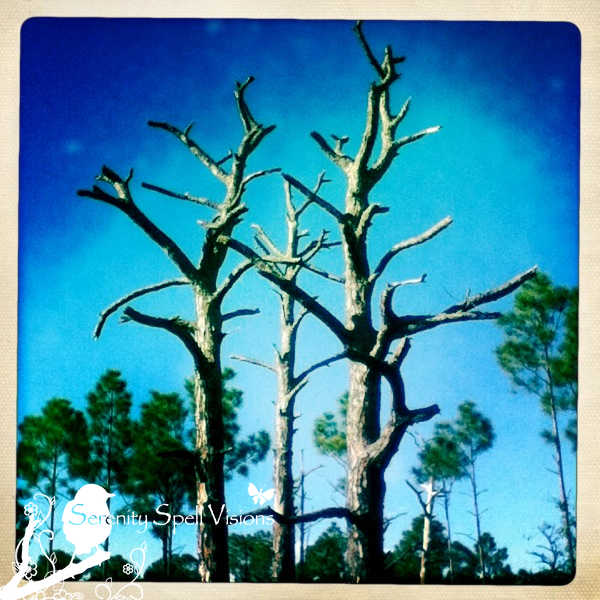
Scorched — but not necessarily dead — slash pines are profiled against their more lively brethren at various natural areas and parks. Their tenacity is ever-inspiring and a not-so-gentle reminder, as they continue to stand tall with new growth peeping amid burned limbs.

Controlled, or prescribed burns are an integral part to sustaining Florida’s natural habitats.  Such burns mimic natural fire cycles to restore healthy natural communities, thus reducing the undergrowth that accumulates over time — a contributing factor in severe wildfires. An increase in native plants, birds, and wildlife can be viewed at these burned lands.

Always Azure: Controlled Burned and Thriving Slash Pines at Bluefield Ranch Natural Area

Controlled Burned Results at Jonathan Dickinson State Park

Controlled Burned Results at Jonathan Dickinson State Park

Controlled Burned and Thriving Slash Pines at Cypress Creek Natural Area

Weekly Photo Challenge:  Renewal