Skip to content

Posts tagged ‘everglades’

World Water Day 2012

On March 22nd, 1993 the world celebrated its first World Water Day, established by the United Nations as a day for global consciousness of our most precious resource. Despite the fact that we live on a water-covered planet, only 1% of the world’s water is available for human use. With exploding population growth, access to a healthy and sustainable diet is becoming more critical — as is the need to reduce rampant food and water waste. Each year, World Water Day celebrations host different themes; this year’s focus is on “Water and Food Security.” Nearly 900 million people across the planet lack access to safe water, and 2.6 billion people lack adequate sanitation.

I saw firsthand the effects of a lack of access to this treasured resource (which is consequently tied to a poor diet), growing up where I did. We take the luxury of running water for granted in this, and most, countries. And now, living in such proximity to the Everglades (in what sadly once was the ‘glades), one quickly learns the destructive force of humankind on an entire ecosystem — a wholly unique environment on this planet — when natural waterways are re-diverted to suit development needs. I’m still on the lookout for local Water Day events…

I’ve always been surrounded by water, but humans have done their best to harm it, and in effect, the entire plant, animal, and human populations it governs, supports, and feeds. This March 22nd, help celebrate and remember that Earth has always been, and always will be our Mother — and we’re all here together, sharing her resources.

Visit National Geographic‘s informative blog, WaterAid, or the official United Nations Water Day site and its diverse materials (which provides promotional brochures, educational guides and more)….

Egret in the Everglades, Florida
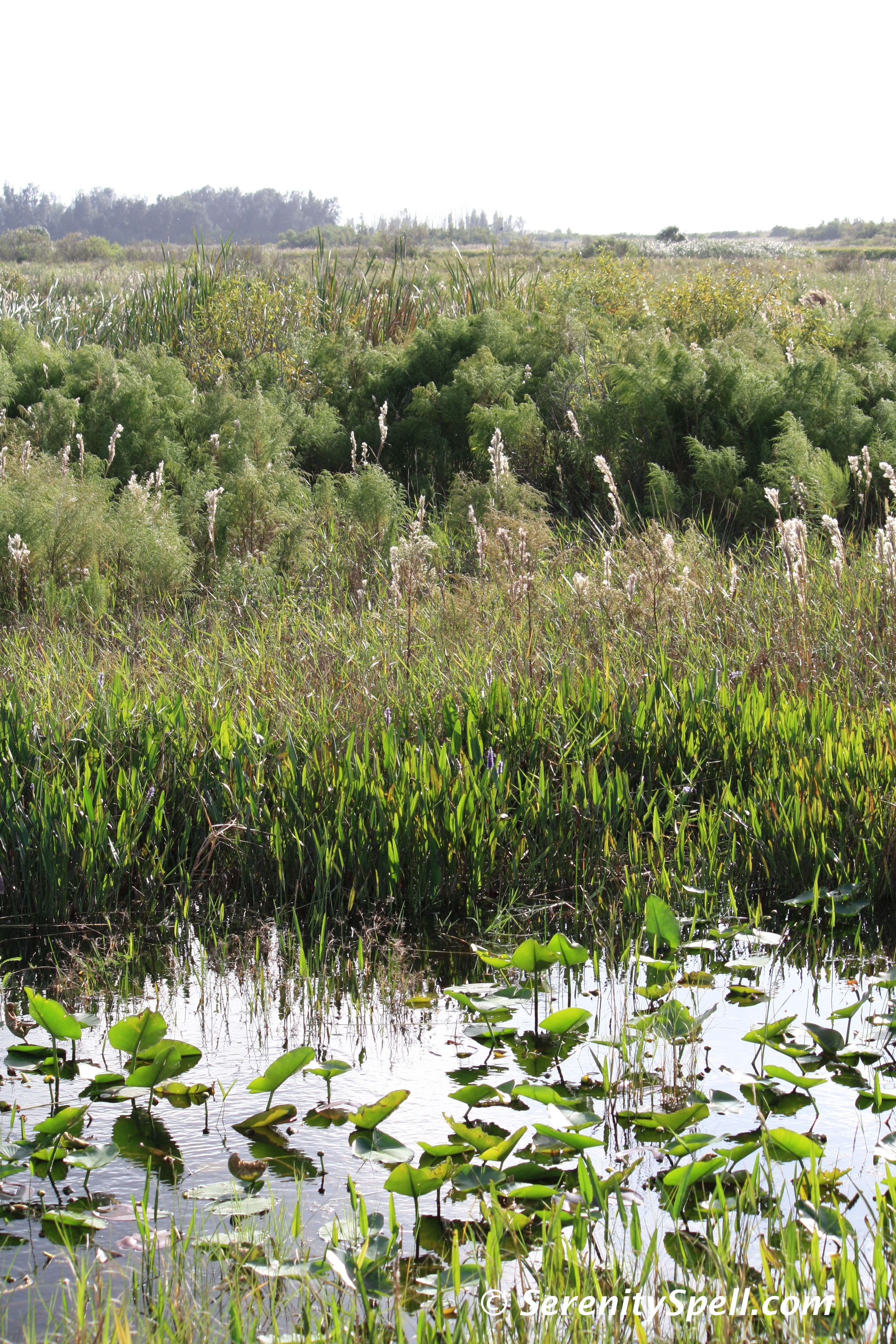
Everglades, Florida
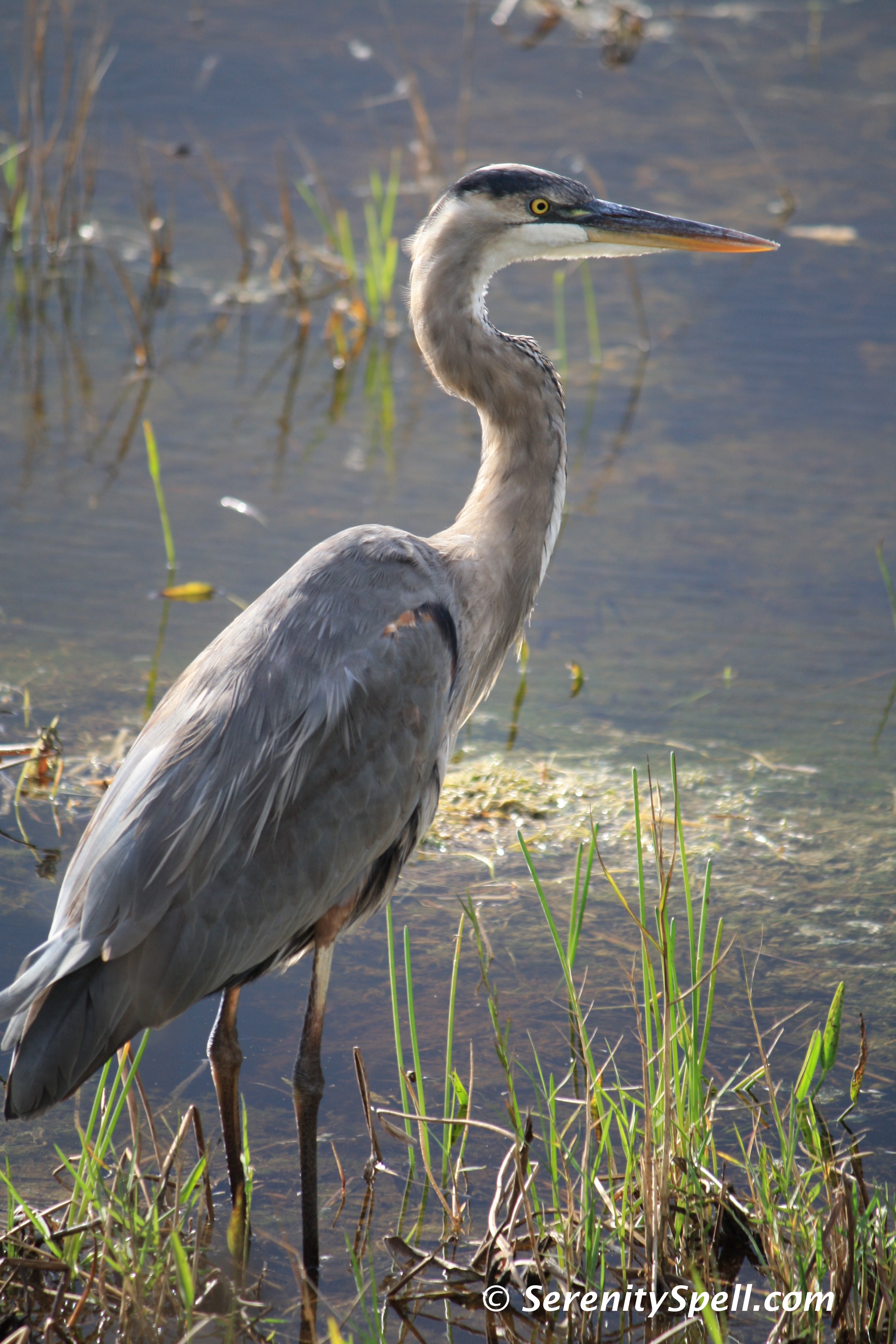
Great Blue Heron, Everglades, Florida
Tree Portraits for the Solstice ☀

In honor of the shortest day and longest night of the year — and the ancient sacred associations with the winter solstice, midwinter, and the first day of winter in the Northern Hemisphere — here are some images of our region’s fabulous flora.

This slideshow requires JavaScript.

Grace + Power: Learning from the Natural Kingdom

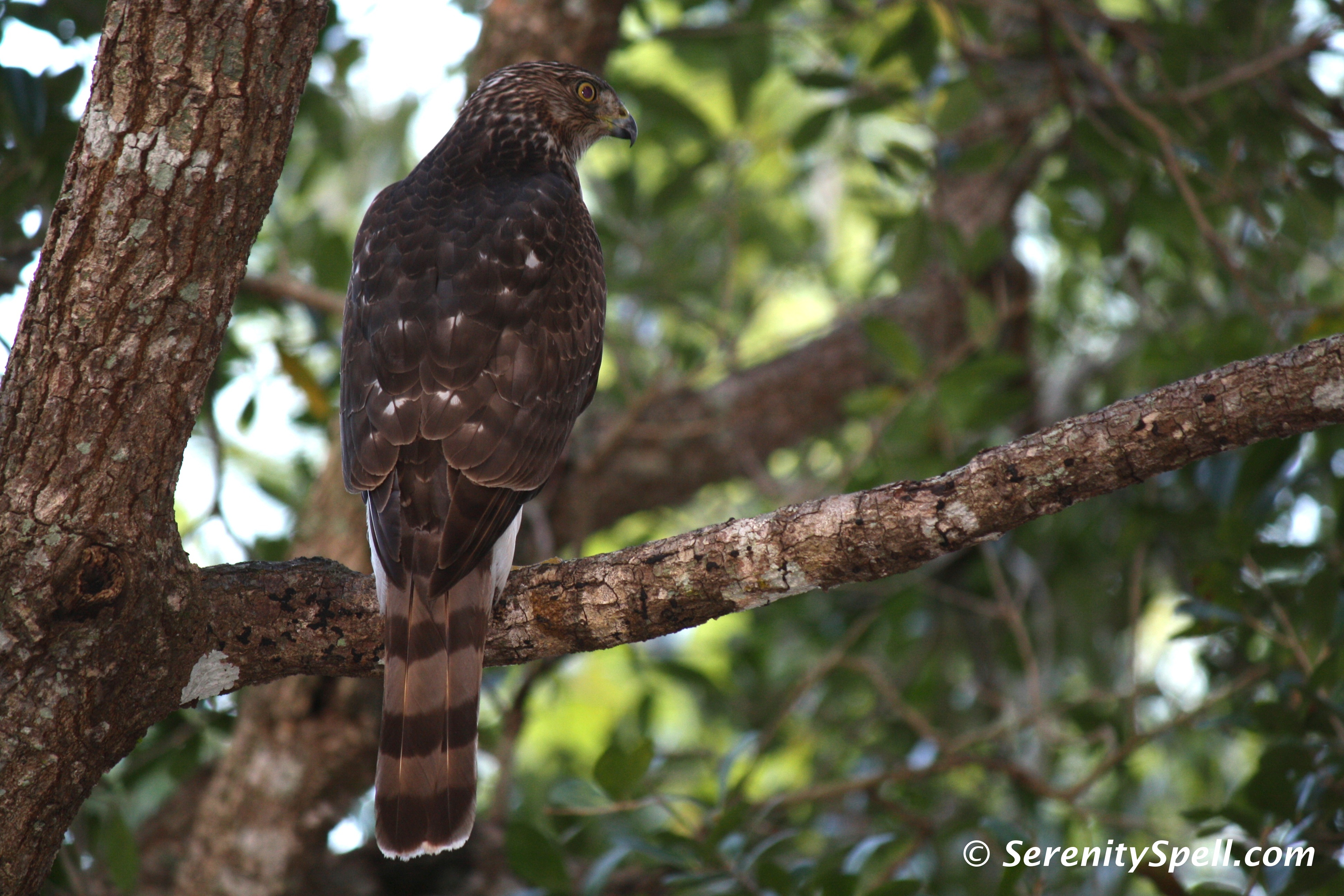
I had been brooding on the need to quietly observe nature, and the unfortunate situations in which that’s not always possible — especially when our visiting seasonal hordes treat the sanctuaries like amusement parks. But rather than wallow in the circumstance, I tried to focus on those gentle souls who lovingly respect and appreciate the natural areas as much as we do. We recently stumbled upon a spectacular raptor, an adult Cooper’s Hawk, hunting with the approaching dusk (stalking songbirds, most likely). Such grace and power seems to exist so easily in the natural (WILD) kingdom, but rarely in the human world. There have been plenty of difficult times previous to ours, with misrepresentation and squandering of power; ours is simply a new iteration of a very old story. In quietly observing the power and grace of the natural kingdom, one can strive for such a beautiful balance, regardless of anything else. For our human selves, it’s a lesson in being brave and graceful; kind and strong — and showing empathy without yielding to displays of weakness.

Cooper’s Hawk Waiting for Dinner

Finding the Quiet Moments/A Plea to New Visitors

There are times — despite the sudden heightened attendance during our (human) Snowbird Season and inevitable increased disrespect for the surroundings (read: more *trash* — more *noise* — more “not allowed” items and activities) — that quiet moments can still be found in parts of the park. Increased traffic to the natural areas is definitely a mixed blessing. Not all new visitors are rude, by any means — but for those disrespectful ones, a simple plea: Remember why you are visiting a preserve, in the first place. It’s not Disney World. Simmer down. Respect and enjoy your surroundings, and consider that for our wildlife this special place is a sanctuary, by the grace of the founders and the continued efforts of the county. And most absurdly, please try your absolute best to hold onto that plastic water bottle and/or tissue, and refrain from throwing it into the carefully *protected* wetlands supporting this native wildlife. Honestly, it’s not that far to your SUV. Flora and fauna alike thank you.

For More Information:

This slideshow requires JavaScript.

Panther Kitteh Released into Big Cypress

Trees Along the Florida Trail, in Big Cypress

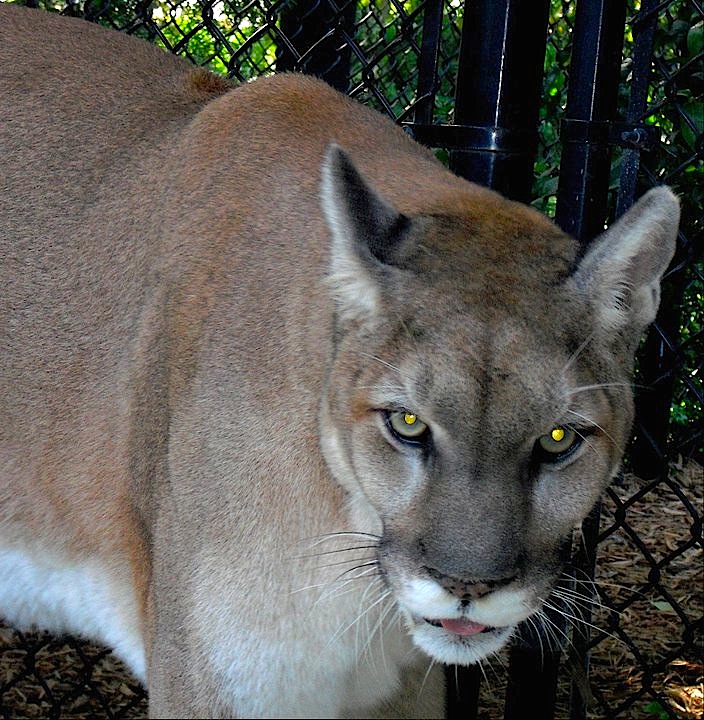
Defenders of Wildlife recently announced some great news for the Florida panther! An orphaned kitten, discovered last year (I remember the sad story — they never found his brother) has been released in Big Cypress National Preserve. Much luck to them all, and profuse thanks for the continued rescue and conservation efforts on the biologists’ behalf.

Rescued Florida Panther, Panther Ridge Conservation Center

The cats have much to contend with in Big Cypress these days — continued threats of oil-drilling expansion from Florida’s Governor Rick Scott, and the increased use, and consequently trails, of off-road vehicles (ORVs). The battle rages, with overwhelming concerns for the wildlife — mainly for the elusive Florida panther’s habitat. As of early November 2011, a lawsuit has been filed to protect Big Cypress from invasive ORV employment — seeking to overturn National Park Service’s decision to introduce extensive ORV use in the Addition Lands. According to the lawsuit, NPS authorized the ORVs in the Addition Lands, a result they achieved “by improperly excluding pristine lands from a wilderness eligibility study, which allowed NPS to bypass recommending those areas to Congress for long-term preservation as wilderness for the public’s enjoyment of these lands in their natural state. The lawsuit also raises concerns with the U.S. Fish and Wildlife Service’s Biological Opinion, which failed to address several key threats to the highly imperiled Florida panther, as well as other species. Here is a link to the press release, and here is a link to the complaint.” (WE-blog: Wildlife and Environment Blog). As one who’s encountered these mechanical beasts within the far reaches of Big Cypress, it’s indeed a sad and scary thing to witness — their sheer size, their bellowing noise, their enormous tracks — after walking for hours through the silence and beauty of Big Cypress, their force is all that more mind-blowingly evident.

From the Defenders of Wildlife article:

(Visit the Defenders of Wildlife blog for the complete article by Caitlin Leutwiler, Panther Kitten Released into the Wild.)

This week saw the happy return of an orphaned Florida panther kitten to the wild. The release of the 1.5-year-old cat took place on Tuesday evening in Florida’s Big Cypress National Preserve, near the area he’d been discovered last year.

Watch the video footage of the kitten as he takes off into the Big Cypress National Preserve (footage provided by Ralph Arwood).

Background:

On October 25, 2010, through on-going tracking activity within the preserve, the radio-collar of female panther FP102 began emitting a mortality signal. Upon reaching the site of the signal, National Park Service biologists found the remains of the cat. A subsequent necropsy confirmed that she had died from wounds received during a fight. Five months earlier the cat had given birth to two male kittens. After the death of FP102, one of the offspring, was discovered. His sibling was never found.

Rescue efforts:

The National Park Service, working closely with the Florida Fish and Wildlife Conservation Commission and the U. S. Fish and Wildlife Service, transported the kitten, now called FP194, to the White Oak Conservation Center, a wildlife facility in northeastern Florida. At the facility, the cat was cared for and housed in appropriate facilities with minimal human contact….

For More Information on the ORV Issue and Lawsuit:

For More Information on Big Cypress National Preserve: