Skip to content

Posts tagged ‘nature’

Weekly Photo Challenge: Renewal

“Nature often holds up a mirror so we can see more clearly the ongoing processes of growth, renewal, and transformation in our lives.” —Mary Ann Brussat

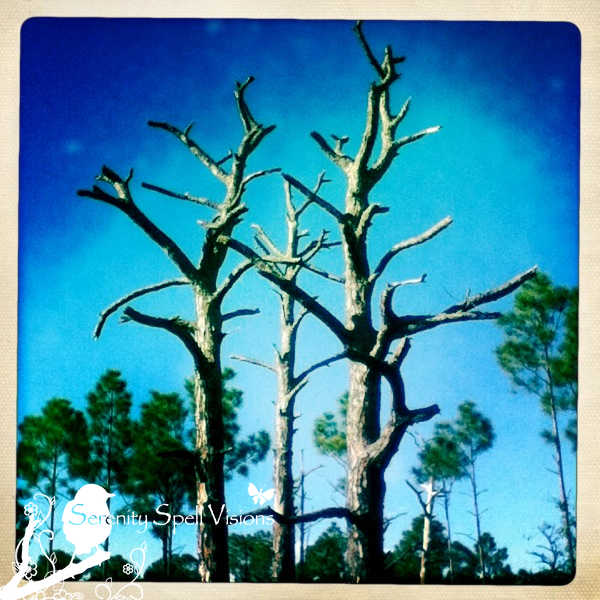
Scorched — but not necessarily dead — slash pines are profiled against their more lively brethren at various natural areas and parks. Their tenacity is ever-inspiring and a not-so-gentle reminder, as they continue to stand tall with new growth peeping amid burned limbs.

Controlled, or prescribed burns are an integral part to sustaining Florida’s natural habitats.  Such burns mimic natural fire cycles to restore healthy natural communities, thus reducing the undergrowth that accumulates over time — a contributing factor in severe wildfires. An increase in native plants, birds, and wildlife can be viewed at these burned lands.

Always Azure: Controlled Burned and Thriving Slash Pines at Bluefield Ranch Natural Area

Controlled Burned Results at Jonathan Dickinson State Park

Controlled Burned Results at Jonathan Dickinson State Park

Controlled Burned and Thriving Slash Pines at Cypress Creek Natural Area

Weekly Photo Challenge:  Renewal

The Eyes Have It

An animal’s eyes have the power to speak a great language. ―Martin Buber

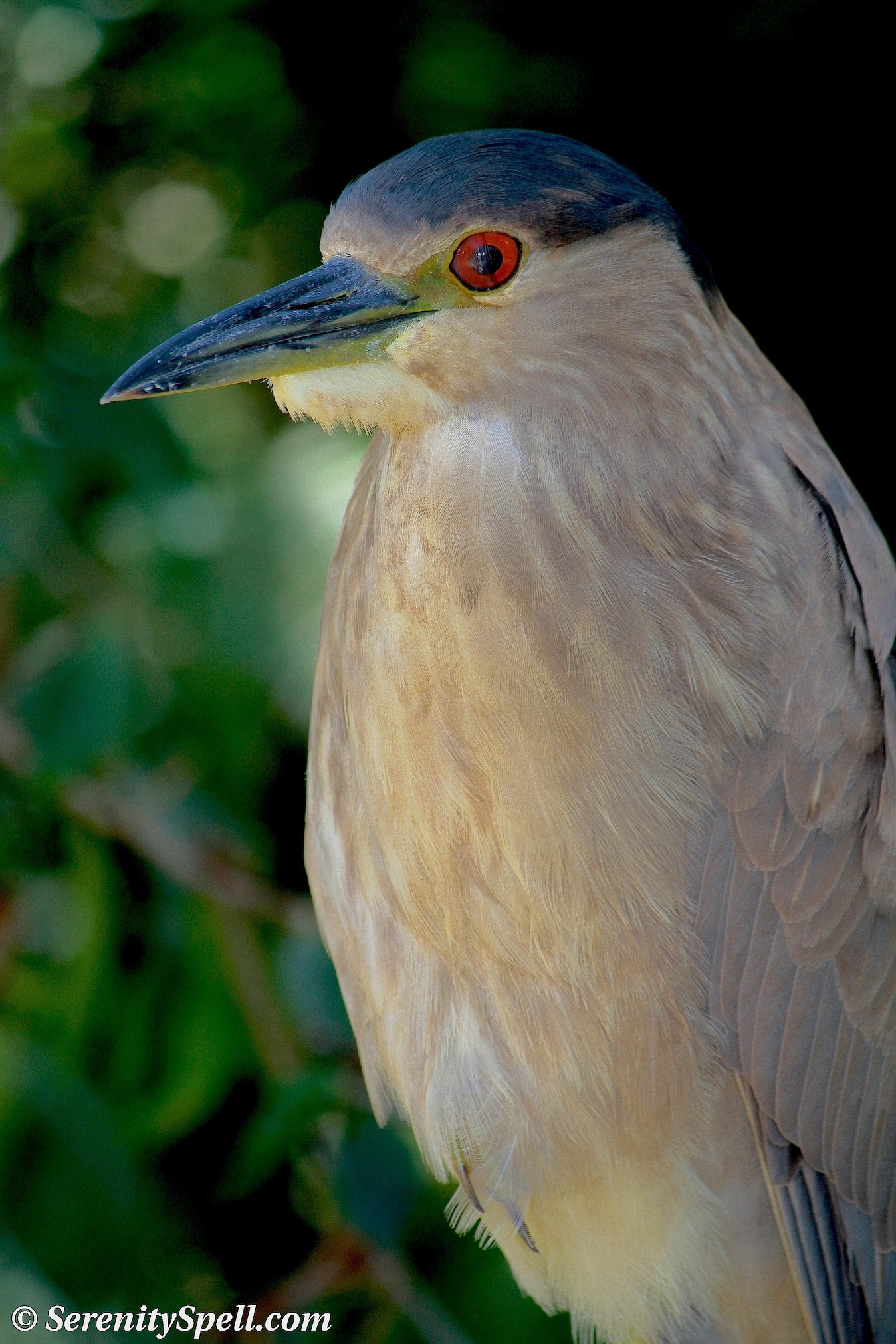
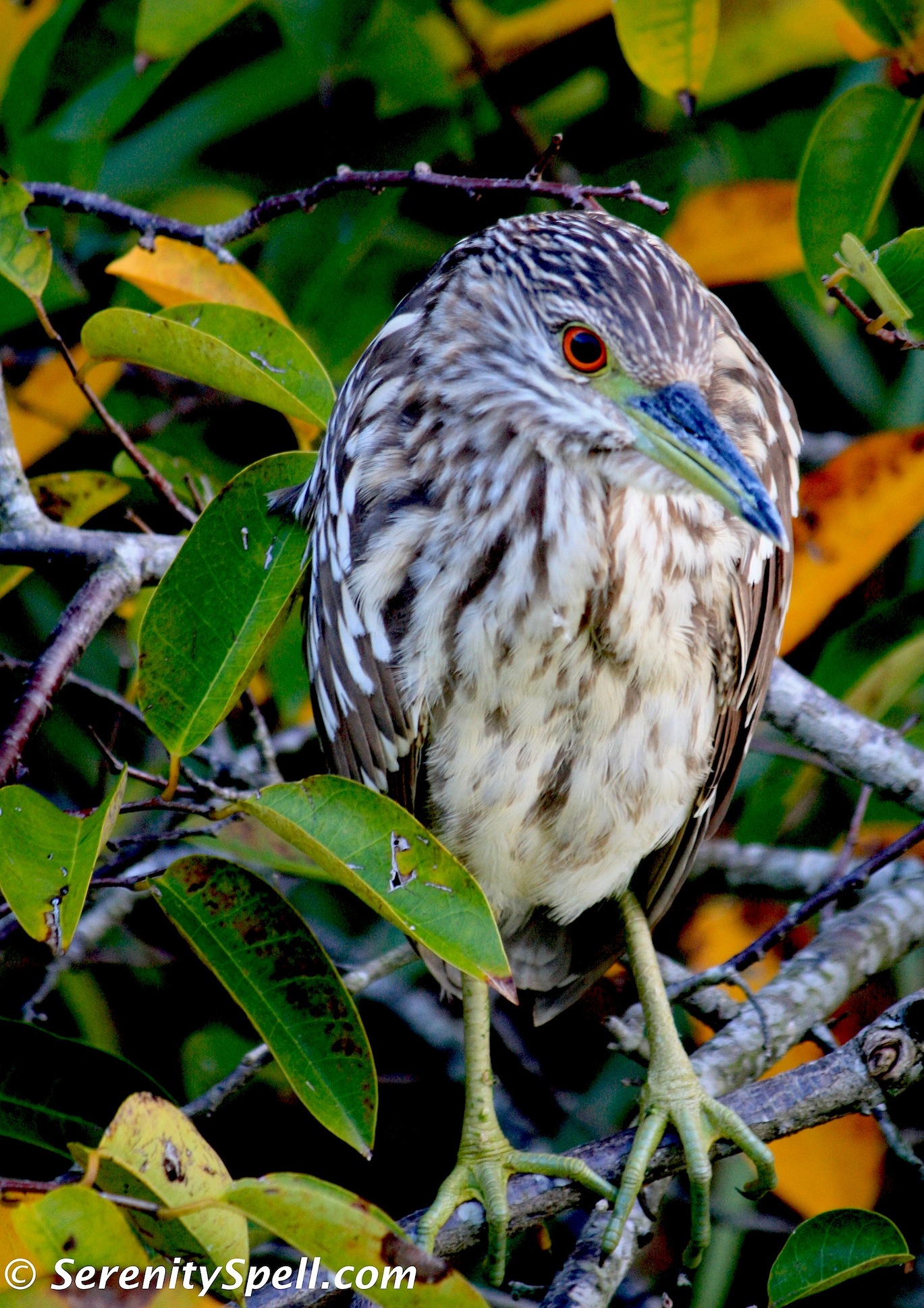
In preparation of an upcoming post on Black-crowned Night Herons, and in honor of Halloween, I give you the lovely and brilliant red and orange glowing pumpkin stares of these lovely wetland waders. I’m always captivated by birds’ eyes, but some are especially striking….

An adult’s red glowing gaze

A juvenile’s changing orange sight


Knight of the Anoles

Living in South Florida, there’s never a dearth of interesting critters. One never knows what shall be encountered while gardening, even.

Peek-a-boo!

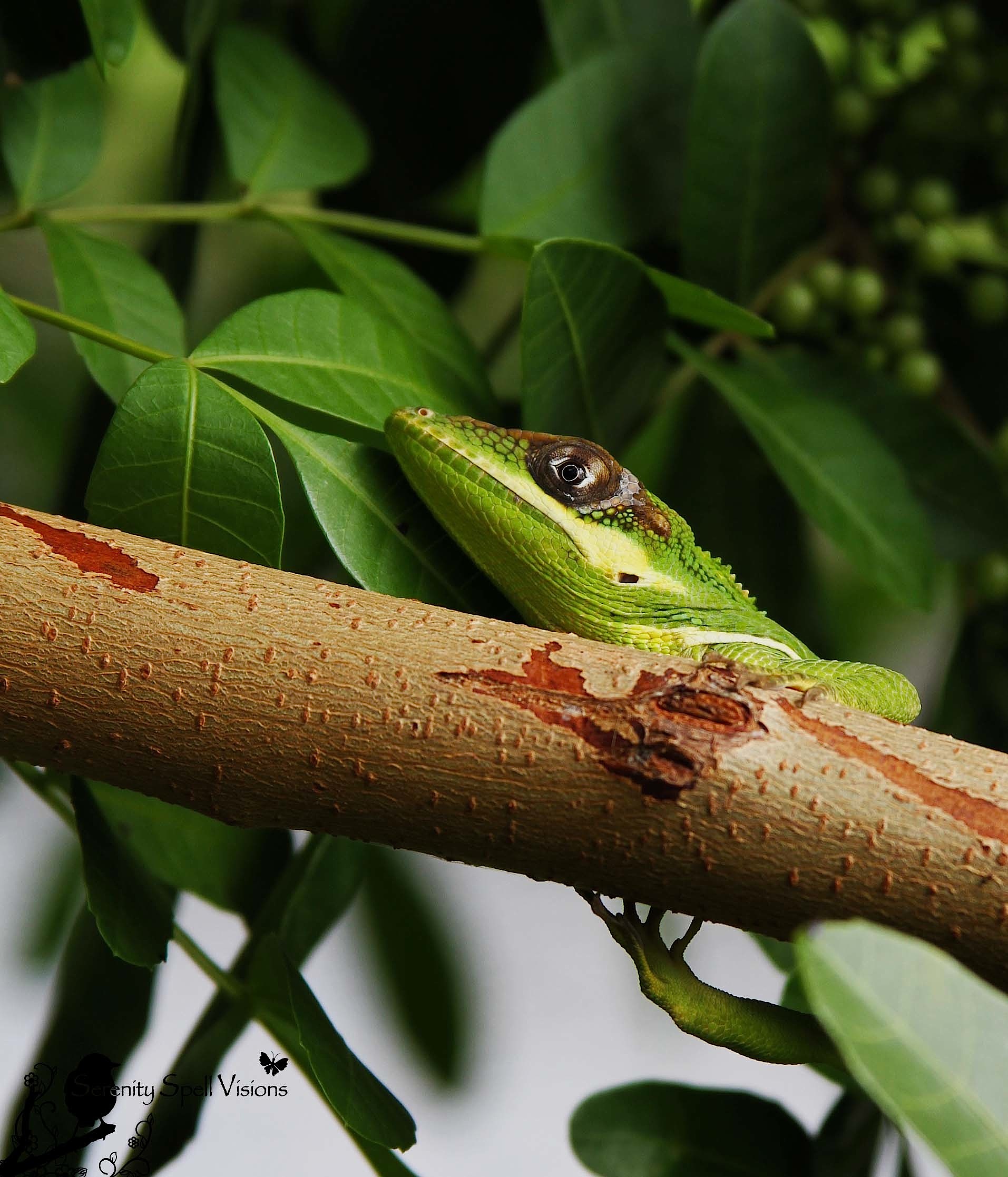
While getting some heavy pruning and weeding done before our approaching tropical storm, I was greeted by a bright green face amid one of our tree’s branches. Not a small guy, either — easily a foot-plus in length! At first, I thought he was a green anole…or a chameleon? I dropped everything, and ran with muddy shoes to fetch my camera to stalk him as he traveled through our trees.

She won’t leave me alone…

I’ll eat one of her songbirds if she doesn’t stop with the paparazzi…

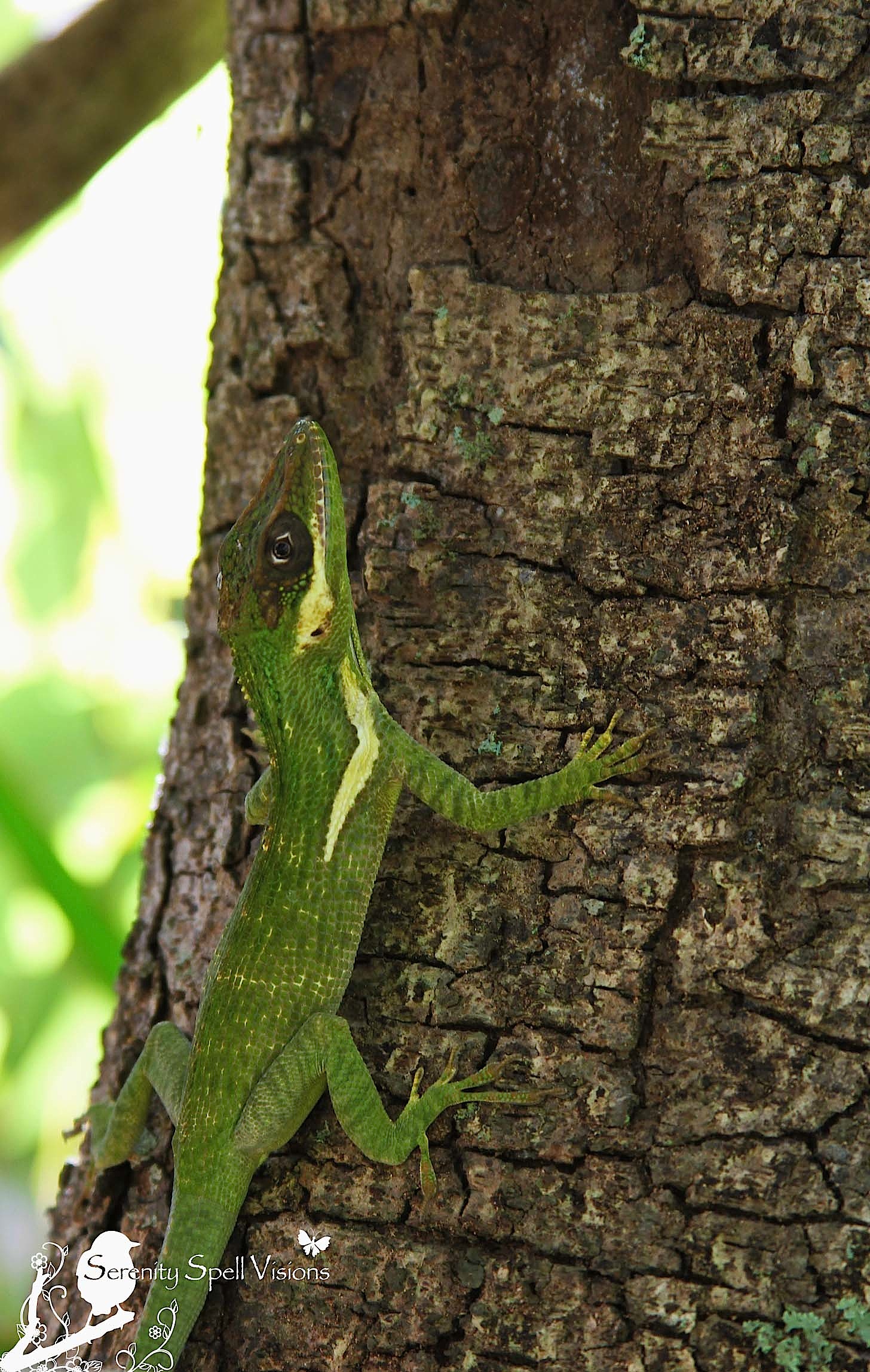
Upon further investigation, I now realize he’s a Knight anole, a non-native critter and the largest species of anole — growing up to 13-20 inches in length. Knight anoles are usually bright green, as seen here, but can change to brown colorations. They sport yellow or white stripes under the eyes and over the shoulder, and the tail is slightly serrated. Introduced from Cuba, they’re becoming increasingly common in South Florida, but will be unable to survive north Florida’s freezes. Most research shows proof of introduction in Dade and Broward, but they’ve obviously made it north, to Palm Beach county…. As further evidenced by our guy, these Knight anoles are at home in the higher shady canopies of trees, where they eat insects, other lizards, and even small birds and mammals. Sadly, many of the introduced non-native lizards are eating our native (and smaller) lizards.

Give up the ghost. Blend with tree in a failed attempt to hide from camera.

Fun Facts:

  • Knight anoles can live up to 15-16 years of age in both captivity and in the wild
  • Each toe expands to form an adhesive pad, allowing the anoles to easily maneuver smooth, vertical surfaces and horizontal planes

A Proud Momma

I’ve missed my alligators — but I’ve returned to their land, and in their honor, another devoted post! I’ve equally missed my poor Serenity Spell, due to a trip to the northern climes, a new OS on my lifeline laptop, an installed Photoshop, thanks to a dear friend (I now know how to insert my copyright…hoorah!), and a new watermark — courtesy of my gracious friend and skilled web designer Richard Yartlett.

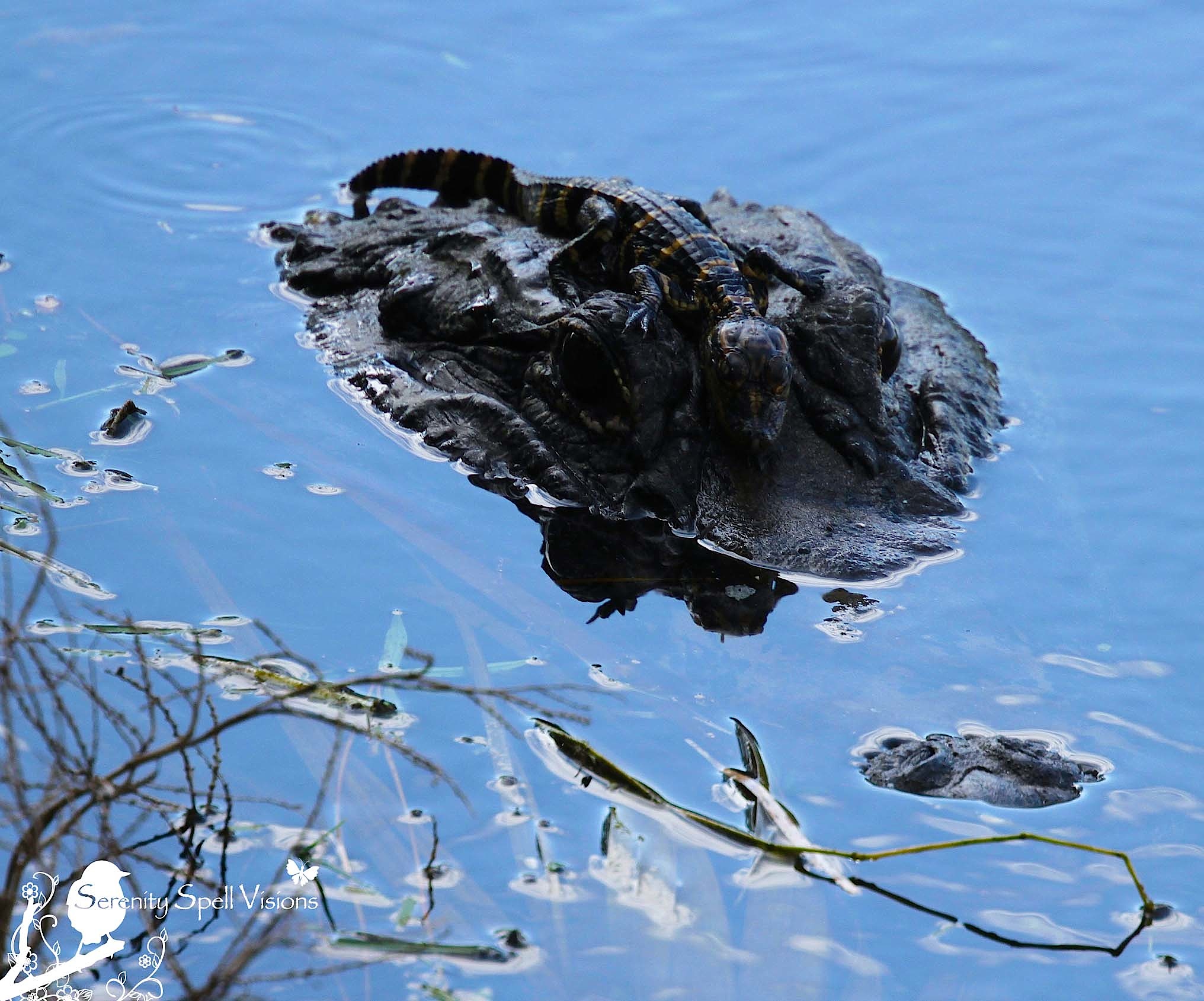
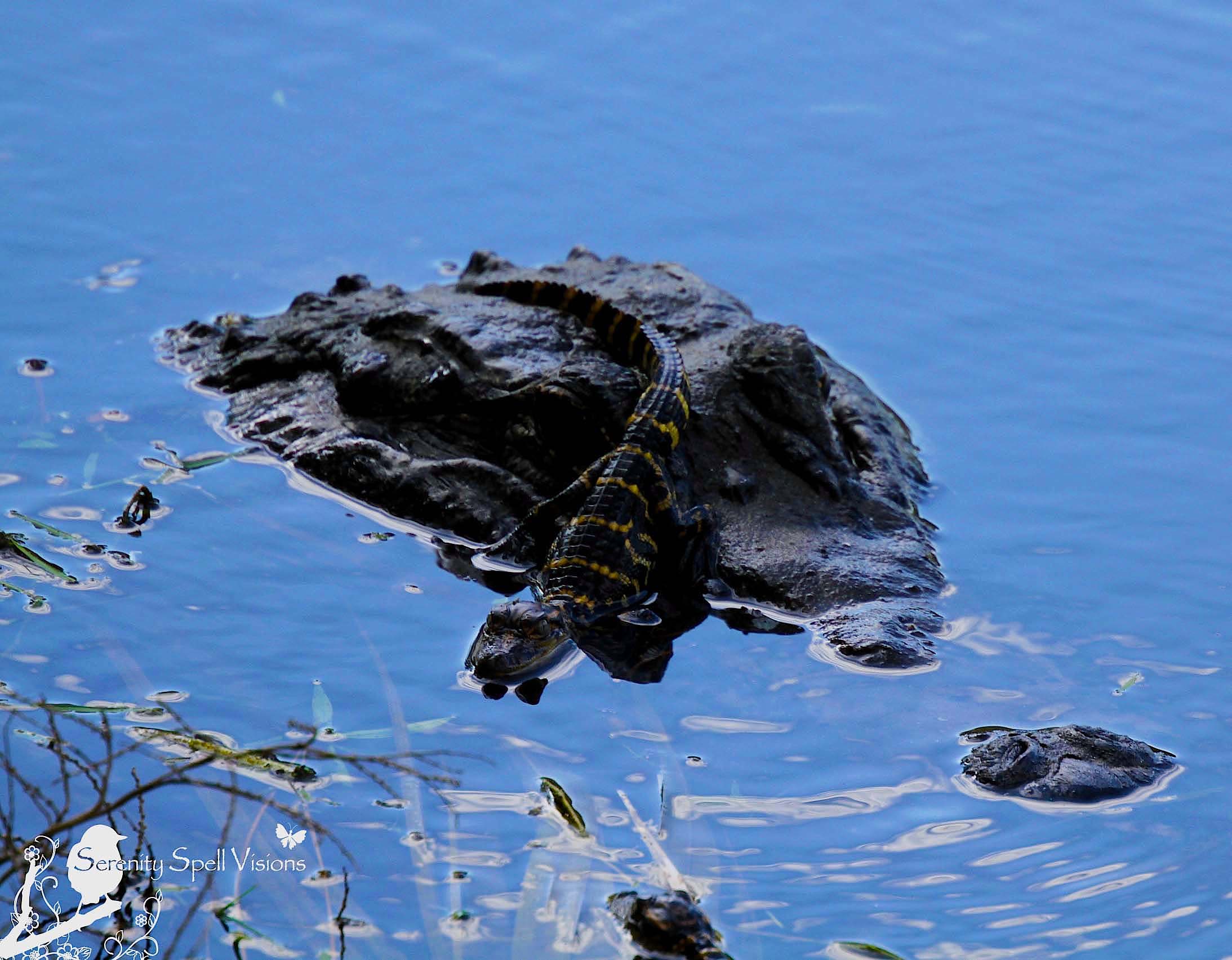
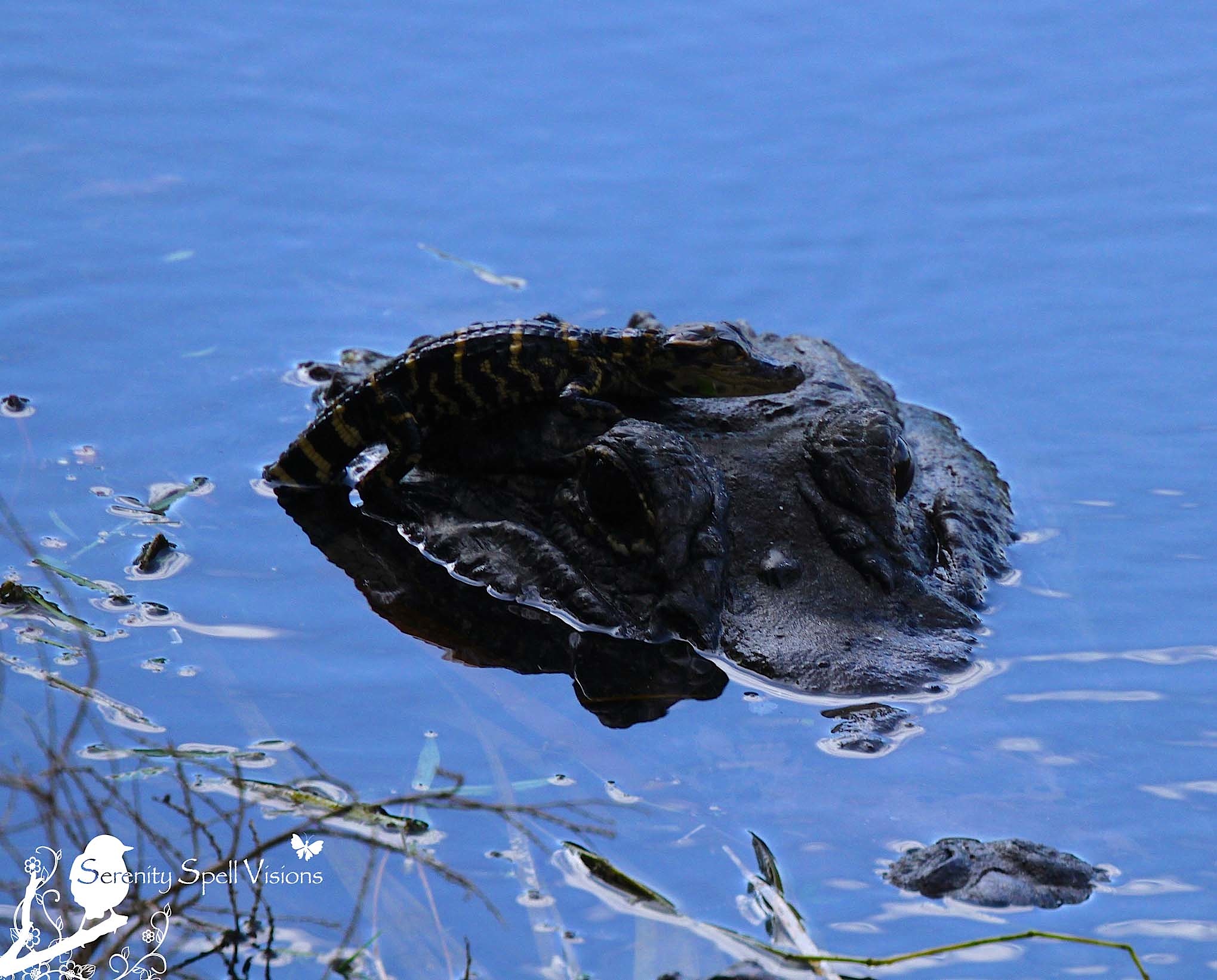
On the night that Isaac roared into Florida (as a Tropical Storm) with its torrential flooding and high winds, one of the resident gators at our protected wetlands became a proud momma. She had fiercely protected her nest (or mound) throughout the 65-day incubation period, which she alone built out of vegetation, sticks, and mud in a sheltered spot near the water. She had laid her 20-50 eggs and covered them under more vegetation, which heated as it decayed, serving to incubate the eggs. If a mother alligator is killed or removed, she can’t protect her nest or young — and the hatchlings are doomed. Leave wildlife alone!

{Click to enlarge images!}

Hullo, momma!
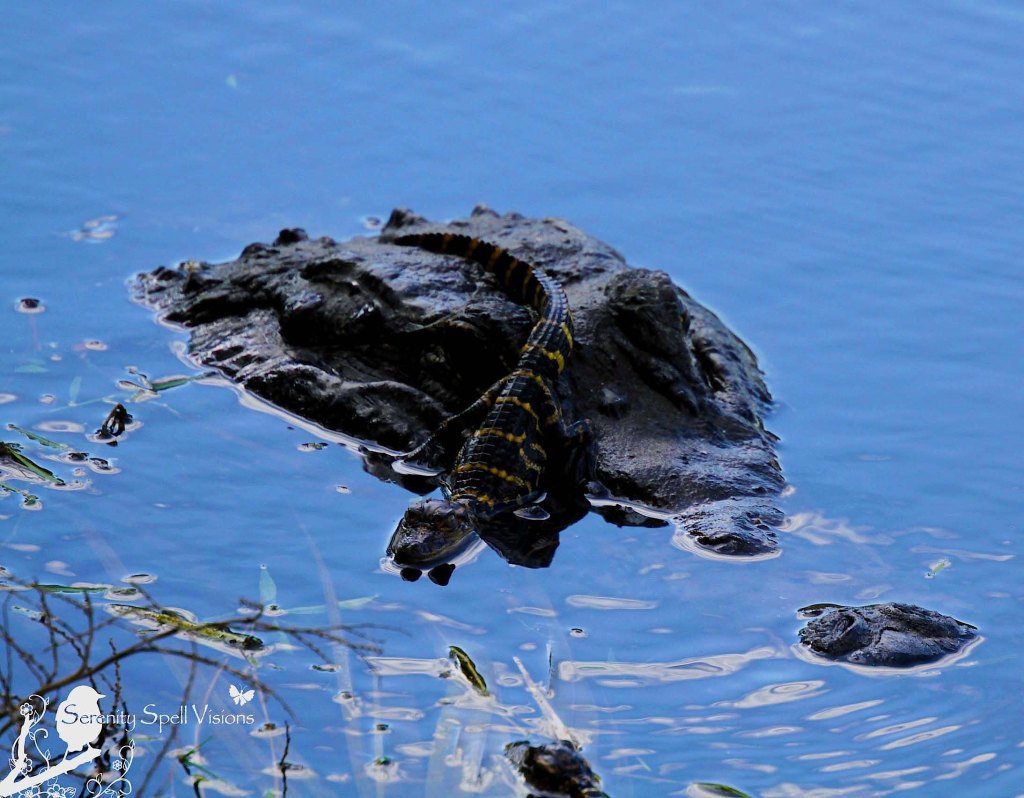
Such a patient momma

The hatchlings were welcomed to quite a world! It was an eventful night, with brilliant and incessant lightning, high winds, and downpours to impress even the most hardened native Floridian.

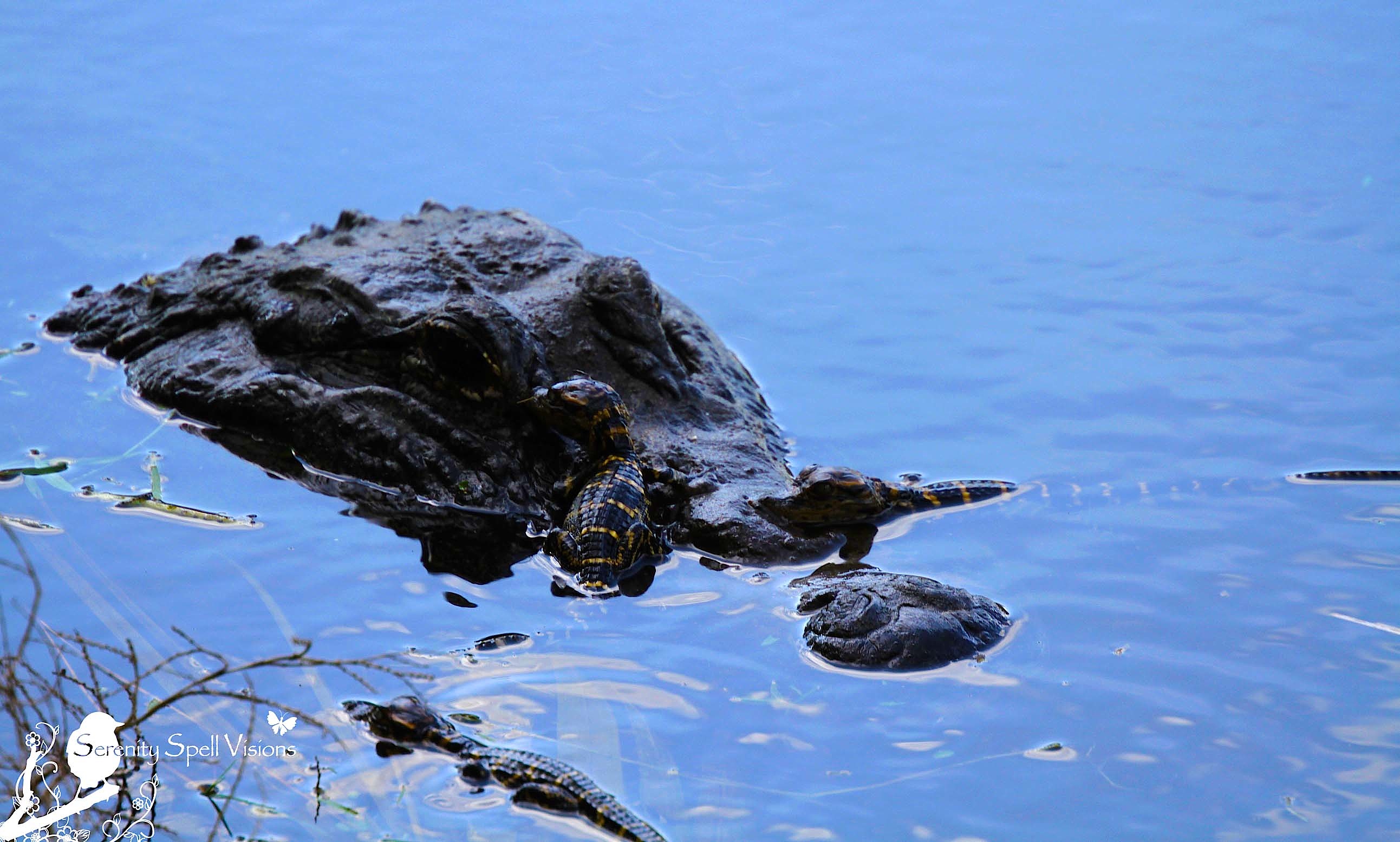
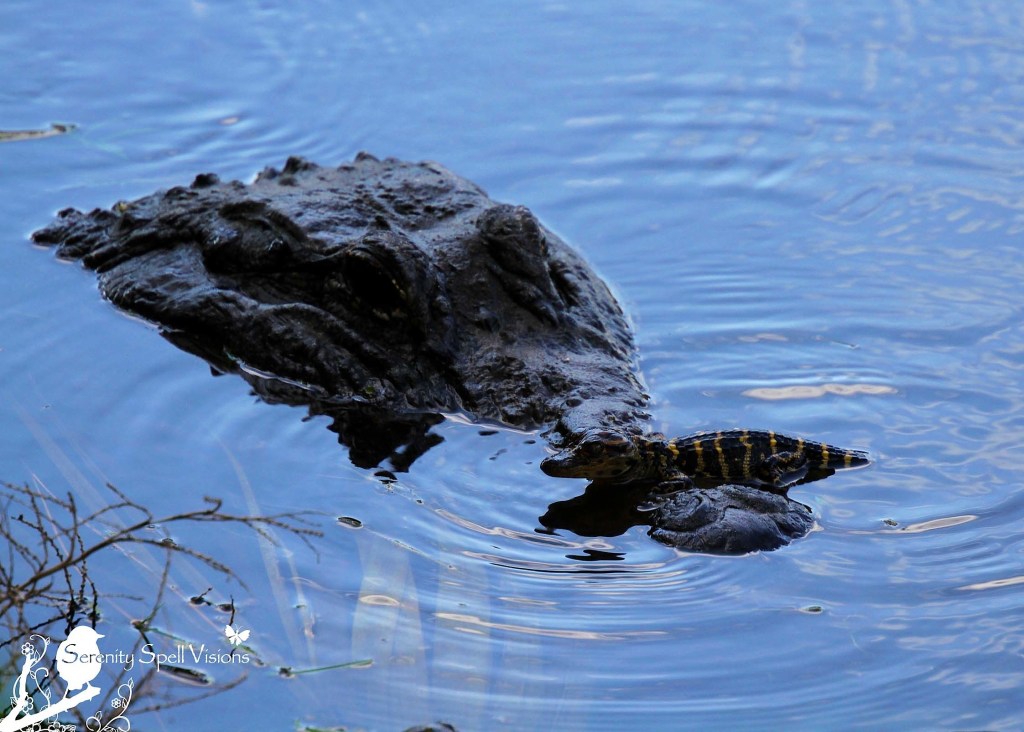
Two weeks later, I spied the proud momma and her myriad babies. I was thrilled — I often see baby alligators, and obviously many adults. And I see them together…. But to see them intertwined is difficult — usually, the mother keeps a watchful eye on her babies from a safe distance.

Little prince of the swamp
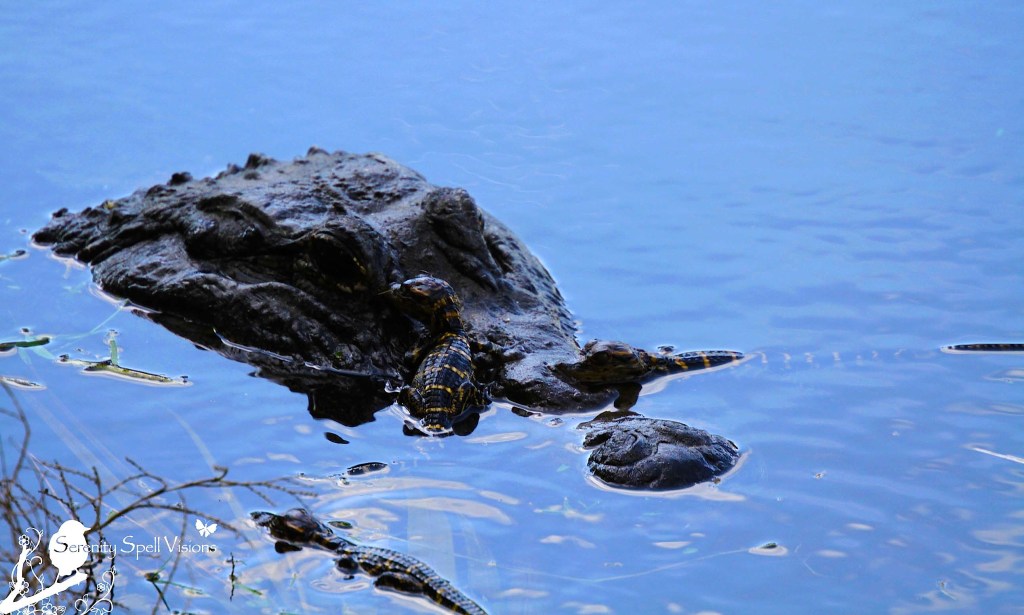
Eye see youuuuu….

Hatchlings are 6-8 inches long, and are near-replicas of their parents, save for a series of yellow and black stripes which camouflage beautifully with the surrounding marsh roots. For five months, they’ll remain with the mother before finding their own ways. In our area, we typically see 5-10 baby alligators survive in the protected wetlands. Perhaps less. Common predators that prey upon the juvenile alligators include snakes, raccoons, bobcats, raptors, and even larger alligators. But for now, they’re being watched over by a very dutiful and observant momma….
A perfect perch

Gentlemen of the Wetlands

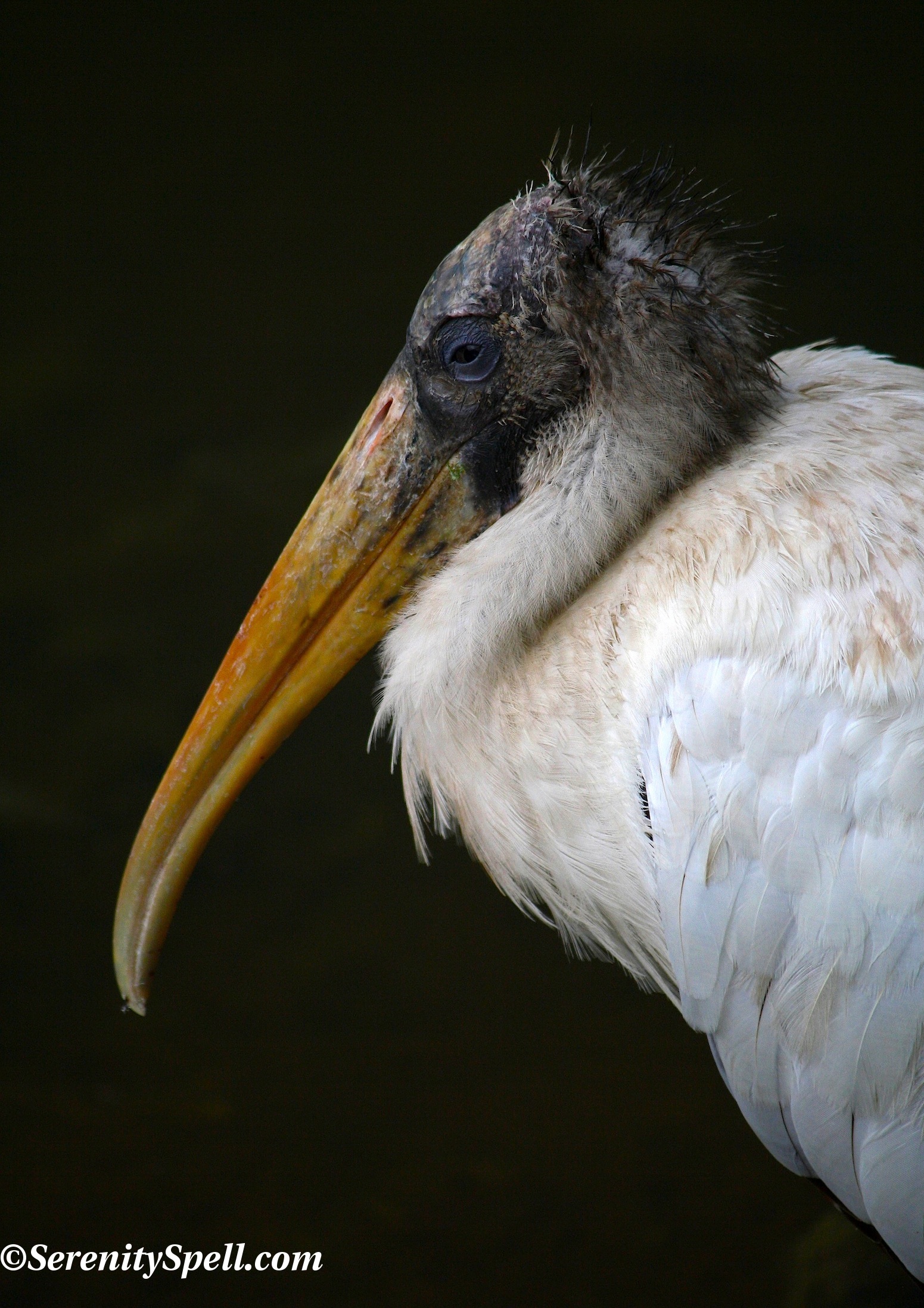
Wood storks (Mycteria americana) — or American Wood ibis — are large wading birds native to North America, found from the coast of South Carolina, throughout Florida, and west to Texas. These guys are unmistakable — standing at three-and-a-half feet tall, with a wing span of at least five feet, they’re a stately presence in our wetlands. They have heavy, long curved beaks and a nearly featherless head, and are covered in white feathers, with black feathers on the wings and tail. They can be awkward in flight, but graceful on land, daintily and slowly placing one leg in front of the next as they make their way through the shallow wetlands.

Wood stork of the Florida wetlands: A gentleman

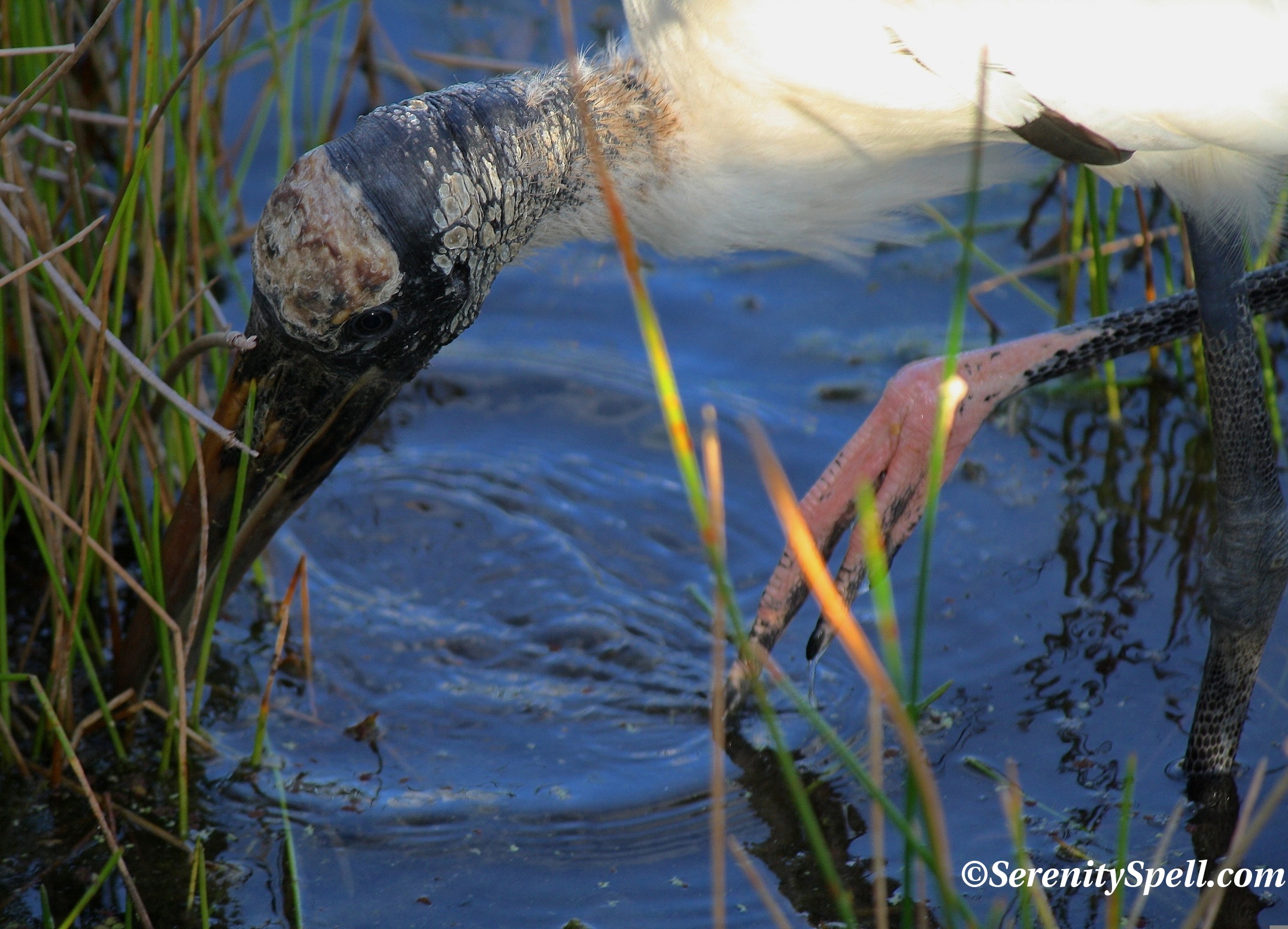
As one might imagine given their size, Wood storks are plentiful eaters, especially during the breeding season. They use their feet to stir the bottom of the shallow waters to collect their food, including fish, crayfish, lizards, tadpoles, shrimp, frogs, insects, and baby alligator. Feeding in waters no deeper than their beak, they use a technique known as “grope feeding” — because Wood storks don’t use their vision, but rather touch, to collect food.

Wood stork “grope feeding” in the shallow waters

Sadly, this gentleman wader is endangered: In the 1930s there were an estimated 60,000 Wood storks in the United States, but only 10,000 live today, mostly due to habitat loss and/or disruption of their environments. Like so many other species, the disappearance of the Wood stork would signal the loss of a crucial component of our wetlands.

Save the wetlands!

Fun Facts:

  • The reflex of a Wood stork’s bill after it touches food is considered the fastest of any reflex in the vertebrate world!
  • A typical Wood stork greeting involves both birds raising and lowering their heads, with bills agape.
  • Wood stork courtship involves bill clapping. Sometimes bill clapping is on the part of a male challenging other storks who may come too close to his chosen nesting site; other times, the loud and distinctive bill clapping can be heard throughout rookeries when the male uses his bill to strike the bill of the female.