Skip to content

Posts tagged ‘nature’

The Baby Gators of Green Cay

Just like with Wakodahatchee, there are always babies at Green Cay — baby herons and egrets, baby ibises, baby ducks, baby shorebirds and songbirds, baby rails, coots and moorhen, baby turtles, baby alligators…. With the myriad species and migrations, there’s constant nesting activity. It’s tremendous for the wildlife to have this protected habitat in the middle of South Florida’s suburban sprawl, on the edge of the Everglades — and equally favorable for the humans to silently appreciate Nature and her own lovely order.

On 8.23, 28 babies were born to one of Green Cay’s gators, at the mound pictured below. Unfortunately they’ve been more in the water than on land, for my camera. But in a further section of the park, another Momma Gator has been diligently watching over her adorable brood of 6 (ish?)….

For More Information:

This slideshow requires JavaScript.

The Babies of Wakodahatchee

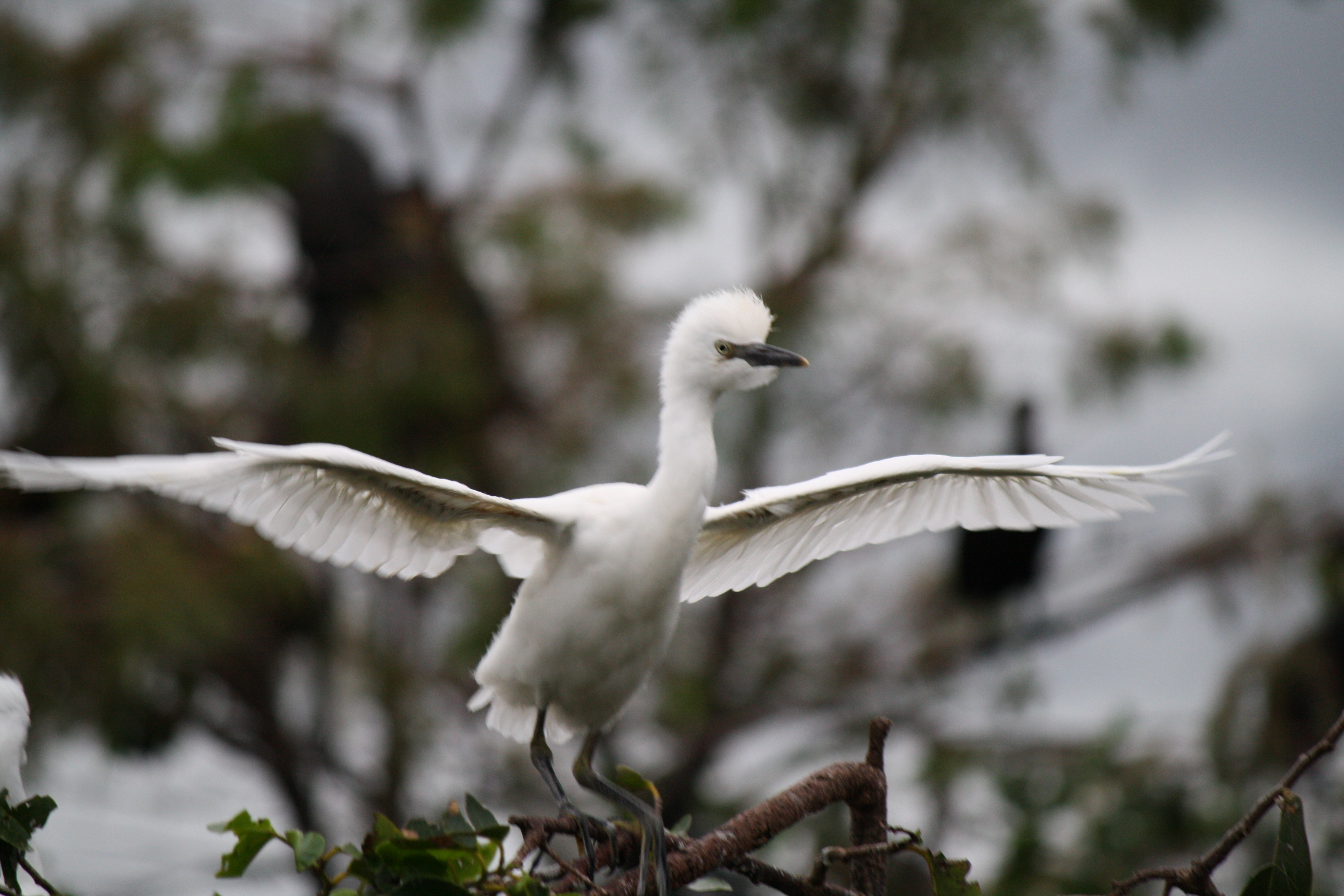
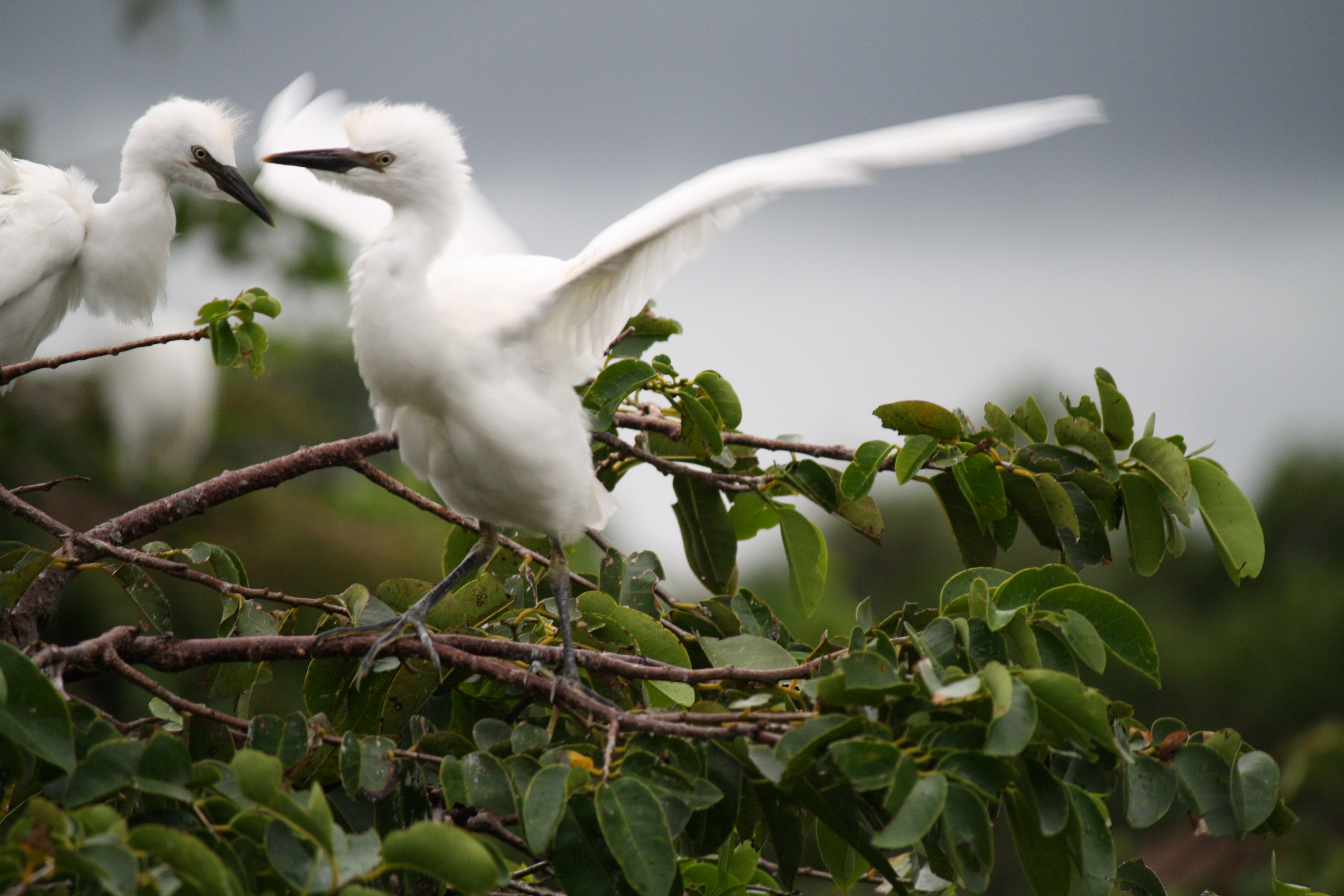
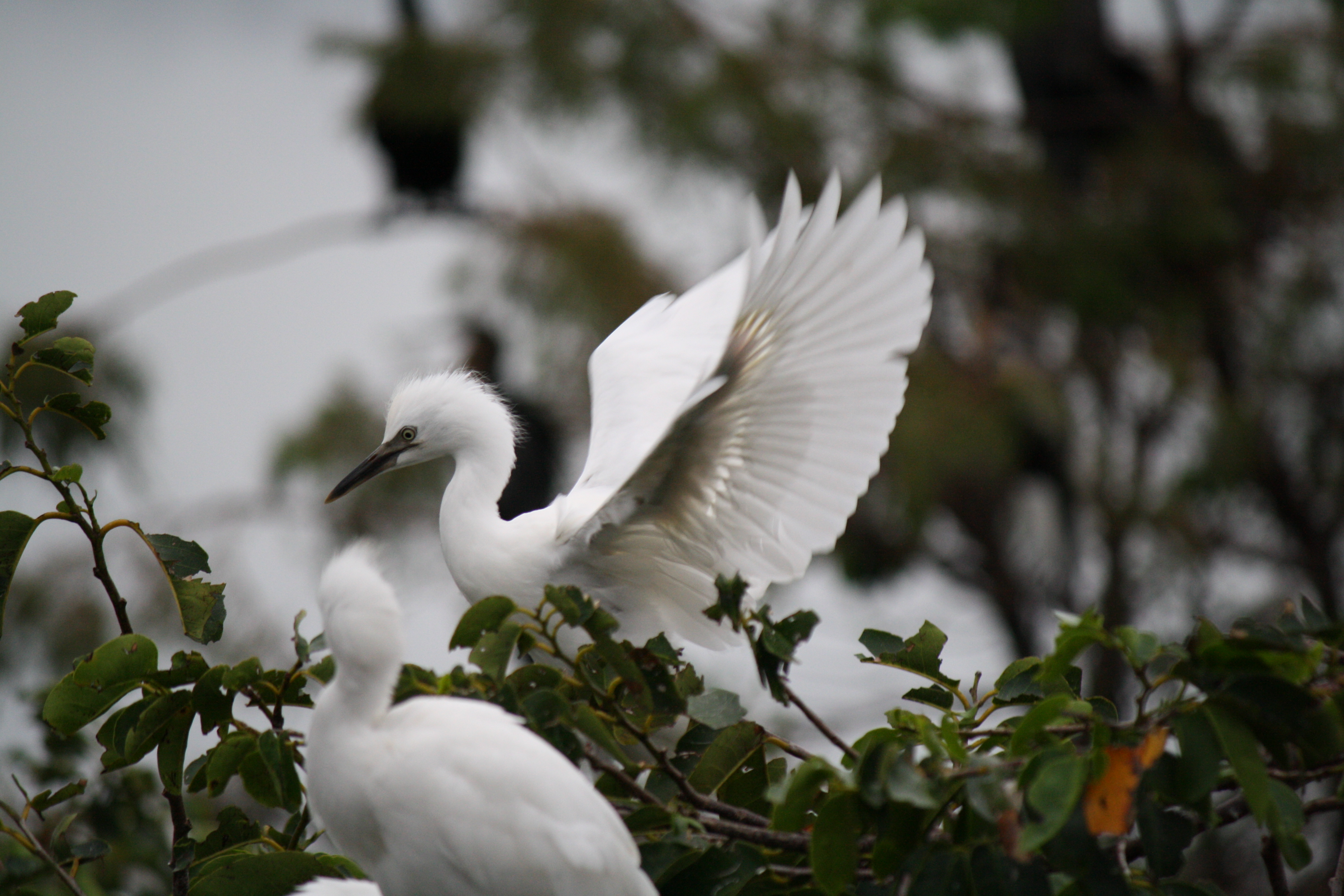
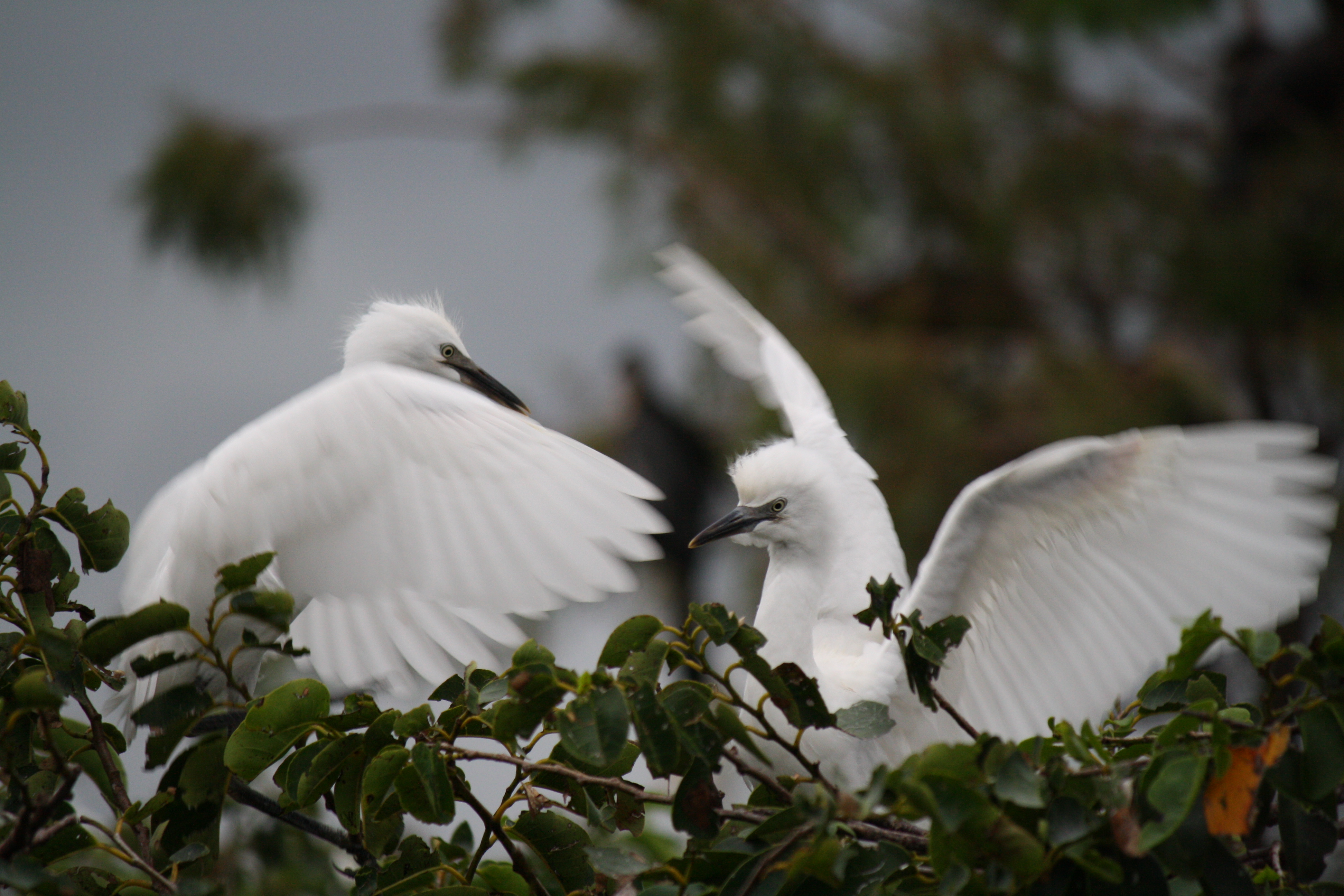
There are always babies at Wakodahatchee, at any given time — baby herons and egrets, baby ibises, baby ducks, baby shorebirds and songbirds, baby rails, coots and moorhen, baby turtles, baby alligators…. With 140+ species of birds alone at the site, there is constant nesting activity. It’s tremendous for the wildlife to have this protected habitat in the middle of South Florida’s suburban sprawl, on the edge of the Everglades — and equally favorable for the humans to silently appreciate Nature and her own lovely order.

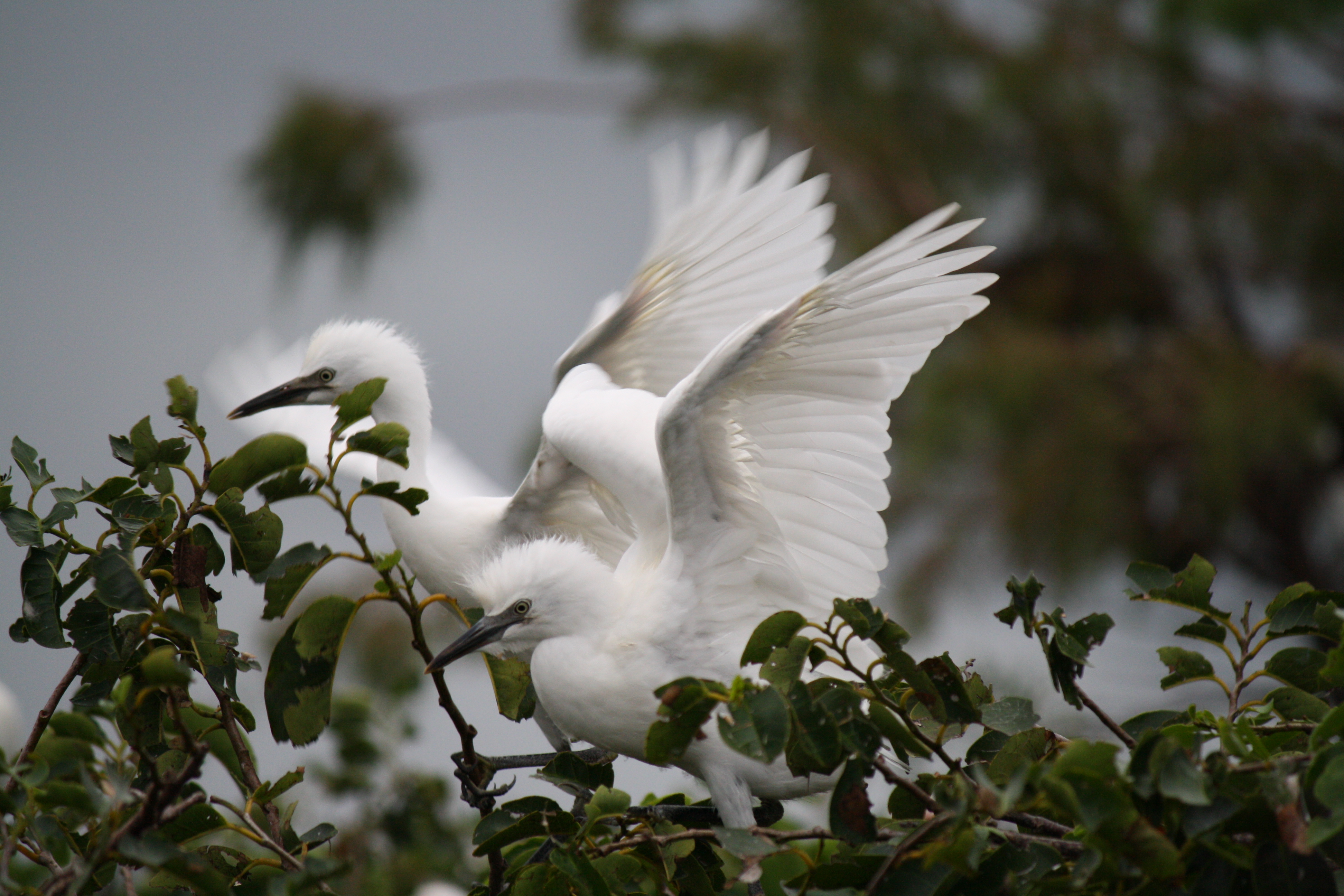
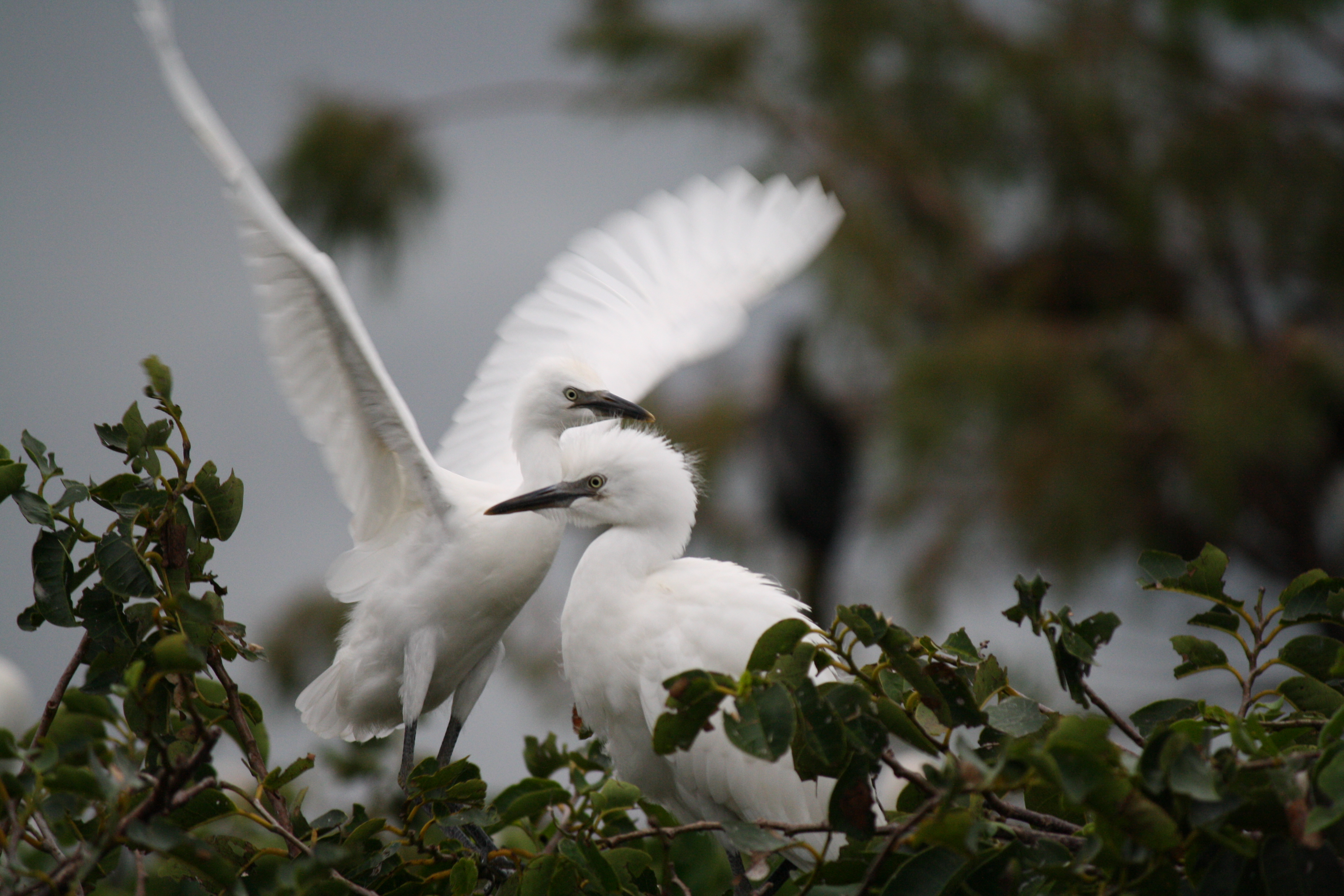
Here, Cattle Egret nestlings put on a show and tussle with each other in the rookery….

Useful Websites:

Wakodahatchee Wetlands

Without the sanctuary of Green Cay and Wakodahatchee, I may nearly have lost my mind this past year. Both boardwalks/wetlands are an oasis of green, here in suburban Delray Beach (land of wayward development and concrete). Located on Jog Road between Woolbright Road and Atlantic Avenue, it’s open seven days a week, making it readily available to the public. In the Seminole Indian language, Wakodahatchee translates as “created waters” — and that’s exactly what’s been done at these wetlands. Wakodahatchee’s present-day 50 acres of wetlands were, in their previous incarnation, unused utility land. But the space has been transformed into an Everglades wildlife ecosystem, with marsh habitat, intermittent tree islands, and cypress hammocks. Along the .75-mile elevated boardwalk are helpful signage about the habitat, as well as covered gazebos. Each day, the Palm Beach County’s Southern Region Water Reclamation Facility pumps nearly two million gallons of highly treated water daily into Wakodahatchee; the wetlands themselves further naturally cleanse, recharge, and filter the remaining nutrients and maintain earth’s water cycle. Wakodahatchee incorporates dozens of different species of trees, shrubs, and aquatic vegetation to manage this feat. A pioneer in the fields of wastewater treatment and reclaimed water distribution, the Palm Beach County Water Utilities Department has proven its effective and innovative management philosophies in the Wakodahatchee Wetlands.

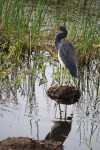
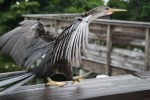
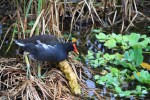
Besides affording a sublime stroll, Wakodahatchee is a birdwatcher’s paradise — a camera and/or binoculars are always handy. This site is part of the South section of the Great Florida Birding Trail, and common bird sightings include egrets, herons, ducks, grebes, bitterns, ibis, moorhens, warblers, blackbirds, cardinals, owls, hawks…and the list goes on, with more than 140 species counted at the site. Many turtles make their home at the wetlands, including the Florida Red-bellied Turtle and the Peninsular Cooter. Marsh rabbit can also be seen in the grassy and low-lying marsh areas. As always, alligator sightings are common at Wakodahatchee, and non-poisonous snakes and frogs live on the fringes of the boardwalk. But I’ve even had the most fortunate sightings of a shy otter and bobcat.

For More Information:

This slideshow requires JavaScript.

Everglades Wildlife at Green Cay + A New LENS!

As always, for my birthday, I was a very lucky girl. Lots of new — well, ca. 1920s/30s — art and other goodies! I also received a 55-250mm telephoto ZOOM lens for my Canon SLR as a gift from my guy… YAY-OH-YAY-OH-YAY-OH-YAAAAAYYYY! My friend Lisa and I have been lusting for this lens for our respective cameras for months, now.

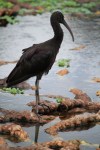
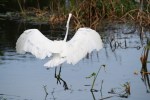
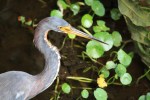
This week my camera and I (I really should name her) braved the spotty rain at Green Cay. I couldn’t wait any longer to test her new lens with the area’s critters. I was completely giddy. Besides, I hadn’t yet caught a glimpse of Momma Gator and her brood — 28 born in her mound on 8.23. Leo/Virgo-cusp babies! Although there are far fewer surviving offspring, as to be expected, I was able to spy them swimming near an ever-vigilant momma.

This slideshow requires JavaScript.

Mounts Botanical Garden

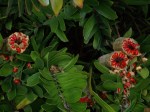
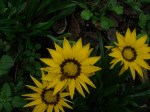
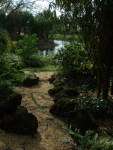
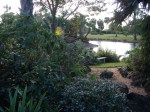
In a somewhat interesting section of Palm Beach resides the county’s oldest and largest public garden: Mounts Botanical Garden. The gardens cover a serene 14 acres, with 18 plant collections. Tropical and subtropical plants and trees from six continents make their home at Mounts with more than 2000 species, from cacti and succulent plants to edible herbs, citrus, palms, and exotic trees. Beyond the flowers and trees, there are butterfly gardens; herb and vegetable gardens (a favorite of visitors, mine included); lovely gazebos and arches dotting the trails; and ponds with aquatic plants and fish. The occasional plane roaring overhead is in striking contrast to the serenity of this space — the gardens neighbor the Palm Beach International Airport.

The gardens were hit especially hard by the dual impact of Hurricanes Frances and Jeanne in 2004, but reopened to the public in early 2005. While 150 trees were lost, more flowers were planted and the ensuing growth has proved healthy.

Mounts was conceived as a 3.5-acre county site for pasturing 4-H horses, and was named for Palm Beach County’s first assistant agricultural extension agent, Marvin Umphrey “Red” Mounts. A native of Oklahoma and 1925 graduate of the University of Florida, Mounts was hired to educate farmers in modern farming methods. The gardens continue to draw on experts for their educational programs due to their association with the PBC Cooperative Extension Service, and affiliation with the University of Florida. A leader in providing horticultural and botanical information related to South Florida’s unique plants and environment, Mounts hosts a variety of events and programs, including plant sales, festivals, workshops, and auctions. The Garden Shop at Mounts further offers a wide range and hard-to-find selection of books geared to the region’s gardening, wildlife, and environment.

For More Information:

This slideshow requires JavaScript.