Skip to content

Posts tagged ‘photography’

Tree Tuesday: Slash Pines of the Pine Flatwoods

Many of my hikes and images are shot in this ecosystem, and I adore these trees — but in all honesty, show me a tree I don’t love!

Pine flatwoods represent the most extensive ecosystem in Florida, and are distributed over 50% of the state’s land area. As their name implies, flatwoods have a low and flat topography, punctuated by differing kinds of pine, depending where  you are in the state. I’m in the south, so it’s the slash pine that dominates this habitat!

Slash Pines of the Pine Flatwoods, Atlantic Ridge Preserve State Park, Florida

Slash Pines and Saw Palmetto of the Pine Flatwoods in Atlantic Ridge Preserve State Park

These flatwoods, or pine barrens, were created by changes in the sea level during glacial times — as the sea levels increased, expanses of land flooded, and sand was deposited. As the waters receded, early species such as pine trees were able to establish themselves in the sandy soil.

Pine flatwoods are consistent: Layered, with high canopies of pines, a lower shrubby layer, and an herbaceous layer. They’re dotted with cypress domes (a cypress swamp in the shape of a dome), cabbage palm flatwoods, marshes, and other habitats. This is truly a fascinating ecosystem, and one that weaves so many others together.

And while today’s flatwoods are less extensive, with more shrubby groundcover than in times past, they continue to be a vital ecosystem in Florida, covering vast expanses of land. Beginning in the 1950s, developers here discovered that this land was easy to cut and clear in enormous swaths — sadly, they haven’t forgotten. Doesn’t the world needs another empty strip mall and golf course?

Flatwoods rely on controlled, or prescribed burning to maintain its community of pines, grasses, and herbs — and to prevent the forest from being overgrown. Controlled burns are vital to new growth, as well. Pine flatwoods continue to be fascinating areas to hike, each one being new; you never knows when you’ll encounter a swamp, open flatwood, or more of these beautiful trees — or the wonderful wildlife this ecosystem supports….
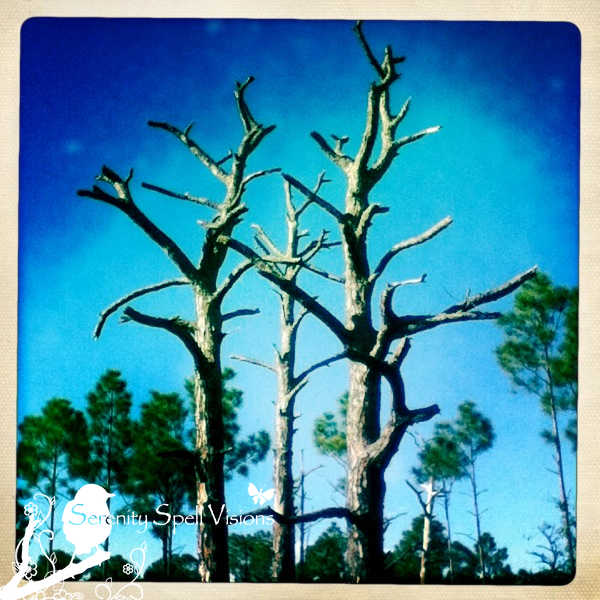
Controlled Burned and Thriving Slash Pines at Bluefield Ranch Natural Area

Controlled Burned and Thriving Slash Pines at Bluefield Ranch Natural Area

To learn more about the Pine flatwoods, visit:
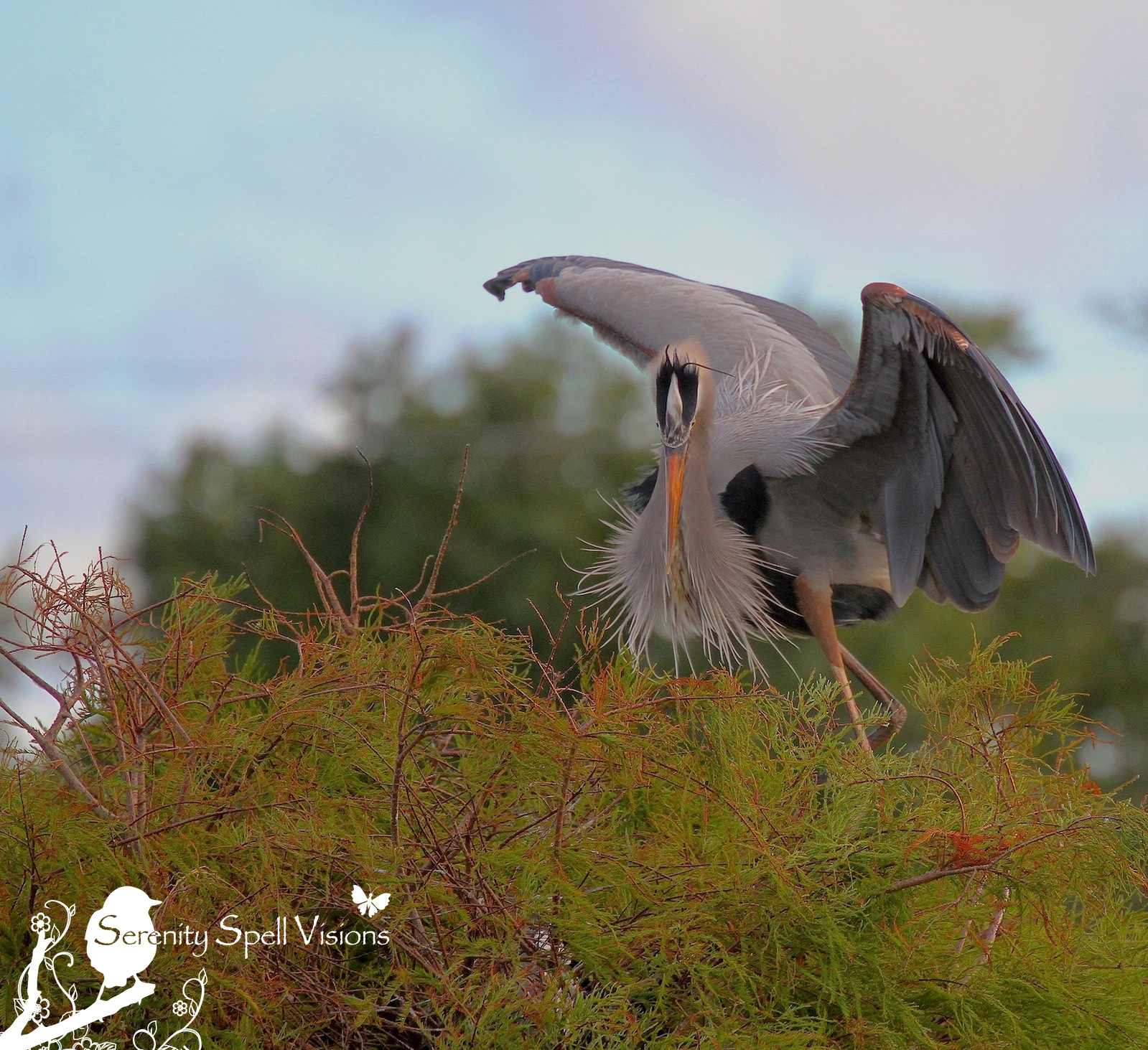
Don’t Mess with the GBH

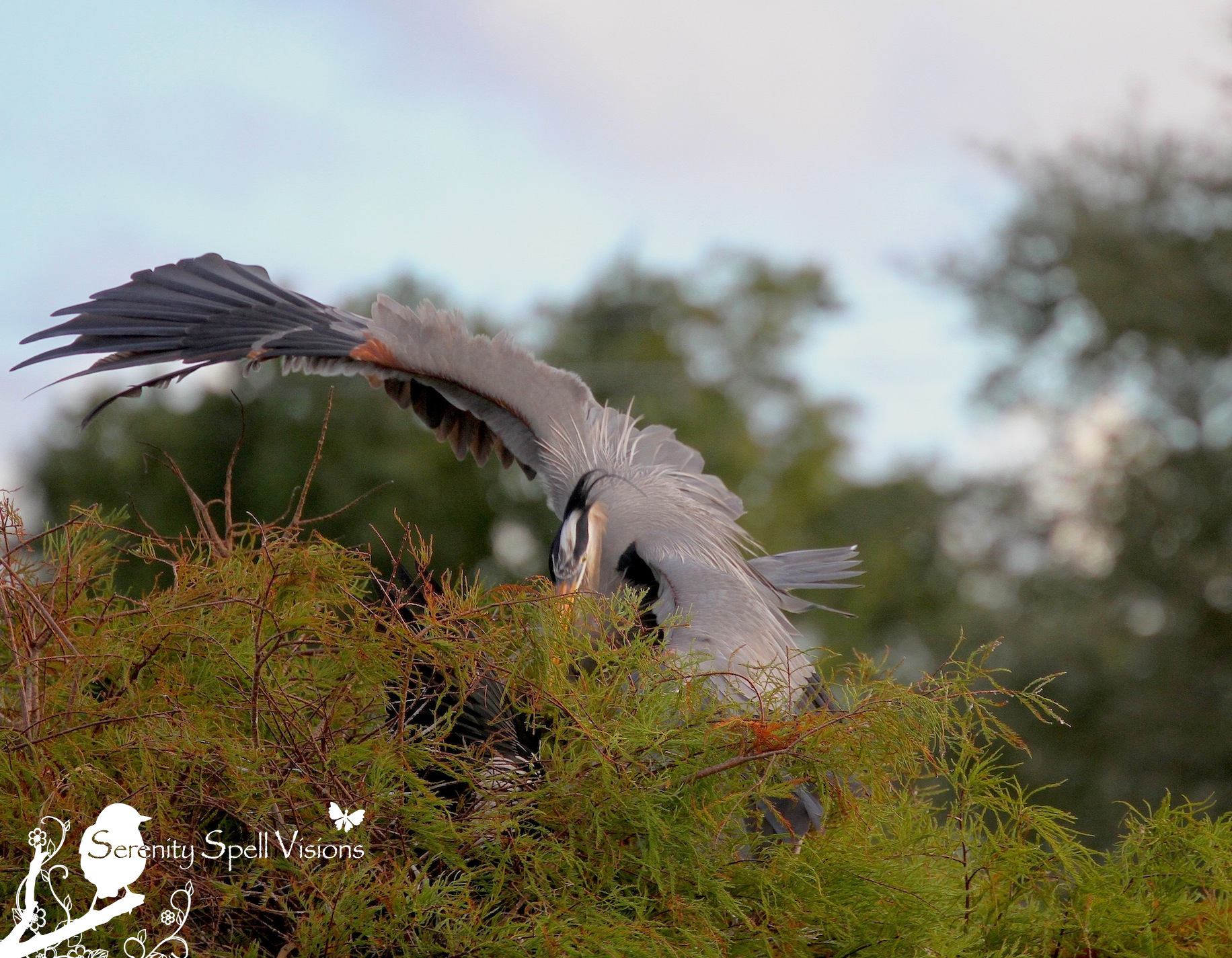
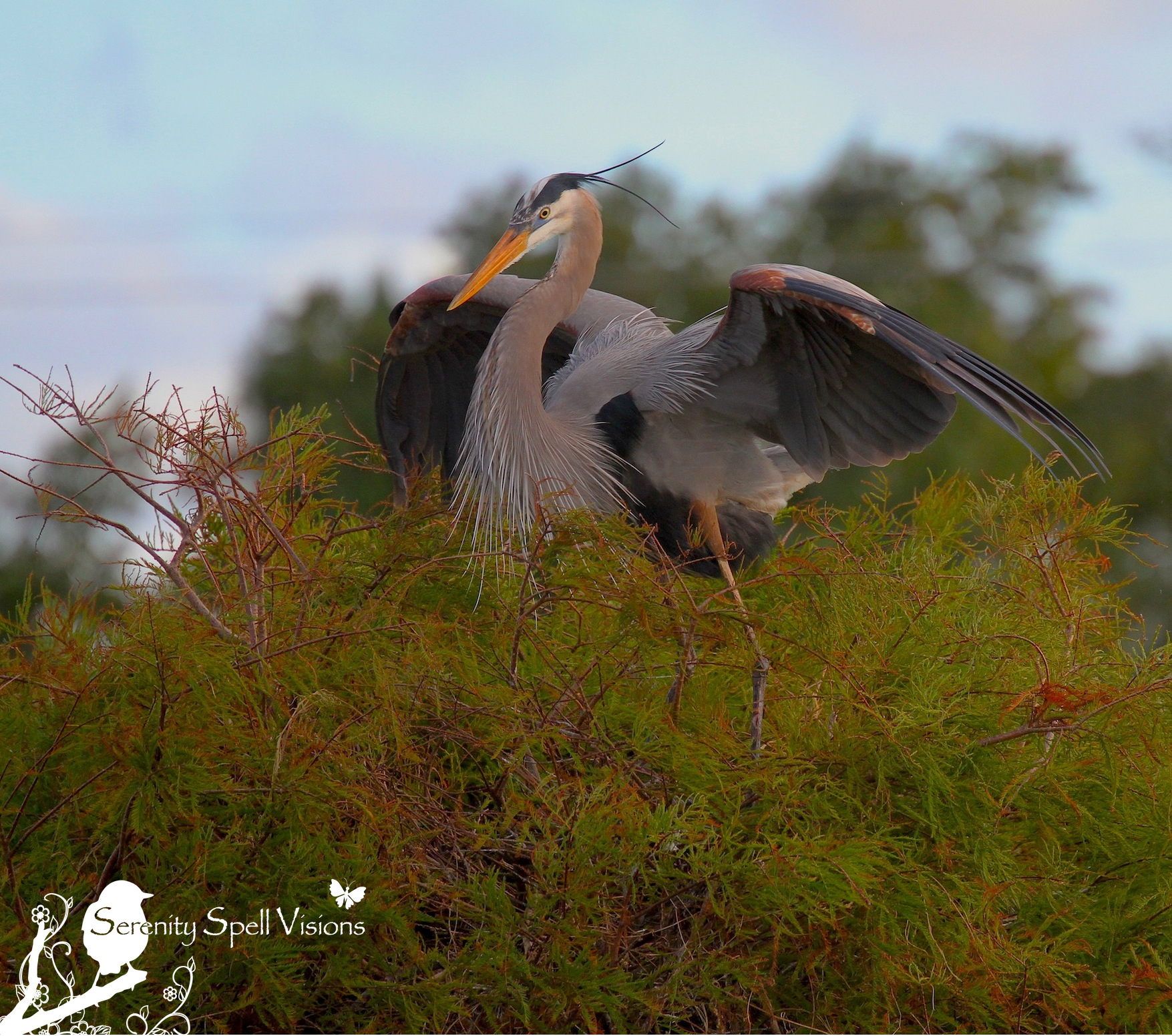
It’s nesting time now in our protected wetlands, and a really fun time — the biggest and smallest waders are settled into their annual nests (some of them, including the Great Blue Herons, return to the same nests each year). I’m running a bit behind on the nest-building activities, always a fascinating process to watch. But in the meantime, I couldn’t resist this episode that caught me unawares the other evening. I heard a GBH’s croaking cacophony (select the last option in this list — croaking calls, wing noise — for the best example) in one of the usually quiet rookeries. He or she was obviously not very happy.

Great Blue Heron, Florida Wetlands

And the tantrum begins… Echoing through the wetlands

At the time, I couldn’t see the source of torment for the heron, who was probably chasing something away from a newly-created nest. The previous night, a group of GBHs was screaming in another rookery, because an alligator swam too close for comfort to their nests. I didn’t see the gator actually nab anything, but the collective croaking, screaming noise could be heard throughout the wetlands.

As it turns out, an anhinga had the gumption to impede on this heron’s space.

Great Blue Heron, Florida Wetlands

Flushing out the enemy anhinga

The look on the poor anhinga’s face as it’s being flushed out of the rookery is priceless…. Of course I was worried for the poor anhinga: Did he have a nest too, or was he just looking for a comfy spot for the night? Either way, I wish I wasn’t walking onto the scene so suddenly, and had some time to properly prepare for the shot, to include his appalled mug.

Great Blue Heron, Florida Wetlands

Respect the wingspan

And for the Great Blue Heron? Unabashed triumph.

Great Blue Heron, Florida Wetlands

I am queen

Tree Tuesday: Oaks of the Hammock

There was some synchronous discussion during a *hammock* ecosystem reference in one of my recent posts … I’m so accustomed to these habitats, that I forget to detail their wonderful qualities!

From the National Park Service’s perfectly phrased definition of a hardwood hammock on their Everglades page:

A hardwood hammock is a dense stand of broad-leafed trees that grow on a natural rise of only a few inches in elevation. Hammocks can be found nestled in most all other Everglades ecosystems. In the deeper sloughs and marshes, the seasonal flow of water helps give these hammocks a distinct aerial teardrop shape.

Many tropical species such as mahogany (Swietenia mahogoni), gumbo limbo (Bursera simaruba), and cocoplum (Chrysobalanus icaco) grow alongside the more familiar temperate species of live oak (Quercus virginiana), red maple (Acer rubum), and hackberry (Celtis laevigata). This diverse assemblage of plant life supports an equally diverse array of wildlife.

Because of their slight elevation, hammocks rarely flood. Acids from decaying plants dissolve the limestone around each tree island, creating a natural moat that protects the hammock plants from fire. Shaded from the sun by the tall trees, ferns and airplants thrive in the moisture-laden air of these hammocks.

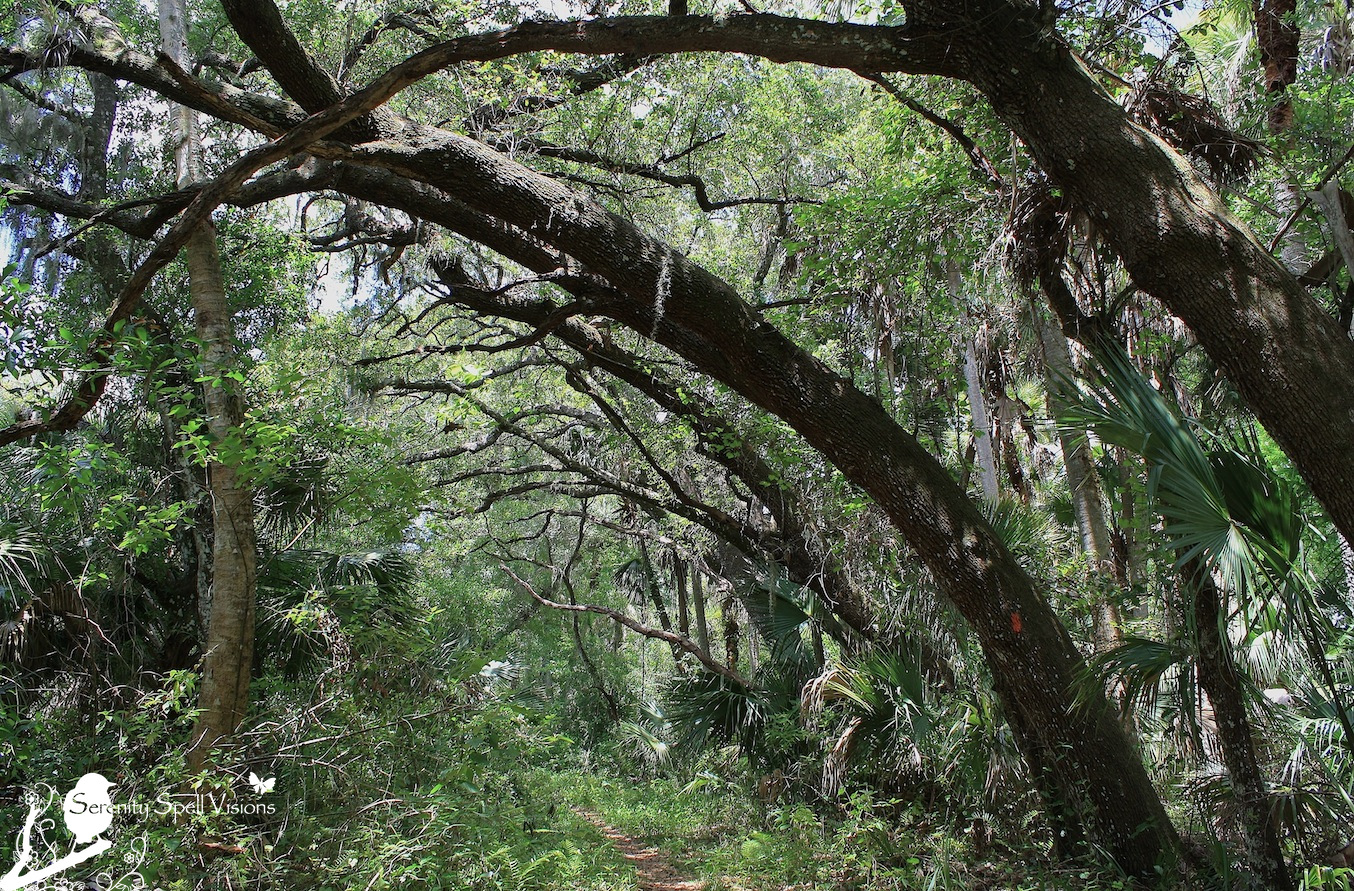
Here’s one of my favorite hammocks — an oak hammock of the Florida Trail, leading towards Jonathan Dickinson State Park from Indiantown Road in Jupiter. There are several types of hammock ecosystems in Floridahardwood, palm, tropical hardwood — but this is a live oak (hardwood) hammock, more common inland.

To say it’s incredibly lovely does not do it justice — how can you not feel protected by, and protective towards, these ancient, sheltering giants?

Oak Trees of the Florida Trail, Jonathan Dickinson

Oak Trees / Hammock of the Florida Trail


National Parks, National Wildlife Refuges, National Forests: FREE Today!

Today, in honor of Martin Luther King, Jr. Day, the National Park Service is offering FREE entrance into any national park… So walk, meander, run, bike, or trail-ride your way to your nearest one!

Arthur R. Marshall Loxahatchee National Wildlife Refuge

Amazing Everglades and Sky of the Arthur R. Marshall Loxahatchee National Wildlife Refuge

The remaining entrance fee-free dates for 2013 are:

  • April 22-26 (National Park Week)
  • August 25 (National Park Service Birthday, or Pre-FeyGirl Birthday)
  • September 28 (National Public Lands Day)
  • November 9-11 (Veterans Day weekend)
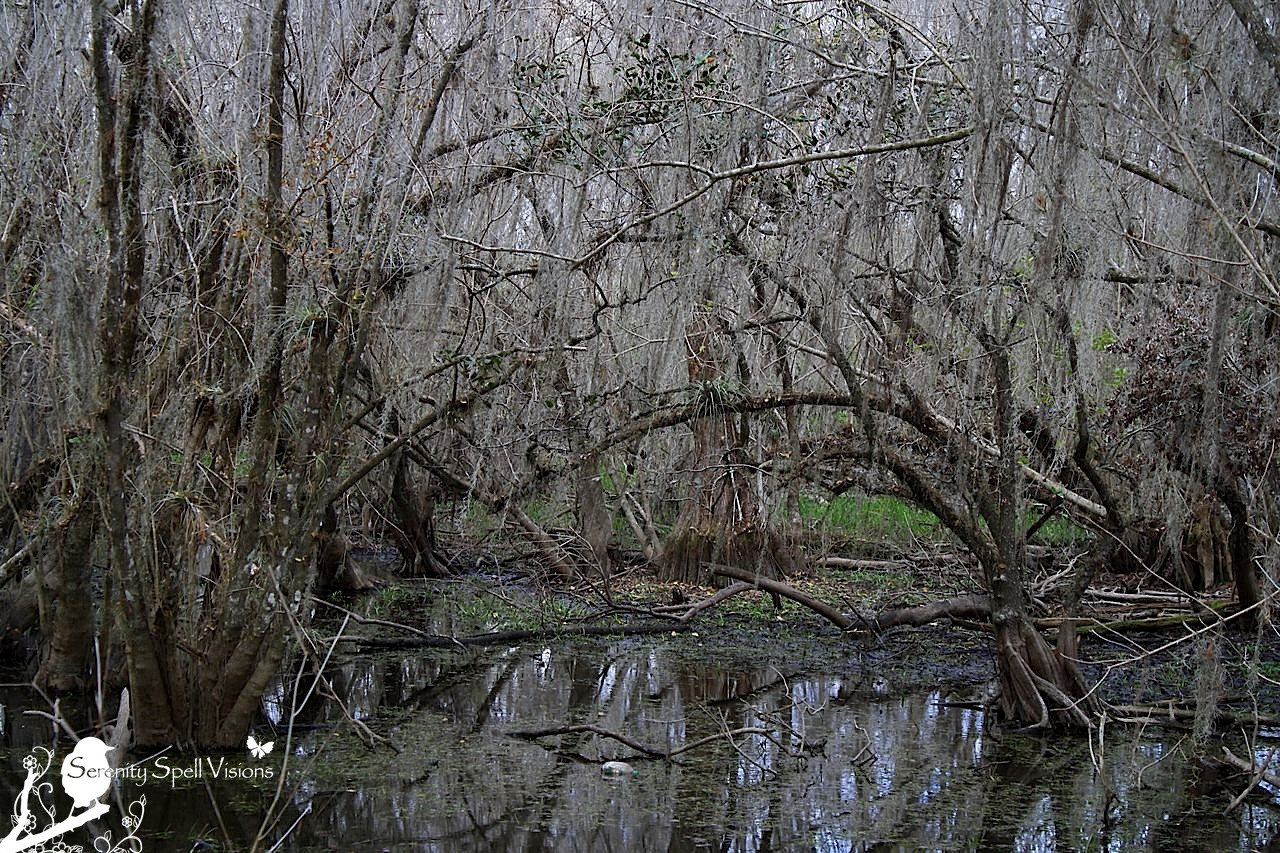
Cypress Swamp of the Big Cypress National Preserve

Cypress Swamp of the Big Cypress National Preserve

Love your national parks, national wildlife refuges, and national forests — numbering more than 2,000 — and continue to support them by your mere presence. And above all else, bask in the beauty of these wondrous spaces!

On the Florida Trail, Jonathan Dickinson State Park

OFF the Florida Trail — Discovering a most amazing, awe-inspiring, and rare OLD cypress swamp

Critical Habitat Protection at the Atlantic Ridge Preserve State Park

Atlantic Ridge Preserve State Park in Stuart (Martin County) is a must-visit: a gorgeous area encompassing 5,800 acres of pristine wetlands and uplands, which provides critical habitat for endangered species of animals and plants. The ecosystem encompasses pine palmetto flatwoods, wet prairie, sand pine scrub, oak hammocks, mixed hardwoods, and freshwater marshes. It includes one of the largest areas of natural land remaining near the Florida Coast.

The natural Atlantic Ridge ecosystem is comprised of 16,000 acres in its entirety. Outside of the already-acquired 5,800 acres, some more areas are on the county’s list for lands to be acquired for purchase of conservation lands and parks — so keep your fingers crossed, because this is some truly beautiful pristine land. The Hobe Sound Irrevocable Trust is proposing to give away approximately 2,300 more acres, enabling the county to provide additional public access to this park, and to preserve the environmentally sensitive land in perpetuity as part of the State park system. The donated lands will create a wildlife, greenway, and recreational corridor running north from Halpatiokee Regional Park (also in Stuart) through the Atlantic Ridge State Park, and south to Jonathan Dickinson State Park.

Pine Flatwoods, Atlantic Ridge Preserve State Park

Pine Flatwoods (Tree = Tree)

Pine Flatwoods, Atlantic Ridge Preserve State Park

Pine Flatwoods

There’s always an exchange: here, it’s houses. In exchange for the conservation lands, the remaining 400 acres will become a new community, the Atlantic Preserve. This new Planned Unit Development (PUD) will contain 650 homes.

Prairie, Atlantic Ridge Preserve State Park

Prairie

But for the 2,300 acres of donated lands that will be protected in perpetuity, this area will serve as the missing link that will connect the Atlantic Ridge State Park ecosystem. This area includes the headwaters of the South Fork of the St. Lucie River and the Loxahatchee River — the first nationally designated “Wild and Scenic River.” The donation and preservation of this land is critical in the ongoing efforts to restore the historic waterflow of these ancient waterways.

Pines, Atlantic Ridge Preserve State Park

Into the Pines

Prescribed Burning Signage, Atlantic Ridge Preserve State Park

Prescribed, or Controlled Burning Signage

Many animals make their homes in these protected and pristine acres, including anhingas, egrets, herons, owls, hawks, sandhill cranes, and osprey. Bobcat and coyote are also abundant, but as always, these guys were shy as ever. It was equally wonderful to see such healthy and abundant Native flora for the wildlife.

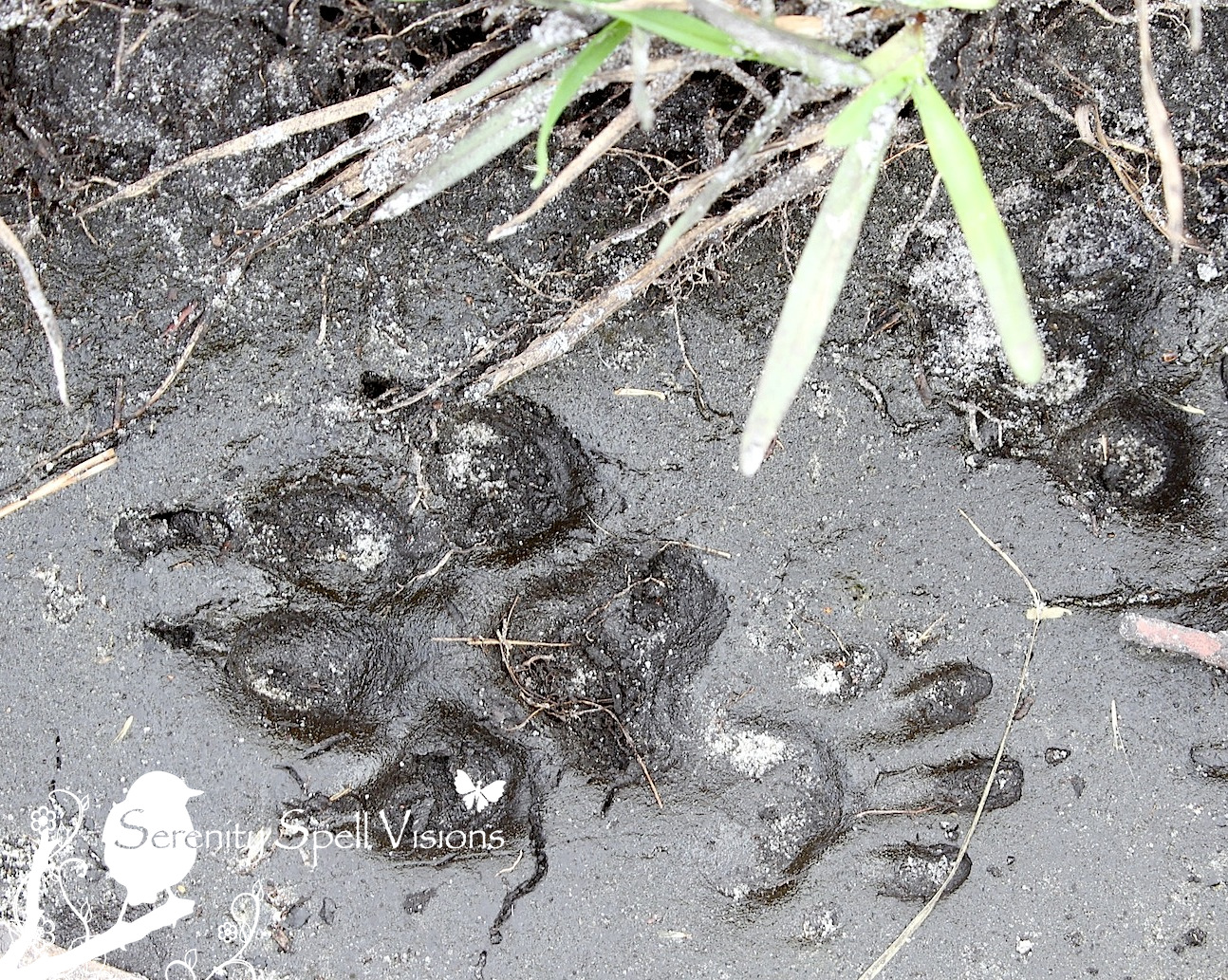
Coyote Prints, Atlantic Ridge Preserve State Park

Lots of coyote prints, but no real critter… Drats!

Feral Hog Trap, Atlantic Ridge Preserve State Park

(Invasive) Feral Hog Trap… Here, piggie piggie

Hmmm

Really have to take that Naturalist Class….

Hmmmm

Suggestions?

Click Here for a Map to the Atlantic Ridge Preserve State Park.

The only other people I saw here were on horseback — two of them! But be forewarned, having learned this from the ranger…. Apparently the Palm Beach Hunt Club likes to visit on the occasional Saturdays with their 20-something dogs and horses, spreading a scent and letting their collared dogs run free throughout the Preserve. Needless to say, I’ll never be visiting this location on any Saturday. I’m VERY confused by the County allowing this practice — that is, allowing a HUNT CLUB and their dogs roam free in sensitive, threatened habitat, with wildlife?? Am I missing something?

There’s one public access point, via Cove Road in South Stuart. Before entering, make note of the fee required at the honor station. ALSO: Call Jonathan Dickinson State Park at 772-546-2771 for the entry gate code. Sometimes the gate is closed upon entry, sometimes it’s open. Either way, you NEED THIS ENTRY CODE to leave via a locked gate!

Slash Pine Close-up, Atlantic Ridge Preserve State Park

Slash Pine Close-up